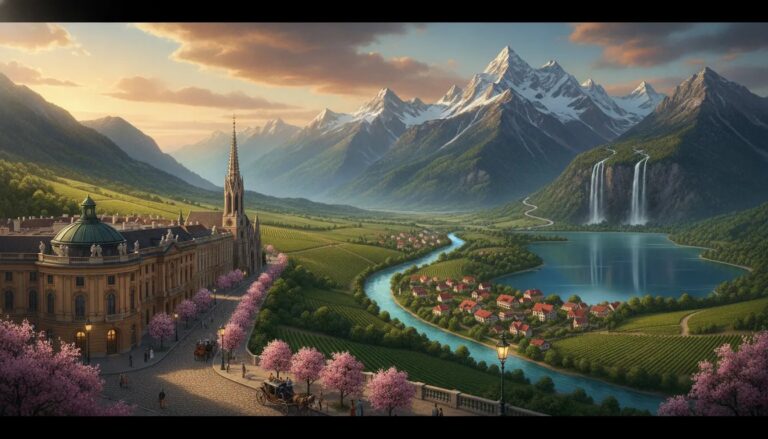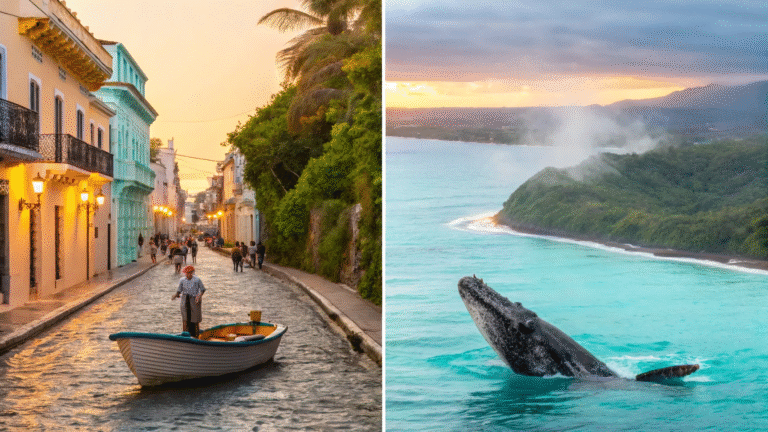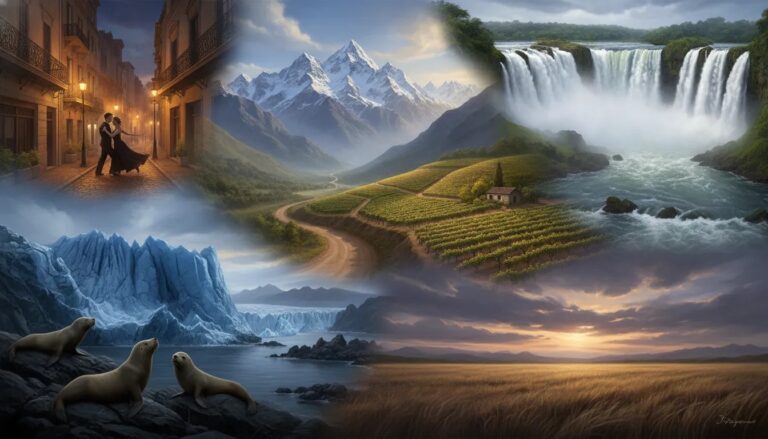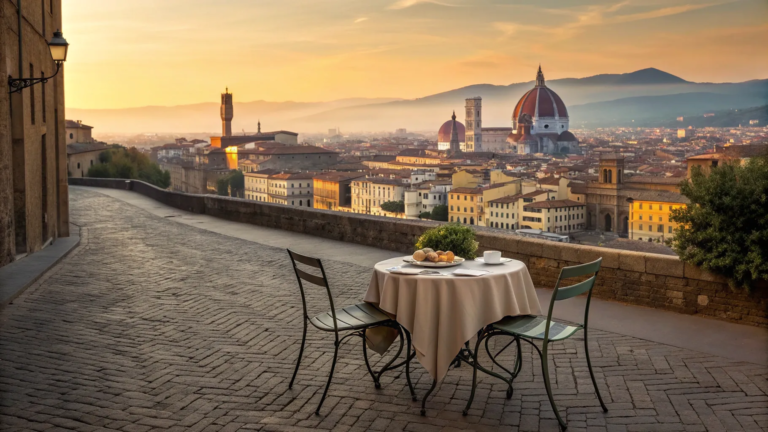
Wonders of Canada — The Most Fascinating Places in Canada | 4K Travel Guide
Inspired by an original travel video and its creator, this guide expands the journey into Canada’s most stunning destinations. Below you’ll find an in-depth, easy-to-scan guide built in bullet format to help you absorb the highlights, practical tips, sample itineraries, conservation notes, and travel inspiration. Whether you’re planning a first trip or returning to rediscover Canada’s contrasts of wilderness and city life, this post covers everything mentioned in the video and adds useful context so you can plan with confidence.
- Scope: A panoramic tour across Banff, Jasper, Vancouver, Whistler, Mont-Tremblant, Niagara Falls, Quebec City, Ottawa, Gros Morne, Prince Edward Island, the Okanagan Valley and more.
- Voice & tone: Friendly, curious, and enthusiastic — matching the spirit of the travel narration while staying practical and detailed.
- Format: Bulleted sections for quick reading, screenshots referenced to video timestamps, and a detailed FAQ at the end.
Table of Contents
- 📌 Quick Canadian facts & curiosities
- 🗺️ How to read this guide
- ⛰️ Banff National Park — Alpine jewel in the Rockies
- 🏔️ Mont-Tremblant — Quebec’s four-season alpine escape
- 🌊 Vancouver — Where ocean, mountains, and city life meet
- 🌊 Niagara Falls — Nature’s thunder at the border
- 🏞️ Jasper National Park — Vast wildlands and dark skies
- 🏰 Quebec City — A French historic heart in North America
- 🌲 Stanley Park (Vancouver) — Urban nature sanctuary
- 🍇 Okanagan Valley — Wine, orchards, and sunny lakes
- 🏛️ Ottawa — Canada’s capital of heritage and culture
- 🌄 Gros Morne National Park — Newfoundland’s geological wonder
- ⛷️ Whistler — All-season mountain playground
- 🏝️ Prince Edward Island — Idyllic island life and literary charm
- 🍁 Gastronomy highlights across Canada
- 🧭 Practical travel planning & logistics
- 🗓️ Sample itineraries (5–14 days)
- ♻️ Responsible travel & conservation tips
- 📷 Photography & timing tips
- ❓ Frequently Asked Questions (FAQ) 🤔
- 🧳 Final tips & closing inspiration
📌 Quick Canadian facts & curiosities
- Canada covers nearly 10 million square kilometers — a country that stretches across three oceans and extreme geographic variety.
- It holds one of the world’s largest reserves of fresh water and forests — over 240 million hectares of forest that are central to the economy and ecosystem.
- The Trans-Canada Highway links all ten provinces and runs for more than 7,600 kilometers, making it one of the longest highways in the world.
- Canada is a hub of innovation — notable inventions include insulin and contributions to the electron microscope.
- These facts hint at why Canada is beloved worldwide: vast nature, storied cities, resilient culture, and scientific innovation.
🗺️ How to read this guide
- Each destination section contains: highlights, what to do, best seasons to visit, quick tips, and nearby activities.
- Screenshot markers are included to match scenes in the original video. These images are referenced using timestamps for easy cross-checking.
- Sections are written in concise bullet format to help you scan and plan efficiently.
⛰️ Banff National Park — Alpine jewel in the Rockies
- Why go: Classic Canadian Rockies scenery—towering peaks, turquoise lakes, and year-round outdoor activities.
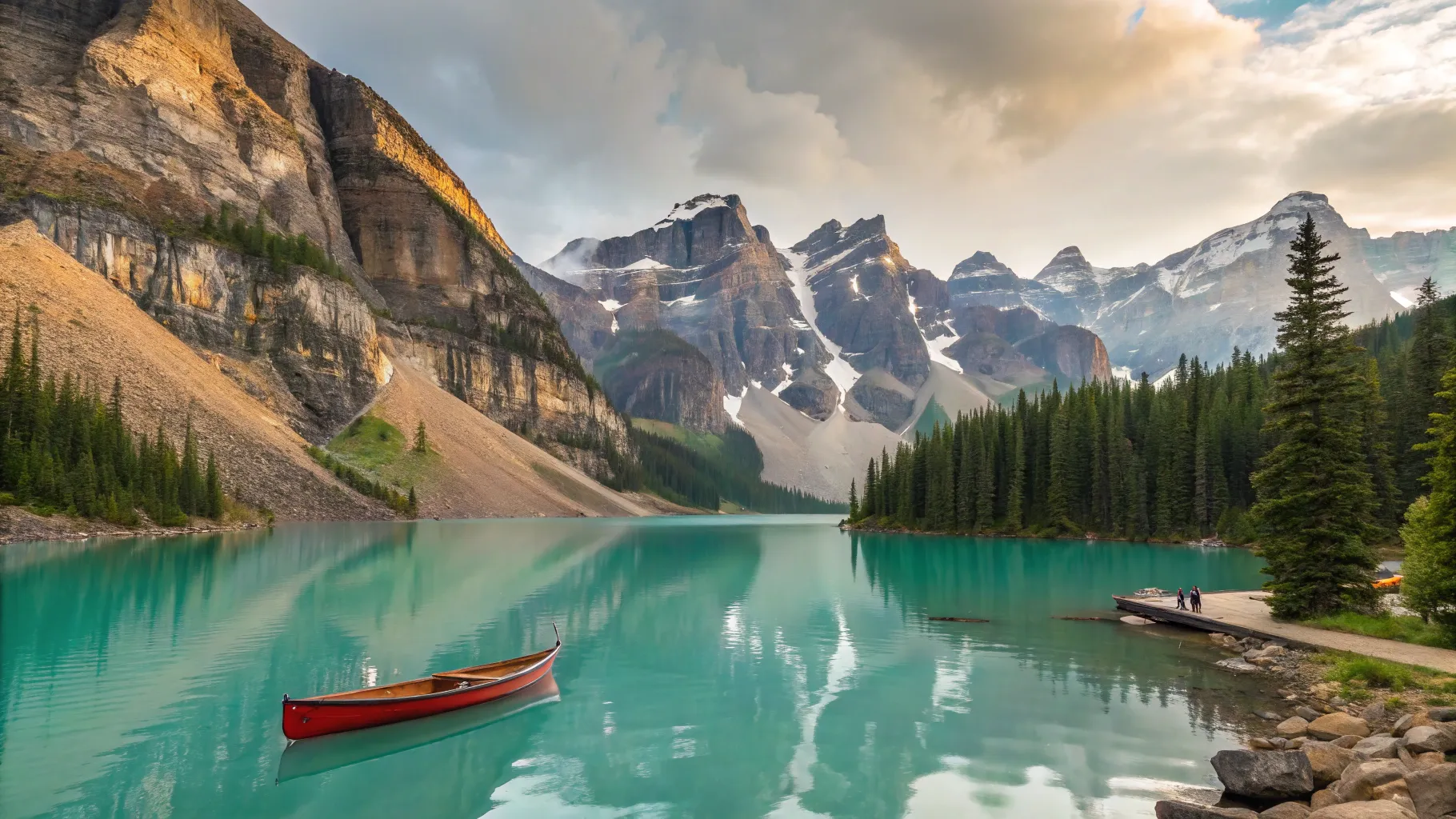
- Highlights: Lake Louise — turquoise glacial waters and iconic postcard views. Moraine Lake — intense blue water contrasted with dark forests. Hot springs — perfect for relaxing after long hikes. Wildlife sightings: bears, elk, bighorn sheep, among others.
- Best time to visit: Summer (June–September): Hiking, canoeing on Lake Louise, wildflowers. Winter (November–March): Skiing, snowshoeing, and a winter sports paradise.
- Top activities: Hike trails of varying difficulty — try Plain of Six Glaciers or Lake Agnes Tea House for classic routes. Canoe on Lake Louise or Moraine Lake in the early morning for mirror-like reflections. Wildlife watching — keep distance and carry bear spray in the backcountry (and know how to use it). Soak at the Banff Upper Hot Springs after a day outdoors.
- Practical tips: Banff National Park was established in 1885, making it Canada’s oldest national park. The park covers over 6,600 square kilometers — allow multiple days to explore different areas. Parking at popular lakes fills early in summer; consider shuttle services or arrive pre-dawn. Altitude and mountain weather change quickly—layer clothing and carry rain protection.
- Suggested stay: 3–5 days to see Lake Louise, Moraine Lake, Banff townsite, and take at least one full-day hike.
🏔️ Mont-Tremblant — Quebec’s four-season alpine escape
- Why go: A European-flavored village paired with North American outdoor adventure — skiing in winter, lakes and trails in summer.
- Highlights: More than 100 ski runs—great for beginners and experts alike. Laurentian landscapes, scenic viewpoints, and the Park National du Mont Tremblant nearby. Charming pedestrian village with cobblestone streets, bistros, and shops.
- Best time to visit: Winter (December–March): Ski resorts at their best; festivals and cozy après-ski. Summer (June–September): Hiking, mountain biking, lake swimming, and golf.
- Top activities: Alpine skiing, snowboarding, and snowshoeing in winter. Mountain biking and hiking in the summer with trails to hidden lakes and waterfalls. Golf at scenic courses surrounded by forested hills. Stroll the pedestrian village at night for lively restaurants and local entertainment.
- Practical tips: The village ambiance is particularly romantic at night—ideal for couples or relaxed evenings after full days outdoors. French is the primary language in Quebec—learn a few polite French phrases (bonjour, merci) to enhance interactions. Book winter stays well in advance during peak ski season to secure lodging close to lifts.
- Suggested stay: 2–4 days to enjoy both mountain activities and the village atmosphere.
🌊 Vancouver — Where ocean, mountains, and city life meet
- Why go: A city that blends big-city amenities with immediate access to beaches, forests, and mountain trails.
- Highlights: English Bay beaches for sunset walks and easy access to waterfront scenes. Stanley Park — an enormous urban park with old-growth forests and coastal views. Proximity to Whistler (about 2 hours drive) for day trips or multi-day adventures. Delicious multicultural food scene — from authentic Asian cuisine to award-winning restaurants.
- Top activities: Cycle or walk the Stanley Park seawall for unobstructed ocean and city views. Hike the Grouse Grind for a steep workout and panoramic vistas (or take the gondola down). Kayak or paddleboard in False Creek for peaceful water time with a skyline backdrop. Explore neighborhoods: Gastown (historic charm), Yaletown (modern dining), Richmond (top Asian cuisine).
- Practical tips: Vancouver’s weather is mild but rainy—bring a waterproof jacket year-round. Public transit is efficient; consider the SkyTrain and buses for city exploration. Book specialty restaurants in advance—popular spots fill quickly on weekends.
- Suggested stay: 3–5 days to enjoy both urban life and nearby nature or a Whistler day trip.
🌊 Niagara Falls — Nature’s thunder at the border
- Why go: One of the world’s most powerful and famous waterfalls — visual spectacle and immersive experiences.
- Highlights & stats: Three main falls: Horseshoe Falls, American Falls, Bridal Veil Falls. Height: over 50 meters and an average water volume of more than 2 million liters per second — immense force and sound.
- Top activities: Boat ride on the Maid of the Mist (or Hornblower on the Canadian side) to feel the mist and raw power close up. Visit Skylon Tower for panoramic views from over 160 meters up. Evening illumination and fireworks display if in season — the falls light up in vibrant colors. Explore the nearby entertainment district for restaurants, casinos, and a Ferris wheel with a view of the falls.
- Best time to visit: Summer for boat rides and full tourist services. Winter for a dramatic, icy landscape — note many boat tours close in freezing months.
- Safety & practical tips: Wear rain protection on boat tours — you will get wet. Peak season draws huge crowds; early morning or late evening offers quieter views and better photos.
- Suggested stay: 1–2 days to see the falls, take a boat tour, and visit observation points.
🏞️ Jasper National Park — Vast wildlands and dark skies
- Why go: The largest national park in the Canadian Rockies with untouched landscapes, glacial lakes, and excellent stargazing.
- Highlights: Maligne Lake and Pyramid Lake — dramatic reflections and boat cruises on Maligne. One of the world’s largest dark-sky reserves — the Milky Way shines brightly on clear nights. Marmot Basin — winter sports area with great snow conditions and wide skiable terrain. Wildlife: elk, bears, wolves, bighorn sheep, and mountain goats.
- Top activities: Hike and explore deep valleys and glacial rivers — trails for all levels. Stargaze and photography in the dark-sky reserve — bring a tripod and warm layers. Winter activities include skiing at Marmot Basin, snowshoeing, and ice-cave exploration where accessible and safe.
- Safety & conservation: Always respect wildlife distances; animals are wild and unpredictable. In winter, know avalanche risk zones and check local advisories before heading into backcountry.
- Suggested stay: 3–5 days to enjoy lakes, hikes, wildlife viewing, and at least one evening of stargazing.
🏰 Quebec City — A French historic heart in North America
- Why go: Immerse in Francophone culture, cobbled streets, historic walls, and European architecture in a North American setting.
- Highlights: Old Quebec — the only walled city in North America with preserved fortifications. Chateau Frontenac — the iconic hotel dominating the skyline and a top photo subject. Vibrant culture: festivals, art, music, and strong French-language traditions. Seasonal charm: Quebec Winter Carnival in winter and lively sidewalk cafés in summer.
- Top activities: Wander Old Quebec’s narrow streets and sample cuisine — from poutine to refined French-Canadian dishes. Explore local museums: Musée de la Civilisation and Musée national des beaux-arts du Québec. Attend seasonal events: the Winter Carnival offers ice sculptures, parades, and outdoor fun; summer brings festivals and terraces.
- Practical tips: French is the predominant language—make an effort with simple phrases to enhance encounters. Bring comfortable walking shoes; Old Quebec’s cobblestones are charming but uneven.
- Suggested stay: 2–3 days to enjoy Old Quebec, museums, and riverfront views.
🌲 Stanley Park (Vancouver) — Urban nature sanctuary
- Why go: Large urban park offering ancient forests, coastal views, cultural sites, and diverse wildlife — all within a major city.
- Highlights: Seawall — a paved route circling the peninsula with ocean, mountain, and skyline vistas. Lost Lagoon — birdwatching and tranquil water surrounded by trees. Totem poles at Brockton Point — a celebrated cultural and photographic spot representing Indigenous art. Vancouver Aquarium — educational marine life exhibits inside the park.
- Top activities: Bike or stroll the seawall for a full scenic loop. Watch for local wildlife: bald eagles, seals, and sometimes distant orca sightings. Learn about Indigenous culture and art via interpretive sites and the totem poles.
- Suggested stay: Half to full day within a Vancouver visit to fully explore the park’s main features.
🍇 Okanagan Valley — Wine, orchards, and sunny lakes
- Why go: Canada’s top interior wine region with warm microclimate, award-winning wineries, orchards, and recreational lakeside activities.
- Highlights: Over 200 wineries producing acclaimed Pinot Noir, Riesling, and other varietals. Lake Okanagan — more than 130 kilometers of shoreline offering beaches, coves, and water sports. Fruit orchards — apples, cherries, peaches with seasonal U-pick experiences. Kelowna — central hub with marinas, restaurants, and access to wineries.
- Top activities: Wine tours and tasting routes — many estates pair food with wines on-site. Stand-up paddle boarding, kayaking, or boating on calm lake waters. Visit orchards in summer for fresh fruit picking and farm experiences.
- Practical tips: Summer is peak season — book tastings and waterfront accommodation ahead of time. Designate a driver or join guided wine tours to enjoy tastings safely.
- Suggested stay: 2–4 days to visit several wineries, enjoy lake activities, and explore local produce markets.
🏛️ Ottawa — Canada’s capital of heritage and culture
- Why go: Parliament Hill, national museums, and the picturesque Rideau Canal that changes its character with the seasons.
- Highlights: Parliament Hill — impressive gothic buildings and daily changing of the guard ceremonies in summer. Rideau Canal — transforms into the world’s largest skating rink in winter (over 7 kilometers). National cultural institutions: Canadian Museum of History and the National Gallery of Canada.
- Top activities: Tour Parliament buildings and watch ceremonial traditions. Skate along the Rideau Canal in winter and sample beaver tails — a classic local pastry sold at huts along the rink. In summer, canoe or boat on the canal and explore cityscapes by water. Museum visits for a deep dive into Canadian history and art.
- Practical tips: Security controls at Parliament can take time—arrive early for guided tours. Winter clothing is essential for comfort while enjoying outdoor activities on the canal.
- Suggested stay: 1–3 days depending on museum interests and whether you plan winter skating.
🌄 Gros Morne National Park — Newfoundland’s geological wonder
- Why go: Dramatic fjords, ancient Tablelands, and landscapes that tell deep geological stories.
- Highlights: Fjords carved by ancient glaciers — perfect for sailing, kayaking, and rugged coastal vistas. The Tablelands — billion-year-old rocks with orange hues that feel otherworldly. Wildlife: moose, bears, and seasonal whale sightings off the coast.
- Top activities: Boat cruises through fjords for geology and whale watching. Hikes that reveal panoramic lookout points and geological features. Photography and interpretive trails focused on tectonic history — a must for geology enthusiasts.
- Practical tips: Weather can shift quickly near the coast—pack layers and waterproof gear. Respect local trails and fragile rock features—do not remove or disrupt geological samples.
- Suggested stay: 2–4 days to explore fjords, Tablelands, and coastal activities.
⛷️ Whistler — All-season mountain playground
- Why go: World-class skiing and extensive summer mountain trails, plus a vibrant pedestrian village.
- Highlights: Whistler and Blackcomb Mountains — over 240 kilometers of prepared runs and descents up to 1,500 meters. Peak 2 Peak gondola connecting the two mountains with panoramic vistas. Summer: mountain biking, hiking, alpine lakes (Lost Lake), and festivals.
- Top activities: Skiing and snowboarding in winter on varied terrain for all skill levels. Mountain biking and hiking in summer with trails ranging from gentle to extreme. Relax in the lively village with restaurants, bars, and cultural events year-round. Swim or relax at Lost Lake after a trail day.
- Practical tips: Book lift tickets and bike rentals ahead during peak seasons. Village accommodation varies from hostels to luxury lodges—choose based on activity focus and budget.
- Suggested stay: 3–5 days to experience both mountain activities and village life.
🏝️ Prince Edward Island — Idyllic island life and literary charm
- Why go: Bucolic coastal scenery, red-sand beaches, lighthouses, and the home of a beloved literary classic.
- Highlights: Red sand beaches along the Gulf of Saint Lawrence — perfect for leisurely walks and photo ops. Historic lighthouses like Point Prim and dramatic coastal cliffs. Anne of Green Gables heritage sites in Cavendish — draws fans from around the globe. Fresh seafood — especially lobster, oysters, mussels, and scallops.
- Top activities: Explore Cavendish and the Anne of Green Gables historic sites for a literary pilgrimage. Cliff walks, beach days, and lighthouse visits for scenic coastal exploration. Sample seafood at seaside shacks and seasonal seafood festivals in summer.
- Practical tips: Summer is peak tourism season—book accommodations and ferry or bridge crossings in advance. Respect fragile dune ecosystems when visiting beaches—stay on designated paths.
- Suggested stay: 2–4 days to enjoy beaches, literary sites, and local seafood culture.
🍁 Gastronomy highlights across Canada
- Regional flavors: Poutine — a must-try classic comfort food, especially in Quebec and across the country. Fresh Atlantic seafood — lobster, oysters, mussels, scallops (notably Prince Edward Island and Newfoundland). Okanagan wines — award-winning Pinot Noir, Riesling, and creative food-and-wine pairings. Multicultural urban cuisines — Vancouver’s Richmond area is famous for authentic Asian flavors; Toronto (not covered extensively in the video) and other cities also boast global culinary scenes.
- Food tips: Try regional specialties: local fish in Atlantic provinces, game meats in some remote regions, and craft beers in many cities. Farmers’ markets are excellent for seasonal produce—especially in Okanagan during fruit harvest season.
🧭 Practical travel planning & logistics
- Seasons and what to expect: Spring (April–June): Thawing ice, budding landscapes, fewer crowds — variable weather. Summer (June–September): Best weather for hiking, lakes, festivals, and coastal beaches — peak tourist season in many areas. Fall (September–October): Crisp air, autumn colors, quieter tourism — great for scenic drives and wine tours. Winter (November–March): Ski resorts are prime; many northern and mountain areas have heavy snow—plan accordingly.
- Time & distances: Canada is vast — traveling between east and west can require multiple flights or long road trips. Plan realistic itineraries rather than trying to cover too much in one trip. Trans-Canada Highway spans thousands of kilometers — excellent if you prefer slow road travel but allocate days for meaningful stops.
- Budgeting: Costs vary by region and season: cities and ski resorts are pricier; smaller towns and off-season travel can be more economical. National park fees apply in places like Banff, Jasper, and Gros Morne—factor park passes into your budget.
- Transportation: Rent a car for flexibility when visiting national parks, Okanagan, and island regions. Use public transport in cities (Vancouver SkyTrain, buses) for efficient urban travel. Consider short domestic flights for cross-country travel to maximize time for activities.
- Safety & wildlife: Respect wildlife distance and follow park guidance (bear safety, food storage, and trail closures). Carry basic first-aid and know local emergency contacts for remote areas. In winter, prepare for icy roads, early sunsets, and proper warm gear.
- Language: English is dominant in most provinces; French is primary in parts of Quebec — a few polite French phrases go a long way.
🗓️ Sample itineraries (5–14 days)
- 5-Day Rockies Weekend (Banff + Jasper snippet): Day 1: Arrive in Calgary — drive to Banff, stroll Banff townsite and soak in hot springs. Day 2: Lake Louise + Moraine Lake sunrise canoe, afternoon hike (Lake Agnes or Plain of Six Glaciers). Day 3: Drive the Icefields Parkway toward Jasper with stops at scenic viewpoints and Athabasca Glacier lookout. Day 4: Jasper — Maligne Lake cruise and short local hikes; evening stargazing in the dark-sky reserve. Day 5: Marmot Basin (winter) or local trails and return to Calgary or continue onward.
- 7-Day British Columbia Blend (Vancouver, Whistler, Okanagan): Day 1–2: Vancouver — Stanley Park, Gastown, False Creek kayak, and food exploration. Day 3–4: Drive/transfer to Whistler — enjoy mountain activities (hiking or skiing) and Peak 2 Peak gondola. Day 5–7: Drive to Okanagan Valley (long drive or flight to Kelowna) — winery tours, lake time, and orchard visits.
- 10–14 Day East Coast & Cultural Highlights: Days 1–3: Quebec City — Old Quebec, Chateau Frontenac, museums, and riverside explorations. Days 4–5: Ottawa — Parliament Hill, Rideau Canal skating (winter) or boating, museums. Days 6–8: Prince Edward Island — beaches, Anne of Green Gables sites, seafood dining. Days 9–10: Gros Morne (if extending to Newfoundland) — fjords, Tablelands, whale watching and geological trails. Alternative: Add Niagara Falls and Toronto for combined natural spectacle and urban experiences.
♻️ Responsible travel & conservation tips
- Respect ecosystems: Stay on marked trails, pack out trash, and avoid disturbing wildlife.
- Support local: Choose local guides, family-run wineries, and eateries that source local produce.
- Minimize footprint: Offset flights where possible, use public transit in cities, and limit single-use plastics.
- Observe rules: Follow park regulations on campfires, camping locations, and food storage in wildlife areas.
📷 Photography & timing tips
- Golden hours: Sunrise at Lake Louise and Moraine Lake gives soft light and mirror reflections; sunset at coastal points yields dramatic colors.
- Night sky photography: Jasper’s dark-sky reserve is ideal—use a tripod and wide aperture for Milky Way shots.
- Waterfalls: Use neutral-density filters for silky water effects; get there early to avoid crowds and capture the best light.
- Wildlife shots: Keep long distances with telephoto lenses, avoid close-ups that stress animals, and follow park guidelines.
❓ Frequently Asked Questions (FAQ) 🤔
- Q: When is the best time to visit Canada overall? A: It depends on your interests. Summer (June–September) is best for hiking, lakes, and festivals; winter (November–March) is ideal for skiing and winter activities. Spring and fall offer quieter experiences and seasonal beauty (wildflowers and fall colors).
- Q: Do I need to speak French everywhere in Canada? A: No. English is widely spoken across most provinces. French is the predominant language in Quebec and important in some communities in New Brunswick and parts of Ontario. Learning basic French greetings enriches your experience in Francophone regions.
- Q: Are national parks crowded? A: Popular parks like Banff and Jasper see significant visitation in summer. Arrive early, use shuttles where offered, and consider visiting less-touristed trails or shoulder seasons for more solitude.
- Q: Is wildlife dangerous? A: Wildlife can be dangerous if approached. Keep safe distances (at least 100 meters from bears and 30 meters from other large animals where possible), store food securely, and carry bear spray in bear country. Follow local park safety briefings.
- Q: How to plan travel between distant regions (east to west)? A: Canada’s size makes multi-destination road trips time-consuming—consider domestic flights for long distances and allocate at least a week per region for meaningful exploration.
- Q: Are tours necessary or can I go independently? A: Both options work. Independent travel gives flexibility (especially for driving and park visits). Guided tours are helpful for specialized experiences (wildlife viewing, glacier walks, boat tours, wine tastings) and for deeper local context.
- Q: What about tipping and service expectations? A: Tipping (10–20%) is customary at restaurants, for taxis, and in many service settings. Service standards vary slightly by province but follow general North American norms.
- Q: What gear should I bring? A: Essentials include layered clothing for variable weather, waterproof outerwear, sturdy hiking shoes, bear spray for certain park areas, a reusable water bottle, sunscreen, and a camera with a tripod for night shots if interested in astrophotography.
- Q: Are there any must-try foods? A: Try poutine, regional seafood (especially Atlantic provinces), Okanagan wines, local bakery items like beaver tails (Ottawa/Rideau Canal), and diverse ethnic cuisines in major cities like Vancouver.
- Q: How to make the most of short time (3–5 days)? A: Focus on one region rather than trying to cross the country. For example, choose the Rockies (Banff/Lake Louise) for nature, Vancouver+Whistler for an urban + mountain blend, or Quebec City + Ottawa for culture and history.
🧳 Final tips & closing inspiration
- Pack for variety: Canada’s climates vary dramatically—bring layers and plan for sudden weather changes, especially in mountain and coastal areas.
- Plan realistically: Travel distances can be long, and each region offers deep exploration—choose a theme (nature, city culture, or food & wine) for each trip to get the most out of your time.
- Be curious and respectful: Engage with local culture, taste regional cuisine, and always follow conservation and wildlife guidelines to preserve these places for future visitors.
- Sample closing thought: Canada is a country of contrasts — from turquoise mountain lakes and ancient rocks to modern cities and culinary diversity. Every visit offers a new perspective and invites you to fall in love with the landscape and culture time and again.
If these curated highlights sparked your wanderlust, use this guide as the starting point for planning your Canadian adventure. Whether you’re chasing alpine reflections, tasting Okanagan wines, or marvelling at the thunder of Niagara, Canada promises unforgettable scenes and experiences.