Wonders of Japan | The Hidden Places No One Talks About! | Travel Video 4K
Table of Contents
- 🌆 Introduction — Why Japan Feels Like Two Worlds at Once
- 🗼 Tokyo — Chaos and Calm in the World’s Most Organized Megalopolis
- 🏯 Kyoto — Golden Pavilions and the Slow Art of Presence
- 🕊️ Hiroshima — Loss, Remembrance and a City That Rebuilt with Purpose
- 🗻 Mount Fuji & the Fuji Five Lakes — Sacred Summit and Mirror Lakes
- 🦌 Nara — The Old Capital and Its Gentle Messengers
- 🙏 Kamakura — Coastal Temples and Forest Trails an Hour from Tokyo
- ❄️ Hokkaido — Wild Seasons, Snow Festivals and Lavender Dreams
- 🏝️ Okinawa — Coral Reefs, Ryukyu Culture and the Secrets of Longevity
- ⛰️ Nikko — Ornate Shrines and Misty Mountain Magic
- ♨️ Hakone — Onsen Baths, Lake Cruises and Open-Air Art
- 🧭 Shikoku — The 88-Temple Pilgrimage and the Art of Slow Travel
- 🎎 Everyday Culture & Little Curiosities That Shape a Visit
- 🧳 Practical Travel Tips and Sample Itineraries
- 📸 Photography, Timing and When to Visit
- 📝 Final Thoughts — How Japan Changes the Way You Travel
- ❓ Frequently Asked Questions
🌆 Introduction — Why Japan Feels Like Two Worlds at Once
- Japan presents a living contrast where ancient rituals and futuristic technologies coexist in the same city block.
- Expect to move from neon intersections to silent temple courtyards within minutes; that contrast is the defining charm.
- Every trip becomes a curated lesson in attention to detail — in architecture, food, manners and public life.
- The following bullets map essential places, practical tips and the cultural threads that bind them together.
🗼 Tokyo — Chaos and Calm in the World’s Most Organized Megalopolis
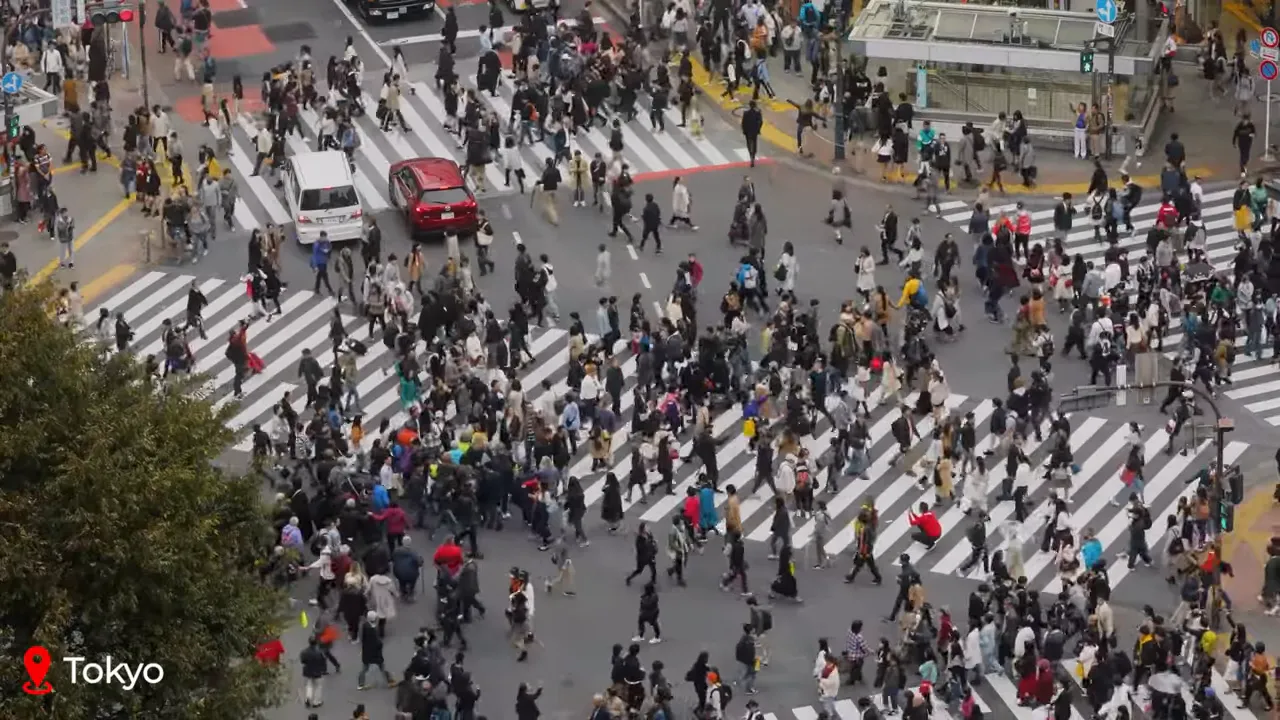
- Shibuya Crossing is a modern icon: thousands of people cross at once, a choreography of urban life that feels cinematic and alive.
- Asakusa and Sensoji Temple offer immediate atmosphere shift. Expect incense-scented lanes, paper lanterns and stalls selling taiyaki and handcrafted souvenirs.
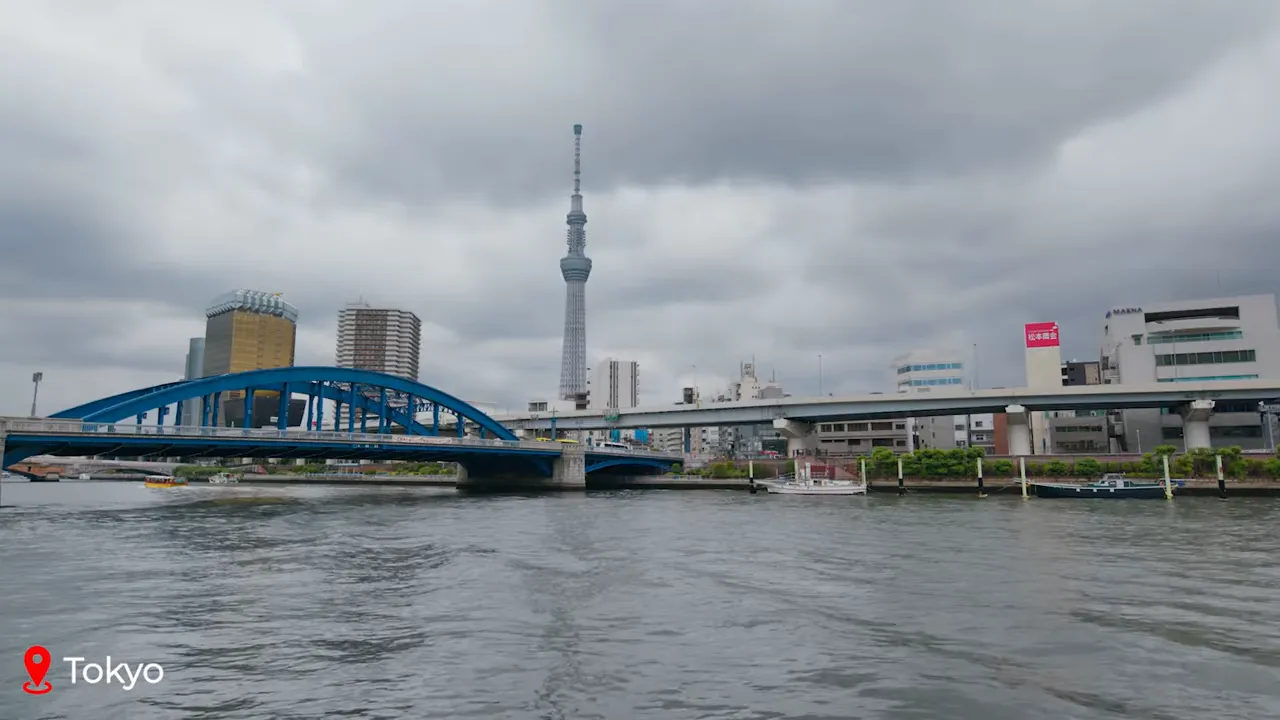
- Akihabara is the tech and pop-culture playground: gadgets, manga, collectibles and themed cafés where subcultures converge.
- Toyosu Market (the successor to Tsukiji) is where sushi culture meets daily ritual — fish auctions, expert knife work and sushi counters serving the freshest cuts.
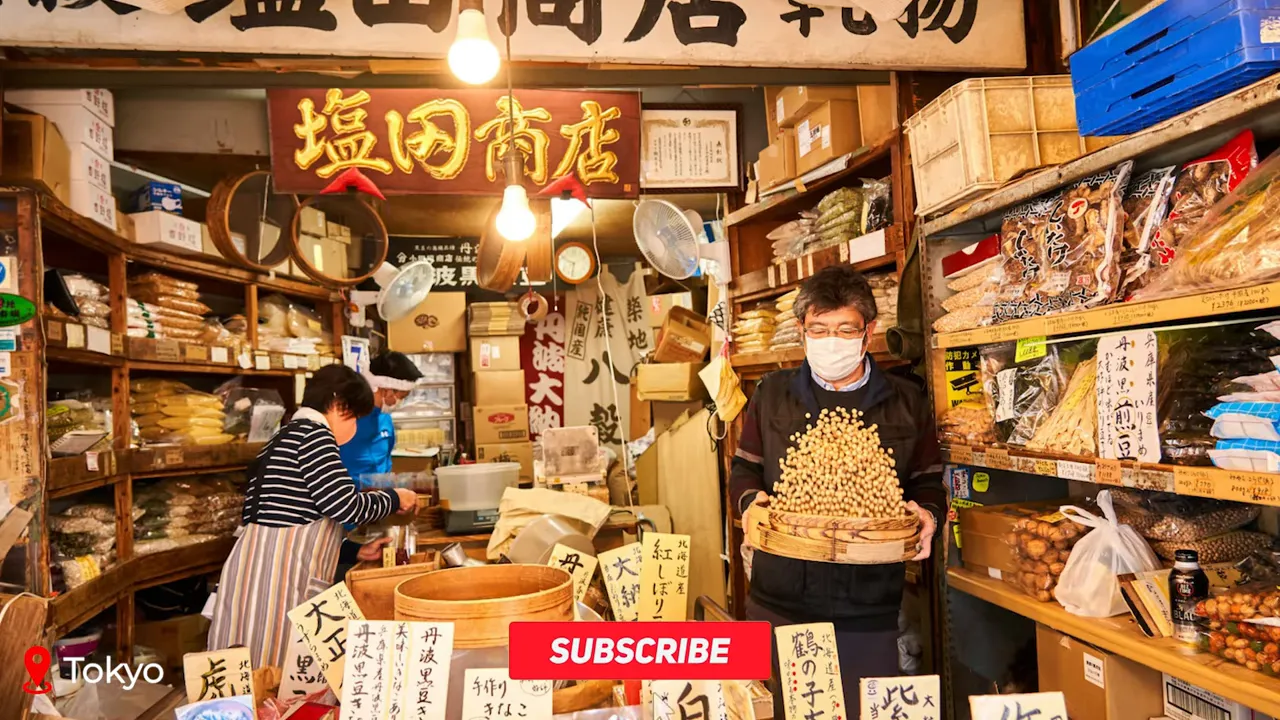
- Tokyo’s transport system is a marvel of punctuality:
- Trains and subways are clean, safe and exceptionally reliable.
- The Shinkansen network connects cities at high speed with near-perfect on-time records.
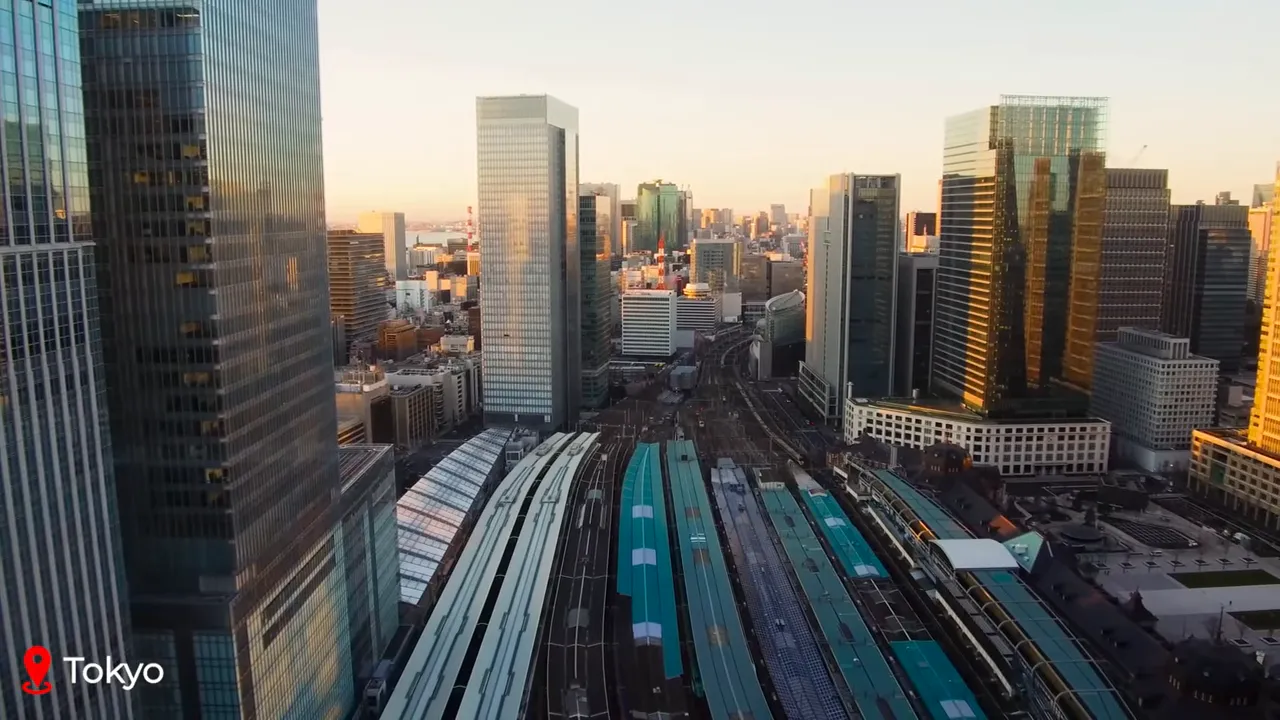
- Practical tips for Tokyo:
- Purchase a prepaid transit card for convenience.
- Visit Shibuya at dusk for neon energy and early morning for emptier streets and softer light.
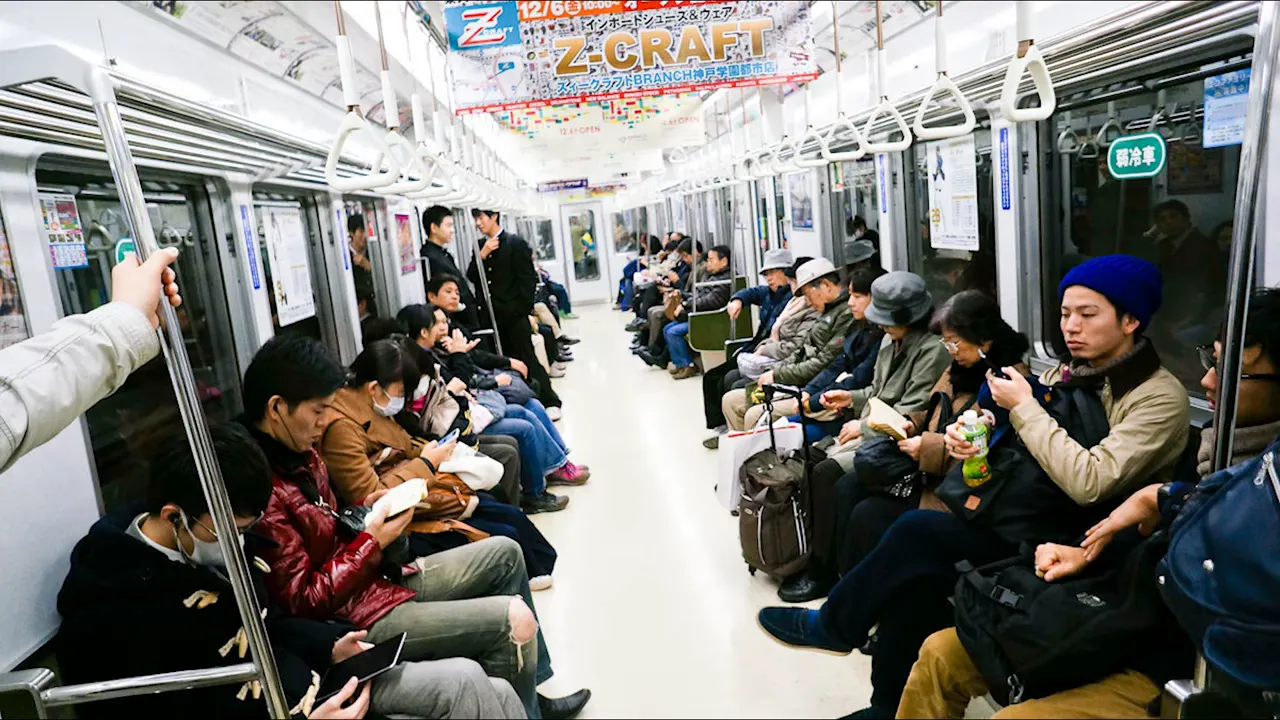
- Respect silence on trains — phone calls are uncommon and often frowned upon.
- Why Tokyo resonates: it’s the place where contemporary design, pop culture and centuries-old spirituality intersect, revealing how modern life is informed by tradition.
🏯 Kyoto — Golden Pavilions and the Slow Art of Presence
- Kyoto holds over a thousand temples, each a study in scale, material and ritual. Visiting feels like walking through a living museum of Japanese aesthetics.
- Kinkakuji, the Golden Pavilion, is one of those images that sticks with you — gold leaf reflecting in still water, an exercise in symmetry and silence.
- Gion’s cobblestone lanes and wooden machiya houses evoke old Kyoto. Geisha sightings are rare and dignified; the district preserves classical performing arts.
- Tea ceremonies exemplify Kyoto’s philosophy: ritualized movement, precise tools and a reverent atmosphere. A single ceremony can feel like a full meditation practice.
- Fushimi Inari’s thousand torii gates offer a physical metaphor for pilgrimage. The orange tunnels climb the mountain, inviting slow reflection and striking photographs.
- Kyoto essentials:
- Book tea ceremonies and guided shrine visits in advance to secure an authentic experience.
- Explore early morning to avoid crowds and to see temples at their most contemplative.
- Walk where possible — many streets are quieter and reveal unexpected shrines and gardens.
- Why Kyoto matters: it is a cultural heartbeat, showing how ritual, seasonal calendaring and material beauty are woven into daily life.
🕊️ Hiroshima — Loss, Remembrance and a City That Rebuilt with Purpose
- Hiroshima is both a site of deep mourning and a living, modern city that chose to turn memory into a pledge for peace.
- The Peace Memorial Park provides a solemn, clear-eyed narrative: monuments, quiet gardens and the preserved Atomic Bomb Dome as a powerful emblem.
- The Peace Memorial Museum contextualizes the human impact and aftermath. Visits here are heavy but essential for understanding modern history’s stakes.
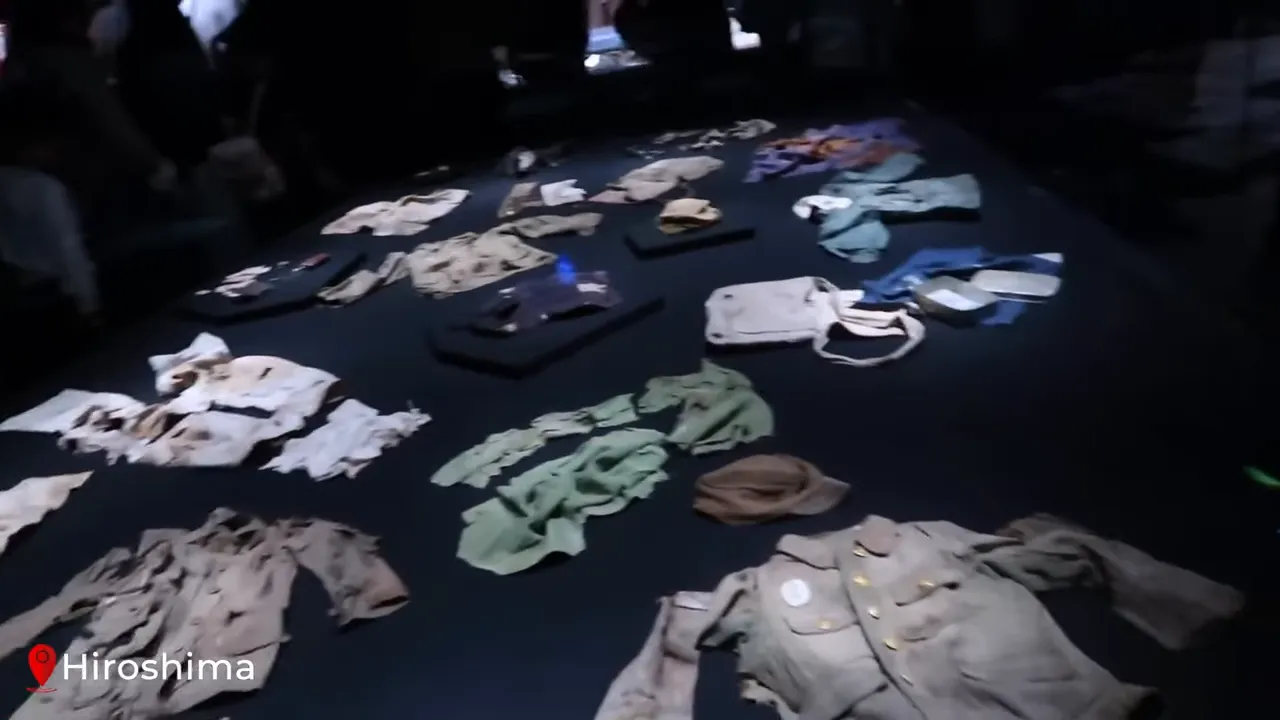
- Hiroshima also celebrates life:
- Hiroshima Castle stands reconstructed, offering a view into the city’s prewar history and cultural continuity.
- Local food, especially okonomiyaki — a savory pancake filled with cabbage, noodles and local toppings — is a joyful counterpoint to the city’s somber memorials.
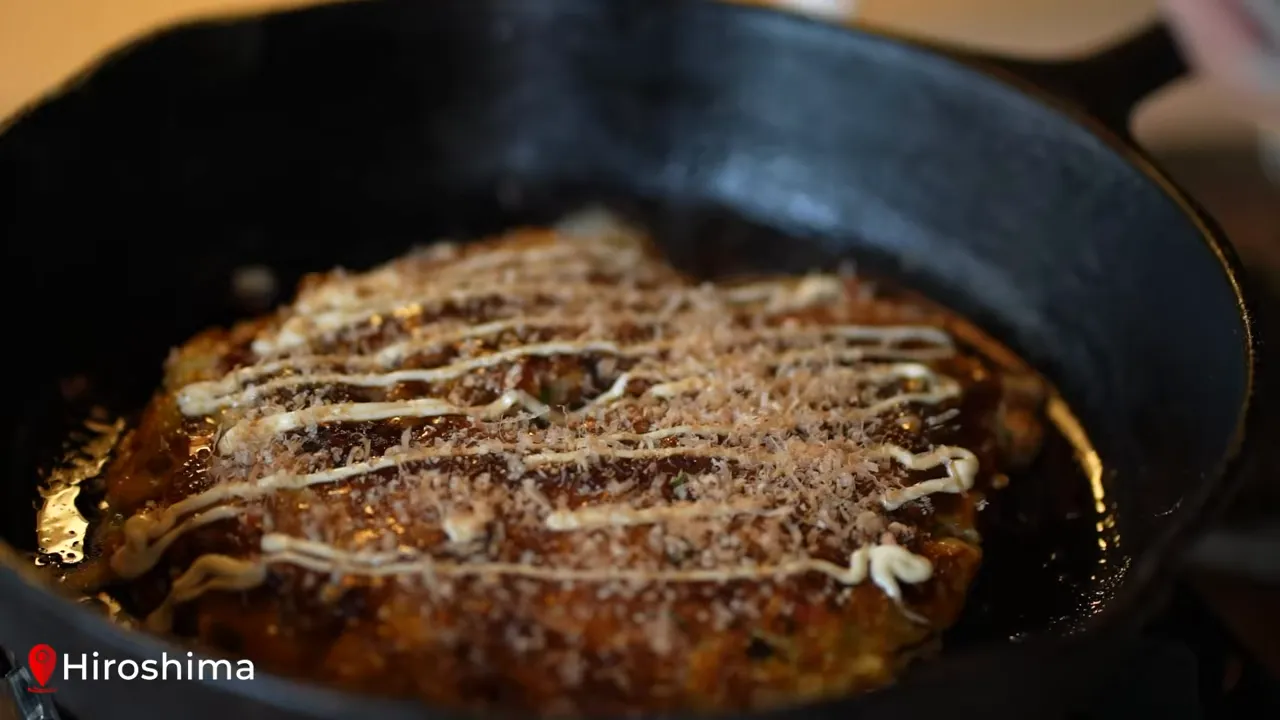
- Visiting considerations:
- Plan at least half a day for the memorial park and museum to move through the exhibits without rush.
- Combine Hiroshima with a trip to nearby Miyajima for floating torii and serene forest paths.
- Why Hiroshima endures in memory: it is an example of collective healing and the city’s ability to transform loss into a message of hope.
🗻 Mount Fuji & the Fuji Five Lakes — Sacred Summit and Mirror Lakes
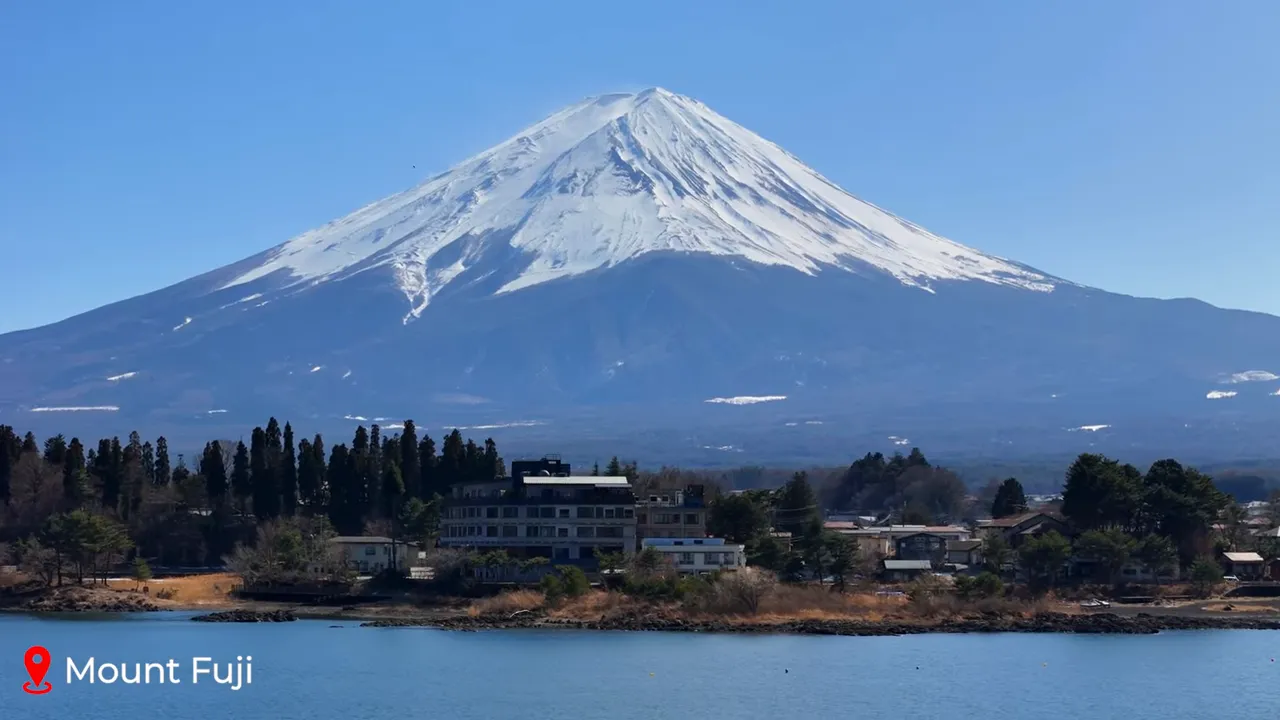
- Mount Fuji rises to 3,776 meters and holds a special place in Japanese imagination — both as a natural monument and a spiritual axis.
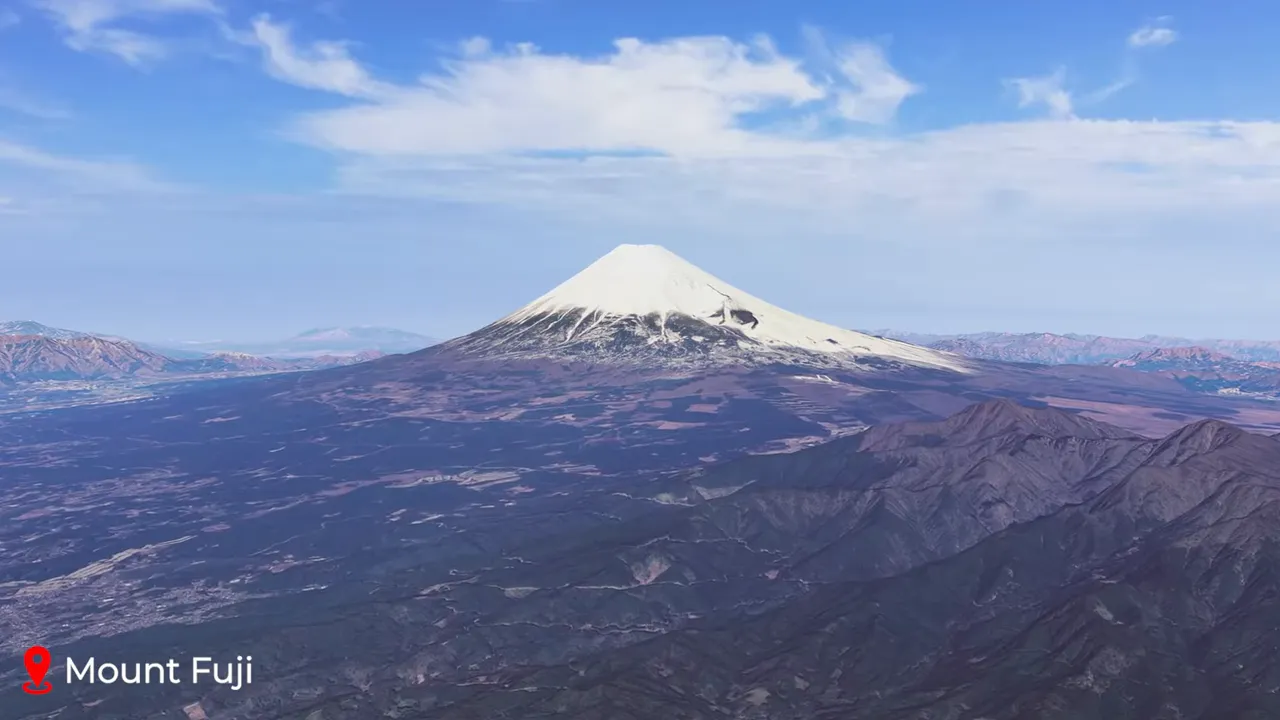
- Climbing season draws hikers aiming for goroiko — the summit sunrise. Witnessing sunrise from the peak is described as a near-spiritual moment.
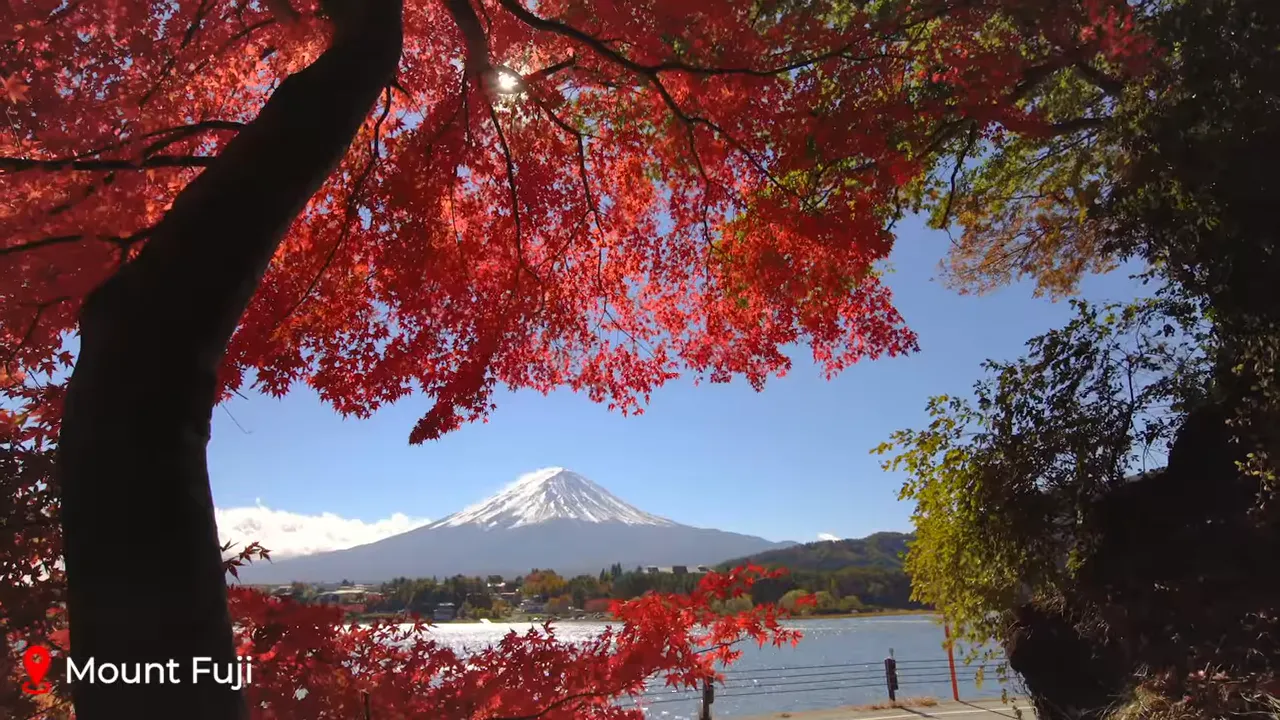
- The Fuji Five Lakes region (Kawaguchi, Yamanaka, Sai, Motosu, Shoji) frames the mountain in reflective waters and offers varied access points for photography and relaxation.
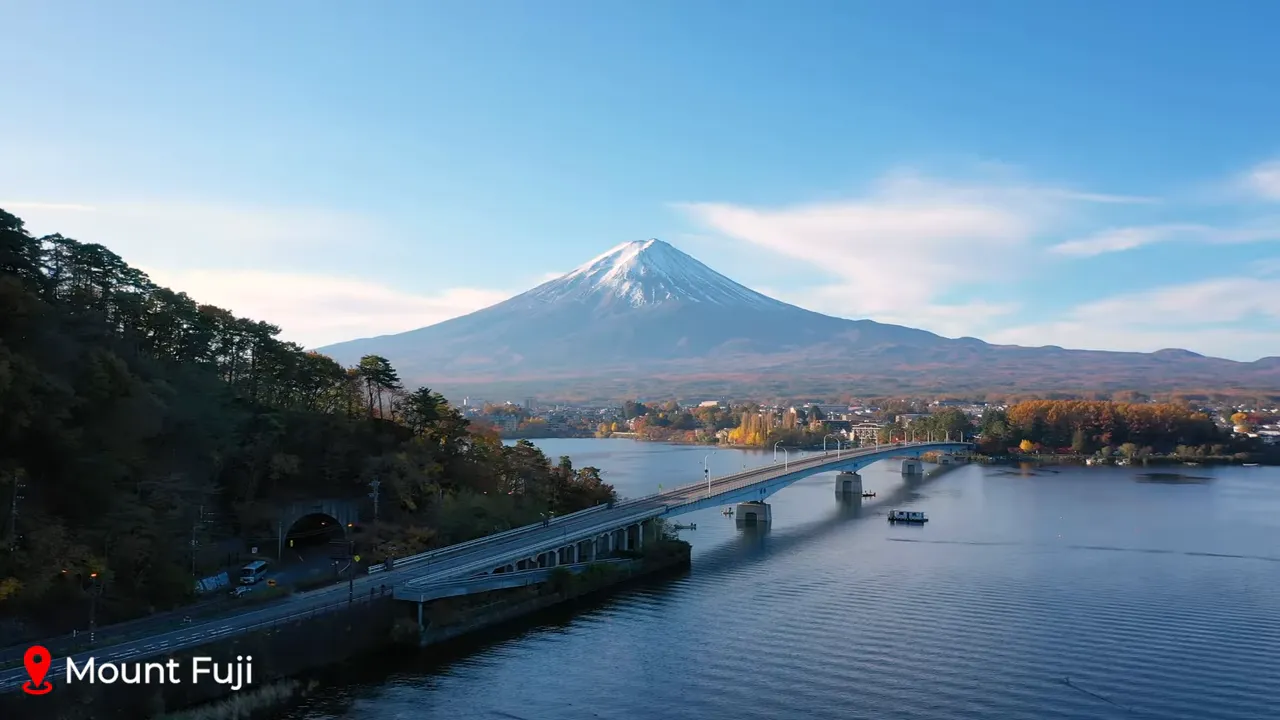
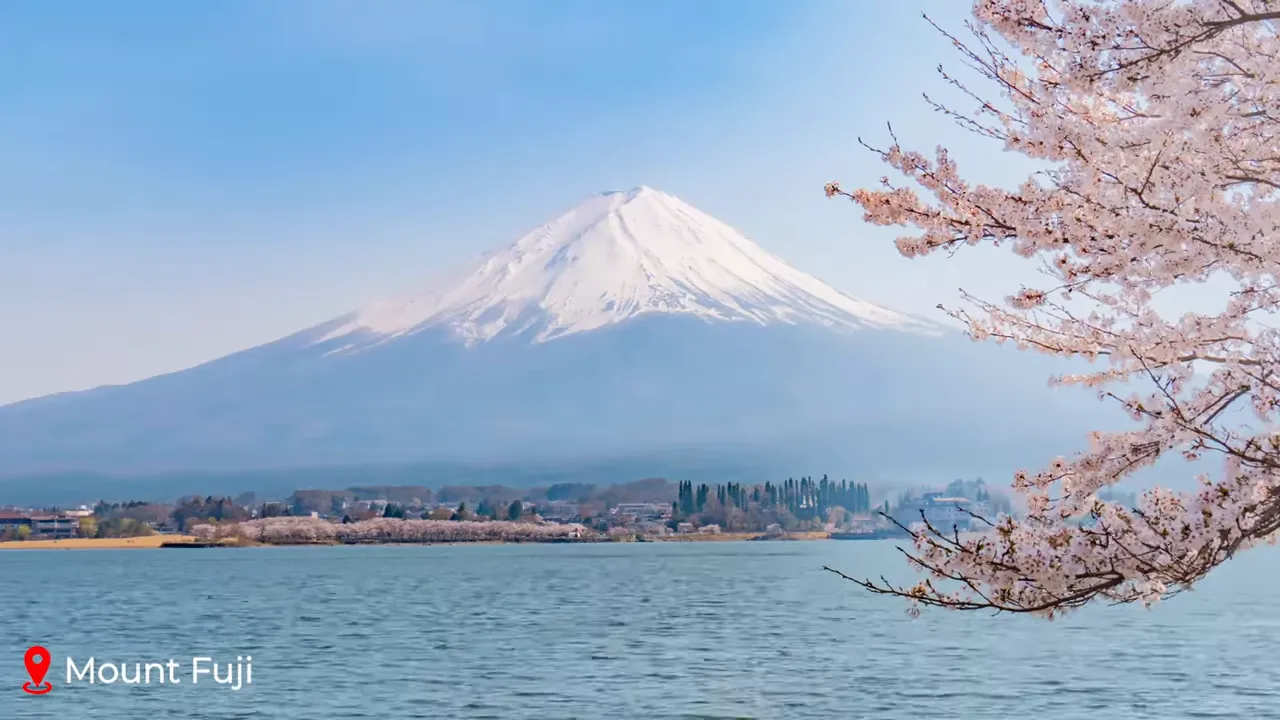
- Lake Kawaguchi is the most accessible and popular for seasonal views: cherry blossoms in spring, lush greenery in summer, vivid foliage in autumn, and snow-framed Fuji in winter.
- Beyond the summit:
- Explore nearby onsen towns for restorative baths and ryokan stays after long hikes.
- Visit Fujihokone-Izu National Park for trails, forests and hot springs without the summit crowds.
- Tips for Fuji:
- Book mountain huts ahead during climbing season and check weather carefully; conditions change rapidly.
- For photographers, early morning and late afternoon offer the best light and fewer tourists at lake viewpoints.
- Why Mount Fuji remains iconic: it is a natural anchor for a nation’s seasonal cycle, spiritual practice and photographic dreams.
🦌 Nara — The Old Capital and Its Gentle Messengers
- Nara, the first permanent capital of Japan, is compact and saturated with history; it rewards slow walking and attentive observation.
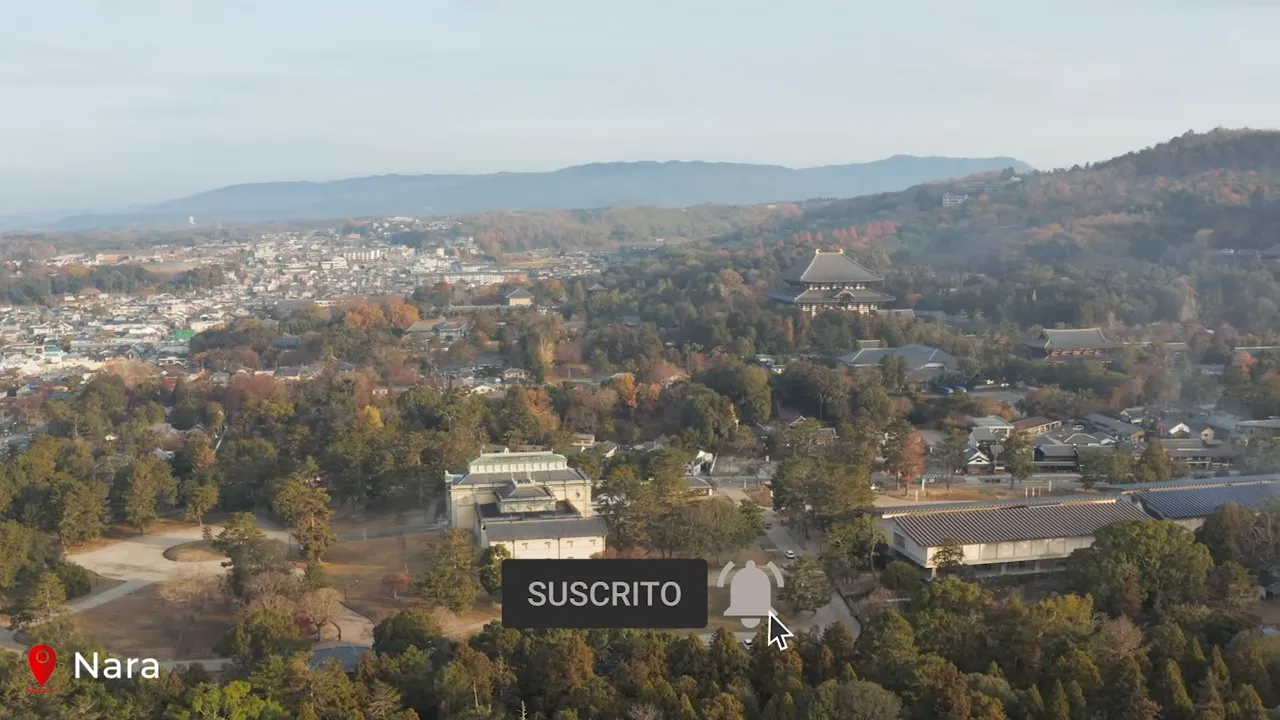
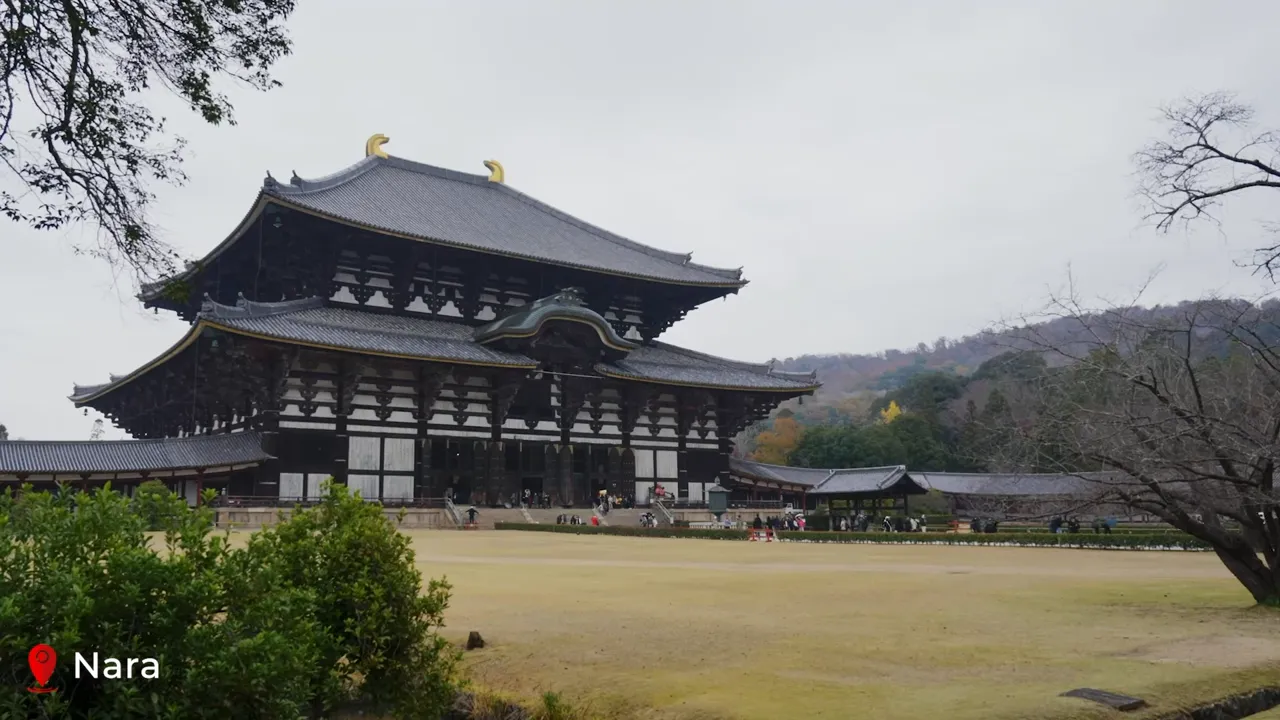
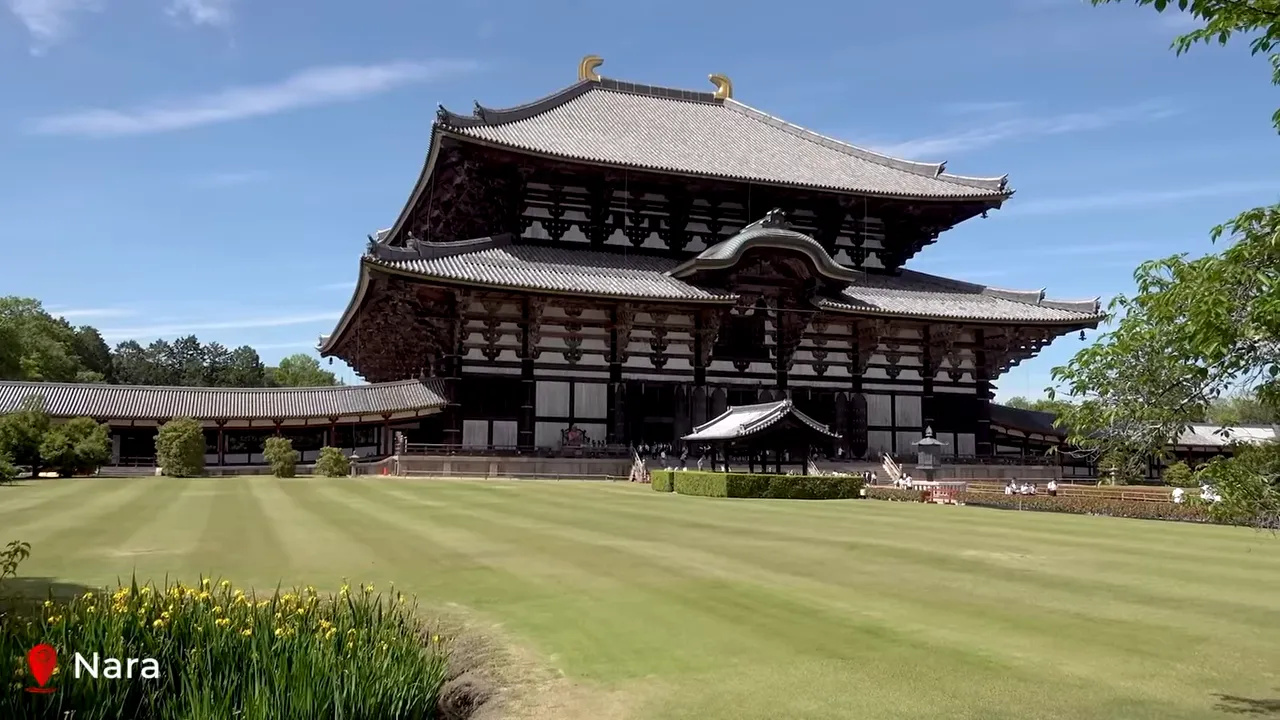
- Todaiji Temple houses a colossal bronze Buddha, a work of scale that inspires reverence and wonder.
- Nara Park is famous for free-roaming deer, viewed as divine messengers. Feeding them Shika Senbei biscuits creates playful interactions that are part ritual, part tourist delight.
- Smaller shrines and tea houses scattered through Nara offer moments of calm, where the city’s ancient rhythms are still legible in everyday life.
- Practical pointers:
- Keep respectful distance from deer and be mindful when feeding — they can be eager and unexpectedly bold.
- Combine Nara with Kyoto for a full cultural circuit; Nara’s compactness makes it ideal for half-day visits or relaxed overnight stays.
- Why Nara captivates: it connects people to early Buddhist art and a lived mythology where animals and humans share sacred space.
🙏 Kamakura — Coastal Temples and Forest Trails an Hour from Tokyo
- Kamakura provides an accessible escape from Tokyo with a distinct historical and natural character.
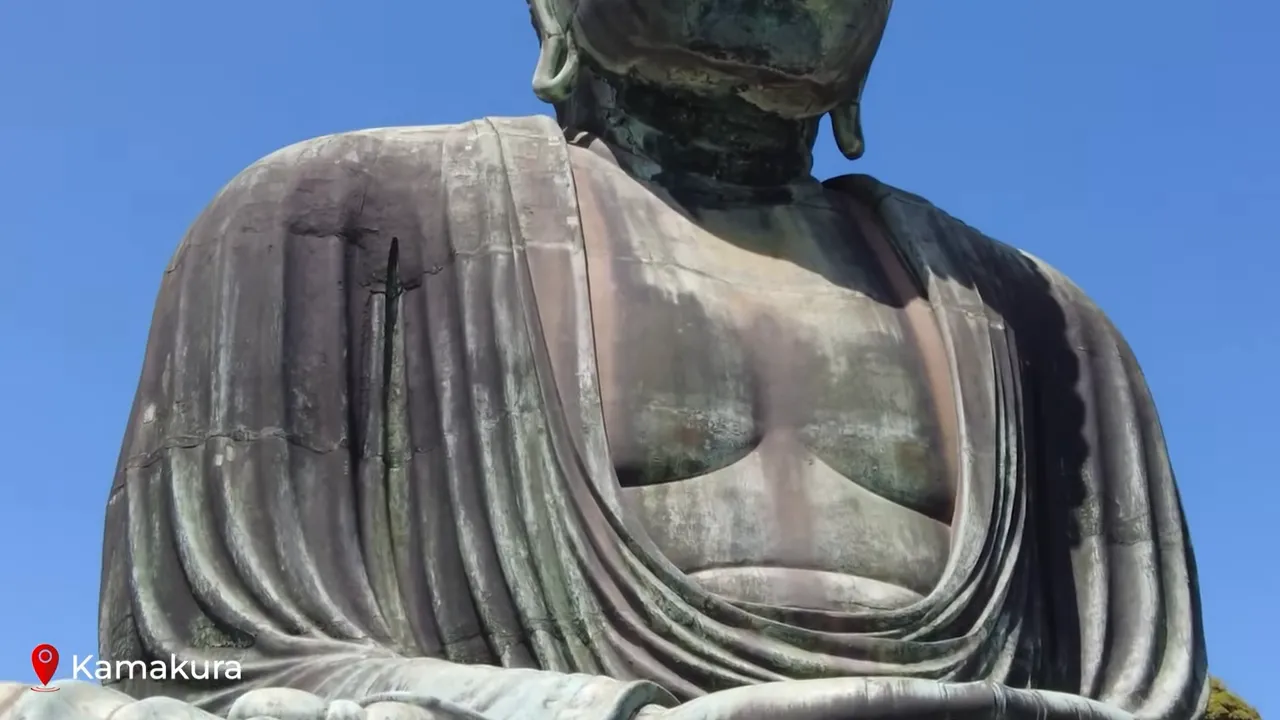
- The Great Buddha, or Daibutsu, is a nearly 11-meter bronze statue that radiates calm and historical continuity.
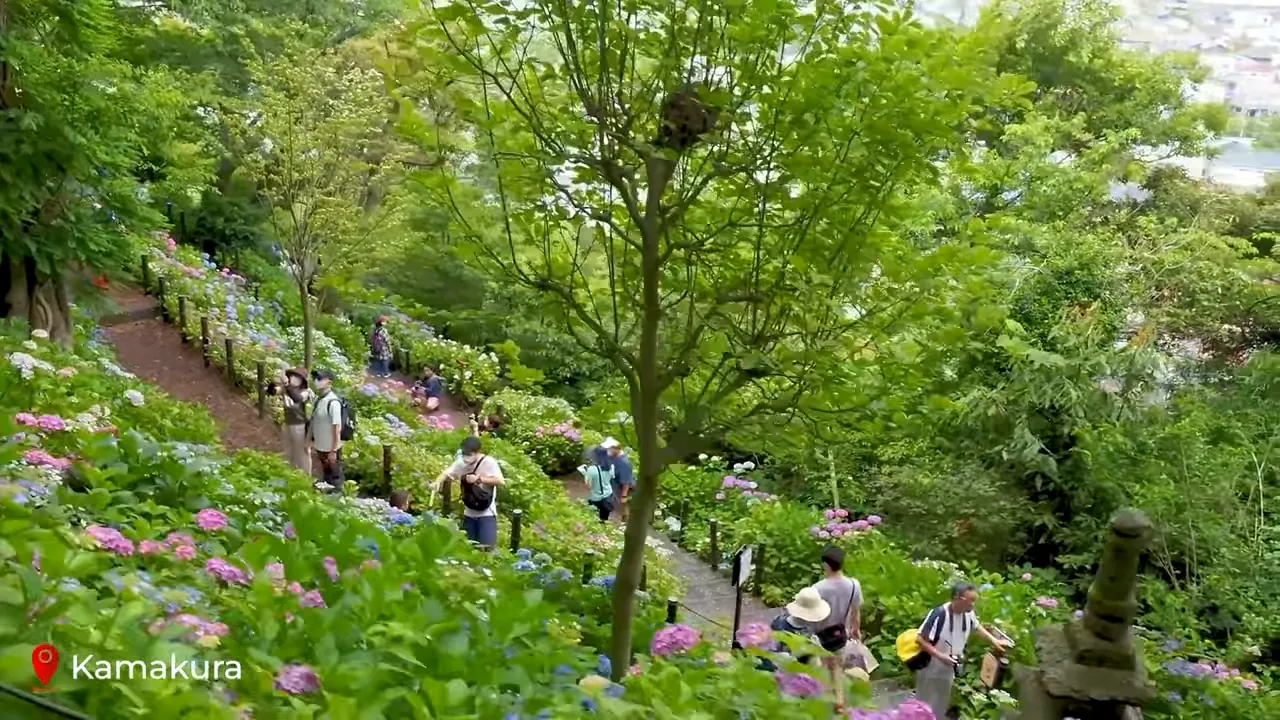
- Temples like Hasedera (Hazadera) offer seasonal spectacles — spring hydrangeas and autumn foliage transform gardens into color fields.
- Nature experiences:
- Hiking trails such as the Tenno Path wind through coastal woodlands with views of both sea and shrine.
- Small shrines along trails create pockets of contemplative quiet away from popular temple sites.
- Comacchadori (Komachi-dori) near the station offers artisanal shops and local snacks — try grilled rice cakes and matcha ice cream while enjoying the seaside breeze.
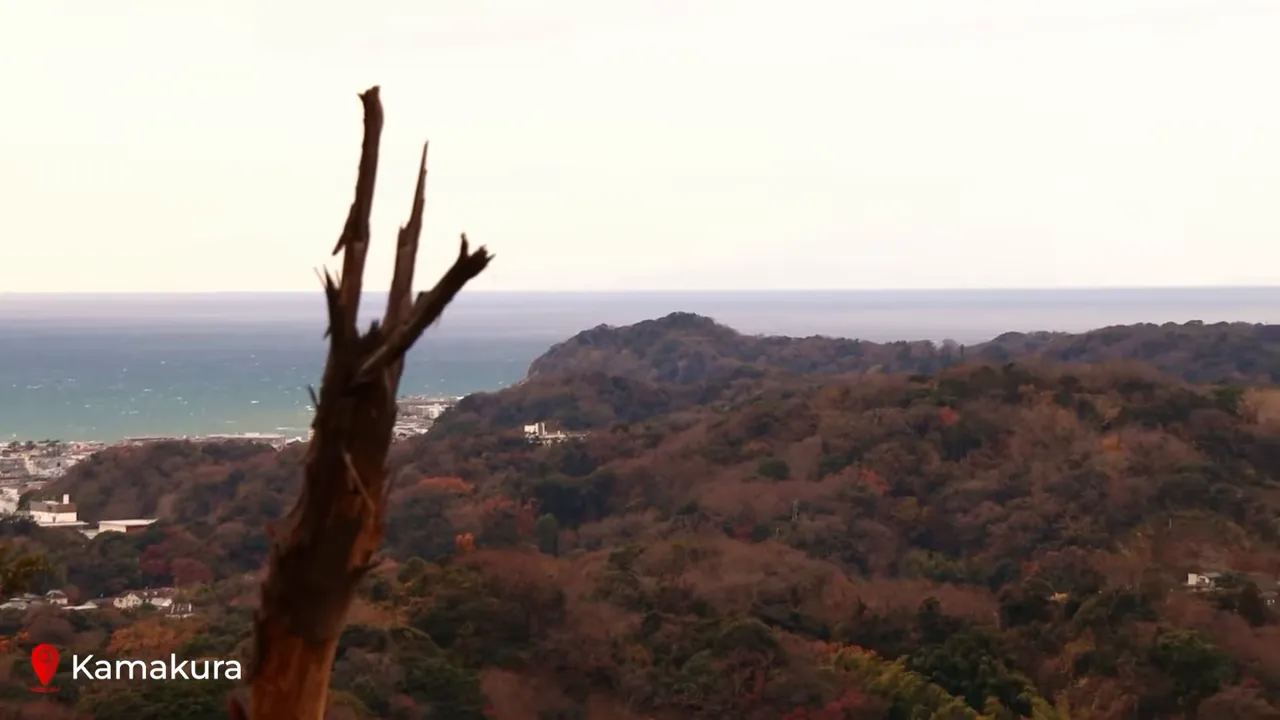
- Why Kamakura appeals: it balances spiritual history with seaside softness, a restorative half-day or overnight trip from Tokyo.
❄️ Hokkaido — Wild Seasons, Snow Festivals and Lavender Dreams
- Hokkaido’s seasonal extremes are part of its identity: frigid, sculpted winters and vibrant, fragrant summers.
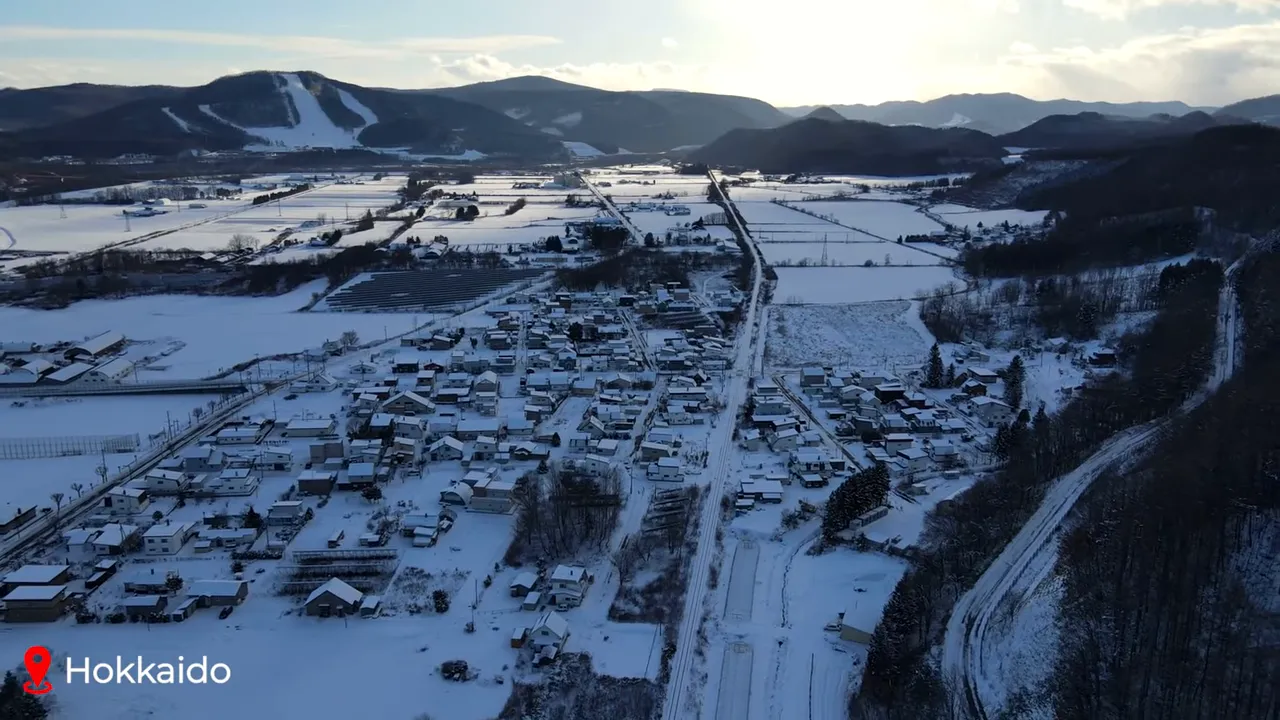
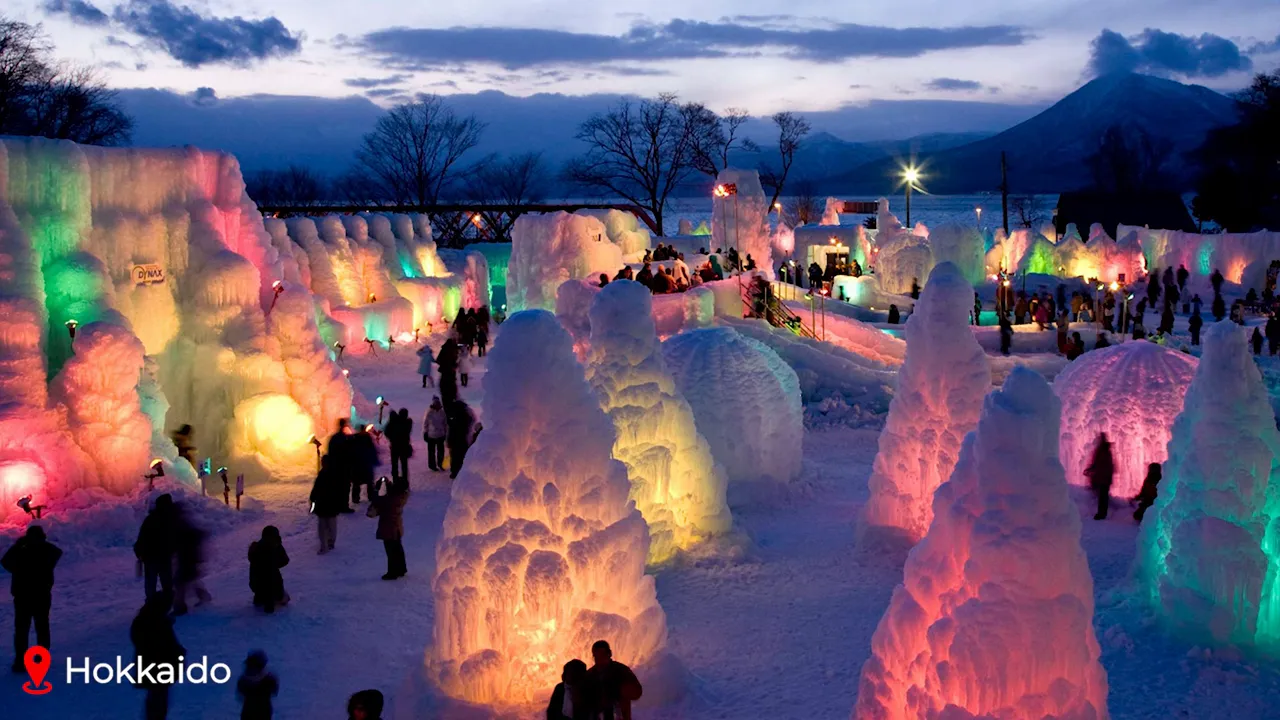
- Sapporo Snow Festival is an annual display of massive ice and snow sculptures, illuminated at night for dramatic effect.
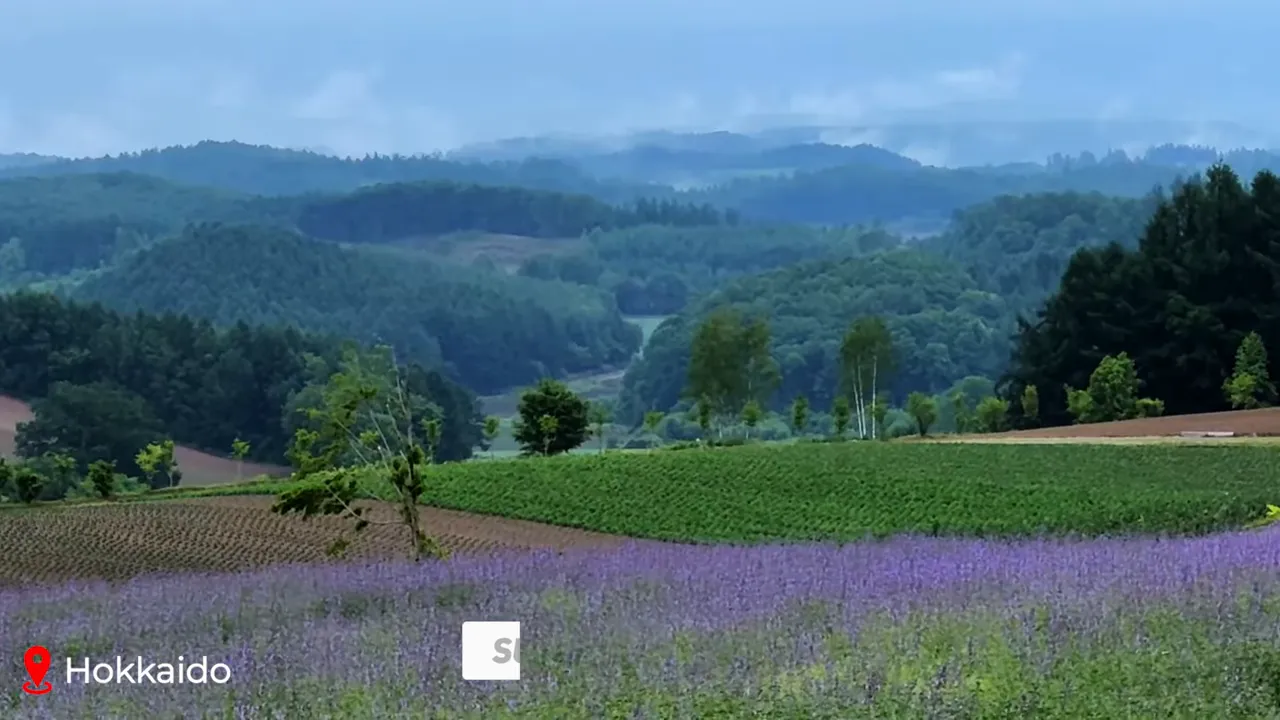
- In summer, Furano’s lavender fields become a purple sea, drawing photographers and romantics alike.
- Outdoor lifestyle:
- Niseko offers some of the world’s finest powder snow for skiing and snowboarding.
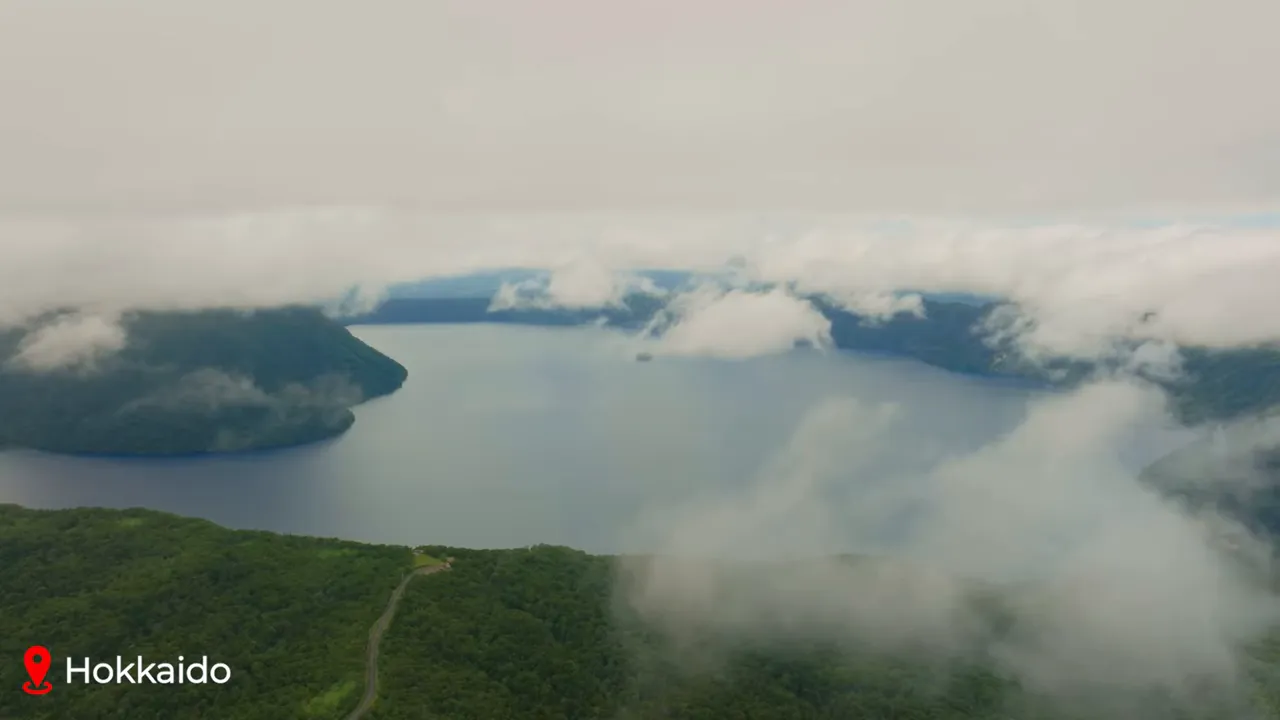
- Coastlines, hot springs and national parks in Hokkaido lend themselves to hiking, cycling and seafood exploration year round.
- Food highlights:
- Sapporo ramen with a rich, hearty broth is regionally famous — perfect after a day in the cold.
- Seafood markets showcase the island’s bountiful catches and sashimi-grade treats.
- Why Hokkaido stands out: dramatic seasonal contrast and wide-open nature make it a refreshing counterpoint to Japan’s dense urban centers.
🏝️ Okinawa — Coral Reefs, Ryukyu Culture and the Secrets of Longevity
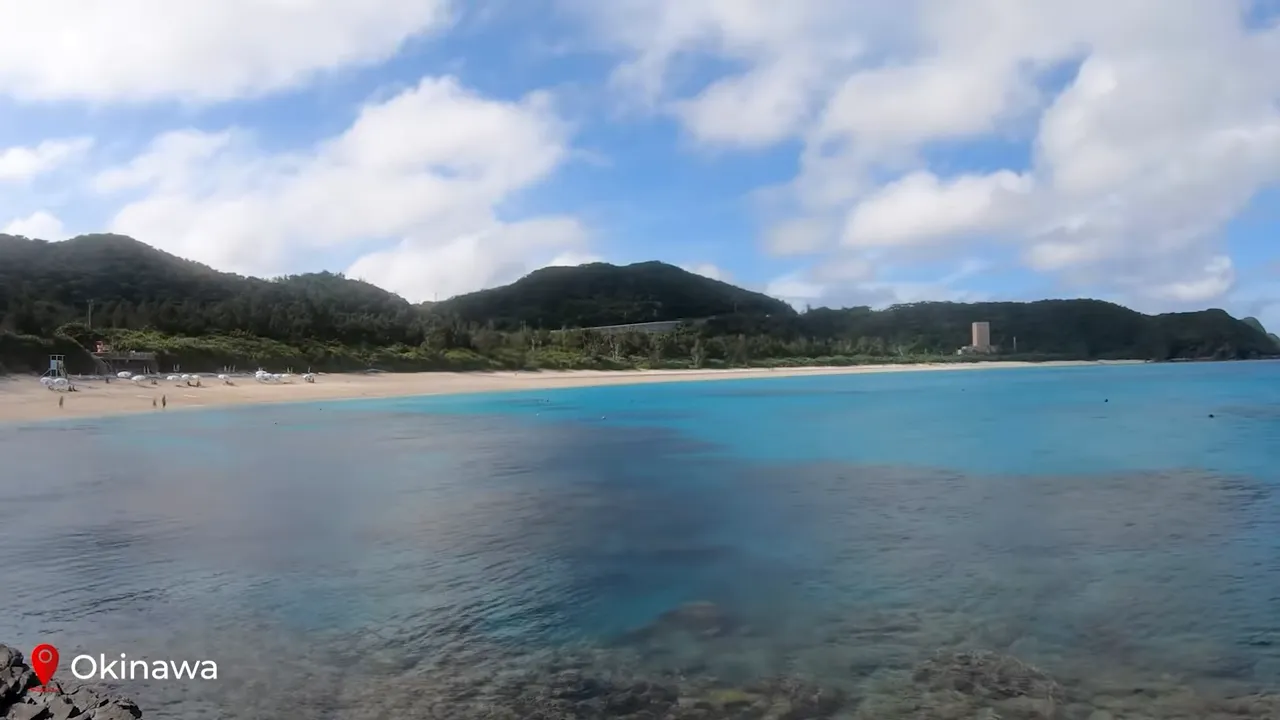
- Okinawa offers tropical beaches, coral reefs and a cultural history distinct from mainland Japan.
- Shuri Castle speaks to the Ryukyu Kingdom’s former grandeur and its historical trade connections with China and Southeast Asia.
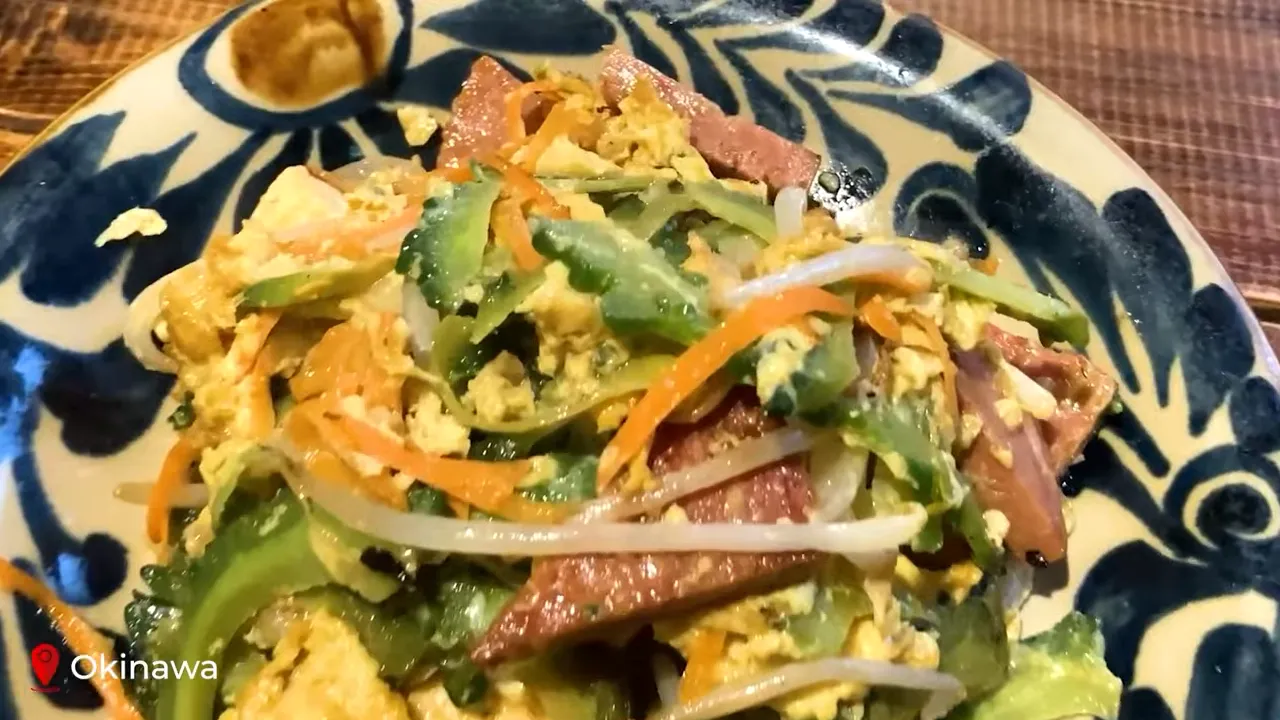
- Local cuisine conveys island wisdom: goya champuru is a signature stir fry featuring bitter melon, tofu and egg — simple, nutritious and emblematic of Okinawan longevity.
- Longevity lessons:
- Locals’ diets emphasize vegetables, fish and seasonal ingredients.
- Community rituals, movement and slower rhythms of life are considered contributors to wellness.
- Why Okinawa is magnetic: the islands combine seaside escape with a living cultural difference — rhythms, music and food that feel both familiar and entirely their own.
⛰️ Nikko — Ornate Shrines and Misty Mountain Magic
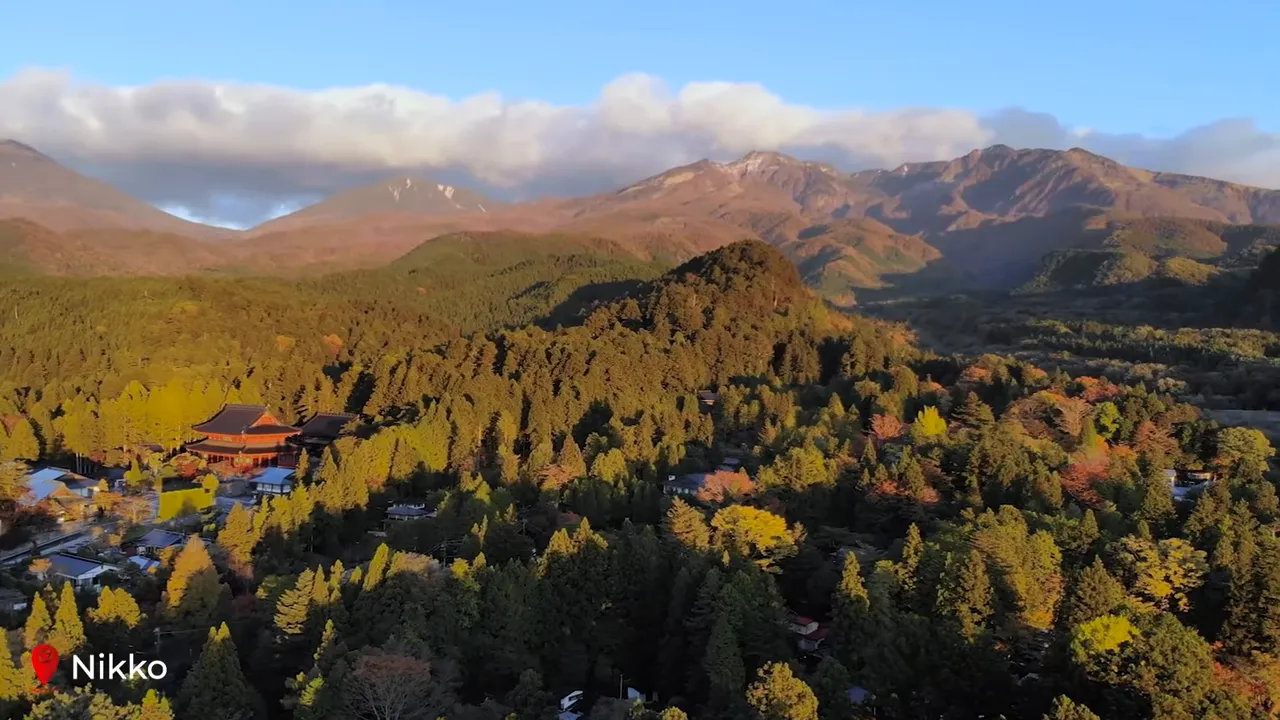
- Nikko is a mountain retreat with richly decorated shrines and dense, spiritual forests.
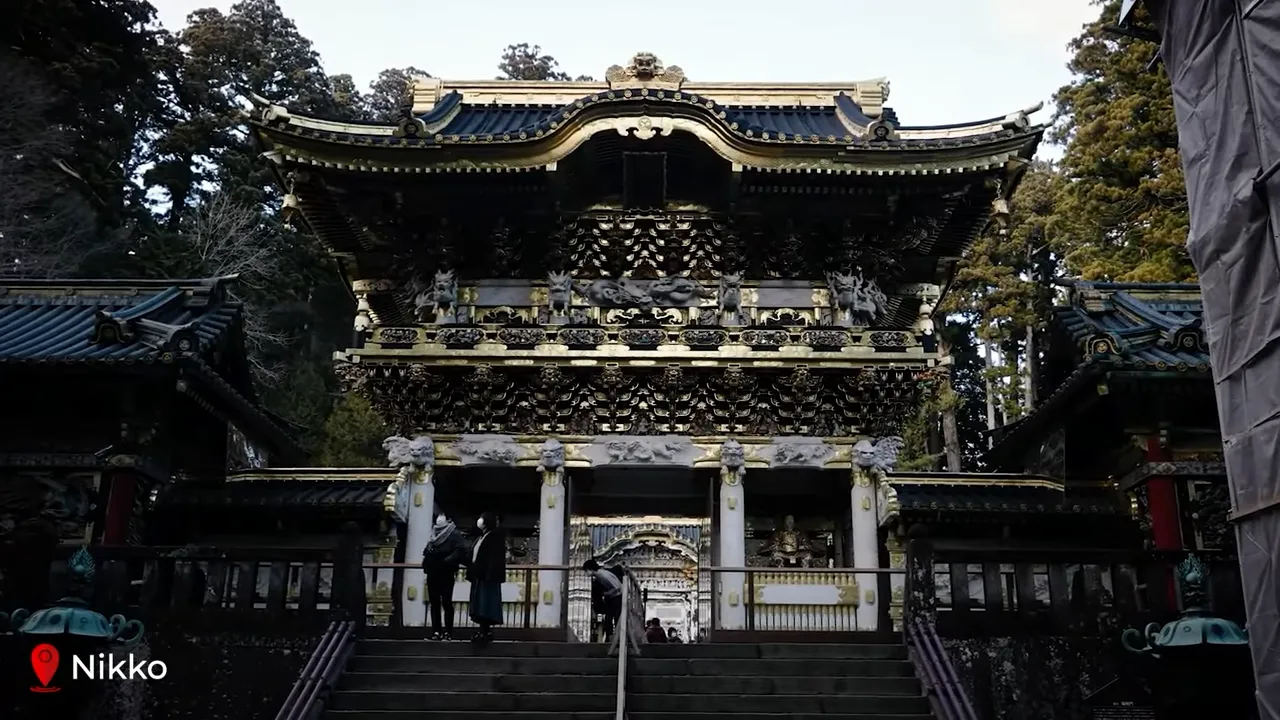
- Toshogu Shrine is a jewel of craftsmanship, gilded carvings and symbolic motifs housing Tokugawa Ieyasu’s mausoleum.
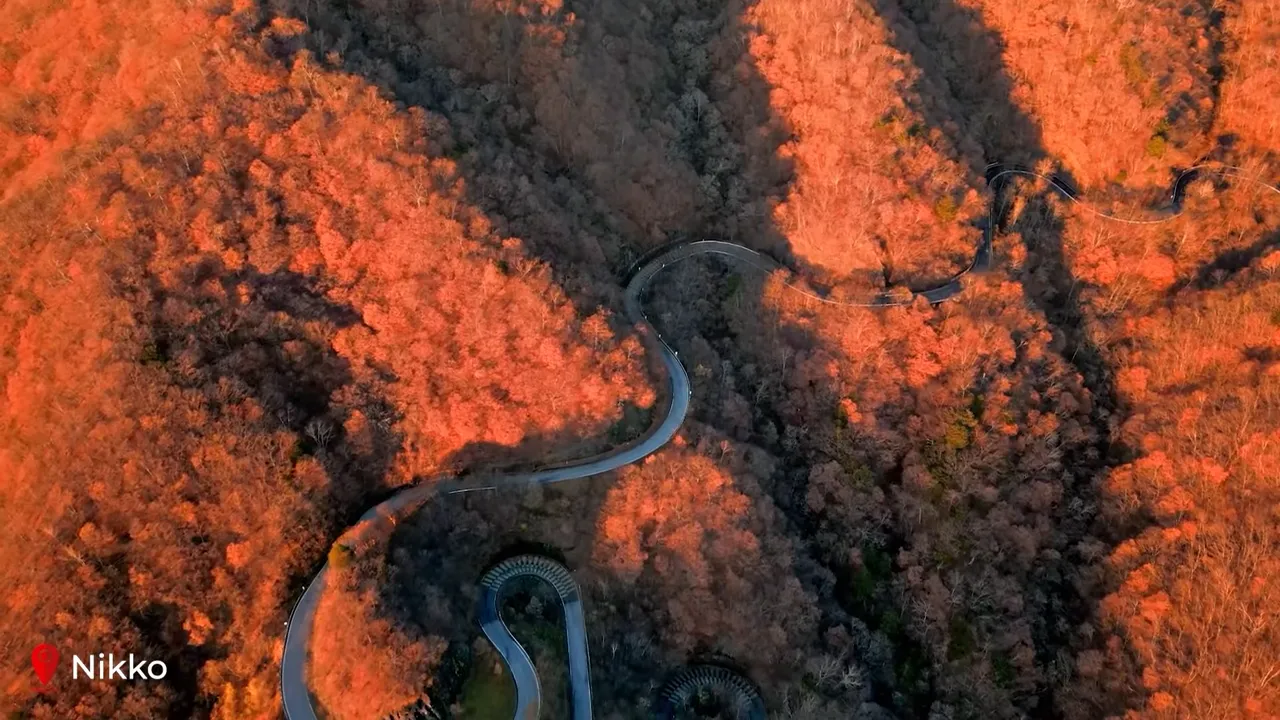
- Autumn transforms Nikko into a painterly palette: vibrant reds and golds reflect across rivers and lakes.
- Kegon Falls drops dramatically into a misty chasm — a visual highlight and a natural counterpoint to the ornate shrines.
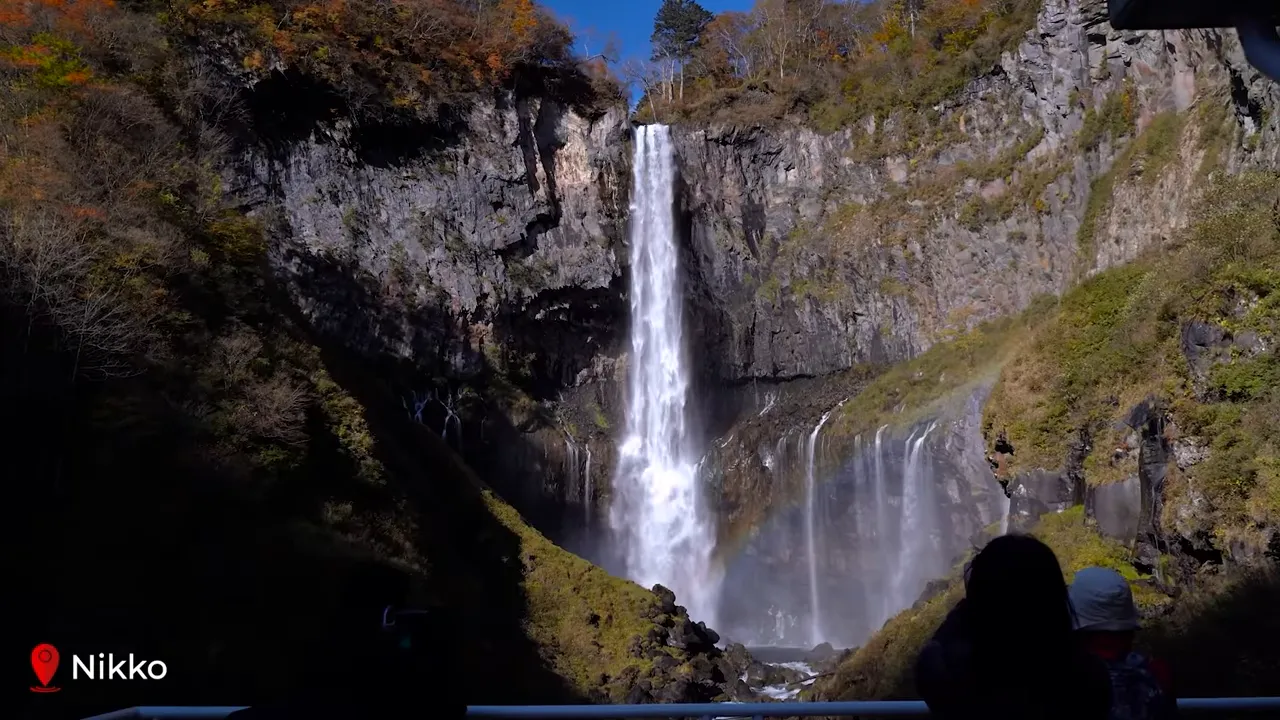
- Why Nikko resonates: combining intricate human artistry with raw mountain landscapes creates a contemplative and scenic escape from city life.
♨️ Hakone — Onsen Baths, Lake Cruises and Open-Air Art
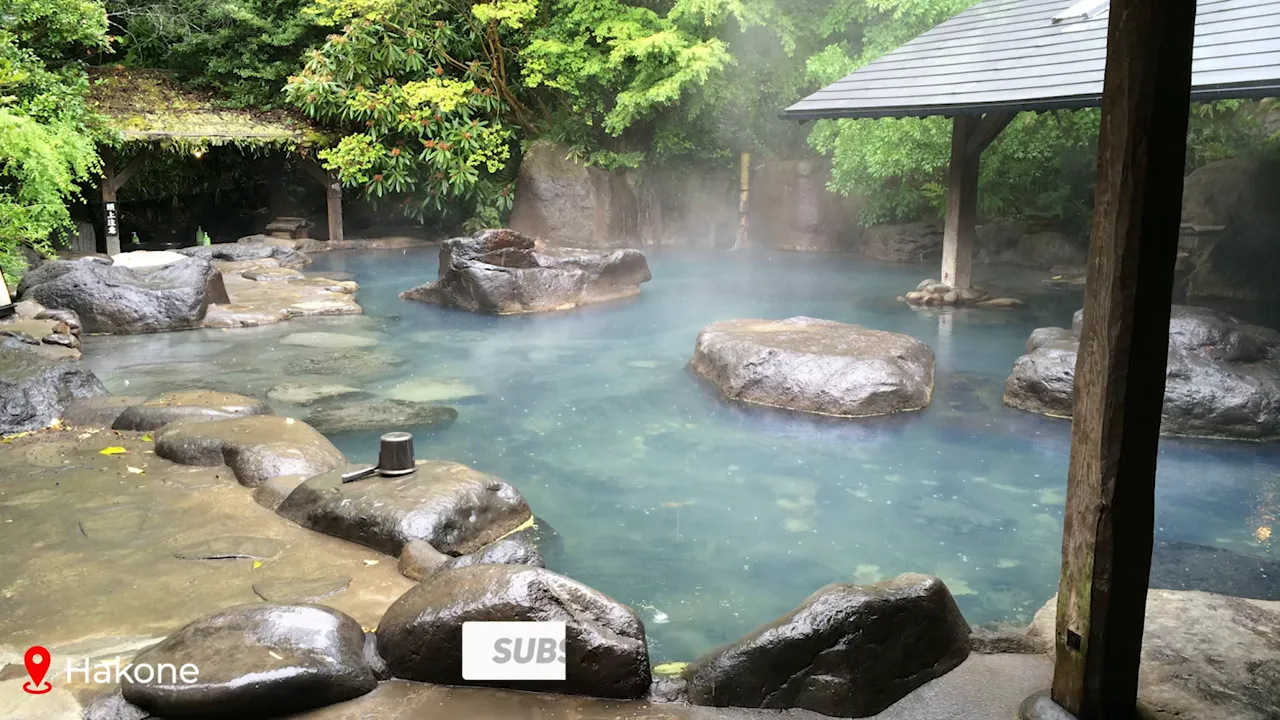
- Hakone is synonymous with onsen culture, allowing visitors to soak in mineral-rich springs surrounded by forested slopes.
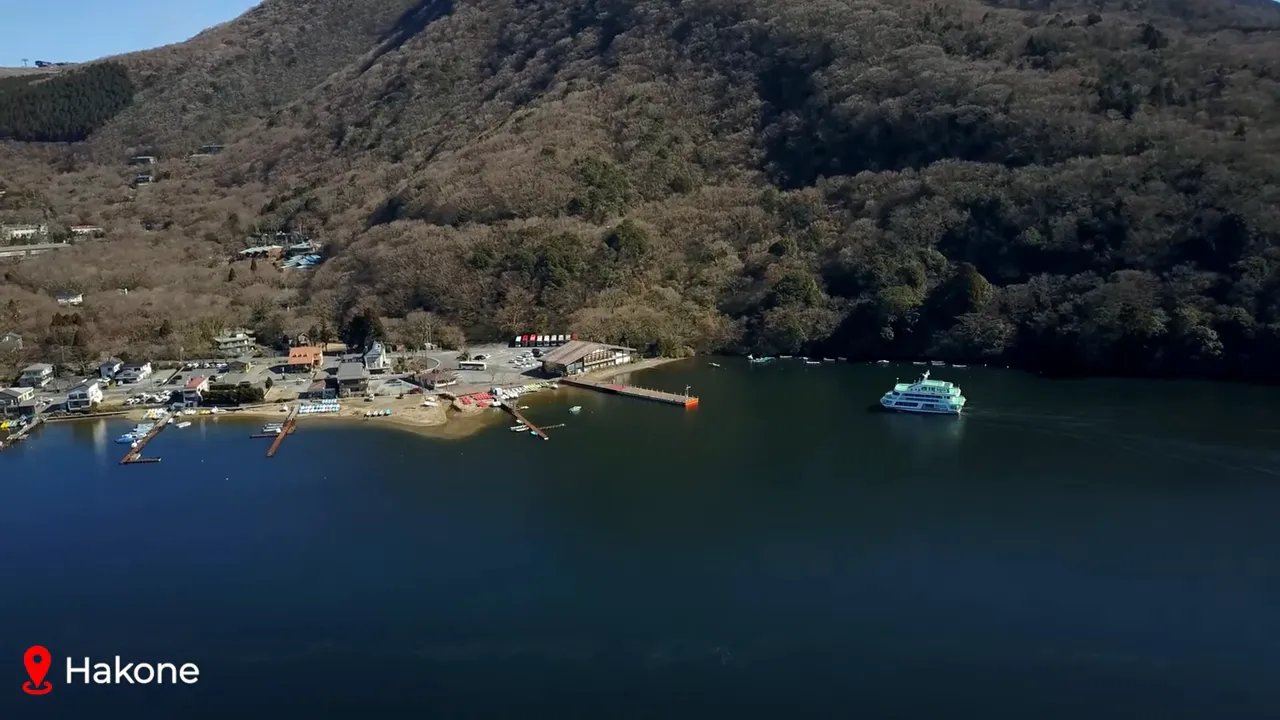
- Lake Ashi boat cruises reward visitors with reflective waters and, on clear days, views of Mount Fuji.
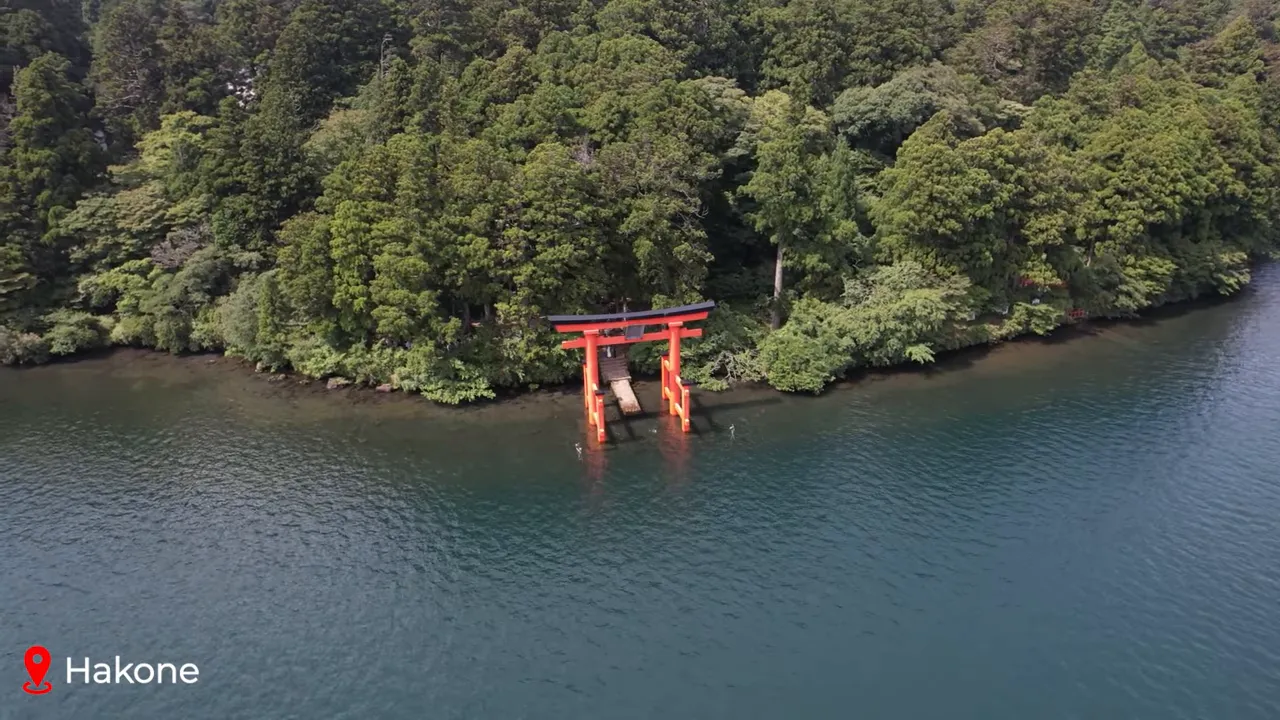
- Hakone Shrine’s red torii half-submerged in the lake is one of the region’s most poetic images.
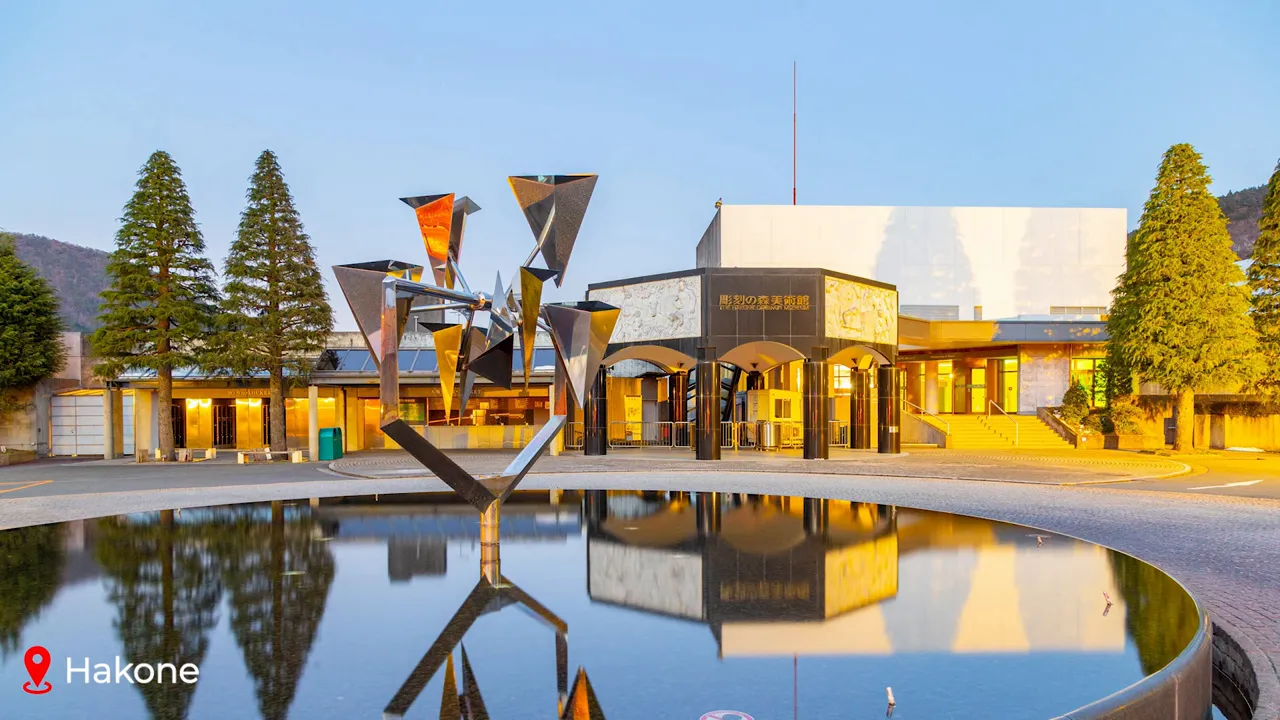
- Art and nature meet at the Hakone Open Air Museum: sculptures scattered over slopes create a relaxed, museum-like walk in the landscape.
- Visit tips:
- Stay in a ryokan with an onsen for the full restorative ritual.
- Combine museum time with a lake cruise and a shrine visit for a balanced day.
- Why Hakone is restorative: it offers sensory rest — warm waters, sculptural encounters and quiet vistas that slow the pace of travel.
🧭 Shikoku — The 88-Temple Pilgrimage and the Art of Slow Travel
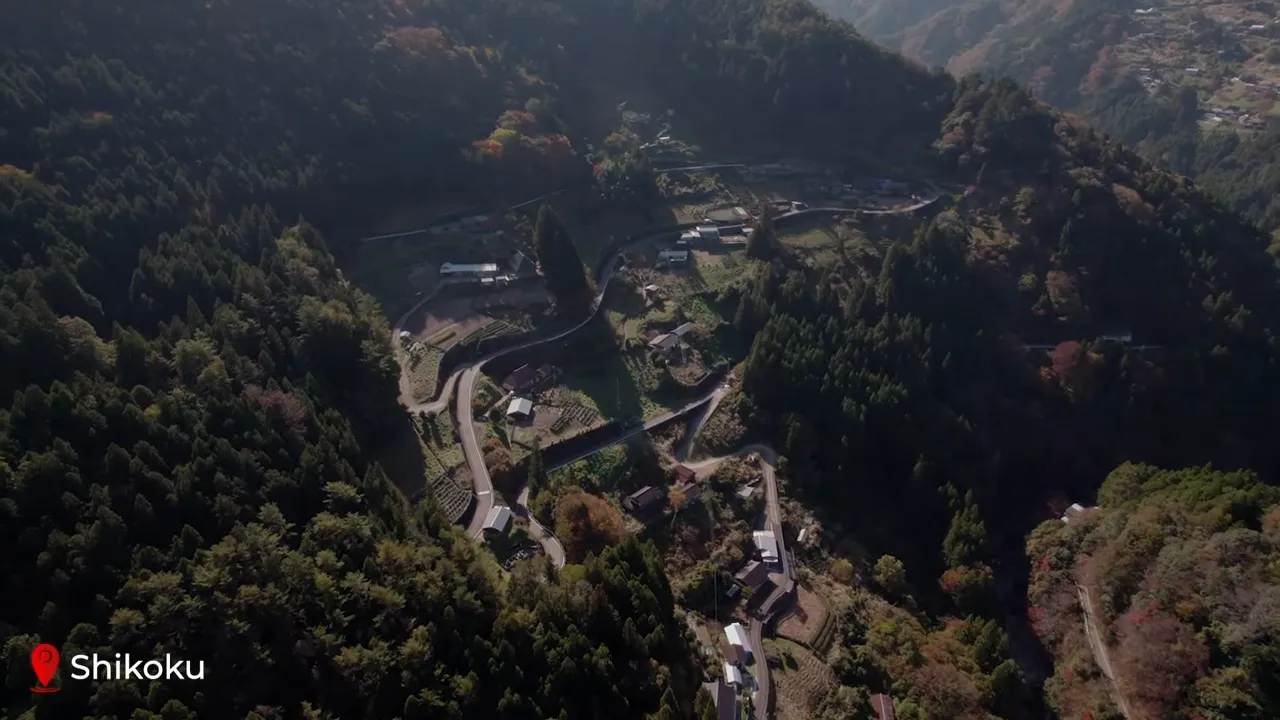
- Shikoku’s 88-temple pilgrimage spans roughly 1,200 kilometers and is a profound practice of spiritual walking and cultural immersion.
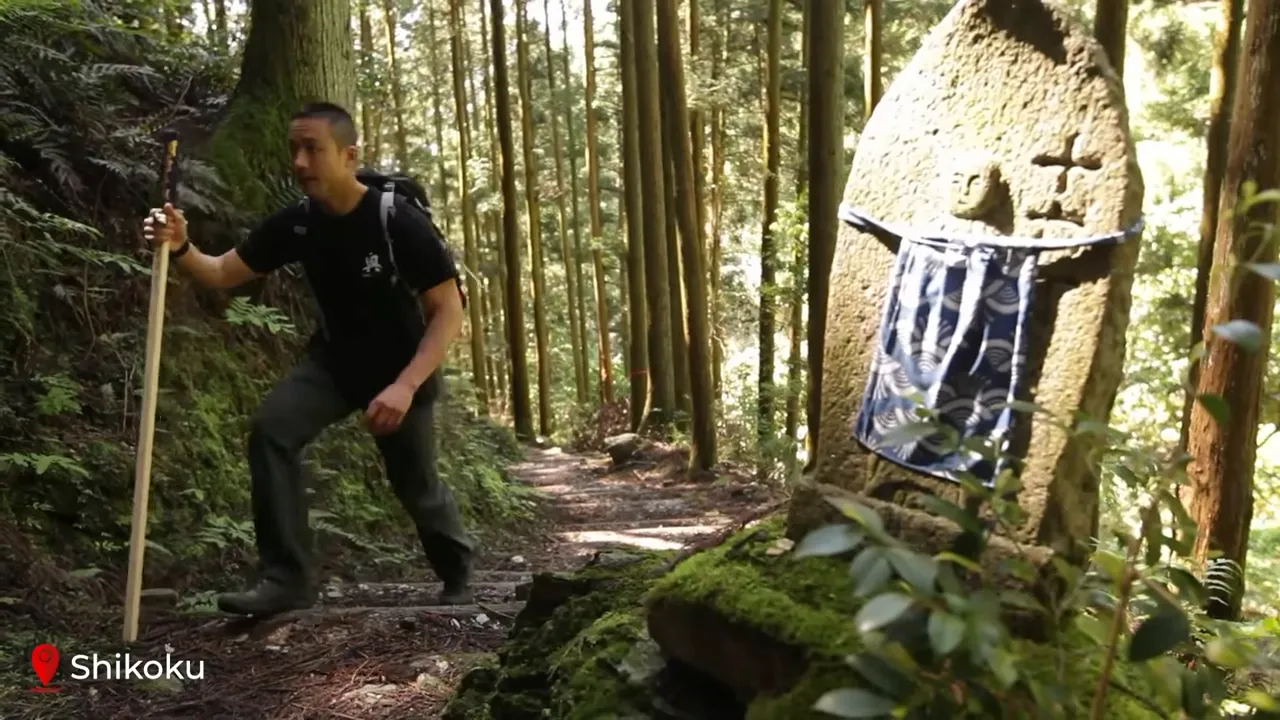
- Each temple has a story, and many pilgrims, called henro, undertake sections or the entire route seeking reflection and transformation.
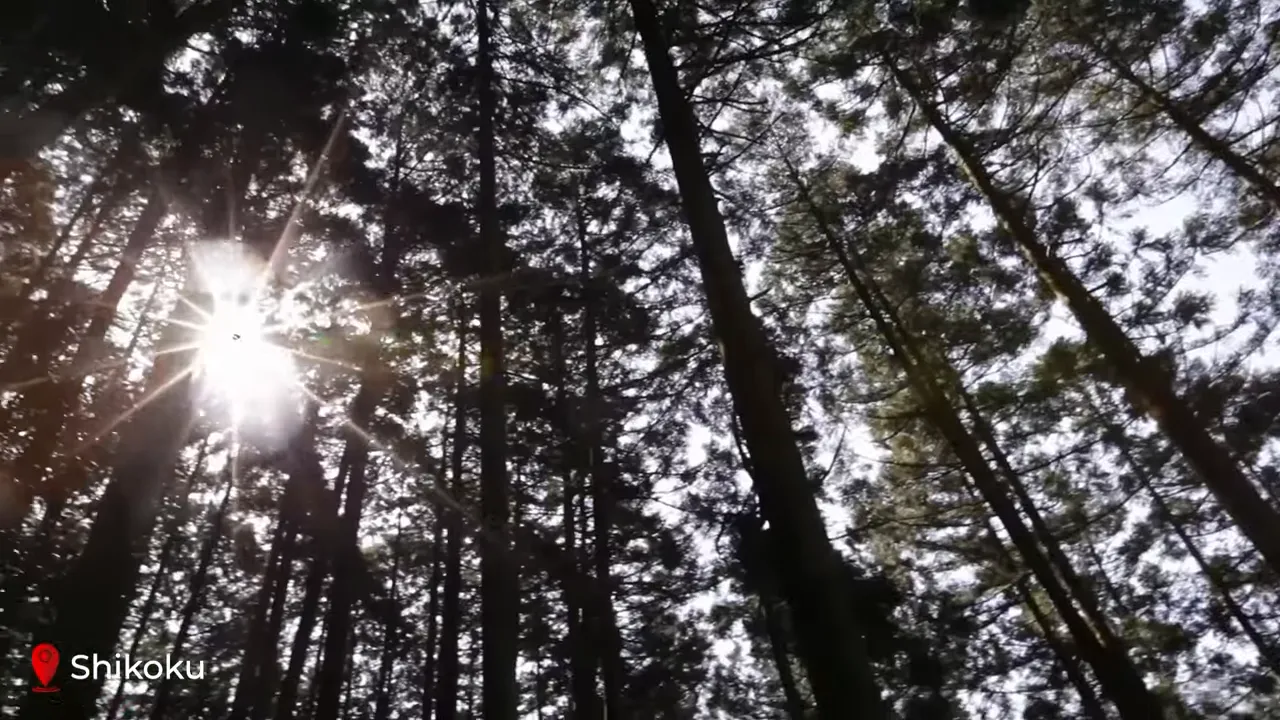
- Key cultural practice: o-setai, the tradition of locals offering pilgrims small gifts and hospitality, keeps kindness integral to the journey.
- Experience highlights:
- Start at Ryōzen-ji or any temple if you plan a partial pilgrimage.
- Allow time to talk with locals; their stories and gestures enrich the route.
- Why Shikoku is transformative: it is less about sightseeing and more about inward movement; the island cultivates patience, presence and connection.
🎎 Everyday Culture & Little Curiosities That Shape a Visit
- Public etiquette:
- Silence on trains and quiet public behavior is an unspoken norm rooted in respect for others’ space.
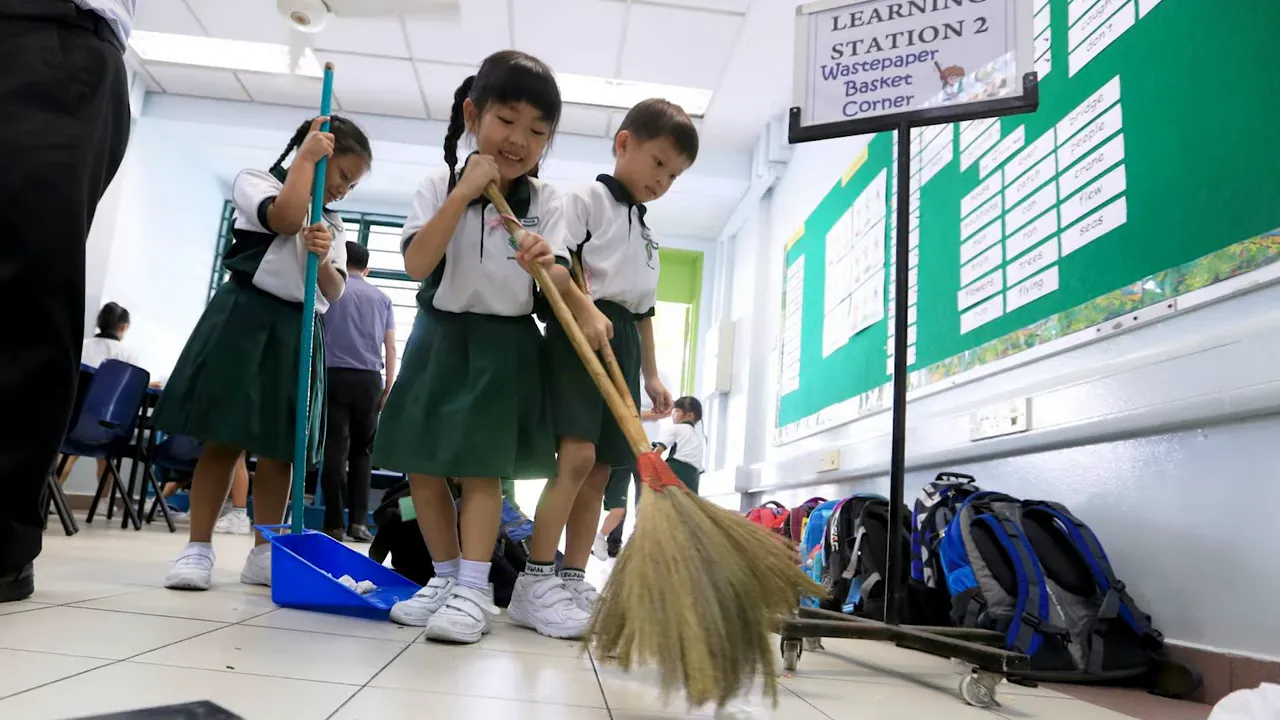
- In schools, students clean classrooms — a cultural practice that instills responsibility and respect early on.
- Public displays of affection can be perceived as intimate; simple gestures considered private in some communities.
- Silence on trains and quiet public behavior is an unspoken norm rooted in respect for others’ space.
- Longevity and lifestyle:
- Japan’s life expectancy is high — diets rich in vegetables, fish, and fermented foods play a notable role.

- Small daily rituals, such as meticulous food preparation and mindfulness in movement, accumulate into healthful living.
- Japan’s life expectancy is high — diets rich in vegetables, fish, and fermented foods play a notable role.
- Design and detail:
- Architectural restraint and material honesty are visible in shrines, tea houses and urban design.
- Seasonality rules: from sakura to autumn leaves, seasonal menus and events structure daily life and travel plans.
- Why these details matter: they reveal the everyday philosophies behind Japan’s aesthetic choices and social order.
🧳 Practical Travel Tips and Sample Itineraries
- Transport essentials:
- Consider a rail pass for intercity travel if covering multiple regions. Otherwise, buy prepaid transit cards for city mobility.
- Expect extraordinary punctuality — trains often run to the minute, so plan connections carefully.
- Packing and seasonal planning:
- Layering is crucial: coastal, mountain and city climates can differ widely within one trip.
- Bring comfortable shoes for temple precincts and walking streets; many shrines require shoe removal, so socks matter.
- Sample 10-day route for first-time visitors:
- Days 1–3: Tokyo — Shibuya, Asakusa, Akihabara, Toyosu, day trips to Kamakura.
- Days 4–5: Kyoto — Kinkakuji, Gion, Fushimi Inari, tea ceremony and temple walks.
- Day 6: Nara half day then on to Osaka or Hiroshima.
- Days 7–8: Hiroshima and Miyajima (Peace Memorial Park, okonomiyaki, Itsukushima shrine).
- Days 9–10: Hakone for onsen and Fuji views or Hokkaido/Okinawa extension depending on season and interest.
- Money and communication:
- Cash remains important for small vendors and rural areas; ATMs at convenience stores are reliable.
- Many public spaces have free Wi-Fi, but a pocket Wi-Fi or local SIM provides convenience for navigation and translation tools.
- Language and manners:
- Learn a few phrases: greetings and thank you go a long way and are appreciated by locals.
- Politeness and patience are practical currencies; queues and orderly lines are the norm.
📸 Photography, Timing and When to Visit
- Best seasons for photography:
- Spring for cherry blossoms and temple contrasts.
- Autumn for fiery foliage in mountain shrines and parks.
- Winter for Hokkaido snow festivals and clear Fuji views; summer for lavender in Furano and lush landscapes.
- Timing tips:
- Early mornings and late afternoons offer softer light and fewer crowds, especially at Kyoto temples and Fuji viewpoints.
- Night photography in Tokyo’s neon districts captures a different city personality; experiment with long exposures on crossings and riverbanks.
- Respect and access:
- Some interiors of shrines and museums restrict photography; signs will indicate restrictions, and staff provide guidance.
- When photographing people, ask permission where possible — a small gesture fosters trust and often leads to warmer interactions.
📝 Final Thoughts — How Japan Changes the Way You Travel
- Japan reshapes expectations by making nuance visible: small rituals, seasonal shifts and public etiquette all demand attention.
- Travel here rewards patience. Dense urban energy contrasts with pockets of profound quiet, forcing a recalibration of pace.
- Whether you seek culinary intensity, spiritual journeys or snowy adventures, the country offers layered experiences that stick with you long after you leave.
- Return visits reveal deeper layers: what feels familiar on a first trip becomes richer when explored at a slower, more deliberate pace.
❓ Frequently Asked Questions
What is the best time of year to visit Japan to see both cherry blossoms and autumn foliage?
There is no single season that delivers both in one trip because cherry blossoms bloom in spring (late March to early April in central Japan) and autumn foliage peaks in late November to early December. For cherry blossoms, plan spring visits around late March through early April. For autumn colors, aim for late November. If you must choose one season, spring is most popular; autumn often offers clearer skies and cooler temperatures.
How many days should I spend in Tokyo to get a good feel for the city?
A minimum of three full days gives a solid introduction: one day for central Tokyo neighborhoods like Shibuya and Shinjuku, one day for cultural areas such as Asakusa and Ueno, and one day for a themed neighborhood like Akihabara plus a short trip to nearby Kamakura or Yokohama. For deeper exploration of museums, day-trip options and neighborhoods, plan five to seven days.
Is it possible to climb Mount Fuji and still maintain a comfortable travel schedule?
Yes, but it requires planning. The official climbing season runs roughly from early July to early September, when mountain huts operate and trails are safest. Climbers often plan an overnight hike to reach the summit for sunrise (goroiko). If you prefer comfort, consider viewing Fuji from the Fuji Five Lakes or Hakone and save the summit experience for when you can commit to the physical challenge and weather uncertainty.
What should I know about onsen etiquette before visiting a hot spring?
Basic onsen etiquette includes washing thoroughly before entering the communal bath, avoiding swimsuits (onsen baths are typically nude), tying up long hair, and keeping towels out of the water. Many baths have separate areas for tattoos, and in some places tattoos may be restricted. Check rules in advance and consider private family baths if tattoos are a concern.
How can I experience authentic tea ceremonies or geisha performances in Kyoto?
Book ceremonies and performances through established tea houses or cultural centers. Many tea houses offer brief introductions for visitors, while other venues host evening geisha performances that require reservations. For respectful experiences, choose licensed providers and arrive prepared to follow decorum, such as minimal phone use and attentive stillness during performances.
Is Japan expensive to travel in and where can I save money?
Japan can be pricey, but costs vary. Save by staying in business hotels, guesthouses or capsule hotels, eating at local markets and convenience stores for casual meals, and using regional rail passes or prepaid transit cards. Many shrines and parks are low-cost or free, so balance paid experiences with open-air exploration.
Are English signs and services widely available?
Major cities and tourist areas commonly provide English signage and English-speaking staff. Rural regions may have fewer English resources, so learning a few Japanese phrases and using translation apps is helpful. Train stations, tourist centers and major museums often provide maps and guidance in English.
Can I expect to use cash everywhere or are credit cards accepted broadly?
Credit cards are accepted in many urban hotels, restaurants and larger stores, but cash remains important for small vendors, shrines, local markets and rural inns. Bring a mix of both, and use ATMs at convenience stores for reliable cash access.
What are respectful behaviors to observe in public places?
Maintain quiet on public transport, follow queueing norms, remove shoes where required, avoid eating while walking in busy streets, and be discreet with public displays of affection. Observing locals and mirroring their behavior is often the best guide to respectful conduct.
How do I make the most of a short trip that includes Tokyo and Kyoto?
For a short trip, allocate three to four days in Tokyo and two to three days in Kyoto, using the Shinkansen for fast connections. Prioritize a few signature experiences in each city — for Tokyo, Shibuya, Asakusa and a market visit; for Kyoto, Kinkakuji, Fushimi Inari and a tea ceremony. Limit travel time by focusing on nearby neighborhoods and booking tickets in advance where possible.