WONDERS OF SWITZERLAND – Why It’s Called Heaven on Earth?
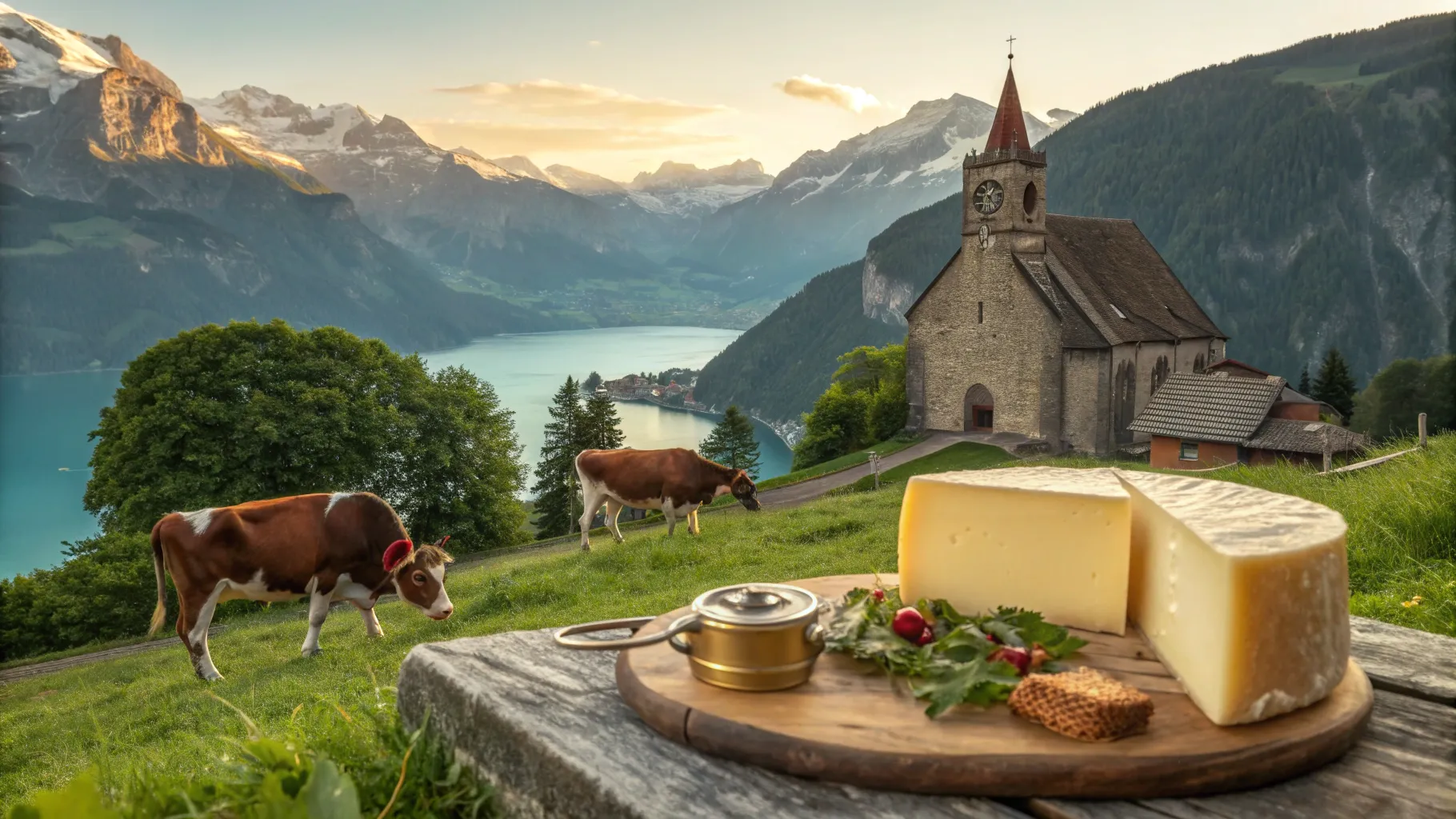
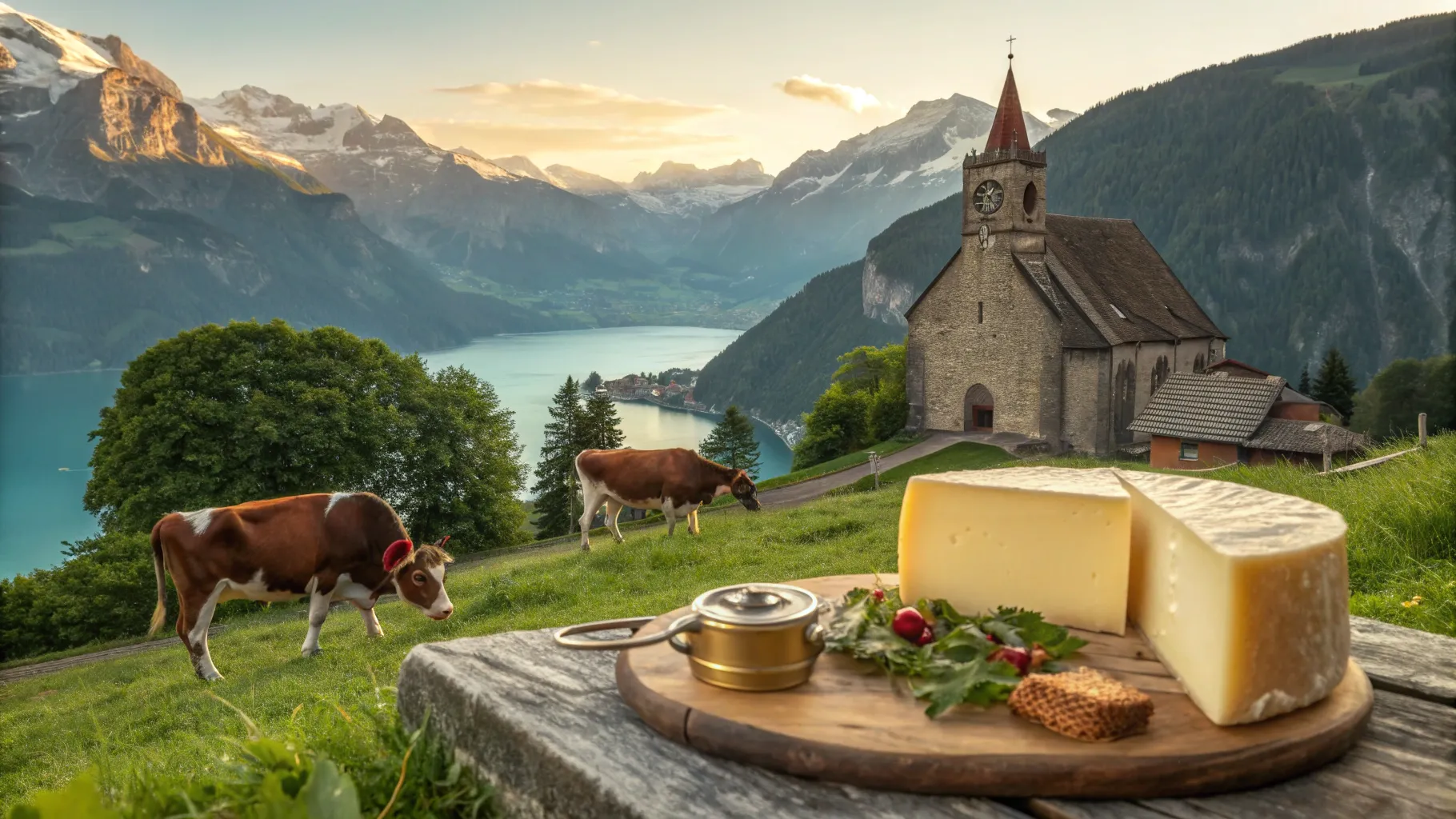
Table of Contents
- 🌄 Snapshot: What Makes Switzerland Unforgettable
- 🏙️ Zurich: Tradition, Luxury, and Lakeside Calm
- 💦 Rhine Falls: Central Europe’s Roaring Waterwall
- 🌉 Lucerne: Medieval Bridges, Lion Monuments, and Alpine Gateways
- 🏰 Bern: A Living Medieval Capital
- 🪂 Interlaken, Lauterbrunnen, and Grindelwald: Adventure Meets Alpine Poetry
- 🏔️ Zermatt and the Matterhorn: Silence, Sustainability, and Iconic Peaks
- ❄️ Jungfraujoch: Top of Europe and the Glacier World
- 🌊 Geneva: Diplomacy, Multiculturalism, and Lakeside Elegance
- ✨ St. Moritz and the Glacier Express: Alpine Glamour and Slow Travel
- 🍇 Lavaux: Terraced Vineyards and Lake-Front Wine Culture
- 🧀 Appenzell: Pastoral Flavor, Painted Houses, and Cheese Secrets
- 🏡 Grimmense: Storybook Villages and Vaulted Traditions
- 🧭 Practical Tips for Travelers
- 🔎 Quick Facts and Curiosities
- 📷 Visual Highlights (where to point your camera)
- 📖 Suggested 10-Day Itinerary (bullet-style)
- ❓ Frequently Asked Questions
- 🔚 Final Takeaways
🌄 Snapshot: What Makes Switzerland Unforgettable
- Small country, massive appeal: A compact nation where glaciers carved dramatic peaks, medieval towns nestle beside cutting-edge cities, and every region feels uniquely different.
- Four official languages: German, French, Italian, and Romansh mean you can cross a short distance and find a new accent, new flavors, and new customs.
- Nature as a main character: Over 7,000 lakes, jagged alpine ridges, and glaciers make landscapes feel cinematic and alive.
- Precision meets lifestyle: The Swiss franc is famously stable, salaries are high, infrastructure is immaculate, and public safety is exceptional.
- Cultural exports: From Emmental cheese and Toblerone-inspired impressions to world-leading watchmaking, Switzerland has shaped global taste and standards.
- Sunday quiet rules: Local customs include noise restrictions on Sundays—little details that reveal a collective respect for calm and community.
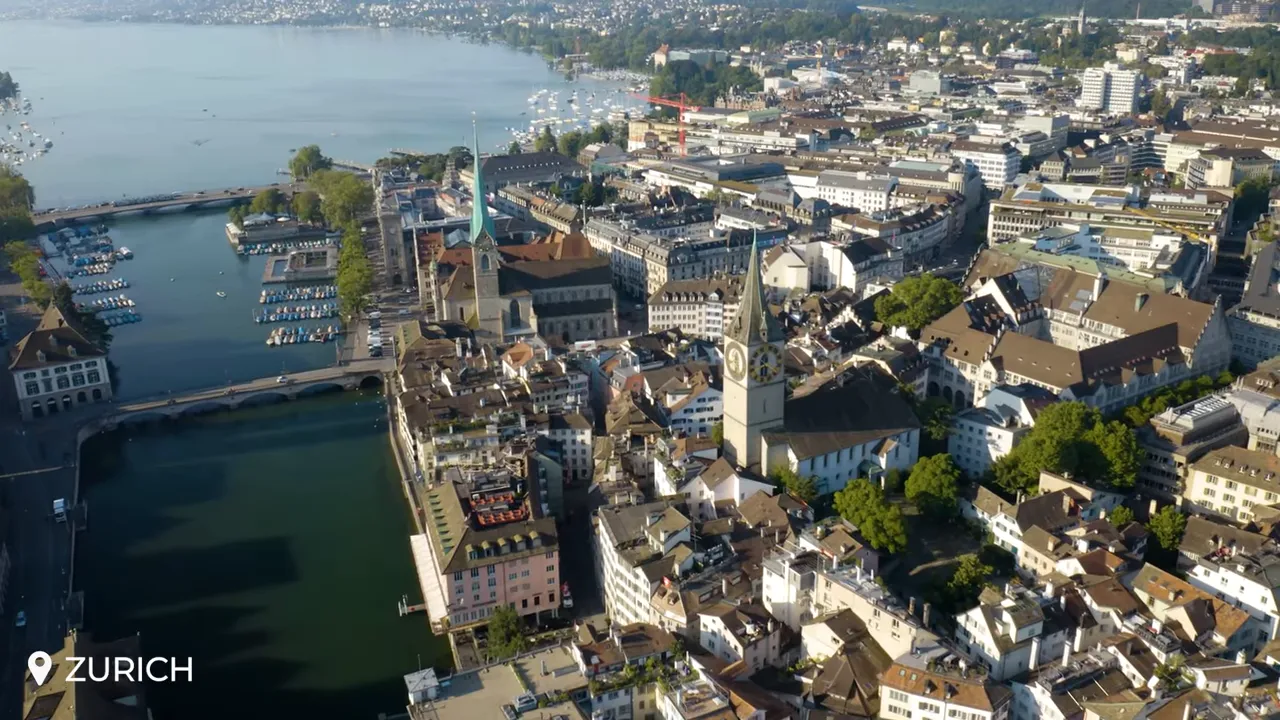
🏙️ Zurich: Tradition, Luxury, and Lakeside Calm
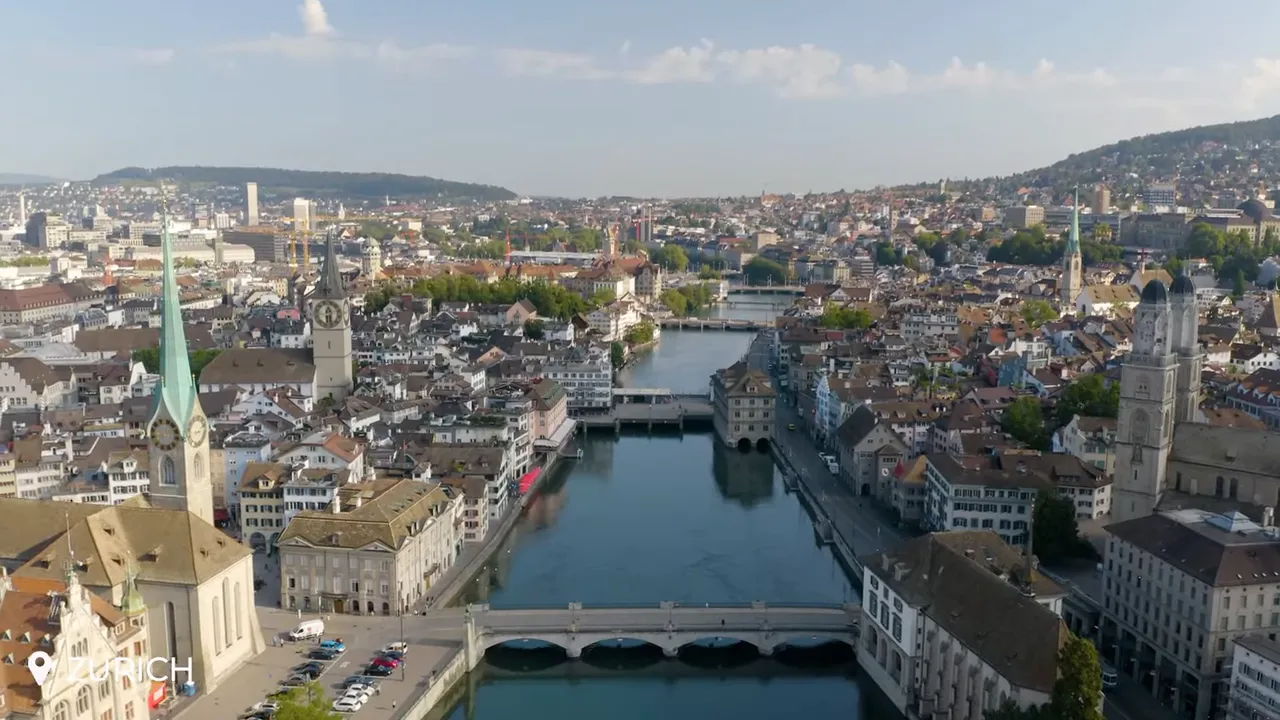
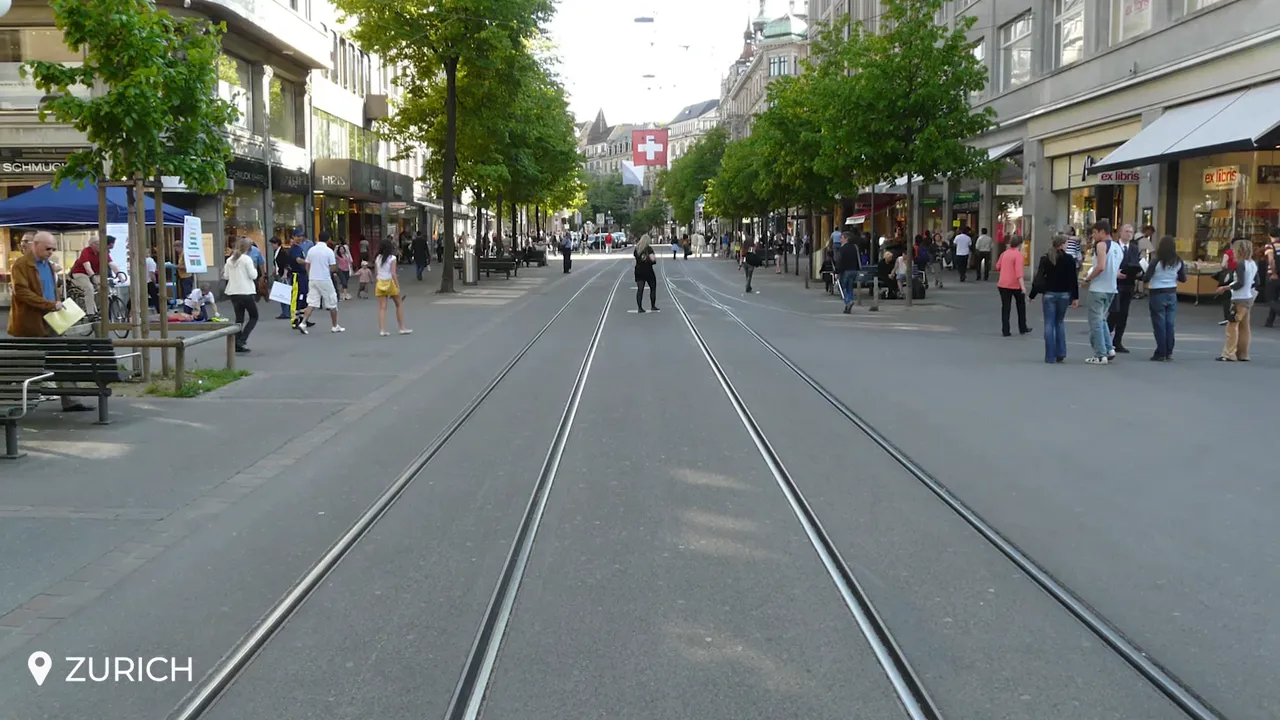
- Why Zurich matters: The largest city and a hub where medieval alleys and ultra-modern avenues coexist seamlessly.
- Contrast you can feel: Walk from the luxury storefronts of Bahnhofstrasse to the labyrinth of the Altstadt in minutes.
- Highlight stats and trivia: St. Peter’s Church boasts one of the largest clock faces in Europe; ETH Zurich is a hotbed of innovation that once educated Albert Einstein.
- Culture and cuisine: Kunsthaus offers art spanning old masters to contemporary names. Try Zürcher Geschnetzeltes—sliced veal in a creamy white-wine sauce—served with golden rösti.
- Markets and flavors: Local markets blend artisanal cheeses and seasonal alpine dishes that balance genuine tradition with modern tastes.
- Lakeside evenings: A dusk stroll along Lake Zurich, watching the Alps reflected on the water, is one of the easiest ways to feel the Swiss rhythm.
💦 Rhine Falls: Central Europe’s Roaring Waterwall
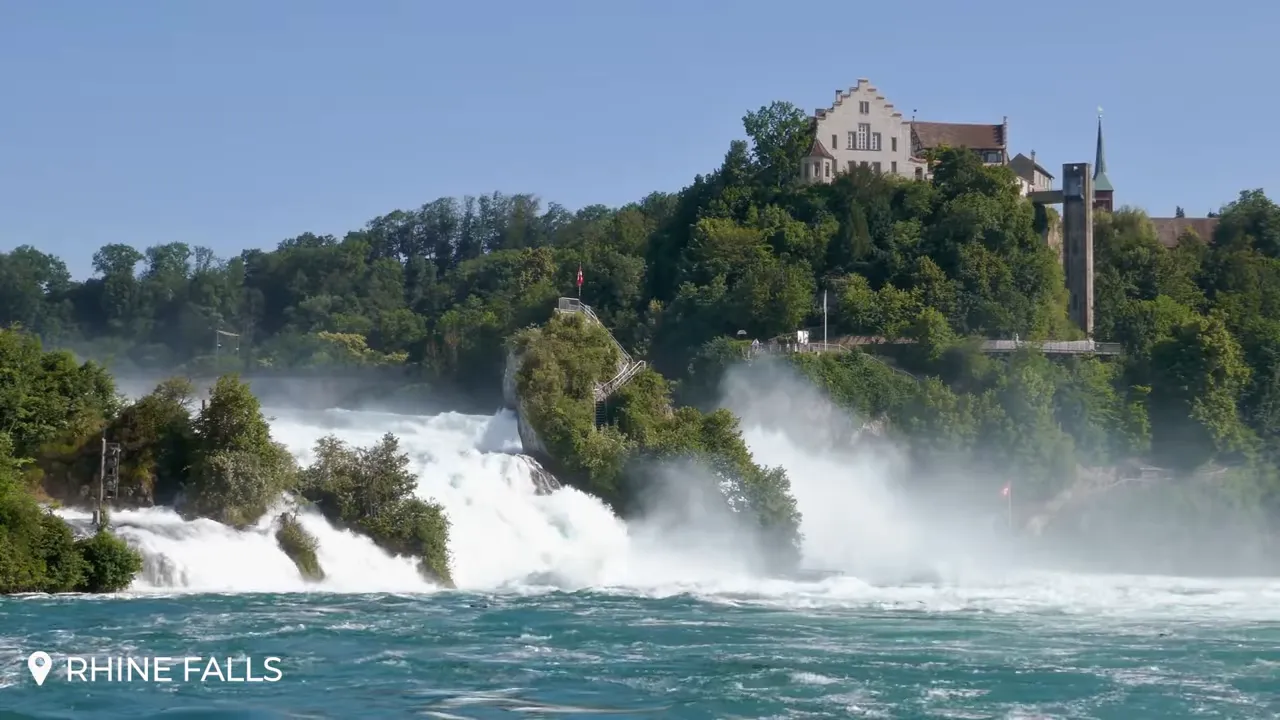
- Big numbers: Rhine Falls near Schaffhausen is Central Europe’s largest waterfall—about 23 meters high and 150 meters wide.
- How to experience it:
- Walk over the rock-lined platforms to feel the spray and hear the thunder of millions of liters crashing every second.
- Take a boat that pulls close to the central rock where water bursts into foam—an adrenaline-tinged view from the water itself.
- Stroll trails that link varied vantage points for different photographic compositions and moods.
- Atmospheric moments: Sunny days produce rainbows above the mist; the roar of the falls creates a hum that stays with you after you leave.
- Nearby culture: Schloss Laufen (Laofen Castle) sits above the falls with panoramic views, historical exhibitions, and peaceful cafes.
🌉 Lucerne: Medieval Bridges, Lion Monuments, and Alpine Gateways
- Feel of the place: Lucerne is postcard-perfect: cobbled lanes, hand-painted facades, and a lake framed by the Alps.
- Must-sees:
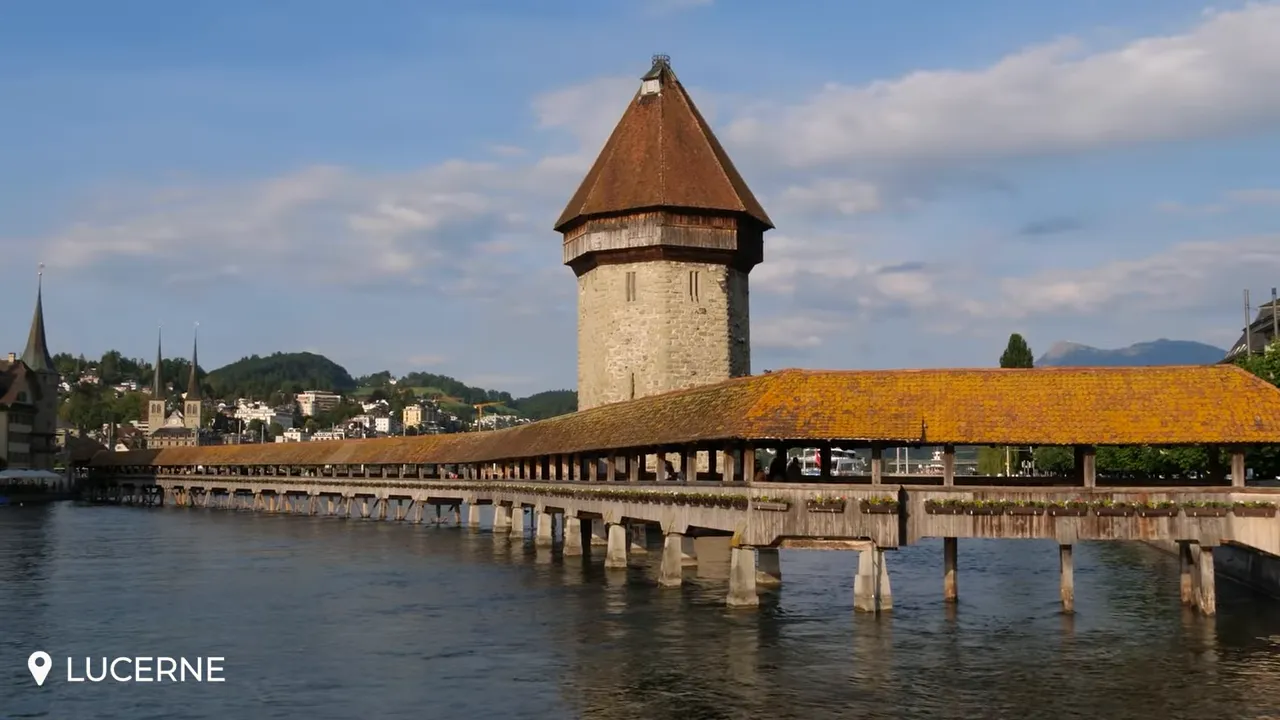
- Chapel Bridge (Kapellbrücke): a 14th-century covered wooden bridge with historic panel paintings leading to the Water Tower.
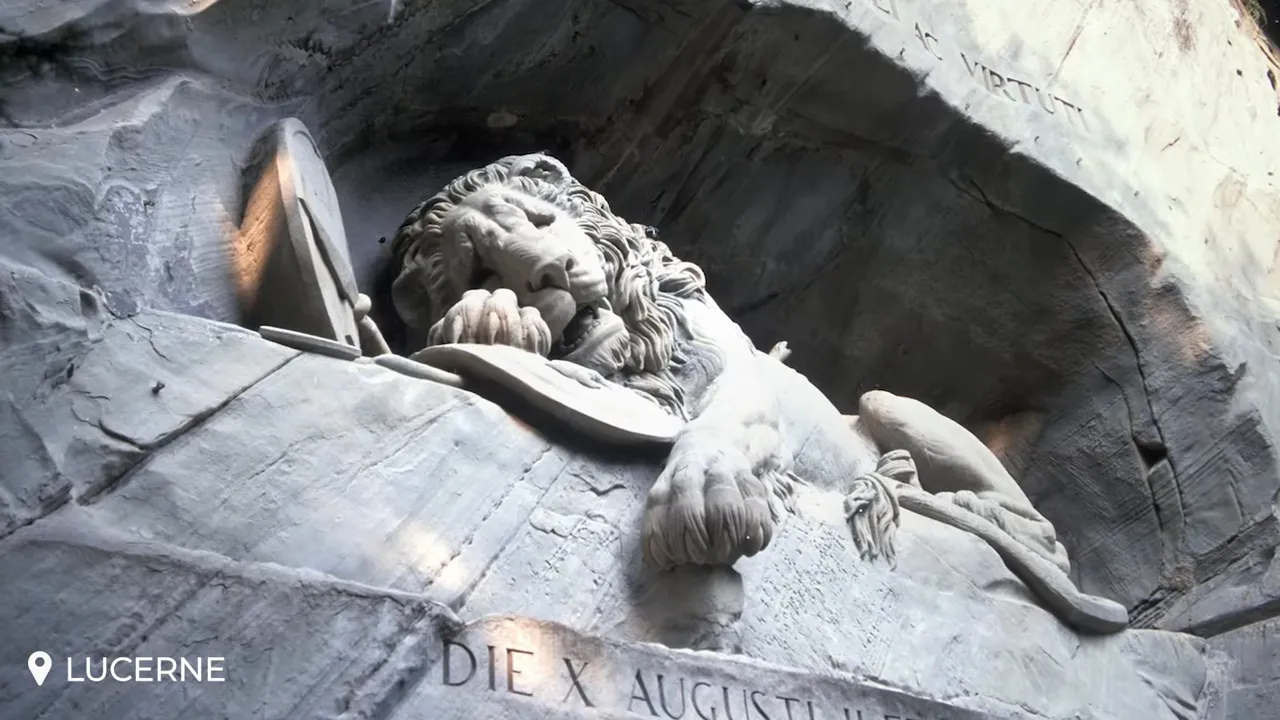
- Lion Monument: a rock-carved tribute to Swiss Guards—a quiet, moving sculpture that pauses many visitors in reflection.
- Musigmuur and medieval walls: towers you can still climb for panoramic city and mountain views.
- Culture and festivals: The Lucerne Festival draws world-class conductors and orchestras, turning the city into a seasonal music capital.
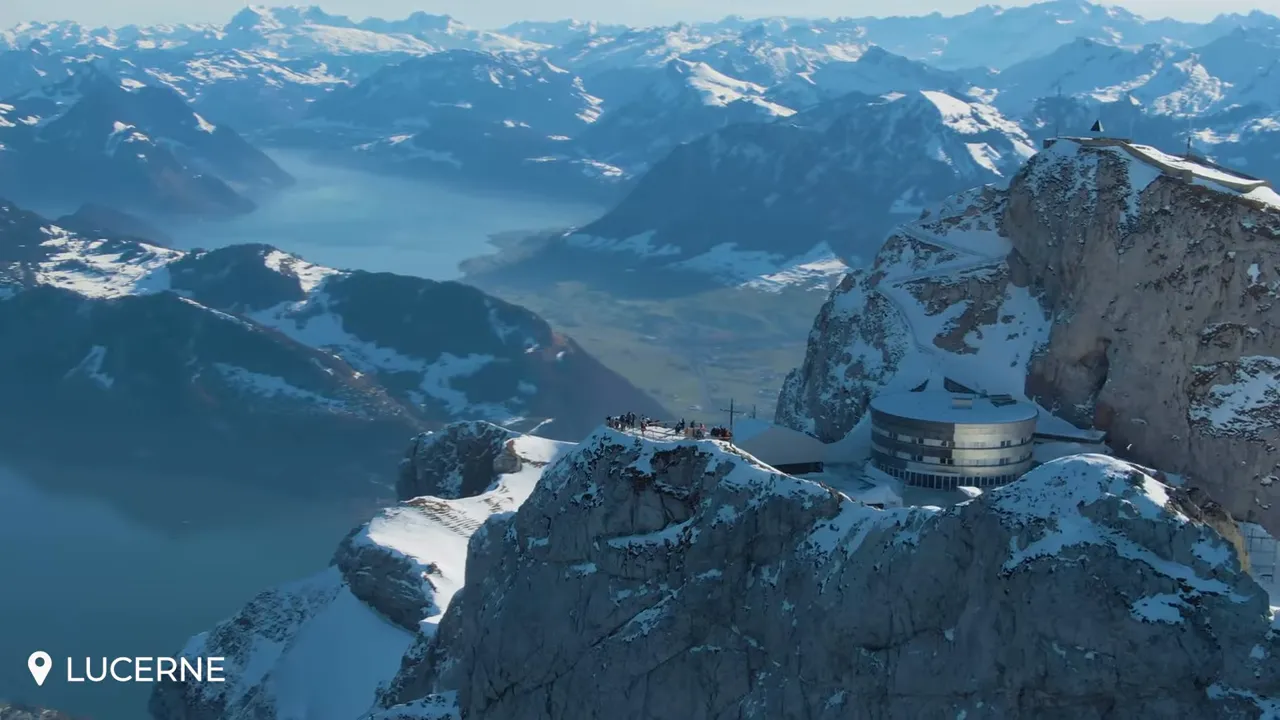
- Mount Pilatus access: Reachable by panoramic cable car or the world’s steepest cogwheel railway; the summit views of lakes and snow peaks are unforgettable.
🏰 Bern: A Living Medieval Capital
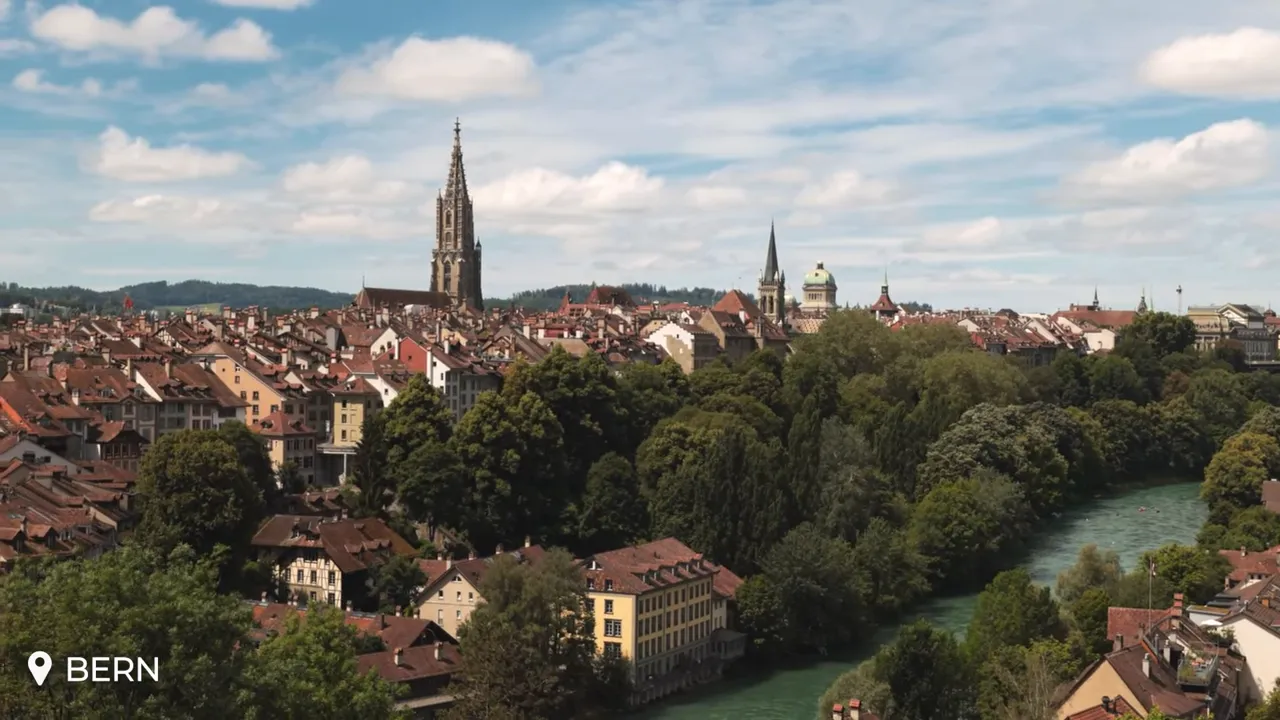
- Quieter capital: Bern blends government, history, and a relaxed pace. Its old town is UNESCO listed for a reason.
- Architecture and arcades: Stone arcades run for over six kilometers, sheltering cafes, bookshops, and small boutiques.
- Iconic experiences:
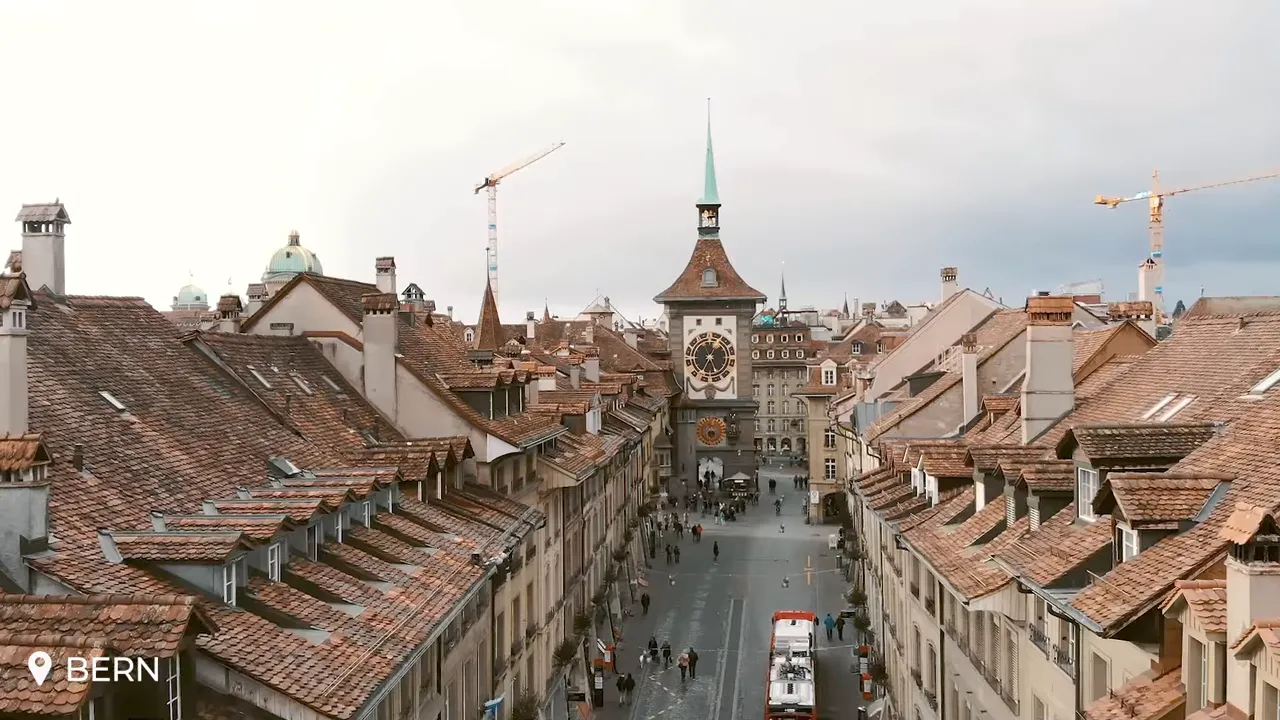
- Zytglogge clock tower: mechanical figures perform a charming show every hour.
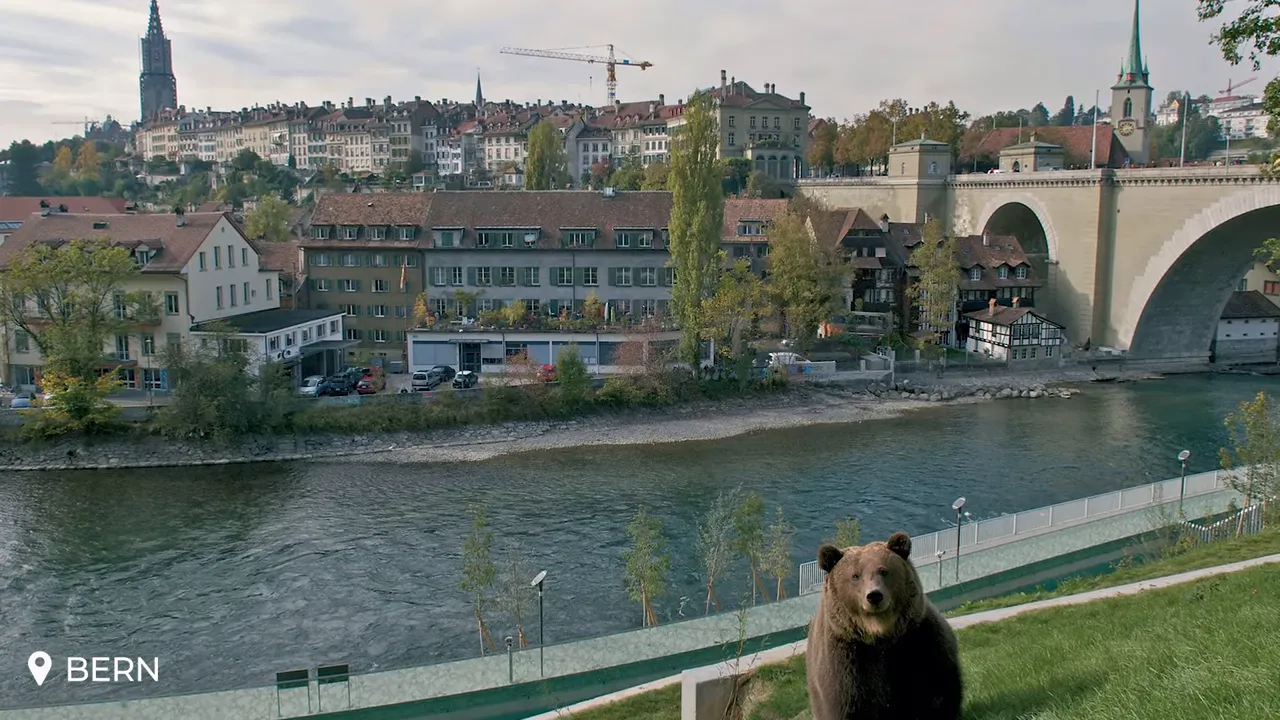
- Bear Park: home to the bears that inspired the name of the city, presented in a spacious river-edge habitat.
- Museums and mind: The Einstein House and the Kunstmuseum pack intellectual and artistic depth into a compact city visit.
🪂 Interlaken, Lauterbrunnen, and Grindelwald: Adventure Meets Alpine Poetry
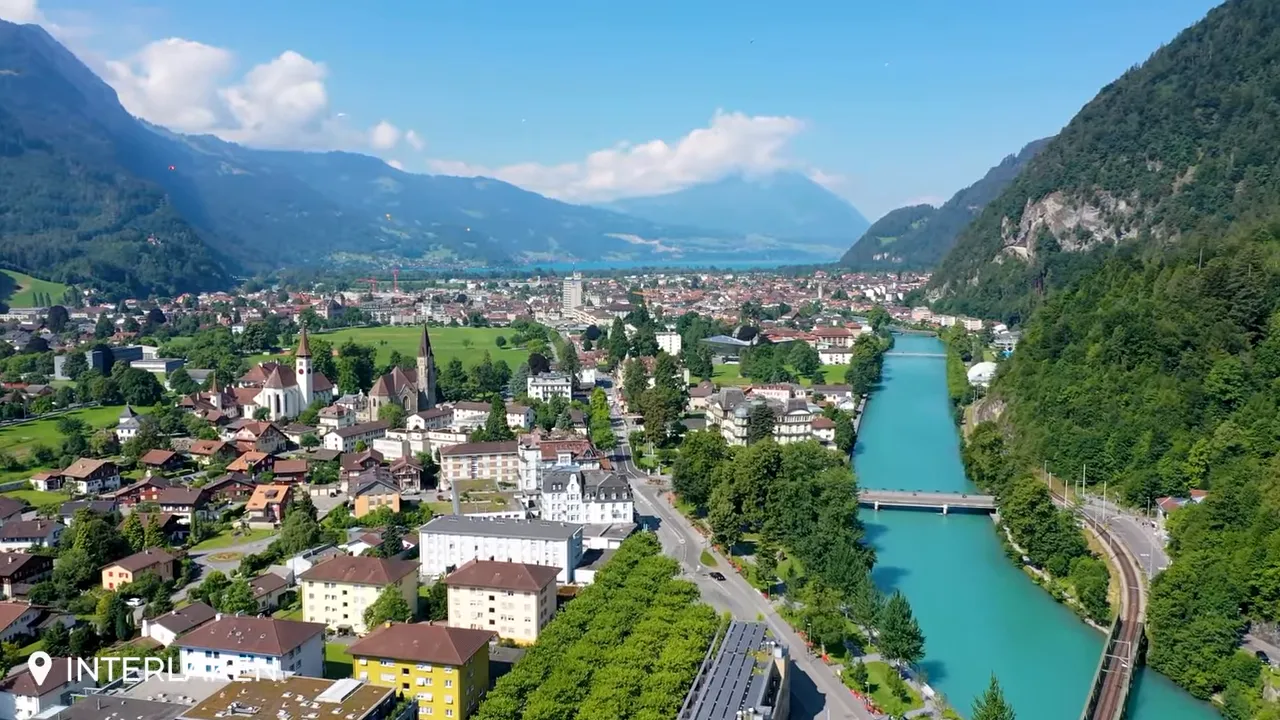
- Location magic: Interlaken sits between Lake Thun and Lake Brienz and is ringed by the Bernese Alps—a scenescape that invites activity.
- Adrenaline options:
- Paragliding over turquoise lakes for a bird’s-eye perspective.
- Rafting, canyoning, and climbing that deliver rushes amid jaw-dropping backdrops.
- Winter skiing from excellent nearby resorts.
- Town life: Flower-lined streets, cozy patisseries, and artisan shops selling knives, cheeses, and local crafts.
- Lauterbrunnen highlights:
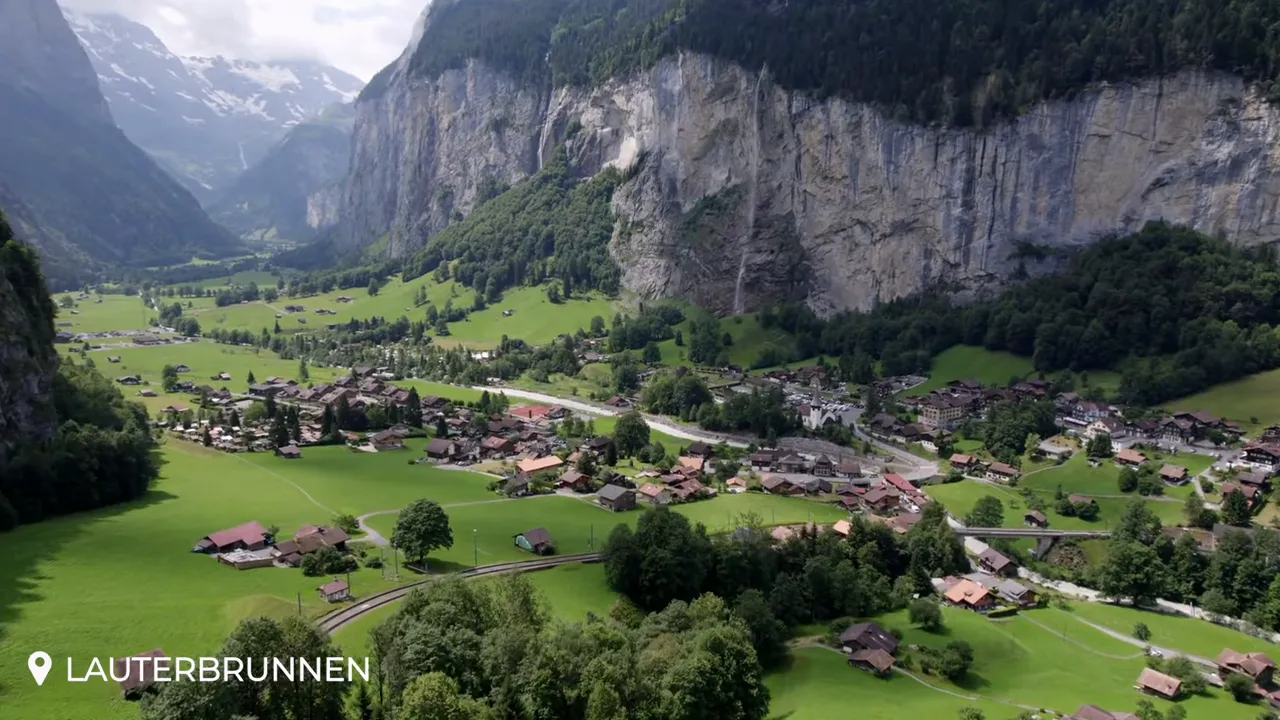
- “Valley of 72 waterfalls”: sheer cliffs drip silver veils into the valley below.
- Staubbach Falls drops nearly 300 meters; Trümmelbach Falls channels glacial water inside a mountain, accessed by illuminated walkways.
- Cable cars lift you to Mürren and other alpine perches for sweeping views of Eiger, Mönch, and Jungfrau.
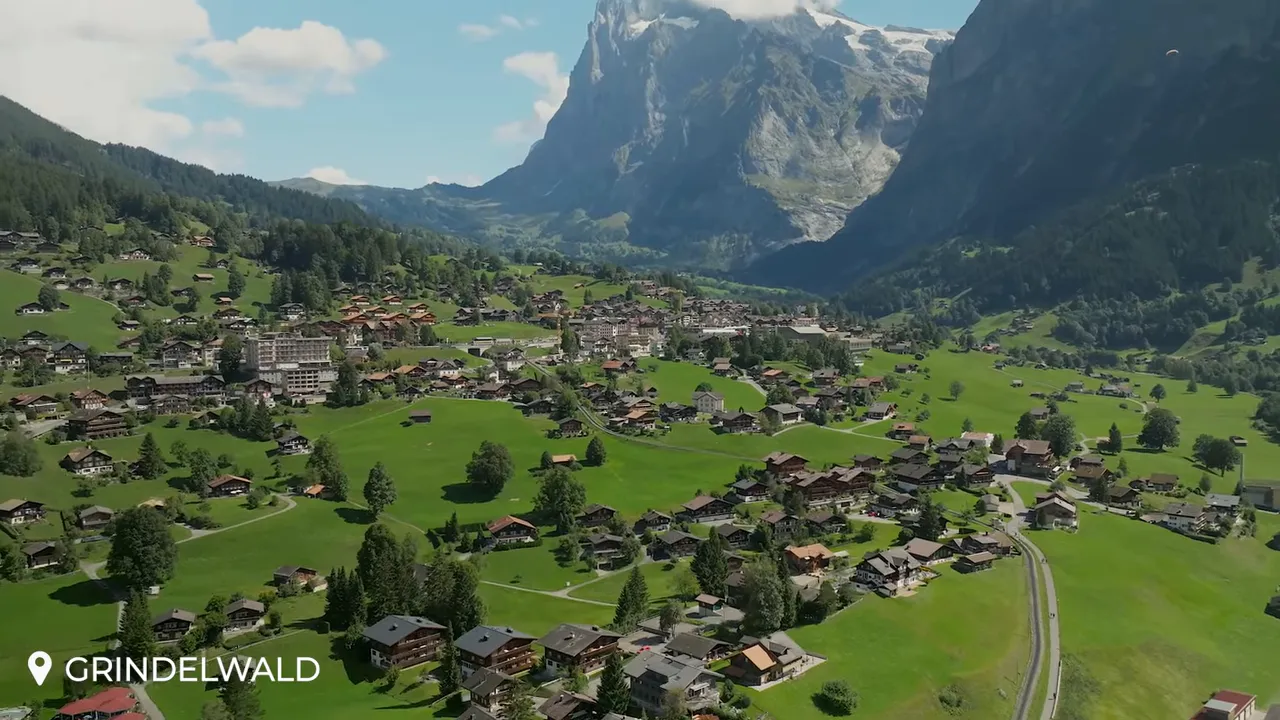
- Grindelwald vibe: More developed and visitor-ready, it’s an all-season base for hiking, skiing, and awe-filled gazing at imposing faces like the Eiger North Face.
🏔️ Zermatt and the Matterhorn: Silence, Sustainability, and Iconic Peaks
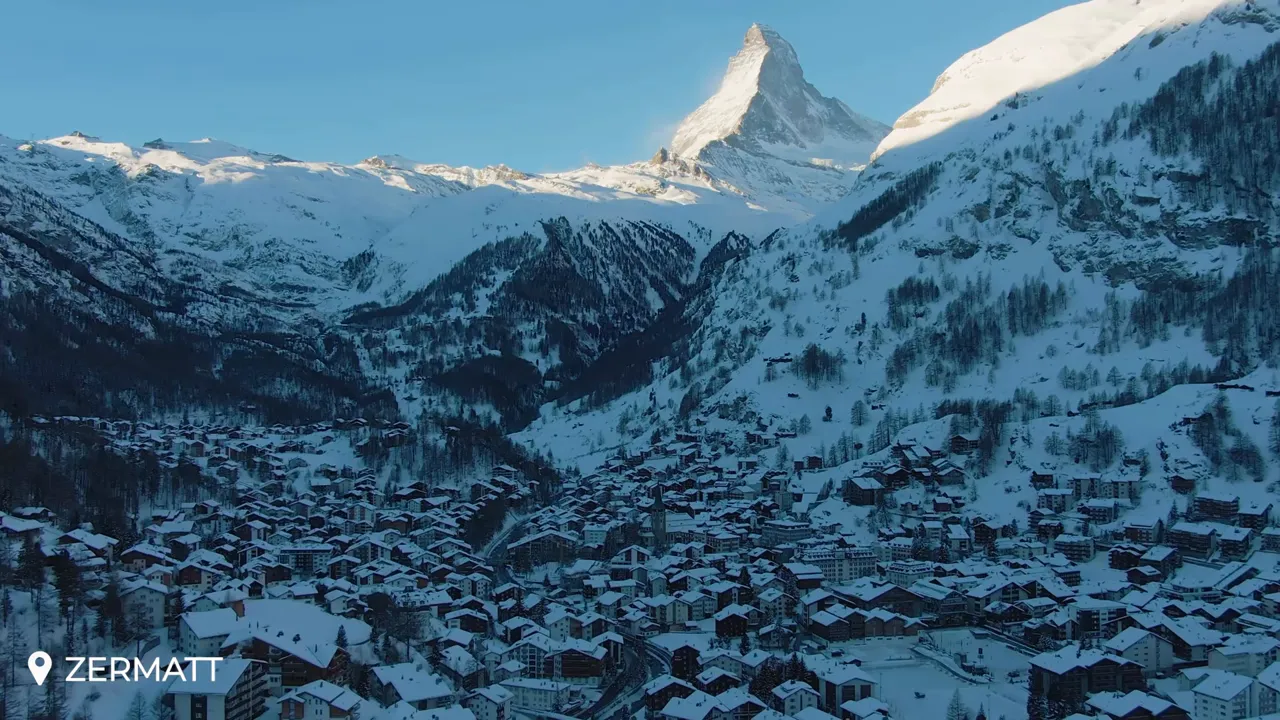
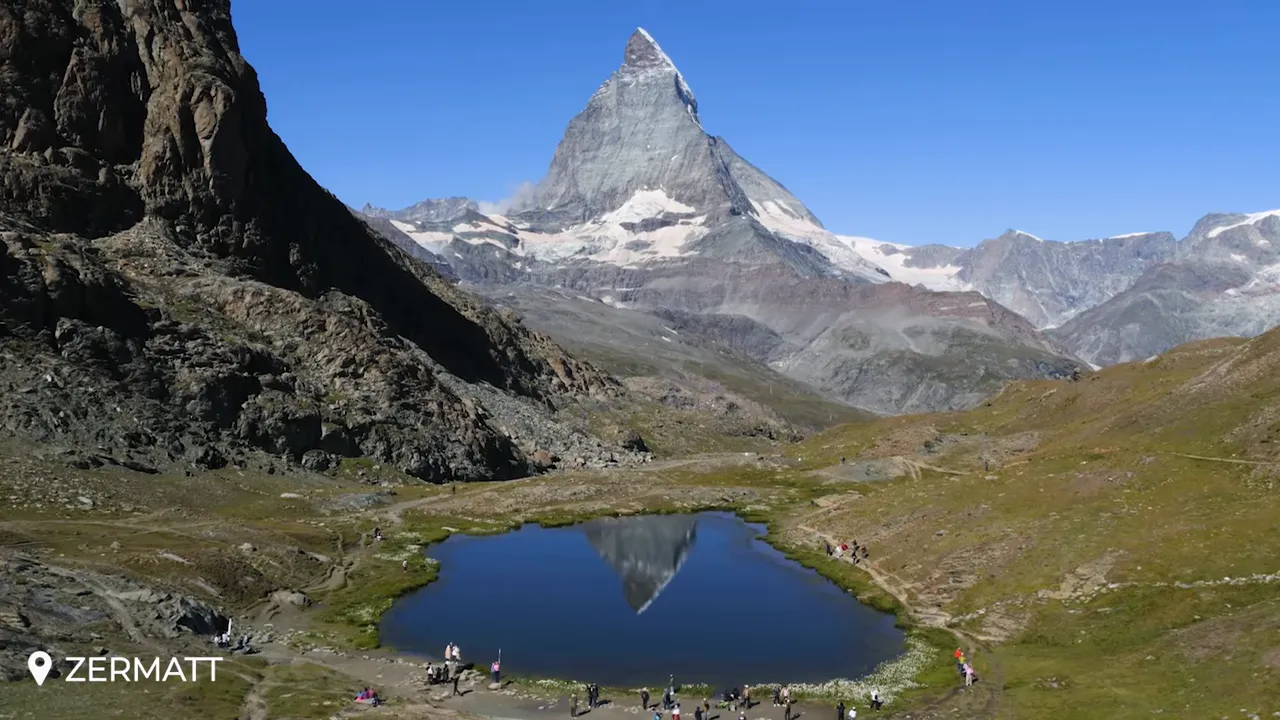
- Why Zermatt is special: A car-free village nestled at the foot of the Matterhorn—one of the most photographed mountains on Earth.
- Matterhorn mythology: The near-perfect triangular peak rises to 4,478 meters and has inspired paintings, films, and even chocolate packaging.
- Sustainable streets: Motor combustion engines are banned, so travel is by electric vehicles, bikes, or horse-drawn carriages—deliberate quiet and pristine air.
- Outdoor highlights: Hikes to high alpine lakes like Riffelsee that mirror the Matterhorn, plus world-class skiing and extensive cable car systems.
- Food culture: Alpine comforts include fondue and raclette while Michelin-starred kitchens reinterpret mountain cuisine; Valais wines and apricot tarts are local signatures.
❄️ Jungfraujoch: Top of Europe and the Glacier World
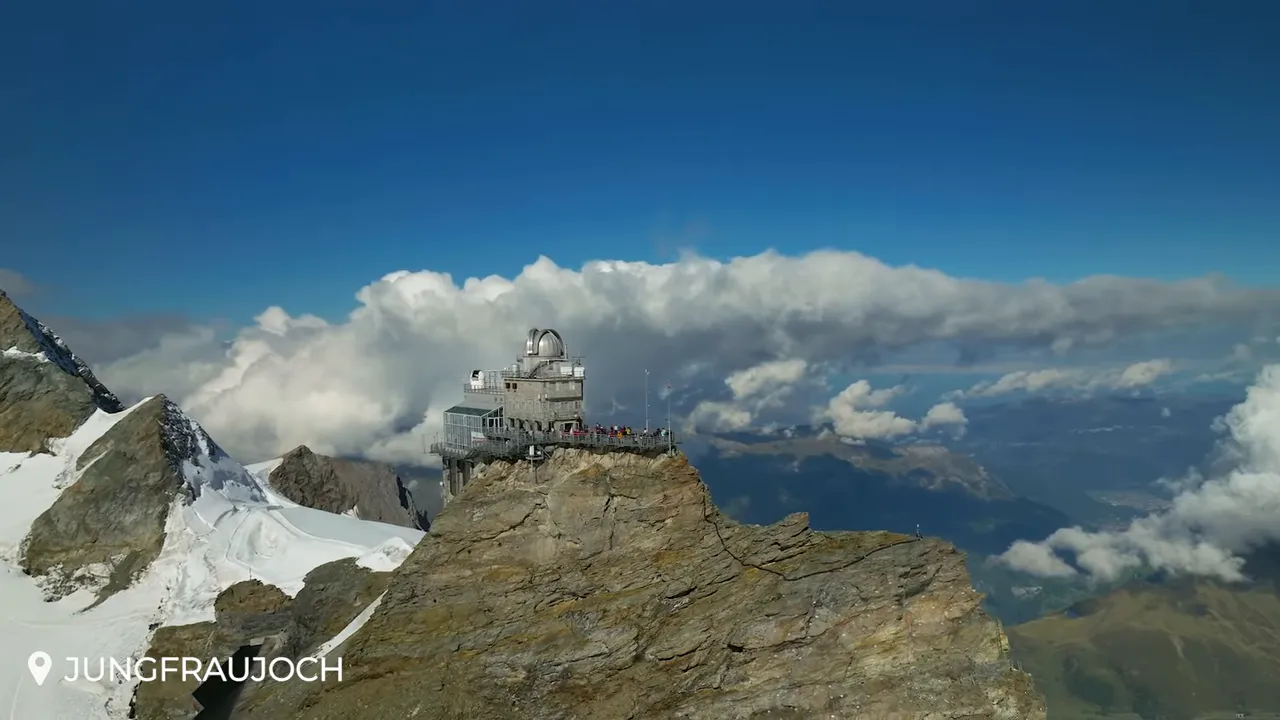
- Engineering at altitude: The train to Jungfraujoch climbs to 3,454 meters, arriving at Europe’s highest railway station.
- Historical feat: Completed in 1912 after massive tunnel works, the route remains a marvel of precision and endurance.
- Alpine ice theatre:
- Aletsch Glacier spans more than 20 kilometers and is a UNESCO World Heritage Site.
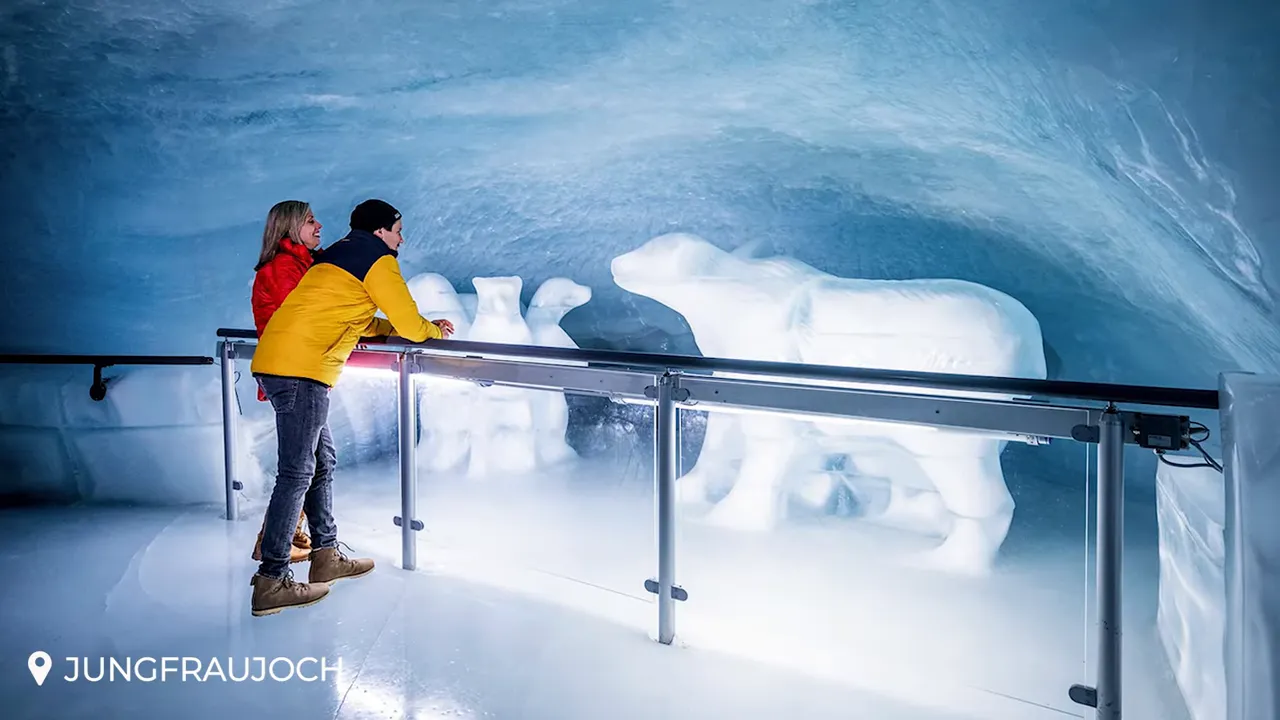
- The Ice Palace is a carved labyrinth inside the glacier with crystalline sculptures that feel like a frozen cathedral.
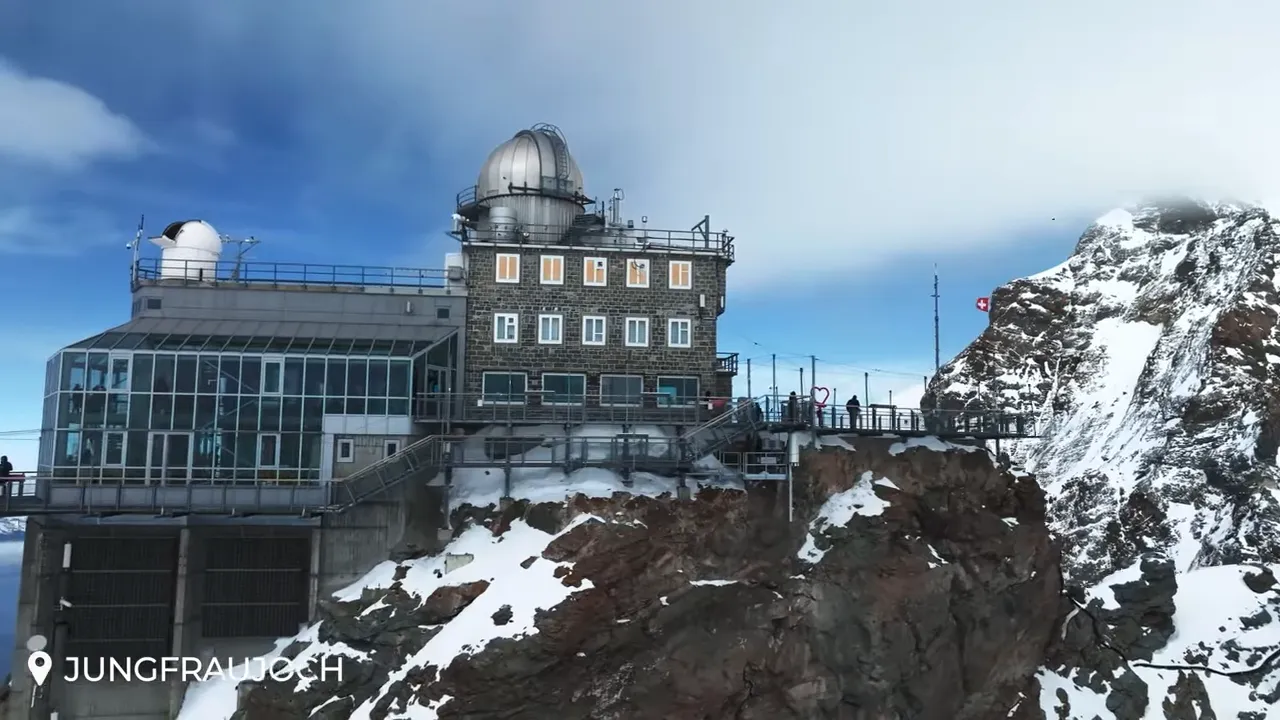
- The Sphinx Observatory provides one of the most dramatic panoramic viewing platforms in the Alps.
- Summit comforts: Enjoy hot chocolate or a steaming bowl of onion soup while looking over a sea of ice—food tastes different with that altitude view.
🌊 Geneva: Diplomacy, Multiculturalism, and Lakeside Elegance
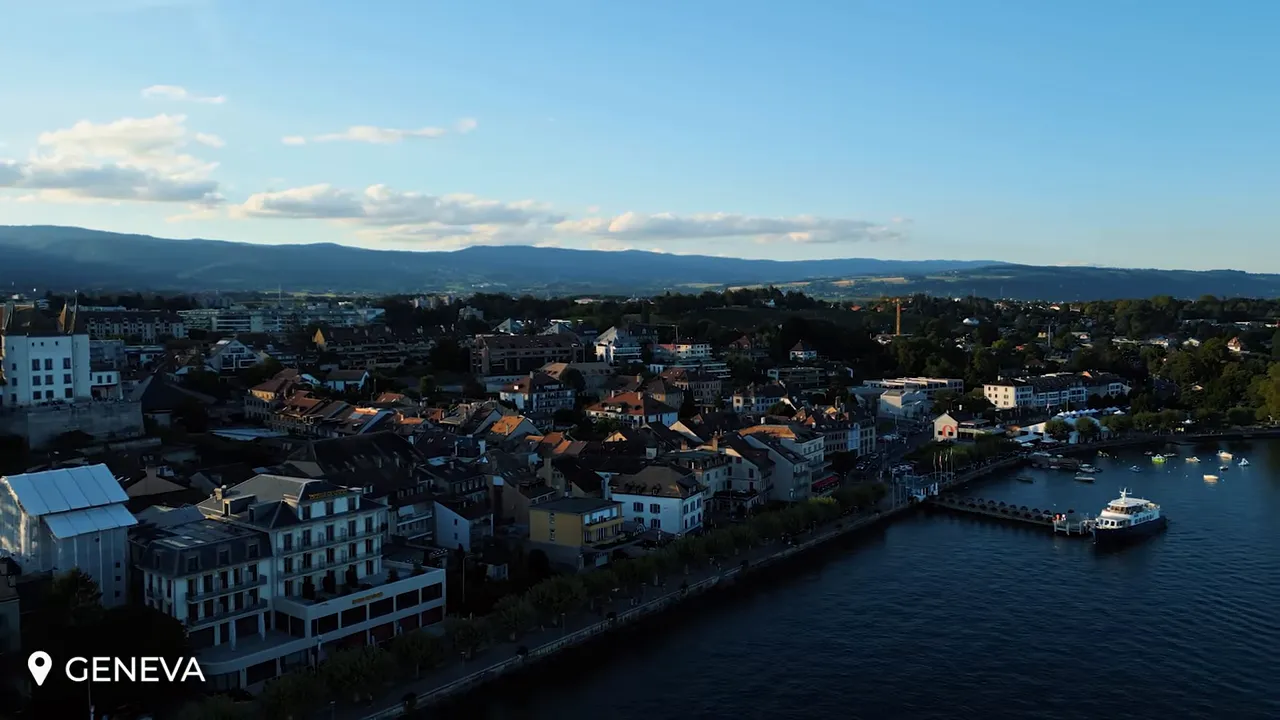
- International pulse: Geneva hosts major global organizations and has a cosmopolitan population—over 40 percent foreign-born—making it a truly multicultural city.
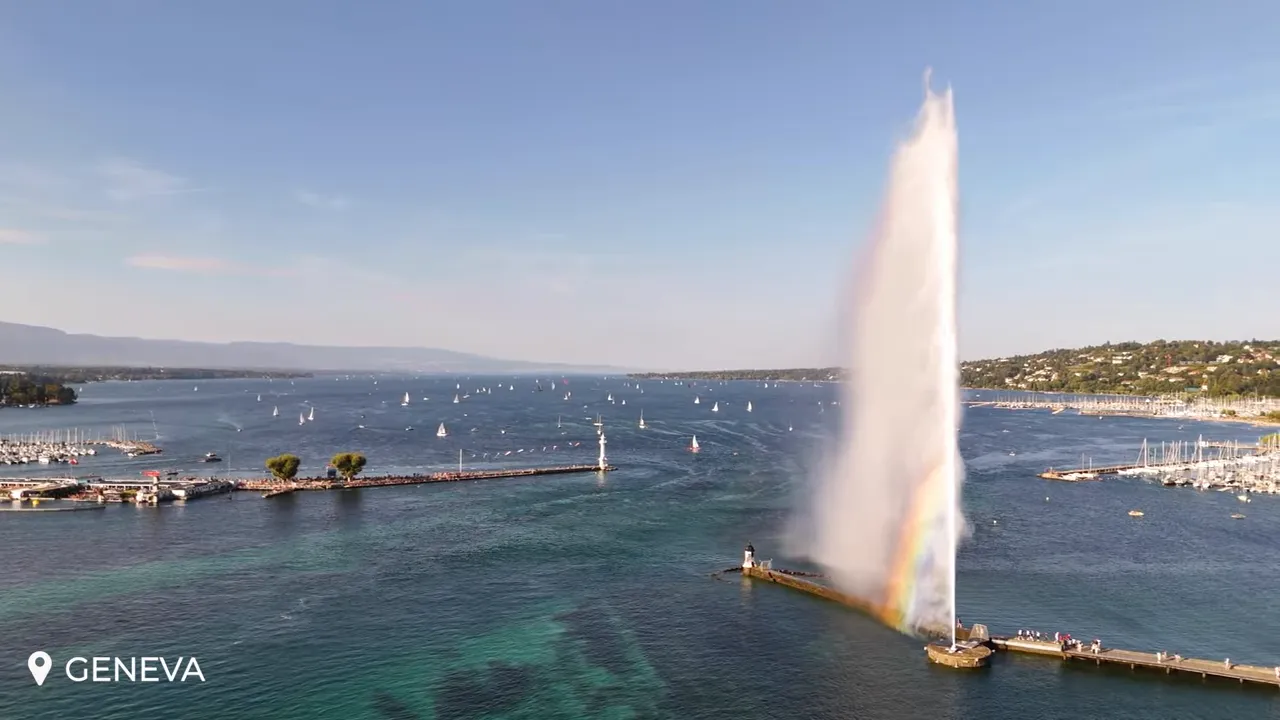
- Iconic lake fountain: The Jet d’Eau shoots water up to 140 meters, visible from many points around the lake.
- Old town discoveries: Cobblestone alleys, centuries-old bookshops, and St. Peter’s Cathedral sit beside modern diplomatic districts in a city of contrasts.
- Cultural institutions: Watchmaking heritage is preserved in museums; natural history collections and festivals add layers to Geneva’s metropolitan identity.
✨ St. Moritz and the Glacier Express: Alpine Glamour and Slow Travel
- Glamourous history: St. Moritz built the modern winter tourism model and has hosted the Winter Olympics twice—sophistication mixed with alpine sport.
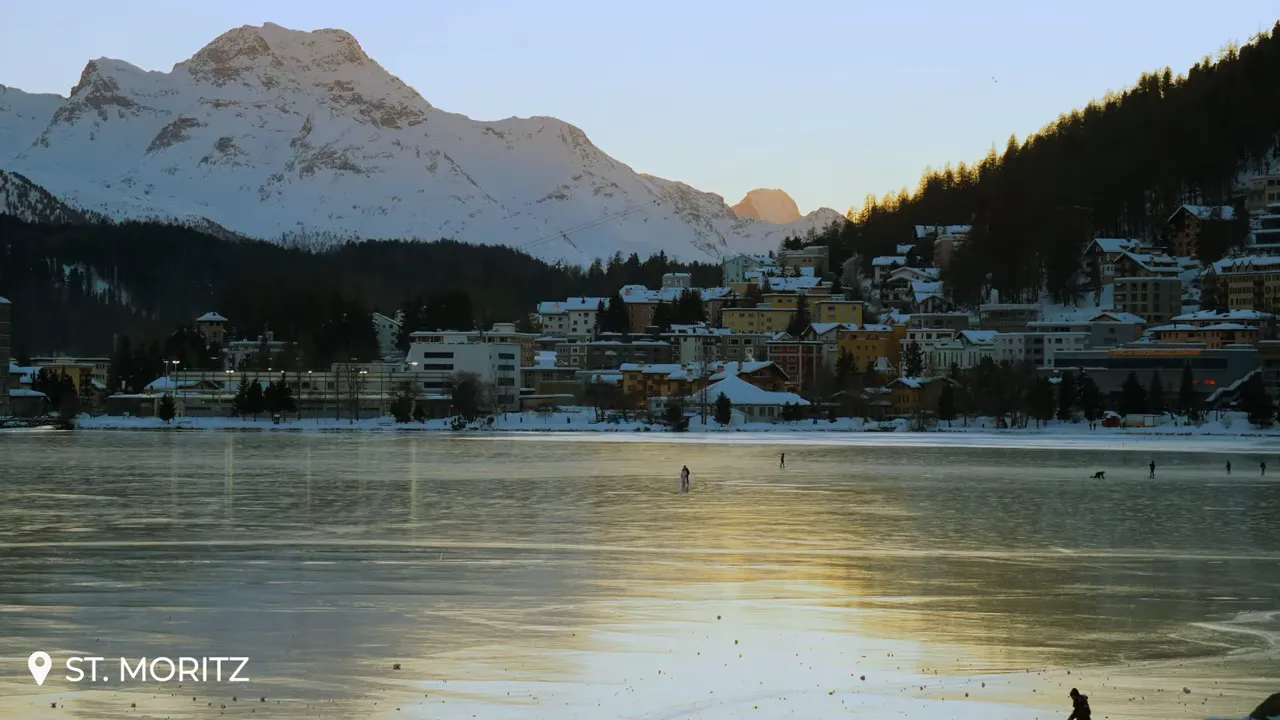
- Frozen spectacle: The town lake freezes and hosts horse races and ice polo—events that turn winter into an elite festival.
- Thermal roots: Thermal waters were used since Roman times; today luxurious spas blend historic thermal culture with modern treatments.
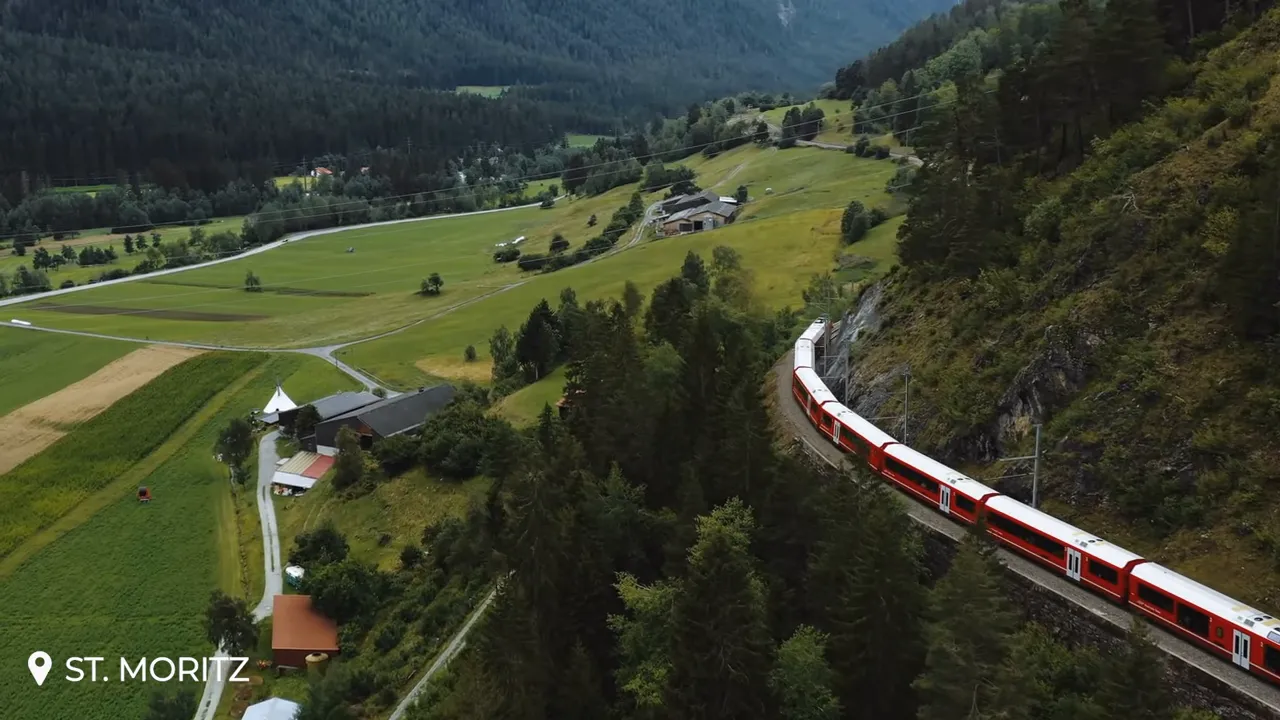
- Glacier Express experience: Known as the slowest express train, it connects St. Moritz to Zermatt in around eight hours across tunnels, bridges, and sweeping panoramas—a moving gallery of alpine life.
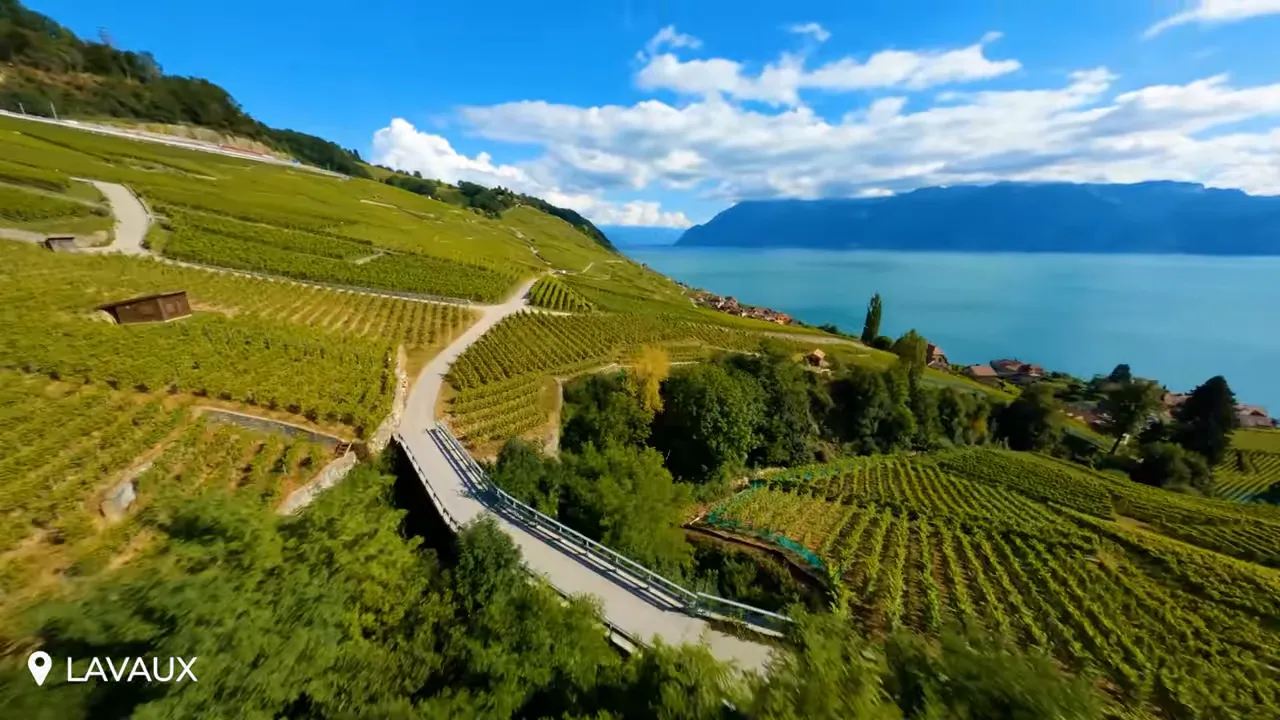
🍇 Lavaux: Terraced Vineyards and Lake-Front Wine Culture
- UNESCO terraces: Lavaux covers some 800 hectares of terraced vineyards along Lake Geneva, cultivated since the Middle Ages.
- Microclimate and terroir: Stone terraces capture sun warmth, ripening grapes in conditions that create unique wines tied closely to valley identity.
- Tasting and trails: Hike panoramic trails between rows of vines, visit family-run taverns in villages like Epesses and Dézaley, and taste wine straight from the producer.
- Sunset ritual: Sipping a local glass as the sun drops over the lake is as close as travel gets to a living painting.
🧀 Appenzell: Pastoral Flavor, Painted Houses, and Cheese Secrets
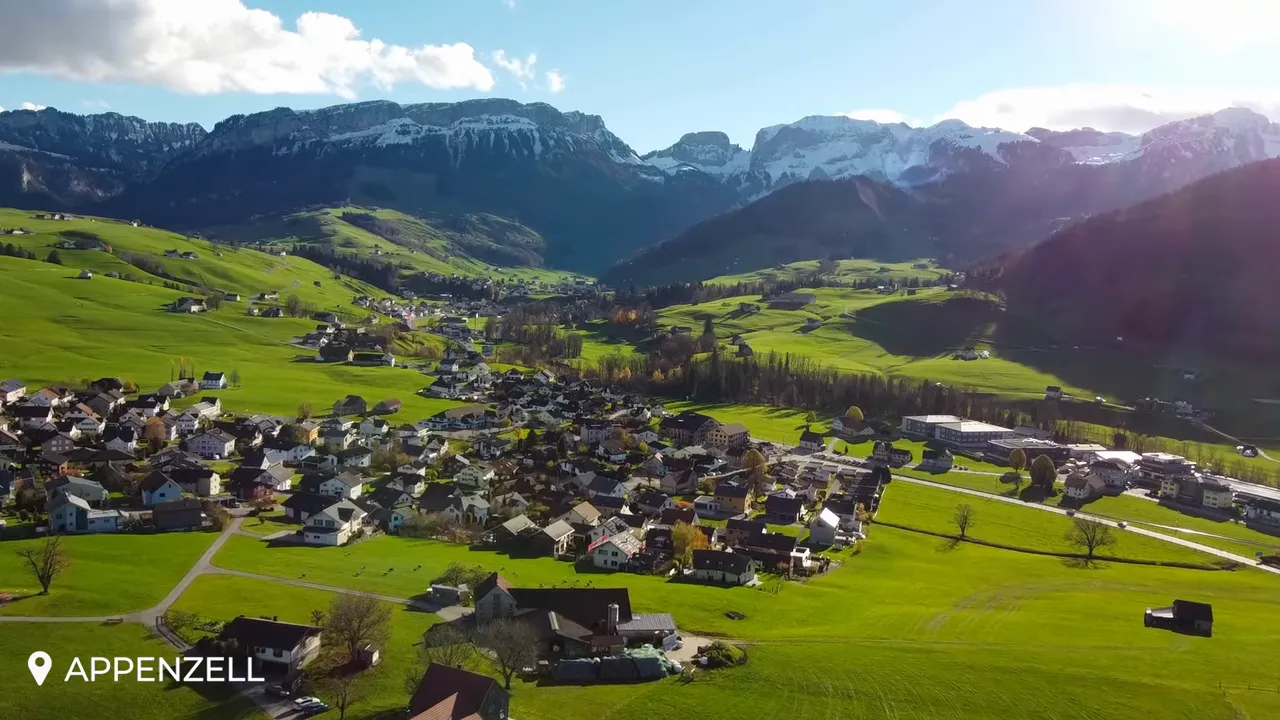
- Authentic choreography: Appenzell’s villages look like living postcards—hand-painted facades, wooden houses, and choreography of everyday rural life.
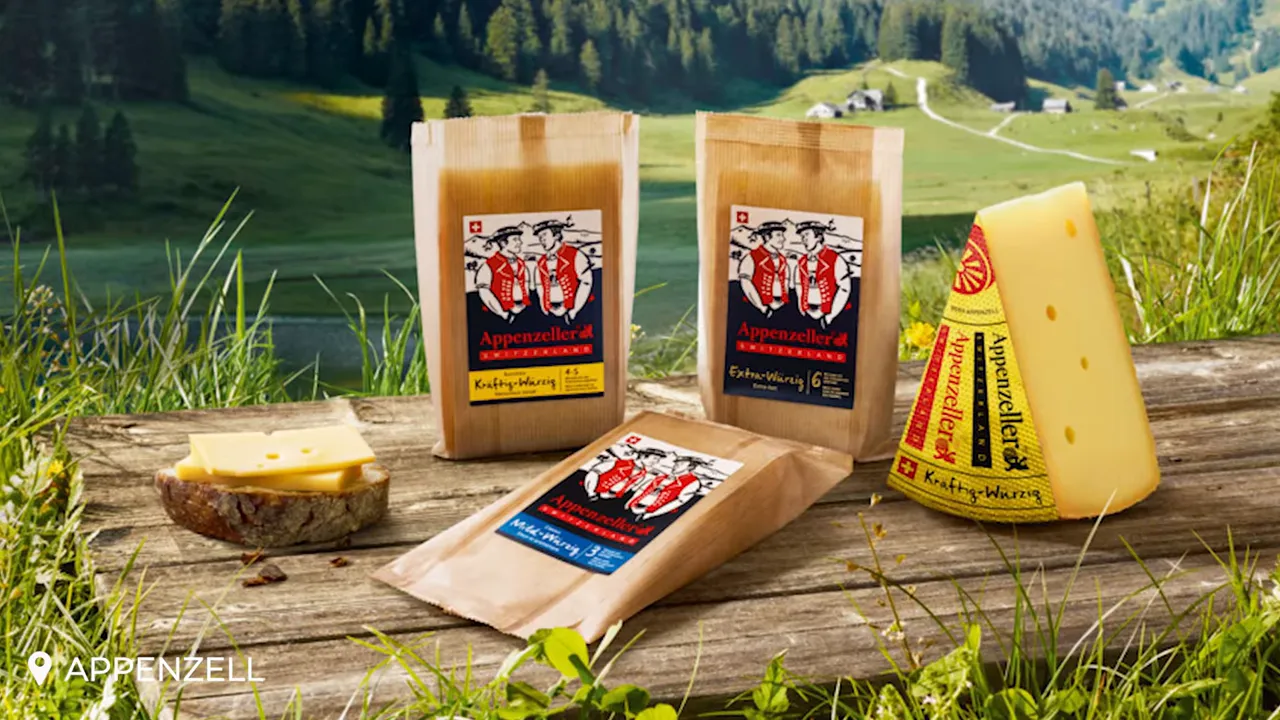
- Appenzeller cheese: Known for a lively, slightly spicy character, this cheese is aged using a secret herbal brine that remains closely guarded.
- Interactive cheese dairies: Public cheesemaking visits let you follow milk to aging caves and end with tasting—an immersive way to meet culinary tradition.
- Seasonal scenery: Meadows, golden autumn hills, snow-blanketed winters, and springtime floral rebirth make Appenzell a year-round sensory treat.
🏡 Grimmense: Storybook Villages and Vaulted Traditions
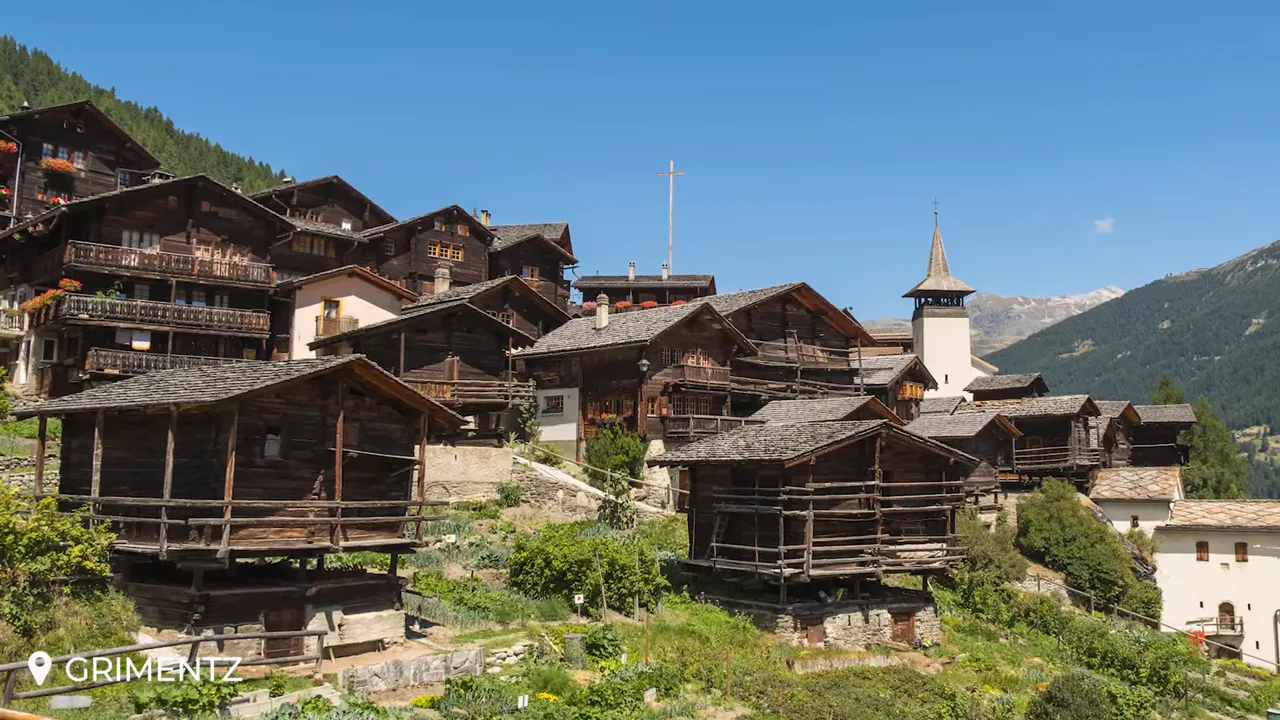
- Village visuals: Sun-darkened wooden houses with window geraniums, narrow lanes, and stone granaries create a narrative-perfect setting.
- Traditional ingenuity: Raised rackards (granaries on stilts) and 18th-century wooden fountains fed by glacial water show a community shaped by mountain life.
- Living culture: Glacier wine aged for decades is one preserved tradition; folk festivals and alpine music animate the year-round calendar.
- Active calm: Summer brings crystal alpine lakes and hiking; winter offers quiet slopes for those who prefer solitude over crowds.
🧭 Practical Tips for Travelers
- Transport: Trains are frequent, punctual, and scenic. Consider regional passes for multi-destination travel to save money and maximize flexibility.
- Money: The Swiss franc is the main currency. Cards are widely accepted, but small shops and mountain huts may prefer cash.
- Language: Learn a few courtesy phrases in the local language for the region you visit—German, French, Italian, or Romansh—and you will be welcomed.
- Respect local rhythms: Noise and activity on Sundays are often restricted; embrace the slower tempo and enjoy tranquil public spaces.
- Packing: Layering is essential—alpine weather changes fast. Bring sturdy shoes for cobbled streets and mountain paths.
- Food to try: Cheese fondue, raclette, Zürcher Geschnetzeltes, apricot tart, Valais wines, and of course Swiss chocolate. Local markets reveal seasonal specialties.
🔎 Quick Facts and Curiosities
- Average Swiss chocolate consumption per person: more than 10 kilograms per year.
- More than 7,000 lakes across a compact country means water is never far away.
- Watchmaking brands and precision engineering are not just luxury—they are cultural identity.
- Multiple cities rank among the most expensive in the world, yet service quality and public order reflect that investment.
- Sunday quiet laws exist in parts of the country to protect rest and community peace.
📷 Visual Highlights (where to point your camera)
- Sunrise reflections on Lake Lucerne with Chapel Bridge in the foreground.
- Panoramic shots from Jungfraujoch over the Aletsch Glacier.
- Matterhorn mirrored in Riffelsee at dawn.
- Golden terrace rows of Lavaux during sunset.
- Street scenes in Bern’s arcades when the hour chimes at Zytglogge.
📖 Suggested 10-Day Itinerary (bullet-style)
- Day 1–2: Zurich Explore Bahnhofstrasse, Altstadt, Lake Zurich, and a visit to ETH/Kunsthaus.
- Day 3: Rhine Falls + Lucerne Morning at the falls, afternoon wandering Lucerne and Chapel Bridge.
- Day 4: Lucerne to Bern Morning Pilatus option, then evening in UNESCO-listed Bern.
- Day 5–6: Interlaken base One day of adventure sports or a gentle boat day; day trip to Lauterbrunnen and Mürren.
- Day 7: Grindelwald or Jungfraujoch Train to Jungfraujoch or alpine hikes from Grindelwald.
- Day 8: Zermatt Travel to a car-free Zermatt, enjoy village, short hikes, and Matterhorn views.
- Day 9: Glacier Express to St. Moritz Slow scenic train day with panoramic windows.
- Day 10: Lavaux and Geneva Morning wine terraces of Lavaux, afternoon in Geneva’s old town and Jet d’Eau.
❓ Frequently Asked Questions
What is the best time of year to visit Switzerland?
It depends on your priorities. Winter (December–March) is perfect for skiing and frozen-lake events. Summer (June–September) offers hiking, alpine flowers, and lake activities. Shoulder seasons in spring and autumn bring fewer crowds, striking mountain colors, and pleasant travel conditions.
Is Switzerland expensive to visit?
Yes, Switzerland ranks among the pricier European countries. Costs for lodging, restaurants, and attractions are higher than average, but efficient public transport and meal options like markets can help manage the budget. Consider rail passes and regional cards for savings.
Do I need to speak multiple languages to travel around?
No—English is widely spoken in tourist areas. However, learning simple greetings in German, French, or Italian depending on the region enriches interactions and is appreciated by locals.
Are public transport connections easy between major sites?
Yes. Switzerland’s rail network is punctual, frequent, and connects major towns and mountain gateways. Cable cars and cogwheel railways complement trains for summit access. Timed connections and integrated ticketing make planning straightforward.
What foods and local specialties should I not miss?
Try fondue and raclette for classic alpine cheese experiences, Zürcher Geschnetzeltes for regional Zurich flavor, Valais wines and apricot specialties, and artisanal chocolates. Regional cheeses like Emmental and Appenzeller are essential tastings.
Is Switzerland family-friendly?
Extremely. Many attractions are accessible for families: gentle lake cruises, easy-to-reach viewpoints, interactive museums, and safe outdoor activities. Mountain transport systems often have family discounts and accessible routes for strollers and young hikers.
🔚 Final Takeaways
- Variety within compactness: Switzerland’s small footprint delivers huge diversity—mountains, lakes, vineyards, medieval villages, and modern cities.
- Design in daily life: Precision and quality show up everywhere—from train timetables to watchmaking, to how communities protect quiet Sundays.
- Balance of extremes: Luxury winter resorts sit alongside humble cheese dairies; adrenaline sports coexist with contemplative vineyards. That balance is the country’s charm.
- Plan but leave room: Built-in efficiency makes moving around easy. Book must-see mountain railways and special events in advance, but allow open hours to wander and stumble on your favorite Swiss moment.
- One-line summary: Switzerland is a curated blend of raw nature, crafted culture, and everyday excellence—each visit reveals another layer of why it feels like heaven on earth.