Wonders of Ireland | The Most Unreal Places Unseen that Exist in Ireland | Travel Video 4K
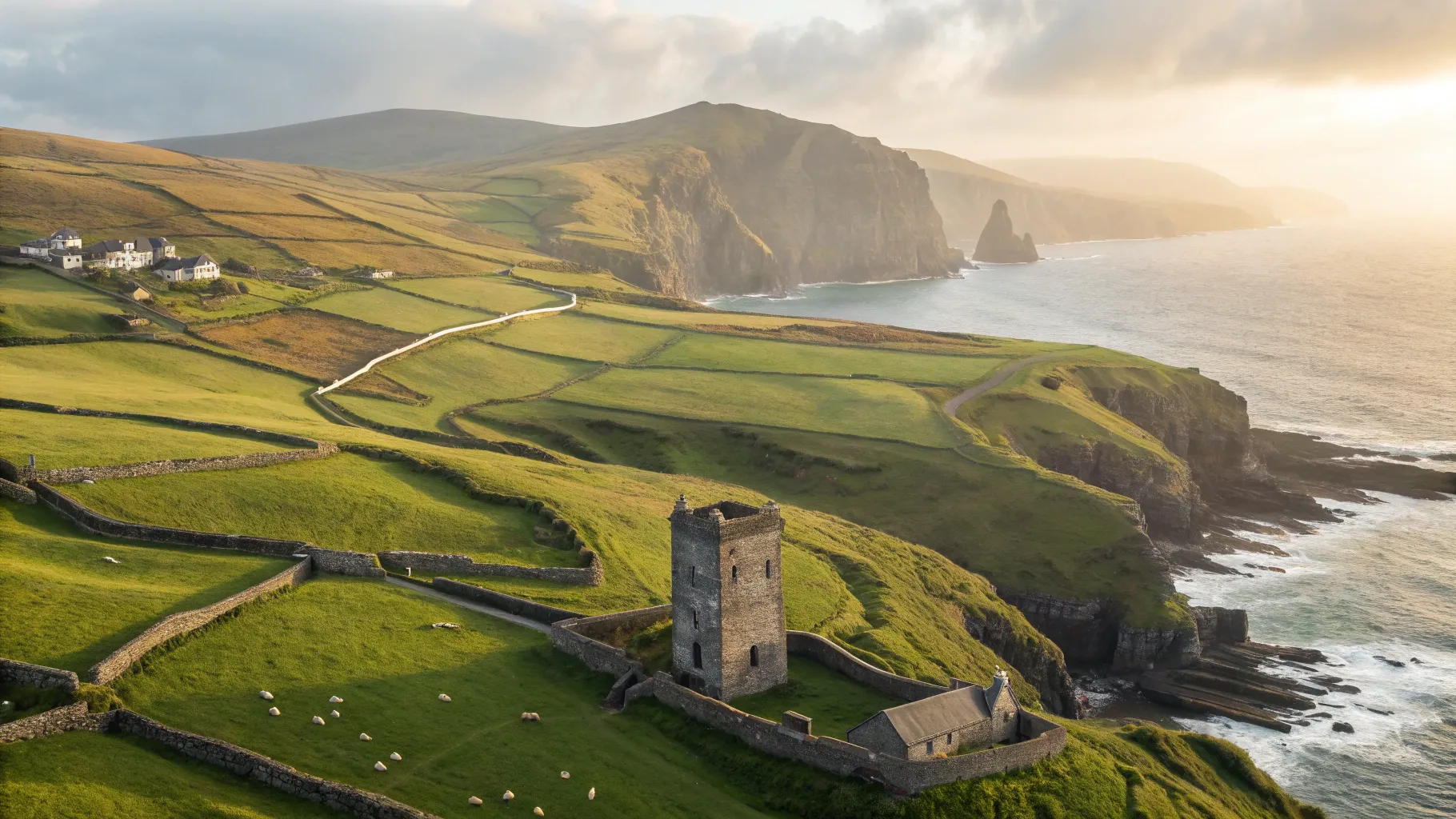
Table of Contents
- 🍀 Introduction: Why Ireland Feels Like a Storybook
- 🏙️ Dublin: Medieval Majesty Meets Modern Energy
- 🪨 Cliffs of Moher: Atlantic Drama on Ireland’s Edge
- 🎶 Galway: Bohemian Streets, Gaelic Heart
- 🌊 Dingle Peninsula: Coastal Splendor and Seaside Songs
- 🌲 Killarney National Park: Lakes, Forests, and Castle Legends
- 📜 Sligo: Yeats Country and the Wild Atlantic Voice
- 🍽️ Cork: The Rebel City and a Feast for the Senses
- 🌉 Carrick-a-Rede Rope Bridge: A Little Adrenaline with Your Sea Views
- 🏝️ Aran Islands: Gaelic Culture Preserved in Stone and Sea
- 🏞️ Glenveagh National Park: Donegal’s Quiet Majesty
- 🏞️ Wicklow Mountains & Glendalough: The Garden of Ireland
- 🏰 Kylemore Abbey: Neo-Gothic Romance in Connemara
- 🧭 Practical Travel Tips & Sample Itineraries
- 📚 Culture, Language & Local Customs
- ❗ Safety, Accessibility & Responsible Travel
- 📸 Photo & Film Moments: Where to Capture Ireland’s Magic
- 📍 Recommended Day-by-Day Route for First-Time Visitors
- 💬 Quotes & Reflections from the Journey
- ❓ Frequently Asked Questions (FAQ)
- 🔚 Conclusion: Ireland as More Than a Trip—A Lasting Feeling
🍀 Introduction: Why Ireland Feels Like a Storybook
- Ireland is a place where landscapes read like chapters in a myth, where history lingers in stone and song, and where every town has its own personality. This article—based on a cinematic travel presentation—takes you on a detailed, practical and sensory journey through the Emerald Isle’s most unforgettable destinations.
- Below you’ll find vivid descriptions, practical tips, cultural context, must-see highlights, food recommendations, sample itineraries, and frequently asked questions—laid out in bullet form so it’s easy to browse, plan from and return to.
- Quick fun facts to spark your curiosity: There are no native snakes in Ireland—a detail that inspired legend and reassured pilgrims alike. The Guinness legacy began in 1759 and its gravity-bar views are a modern must-do in Dublin. Ireland introduced a plastic bag tax early on to curb waste, a small policy with big environmental symbolism. There are more chickens than people—roughly three chickens for every resident.
- Screenshot: a sweeping opening shot that captures Ireland’s cinematic landscapes.
🏙️ Dublin: Medieval Majesty Meets Modern Energy
- Dublin is where medieval corridors meet modern cafés and cutting-edge tech. It’s a city of contrasts that rewards slow wandering as much as structured sightseeing.
- Top historical highlight Dublin Castle (13th century): Once a fortress, prison, and the seat of English administration—its rooms and courtyards preserve centuries of turbulent Irish history. Walk through the State Apartments to sense the layers of political change.
- Neighborhood to experience Temple Bar: By day it’s a hub for galleries, bookshops and craft stores; by night, it becomes the beating cultural heart of the city—packed with pubs, live music and the warm, loquacious atmosphere locals call “craic.”
- Must-do experience Guinness Storehouse: Learn the brewing process, then head to the Gravity Bar for a 360° view of Dublin while sipping an authentic pint—an essential cultural and sensory encounter.
- Practical tips Best time: late spring to early autumn for milder weather and longer daylight. Transport: central Dublin is very walkable; use buses and Luas (tram) for suburbs and airport links. Stay: book central accommodation early if visiting during festivals or St. Patrick’s celebrations.
- Screenshot: the historic lanes of Temple Bar and the iconic Guinness Storehouse silhouette.
🪨 Cliffs of Moher: Atlantic Drama on Ireland’s Edge
- The Cliffs of Moher are one of the most photographed natural wonders in Ireland—towering cliffs that drop more than 200 meters into the pounding Atlantic. The scale and raw energy here are hard to forget.
- What to expect Sheer cliff faces stretching roughly 8 kilometers along the coast with dramatic viewpoints. Powerful ocean waves, seabird colonies including puffins in season, and a wind-swept atmosphere that can feel otherworldly.
- Visitor tips Arrive early or late in the afternoon to avoid peak crowds and to capture softer light for photos. Dress for wind and sudden weather changes—layers and waterproofs are essentials. Follow marked trails and observe safety signage—the edges are scenic but dangerous in bad weather.
- Enhancements to your visit Visit the nearby visitor center to learn about geology—how marine sediments formed the cliffs over millions of years—and cultural stories about the coastline. On very clear days you can spot the Aran Islands and the Maum Turk (Mont Turk) mountain range across the water.
- Screenshot: a dramatic viewpoint capturing cliffs plunging into the Atlantic.
🎶 Galway: Bohemian Streets, Gaelic Heart
- Galway blends old Gaelic traditions with a bohemian modernity. It’s a city that feels like a festival year-round—alive with music, markets, and colorful storefronts.
- Vibe and culture Street music is endemic here: local and international musicians set the soundtrack for daily life. The city has retained a strong connection to the Irish language and Celtic crafts—look for bilingual signs and traditional designs in jewelry and textiles.
- Annual highlights Galway International Arts Festival: theater, dance, and installations transform the city every year—an international draw.
- Neighborhoods to explore Latin Quarter: historic pubs, hearty regional cuisine and live music—easy to lose hours here. Shop for local crafts: Aran knitwear, Celtic jewelry, and hand-crafted tapestries—they make memorable souvenirs.
- Practical tips Stay flexible: a wandering afternoon often leads to unexpected performances or pop-up cultural moments. Try local seafood and market stalls for fresher-than-fresh experiences.
- Screenshot: lively street music scene and colorful buildings in Galway.
🌊 Dingle Peninsula: Coastal Splendor and Seaside Songs
- The Dingle Peninsula feels like a sequence of postcard-perfect scenes—rugged cliffs, golden beaches, grazing sheep, and a welcoming seaside town whose food and music scenes are rightly celebrated.
- Must-see natural highlights Inch Beach: long stretches of soft sand ideal for walking and sunsets that paint the sky. Slea Head Drive: one of Ireland’s most scenic coastal loops—expect ancient ruins, panoramic viewpoints and cliff-edge photo ops.
- Town life Dingle town: famed for fresh seafood—dingle crab and oysters are local stars—and for traditional pubs with live local music.
- Culture and archaeology Stone forts and megalithic traces along the coast speak to a continuous Celtic presence across centuries.
- Practical travel tips Drive with care—many coastal roads are narrow and require patience around sheep and touring buses. Plan for coastal weather: layers, a windproof jacket and sturdy shoes will make exploration far more comfortable.
- Screenshot: golden sands of Inch Beach and the rugged coastline of the Dingle Peninsula.
🌲 Killarney National Park: Lakes, Forests, and Castle Legends
- Killarney National Park is a tapestry of oak woods, shimmering lakes, mountains and castles—a place where outdoor adventure meets quiet reflection.
- Key attractions Ross Castle (15th century): a lakeside medieval fortress that looks like it stepped out of a fairy tale—book a boat trip on the lake for unbeatable views. Lough Leane: one of the park’s main lakes—ideal for peaceful boat tours and lakeside walks.
- Activities Hiking and cycling: a network of trails supports all levels, from relaxed lakeside strolls to more demanding mountain routes. Wildlife watching: keep an eye out for red deer and a variety of bird species in the woodlands.
- Practical tips Allow at least a full day in the park to experience both Ross Castle and a scenic loop of trails. Combine Killarney with the Ring of Kerry for a fuller southwest Ireland itinerary.
- Screenshot: Ross Castle standing at the edge of Lough Leane with mountains in the distance.
📜 Sligo: Yeats Country and the Wild Atlantic Voice
- Sligo’s landscapes are steeped in poetry—home to W. B. Yeats and set around striking natural forms such as Benbulben mountain. It’s a place where scenery inspired words that still echo.
- Iconic landscapes Benbulben: a tabletop mountain with dramatic cliffs—a Yeats favorite and one of the region’s most recognizable features. Lough Gill and the Isle of Innisfree: a tranquil lake setting immortalized in Yeats’ poetry—perfect for quiet reflection.
- Outdoor life Surfing hotspots such as Strandhill attract Atlantic riders with powerful waves; Sligo’s beaches are admired by surfers across Europe. Rivers and trails offer peaceful walks and fishing spots along clear waterways.
- Ancient history Carrowmore: one of the largest megalithic cemeteries in Europe—these ancient tombs date back thousands of years and connect modern visitors to deep time.
- Practical tips Plan for a mix of activities: mountains, beaches, historic sites, and literary detours—a weekend can be richly varied. Local festivals and poetry events amplify Sligo’s cultural mood—check local listings if you love literature and performance.
- Screenshot: Benbulben rising above the green countryside with moody skies.
🍽️ Cork: The Rebel City and a Feast for the Senses
- Cork’s nickname—“the Rebel City”—captures its bold cultural spirit. It’s a place where markets hum, architecture delights, and culinary curiosity runs deep.
- Food scene and markets The English Market: one of Europe’s oldest covered markets; a multi-sensory hub for fresh fish, meats, cheeses, artisanal breads and classic local dishes. Try authentic local specialties such as black pudding (drisheen), hearty stews, and regional cheeses.
- Architecture and neighborhoods Cork’s streets combine Georgian and Victorian facades with modern design—wander narrow lanes like Shandon and visit St. Anne’s Church with its famous bell tower.
- Nearby day trips Blarney Castle: kiss the Blarney Stone if you’re game—folklore promises the “gift of eloquence.”
- Practical tips Cork is a great base for exploring southern Ireland—plan day trips to castles, coastal paths, and foodie trails. Markets are busiest in the morning—arrive early to sample the best produce and avoid later crowds.
- Screenshot: the bustle and colors of Cork’s English Market.
🌉 Carrick-a-Rede Rope Bridge: A Little Adrenaline with Your Sea Views
- Carrick-a-Rede is a dramatic rope bridge on the Antrim coast—once a working bridge for salmon fishermen, now a thrilling visitor attraction linking a tiny island to the mainland.
- What makes it special About 20 meters long and suspended above crystal-clear waters—crossing it offers a tangible connection to local fishing history and raw coastal beauty. On windy days the swaying bridge enhances the thrill—safety measures are modern, but the experience remains authentic and heart-pounding.
- Wildlife and views From the island you can see steep cliffs and open ocean—dolphins, basking sharks or seabirds sometimes appear in the waters below.
- Practical tips Wear sturdy shoes and be prepared for narrow coastal trails; the walk to the bridge is scenic and part of the attraction. Peak season can be busy—early morning or late afternoon visits mean fewer crowds and better light for photos.
- Screenshot: the rope bridge arching from coast to rocky island and turquoise water below.
🏝️ Aran Islands: Gaelic Culture Preserved in Stone and Sea
- The Aran Islands—Inishmore, Inishmaan and Inisheer—are maritime time capsules where Irish (Gaelic) remains common, and island rhythms slow the pace of modern life.
- Landscape and legacy Endless dry-stone walls segment the landscape into tiny fields—practical responses to the harsh Atlantic winds that have become a signature visual trait. Stone forts and prehistoric structures hint at early engineering and community resilience.
- Highlight site Dún Aonghasa (Dun Aengus): a prehistoric cliff-top fort on Inishmore with semicircular dry-stone walls—visiting feels like stepping into myth.
- Local crafts Aran knitwear is iconic—traditional jumper patterns once identified family lineage and now combine style with island practicality.
- Practical tips Ferries and small plane options connect the islands to the mainland—check schedules and book ahead in summer. Prepare for winds and uneven stone paths—good footwear and windproof clothing are musts.
- Screenshot: the dramatic cliff-side ruins of Dún Aonghasa on Inishmore with the Atlantic beyond.
🏞️ Glenveagh National Park: Donegal’s Quiet Majesty
- Glenveagh is remote, wild and unspoiled—mountain ranges, glacial valleys and serene lakes combine with a historic castle and formal gardens to create an evocative landscape of solitude and beauty.
- Signature sites Glenveagh Castle: a nineteenth-century estate set beside Loch Veagh and framed by botanical gardens—its secluded mood once attracted high-profile visitors seeking retreat. Mount Errigal (regional high point): offers commanding views for those who summit it; nearby trails vary from gentle strolls to challenging climbs.
- Wildlife and flora Look for red deer and a diverse range of plant species—the park conserves habitats uncommon elsewhere in Ireland.
- Practical tips Expect remote conditions—pack supplies and check weather; cell service can be limited in parts of the park. Guided walks and castle tours provide richer historical and ecological context and are recommended for first-time visitors.
- Screenshot: Glenveagh Castle reflected in a calm piece of water with towering mountains behind.
🏞️ Wicklow Mountains & Glendalough: The Garden of Ireland
- South of Dublin lies the Wicklow Mountains—peaty hills, heather-covered slopes, winding rivers and ancient monastic sites that justify the nickname “Garden of Ireland.”
- Highlights The Wicklow Way: a renowned long-distance trail that weaves through diverse terrain—ideal for multi-day treks or shorter day segments. Glendalough: a sixth-century monastic settlement founded by Saint Kevin—ruins include a round tower, stone churches and high crosses, set beside two serene lakes.
- Why visit It’s a perfect half-day or full-day escape from Dublin with accessible trails, history, and spectacular valley views. Photographers and hikers will find every corridor of light and landscape rewarding.
- Practical tips Go early on weekends to avoid crowds at Glendalough; autumn colors and spring blooms are particularly evocative. Combine with a scenic drive through Wicklow for roadside viewpoints and hidden waterfalls.
- Screenshot: the serene lakes and round tower at Glendalough, framed by Wicklow’s hills.
🏰 Kylemore Abbey: Neo-Gothic Romance in Connemara
- Kylemore Abbey sits like a dream on the edge of a lake in Connemara—neo-gothic architecture, Victorian walled gardens and a poignant love story make it one of Ireland’s most romantic destinations.
- What to see The Abbey itself: walk through the estate to learn the tragic and romantic narratives that shaped its history. The restored Victorian Walled Garden (about two hectares): floral displays, glasshouses and ordered paths offer a fragrant, colorful contrast to the wild moorland beyond. The neo-gothic chapel: built in memory of the founder’s wife—an intimate and moving site.
- Visitor experience Combine a stroll around the lake with interior exhibits and garden exploration—allow a few hours to take it all in slowly. Guided tours offer insights into the social history and restoration efforts of the estate.
- Screenshot: Kylemore Abbey reflected on its lake with the Victorian gardens nearby.
🧭 Practical Travel Tips & Sample Itineraries
- When to go High season: late spring through summer (June–August) for warmest weather and festival energy. Shoulder seasons (April–May, September–October) offer fewer crowds, dramatic light and cooler weather—ideal for photography and quiet hiking.
- Packing essentials Layered clothing: base layers, fleece or wool mid-layers, waterproof outer layer. Sturdy walking shoes or hiking boots for coastal paths and rocky trails. Adapters, portable charger, and a waterproof cover for camera gear.
- Transportation tips Car hire: gives the most flexibility—narrow country roads require cautious driving and respect for local traffic. Public transport: buses and regional trains connect major towns; ferries serve islands and coastal attractions. Guided tours: great for time-limited travelers who want expert local knowledge and seamless logistics.
- Food & drink must-trys Guinness (Dublin experience recommended) Fresh Atlantic seafood—especially in coastal towns like Dingle and Galway Traditional stews, soda bread, black pudding (in Cork and throughout)
- Sample itineraries 8–10 day classic loop: Days 1–2: Dublin (castle, Temple Bar, Guinness Storehouse) Days 3–4: Galway & Cliffs of Moher day trip (stay in Galway) Days 5–6: Dingle Peninsula and Killarney National Park Day 7: Cork & Blarney Castle Days 8–9: Sligo and Northern coast (or head north to Donegal) 14-day deep dive: Follow the above loop then add: Aran Islands (Inishmore), Glenveagh National Park, Carrick-a-Rede and Antrim Coast highlights, Connemara (Kylemore Abbey) and a full Wicklow/Glendalough day trip.
📚 Culture, Language & Local Customs
- Ireland’s cultural fabric is rich with Gaelic tradition, storytelling, music and warm hospitality—expect friendly conversations, animated pub sessions, and a deep pride in local history.
- Language notes English is the dominant language but Irish (Gaeilge) appears on signs and is strongly preserved in counties like Galway and the Aran Islands. Hearing Irish sung or spoken is a cultural highlight.
- Social customs Hospitality is sincere—conversation over a pint or at a local table often lingers. Accept invitations to listen to music or try local fare; the experience often becomes the memory of a trip. “Craic” encapsulates good conversation, fun, and a convivial mood—embrace it responsibly and with curiosity.
❗ Safety, Accessibility & Responsible Travel
- Safety basics Ireland is generally safe for travelers—standard precautions apply: watch weather forecasts, stay on marked routes near cliffs, and keep valuables secure in busy urban areas.
- Accessibility Major attractions such as visitor centers, museums and some castle areas have accessibility facilities—check official sites for details and pre-book assistance if required. Some coastal paths, rural ruins and island trails are rugged and less accessible to travelers with mobility limitations—plan accordingly and contact local tourist information centers for tailored advice.
- Responsible travel tips Stick to paths, respect local wildlife and habitats, and pack out what you pack in—coastal erosion and fragile peats are vulnerable to heavy foot traffic. Support local economies by choosing artisan shops, local markets and family-run restaurants—your decisions help sustain communities.
📸 Photo & Film Moments: Where to Capture Ireland’s Magic
- Ireland is endlessly photogenic—here are guaranteed camera winners and how to capture them best.
- Top photo locations Cliffs of Moher: wide-angle at sunrise or sunset for dramatic silhouettes. Galway Latin Quarter: candid street musicians and rainy reflections on cobbles. Dingle & Slea Head: cliff-edge panoramas and ancient ruins against ocean light. Kylemore Abbey: reflected compositions on the still lake; early morning is ideal. Glendalough: misty lakeside shots with the round tower as focal point.
- Practical tips for filming Carry a small tripod and ND filters for long-exposure seascapes. Protect gear from wind and spray on coastal shoots—waterproof covers and lens cloths are essential.
📍 Recommended Day-by-Day Route for First-Time Visitors
- A compact 10-day route to experience Ireland’s highlights without feeling rushed.
- Day 1–2: Dublin Dublin Castle, Trinity College (Book of Kells), Temple Bar, Guinness Storehouse, evening pub music.
- Day 3: Galway en route to the West Explore the Latin Quarter, sample oyster and seafood specialties, evening music in a local pub.
- Day 4: Cliffs of Moher & Aran Islands (option) Cliffs of Moher early morning, ferry to Inishmore midday for Dun Aonghasa later in the day.
- Day 5–6: Dingle Peninsula & Killarney Slea Head drive, Inch Beach, Dingle town seafood, Killarney National Park, Ross Castle boat trip.
- Day 7: Cork & Blarney English Market, St. Anne’s Church, Blarney Castle kiss.
- Day 8: Antrim Coast & Carrick-a-Rede Head north for spectacular coastal cliffs, rope bridge crossing, Giant’s Causeway if time permits.
- Day 9: Donegal & Glenveagh Visit Glenveagh Castle, forest trails and soak in the remote landscape of Donegal.
- Day 10: Wicklow & Glendalough before returning to Dublin Finish with a contemplative walk around the monastic site and lakes of Glendalough.
💬 Quotes & Reflections from the Journey
- The landscape and towns of Ireland often inspire short observations that capture the emotional essence of a visit: "A place where past and present intertwine in a truly unique way, creating an unforgettable experience." "They will welcome you as if you were already part of the family with warm smiles and soulful stories." These lines reflect the dual experience Ireland offers: wild, cinematic landscapes paired with intimate, human warmth.
❓ Frequently Asked Questions (FAQ)
- Q: How many days do I need to see "the best" of Ireland? A focused 7–10 days will let you experience Dublin plus a strong slice of the west and south (Cliffs of Moher, Galway, Dingle/Killarney). For a deeper, more relaxed exploration including the north and Donegal, plan 12–14 days.
- Q: Is Ireland expensive to visit? Costs vary: Dublin and tourist hotspots can be pricier—budget-minded travelers find great food at markets and pubs, while those seeking comfort can select mid-range hotels and guided services. Advance booking helps control costs, especially in summer.
- Q: What is the weather like and how should I pack? The weather is famously variable. Pack layers, a reliable waterproof jacket, and comfortable shoes. Summer days can be mild; spring and autumn are cooler and wetter; winters are cold but rarely extreme.
- Q: Are the Cliffs of Moher safe to visit with children? Yes, but remain vigilant—help children stay away from cliff edges and follow all signage. Use the official visitor center and designated pathways for safer viewing areas.
- Q: Is it easy to travel without a car? Yes—major towns and many attractions are served by public transport and guided day tours. However, a car offers the most freedom for remote areas, scenic drives, and small villages.
- Q: Are the Aran Islands family-friendly? Generally yes—ferries are comfortable and islands offer open space, historic sites and gentle bicycle routes. Watch out for stone terrain and windy conditions when traveling with very young children.
- Q: What local foods or drinks should I not miss? Guinness, fresh Atlantic seafood, soda bread, Irish stew, and local cheeses. Markets often offer the freshest and most interesting samples.
🔚 Conclusion: Ireland as More Than a Trip—A Lasting Feeling
- Ireland has a rare gift: it can transport you into ancient landscapes and stories while welcoming you into present-day life with vibrant culture and warm hospitality. From the urban pulse of Dublin to the quiet of Glenveagh, from cliff-edge drama to island solitude, the country offers variety and depth that rewards curiosity.
- Whether you crave dramatic natural panoramas, centuries-old castles, bohemian cities alive with music, or intimate cultural encounters—Ireland will likely leave you both refreshed and intrigued, ready to tell the stories you collected along the way.
- If you’re planning a trip, treat Ireland as a slow conversation: arrive with a flexible spirit, a camera, comfortable shoes and a readiness to linger—some of the best experiences are the ones you didn’t schedule.
- Final screenshot: a cinematic closing view that captures the Emerald Isle’s mix of coast, green fields, and sky.