IRAN Beyond the Headlines | Stunning Places You Won’t Believe Exist | 4k Travel Guide
This guide is inspired by a travel video and its creator who invited me to look beyond headlines and discover Iran’s extraordinary mix of history, landscapes and living culture. Below I present an accessible, bullet-driven travel companion that covers why Iran is a must-visit in 2025, the places you can’t miss, practical tips for travel, cultural insights, suggested itineraries and a comprehensive FAQ. Read this as if I’m guiding you in person — excited, observant and eager to share every detail that made me fall in love with this country.
Table of Contents
- 🧭 Why Visit Iran Now?
- 📌 Quick Facts & Foundations
- 🍽️ Persian Cuisine — Flavors That Define a Journey
- 🏛️ Must-Visit Sites: History, Architecture & Urban Poetry
- 🧳 Practical Travel Tips & Logistics
- 🗺️ Suggested Itineraries (By Length)
- 💎 Luxury & Unique Experiences
- 🤝 Culture, Courtesy & Tarof
- 🌍 Nature, Ecology & Unusual Landscapes
- 🌱 Responsible Travel & Supporting Local Communities
- 📸 Photography & Content Tips
- 🧭 Cultural Experiences Not Found in Typical Guides
- ✈️ Travel Safety & Etiquette Summary
- 🧾 Practical Checklist Before You Go
- 🧠 FAQs — What People Ask Most
- ✨ Final Thoughts & Why This Trip Sticks With You
- 🧾 Credits & How This Guide Was Created
- 📌 Final Checklist Before You Depart
🧭 Why Visit Iran Now?
- Authentic experiences: Iran offers an authenticity that’s increasingly rare: cities and towns where history, craft and everyday life are woven together, unmediated by mass tourism.
- High-value travel: For many travelers, Iran is surprisingly affordable—costs can be up to 60% lower than places like Lisbon or Buenos Aires—so you can enjoy higher-end experiences for less.
- Luxury with soul: Think historic palaces turned boutique hotels, private archaeological tours, helicopter flights over Mount Damavand and curated cultural evenings with poets and musicians.
- Digital nomad potential: Cities such as Esfahan and Shiraz combine reliable internet, modern amenities and low living costs—an attractive proposition for remote workers seeking inspiration and depth.
- Depth and diversity: Countries with millennia of continuous civilization rarely offer so many distinct environments in one place: deserts, volcanoes, islands, snow-capped peaks and dense historical cores.
- Untapped storytelling: For content creators and brands, Iran’s visual richness and cultural authenticity are fertile ground for stories that move audiences—not just inform them.
📌 Quick Facts & Foundations
- Population: About 84 million people—one of the most populous countries in the Middle East—offering a rich social fabric and many regional traditions.
- Ethnic diversity: Persian majority alongside Azeris, Kurds, Baloch, Lurs and many more; each group contributes unique customs, music and cuisine.
- Economy in brief: Despite geopolitical pressures and sanctions, Iran has a resilient economy with strengths in oil and gas, but also in agriculture (pistachios), handwoven carpets and a growing domestic tourism sector.
- Geography: Iran is the 7th largest country on Earth and includes coasts on the Caspian Sea and Persian Gulf, the Dasht-e-Lut desert, Mount Damavand (Asia’s tallest volcano), tropical islands and alpine ranges.
- UNESCO heritage: Iran hosts 26 UNESCO World Heritage Sites—ancient ruins, gardens, cities and natural sites that testify to its global cultural importance.
- Language: Persian (Farsi) is primary; many regional languages are also spoken. A few basic Persian phrases will go a long way.
🍽️ Persian Cuisine — Flavors That Define a Journey
- Core ingredients: Saffron, pomegranates, walnuts, dried lime, sumac, rose water, pistachios and basmati-style rice are fundamental to Persian cooking.
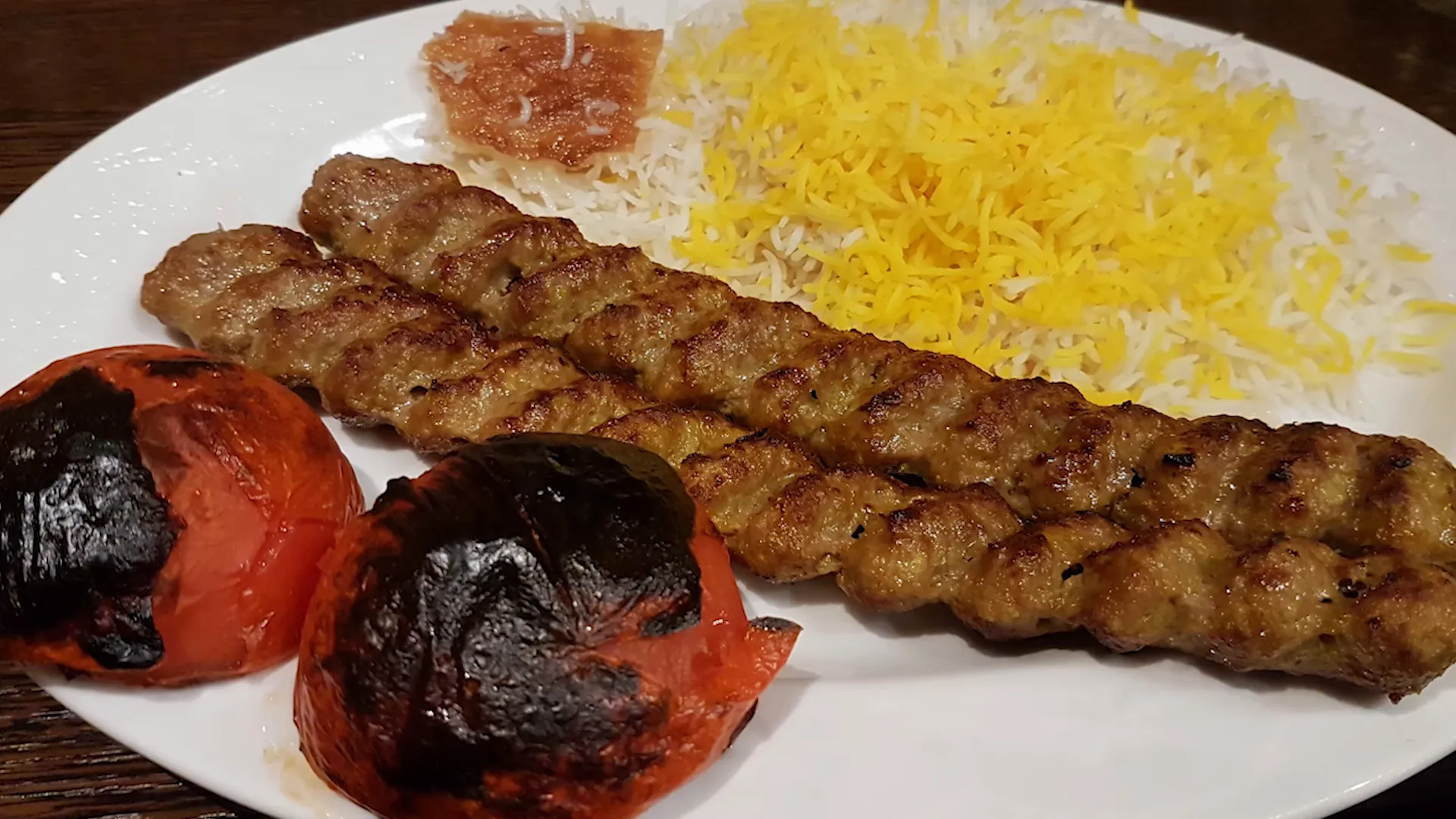
- Signature dishes: Chelo kebab: Grilled meat served with saffron rice—perhaps Iran’s most internationally-recognized dish. Fesenjan: Slow-cooked stew of pomegranate and walnut—sweet, sour and rich. Khoresht-e-bademjan: Eggplant stew often made with lamb and tomatoes. Sabzi polo ba mahi: Herb rice served with fish—typical for festive occasions like Nowruz (Persian New Year).
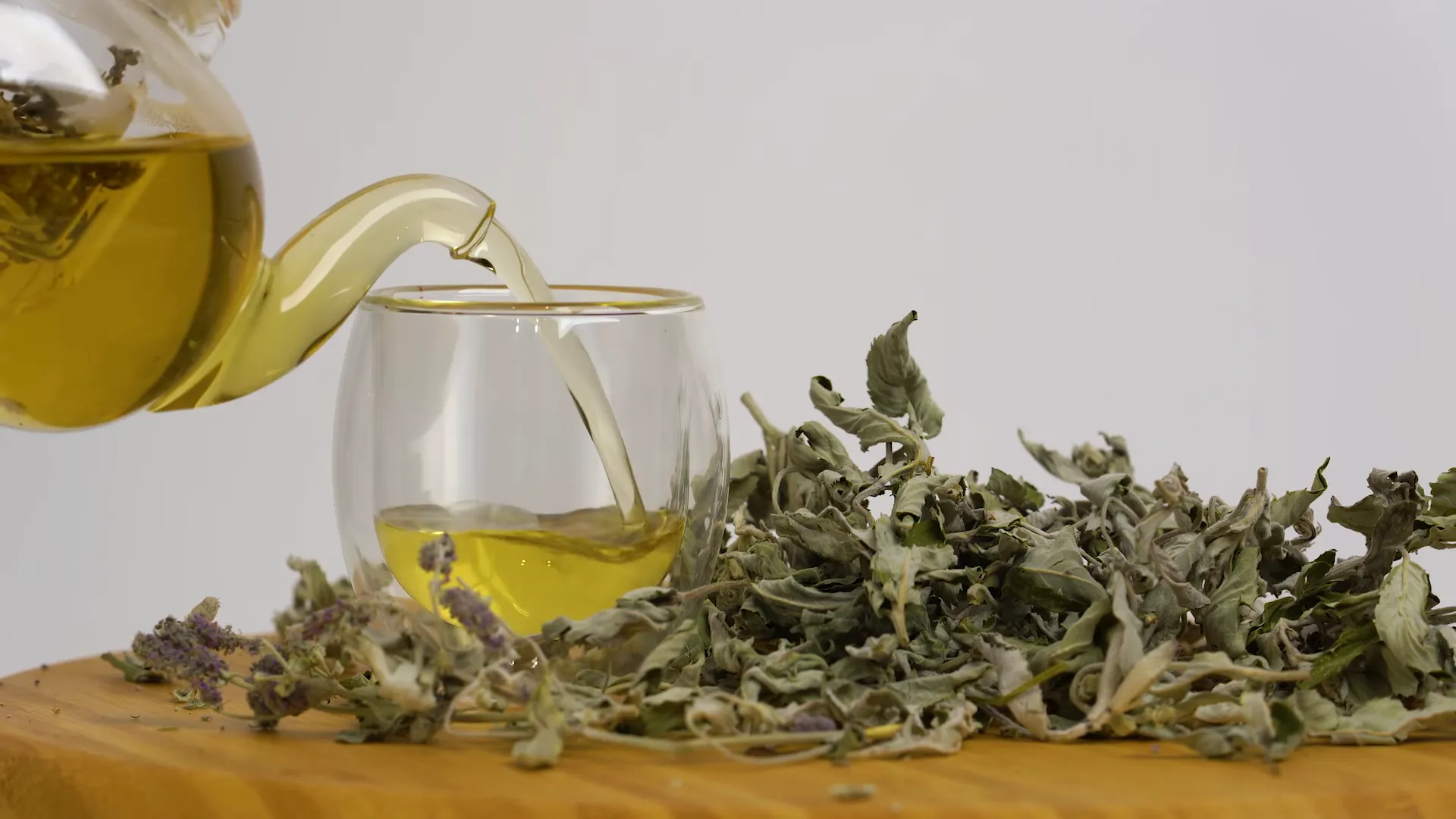
- Desserts & teas: Desserts often use rose water and saffron—delicate, aromatic and balanced. Tea (chai) is a national ritual—served everywhere with respect and ceremony.
- Local markets: Bazaars are living food museums where spices, nuts, dried fruits and sweets become a sensory map of regions.
- Dietary notes: Many dishes contain meat and nuts; vegetarian options are abundant (rice, stews, vegetable kebabs, salads) but always ask about ingredients if allergies are a concern.
🏛️ Must-Visit Sites: History, Architecture & Urban Poetry
- Below I list the key sites I recommend—short bullets for quick planning, plus deeper tips and what makes each place unforgettable.
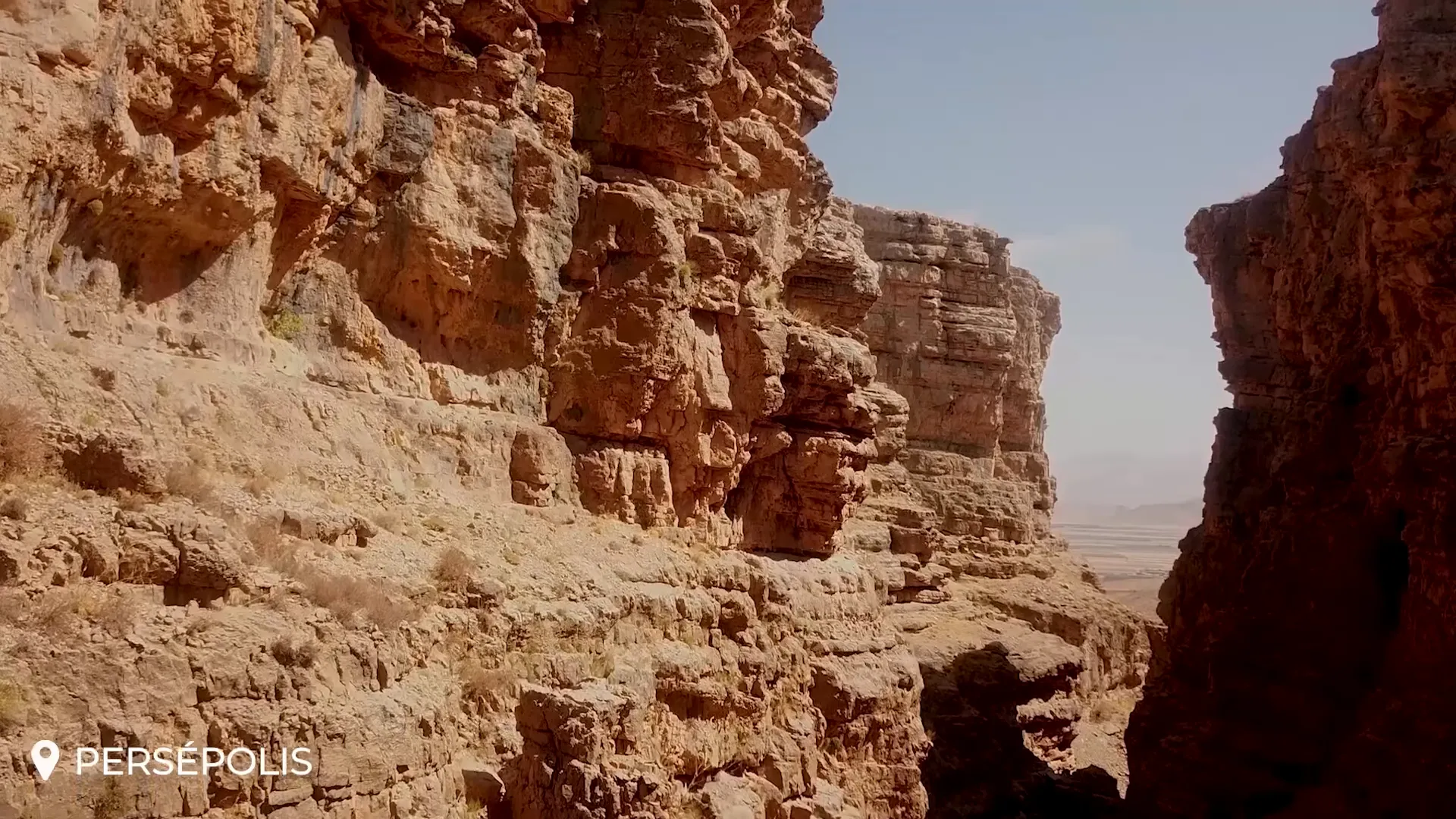
Persepolis — The Ancient Epic
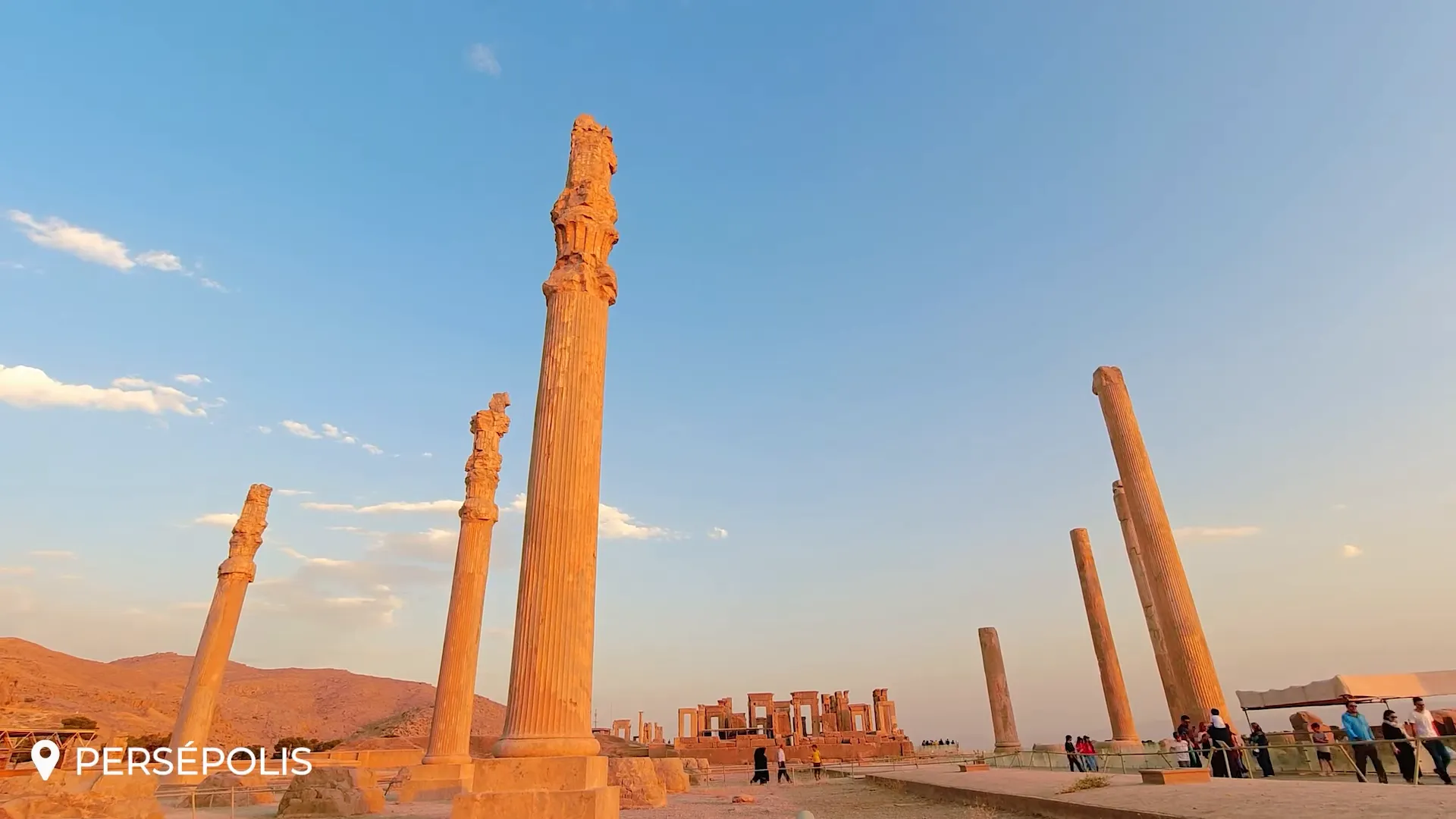
- Why go: Walk among colossal columns, carved reliefs and staircases built in the 6th century BCE by Darius the Great—one of the world’s grandest open-air museums.
- Highlights: Gate of All Nations, Apadana Palace reliefs (ambassadors bringing tributes), the Throne Hall and the quiet terraces that confront the Zagros slopes.
- Atmosphere: Sunrise and sunset render the reliefs dramatically—golden light and long shadows make Persepolis cinematic and meditative.
- Practical: Located ~60 km from Shiraz—combine with Persepolis Museum in Shiraz and the ceremonial terraces for a full day.
Esfahan (Isfahan) — A Visual Poem
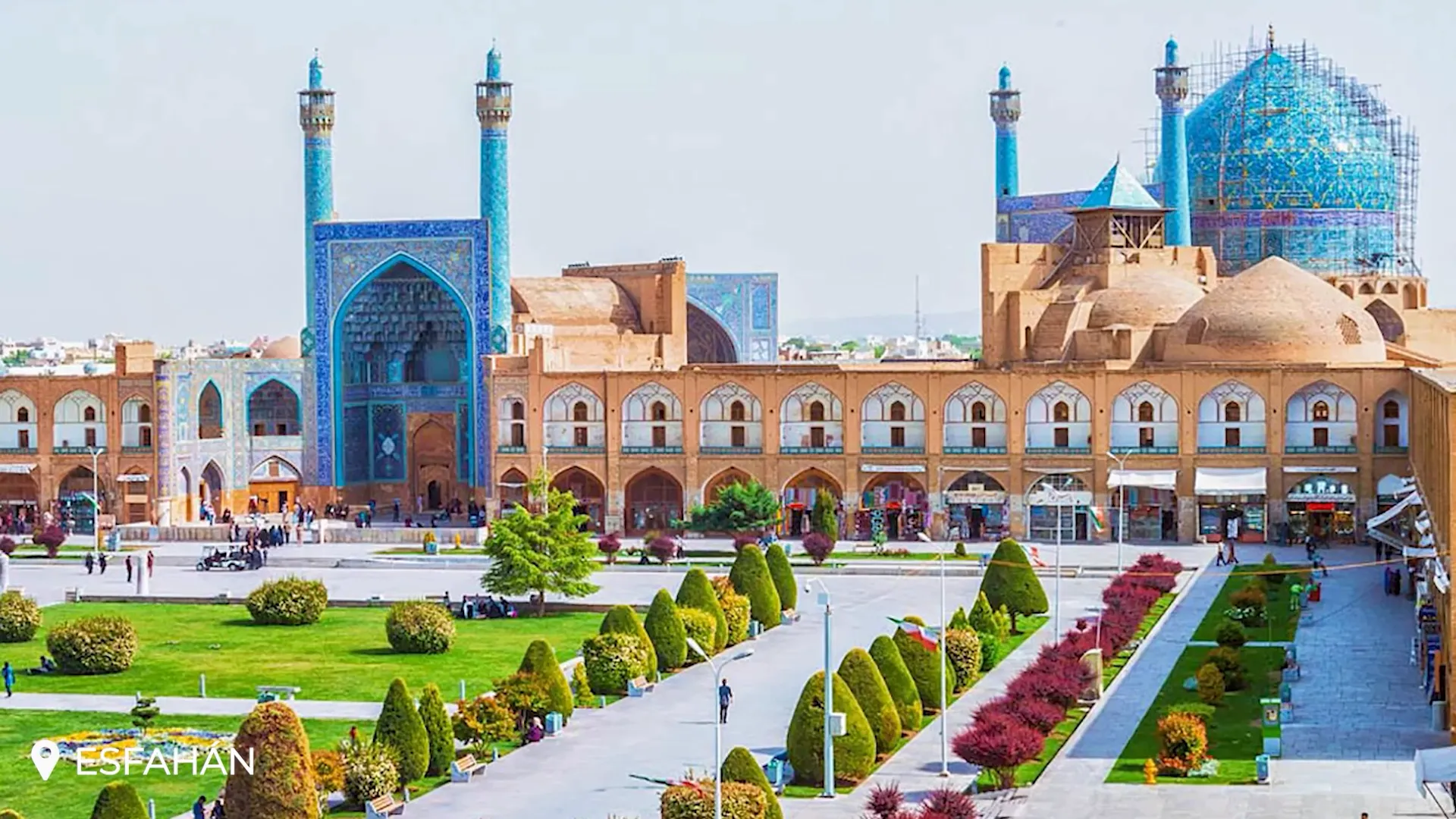
- Why go: Known historically as “half the world,” Esfahan is a masterclass in urban harmony: expansive squares, graceful bridges and tilework so precise it feels hand-painted.
- Must-see: Naqsh-e Jahan Square (Imam Square) — Grand Imam Mosque, Sheikh Lotfollah Mosque, Ali Qapu Palace and the Great Bazaar are all connected by courtyards and arcades.
- Nightlife: Historic bridges like Si-o-se-pol (33 arches) become social hubs at night where people gather to listen to music, drink tea and share stories.
- Shopping & craft: Esfahan’s carpet workshops and miniature painters produce some of the finest artisanal work in Iran.
Kashan — Intimate Qajar Mansions & Persian Gardens
- Why go: A quieter, intimate contrast to Esfahan—Kashan’s historic houses and gardens feel like private verses in a long poem.
- Top sites: Sultan Amir Ahmad Bath House — 16th-century hamaam with domes and circular skylights that scatter light like stars. Tabatabai and Borujerdi Houses — richly decorated Qajar-era mansions with stained glass, carved ceilings and inner courtyards. Fin Garden — UNESCO-listed Persian garden with flowing water and age-old cypress trees.
- Experience: Many old houses are now boutique hotels and cafes—an ideal base for slow travel and photography.
Tehran — Capital Pulse, Culture & Mountains
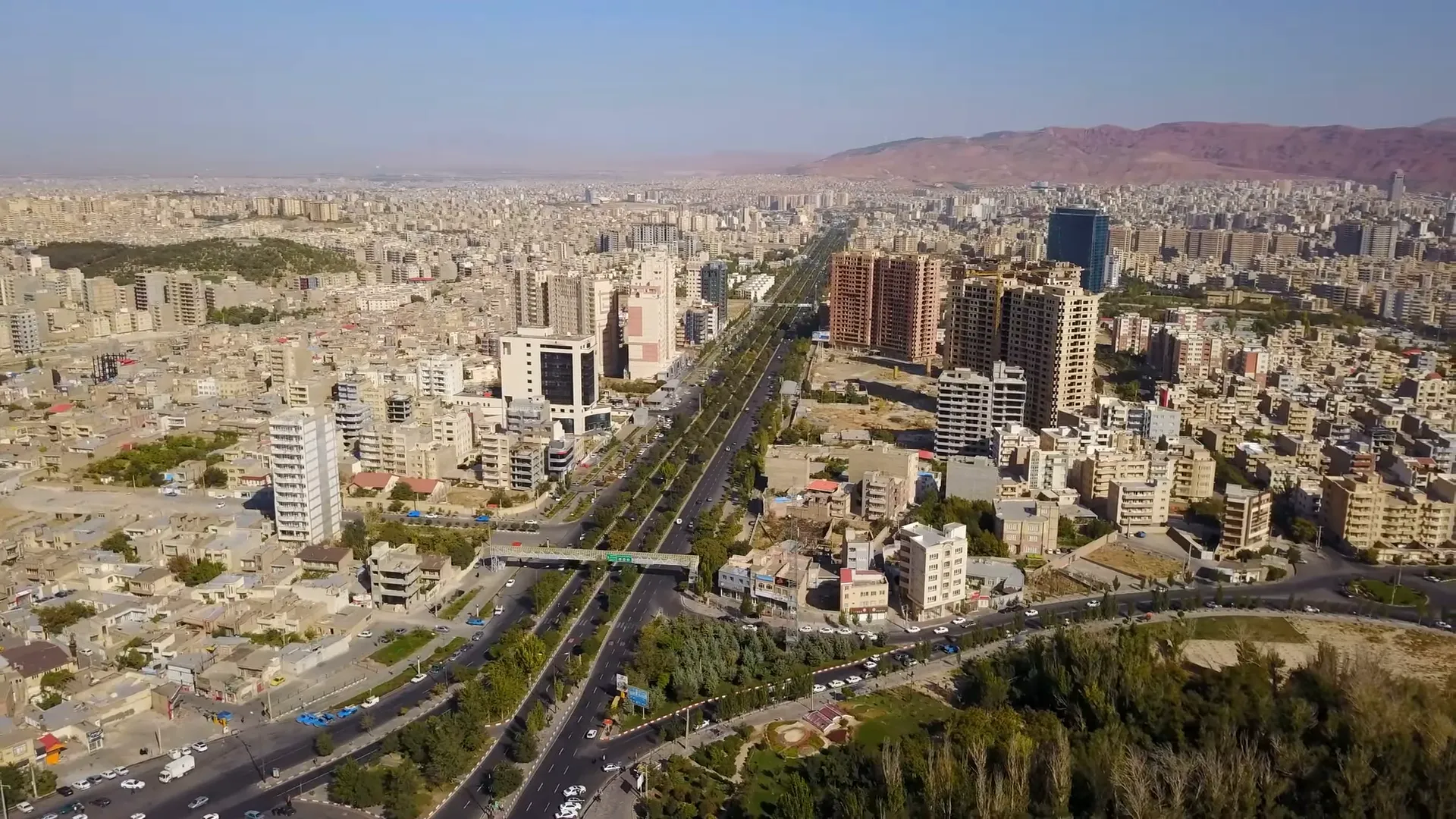
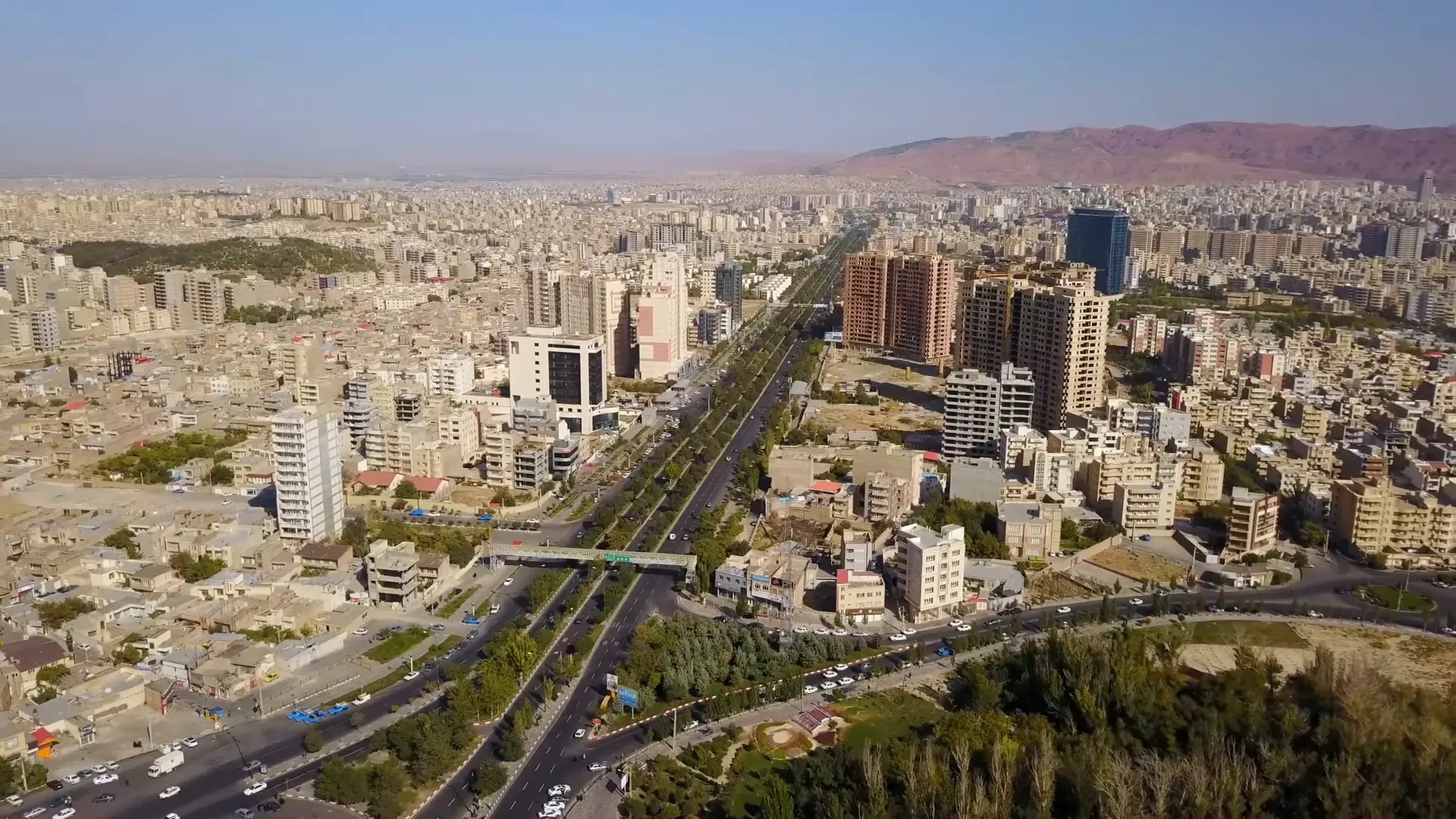
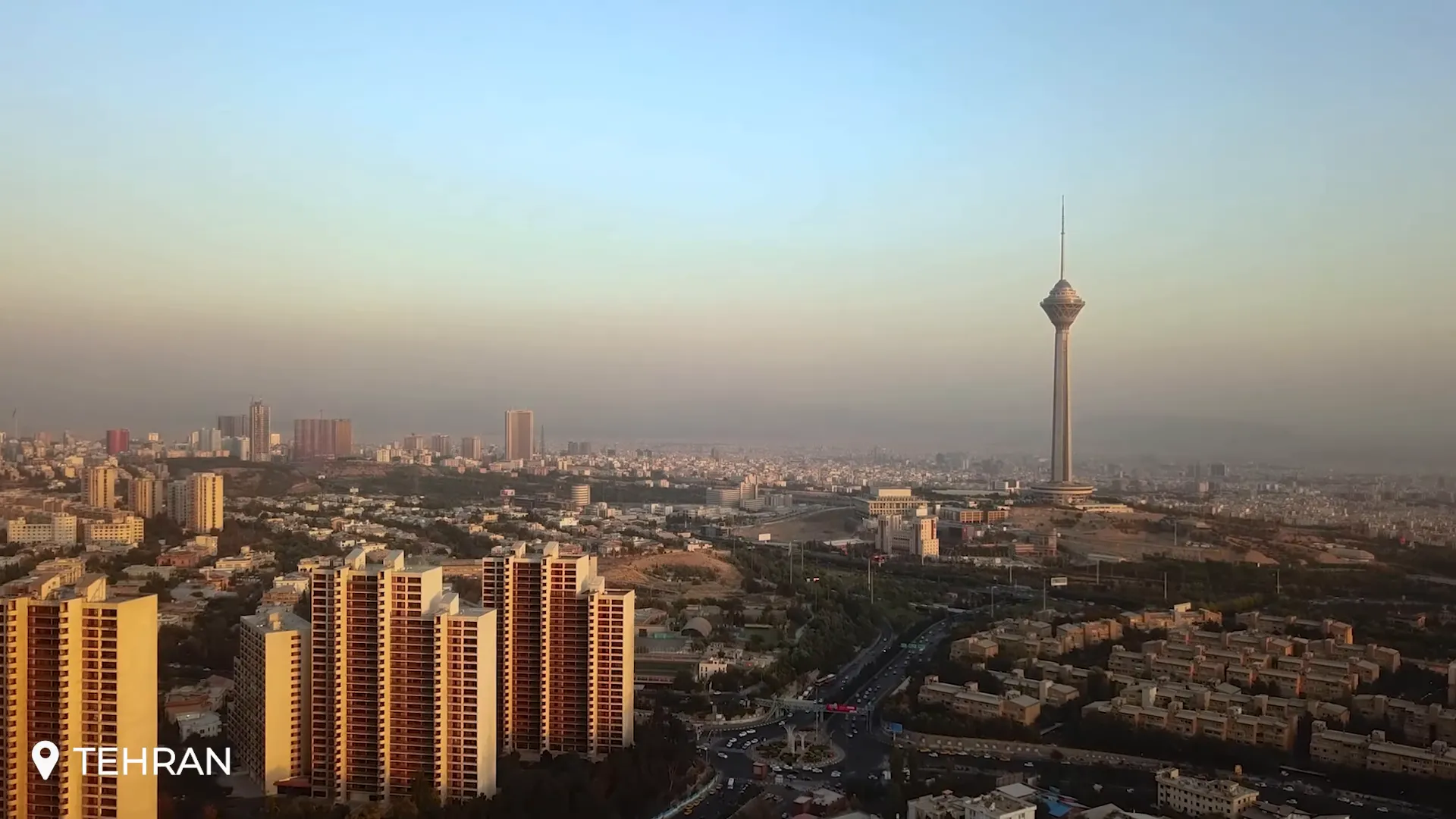
- Why go: Tehran is where tradition meets modern urban life: skyscrapers and contemporary museums sit alongside centuries-old palaces and bazaars.
- Highlights: Golestan Palace — a jewel of mirrored halls and frescoes; one of the few remnants of pre-modern Tehran. Milad Tower — modern skyline symbol and viewpoint. Grand Bazaar — a more than 10 km network of alleys overflowing with spices, carpets and smells. Museums — National Museum of Iran, Museum of Contemporary Art, Carpet Museum.
- Outdoor escapes: Northern Tehran neighborhoods (Darband, Tajrish) offer cafes, hiking and quick access to Tochal ski slopes within 30 minutes in winter.
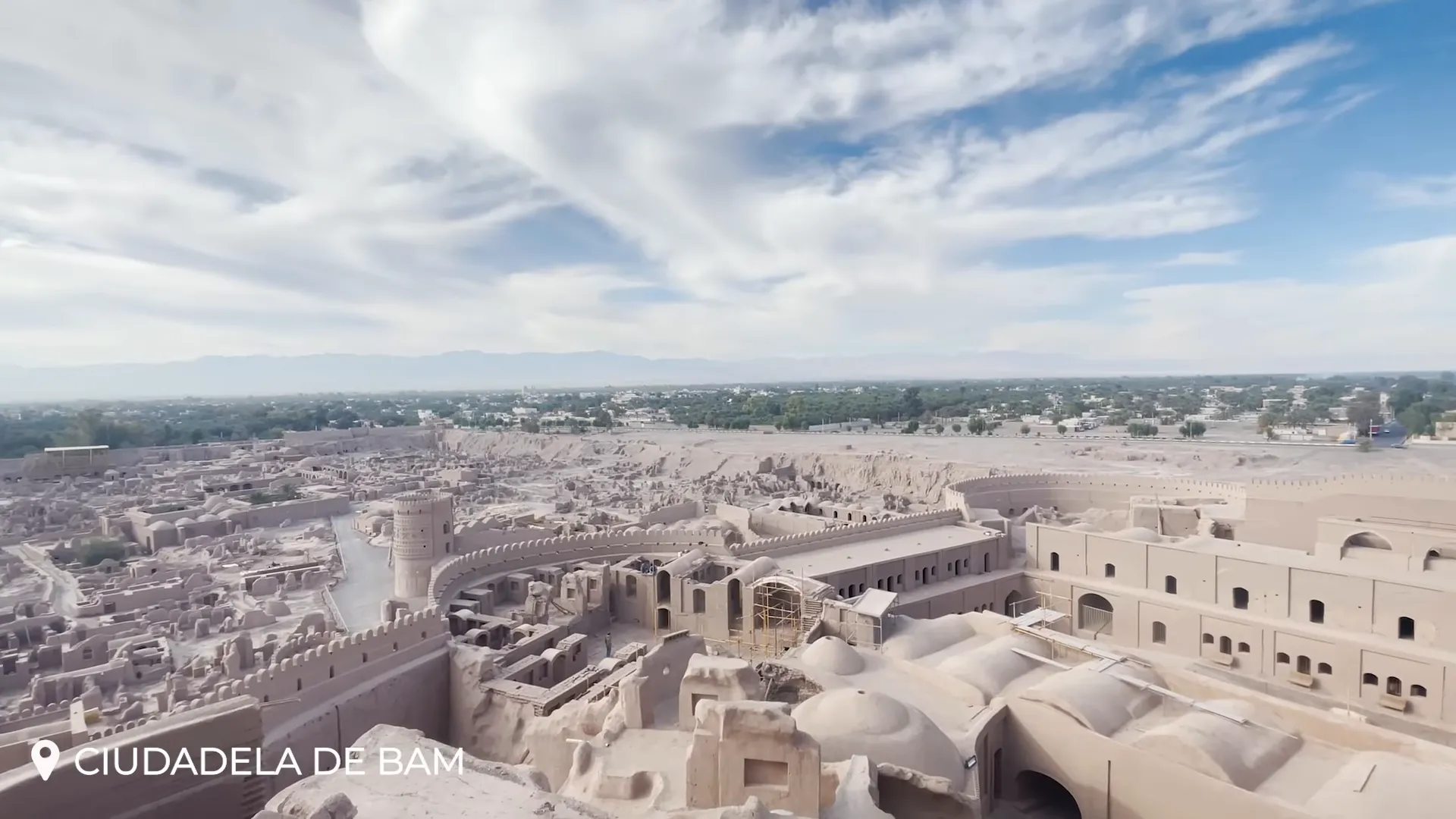
Citadel of Bam (Arg-e Bam) — The Great Adobe Complex
- Why go: The world’s largest adobe structure spanning ~180,000 m² — a Silk Road hub with a striking urban plan of walls, watchtowers and gardens.
- History: Dates back to at least the Achaemenid era; flourished between the 7th and 17th centuries as a commercial and military center.
- Modern story: Much damaged by the 2003 earthquake, but international restoration efforts have revived corridors, markets and the Governor’s Palace.
- Atmosphere: Walking its reconstructed alleys feels like entering an ancient labyrinth — a moving testament to resilience and human craft.
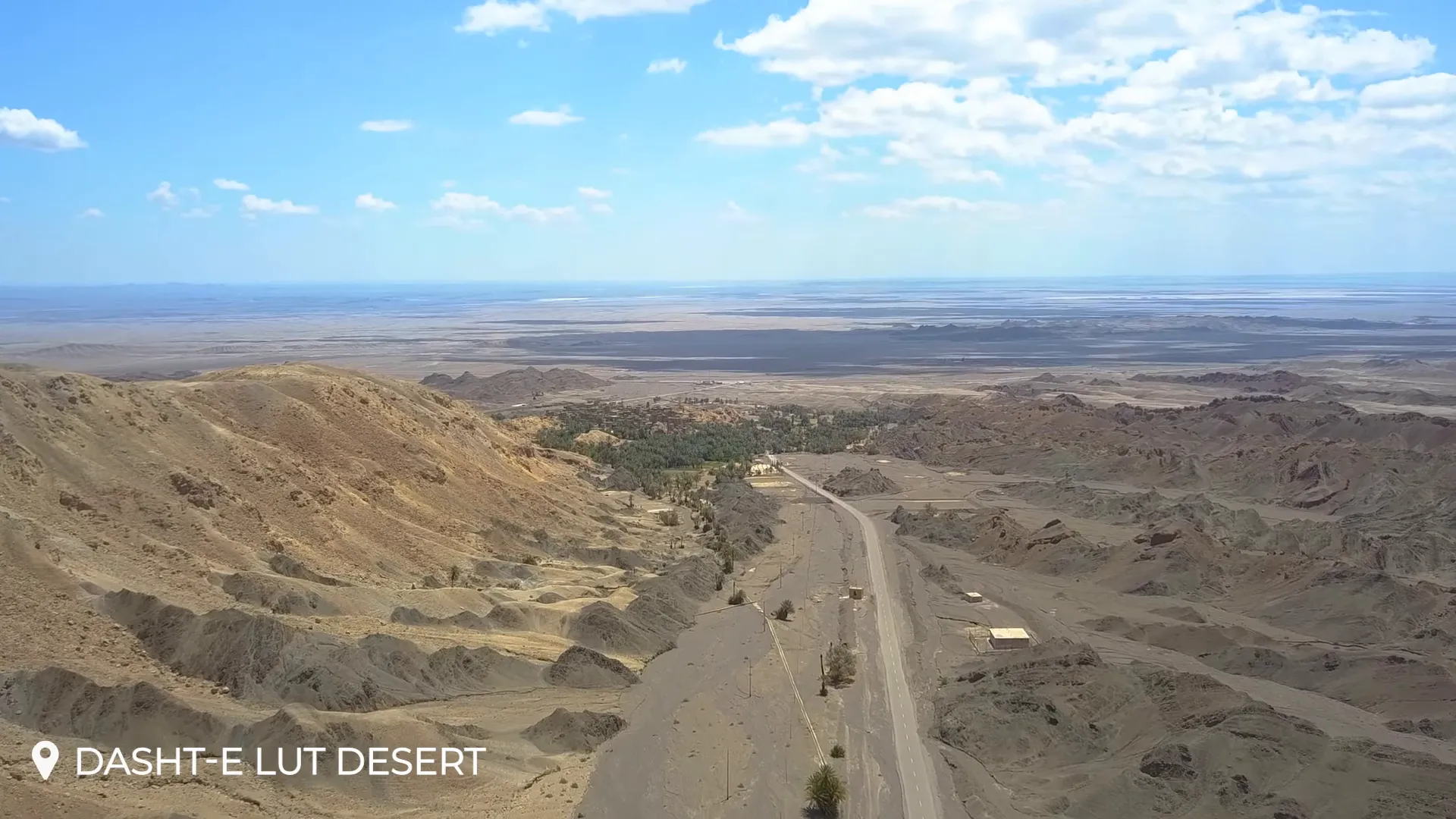
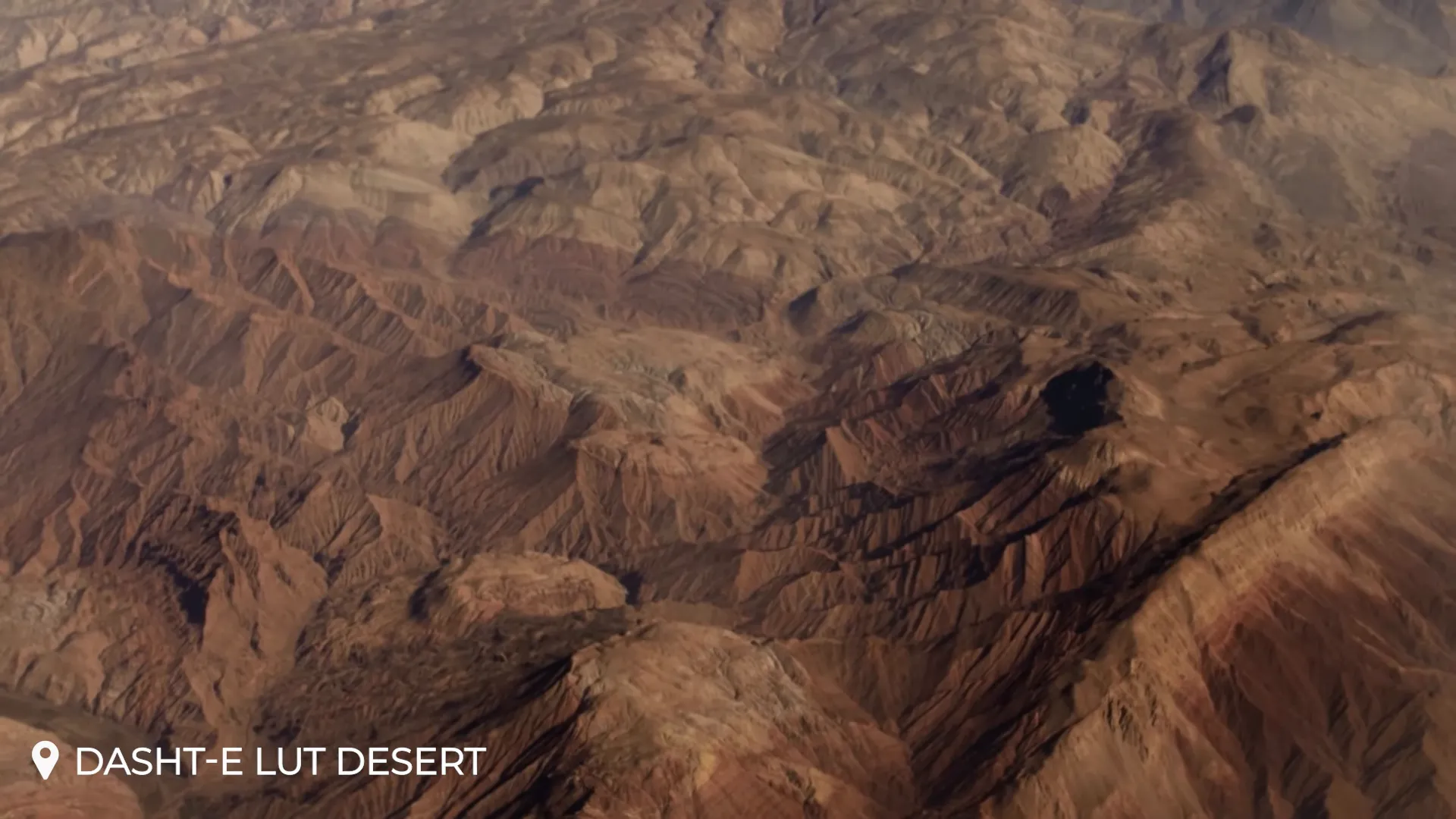
Dasht-e Lut (Lut Desert) — An Otherworldly Landscape
- Why go: The Lut Desert is a near-extraterrestrial expanse modeled by wind and time: yardangs (carved ridges), extreme heat and silence.
- Extreme facts: NASA recorded one of the highest ground temperatures here (70°C). The region is a living laboratory for planetary science and extremophile research.
- Experiences: 4×4 expeditions, sunrise hikes over yardangs, camping beneath an astounding starry sky — a raw and humbling experience.
- Recognition: Designated a UNESCO World Heritage Site in 2016 for its geological and scientific significance.
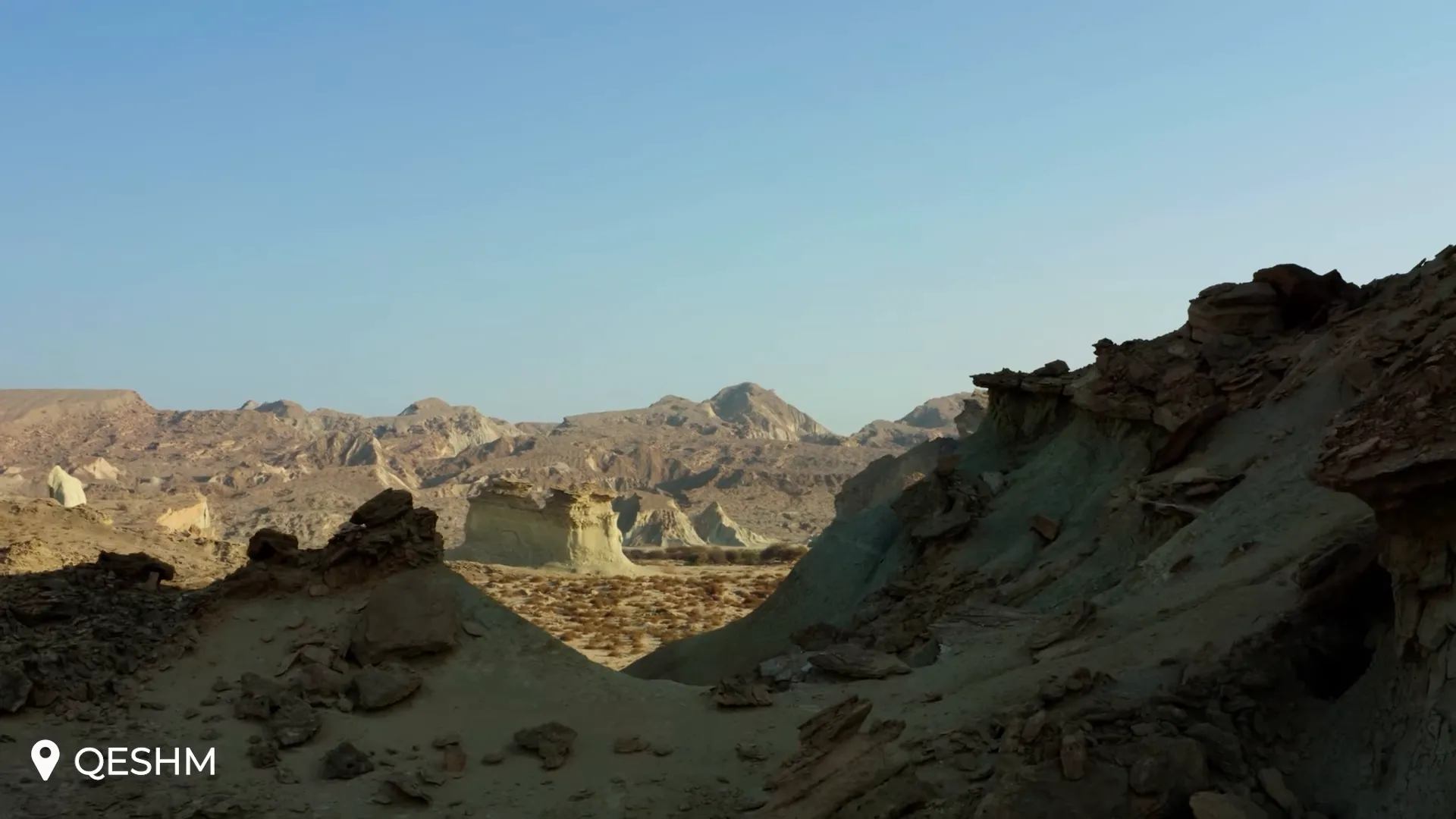
Qeshm Island — Geology, Canyons & Salt Caves
- Why go: Qeshm (spelled Keshom in some sources) is the Persian Gulf’s largest island and a geological wonder with unique formations and biodiversity.
- Must-see: Chahku (Chaku) Canyon — narrow, wind-carved corridors with dramatic light and sound effects. Namakdan Salt Cave — over 6,000 meters long and one of the world’s longest salt caves; rumored therapeutic air for respiratory conditions. Valley of the Stars — mysterious formations believed to be shaped by meteor impacts.
- Conservation: Qeshm is part of a UNESCO-recognized geological reserve that balances preservation with eco-tourism.
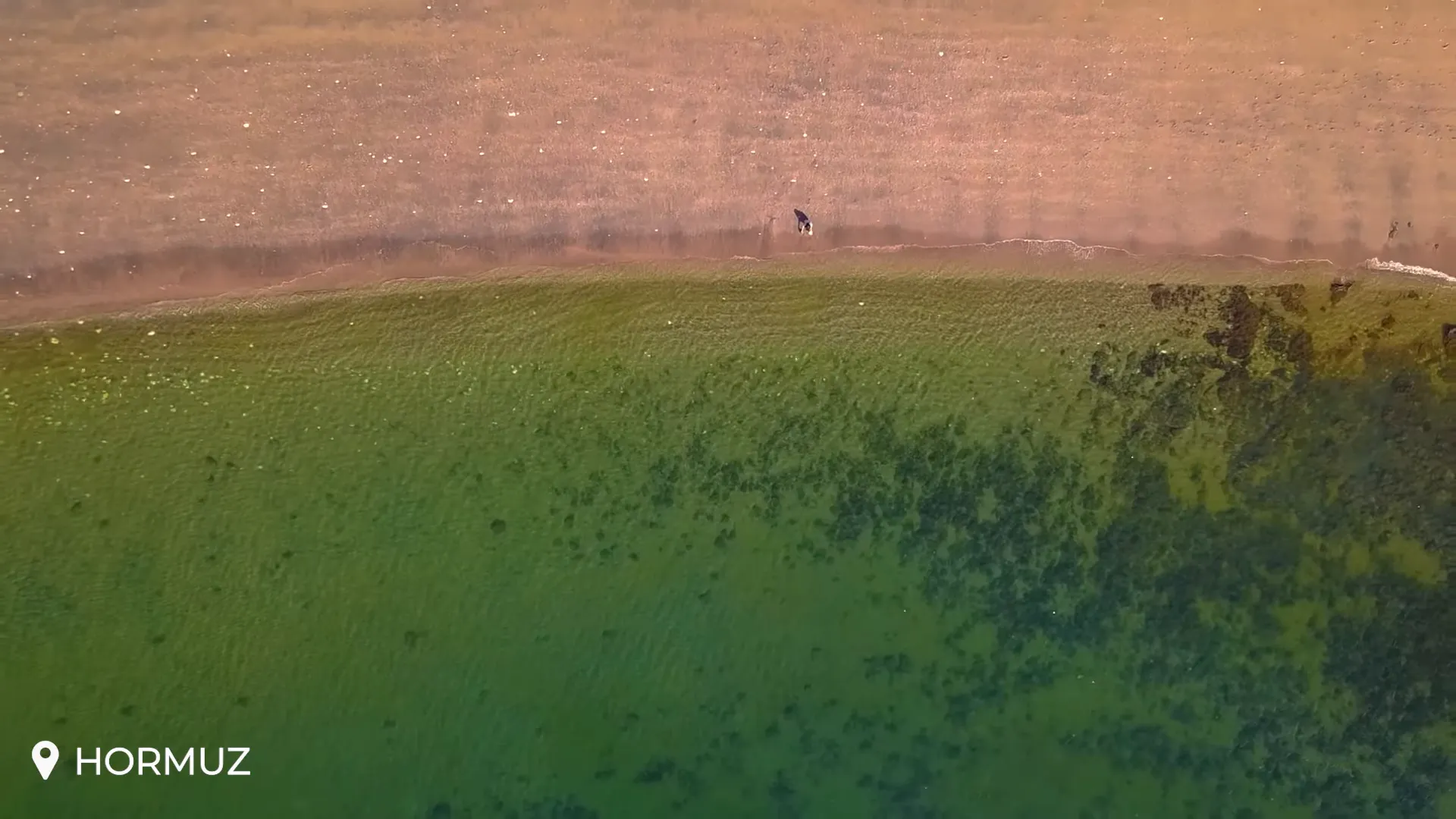
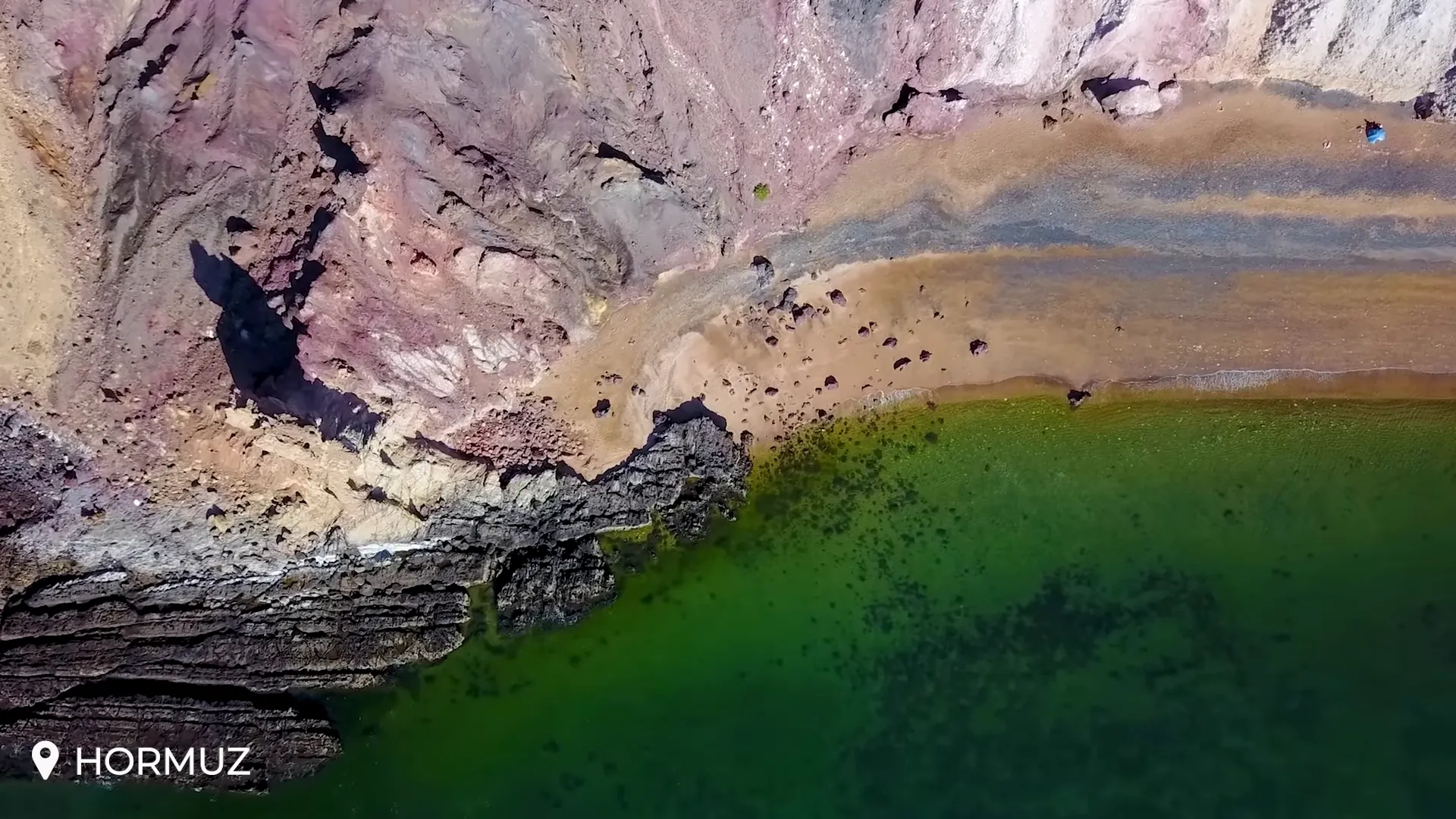
Hormuz Island — A Surreal Color Palette
- Why go: A short boat ride from Qeshm, Hormuz is famous for its chromatic soils—reds, oranges, yellows and violets—created by iron oxides and minerals.
- Activities: Walk the Valley of Statues (imaginative rock shapes), hike to viewpoints for Gulf panoramas and learn about local pigment crafts.
- Local life: Small fishing villages, handcrafted pigments used for cosmetics and cooking condiments, and a slow, creative rhythm of life.
- Photography: The island is a paradise for photographers—colorful houses, intense geology and strong contrasts make for unforgettable frames.
Shiraz — Poetry, Gardens & Pink Light
- Why go: Shiraz breathes poetry. The city was home to Hafez and Saadi; their tombs are pilgrimage sites for lovers of language and reflection.
- Iconic sites: Nasir al-Mulk Mosque — the “Pink Mosque” with stained-glass windows that burst into colorful carpets of light in the morning. Eram Garden — a classic Persian garden with cypress trees and water channels providing comfort and shade. Vakil Bazaar — a sensory hub of spices, textiles and handmade crafts.
- Atmosphere: Shiraz is elegant and gentle—perfect for slow days and poetic evenings.
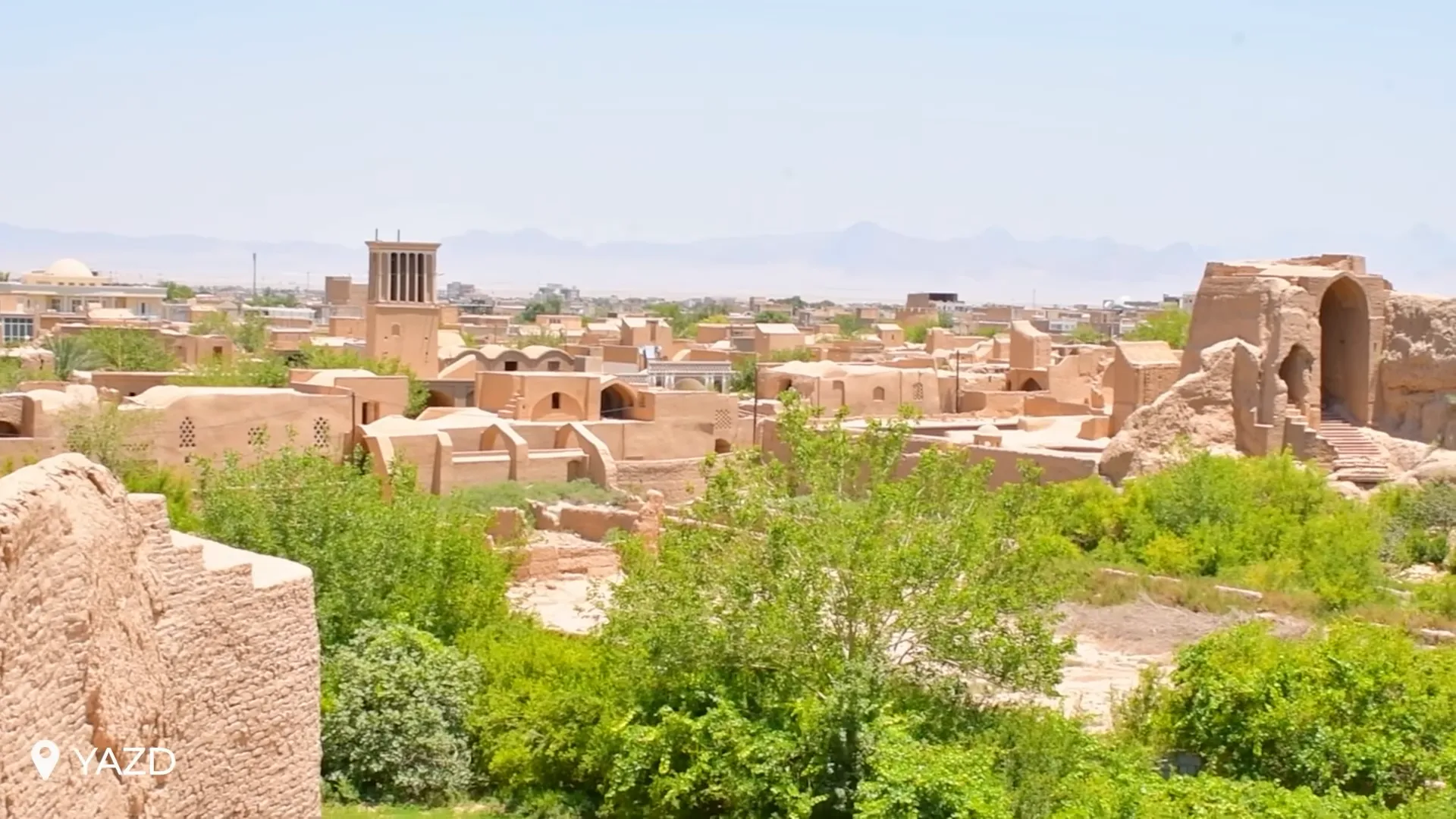
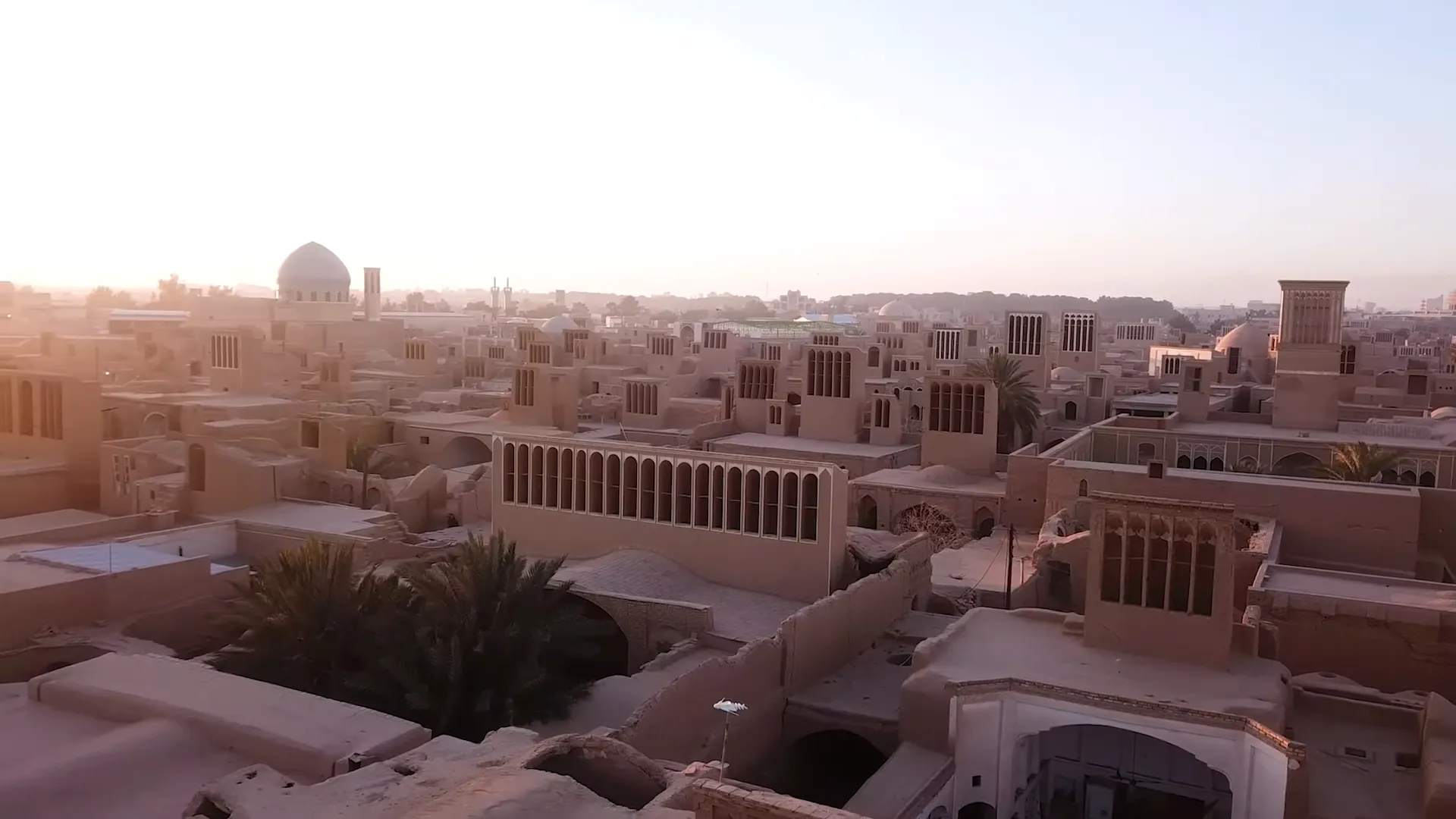
Yazd — Wind Towers, Fire Temples & Silence
- Why go: Yazd’s skyline of badgirs (wind towers) and ochre adobe buildings is an architectural response to desert life—beautiful, functional and ancestral.
- Religious heritage: A historic center of Zoroastrianism with fire temples (Atashkadeh), towers of silence and long-standing rituals.
- Highlights: Jame Mosque of Yazd (towering portal and blue mosaics), the narrow alleys offering quiet photogenic scenes, and traditional confectioneries.
- Recognition: Yazd became a UNESCO World Heritage Site in 2017 for preserving traditional Persian desert urbanism.
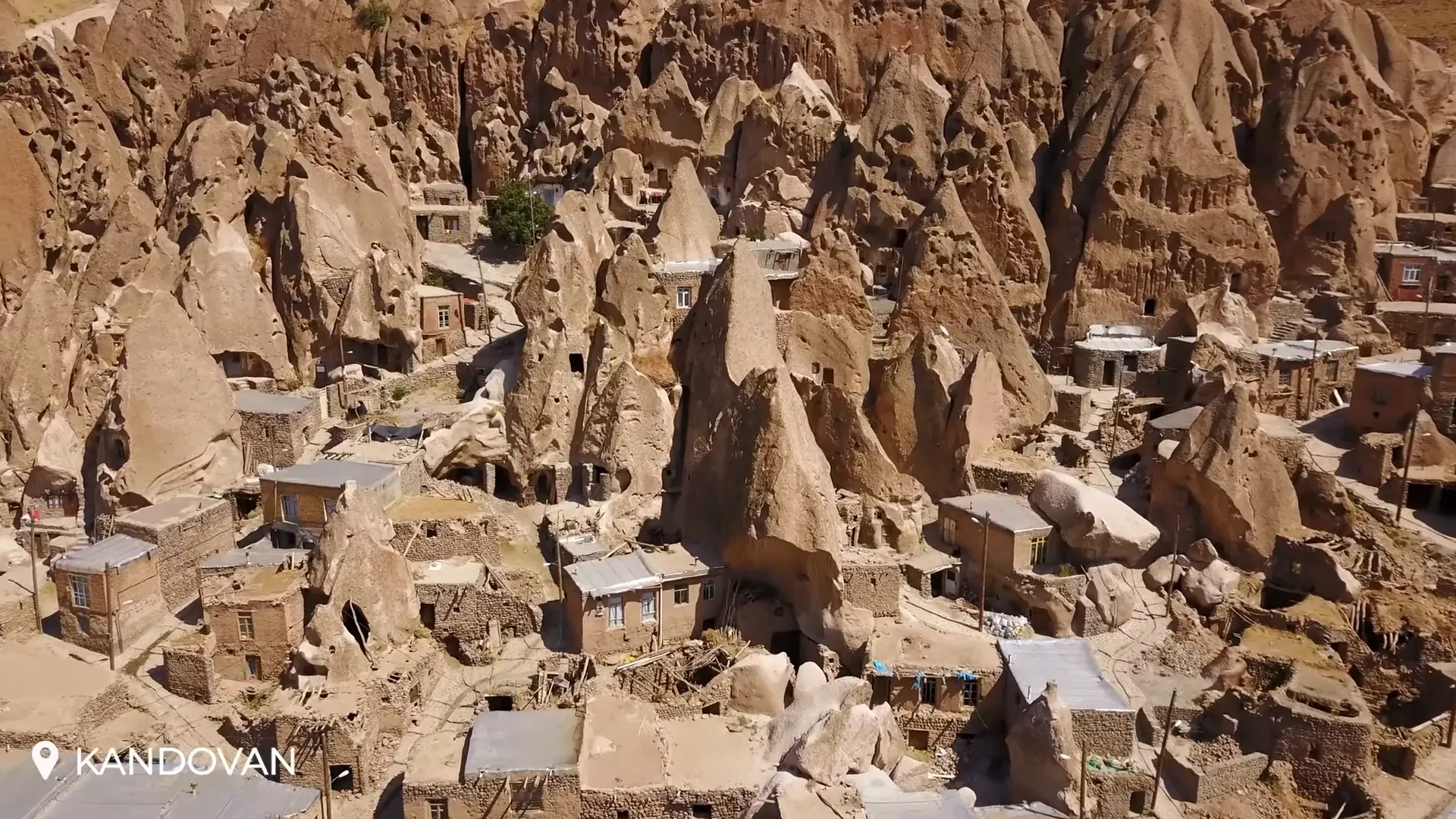
Kandovan — Homes Carved in Volcanic Rock
- Why go: Kandovan (Kandavan) is a living village of homes carved into volcanic cones—occupied for over 700 years and still inhabited today.
- Experience: Walk among cave dwellings that look like beehives, visit local thermal springs, and watch spring alpine flora burst into color.
- Practical: About 300 residents maintain traditional life—this is not a museum but a community; respect privacy and local customs.
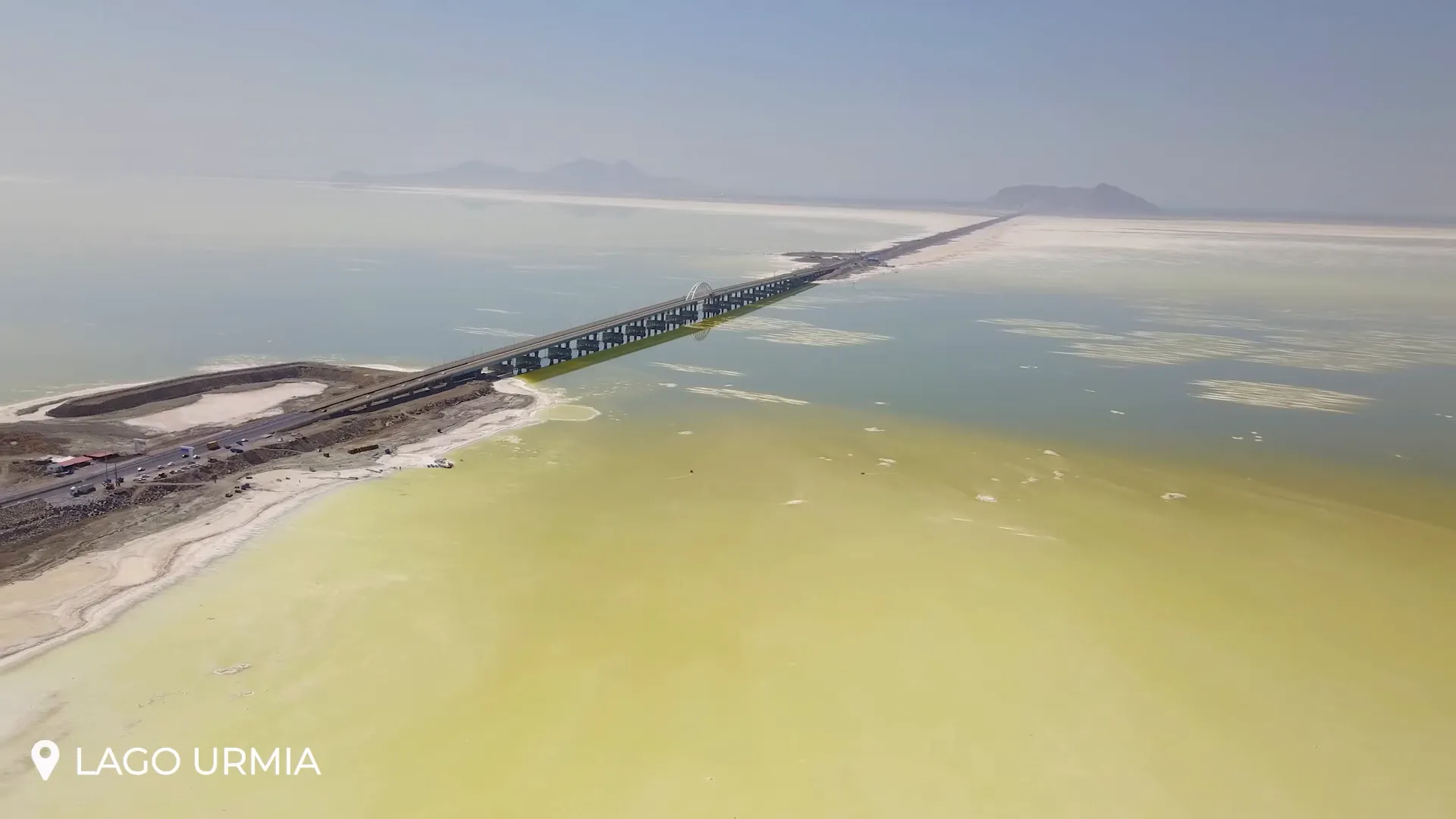
Lake Urmia — A Reflective, Fragile Salt Lake
- Why go: Once the largest lake in the Middle East, Lake Urmia is both a natural spectacle and an environmental cautionary tale.
- Visuals: In seasons, the lake reflects the sky in rosy hues caused by halophilic algae; other stretches are crusted with salt crystals.
- Wildlife: The lake is a stopover for migrating flamingos, pelicans and waterfowl—an important bird sanctuary.
- Conservation story: The lake’s dramatic shrinkage has prompted multi-decade restoration efforts—visiting supports awareness and local eco-initiatives.
🧳 Practical Travel Tips & Logistics
- Visas: Visa policies change—check your government’s travel advice and the destination’s visa service in advance. Many nationalities require applications ahead of arrival.
- Internal travel: Efficient domestic flights connect major cities (Tehran, Shiraz, Isfahan, Mashhad). Trains and long-distance buses are comfortable and affordable for overland routes.
- Currency & costs: Iran uses the rial (IRR). Cash is king—many international cards don’t work due to sanctions, so plan cash logistics with caution.
- Connectivity: Reliable internet in major cities—suitable for digital nomads. Consider using local SIM cards for data and VPNs for secure access if required.
- Dress code: Modest dress is required in public: women wear a headscarf and loose outerwear; men should avoid shorts in public spaces.
- Safety: Many travelers report feeling safe—use common-sense precautions, avoid political demonstrations and follow local guidance.
- Language tips: Learn greetings and the basics (salâm = hello, merci = thank you, lotfan = please). Hospitality reciprocates small efforts to speak Persian.
- Health: Tap water is safe in many urban areas but bottled water is widely used. Bring medication you need and travel insurance that covers evacuation.
🗺️ Suggested Itineraries (By Length)
- Below are compact, easy-to-scan suggested routes for different trip lengths. Mix and match according to your interests.
7-Day Fast-Track: Highlights
- Day 1: Tehran — museums, Golestan Palace, Grand Bazaar.
- Day 2: Fly to Shiraz — Vakil Bazaar, Hafez tomb at sunset.
- Day 3: Persepolis & Necropolis — full day around Shiraz.
- Day 4: Fly to Isfahan — Naqsh-e Jahan Square, bridges at night.
- Day 5: Isfahan — handicrafts, churches and Armenian Quarter (New Julfa).
- Day 6: Train to Kashan — historical houses, Fin Garden.
- Day 7: Return to Tehran or catch international flight from Isfahan/Tehran.
14-Day Classic: Culture + Nature
- Days 1–2: Tehran — museums, northern hikes.
- Days 3–5: Shiraz & Persepolis — in-depth poetic immersion and nearby archaeological sites.
- Days 6–8: Yazd & Bam — desert architecture, wind towers and citadel of Bam (if restored sections accessible).
- Days 9–11: Isfahan & Kashan — gardens, bridges and Qajar mansions.
- Days 12–14: Qeshm/Hormuz or Lut Desert — choose coastal geology or desert adventure.
21+ Days: The Deep Dive
- Extend to Lake Urmia, Kandovan, Kurdistan regions, the Caspian coast and northern forests for maximum landscape diversity.
- Include multi-day treks in the Alborz or Zagros ranges; take time with local families and artisans—these extended stays yield the deepest stories.
💎 Luxury & Unique Experiences
- Historic palaces turned hotels: Sleep in restored Qajar-era houses, private wings of historic palaces or boutique riads that blend comfort with authenticity.
- Private archaeological visits: Curated private entrances to sites like Persepolis or special museum access for collectors and brands.
- Helicopter flights: Helicopter rides over Mount Damavand or dramatic landscapes for aerial photography and a unique perspective.
- Culinary evenings: Private dinners with expert chefs in traditional houses featuring multi-course Persian feasts and wine-free pairings (as appropriate to local rules).
- Artisan workshops: Bespoke carpet-weaving or miniature painting lessons with master craftspeople—ideal for high-end content and meaningful souvenirs.
🤝 Culture, Courtesy & Tarof
- Tarof explained: Tarof is a complex code of social courtesy in Iranian culture: ritual politeness and offers that may not always be literal. It can be confusing but is a window into deep hospitality and indirect communication.
- How to respond: If offered something repeatedly, accept once to signal sincerity; if refused politely, it may be a cultural interplay rather than a final refusal.
- Tea culture: Tea (chai) is almost sacred—offered in homes, shops and teahouses; accept and savor it as a gesture of friendship.
- Hospitality: Hosts often go out of their way to make guests comfortable—simple reciprocation (small gifts, polite phrases) goes far.
- Religious sensitivity: Respect prayer times and religious sites: dress modestly, observe silence in holy spaces and follow local signs and instructions.
🌍 Nature, Ecology & Unusual Landscapes
- Lut Desert (Dasht-e Lut): A surreal, NASA-measured hot zone—scientifically fascinating and visually striking.
- Qeshm & Hormuz: Islands with geological diversity, salt caves and mineral-rich soils that create unusual colors and local pigment crafts.
- Lake Urmia: A reflective salt lake and a crucial migratory bird habitat — its fluctuating levels make it an urgent conservation story.
- Mount Damavand: A dormant volcanic giant—treks and helicopter views attract climbers and photographers.
- Forests of the north: Hyrcanian forests near the Caspian Sea offer a humid, green contrast to the interior deserts—great for hikers and birdwatchers.
🌱 Responsible Travel & Supporting Local Communities
- Buy local: Purchase handicrafts, spices and foods directly from artisans and bazaars to support livelihoods.
- Respect sites: Many historical places are fragile—stay on paths, avoid touching reliefs and follow signage.
- Eco-conscious tours: Choose eco-certified guides on islands and desert regions to minimize environmental impact.
- Responsible photography: Ask permission before photographing people, especially women, and be mindful of cultural norms.
- Donate thoughtfully: If you want to support conservation or local causes, research credible local NGOs rather than giving cash directly.
📸 Photography & Content Tips
- Golden hours: Sunrise and sunset transform sites—Persepolis and the Lut Desert become otherworldly during these times.
- Colors & angles: Nasir al-Mulk (Pink Mosque) yields amazing interior light in the morning; Hormuz’s soils and Qeshm’s canyons play brilliantly with contrast.
- Respectful framing: Photograph architecture, patterns and markets, but be cautious around political signage or protests.
- Gear: Bring a wide-angle for architecture, a telephoto for distant details, neutral density filters for long exposures and a sturdy tripod for night sky shots in the desert.
🧭 Cultural Experiences Not Found in Typical Guides
- Tarof rituals: A social dance of offers and modesty that reveals values of honor and respect—best experienced in cafés and private homes.
- Living caves of Kandovan: Hundreds continue traditional lifestyles in stone-carved homes—rare living heritage.
- Tea ceremony variations: The way tea is poured, served and sweetened varies regionally—watch and learn local rituals.
- Sufi and poetic nights: Shiraz and Isfahan host gatherings where poetry and traditional music remain central to social life.
- Local pigment workshops: On Hormuz, pigments made from soils are used in art and cooking—an unusual cultural craft to engage with.
✈️ Travel Safety & Etiquette Summary
- Common sense: Follow the same rules you would in any unfamiliar city—secure valuables, use licensed taxis and keep travel documents safe.
- Avoid politics: Don’t attend political rallies; media and commentary on certain topics can be sensitive.
- Modesty: Dress modestly in public; be especially mindful around religious sites.
- Respect private space: Many bazaars and neighborhoods are residential—ask before entering private courtyards or taking photos of residents.
🧾 Practical Checklist Before You Go
- Confirm visa requirements and apply well in advance.
- Arrange cash flows—bring secure ways to access funds and plan for limited card acceptance.
- Buy travel insurance that covers medical evacuation and trip interruption.
- Pack modest clothing, a universal adaptor, comfortable shoes for walking and a sun hat for desert sections.
- Download maps for offline use and a translation dictionary for basic Persian phrases.
🧠 FAQs — What People Ask Most
- Q: Is Iran safe for tourists? A: Many travelers report feeling safe in Iran—petty crime rates in tourist areas are low compared with many global cities. Standard precautions apply: be aware of your surroundings, secure valuables, avoid demonstrations and follow local guidance. Check travel advisories from your government before traveling.
- Q: Can I travel as a solo traveler or woman alone? A: Yes. Many solo travelers, including women, travel successfully across Iran. Women are expected to wear a headscarf and modest clothing in public. Some female travelers prefer private tours or female-only guides for certain experiences; this is a personal choice.
- Q: How do I handle money and card acceptance? A: Due to sanctions, many international cards don’t work. Carry sufficient cash (convert to local currency via official channels), contact your bank in advance and consider travel services that can facilitate currency exchange or local payments.
- Q: What is tarof and how do I respond? A: Tarof is ritual politeness: offers and refusals are part of a social dance. If someone insists you take something, accept modestly once to indicate sincerity; if you truly decline, a repeated polite refusal may be necessary. Observing and following local behavior helps.
- Q: What are the best times of year to visit? A: Spring (April–June) and autumn (September–November) are ideal—temperate weather and blooming gardens. Winters are cold in the mountains; summers can be extremely hot in deserts and southern islands.
- Q: Are tours necessary? A: Independent travel is possible in many places, but guided tours are highly recommended for archaeological sites, desert crossings, and off-the-beaten-path islands for safety, storytelling depth and access to local knowledge.
- Q: What about internet freedom and digital privacy? A: Major cities have decent internet connectivity. Some services and platforms are restricted; use secure tools and VPNs responsibly and in line with local laws. Always prioritize digital privacy when handling sensitive communications.
- Q: How easy is it to get around between regions? A: Domestic flights are the quickest for long distances. Iran’s rail system connects many major cities; road travel is scenic and well-served by intercity buses and private transfers.
✨ Final Thoughts & Why This Trip Sticks With You
- Depth over flash: Iran is not a travel brand built on hype—its allure is substance. The country invites you into layered experiences: a ruined palace that hums with imperial ceremony, a mosque that paints the morning floor in color, an island whose sand is a painter’s palette.
- Hospitality: The warmth of people I met—offering tea, stories and generous conversation—remains the trip’s enduring memory. Tarof and ritualized courtesy can be complex, but they also signal how hospitality is woven into daily life.
- For creators & brands: Iran is fertile ground for storytelling that values authenticity. Photographers, filmmakers and writers will find scenes and subjects rarely seen elsewhere, and audiences respond to real connection over staged spectacle.
- Conservation & legacy: Some places (Lake Urmia, Bam) tell urgent stories about climate change and restoration. Travel here can be a responsible act—directing attention and economic benefit to communities working to preserve their heritage.
- A lasting impression: Iran isn’t a destination you simply tick off a list. It’s a place that stays with you—through flavors, light, poetry and the quiet architecture of memory.
🧾 Credits & How This Guide Was Created
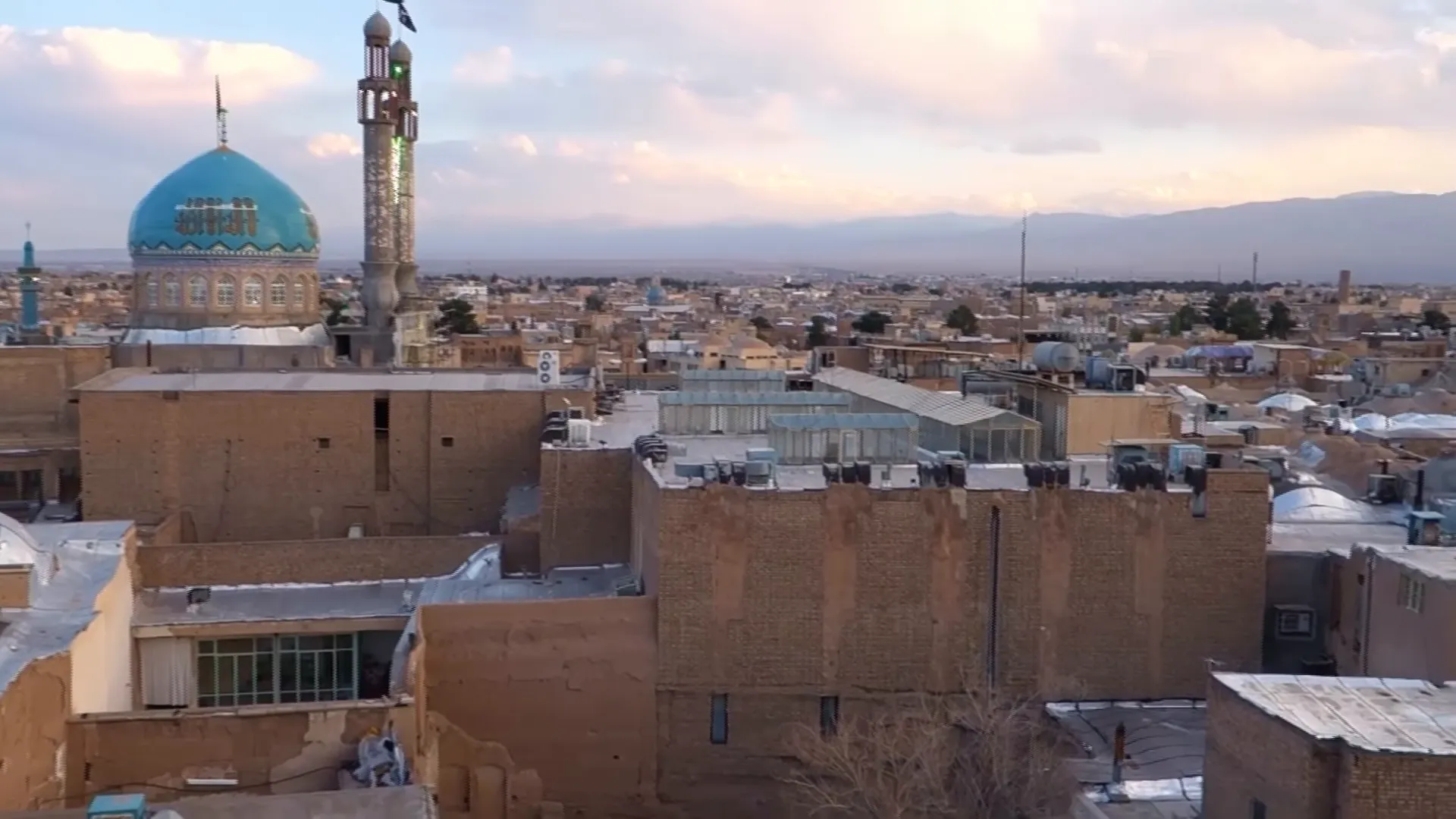
- Inspiration: This guide was written to expand on a visual journey that showcased Iran’s landscapes, cities and cultural highlights. It aims to provide context, practical tips and deeper stories for travelers who want to visit thoughtfully and confidently.
- Research approach: Historical context, cultural notes and travel logistics are compiled from site histories, UNESCO entries, and first-hand travel practice. For current visa and safety information, always consult official government travel advisory pages and the local consular services.
📌 Final Checklist Before You Depart
- Confirm visa and entry requirements for your nationality.
- Plan cash logistics and inform your bank of travel plans.
- Pack modest clothing, sun protection and a basic first-aid kit.
- Download offline maps and apps you’ll need (translator, maps, local currency converter).
- Book key internal flights or train segments in advance for high season.
- Engage local guides for deserts, islands and archaeological sites for safety and deeper insight.
Ready to explore? Iran is a mosaic of experiences—ancient and living, quiet and dramatic. If you travel with curiosity and respect, you’ll return with images, flavors and stories that linger long after you unpack. Safe travels and may your journeys be full of discovery.