Ecuador | The Most Impossible Country on Earth — A Practical Guide to Its Wildest Wonders
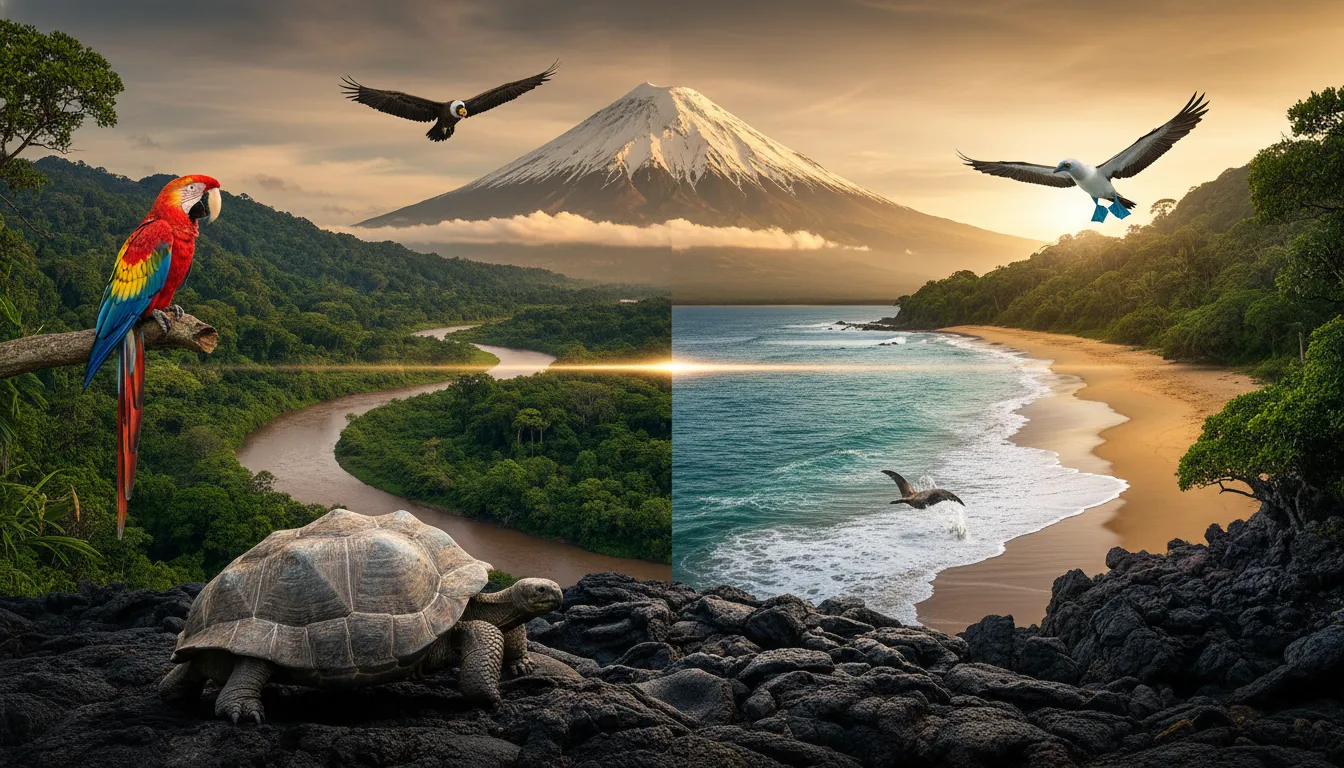
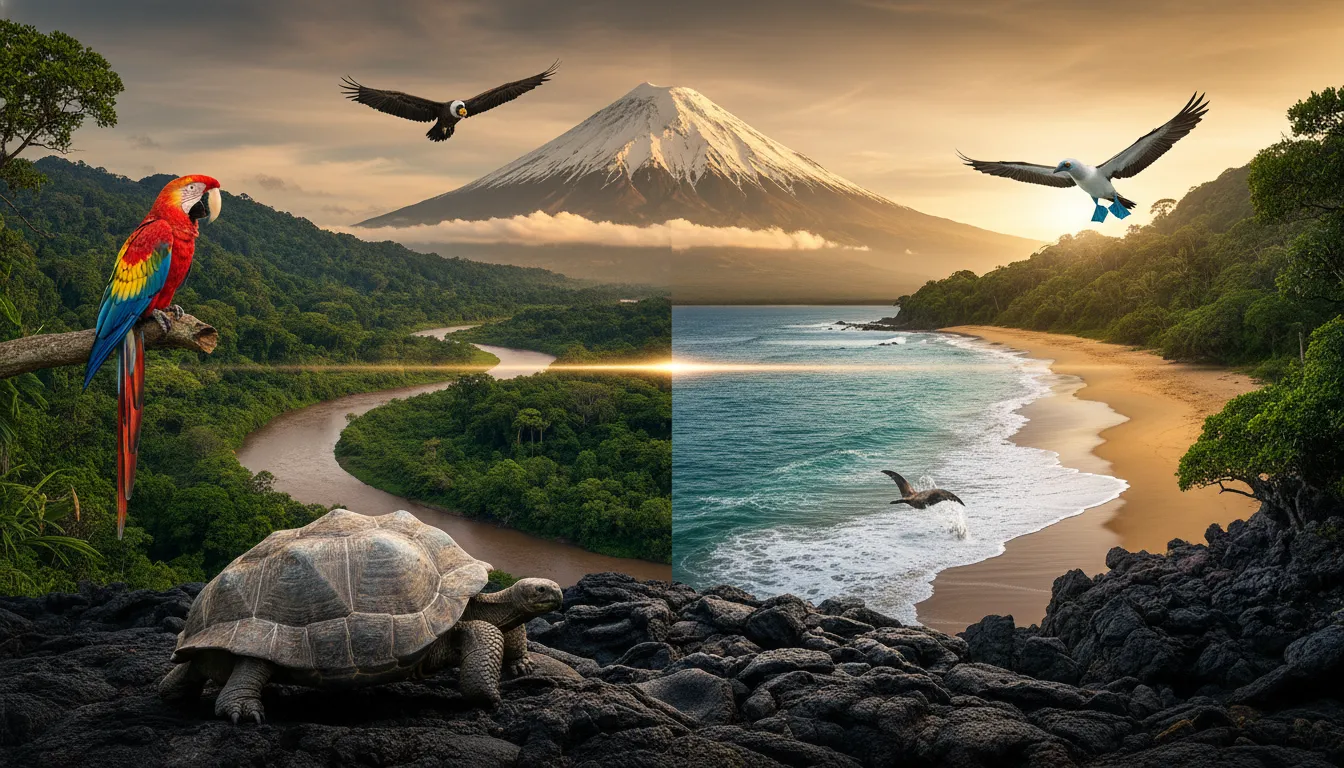
Table of Contents
- 🌎 Why Ecuador feels like four countries in one
- 🗺️ How to navigate the landscape of experiences
- 🪨 Galápagos Islands — nature’s live laboratory
- 🏛️ Quito — high-altitude history and urban charm
- 🏞️ Quilotoa Lagoon — otherworldly crater waters
- 🌋 Cotopaxi National Park — snow, ash, and adrenaline
- 🏰 Cuenca — colonial tiles and the real Panama hat
- ♨️ Baños de Agua Santa — waterfalls, thermal springs, and adventure
- 🌿 Mindo — clouds, birds, and a dose of calm
- 🐧 La Plata Island — a budget-friendly taste of Galápagos life
- 🏺 Ingapirca — the largest Inca site in Ecuador
- 🗻 Cayambe Coca National Park — glaciers, hot springs, and rare wildlife
- 🦎 Guayaquil — urban energy, riverwalks, and iguanas
- 🌋 Sangay National Park — raw, remote, and uncompromising
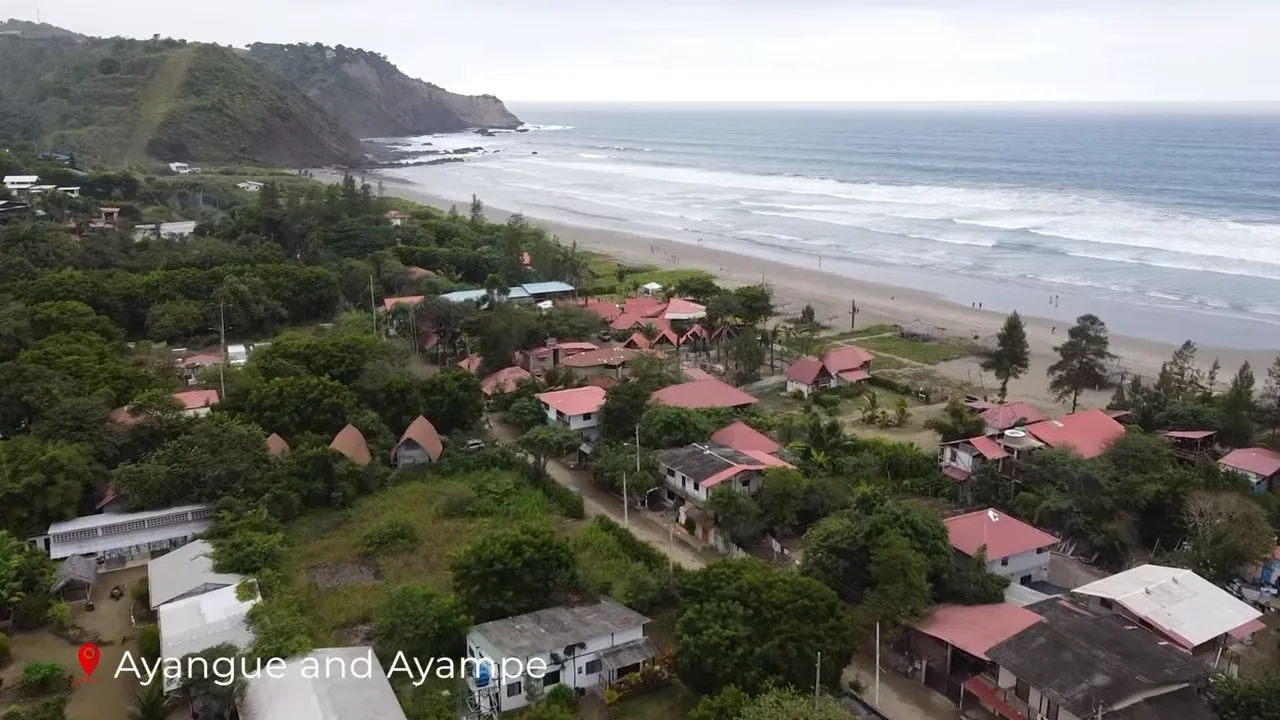
- 🏖️ Ayang and Ayampe — two coastal moods
- 🍽️ Food, markets, and cultural flavors
- 💡 Practical travel tips and cultural notes
- 🔬 Unique curiosities and country-sized trivia
- 🧭 Suggested itineraries depending on your time
- 📸 Best times for photos and wildlife encounters
- 🧳 Packing checklist (concise)
- 📍 Quick reference map in words (where to go for what)
- ❓ Frequently Asked Questions
- ✈️ Final notes and an invitation to explore
- 📷 Visual highlights and suggested screenshots
🌎 Why Ecuador feels like four countries in one
-
Compact scale, massive diversity
- Coast, highlands, Amazon, and the Galápagos — four distinct regions packed into an area smaller than many U.S. states.
- You can wake up above the clouds on an Andean volcano, and within hours be diving beside sea lions in crystalline Pacific water.
-
Geographic quirks worth knowing
- The equator literally runs through the country — Ecuador takes its name from that line.
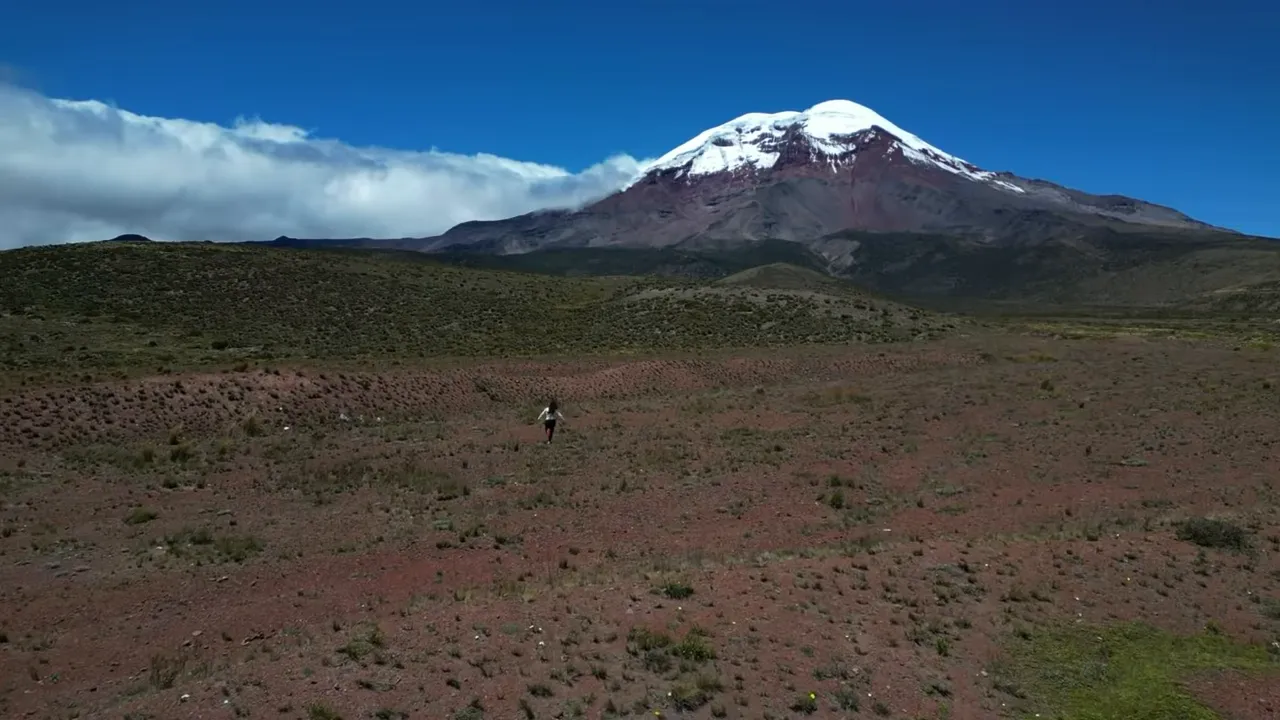
- Mount Chimborazo’s summit is the point on Earth’s surface farthest from the planet’s center because of the equatorial bulge — a fun twist on “highest” peaks.
-
Cultural and economic touchstones
- Spanish is the official language while a rich indigenous heritage lives on in local markets and festivals.
- Ecuador is the world’s largest banana exporter and is also famous for fine aroma cacao, prized by chocolatiers around the globe.
- The country uses the United States dollar, which simplifies budgets for many international travelers.
🗺️ How to navigate the landscape of experiences
-
Pick the theme of your trip
- Wildlife and evolution: Galápagos and La Plata Island.
- High-altitude landscapes and volcanoes: Quilotoa, Cotopaxi, Chimborazo, Sangay.
- Cloud forests and birds: Mindo.
- Adventure and hot springs: Baños.
- Culture, colonial architecture, and crafts: Quito and Cuenca.
-
Travel time matters
- Domestic flights make the Galápagos, Quito, Guayaquil and some Amazon gateways easy to connect.
- Road travel through the Andes is scenic but can be slow; plan for altitude acclimatization.
-
Seasonal considerations
- Whale watching season on the coast: June to September.
- Galápagos wildlife viewing is year-round, but conditions vary by season and island.
🪨 Galápagos Islands — nature’s live laboratory
-
Why it matters
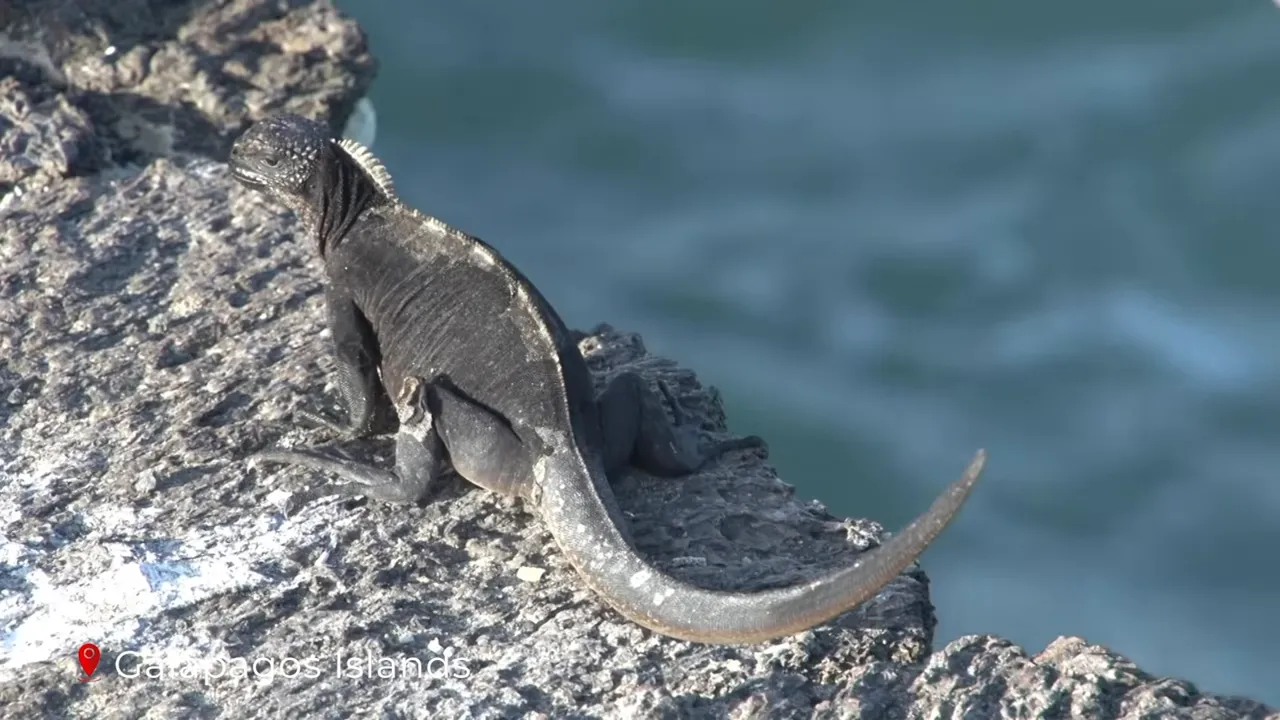
- The Galápagos archipelago inspired major scientific advances; more than 20 percent of its species are endemic — found nowhere else on Earth.
- It functions as a living laboratory where evolutionary processes can be observed in real time.
-
Top wildlife highlights
- Giant tortoises: centuries-old, slow-moving icons.
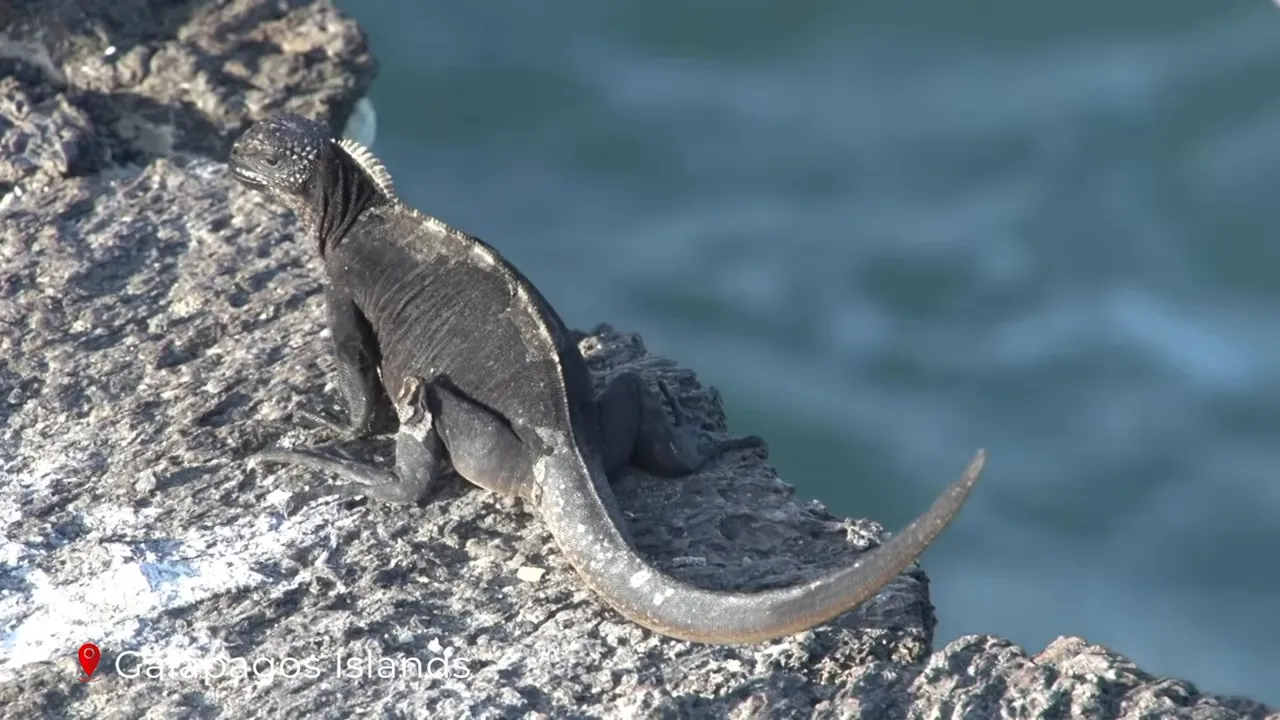
- Marine iguanas: the only iguanas adapted to swim and feed at sea.
- Darwin’s finches: small birds whose variations helped shape modern biology.
- Underwater megafauna: hammerhead sharks, manta rays, playful sea lions and vibrant reef life.
-
Best ways to experience the islands
- Liveaboard cruises: cover multiple islands and offer the richest wildlife encounters.
- Day trips: excellent for visitors based in Santa Cruz or San Cristóbal seeking specific sites.
- Snorkeling and diving: expect up-close marine interactions in clear, surprisingly cool water.
-
Practical tips
- Book park permits and guides through authorized operators — conservation rules are strict for a reason.
- Pack reef-safe sunscreen and a light wetsuit for cooler currents, depending on the season.
- Respect wildlife distances and behavior — many species are habituated to humans but remain protected.
🏛️ Quito — high-altitude history and urban charm
-
Why Quito is special
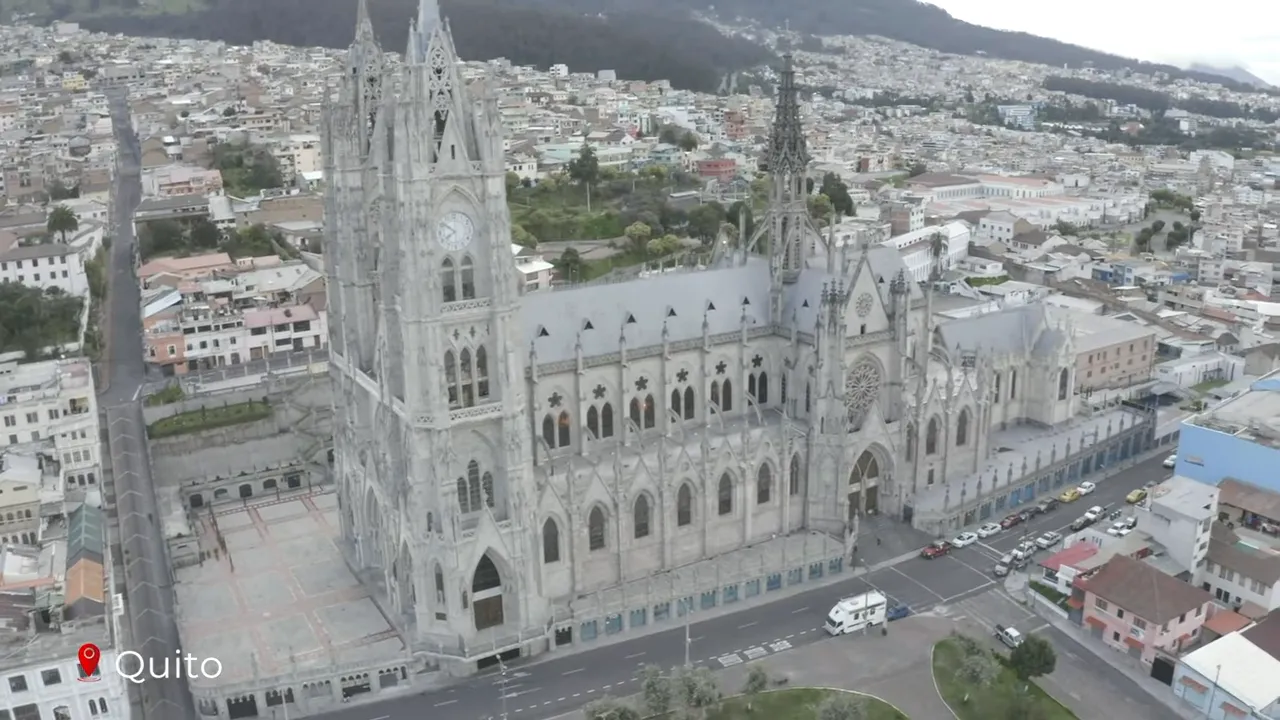
- Sits at nearly 2,850 meters above sea level, making it one of the highest capital cities in the world.
- Its historic center is one of the best-preserved colonial cores in Latin America and a UNESCO World Heritage site.
-
Must-see landmarks
- Basilica of the National Vow: a neo-Gothic marvel with sprawling city views from the spires.
- Church of the Society of Jesus: lavish gilding and Baroque splendor inside.
- Plaza Grande and the narrow colonial streets: ideal for wandering and absorbing local life.
-
Nearby natural escapes
- Pichincha volcano overlooks the city; rides and hikes depart daily.
- Quilotoa crater lake and Cotopaxi National Park are accessible day trips for varied landscapes.
-
Traveler notes
- Allow a day to acclimatize to the altitude before attempting strenuous hikes.
- Street food, markets, and small cafés offer a delicious introduction to Ecuadorian flavors — ceviche, locro, and hornado stand out.
🏞️ Quilotoa Lagoon — otherworldly crater waters
-
The scene
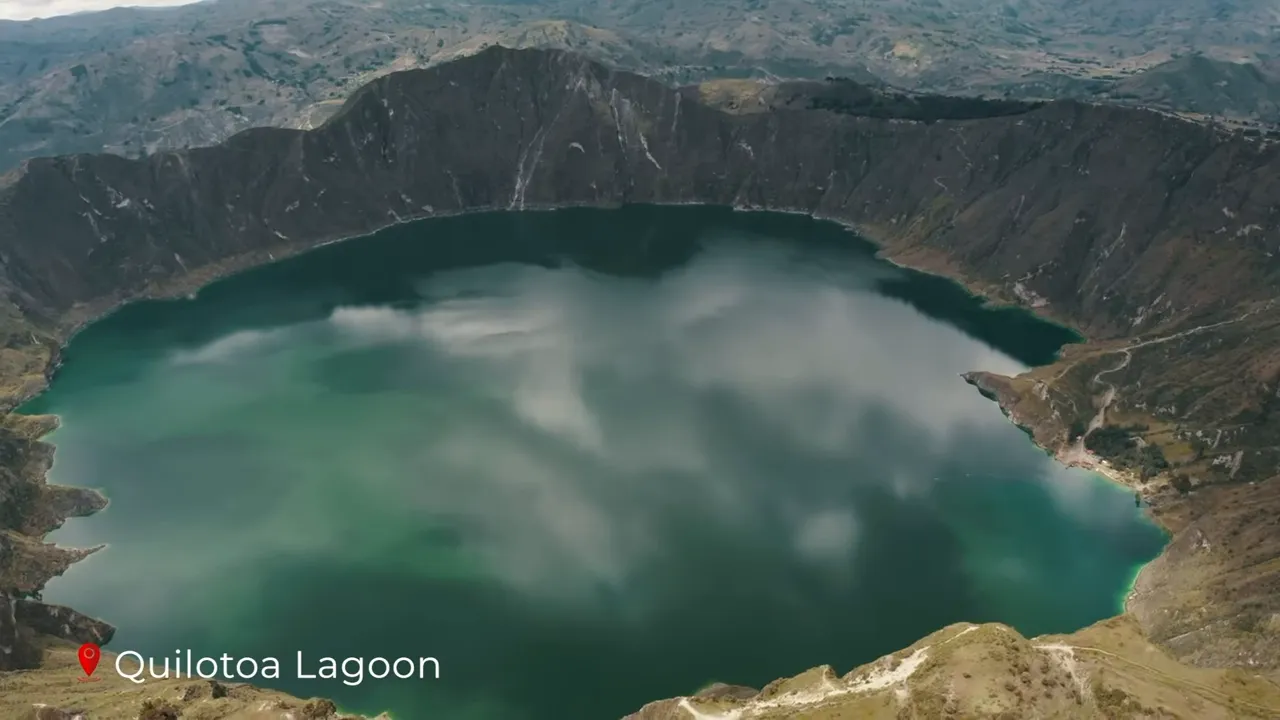
- A volcanic crater lake at nearly 4,000 meters above sea level with vivid turquoise to emerald hues.
- Mineral deposits from a major eruption around 1280 shape the color and chemistry of the water.
-
Activities that make it unforgettable
- 10-kilometer rim walk: panoramic Andean vistas and small indigenous villages along the Kilo Toa Loop.
- Descend to the crater’s edge: a peaceful, immersive moment at the waterline; note the steep, high-altitude climb back up.
- Hire a donkey for the ascent if you prefer to preserve energy at elevation.
-
Local culture
- Indigenous communities along the route offer handicrafts and traditional experiences, making Quilotoa a blend of nature and culture.
-
Practical tips
- Dress in layers — mountain weather changes fast.
- Bring water and sun protection; the high-altitude sun is intense.
🌋 Cotopaxi National Park — snow, ash, and adrenaline
-
Why Cotopaxi matters
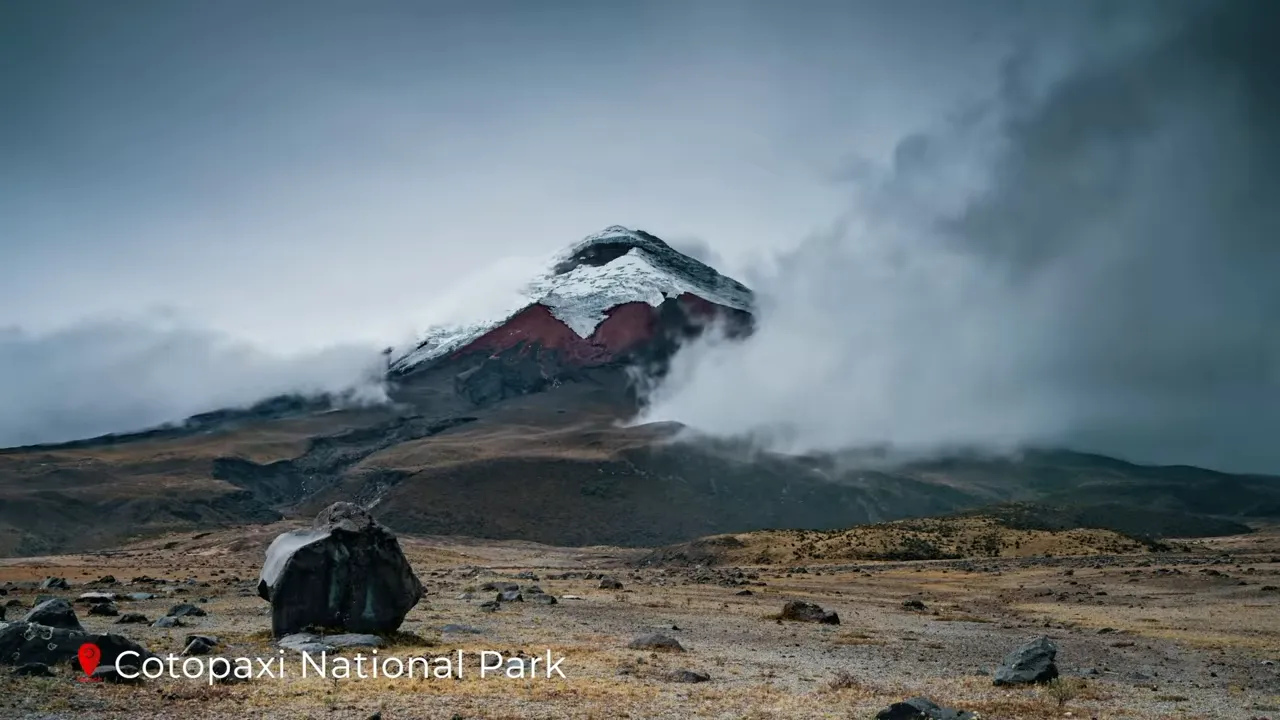
- One of the world’s most iconic active volcanoes, rising to 5,897 meters and capped with a glacier.
- Its perfect cone has long drawn climbers and photographers alike.
-
Things to do
- Summit attempts: for experienced mountaineers with glacial training — technical and physically demanding.
- Hiking around the park: birdwatching for Andean condors and glimpses of native wildlife like paramo wolves.
- Horseback riding and mountain biking on the park’s rolling paramo terrain.
-
What to pack
- Warm clothing, crampons, ice axes and a certified guide for glacier travel.
- Altitude-aware planning — give yourself time to acclimatize in Quito or nearby towns.
-
Best approach
- Use Latacunga or the small communities around Cotopaxi as base points for guided excursions.
🏰 Cuenca — colonial tiles and the real Panama hat
-
Historic charm
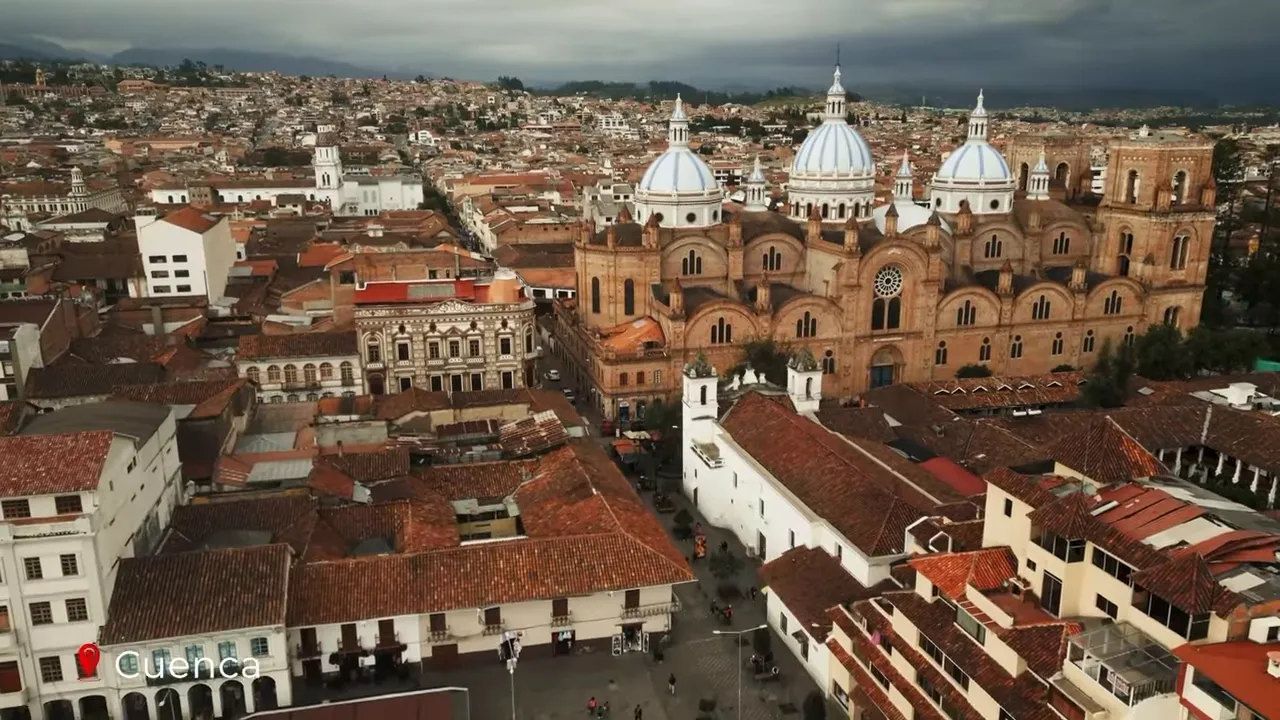
- Cuenca’s historic center is a UNESCO World Heritage Site with cobbled streets and elegant colonial architecture.
- The Cathedral of the Immaculate Conception, known for its blue domes, defines the skyline.
-
Why artisanship matters here
- The famous Panama hat is actually woven from Toquilla straw in Ecuador, especially around the towns near Cuenca and Montecristi.
- Markets and workshops allow visitors to watch hat weaving and buy directly from craftspersons.
-
What to explore
- Calderon Square for people-watching.
- Local museums housed in former cathedrals and mansions.
- Nighttime strolls along the Tomebamba River for a calm, romantic atmosphere.
♨️ Baños de Agua Santa — waterfalls, thermal springs, and adventure
-
A two-faced town
- Baños sits at the foot of an active volcano and simultaneously offers soothing hot springs and high-adrenaline activities.
-
Top activities
- White-water rafting on the Pastaza River.
- Zip-lining across gorges with panoramic views.
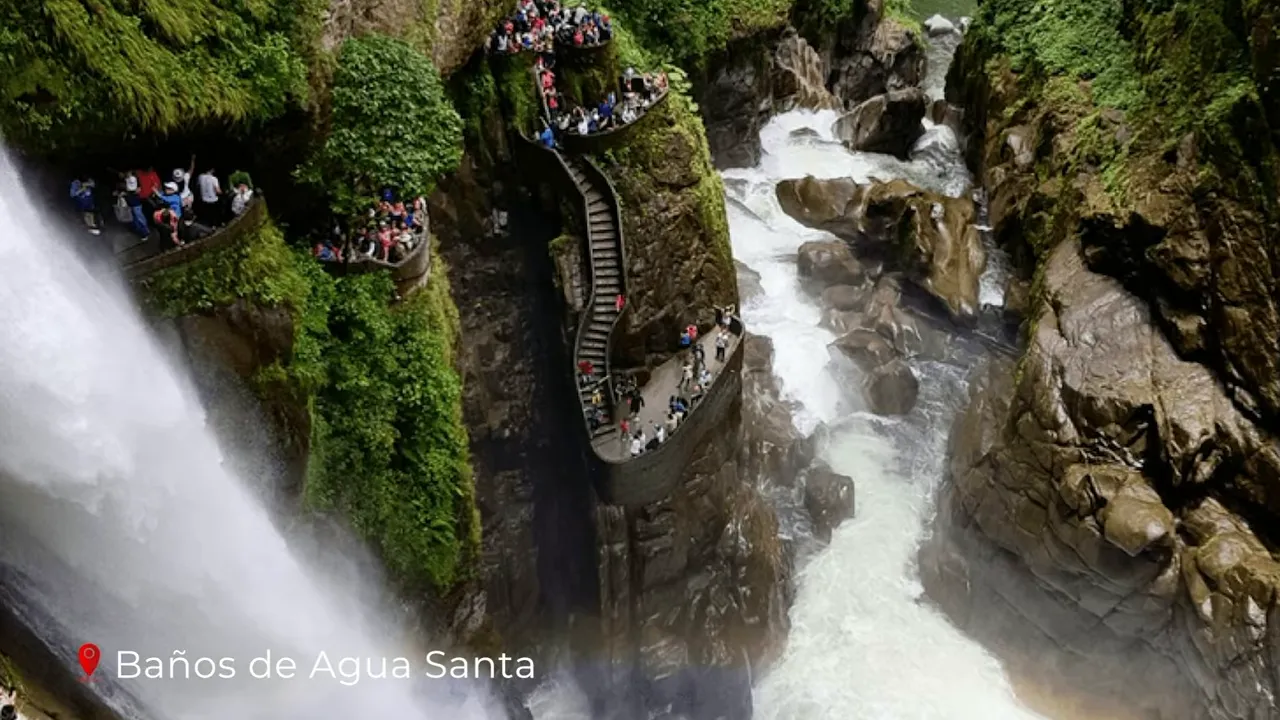
- Hiking to Pailón del Diablo, a thundering waterfall with a walkway that brings you close to the spray.
- Soaking in volcanic thermal pools rich in minerals for relaxation and perceived healing benefits.
-
Practical advice
- Book adventure activities with reputable operators who prioritize safety.
- Bring a towel, swimsuit, and waterproof phone case for waterfall exploration.
🌿 Mindo — clouds, birds, and a dose of calm
-
Birding paradise
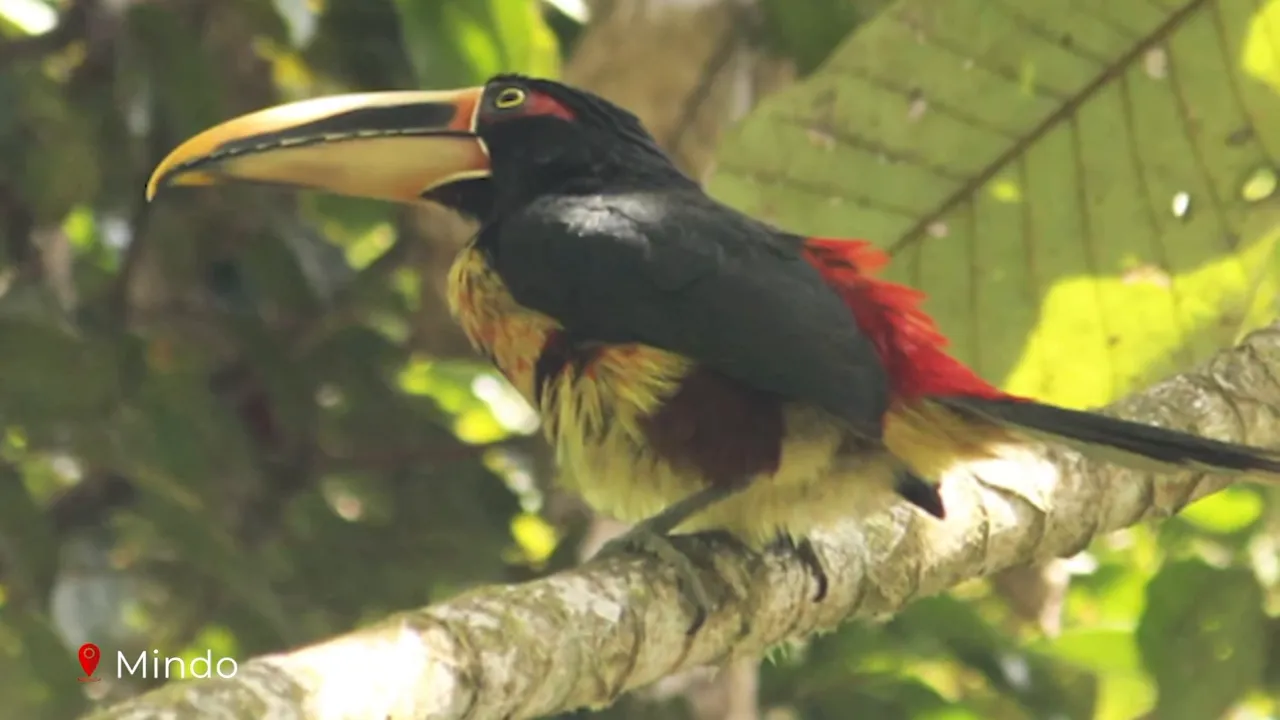
- More than 400 bird species recorded here, making Mindo a top destination for birdwatchers and nature photographers.
- Look out for vivid hummingbirds and rarer species like the Andean cock-of-the-rock.
-
Activities that fit every mood
- Zip-lining through the canopy for adrenaline and canopy-level views.
- Tubing down mellow river rapids for a playful and relaxing excursion.
- Forest hikes to hidden waterfalls for cool dips and quiet time.
-
Travel pointers
- Early mornings are best for birdwatching when the forest chorus is loudest.
- Bring binoculars and a lightweight rain jacket; cloud forests are humid and often misty.
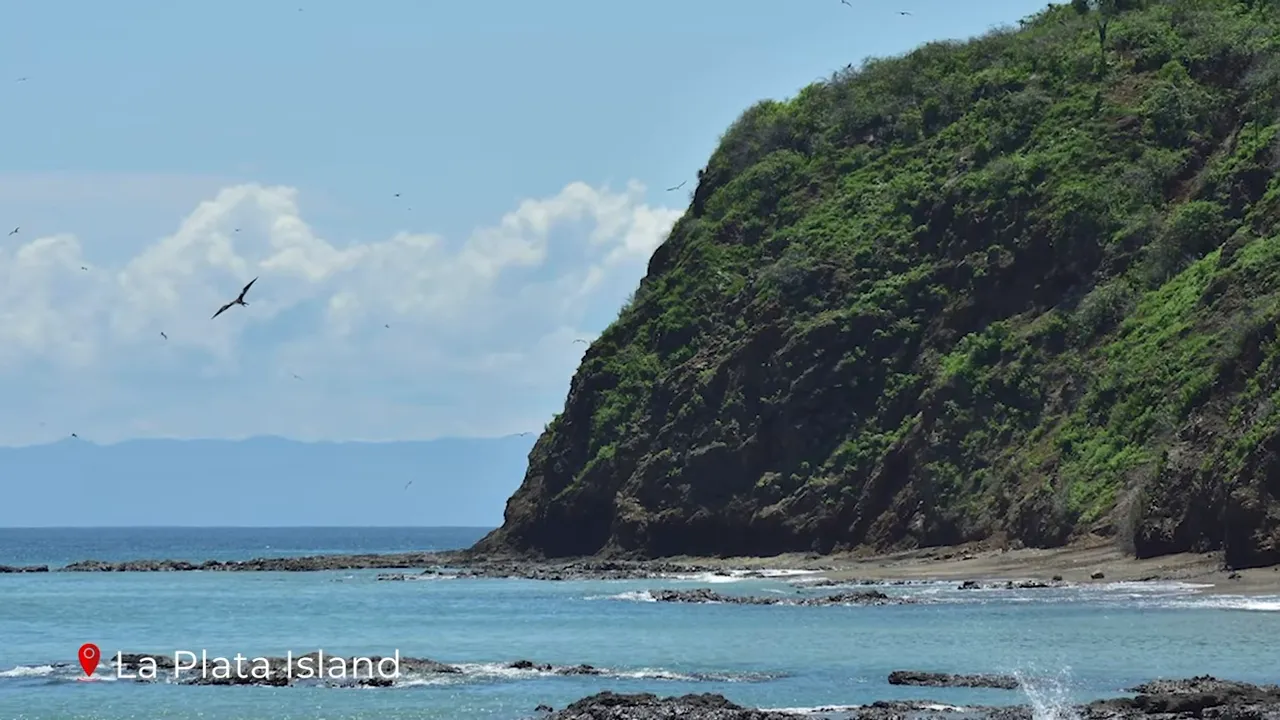
🐧 La Plata Island — a budget-friendly taste of Galápagos life
-
Why La Plata is appealing
- Known as the “Mini Galápagos,” it’s accessible from Puerto López and packs a surprising amount of wildlife into a small area.
- Ideal for travelers seeking bird colonies and marine encounters without the higher cost of Galápagos travel.
-
Seasonal highlights
- Blue-footed boobies are the island’s celebrity — their mating dances and neon feet are unforgettable.
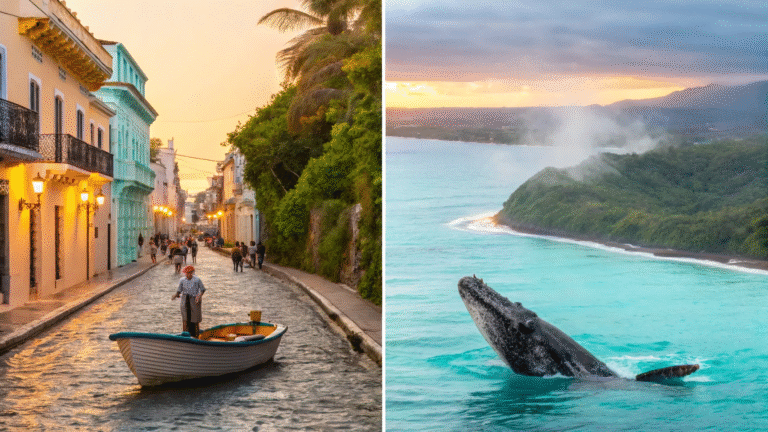
- Whale watching between June and September as humpback whales migrate to breed and calve.
-
Activities
- Boat tours for whale watching and seabird colonies.
- Snorkeling among rays, sea turtles, and colourful reef fish.
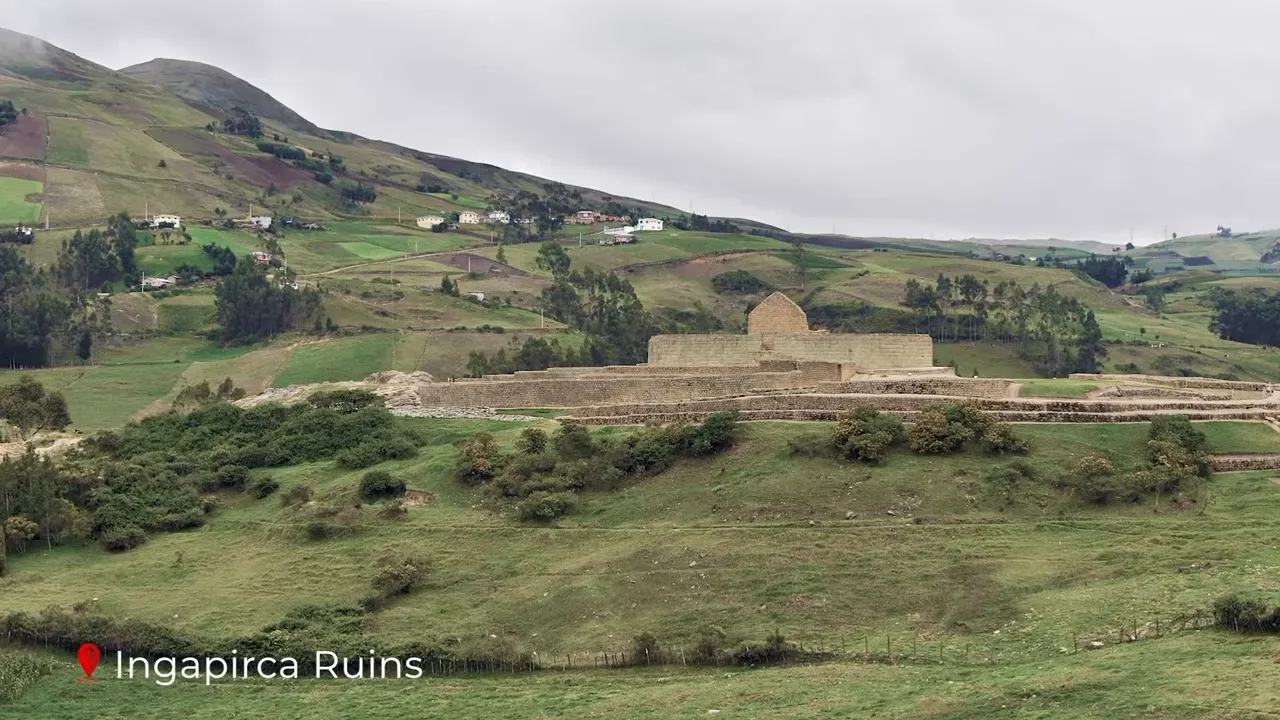
🏺 Ingapirca — the largest Inca site in Ecuador
-
Historical significance
- Ingapirca means “Inca wall” and presents the best-preserved Inca architecture in Ecuador.
- The Temple of the Sun, with its elliptical design, served both religious and astronomical functions.
-
What to look out for
- Carefully interlocked stonework that reveals the engineering prowess of the Incas.
- Remnants of storehouses, channels, and living spaces that reveal daily life and agricultural systems.
- Evidence of an earlier Canari culture beneath Inca layers — a palimpsest of Andean civilizations.
-
Visitor experience
- Local guides—often descendants of pre-Columbian peoples—share legends and practical insights that bring the stones to life.
- Combine a visit with Cuenca for an enriched cultural itinerary.
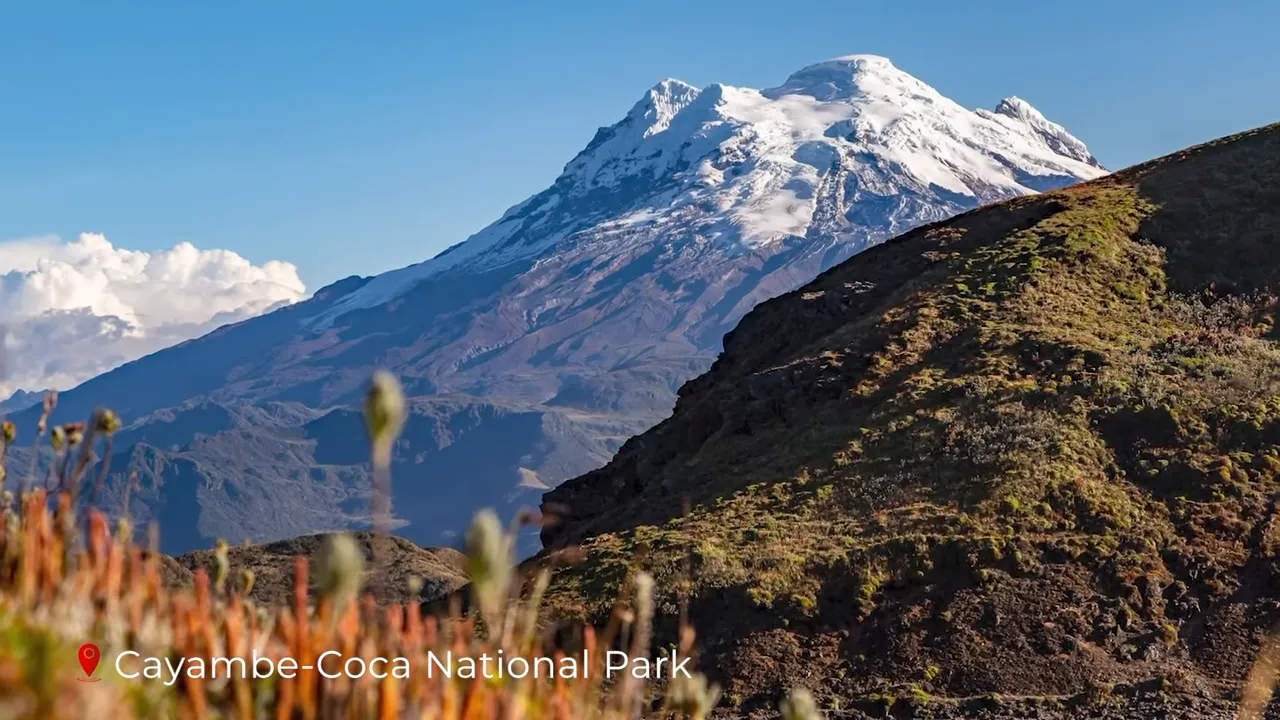
🗻 Cayambe Coca National Park — glaciers, hot springs, and rare wildlife
-
What makes it stand out
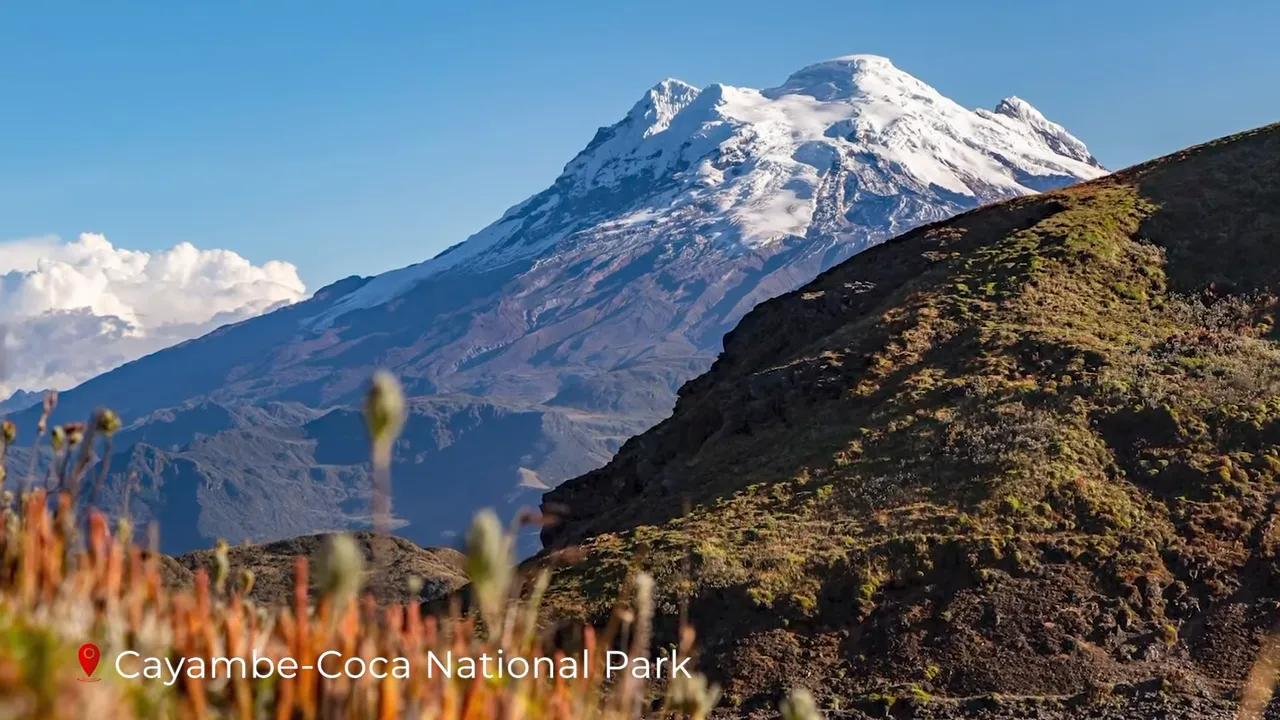
- Home to the Cayambe volcano, one of the tallest in Ecuador at 5,790 meters, and permanently glaciated peaks.
- Offers a mix of high-elevation trekking and thermal relaxation.
-
Relaxation and exploration
- Papallacta hot springs lie within reach for travelers seeking geothermal pools warmed from within the earth.
- Hiking trails through paramo produce views of glaciers, alpine lakes, and unique flora like rare orchids.
-
Wildlife and conservation
- Habitat for the spectacled bear and other elusive species — sightings are rare but special.
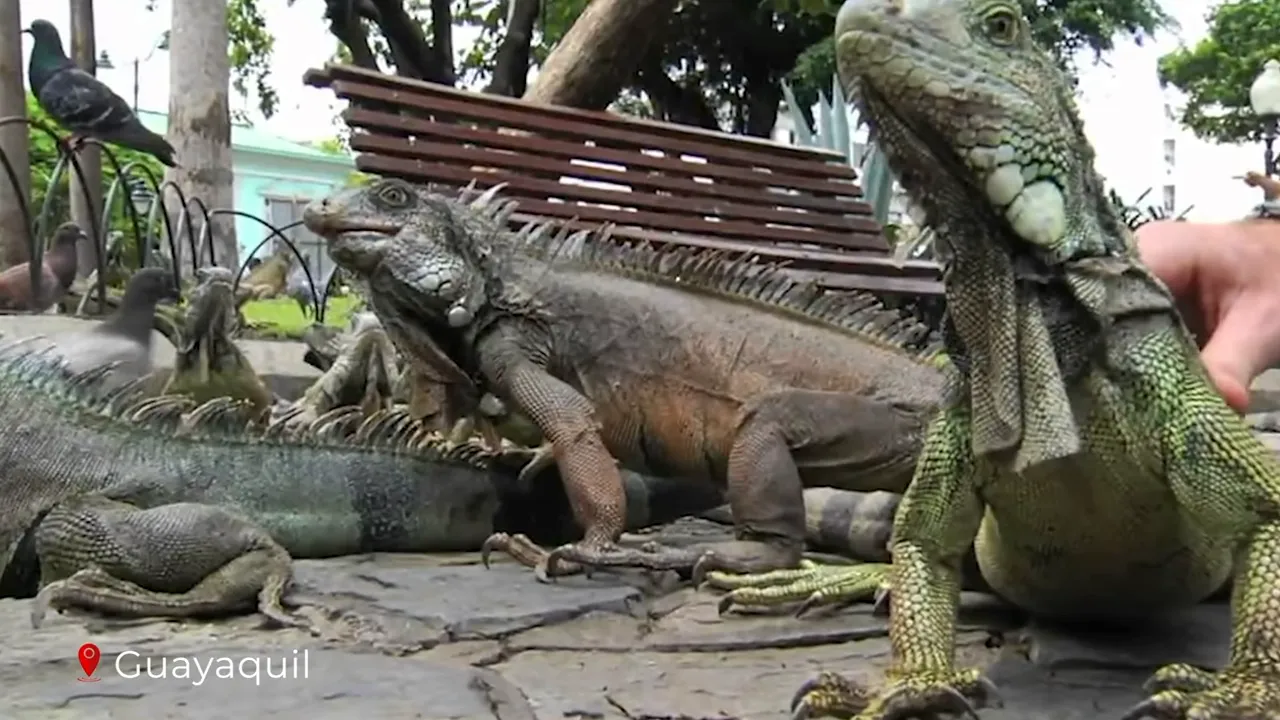
🦎 Guayaquil — urban energy, riverwalks, and iguanas
-
What to expect from Ecuador’s largest city
- A vibrant port city with modern infrastructure and a lively cultural scene.
- Warmth in both climate and local hospitality.
-
Must-do urban experiences
- Malecón 2000: a well-maintained riverfront boardwalk perfect for strolling and sunsets.
- Las Peñas neighborhood: colourful houses, steep stairways, and panoramic viewpoints.
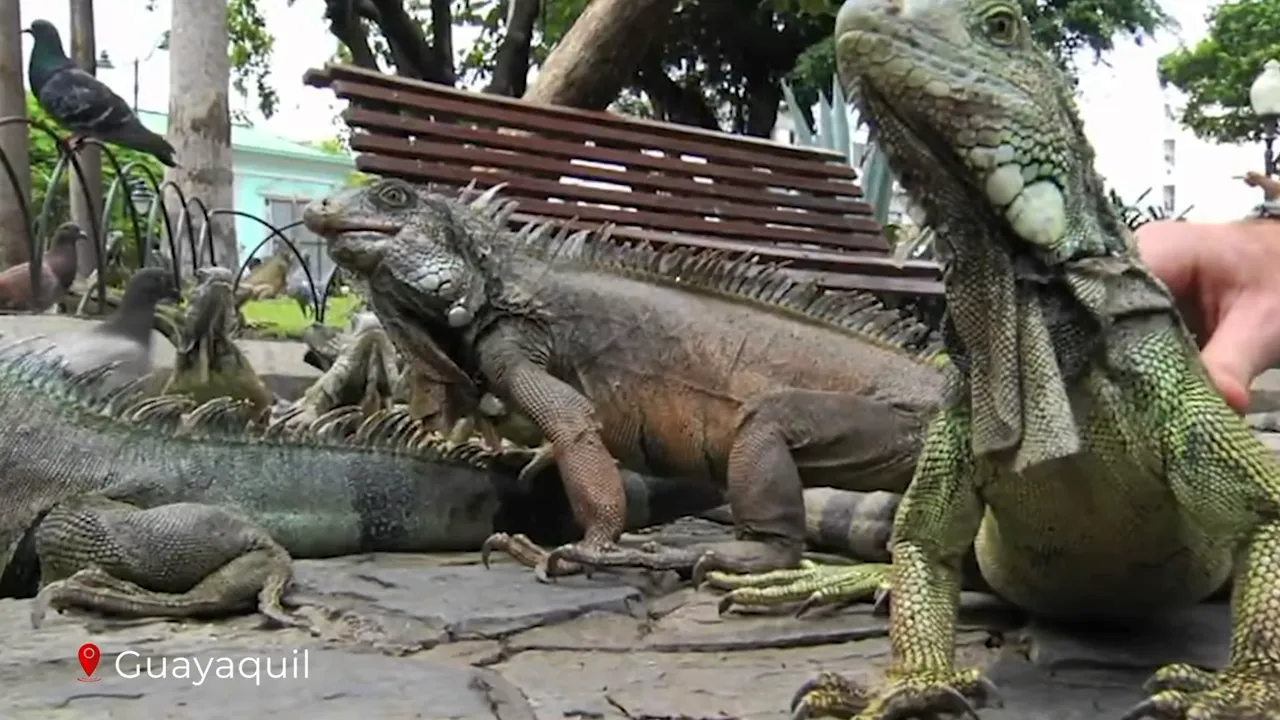
- Seminario Park, also called Iguana Park, where large land iguanas roam freely — a whimsical and unique urban wildlife encounter.
-
Food and nightlife
- Seafood dominates coastal cuisine here; try dishes with fresh catches and tropical flavors.
🌋 Sangay National Park — raw, remote, and uncompromising
-
A UNESCO wild space
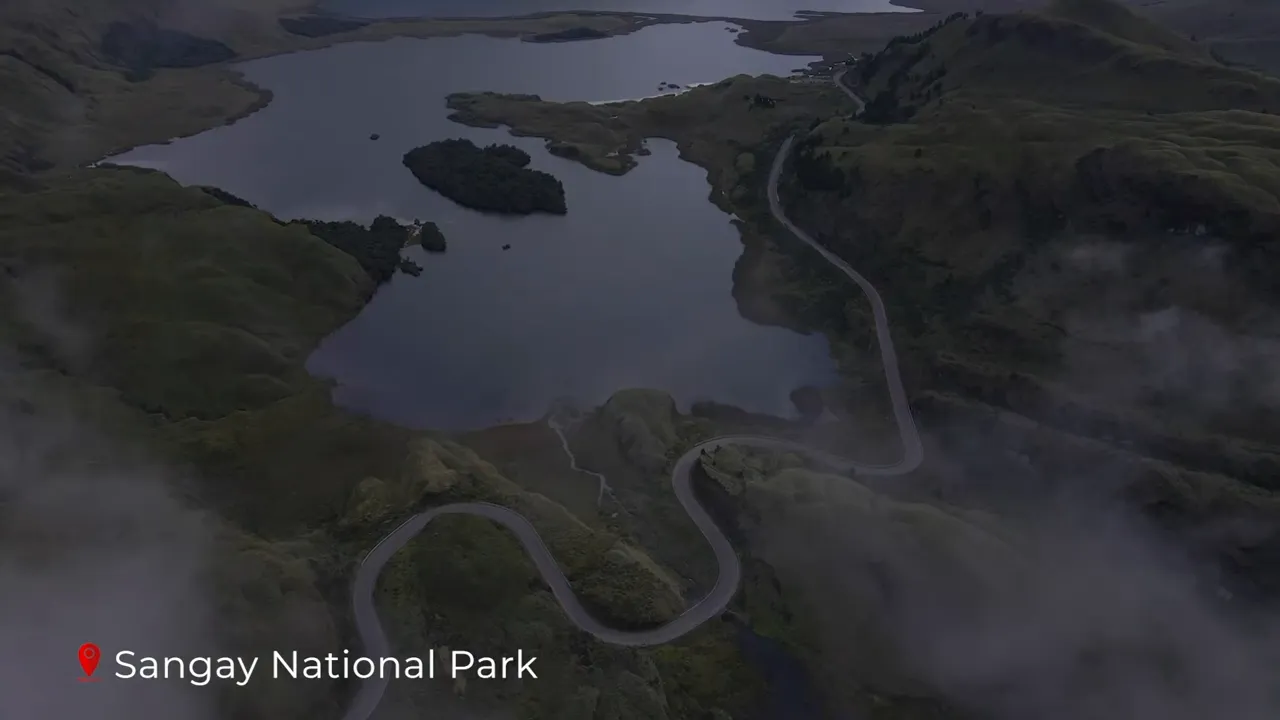
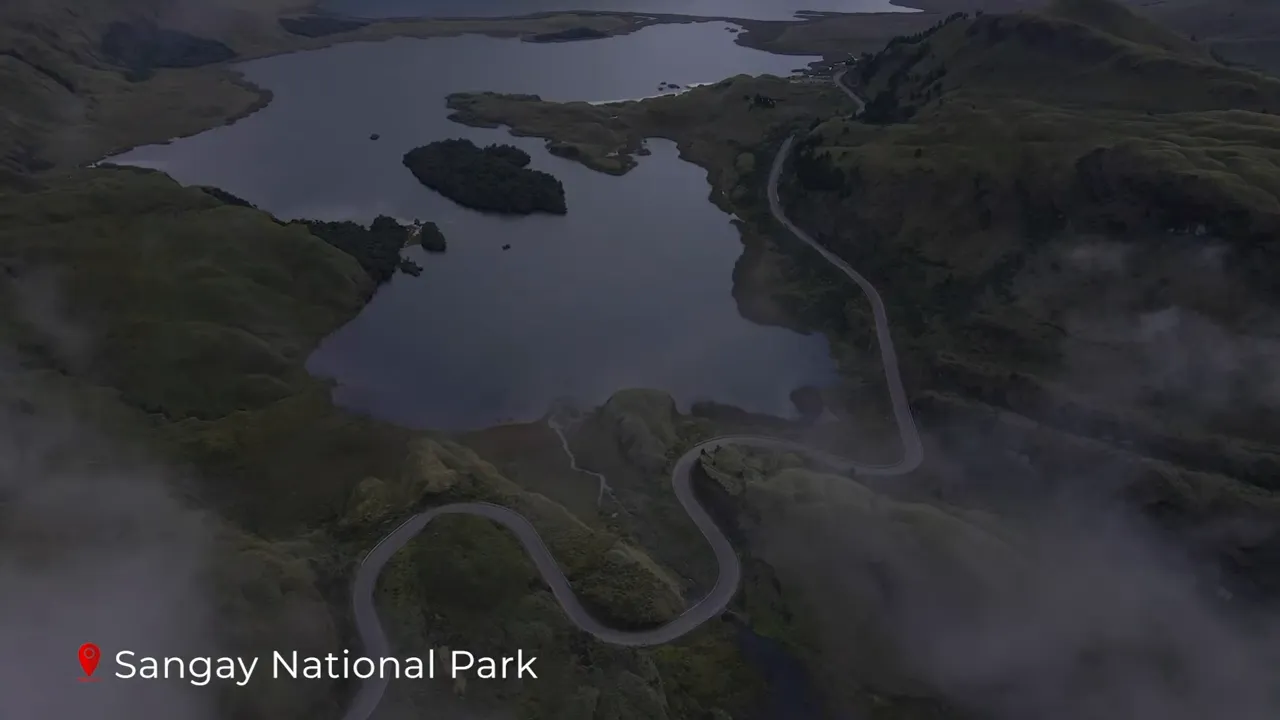
- One of Ecuador’s largest and least-explored protected areas, covering ecosystems from snow-capped peaks to Amazonian rainforest.
- Named for Sangay volcano, one of the most active in South America.
-
Why adventurous travelers love it
- Over 5,200 square kilometers of raw terrain with over 300 glacial lakes scattered through the paramo.
- A refuge for endangered species such as the Andean tapir and numerous endemic birds and plants.
- Expect limited facilities and true backcountry conditions — suitable for experienced, well-equipped explorers.
🏖️ Ayang and Ayampe — two coastal moods
-
Ayang
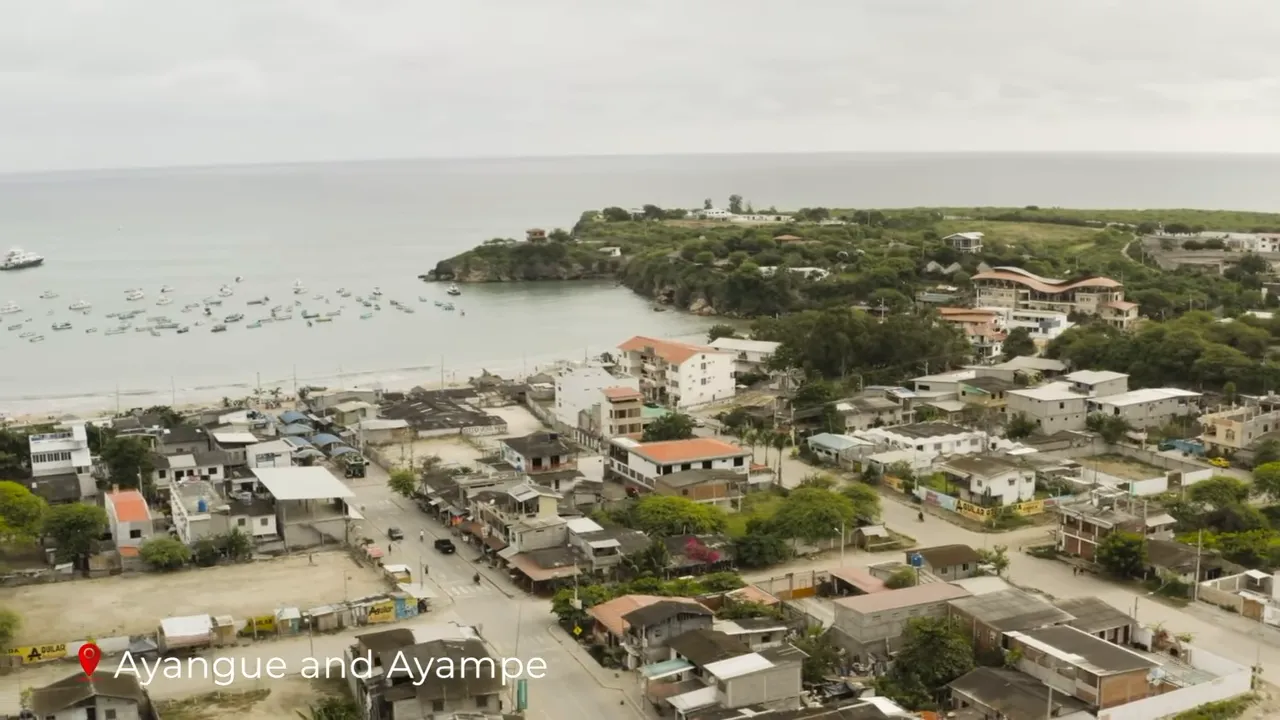
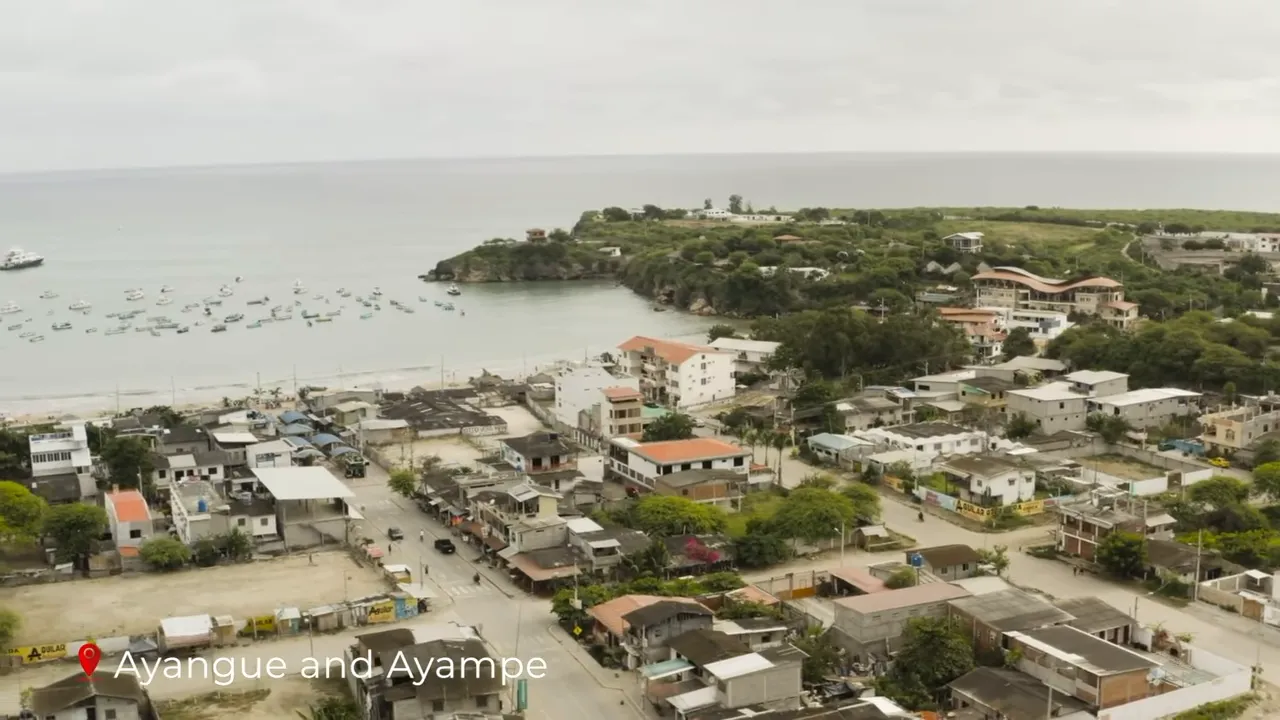
- A calm fishing village with a horseshoe bay and calm waters, perfect for families and snorkelers.
- Local seafood and relaxed rhythms make it an authentic coastal escape.
-
Ayampe
- A bohemian surf town near Machalilla National Park with wild beaches and abundant birdlife.
- Ideal for surfers, wildlife lovers, and anyone seeking quiet time near the ocean.
-
Spondylus Route
- A coastal highway more than a road: a cultural journey that threads fishing villages, beaches, and whale-watching spots.
- Travelers find fresh seafood, artisan markets, and dramatic Pacific sunsets along this route.
🍽️ Food, markets, and cultural flavors
-
Signature dishes to try
- Ceviche: coastal fresh fish marinated in citrus and served with plantain chips.
- Locro: a hearty potato and cheese soup from the highlands, warming and filling at altitude.
- Hornado: slow-roasted pork served with hominy and salad — a staple of Andean gatherings.
-
Markets and crafts
- Visit Otavalo for one of Latin America’s most vibrant indigenous markets — textiles, jewelry, and woven art abound.
- Cuenca and Montecristi are prime spots to buy authentic Toquilla straw hats — the so-called Panama hat.
💡 Practical travel tips and cultural notes
-
Currency and budgeting
- The US dollar is used nationwide. Small bills and change are handy for markets and rural purchases.
-
Altitude awareness
- Many destinations sit above 2,000 meters. Schedule rest days when arriving in Quito or other high towns.
- Hydrate, avoid heavy meals on day one, and consider mild acetazolamide if you have prior issues acclimatizing.
-
Health and safety
- Bring insect repellent for Amazon and coastal mangrove areas.
- Only drink bottled or treated water in remote areas; tap water in major cities is usually treated but use caution depending on tolerance.
-
Responsible travel
- Support local guides and artisans to keep tourism benefits within communities.
- Follow park rules: do not feed wildlife, stay on marked trails, and follow guidance on marine activities to protect fragile ecosystems.
🔬 Unique curiosities and country-sized trivia
-
Chimborazo and the equatorial bulge
- Although not the tallest mountain above sea level, Chimborazo’s summit is the farthest point from Earth’s center because the planet bulges at the equator.
-
Galápagos endemism
- Over 20 percent of Galápagos species are endemic — a major reason the islands rewrote scientific thinking on species and adaptation.
-
Panama hat origin
- The iconic hat was crafted in Ecuador long before it became known globally as the “Panama” hat; its true roots are in Montecristi and Cuenca.
-
Fine aroma cacao
- Ecuadorian cacao is celebrated for its complex flavor profile and is sought after by chocolatiers worldwide.
🧭 Suggested itineraries depending on your time
-
4–7 days (quick highlights)
- Quito (historic center), Cotopaxi day trip or Quilotoa, and a flight to the coast for a short whale-spotting or beach stay.
-
8–12 days (best of highlands and coast)
- Quito, Quilotoa, Cotopaxi, Baños, Cuenca, and a coastal leg to either Ayang/Ayampe or Puerto López for La Plata excursions.
-
2 weeks or more (deep dive)
- Add Galápagos for 4–7 days (ideal for a liveaboard), Cayambe Coca Park, Mindo cloud forest, Ingapirca, and Sangay National Park for an adventurous extension.
📸 Best times for photos and wildlife encounters
-
Golden hours
- Sunrise and sunset deliver dramatic light for Andean peaks, crater lakes and coastal panoramas.
-
Wildlife windows
- Early morning in cloud forests like Mindo is prime for birds. La Plata and coastal trips shine in winter months for whale migration.
-
Underwater clarity
- Galápagos diving visibility varies with season; research islands and currents to match preferences for warm water or rich nutrient upwellings.
🧳 Packing checklist (concise)
- Layered clothing for cool highlands and warm coastlines.
- Sun protection: hat, sunglasses, reef-safe sunscreen.
- Light waterproof jacket for cloud forest and mountain mists.
- Daypack, comfortable hiking shoes, and a small first-aid kit.
- Snorkel gear if you prefer your own; binoculars for birdwatching.
- Cash in small denominations for markets and remote areas.
📍 Quick reference map in words (where to go for what)
- Galápagos: evolution, endemic wildlife, marine life.
- Quito: colonial culture, high-altitude urban starting point.
- Cotopaxi and Chimborazo regions: volcano climbing and paramo landscapes.
- Quilotoa: crater lake vistas and indigenous villages.
- Cuenca and Ingapirca: colonial architecture and Inca archaeology.
- Mindo: cloud forest and birdwatching.
- Baños: waterfalls, hot springs, and adventure sports.
- La Plata and the Spondylus coast: seabirds, whales, surfing, and relaxed beaches.
- Guayaquil: city energy, riverwalk, and urban wildlife at Seminario Park.
❓ Frequently Asked Questions
What is the best time to visit the Galápagos?
The Galápagos are visitable year-round. January to May brings warmer seas and calmer conditions with more marine life breeding; June to December offers cooler waters, increased nutrient upwelling, and plentiful fish activity, great for diving. Consider the species you want to see when choosing dates.
Do I need special permits to visit Galápagos or national parks?
Yes. The Galápagos requires park entrance fees and often specific tour bookings for islands. Mainland national parks may ask for small entrance fees. Always book through authorized operators for protected areas and follow local regulations to protect fragile ecosystems.
How should I acclimatize to Ecuador’s high altitudes?
Spend at least 24–48 hours in a mid-altitude city like Quito before attempting strenuous hikes. Hydrate well, avoid heavy alcohol and heavy meals initially, and monitor for symptoms. If you plan to climb high peaks, consider hiring a guide who can advise on pacing and altitude safety.
Is it expensive to travel to the Galápagos compared with the mainland?
Yes, Galápagos travel tends to be more expensive due to park fees, permits, and boat or flight logistics. Mainland travel — highlands, coast, and cloud forests — is generally more budget-friendly with a wide range of accommodation and activity prices.
Are Panama hats actually from Panama?
No. The iconic “Panama hat” originates from Ecuador. They are woven from Toquilla straw in towns like Montecristi and Cuenca, and were exported via Panama during the 19th and early 20th centuries, which led to the misnomer.
Can I combine Galápagos with a mainland itinerary?
Absolutely. Most travelers fly into Quito or Guayaquil and then take a domestic flight to the Galápagos. Combining islands with the highlands, Amazon gateways, or coastal routes gives a deeply varied Ecuadorian experience in one trip.
✈️ Final notes and an invitation to explore
-
Variety is Ecuador’s superpower
- In a single itinerary you can experience towering volcanoes, delicate cloud forests, Amazonian biodiversity and the evolutionary theater of the Galápagos — a rare mix in such a compact country.
-
Respect and delight go hand in hand
- Protecting fragile ecosystems and uplifting local communities will make any trip here more meaningful. Choose guides and operators who give back to their regions.
-
Which would you choose?
- Would you rather climb a glacier-topped volcano or swim with a colony of sea lions? Both are possible, often in the same trip.
📷 Visual highlights and suggested screenshots
- Chimborazo equatorial bulge illustration:
- Galápagos marine life and tortoises:
- Quito’s historic core and basilica spires:
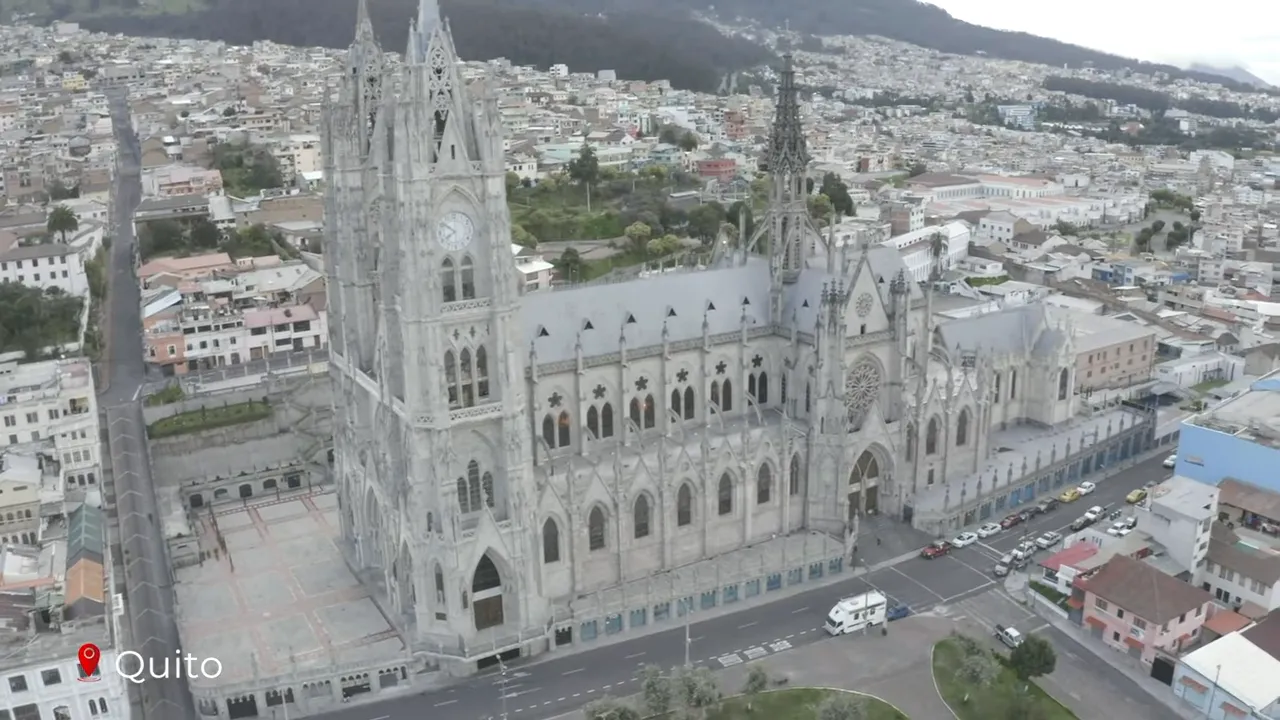
- Quilotoa’s turquoise crater lake:
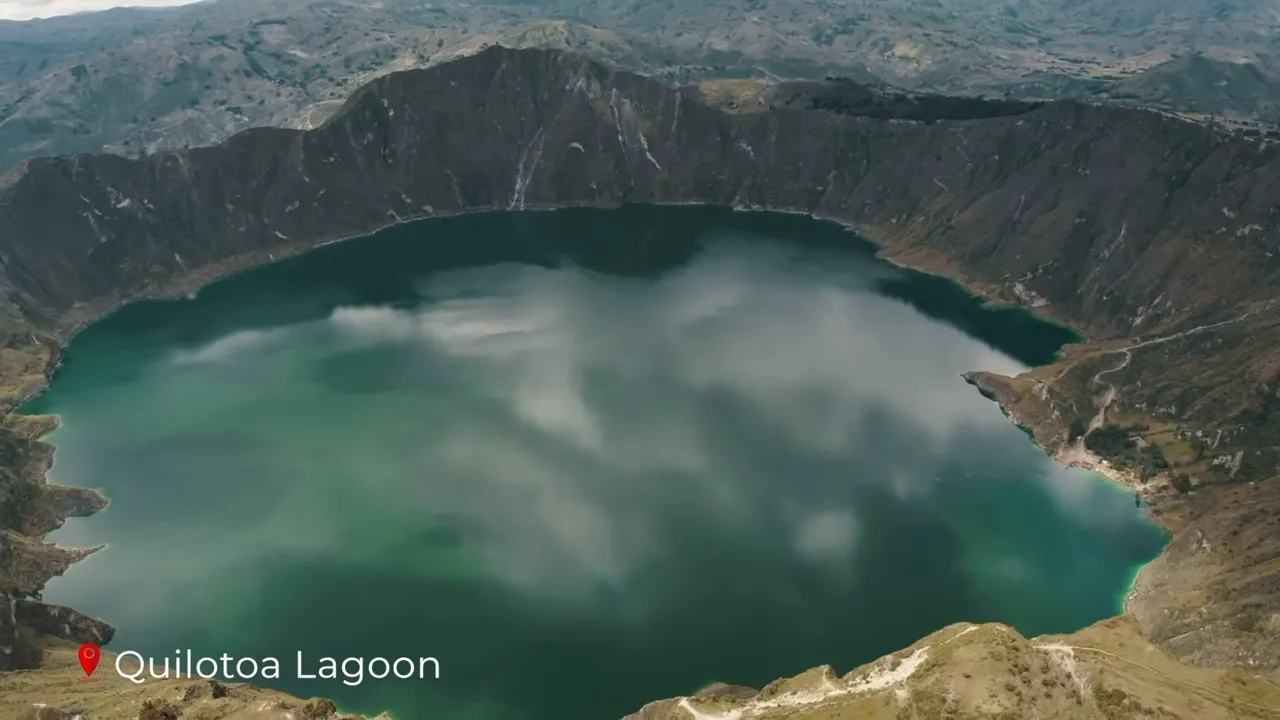
- Cotopaxi’s cone rising above the paramo:
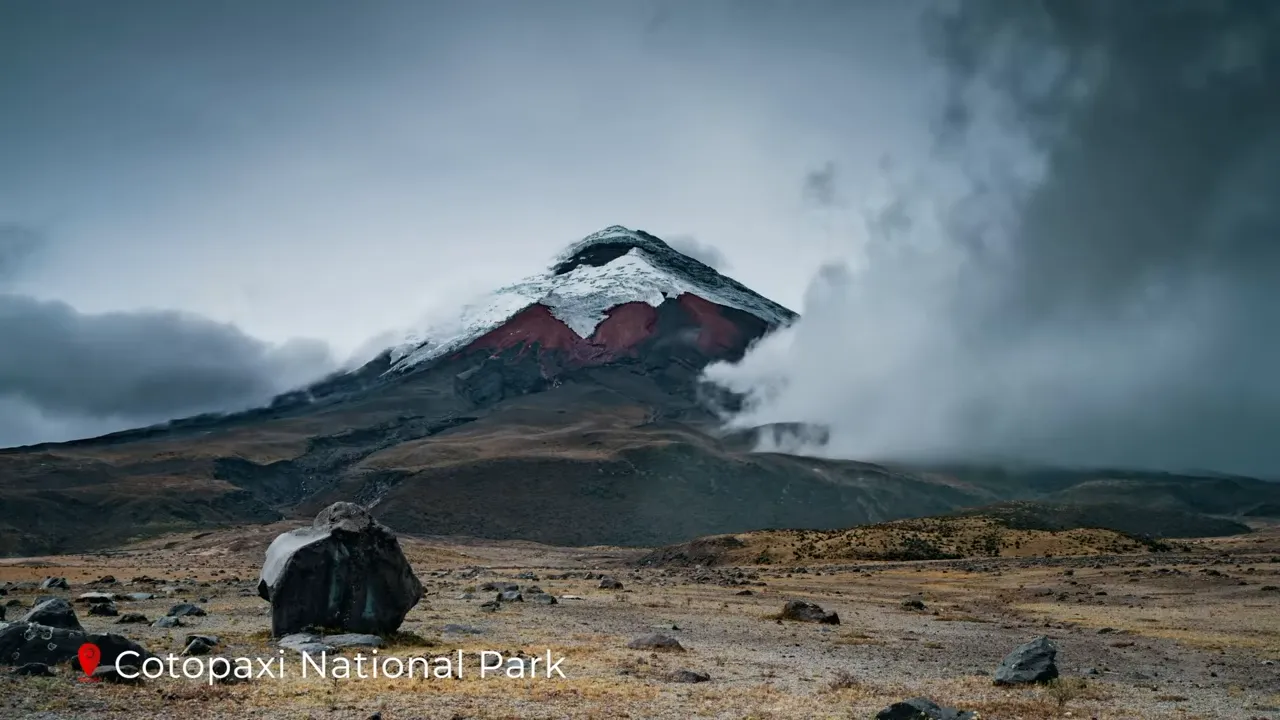
- Cuenca cathedral blue domes and colonial streets:
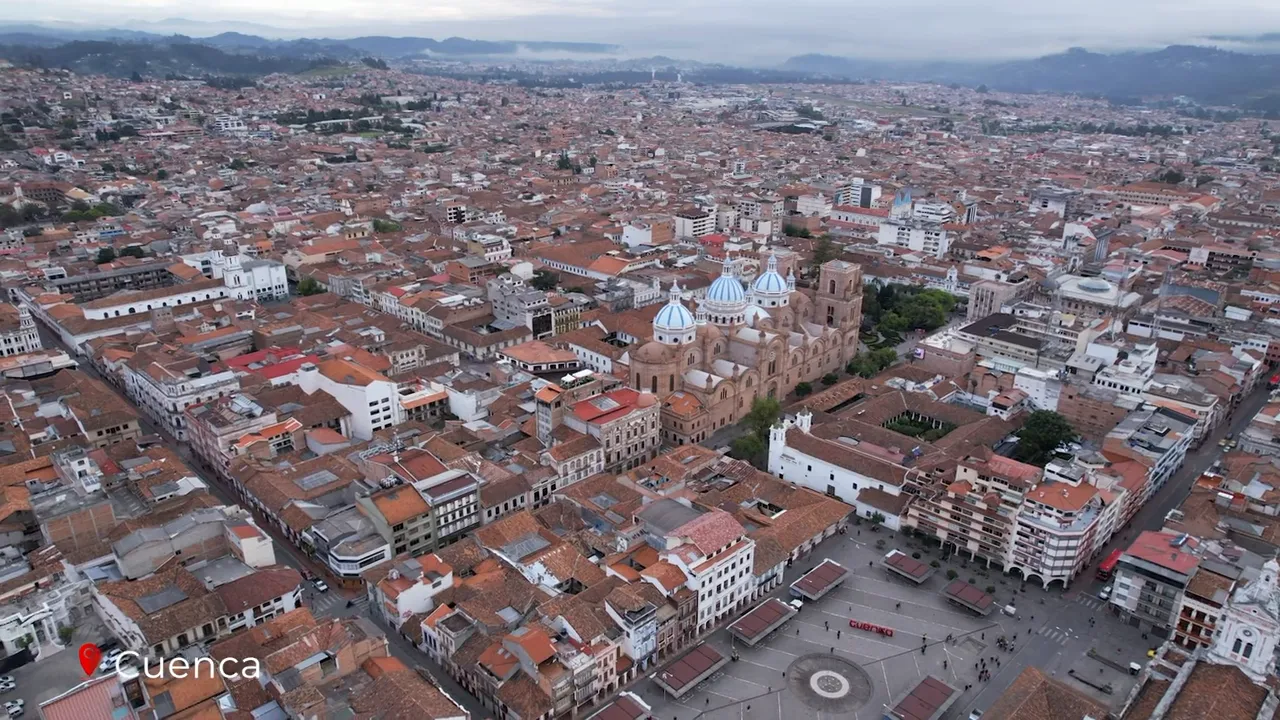
- Baños waterfalls and thermal pools:
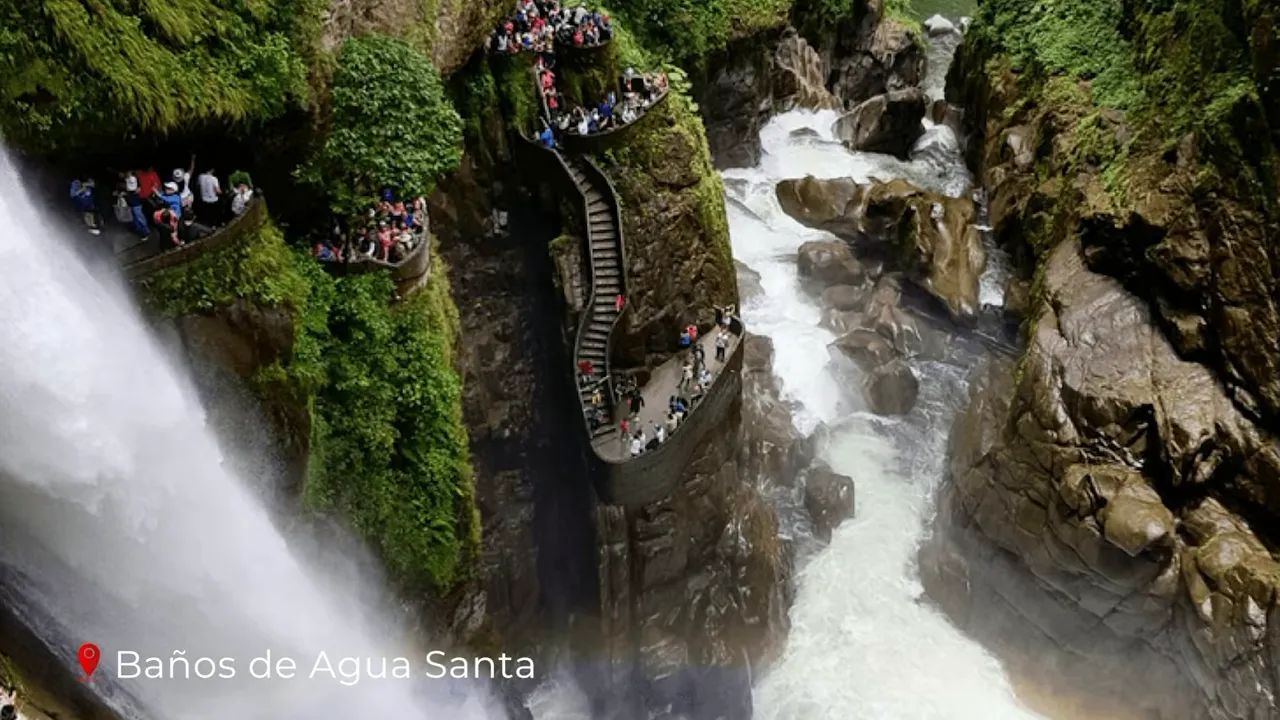
- Mindo cloud forest and birdlife:
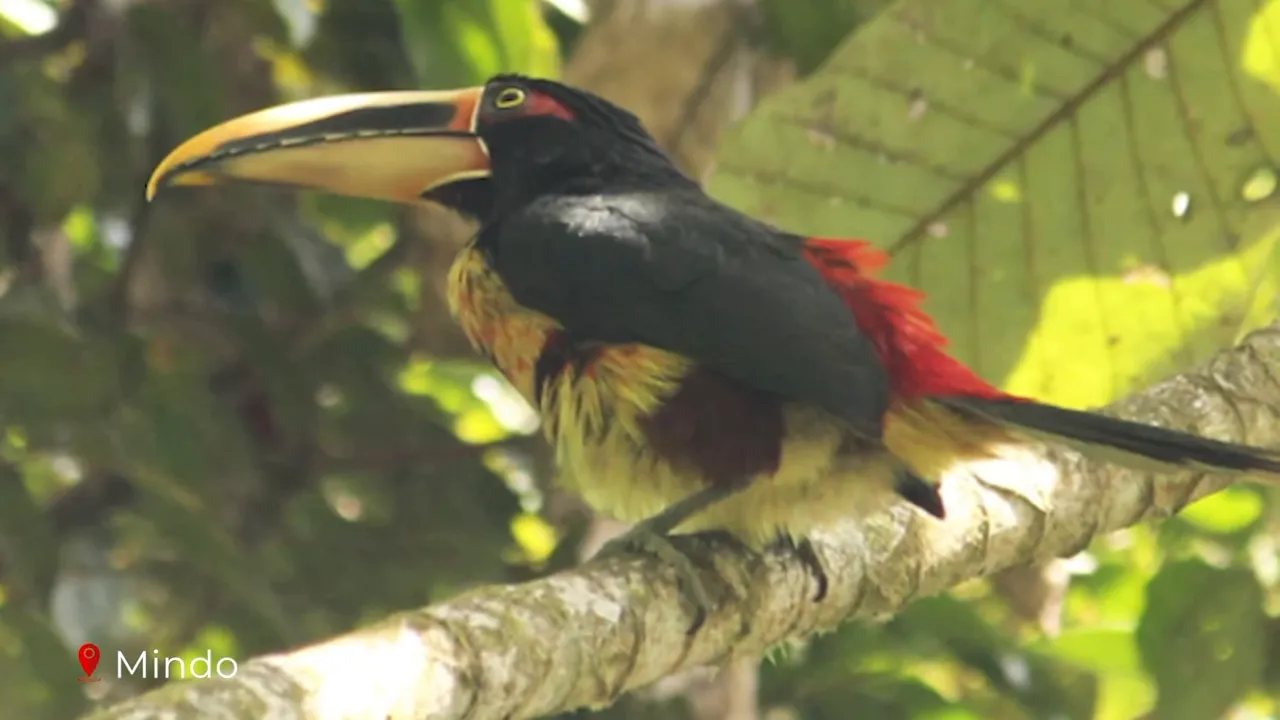
- La Plata’s blue-footed boobies and seabird colonies:
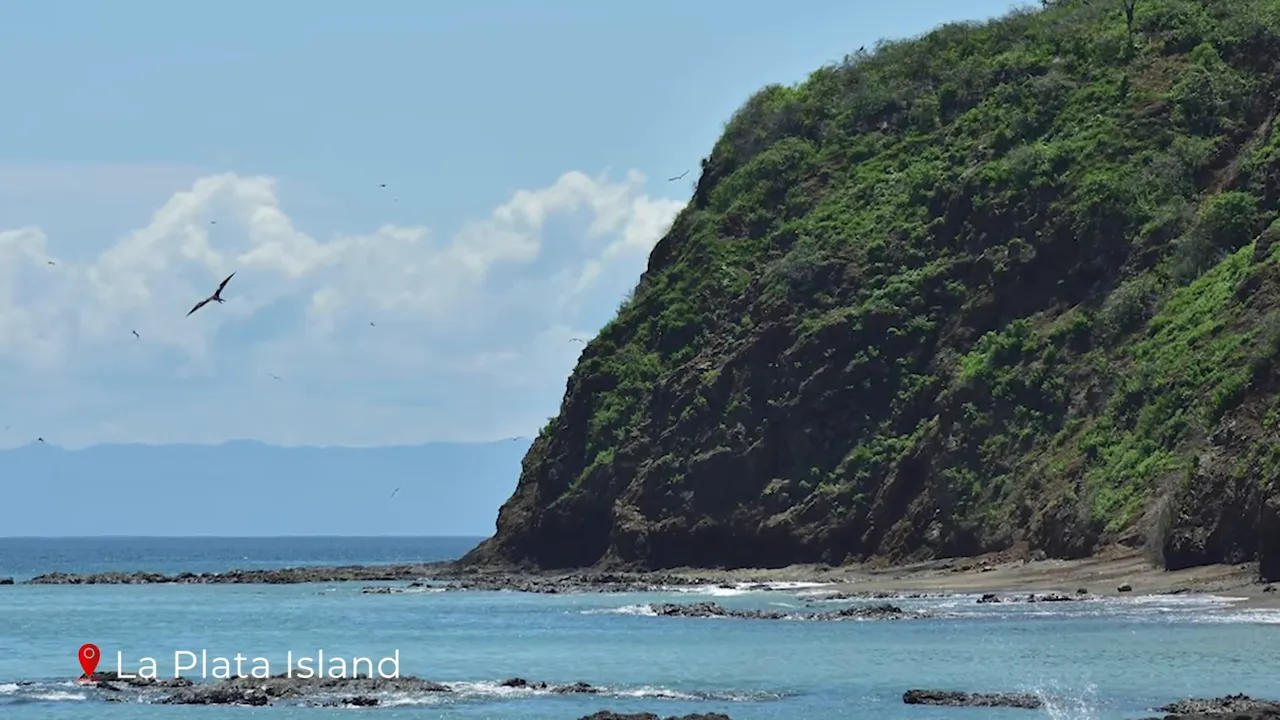
- Ingapirca ruins and Temple of the Sun:
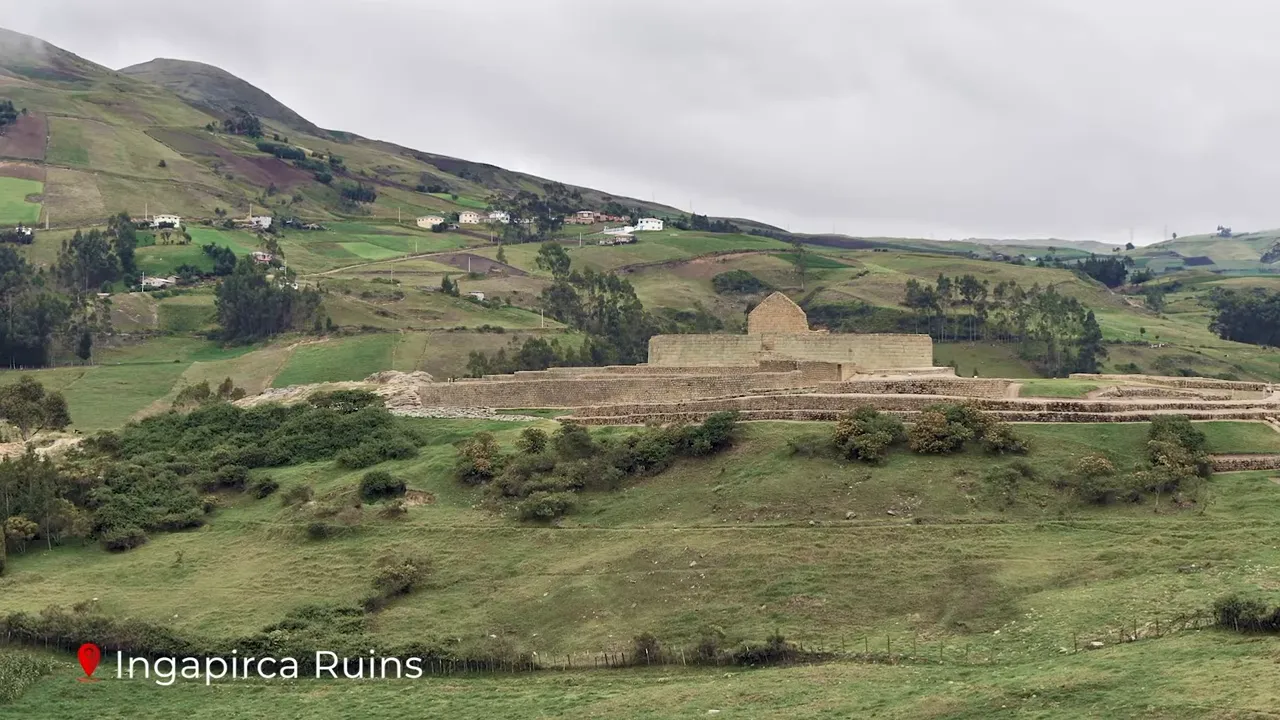
- Cayambe glacier vistas and Papallacta hot springs:
- Guayaquil’s Seminario Park iguanas:
- Sangay National Park’s wild paramo and glacial lakes:
- Ayang and Ayampe coastal scenes:
- Spondylus coastal route and sunsets: