Wonders of Korea – Hidden Beauty, Ancient Temples and Futuristic Cities
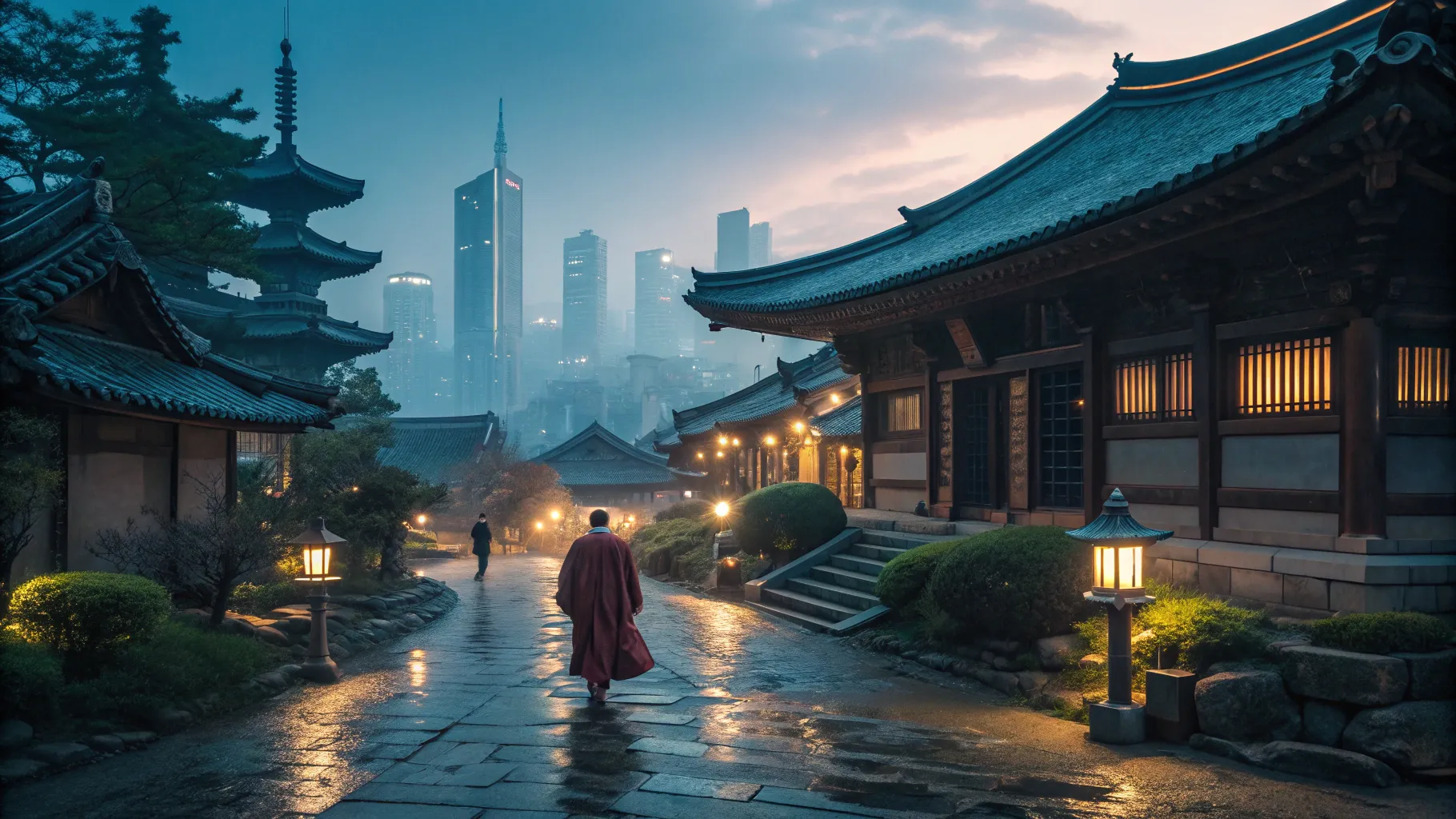
Table of Contents
- 🇰🇷 Introduction: Why South Korea Feels Like Two Worlds at Once ✨
- 🌆 Seoul: Where Past and Future Meet on Every Corner
- 🌊 Busan: A Coastal City with a Relaxed, Colorful Soul
- 🌋 Jeju Island: Volcanic Landscapes, Sunrises and Lava Caves
- 🏯 Gyeongju: An Open-Air Time Capsule of the Silla Kingdom
- ❄️ Pyeongchang: Snow-Covered Peaks and Olympic Legacy
- 🎋 Damyang: A Quiet Town of Bamboo, Tea and Slow Food
- 🏔️ Seoraksan National Park: Granite Peaks, Forest Trails and Sacred Temples
- 🎭 Andong: Korea’s Cultural Soul and Living Tradition
- 🏘️ Bukchon Hanok Village: A Living Capsule of Seoul’s Past
- 🌊 Ulleungdo: A Remote Volcanic Island of Cliffs, Trails and Silence
- 🕊️ Gwangju: Memory, Resistance and Contemporary Art
- 💞 Nami Island: Poplars, K-drama Romance and Quiet Paths
- 🧾 Quick Cultural Notes and Fascinating Curiosities
- 🧳 Practical Travel Tips: Planning, Transport, Money and Safety
- 🗺️ Suggested Itineraries: Short Trips and Deep Explorations
- 🍽️ Food Notes: Regional Specialties You Can’t Miss
- 📸 Photography and How to Capture Korea’s Contrasts
- 📚 Final Thoughts: Why Korea Should Be on Your Radar
- ❓ Frequently Asked Questions
- 🔚 Closing Notes and Where to Start
🇰🇷 Introduction: Why South Korea Feels Like Two Worlds at Once ✨
- I write this as someone who has walked neon-lit streets and quiet temple courtyards, and what struck me most is how South Korea blends the future and the past with total confidence.
- Key numbers and context:
- Population: about 51 million people in a compact territory.
- Seoul alone: nearly 10 million residents and the metropolitan region that functions as the country’s beating heart.
- GDP: over 1.7 trillion US dollars, a rapid economic rise that earned the country the label of an Asian tiger.
- What makes Korea unique in practice:
- High-tech infrastructure: some of the fastest internet speeds on the planet and modern transit systems.
- Deep traditions: palaces, hanok villages, and ancient temples remain woven into daily life.
- Food culture: kimchi fridges, markets, street food rituals and surprising regional specialties.
- How to read this guide:
- Bulleted, practical, and descriptive — so you can scan and plan fast.
- Each section includes the must-see highlights, a sense of history, local flavors, and practical tips for visiting.
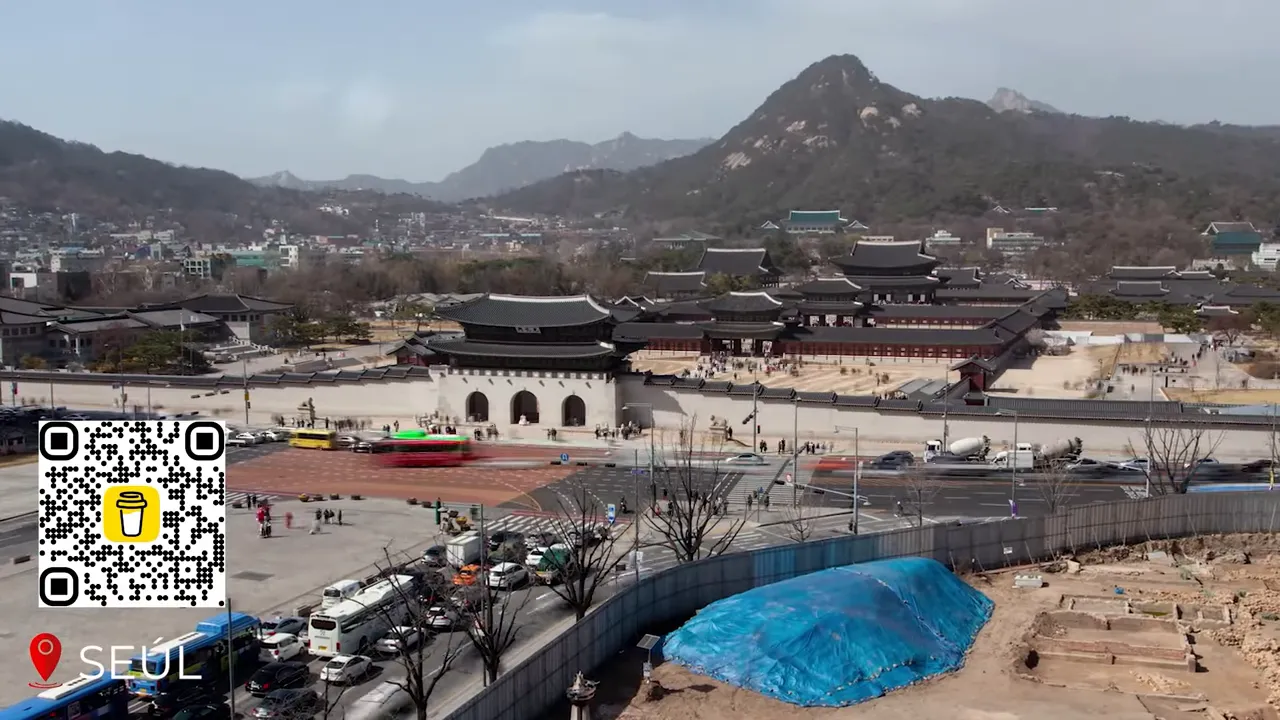
🌆 Seoul: Where Past and Future Meet on Every Corner
- Overview:
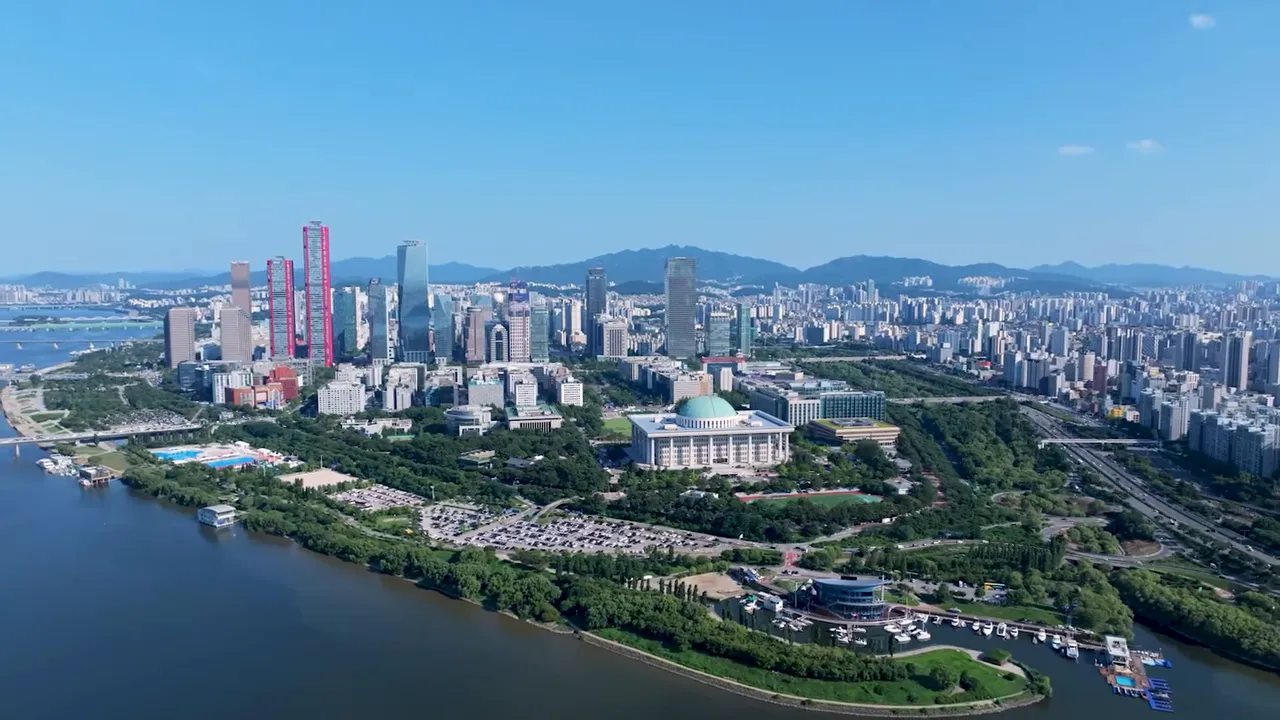
- Seoul is the epicenter of culture, technology, and history — a city of contrasts where centuries-old palaces sit in the shadow of glass towers.
- Expect electric street life in neighborhoods like Myeongdong and Gangnam, and quiet pockets of tradition in Bukchon Hanok Village.
- Main attractions and why they matter:
- Gyeongbokgung Palace
- Largest of the Joseon palaces, built in the late 14th century and an essential introduction to royal Korean architecture.
- Changing of the guard: a colorful, theatrical ceremony that feels like a time portal into the imperial era.
- Bukchon Hanok Village
- Over 900 preserved traditional hanok houses with curved roofs, inner courtyards, and narrow alleys.
- Not a frozen museum — people live here. Many hanok have been transformed into tea houses, studios, and hanbok rental shops.
- Namsan Tower (N Seoul Tower)
- Perched atop Mount Namsan for panoramic views over the city — perfect near sunset when the skyline becomes a sea of lights.
- Gangnam
- Symbolic of modern Korean wealth and youth culture: luxury boutiques, high-end clinics, and towering office blocks.
- Vibrant nightlife and an unmistakable energy; the global hit song “Gangnam Style” captured only a fraction of its fame.
- Gwangjang Market
- A sensory explosion: stalls selling bindaetteok, spicy tteokbokki, and fresh kimbap — street food culture at its richest.
- Gyeongbokgung Palace
- Street food and must-try dishes in Seoul:
- Tteokbokki — spicy rice cakes with a chewy texture and fiery sauce.
- Kimbap — rice rolls with combos of pickled vegetables, egg, and sometimes bulgogi or tuna.
- Hotteok — sweet syrup-filled pancakes sold by street vendors.
- Korean barbecue — social dining with marinated meats grilled at the table.
- Practical tips:
- Best time to visit Seoul: spring for cherry blossoms and autumn for crisp weather and colorful foliage.
- Transportation: the subway is fast, clean, and reliable; grab a T-money card for multiple modes of transit.
- Language: English signage is common in tourist areas but learning basic Korean phrases goes a long way.
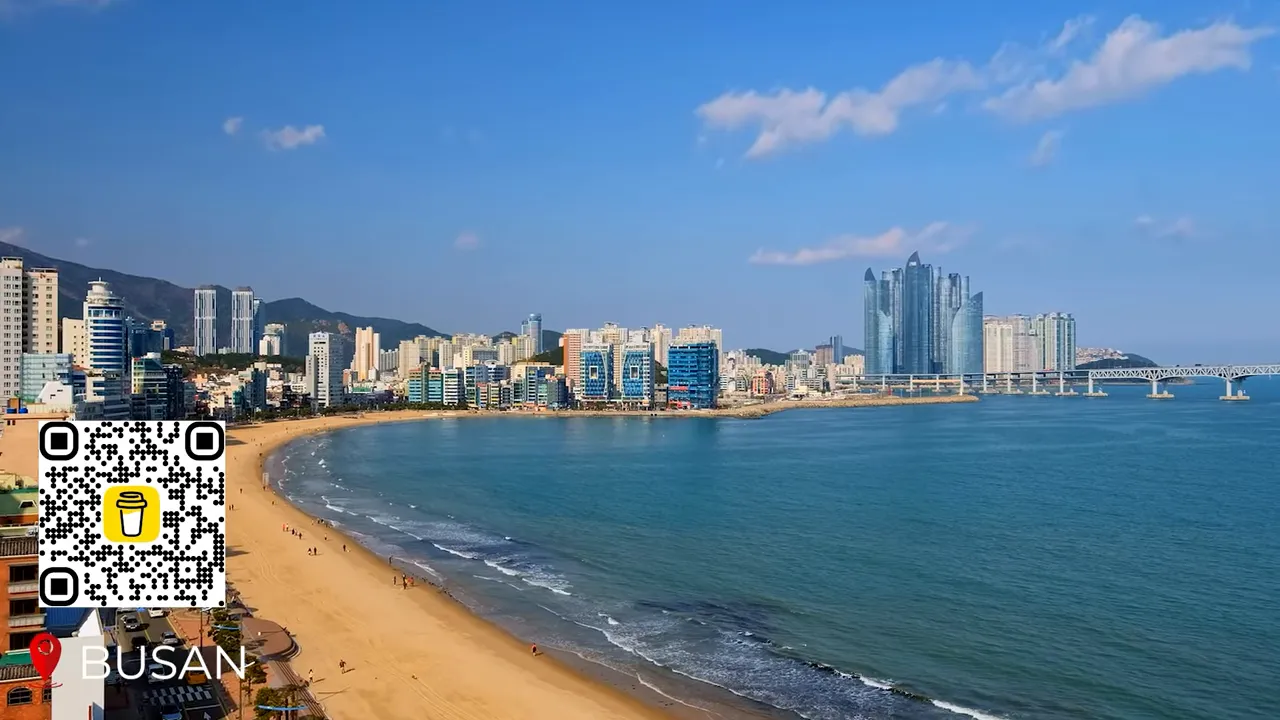
🌊 Busan: A Coastal City with a Relaxed, Colorful Soul
- Overview:
- South Korea’s second largest city, with a coastal vibe distinct from Seoul’s metropolitan rush.
- Perfect for beach days, seafood, and hillside neighborhoods bursting with art and color.
- Highlights and why to go:
- Haeundae Beach
- More than 1.5 kilometers of golden sand; a summer playground filled with parasols, live music, and sunset crowds.
- Gamcheon Culture Village
- A hillside neighborhood transformed into an open-air art gallery: stepped houses, murals, and narrow lanes to get delightfully lost in.
- Local cafes and small galleries with stunning vantage points over Busan harbor.
- Haedong Yonggungsa Temple
- One of the rare seaside Buddhist temples, built on cliffs with dramatic views where waves crash below — spectacular at sunrise.
- Haeundae Beach
- Local flavors to try in Busan:
- Hoe — Korean-style raw fish dishes with seaweed and spicy dipping sauces; Busan’s market stalls make this a must.
- Seafood stews and grilled fish enjoyed at harbor-side eateries.
- Practical tips:
- When to go: summer for beaches, spring and fall for milder weather and fewer crowds.
- Getting around: Busan’s subway and bus networks are straightforward; local ferries provide scenic coastal trips.
- Do not miss the sunrise at Haedong Yonggungsa — arrive early to avoid crowds and feel the temple’s spiritual calm.
🌋 Jeju Island: Volcanic Landscapes, Sunrises and Lava Caves
- Overview:
- A volcanic island less than an hour’s flight from the mainland that many call the Hawaii of Korea, but its personality is uniquely Jeju.
- UNESCO-recognized natural heritage, with dramatic craters, waterfalls, lava tubes, and coastal trails.
- Must-see natural wonders:
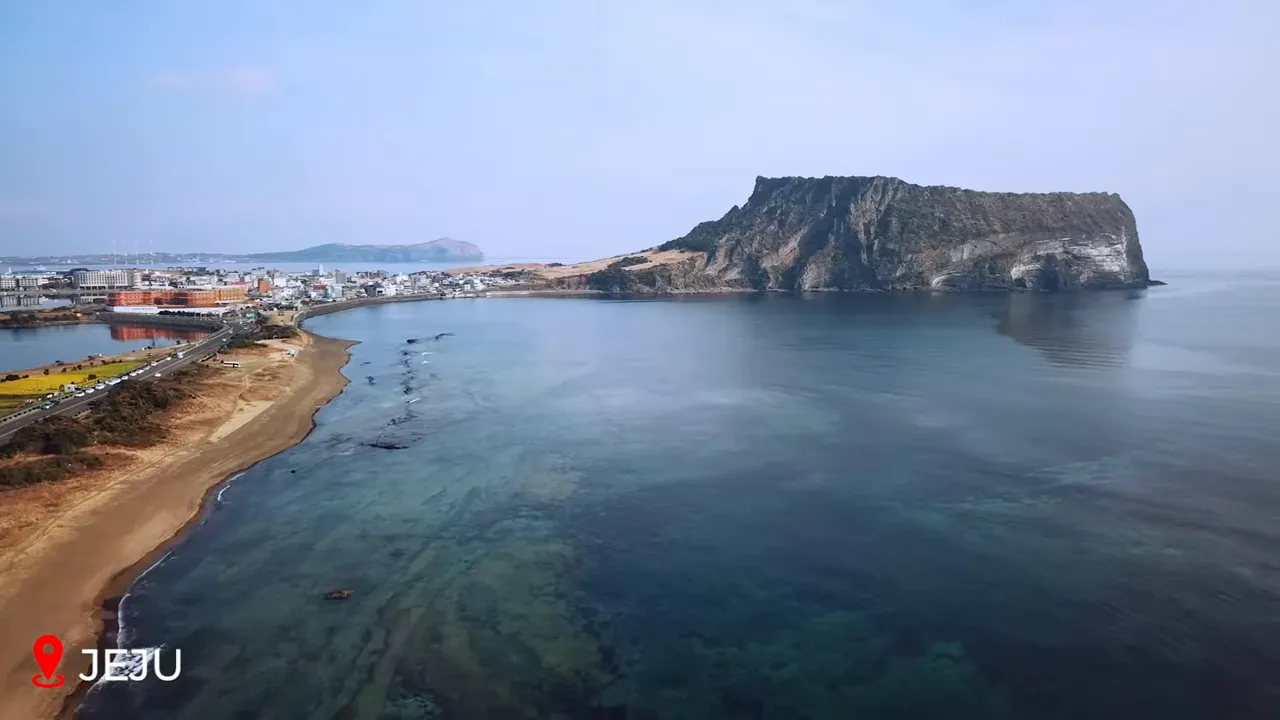
- Seongsan Ilchulbong (Sunrise Peak)
- An extinct tuff cone that rises out of the sea; formed by underwater eruptions about 5,000 years ago.
- More than 300 steps to the rim reward you with one of the island’s most famous sunrises — expect golden skies and birdsong.
- Jeongbang Falls
- One of the few waterfalls in Asia that plunges directly into the sea — the sound of crashing water and ocean spray is hypnotic.
- Manjanggul Lava Tube
- A volcanic tunnel stretching over 7 kilometers, with a portion open to visitors; otherworldly basalt columns and lava formations.
- Olle Trails
- Coastal and inland walking routes that let you explore Jeju’s varied ecosystems at a slower, more intimate pace.
- Seongsan Ilchulbong (Sunrise Peak)
- Food and culture:
- Seafood is essential on Jeju — try grilled mackerel, abalone dishes, and black pork, a Jeju specialty.
- Traditional women divers, haenyeo, have long been a cultural symbol of Jeju’s unique maritime life.
- Practical tips:
- Best time to visit: spring and autumn for good weather and fewer typhoons; sunrise at Seongsan Ilchulbong is a highlight.
- Renting a car makes exploring the island’s more remote spots easier, though buses and tours are available.
- Bring layers — coastal winds can be brisk even on sunny days.
🏯 Gyeongju: An Open-Air Time Capsule of the Silla Kingdom
- Overview:
- Gyeongju was the capital of the Silla Kingdom for nearly a thousand years — walking here is like moving through an outdoor museum of Korean history.
- Expect temples, stone pagodas, royal tombs and a calm, reflective pace that honors the past.
- Top historical sites:
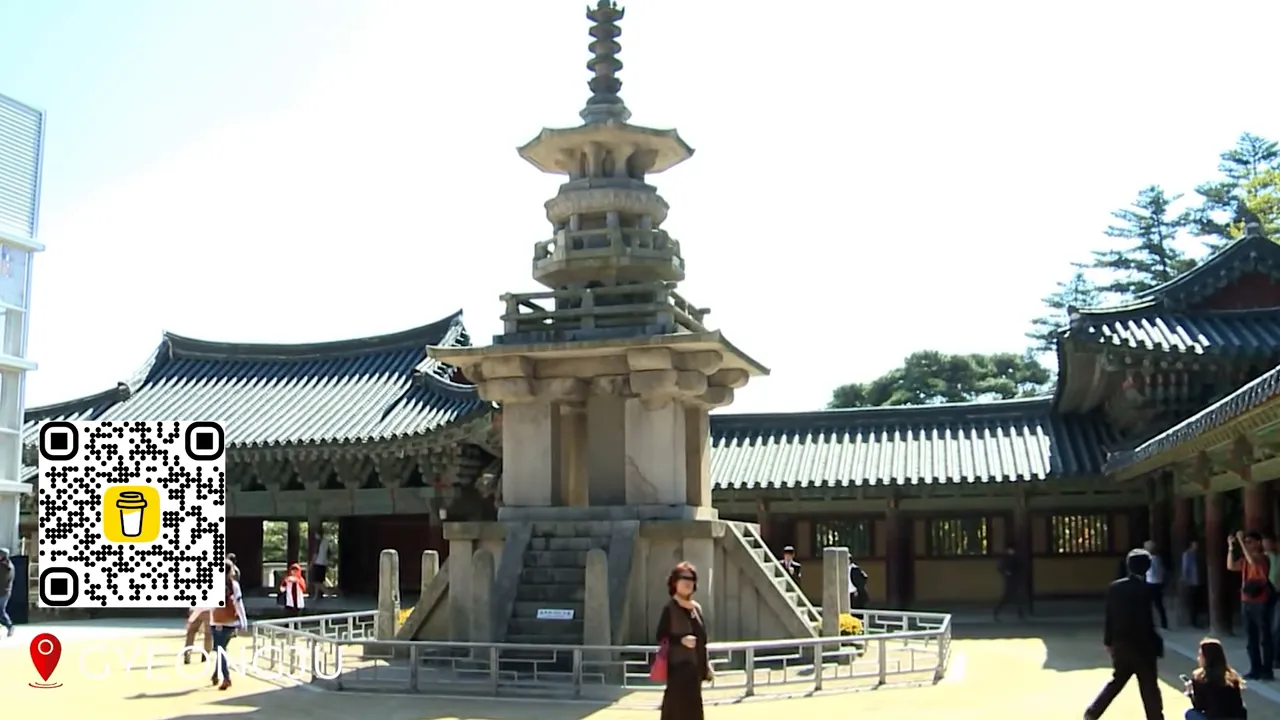
- Bulguksa Temple
- A UNESCO World Heritage Site and an 8th-century jewel of Buddhist architecture; stone pagodas Dabutap and Seokgatap are masterpieces more than 1,200 years old.
- Every architectural detail carries deep symbolism and a serene aesthetic that rewards slow observation.
- Seokguram Grotto
- A hilltop grotto housing a magnificent seated Buddha carved from white granite; aligned with the sunrise on specific lunar dates — an example of ancient mathematical precision and spiritual design.
- Royal Tombs (Tumuli)
- Grass-covered burial mounds of Silla kings and nobles in complexes like Daereungwon; some have chambers open to visitors showing artefacts over 1,500 years old.
- Bulguksa Temple
- Why Gyeongju stands apart:
- Continuity of place: the city is small enough to explore on foot or by bike, and its sites are often set in parks or quiet hills, making history feel immediate rather than curated.
- Good match for travelers seeking slow cultural immersion rather than rushed sightseeing.
- Practical tips:
- Best times: spring blossoms and autumn foliage enhance temple visits; summer can be hot but yields vibrant green landscapes.
- Combine Gyeongju with a visit to nearby Busan or Daegu in a multi-stop itinerary.
- Expect respectful silence in temples; wear modest clothing and remove shoes where required.
❄️ Pyeongchang: Snow-Covered Peaks and Olympic Legacy
- Overview:
- Mountainous Gangwon Province hosts Pyeongchang — a winter sports hub that gained global attention during the 2018 Winter Olympics.
- It offers skiing, snowboarding, ice festivals and dramatic alpine landscapes.
- Main attractions:
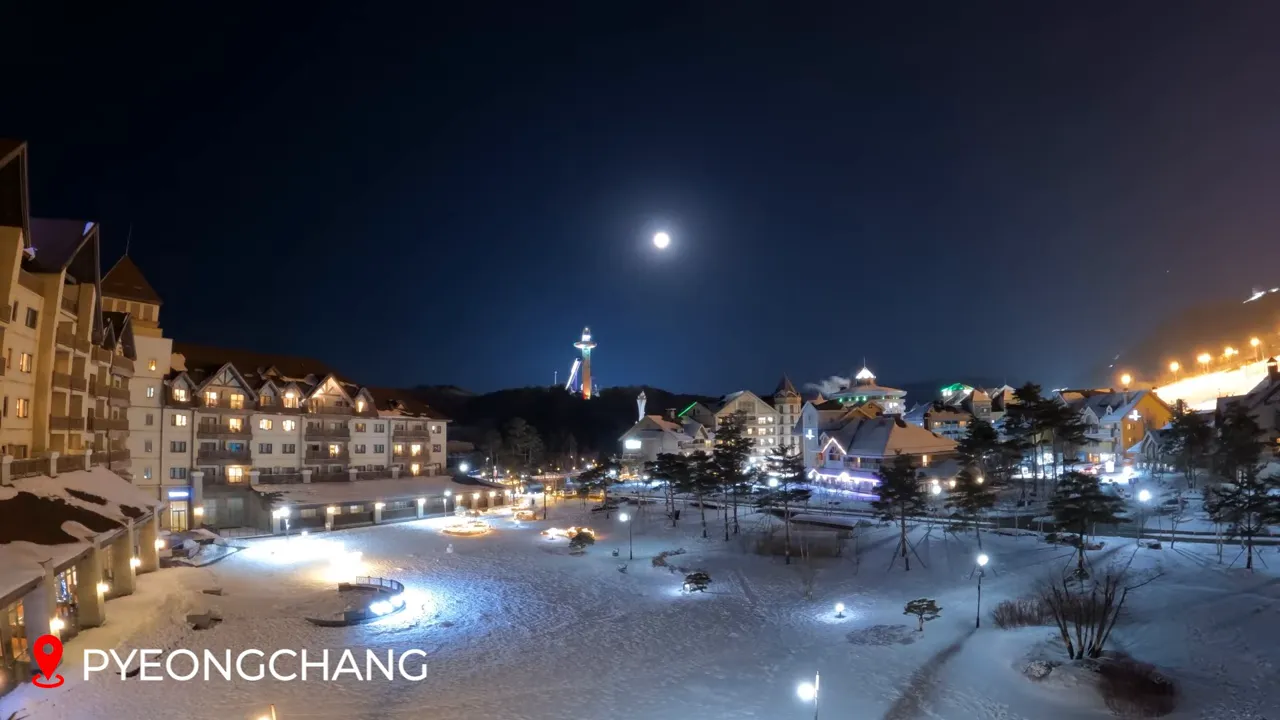
- Alpensia Resort
- Built for the Olympics with modern facilities, varied slopes, and a ski jump that doubles as a viewpoint for panoramic photos.
- Yongpyong Resort
- South Korea’s largest ski area with more than 30 slopes and 15 ski lifts — ideal for families and serious skiers alike.
- Ice Fishing Festivals
- A seasonal tradition: tents dot frozen lakes, where you can fish for trout, eat warm stews, and enjoy local winter activities.
- Alpensia Resort
- Local food ties to winter:
- Hwangtae gui — dried pollack cured in freezing winter air and then grilled to warm you inside and out; a local comfort food.
- Practical tips:
- When to go: winter months for snow sports; late winter for festivals and still fewer crowds.
- Gear: resorts rent skis and boards; bring thermal layers and waterproof outerwear.
- Apres-ski: try local noodle soups and rice dishes to recover after a cold day on the slopes.
🎋 Damyang: A Quiet Town of Bamboo, Tea and Slow Food
- Overview:
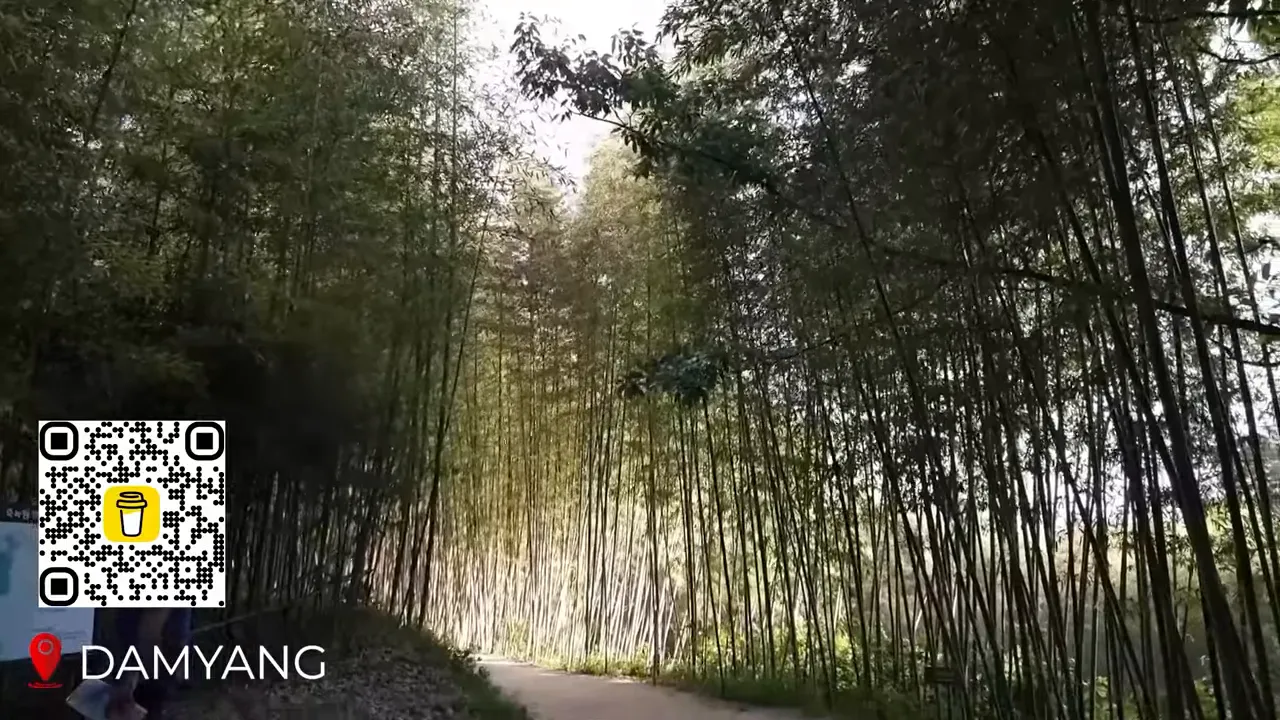
- Damyang is a green, contemplative destination best known for Juknokwon, a bamboo grove that transports you into a different pace altogether.
- Ideal for a peaceful half-day or day trip when you want to cool off from city life.
- Key experiences:
- Juknokwon Bamboo Garden
- Paths weave through towering bamboo stalks, some over 20 meters tall; the soundscape is dominated by wind through leaves rather than city noise.
- There are pavilions to rest, tea houses to sip local brews, and wooden bridges that frame photographic moments.
- Bamboo cuisine
- Daetongbap — rice steamed inside bamboo tubes with chestnuts, beans, and mushrooms; an aromatic and earthy local specialty that embodies Damyang’s connection to the grove.
- Juknokwon Bamboo Garden
- Practical tips:
- Best time: summer for natural cooling under bamboo; autumn for contrasting golden leaves.
- Combine with nearby rural hikes and small-temple visits for a relaxed cultural day.
🏔️ Seoraksan National Park: Granite Peaks, Forest Trails and Sacred Temples
- Overview:
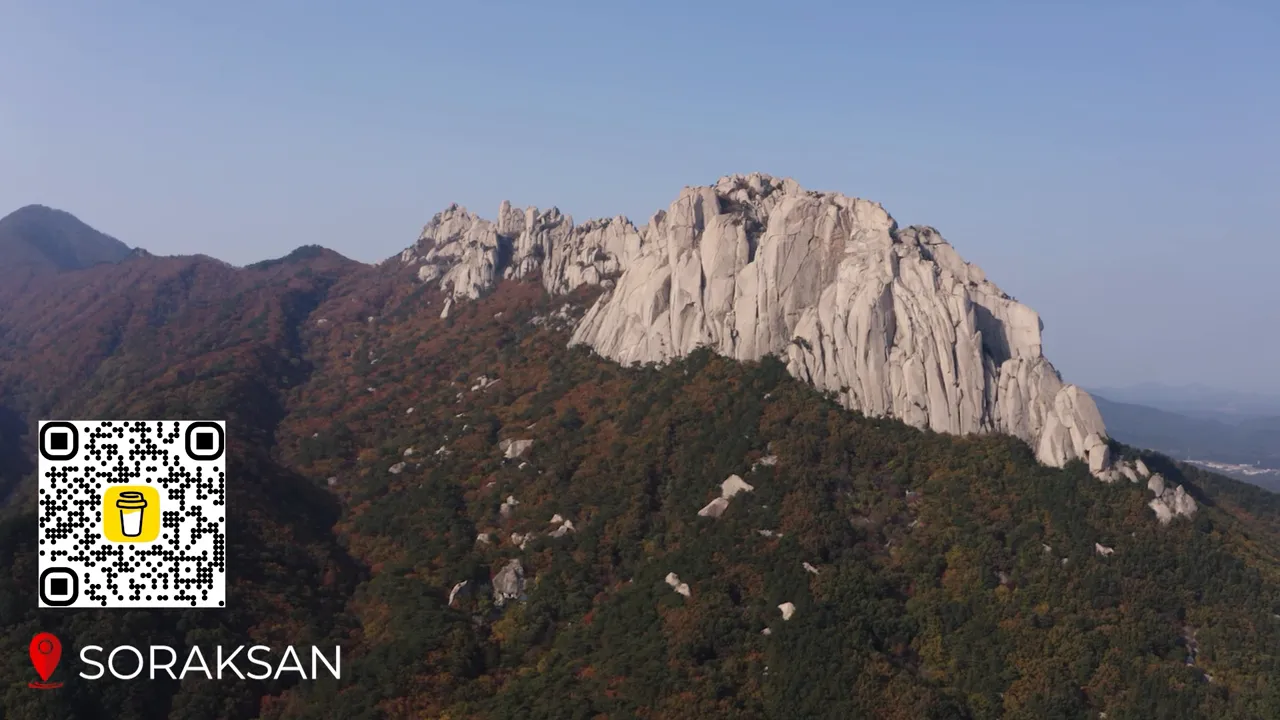
- Seoraksan (also spelled Siorak San) is one of South Korea’s most dramatic natural parks, rising in jagged granite peaks veiled in morning mist.
- Designated a UNESCO biosphere reserve, it hosts remarkable biodiversity and spiritual sites set within wild beauty.
- Why Seoraksan is unforgettable:
- Ecology: home to more than 1,000 plant species and about 1,500 animal species, including the elusive Asiatic black bear in remote zones.
- Hiking: trails range from gentle valley walks to demanding climbs to peaks such as Daecheongbong over 1,700 meters high.
- Colors: autumn is a particularly famous season when reds, oranges and yellows paint the slopes and valleys.
- Temples: Sinheungsa sits in the park’s heart with a massive bronze Buddha statue over 10 meters tall — a contrast of sacred calm against rugged peaks.
- Practical tips:
- Best seasons: autumn is peak for colors; late spring has wildflowers and clear trails.
- Bring sturdy hiking shoes and layers; mountain weather changes quickly.
- Start early to avoid crowds on popular trails and capture misty morning light.
🎭 Andong: Korea’s Cultural Soul and Living Tradition
- Overview:
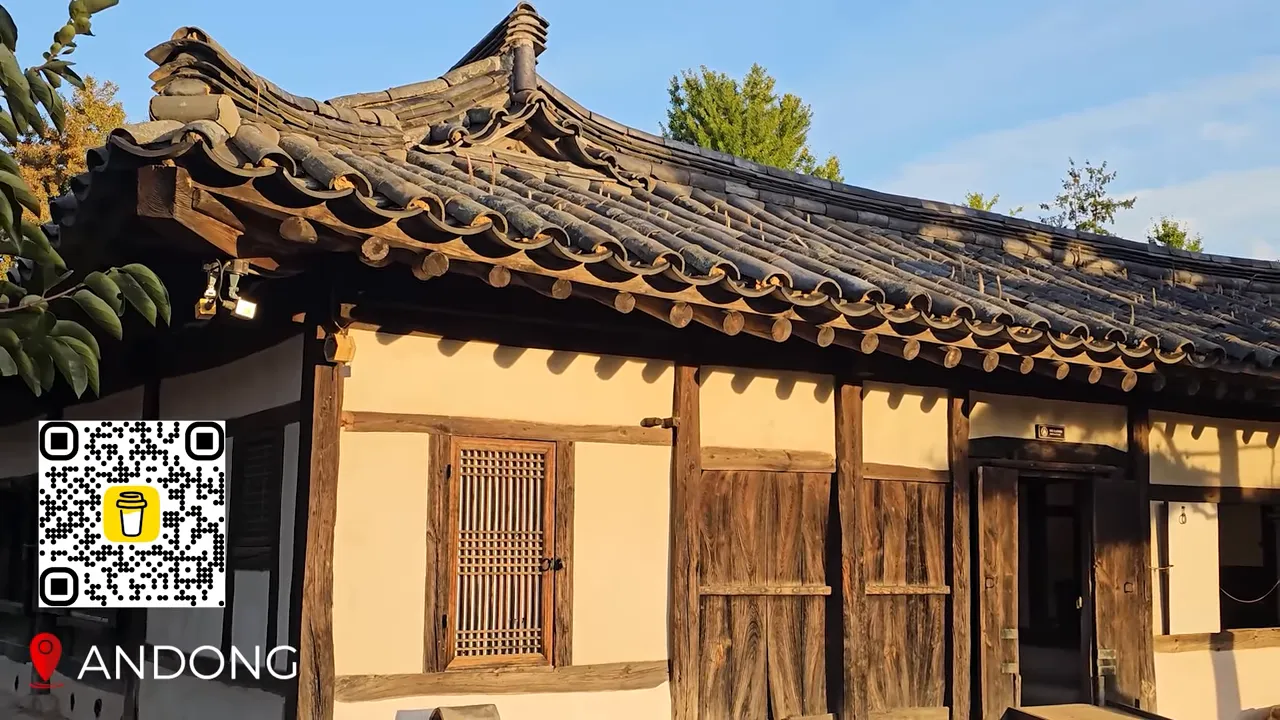
- Andong preserves Korea’s traditional spirit in lively, living forms. It is widely regarded as the cultural soul of the country.
- The pace here is slower, giving space to ritual, folk art, and centuries-old traditions.
- Key cultural sites and experiences:
- Hahoe Folk Village
- Continuously inhabited for over 600 years, Hahoe preserves classic hanok architecture with courtyards, wooden beams, and stone walls — a living heritage site.
- Mask Dance (Hahoe Byeolsingut Talnori)
- An ancient mask dance rooted in shamanic ritual and satire, still performed with carved masks that depict archetypal figures such as corrupt nobles and cunning peasants.
- Every autumn, the International Mask Dance Festival brings performances, parades, and workshops for visitors.
- Hahoe Folk Village
- Why visit Andong:
- It’s ideal for travelers who want to see traditional village life that is not only preserved but lived — homes, local festivals, and communal rituals.
- Works well as a cultural day trip from more urban hubs or as a stop on a deeper historical route through the southeast.
- Practical tips:
- Attend the mask dance festival in autumn to witness full cultural immersion.
- Taste local Andong jjimdak — a hearty braised chicken stew that is a regional favorite.
🏘️ Bukchon Hanok Village: A Living Capsule of Seoul’s Past
- Overview:
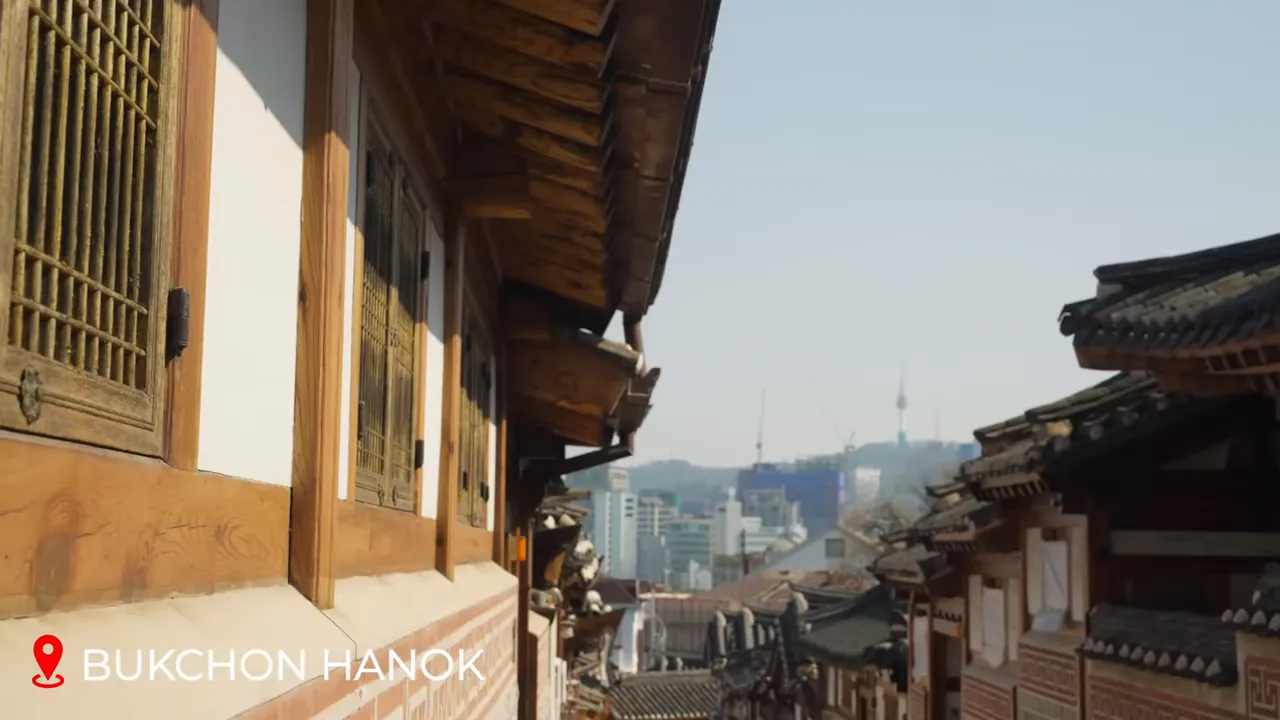
- Positioned between two royal palaces in central Seoul, Bukchon is an intimate neighborhood where history is woven into daily life.
- More than 900 hanok houses populate its alleys — many are residential, others are studios, galleries, or tea houses.
- What to see and feel:
- Wandering the narrow lanes reveals everyday scenes: laundry, tea aromas, elderly residents, and small artisan workshops.
- Higher vantage points show waves of tiled roofs framed by modern skyscrapers — a literal contrast of old and new.
- Hanbok rentals let visitors step into traditional dress for photos and a fuller sense of historical immersion.
- Practical tips:
- Be respectful: Bukchon is a lived neighborhood, so keep noise low and be mindful when photographing.
- Visit early morning or late afternoon to avoid peak crowds and capture softer light for photos.
🌊 Ulleungdo: A Remote Volcanic Island of Cliffs, Trails and Silence
- Overview:
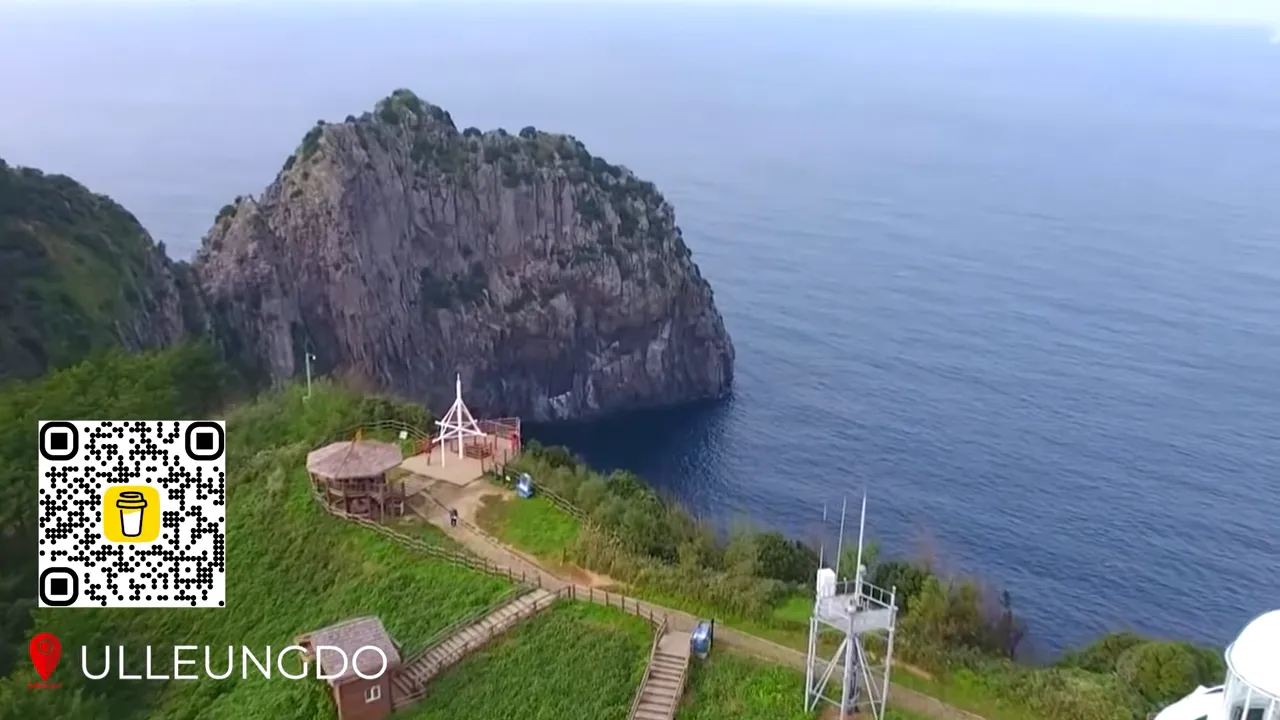
- About 120 kilometers off the east coast lies Ulleungdo — a volcanic island far less explored and perfect for travelers seeking solitude and raw nature.
- With under 10,000 residents, the island feels like a natural retreat where modern pressures fade and nature dominates.
- Main attractions:
- Haengnam Coastal Trail
- A cliffside path with views of wind-sculpted rock formations, sea arches and dramatic coastal drops.
- Seonginbong Peak
- The island’s highest mountain at 984 meters offering panoramic views of ocean and cliffs. Autumn transforms the slopes into a palette of warm hues.
- Dodong Port
- The island’s main port retains a small-village atmosphere with family-run restaurants serving fresh ho — raw fish dressed with seaweed sauces and spices.
- Haengnam Coastal Trail
- Why Ulleungdo is special:
- It is an antidote to urban life: limited nightlife, abundant birdsong, and the sense that every bit of the island is part of an intimate ecosystem.
- Great for hiking, photography, and unplugging from screens.
- Practical tips:
- Getting there: ferries from the mainland are the usual option, weather permitting — plan schedules carefully.
- Bring cash and respect local rhythms: services can be limited compared to cities.
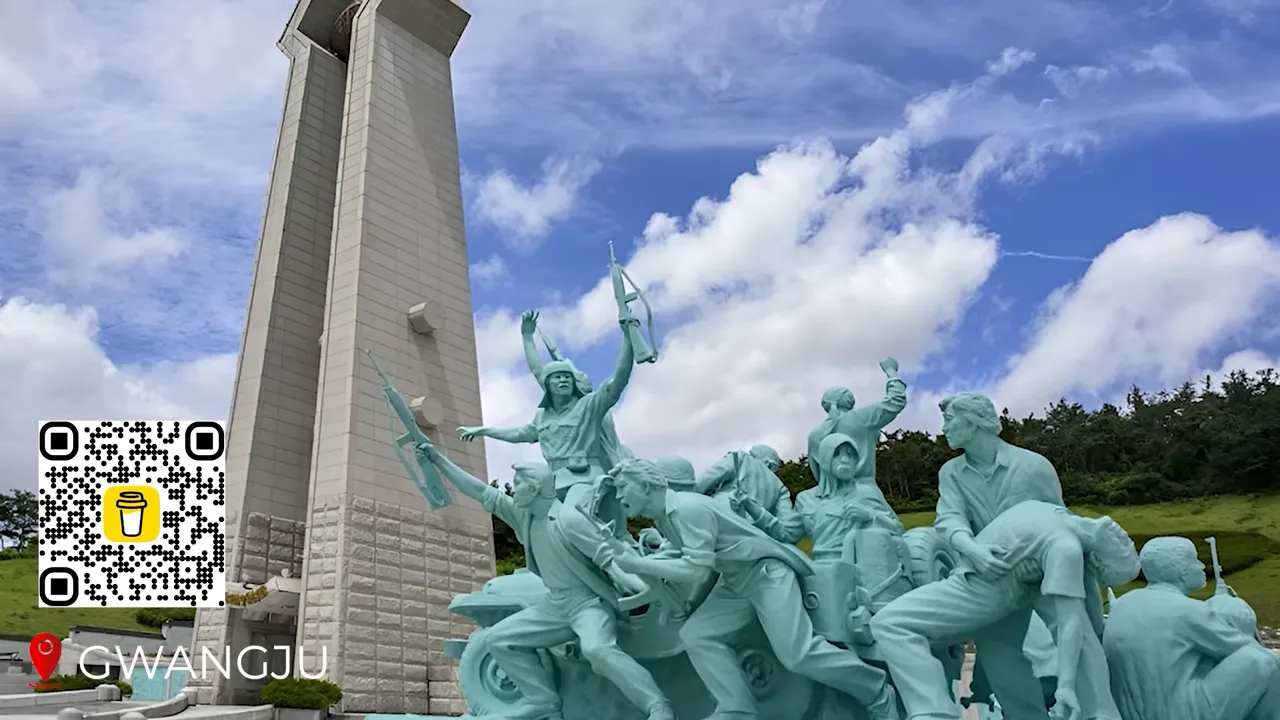
🕊️ Gwangju: Memory, Resistance and Contemporary Art
- Overview:
- Gwangju carries recent history in every corner — a city of resistance, reflection, and a vibrant contemporary arts scene.
- Essential sites:
- Gwangju Uprising Memorial and National Cemetery
- A sober and moving place commemorating citizens who fought for democracy in May 1980; visiting here is an emotional encounter with modern Korean history.
- Asia Culture Center
- A modern cultural complex mixing exhibitions, concerts and interactive programs designed to connect artists across Asia — the building itself is architecturally compelling with hanging gardens and public terraces.
- Alternative arts neighborhoods
- Independent galleries, murals, and cafes that serve as creative hubs — Gwangju is a city where culture functions as both memory and critique.
- Gwangju Uprising Memorial and National Cemetery
- Why Gwangju matters:
- It is an example of how places can transform tragedy into cultural energy, offering visitors both solemn reflection and inspiring contemporary creativity.
- Practical tips:
- Combine museum visits with neighborhood walks to understand the city’s layered identity.
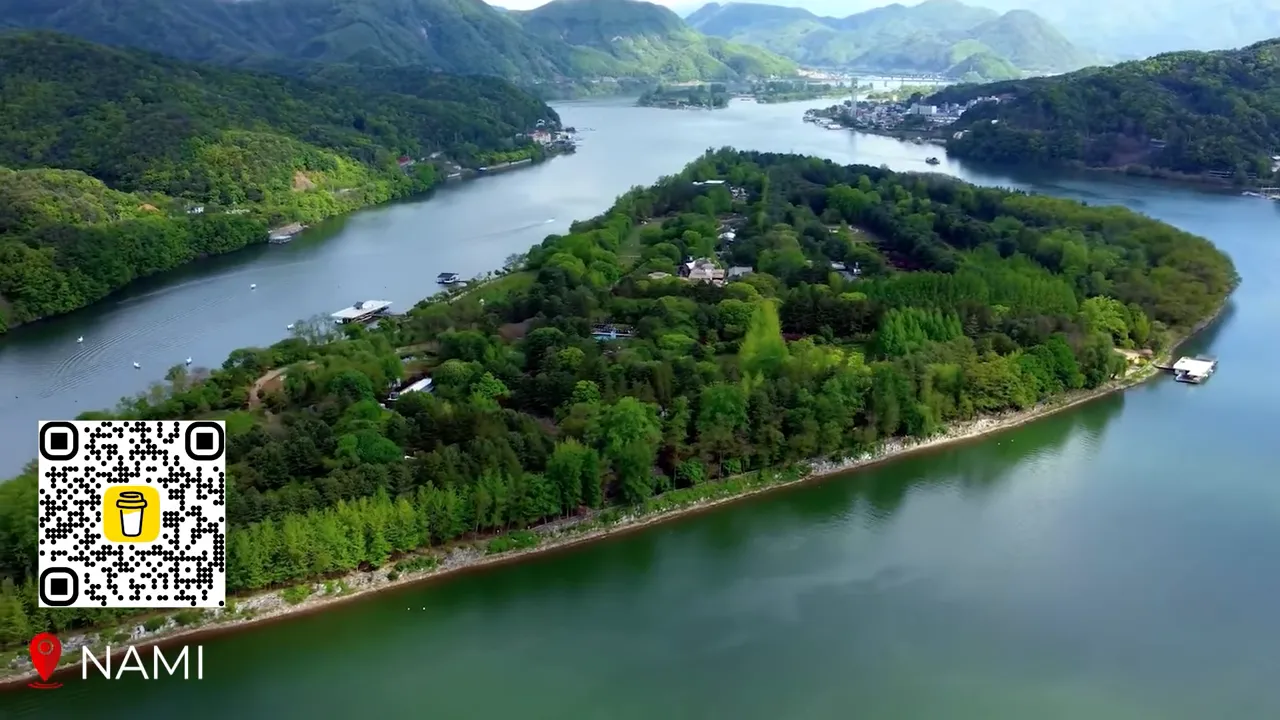
💞 Nami Island: Poplars, K-drama Romance and Quiet Paths
- Overview:
- Nami Island is a small, half-moon shaped river island that became emblematic of modern Korean romance after the filming of a famous TV drama in 2002.
- Its intimate trails and poplar-lined avenues create scenes that feel cinematic and meditative at the same time.
- What to do on Nami Island:
- Walk the poplar and ginkgo tree avenues
- In autumn, these paths become tunnels of color; in other seasons they are tranquil promenades ideal for photos and slow conversation.
- Hire tandem bikes, enjoy picnic spots, and explore open-air sculptures and ecological exhibits that combine art with the landscape.
- Visit the memorial to General Nami
- The island is named after a 15th-century military officer whose symbolic gravesite sits tucked among the trees.
- Walk the poplar and ginkgo tree avenues
- Practical tips:
- How to get there: a short train and ferry from Seoul make this a perfect day trip. The ferry crossing is part of the experience.
- Best time: autumn for color, but the island has charm year-round and is especially delightful for couples and photographers.
🧾 Quick Cultural Notes and Fascinating Curiosities
- Curiosities you will notice almost immediately:
- South Korea has some of the fastest internet speeds in the world — streaming, maps, and instant translations become effortless.
- Traditional age reckoning: by a common cultural system, newborns start as one year old and everyone adds a year on Lunar New Year — an interesting difference from western age counting.
- Plastic surgery prevalence: Korea is a global leader in cosmetic surgeries per capita, reflecting different cultural attitudes toward beauty and appearance.
- Kimchi culture: kimchi is central to the Korean table; many households have a dedicated fridge to store this fermented staple.
- Etiquette essentials:
- Use both hands when giving or receiving items like drinks or business cards as a sign of respect.
- Bow lightly or nod when thanking; full formal bows are reserved for very respectful contexts.
- Remove shoes when entering traditional homes, and in many temple buildings.
- Be mindful of quiet zones like temples and memorials where reverence and silence are expected.
- Language and communication:
- Hangul (the Korean alphabet) is efficient and logical — using it for signage helps, and basic phrases will open doors.
- English is commonly understood in tourist settings; in more rural areas, gestures and kindness work well.
🧳 Practical Travel Tips: Planning, Transport, Money and Safety
- When to visit:
- Spring (April to June) for cherry blossoms and mild weather.
- Autumn (September to November) for clear skies and spectacular foliage.
- Summer is beach season in Busan and Jeju but expect crowds and humidity.
- Winter is excellent for snow sports in Pyeongchang and crystal-clear mountain air in Seoraksan.
- Transport:
- Domestic flights are short and frequent to Jeju and farther islands; book early for peak seasons.
- Trains and KTX high-speed rail connect major cities quickly and comfortably — Seoul to Busan is only a few hours on KTX.
- Subways in major cities are the fastest way to move around; purchase a reloadable transport card for convenience.
- Money and costs:
- Korean won is used everywhere; credit cards are widely accepted but carry small change and cash for markets and remote areas.
- Budgeting tips:
- Street food and markets are affordable and delicious.
- Midrange hotels and guesthouses offer great value; luxury options are available in Gangnam and seaside resorts.
- Health, safety and access:
- South Korea is generally safe with low street crime; standard travel precautions apply.
- Travel insurance is recommended, especially when planning winter sports or island trips where weather can impact itineraries.
- Emergency numbers and hospital care in major cities are reliable; carry prescriptions and bring necessary medical supplies for remote trips.
- Packing checklist:
- Comfortable walking shoes, layered clothing, universal power adapter, lightweight rain jacket, and a compact daypack.
- Season-specific gear: ski clothing for Pyeongchang, swimwear for Busan and Jeju, hiking boots for Seoraksan.
🗺️ Suggested Itineraries: Short Trips and Deep Explorations
- 3-Day Seoul Focus
- Day 1: Gyeongbokgung Palace, Bukchon Hanok, Insadong tea streets, and evening view from Namsan Tower.
- Day 2: Myeongdong street food, Gwangjang Market, and Gangnam nightlife.
- Day 3: Day trip to Nami Island or cultural museums like the National Museum of Korea.
- 7-Day Mixed Korea
- Day 1-3: Seoul deep dive (palaces, markets, Bukchon and Gangnam).
- Day 4: Train to Busan for beach afternoon and Gamcheon Culture Village.
- Day 5: Sunrise at Haedong Yonggungsa, seafood markets, evening KTX to Gyeongju.
- Day 6: Gyeongju historical sites, Bulguksa and Seokguram.
- Day 7: Return to Seoul or fly to Jeju for a day or two of volcanic landscapes.
- 10-14 Day Immersive Route
- Start in Seoul, then Busan, Gyeongju, Andong, Seoraksan, Pyeongchang for winter sports or hiking, Damyang for bamboo forests, Ulleungdo or Jeju for island time, and finish with Gwangju’s culture and Nami Island on the way out.
- Island-heavy week
- Fly into Jeju for three days, then return to the mainland for a ferry to Ulleungdo if schedules match, or focus exclusively on Jeju’s many trails and coasts.
🍽️ Food Notes: Regional Specialties You Can’t Miss
- General culinary landscape:
- Korean cuisine is communal, fermented and often spicy — sauces, pickles and banchan (side dishes) create a rich table experience.
- Eating is a social ritual, so expect to share plates and enjoy multiple small dishes with any meal.
- Signature dishes by place:
- Seoul: street food varieties, kimbap, Korean barbecue, and modern fusion cafes.
- Busan: fresh hoe and grilled seafood near the harbor.
- Jeju: black pork and abalone, seafood stews.
- Damyang: daetongbap (bamboo rice).
- Pyeongchang: hwangtae gui (dried pollack grilled), warming soups and mountain cuisine.
- Gyeongju: temple-inspired vegetarian dishes and local rice cakes.
- Food etiquette:
- Wait for elders to begin eating in family settings and say matsuhabnida (phrase of thanks or enjoy the meal) when appropriate.
- Chopsticks are common; in some settings, spoon and chopstick combinations are used together.
📸 Photography and How to Capture Korea’s Contrasts
- Tips for memorable photos:
- Golden hour is your friend: sunrise at Seongsan Ilchulbong, sunrise at Haedong Yonggungsa, and sunset over Haeundae or Namsan Tower light up scenes beautifully.
- Use wide-angle lenses for temple courtyards and narrow alleys like Bukchon and Gamcheon; telephoto lenses help isolate pagodas or mountain peaks.
- Street food stalls and markets like Gwangjang are rich in candid moments — aim for close crops of hands and textures.
- Respectful photography:
- At temples and memorials, be mindful of worshippers and maintain a respectful distance.
- In residential hanok villages, ask permission if you want an up-close portrait or to enter private courtyards.
📚 Final Thoughts: Why Korea Should Be on Your Radar
- South Korea is not easily summed up. It is an experience of contrasts: a place where the fastest internet meets centuries-old rituals, where neon nights follow meditative dawns, and where food is both comfort and ceremony.
- What you take away will depend on your path:
- For city lovers: Seoul and Busan deliver endless energy and culinary variety.
- For culture seekers: Gyeongju, Andong and Bukchon place history in living form.
- For nature lovers: Jeju, Seoraksan, Ulleungdo and Damyang offer landscapes unique even within Asia.
- My invitation to you:
- See the places that matched your imagination and the ones that surprised you most.
- Bring curiosity, comfortable shoes, and an appetite for food and history.
❓ Frequently Asked Questions
What is the best time of year to visit South Korea?
Spring (April to June) and autumn (September to November) are broadly the most pleasant: spring brings cherry blossoms and mild temperatures while autumn offers crisp air and spectacular foliage. Summer is hot and humid but ideal for beaches, and winter provides excellent cold-weather sports and beautiful snowy mountain landscapes, particularly in Pyeongchang and Seoraksan.
Is South Korea expensive to travel in?
Costs vary widely. Street food and local markets are highly affordable, while luxury hotels and upmarket dining in districts like Gangnam can be expensive. Midrange accommodations, public transport, and regional buses or trains offer very good value. Budgeting depends on your travel style but a balanced midrange budget will handle daily food, transit, and comfortable lodging.
How easy is it to get around between cities?
Very easy. South Korea has an excellent transport network: KTX high-speed trains connect major cities quickly, domestic flights handle island routes (like Jeju), and intercity buses reach most towns. Within major cities, subways are frequent and user-friendly, and a rechargeable transportation card simplifies travel.
Do I need a visa to visit South Korea?
Visa requirements depend on your nationality. Many countries have visa exemption programs allowing short-term tourism stays. Always check the official government immigration website or your local consulate before traveling to confirm the current rules and any eVisa options.
Is English widely spoken?
English is commonly understood in tourist hotspots, hotels, and major transit hubs, but not everywhere. Learning a few basic Korean phrases or using translation apps will enhance your experience, especially in rural areas and small local establishments.
What are some respectful cultural etiquette tips?
Use both hands when giving or receiving items, be quieter in temples and memorials, remove shoes where required, and follow rules in sacred spaces. When eating with locals, let elders begin or serve themselves if you are in a family setting. Showing respect and modest curiosity goes a long way.
Are there any health concerns or vaccinations needed?
No specific vaccinations are required for most visitors, but routine vaccinations should be current. If you plan remote hiking or long stays, consult your healthcare provider for personalized advice and ensure you have travel insurance. Tap water is generally safe in cities but bottled water is typical for travelers.
What travel gear should I bring?
Compact daypack, comfortable walking shoes, layers for changing weather, phone charger and adapters, a reusable water bottle, and season-specific gear (swimwear for summer, winter thermals for ski trips). A portable Wi-Fi device or a data plan helps with maps and instant translations.
Can I experience traditional culture in modern cities?
Absolutely. Places like Bukchon Hanok Village and Gyeongbokgung in Seoul offer living traditions within the urban environment. Andong and Gyeongju provide deeper immersion, but even Seoul has tea houses, hanbok rentals, traditional markets and temples nestled among skyscrapers.
Are credit cards widely accepted?
Credit and debit cards are accepted in most urban shops, hotels, and restaurants, but smaller markets, rural vendors, and some island businesses may prefer cash. Carry some local currency for small purchases and remote locations.
🔚 Closing Notes and Where to Start
- If you are making your first trip, start in Seoul for city contrast and choose 1 or 2 regions for deeper exploration — Busan for coasts, Jeju for volcanic landscapes, or Gyeongju and Andong for pure cultural immersion.
- Bring a mix of curiosity and respect: South Korea rewards travelers who notice the little rituals, the flavors, and the ways modern life and ancient traditions coexist.
- Pack well, plan a few must-sees, and leave time for unplanned discoveries — the best moments often come from wandering market alleys, sunrise walks at temples, or quiet island cliffs.
Which of these places inspired you most? If you could plan one trip right now, where would you go first and why? Dream big and start sketching your route — Korea is waiting with open arms and countless stories.