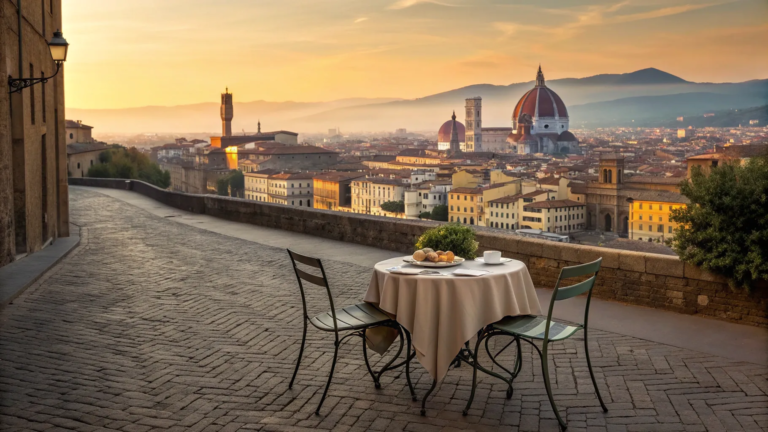
Most Beautiful Winter Places in Europe | 4K Travel Guide
A continent of stone, steam and stars—Europe in winter reveals a side of itself that only the cold can coax out. Snow softens the loud edges of cities, thermal waters release clouds of warmth into frosty air, and centuries of architecture glow beneath festive lights. Below is a practical, atmospheric and highly scannable guide to the most magical winter destinations across Europe. Each entry focuses on what makes the place unique in winter, what to do, local flavours to try and smart tips to help you experience the season like a traveller who knows the continent’s quieter, deeper pleasures.
Table of Contents
- ❄️ Italy — The Dolomites: cathedral-like cliffs and pastoral snow
- ⛪ Bulgaria — Sofia: ancient layers under a winter veil
- ♨️ Hungary — Budapest: thermal rivers and steamy nights
- 🏔️ Austria — The Alps and Salt Regions: glaciers, traditions and quiet villages
- 🏛️ Romania — Bucharest: resilience, architecture and winter noir
- 🏰 Russia — St Petersburg: imperial palaces and canal ice
- ⛰️ Switzerland — The Swiss Alps: precision, luxury and high-altitude views
- 🕍 Russia — Moscow: palatial stations and dramatic winter scenes
- 🇫🇮 Finland — Helsinki: islands, saunas and winter light
- 🏔️ France — The French Alps: Mont Blanc and mountain culture
- 🏰 Estonia — Tallinn: medieval charm and digital modernity
- 🍷 France — Alsace: Strasbourg, Colmar and storybook winters
- 🎼 Austria — Vienna: imperial art, coffeehouses and festive glow
- 🎅 Finland — Rovaniemi, Lapland: Santa, Sami culture and auroras
- 🚲 Netherlands — Amsterdam: canals, museums and winter light
- ⛪ Czech Republic — Prague: Gothic spires and candlelit markets
- 🍺 Germany — Munich: Bavarian traditions and alpine access
- 🇵🇱 Poland — Kraków & Zakopane: medieval squares and Tatra highs
- 🌍 Switzerland — Geneva: diplomacy and alpine gateways
- 🌞 Spain — Barcelona: mild winters and cultural calm
- 🏙️ Switzerland — Zurich: culture, chocolate and winter markets
- ⛷️ Austria — Innsbruck: imperial facades framed by peaks
- 🚤 Belgium — Bruges: canals, chocolate and tranquil winter streets
- 🎶 Austria — Salzburg: Mozart, baroque streets and Alpine snow
- 🌌 Iceland — Reykjavik: northern lights, geothermal warmth and short winter days
- 🗺️ Summary: why winter is Europe’s most revealing season
- 🧰 Practical winter-travel checklist
- 📸 Recommended photo moments
- 🧭 Suggested winter itineraries (7–14 days)
- ❓ Frequently Asked Questions
- 🎒 Final thoughts
❄️ Italy — The Dolomites: cathedral-like cliffs and pastoral snow
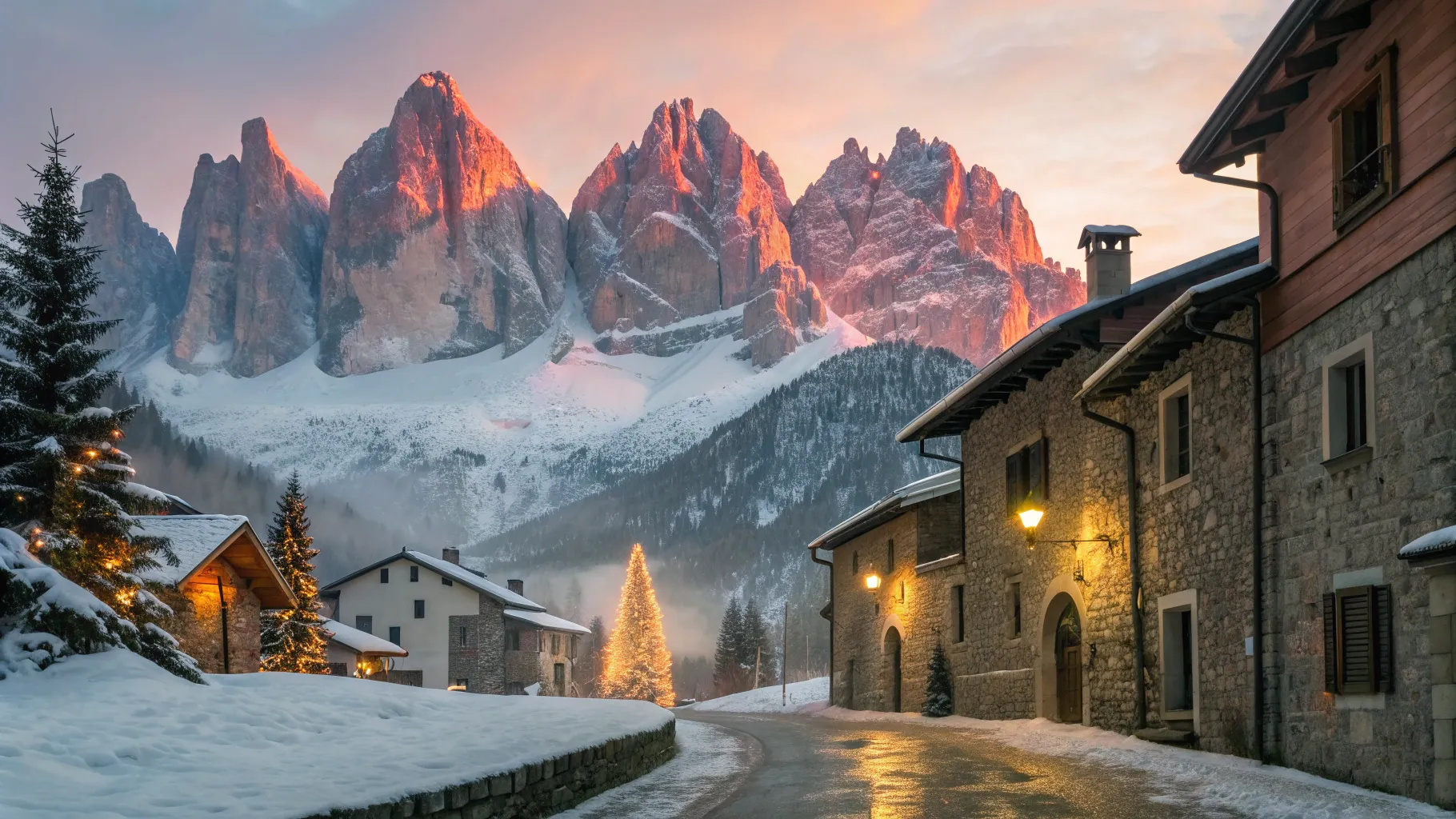
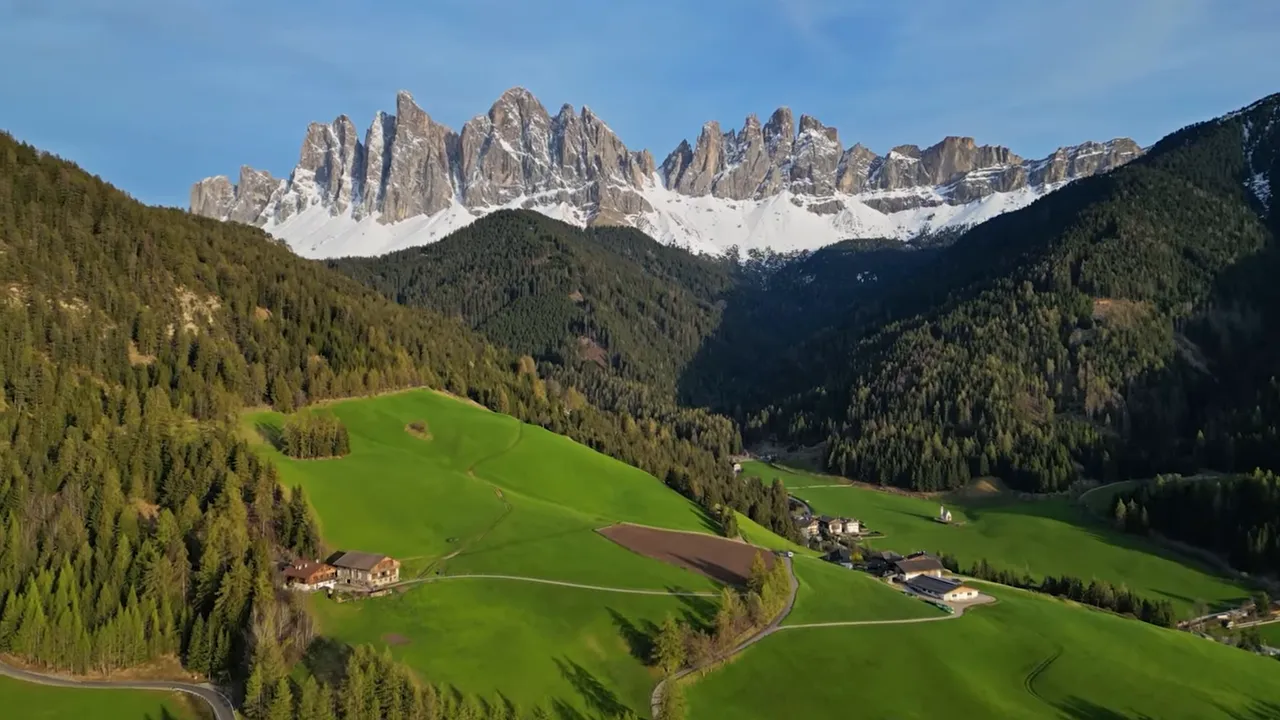
- Why go: The Dolomites rise like stone cathedrals, their faces turning pink at sunset; a UNESCO-listed landscape shaped from an ancient seabed.
- Winter mood: Dramatic rocky spires set against pure white snow create a dreamlike, almost otherworldly panorama.
- Top towns: Cortina d’Ampezzo — the Queen of the Dolomites; small Ladin villages that keep local culture alive.
- What to do:
- Ski or snowshoe across high plateaus and beneath towering crags.
- Ride scenic lifts at sunset to see the “enrosadira” pink glow on the rock faces.
- Eat in alpine refuges where each dish tells regional stories — polenta, venison and hearty cheeses.
- Insider tip: Book a table at a mountain hut (rifugio) and arrive by snowcat or short hike for the best alpine cuisine and views.
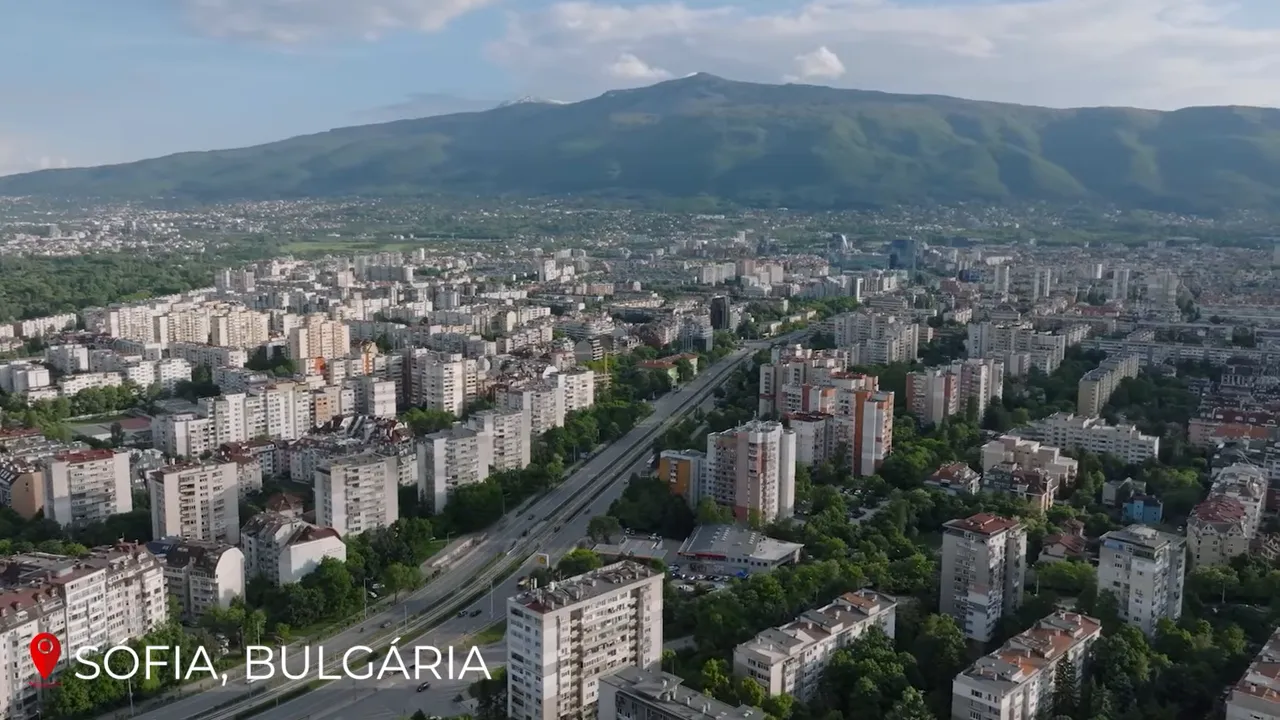
⛪ Bulgaria — Sofia: ancient layers under a winter veil
- Why go: Sofia sits in the shadow of the Vitosha Massif and wears its history visibly — Roman ruins, Ottoman-era mosques, medieval churches and Soviet-era architecture interlace the streets.
- Winter mood: Snow on Vitosha, golden domes sparkling, and the hush of ancient sites creates a reflective atmosphere.
- Must-see: Alexander Nevsky Cathedral with its golden domes; the Rotunda of St George with 16 centuries of frescoes.
- Wellness draw: Thermal baths fed by natural sulphurous springs offer a soothing escape from the cold.
- Practical: Sofia is very affordable; combine a city break with a day trip up Vitosha for skiing or panoramic winter walks.
♨️ Hungary — Budapest: thermal rivers and steamy nights
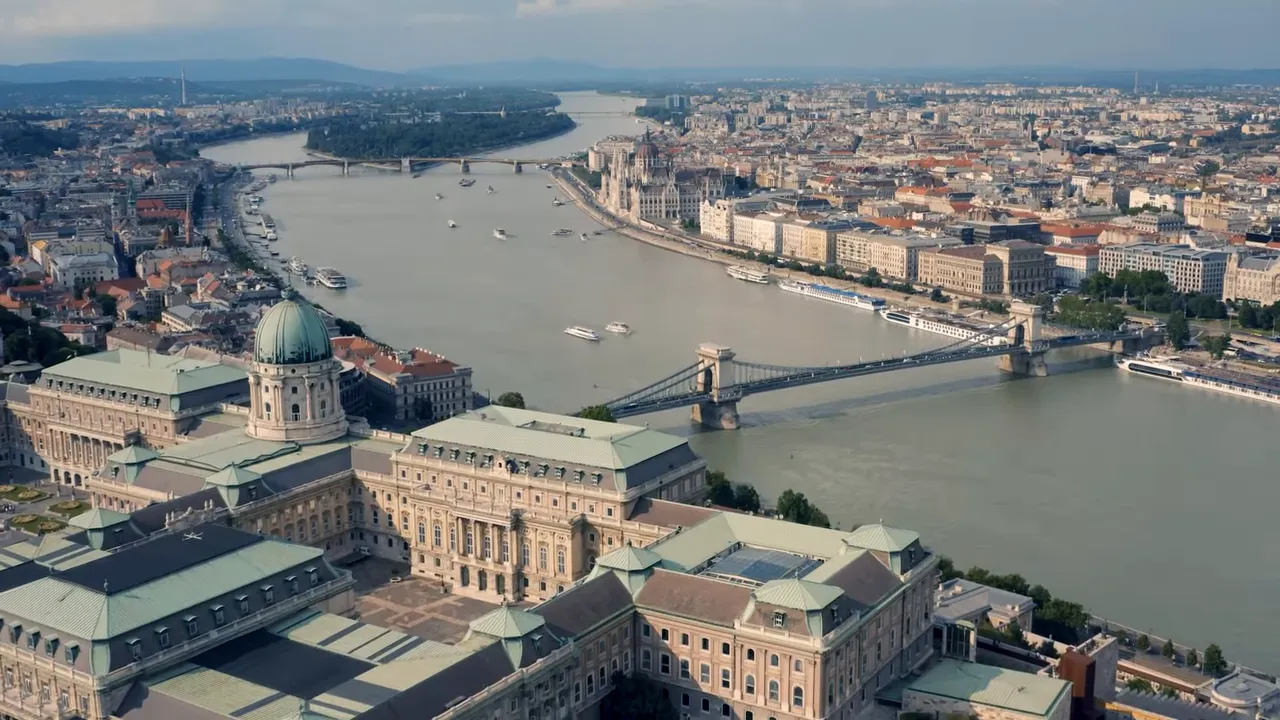
- Why go: A city divided by the Danube where UNESCO architecture and Ottoman-influenced thermal baths meet imperial grandeur.
- Winter mood: Open-air pools steaming in the chill, bridges dressed in lights, markets offering mulled wine and chimney cakes.
- Highlights: Széchenyi Baths (largest thermal complex in Europe), Fisherman’s Bastion views, neo-Gothic Parliament along the river.
- What to experience:
- Soak in a thermal bath as snow falls — the iconic winter Budapest scene.
- Stroll Vörösmarty Square markets for local sweets and handcrafted gifts.
- Tip: Visit the baths midday to see locals and tourists mingle and rewarm before evening lights along the Danube.
🏔️ Austria — The Alps and Salt Regions: glaciers, traditions and quiet villages
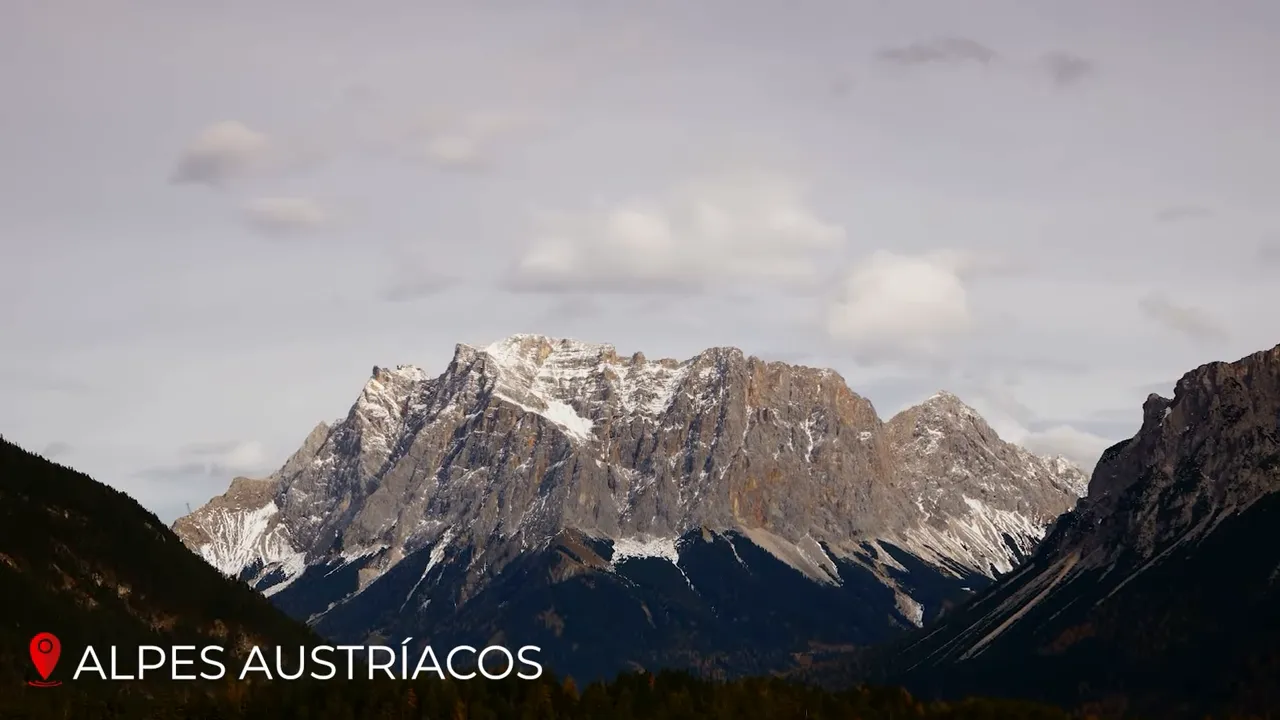
- Why go: The Austrian Alps provide a recipe of towering peaks, historic salt towns and legendary roadways lined with dramatic vistas.
- Winter mood: Alpine villages wrapped in snow, icy silence in the valleys and warm taverns that keep centuries-old traditions alive.
- Key spots: Salzkammergut lakes, Grossglockner scenic routes, small resorts brimming with authentic folk culture.
- Nature & wildlife: Ibex and marmots on summer routes become quieter winter silhouettes; glaciers highlight climate change and glacial history.
- What to do: Skiing in well-groomed resorts, winter hiking, historic salt mine visits and sampling alpine cuisine.
🏛️ Romania — Bucharest: resilience, architecture and winter noir
- Why go: A city that combines an elegant old town with monumental communist-era architecture; winter accentuates its cinematic contrasts.
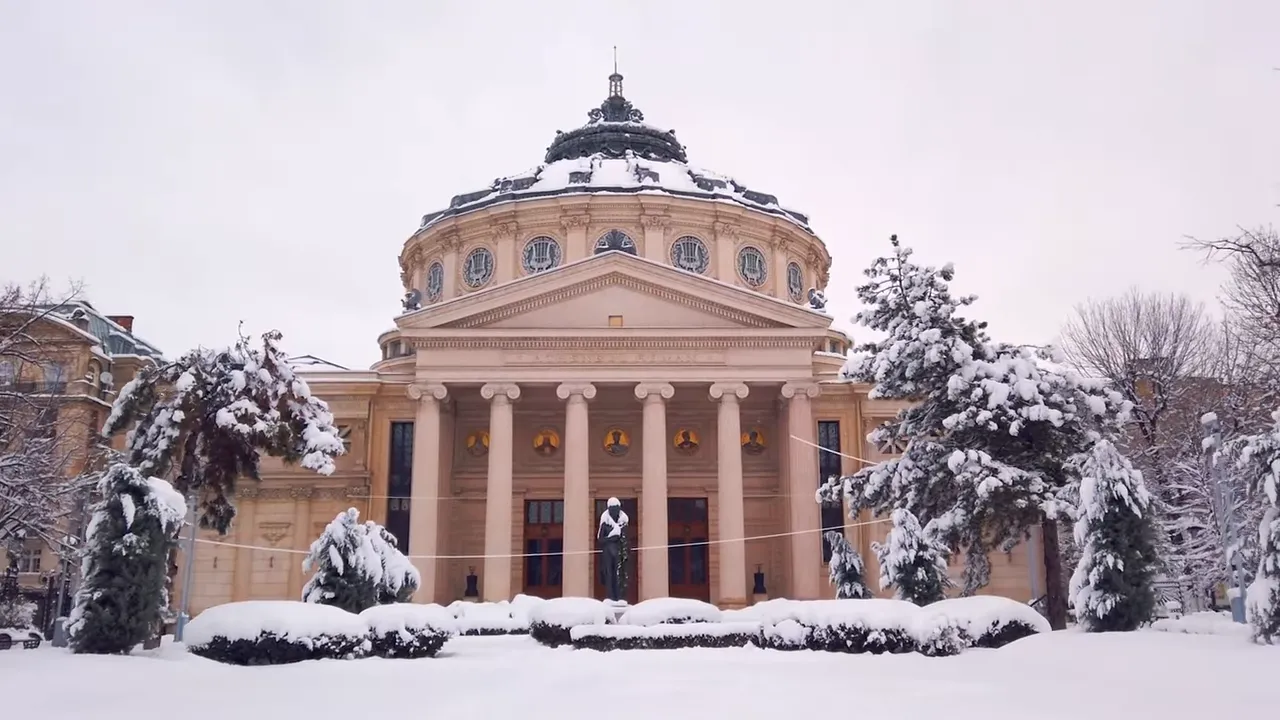
- Winter mood: Snow muffles the streets; markets and cafés bring colour and warmth to a noir urban landscape.
- Highlights: The Palace of the Parliament (vast and imposing), the Romanian Athenaeum hosting classical music, the Old Town’s cobbled lanes.
- Do not miss: The Christmas market in Constitution Square for traditional sweets and mulled wine, and an evening concert at the Athenaeum.
- Practical: Budget-friendliness makes Bucharest a great winter base for exploring Transylvania and southern Romania.
🏰 Russia — St Petersburg: imperial palaces and canal ice
- Why go: A city born of imperial ambition, built over marshes and interlaced with canals and bridges; a living museum of Baroque and Neoclassical art.
- Winter mood: Heavy, poetic: palaces glow against frozen waterways and nights feel like historic romance.
- Must-sees: The Winter Palace and Hermitage, St Isaac’s Cathedral, Church of the Saviour on Spilled Blood, and winter walks across frozen embankments.
- Atmosphere: Less crowded in winter, but extremely cold; heavy coats, comfortable boots and a warm café culture are essentials.
⛰️ Switzerland — The Swiss Alps: precision, luxury and high-altitude views
- Why go: Where Swiss engineering, world-class trains and alpine glamour meet for unforgettable winter panoramas.
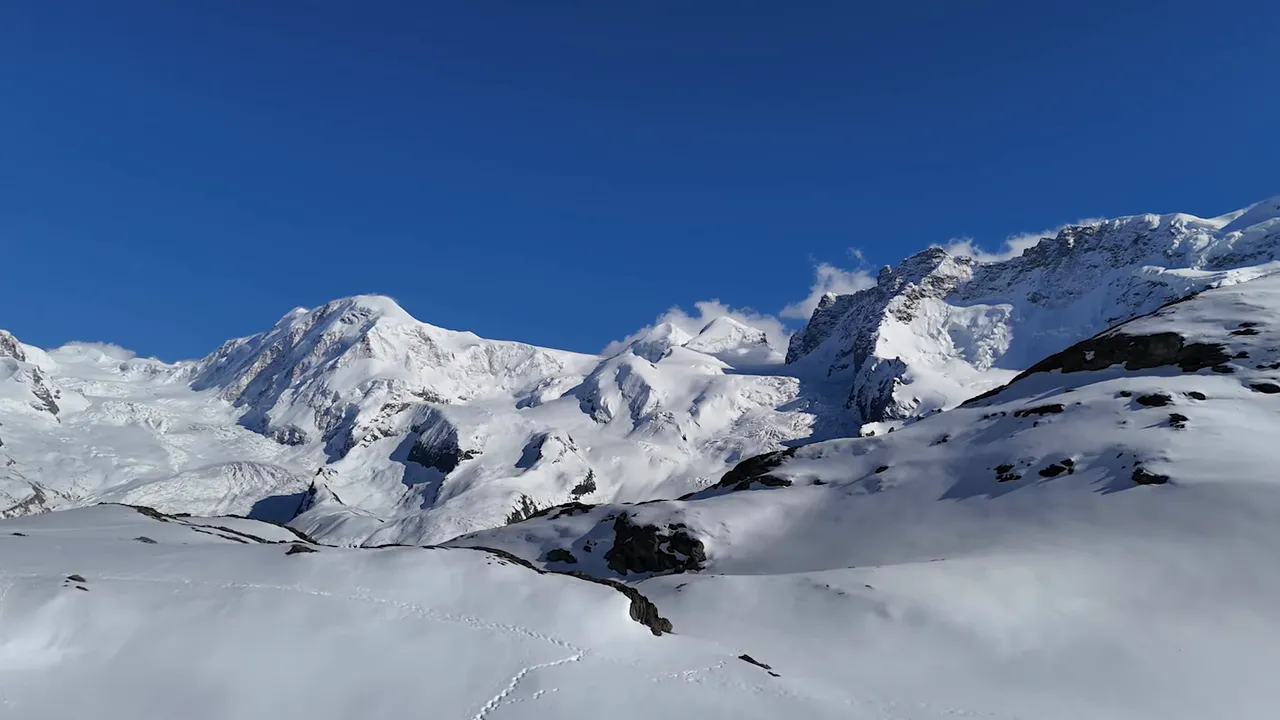
- Winter mood: Bright blue skies and immaculate snow create the postcard Alps many dream of. Luxury chalets and car-free villages feel timeless.
- Top attractions: Jungfrau region with the Top of Europe railway, Zermatt under the Matterhorn, Saint-Moritz for glamour and world-class skiing.
- What to do: Alpine rail journeys, heli-skiing, après-ski dining and wandering car-free town centres in Zermatt or charming mountain hamlets.
- Travel tip: Book panoramic trains early; winter schedules are reliable but popular during the holidays.
🕍 Russia — Moscow: palatial stations and dramatic winter scenes
- Why go: A city that spans medieval history, tsarist opulence and Soviet scale; winter gives its icons a dramatic, white-draped presence.
- Winter mood: Festive lighting against deep snow; Red Square feels both intimate and monumental when dusted in white.
- Highlights: Red Square and St Basil’s domes, the GUM arcade, and the Moscow Metro — underground stations that are ornate works of art.
- Must-do: Tour the metro to see mosaics and chandeliers that transform commuting into a cultural experience.
🇫🇮 Finland — Helsinki: islands, saunas and winter light
- Why go: A design-forward city spread across islands, where the sea and light shape everyday life and winter traditions.
- Winter mood: Crisp air, soft light and a ritualistic devotion to saunas followed by icy dips or sea views.
- Top experiences: Suomenlinna Fortress on the water, the white Lutheran Cathedral at Senate Square and Uspenski Cathedral’s golden domes.
- Local ritual: Combine a hot sauna with a brief plunge into icy water for an authentic Finnish winter experience.
🏔️ France — The French Alps: Mont Blanc and mountain culture
- Why go: Birthplace of modern mountaineering with mountain villages that range from authentic to ultra-luxury.
- Winter mood: Alpine intensity: a blend of adrenaline on slopes and refined evenings in village restaurants and bars.
- Key resorts: Chamonix for classic mountain culture; Courchevel for high-end luxury; Trois Vallées for the largest linked ski area.
- What to expect: 600 kilometres of interconnected slopes, lively après-ski scenes and French alpine cuisine at mountain refuges.
🏰 Estonia — Tallinn: medieval charm and digital modernity
- Why go: One of Europe’s best preserved medieval cities that also leads in digital innovation — an unusual and delightful contrast.
- Winter mood: Snow-covered red roofs, cobbled streets and a renowned Christmas market in Town Hall Square.
- Highlights: Toompea Hill with its castle and the Alexander Nevsky Cathedral; the Hanseatic architecture of Old Town.
- Insider tip: Experience the medieval atmosphere early morning when the streets are quiet and the light is soft.
🍷 France — Alsace: Strasbourg, Colmar and storybook winters
- Why go: Alsace blends Germanic and French traditions into timber-framed towns, award-winning white wines and some of Europe’s oldest Christmas markets.
- Winter mood: Romantic canals, timber houses and market stalls under fairy lights make the region feel like a page from a fairytale.
- Top towns: Strasbourg for its Notre-Dame and giant market; Colmar for “Little Venice” charm and colourful facades.
- What to savour: Riesling and Gewurztraminer wines, tarte flambée and artisanal Christmas gifts.
🎼 Austria — Vienna: imperial art, coffeehouses and festive glow
- Why go: A city of music, Habsburg palaces and an unmatched coffeehouse culture that feels made for winter lingerers.
- Winter mood: Palaces in soft light, Christmas markets in imperial squares and the scent of apfelstrudel in warm cafés.
- Highlights: Schönbrunn Palace, the Hofburg complex, Vienna State Opera and the Musikverein’s Golden Hall.
- Local ritual: Sit in a traditional coffeehouse with a plate of cake and watch lighted streets pass by.
🎅 Finland — Rovaniemi, Lapland: Santa, Sami culture and auroras
- Why go: The official Arctic Circle capital — snow certainty, reindeer culture and an aurora-rich night sky.
- Winter mood: A mix of fantasy at Santa-themed attractions and deep northern nature with Sami cultural authenticity.
- Top experiences: Husky or reindeer sleigh rides, snowmobile safaris, staying in ice hotels and chasing the northern lights.
- Respectful travel: Learn about Sami heritage, support local artisans and choose experiences that benefit communities.
🚲 Netherlands — Amsterdam: canals, museums and winter light
- Why go: A city built on water where canals freeze into skating rinks if temperatures allow and galleries remain warm havens.
- Winter mood: Festive illumination during the Festival of Lights; museums are uncrowded and richly atmospheric.
- Highlights: Rijksmuseum, Van Gogh Museum, Anne Frank House and the unique canal houses.
- What to do: Rent skates when canals freeze, or take winter canal cruises lit up by festival installations.
⛪ Czech Republic — Prague: Gothic spires and candlelit markets
- Why go: An intact medieval core of spires, bridges and castles that becomes strikingly cinematic under snow.
- Winter mood: Charles Bridge dusted in white, Old Town Square lit by market stalls and trumpets from the astronomical clock.
- Must-try: Trdelník pastries, rich goulash and local lagers by candlelight in historic taverns.
- Highlights: Prague Castle and St Vitus Cathedral overlooking the Vltava, Charles Bridge and the Old Town Astronomical Clock.
🍺 Germany — Munich: Bavarian traditions and alpine access
- Why go: A city where modernity and Bavarian tradition coexist; an excellent base for visiting the Alps and nearby fairytale castles.
- Winter mood: Market stalls filling squares; the Glockenspiel draws crowds and the English Garden becomes a winter landscape.
- Highlights: Marienplatz, the Glockenspiel, Nymphenburg Palace and historic beer halls.
- Day trips: Romantic Road and Neuschwanstein Castle under snow are among the most photographed winter scenes in Europe.
🇵🇱 Poland — Kraków & Zakopane: medieval squares and Tatra highs
- Why go: Kraków is a Gothic jewel with a huge central market square; Zakopane offers wooden alpine architecture and Tatra slopes.
- Winter mood: Colourful Christmas markets against snow and comforting, hearty Polish dishes that warm the body.
- Must-see: Main Market Square, Wawel Royal Castle and the moving historical site of Auschwitz-Birkenau nearby.
- Top activity: Skiing, sledging and winter hiking in Zakopane; sample pierogi and oscypek cheese from mountain vendors.
🌍 Switzerland — Geneva: diplomacy and alpine gateways
- Why go: A lakeside city famed for diplomacy and a perfect base to access hundreds of ski resorts in both Switzerland and France.
- Winter mood: Lake Geneva under low winter light, the Jet d’Eau cutting through still air and mountain silhouettes beyond the shore.
- Highlights: United Nations and Red Cross institutions, St. Peter’s Cathedral and the floral clock that nods to watchmaking heritage.
- Practical: Geneva’s proximity to Mont Blanc and hundreds of ski areas makes it ideal for combining culture and alpine days.
🌞 Spain — Barcelona: mild winters and cultural calm
- Why go: A Mediterranean city filled with modernist architecture where winter light softens the crowds and prices improve.
- Winter mood: Calmer streets, accessible attractions and local festivals like the Fira de Santa Llúcia and the Three Kings celebrations.
- Highlights: Sagrada Família, Casa Batlló, La Rambla and the narrow Gothic Quarter lanes.
- Food & drink: Tapas, seafood paella and La Boqueria market remain crowd-pleasers in off-season tranquillity.
🏙️ Switzerland — Zurich: culture, chocolate and winter markets
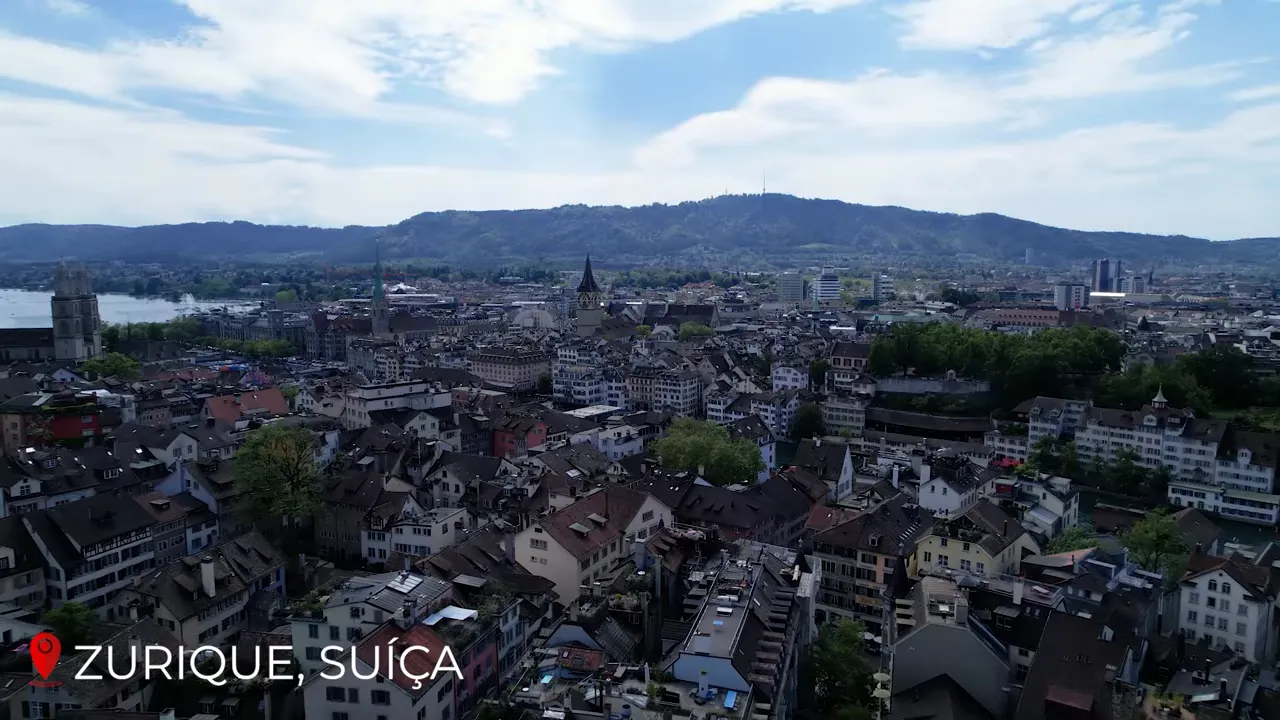
- Why go: A sophisticated, efficient city brimming with museums, galleries and luxury shopping; winter brings romantic markets and cozy cafés.
- Winter mood: Snow on rooftops, festive markets and the smell of chocolate around lakefront promenades.
- Highlights: Fraumünster Church with Chagall windows, Bahnhofstrasse for shopping and a rich cultural calendar.
- Tip: Use Zurich as a hub for day trips to nearby ski areas or panoramic viewpoints like Uetliberg.
⛷️ Austria — Innsbruck: imperial facades framed by peaks
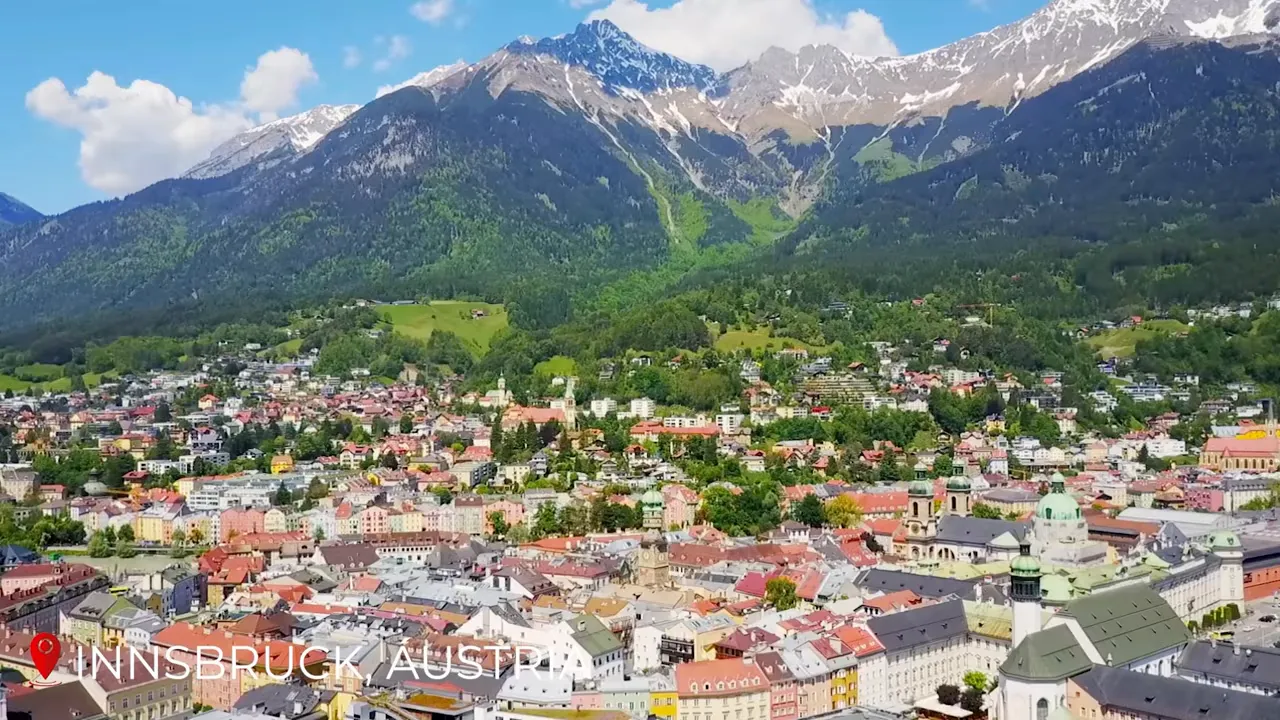
- Why go: A unique blend of Tyrolean mountain culture and imperial history packed into a compact city framed by peaks.
- Winter mood: A golden roof and baroque centre under snow with cable cars whisking you to high alpine terrain within minutes.
- Highlights: The Golden Roof, Maria-Theresien-Straße, Nordket funicular to alpine heights and winter Olympic heritage.
🚤 Belgium — Bruges: canals, chocolate and tranquil winter streets
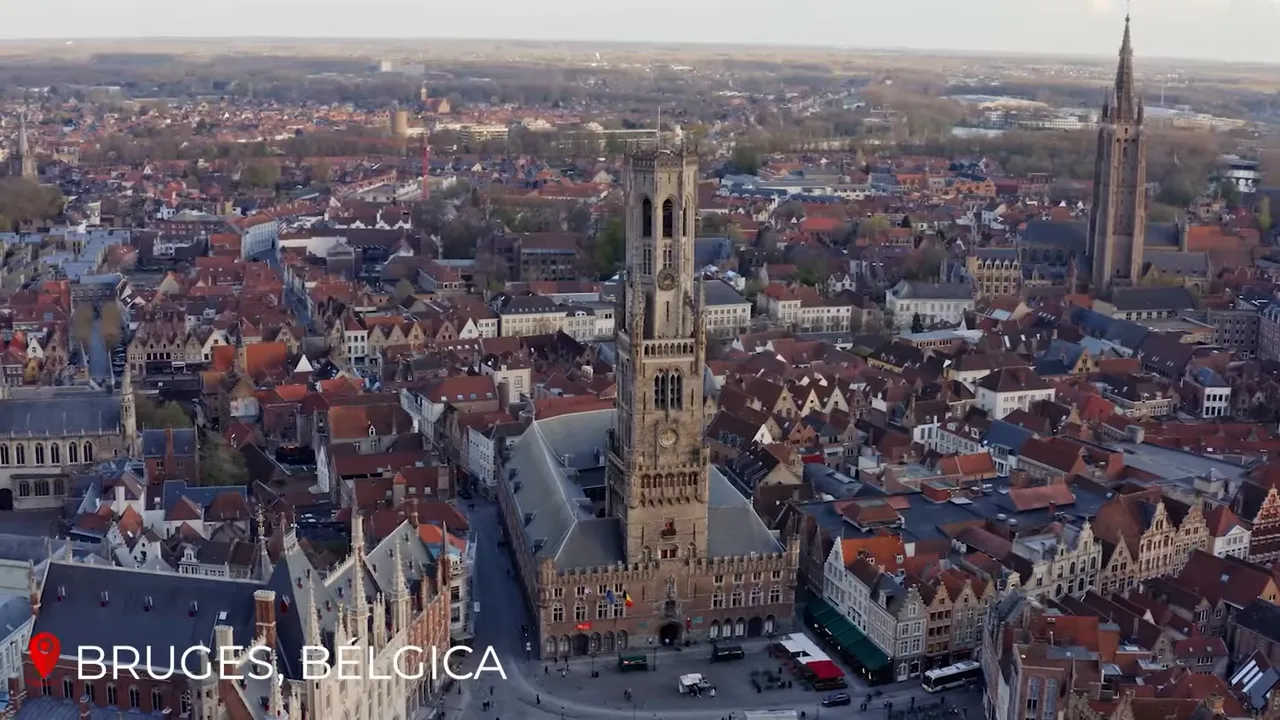
- Why go: One of Europe’s most perfectly preserved medieval cities, its canals and stepped gables make Bruges feel storybook-perfect in winter.
- Winter mood: Mild climate, fewer crowds and seasonal markets offering waffles, hot chocolate and artisan goods.
- Top activities: Boat tours on quiet canals, visiting the Belfry and sampling trappist beers and fine Belgian chocolate.
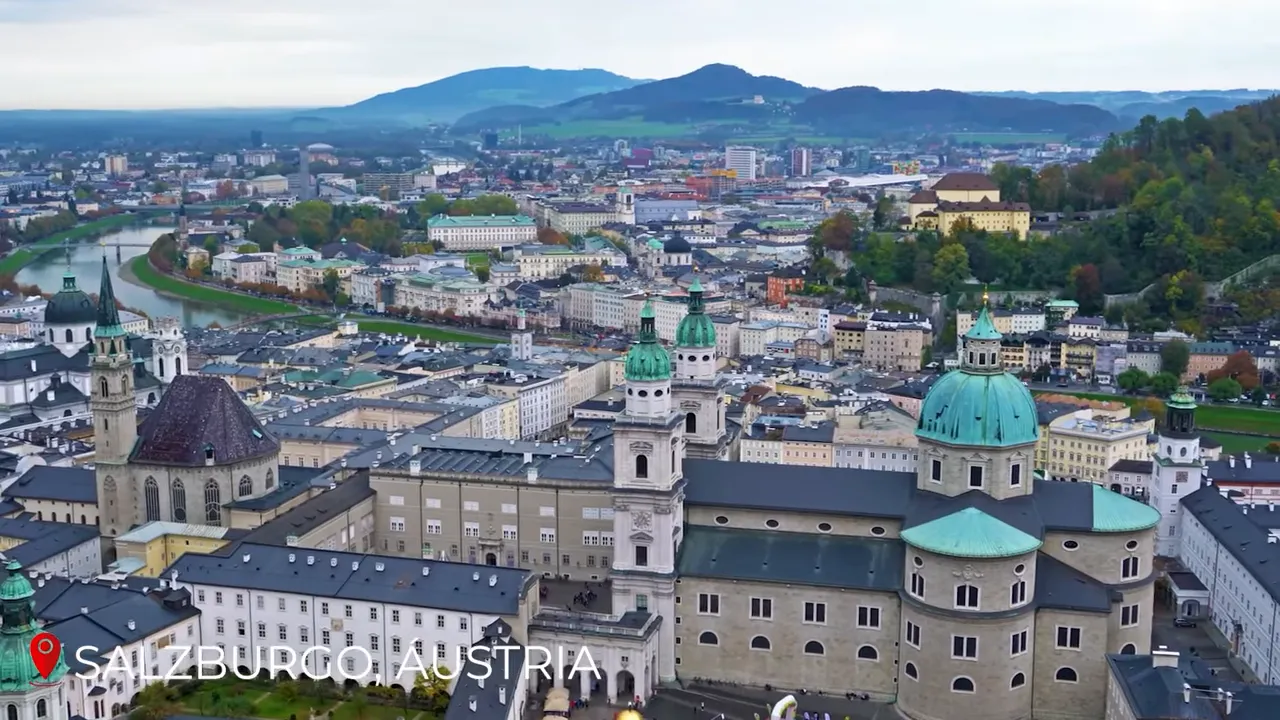
🎶 Austria — Salzburg: Mozart, baroque streets and Alpine snow
- Why go: A city of music and baroque architecture where classical heritage meets alpine scenery.
- Winter mood: Streets blanketed in snow, music echoing from concert halls and one of Europe’s oldest Christmas markets alive with lights.
- Highlights: Mozart’s birthplace museum, Hohensalzburg Fortress, Mirabell Gardens and the Christkindlmarkt.
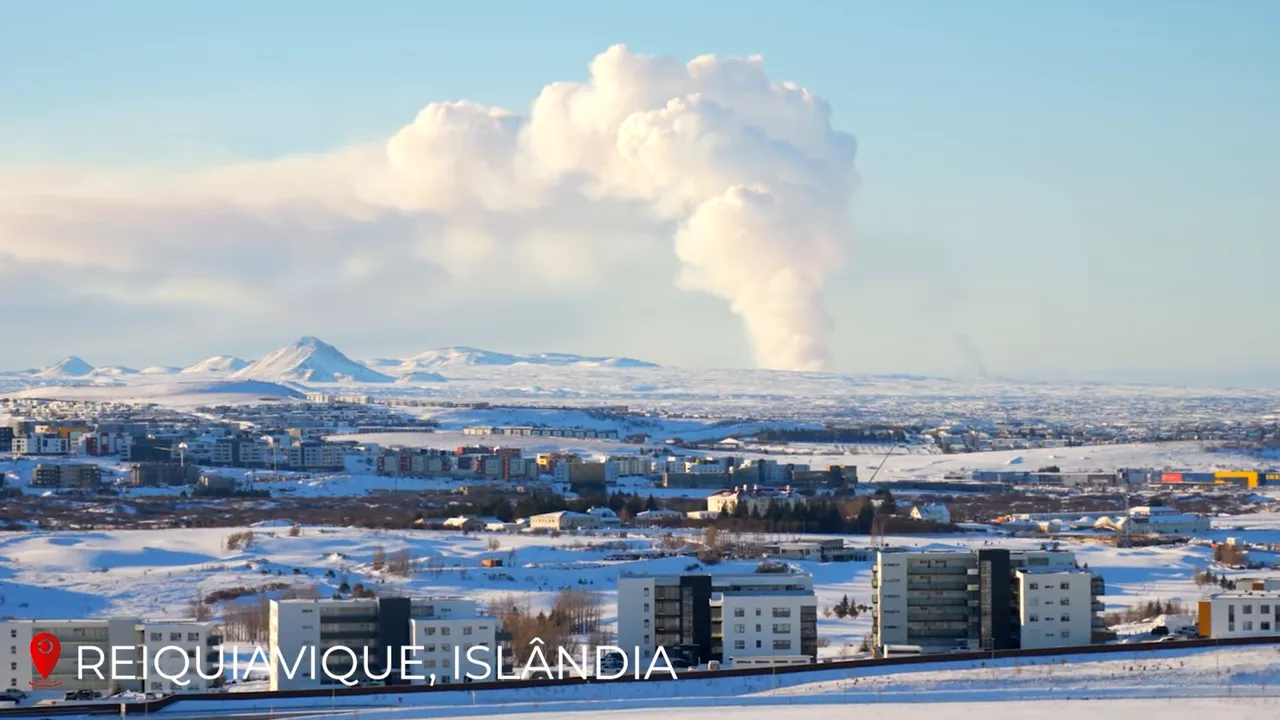
🌌 Iceland — Reykjavik: northern lights, geothermal warmth and short winter days
- Why go: The northernmost capital offers prime aurora viewing, dramatic landscapes and geothermal comforts under long polar nights.
- Winter mood: Long, luminous nights and vivid skies; warm pools and colourful Nordic architecture contrast with stark landscapes.
- Top experiences: Golden Circle route (Gullfoss waterfall, Geysir area, Þingvellir), Blue Lagoon geothermal baths and hunting the northern lights.
- Practical: Dress in layers and plan flexible night outings for aurora chases—weather changes fast.
🗺️ Summary: why winter is Europe’s most revealing season
- Reduced crowds: Popular sites feel intimate; markets and museums are easier to enjoy without long lines.
- Heightened atmospheres: Snow, light and steam (from baths) raise the emotional stakes of architecture and landscape.
- Unique seasonal experiences: Northern lights, ice hotels, thermal bath rituals and Christmas markets are winter-only highlights.
- Budget & timing: Many destinations offer lower off-season rates except during core holiday weeks; travel mid-December or January for best balance of atmosphere and savings.
🧰 Practical winter-travel checklist
- Packing: Layered clothing, waterproof boots, insulated gloves, hat, thermal base layers and a compact daypack.
- Health & safety: Check local weather alerts; carry basic first-aid and know emergency numbers for remote areas.
- Transport: Trains run reliably across much of Europe in winter, but check for storm-related disruptions; winter tyres and chains may be required for mountain roads.
- Money & bookings: Book festive-season stays early; outside holiday weeks, last-minute deals often appear.
- Local culture: Respect indigenous traditions (for example Sami communities in Lapland) and choose locally-run tours to support small economies.
📸 Recommended photo moments
- Sunset on the Dolomites when faces blush pink.
- Steam rising from Budapest baths against a snowy skyline.
- Frozen canals of Amsterdam or St Petersburg with palace reflections.
- Northern lights from a glass-roofed cabin or an open Arctic plain.
- Christmas markets glowing at dusk in Strasbourg, Colmar or Prague.
🧭 Suggested winter itineraries (7–14 days)
- Classic Alpine week (7–9 days): Geneva base — day trips to Mont Blanc and Chamonix, transfer to Zermatt and Jungfrau region for panoramic trains and high-altitude days.
- Eastern capitals loop (10 days): Budapest — Bucharest or Sofia — Bucharest concerts and thermal time — then fly to Kraków or Prague for medieval markets and castles.
- Northern lights and culture (8–14 days): Reykjavik base — Golden Circle — Blue Lagoon — fly to Rovaniemi or Tromsø for aurora chases and Sami cultural experiences.
- Fairytale towns and markets (7–10 days): Amsterdam — Bruges — Strasbourg — Colmar — end in Munich for a castle day trip to Neuschwanstein.
❓ Frequently Asked Questions
Which European cities are best to visit in winter for Christmas markets?
Strasbourg, Colmar, Prague, Vienna, Budapest and Tallinn are standout Christmas-market cities, each offering historic settings, local handicrafts and seasonal foods such as mulled wine and pastries.
Where can I reliably see the northern lights in Europe?
Lapland around Rovaniemi, northern Norway (Tromsø), and Iceland near Reykjavik are among the most reliable places. Plan multiple clear-sky nights, check aurora forecasts, and stay away from city light pollution.
Are thermal baths open in winter?
Yes. Cities like Budapest and Reykjavik maintain thermal facilities year-round. Winter is often the most atmospheric time to enjoy outdoor thermal pools as steam rises into crisp air.
Is winter travel in Europe expensive?
Costs vary. Alpine luxury resorts and peak holiday weeks (late December to early January) are expensive. Off-peak weeks in January and February often offer better deals while maintaining excellent winter conditions.
What should I pack for winter travel in Europe?
Layered clothing, waterproof and insulated boots, warm gloves, hat, thermal base layers, a weatherproof outer shell and a daypack. Also pack any necessary adapters and a compact emergency kit for remote excursions.
Can I drive in mountain areas during winter?
Yes, but check local requirements: many alpine countries require winter tyres or snow chains. Roads can be icy; if unfamiliar with snowy driving, consider trains or guided transfers instead.
Which destinations are best for family-friendly winter activities?
Lapland (Rovaniemi) for reindeer and Santa attractions, family-friendly ski resorts in Austria and France, and historic cities like Vienna and Salzburg with markets and music events suitable for all ages.
How do I choose between a city and mountain winter holiday?
Decide based on priorities: cities offer culture, markets and museums with mild logistics; mountains offer outdoor adventure and alpine scenery. Combining a city and a short mountain trip gives the best balance.
🎒 Final thoughts
- Winter in Europe is not merely a season. It is a change in the continent’s emotional palette — quieter streets, more intimate interiors and experiences that feel invented for the cold.
- Whether you crave high-altitude adrenaline, imperial music halls, medieval market squares or the quiet thrill of the aurora, winter reveals a version of Europe that feels authentic and close.
- Pack warmth, an open schedule and a willingness to follow soft light into long evenings; the continent will repay you with scenes that stay with you long after the snow melts.