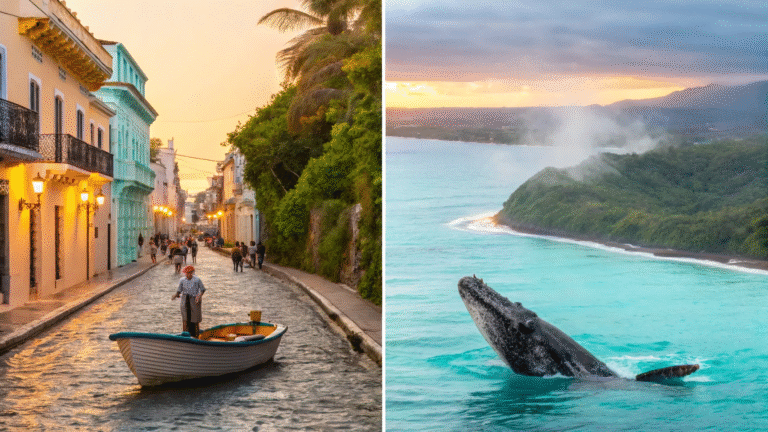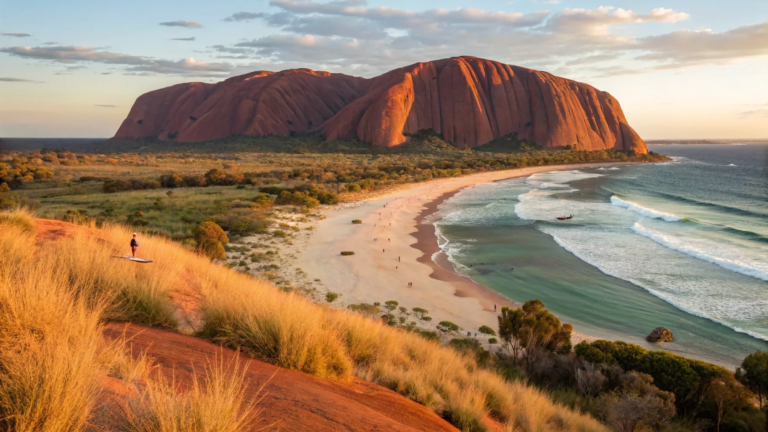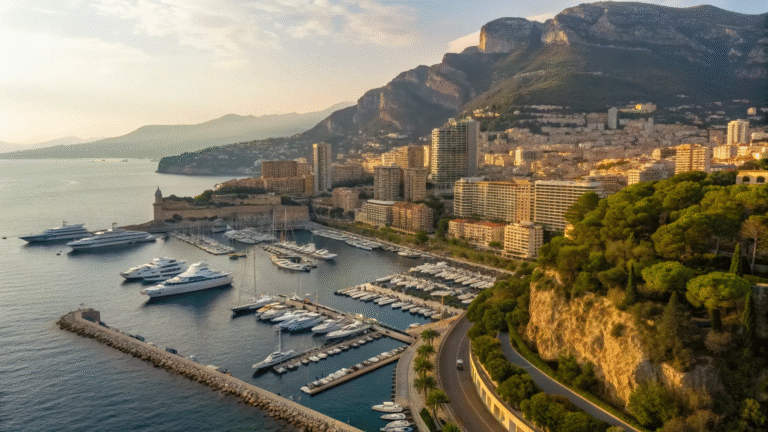
PAKISTAN Like You’ve Never Seen Before — Untold Beauty & Culture: A 4K Travel Guide
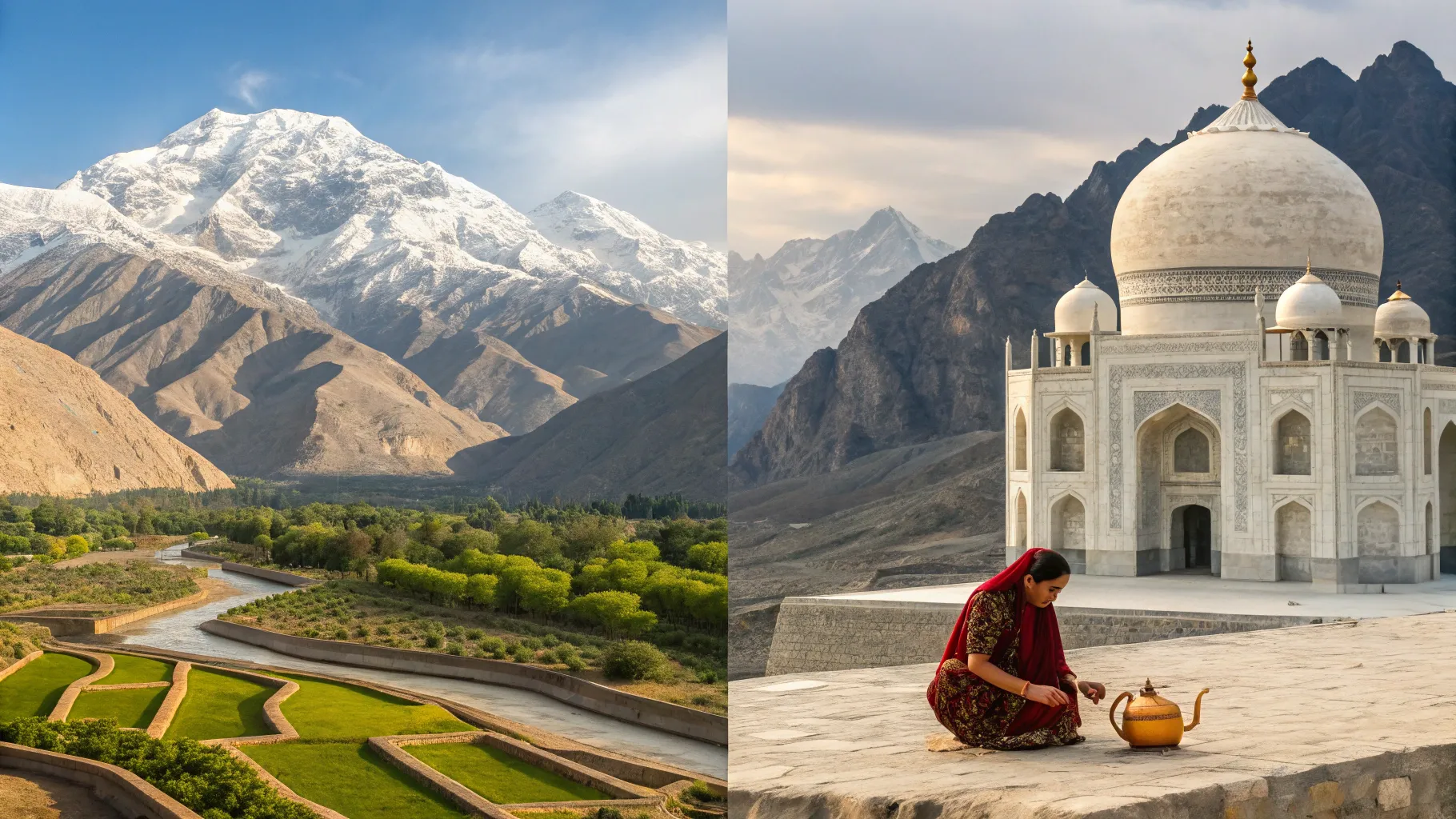
- Discover Pakistan in a way that breaks every stereotype: a land of soaring mountains, ancient ruins, colorful bazaars and warm chai-sipping hospitality. This guide distills the most incredible places, practical tips and cultural insights into a clear, easy-to-scan bullet format so you can plan, imagine, or simply dream.
- Read on for deep-dive highlights on Mohenjo-daro, Hunza Valley, Lahore’s Mughal treasures, Skardu’s surreal landscapes, the engineering marvel of the Karakoram Highway, the glowing Khewra salt mine, Taxila’s archaeological wonders, the alpine Deosai Plains, the colossal Ranikot Fort, the fairy-tale Lake Saiful Muluk — plus local food, travel tips and FAQs.
Table of Contents
- 🗺️ Quick Snapshot & Fast Facts
- 🏛️ Mohenjo-daro — The Ancient City of the Indus Valley
- 🏔️ Hunza Valley — High Mountain Paradise
- 🏰 Lahore — Mughal Grandeur and Living Culture
- 🏜️ Skardu & Katpana Desert — Where Dunes Meet Peaks
- 🛣️ Karakoram Highway — The Epic Road Through the Roof of the World
- 🧂 Khewra Salt Mine — The Pink Cavern of Punjab
- 🏺 Taxila — The Ancient University and Crossroads of Cultures
- 🌼 Deosai Plains — The “Roof of the World” Wildflower Carpet
- 🧱 Ranikot Fort — The Great Wall of Pakistan
- 🏞️ Lake Saiful Muluk — Alpine Legend & Mirror-Like Waters
- 🍽️ Food & Culture — The Senses of Pakistan
- 🧭 Practical Travel Tips & Safety
- 📸 Photography & Storytelling Tips
- ❓ Frequently Asked Questions (FAQ)
- 🧳 Sample 10-Day Itinerary — Quick To-Do List
- 🔁 Final Thoughts — Why Pakistan Should Be on Your Radar
- 📍 Visual Highlights — More Screenshots from Key Moments
- 🔗 Want to Explore Further?
🗺️ Quick Snapshot & Fast Facts
- Pakistan covers roughly 796,000 square kilometers and is home to over 220 million people — a country of dramatic contrasts from the high Himalayas and Karakoram to hot southern deserts and bustling cities.
- Economically, agriculture, textiles and trade form the backbone — but culturally, Pakistan’s legacy stretches back millennia, including one of the world’s oldest civilizations, the Indus Valley.
- Key highlights to remember when planning a trip: K2 — second highest peak on Earth and a dream for serious mountaineers. Karakoram Highway — one of the highest, most scenic routes connecting Pakistan and China. Khewra Salt Mine — source of the well-known Himalayan pink salt and an underground wonder. Mohenjo-daro & Taxila — ancient centers of civilization and learning.
- Practical quick facts: Climate varies widely: alpine cold in the north; hot, arid regions in the south. National sport: cricket — a cultural glue that unites communities. Best travel windows vary: spring and autumn for mountain valleys; winter for desert/southern cities (but be mindful of seasonal extremes).
- Screenshot:
🏛️ Mohenjo-daro — The Ancient City of the Indus Valley
- Why it matters: Mohenjo-daro is one of the earliest urban centers in human history — built over 5,000 years BCE — and showcases advanced planning, civic infrastructure and social organization long before many ancient cities elsewhere.
- What you'll see: Grid-like streets and mud-brick housing that reveal thoughtful urban design. Advanced drainage and sewage systems — private baths connected to covered drains. Large public baths indicating community rituals of cleanliness and social life. Seals with undeciphered inscriptions — a mystery that still intrigues archaeologists.
- What makes it unique: Unlike many ancient capitals built around temples and palaces, Mohenjo-daro has a notable absence of ostentatious monumental complexes, suggesting a potentially more egalitarian or function-driven society.
- Best tips for visiting: Go early morning to avoid heat and crowds; the site can be exposed and hot by midday. Bring water, sun protection and a good guide — local archaeologists and trained guides add deep context to ruins. Allow at least 2–3 hours for a serious visit so you can absorb the site without rushing.
- Historical significance and questions to ponder: How did such sophisticated urban engineering evolve so early? Mohenjo-daro challenges assumptions about the pace of technological progress. What social systems governed daily life when the city lacked palaces? The ruins suggest civic life built around shared infrastructure rather than royal grandeur.
🏔️ Hunza Valley — High Mountain Paradise
- Atmosphere: Imagine a high-altitude valley framed by snow-drenched peaks, apricot orchards in spring and small villages that seem frozen in time yet vibrantly alive with tradition.
- Iconic sights and why photographers love it: Passu Cones — slender, jagged rock towers that produce dramatic silhouettes against blue skies. Pasu village — a quiet, friendly village at the base of these cones offering warm hospitality and jaw-dropping views. Lake Attabad — ultramarine waters formed after a 2010 landslide dammed the Hunza River, producing a remarkable lake contrasted against glaciers.
- Culture & people: Hunza inhabitants are often noted for longevity and active lifestyles that combine mountain diets, frequent walking and social cohesion. Traditional customs, music and foods are very present — expect simple guesthouses, warm invites and a pace of life focused on community.
- Best time to visit: Spring for apricot blossoms; summer for trekking and boating on Attabad; early autumn for clear skies and pleasant temperatures. Winter brings heavy snow and a magical postcard scene, but many roads and passes may be closed.
- Things to do: Photograph Passu Cones at sunrise or sunset for golden light and dramatic shadows. Boat on Lake Attabad to experience the surreal turquoise waters among steep cliffs. Trek nearby trails and stay in homestays to learn about local life and cuisine.
- Practical tips: Altitude can be a factor — acclimatize gradually and monitor for symptoms of altitude sickness. Road travel can take time; distances are deceptive in mountainous terrain.
🏰 Lahore — Mughal Grandeur and Living Culture
- The heart of culture: Lahore is Pakistan’s cultural capital — a city where Mughal palaces, bustling bazaars, poetry and Punjabi food combine into a richly textured urban experience.
- Must-see sites: Lahore Fort — a sprawling 16th-century complex filled with ornate halls, courtyards and the exceptional Shish Mahal (Palace of Mirrors). Shalimar Gardens — an elevated Persian-style paradise built by Shah Jahan with terraced lawns, symmetrical fountains and fragrance-rich planting. Alamgiri Gate — built during Aurangzeb’s rule, an imposing symbol of Mughal authority and design.
- Architectural highlights: Shish Mahal — tiled mirrors that multiply light into dazzling patterns; photography here captures an almost fairy-tale sparkle. Shalimar’s geometric layout speaks to Persian influences and a desire to craft a sensory paradise with sound, smell, water and symmetry.
- Culture, food and night life: Sample Lahore’s street food: from aromatic kebabs and spicy chaats to decadent sweets — every lane smells of simmering spices. At night, soft lighting in historic gardens and illuminated monuments give Lahore an intimate, magical ambiance.
- Visiting tips: Hire a local guide to unpack Mughal history and architectural symbolism — it transforms the visit. Combine visits to the Fort and Shalimar Gardens into a day with stops at local bazaars and food stalls for a full sensory experience.
🏜️ Skardu & Katpana Desert — Where Dunes Meet Peaks
- Why Skardu feels surreal: At the junction of arid desert and towering ice-capped summits, Skardu’s contrasts are visually stunning — golden Katpana dunes with snow-peaked backdrops.
- Key sights: Katpana Desert — unexpected sand dunes near high mountains; golden at sunrise and sunset. Kharpocho (Carpocho) Fort — perched on a hill, offering sweeping views of the Skardu Valley and the Indus River. Shangri-La Lake (locally called the Lost Paradise) — a pine-ringed lake with a Tibetan-inspired resort adding picturesque charm.
- Cultural flavor: Balti culture blends Tibetan influences with Pakistani life in dress, food and storytelling; expect warm hospitality from locals who love to share their heritage. Try local breads, butter tea and mountain-style stews — cuisine reflects a life close to rugged landscapes.
- Best times and activities: Late spring through early autumn offers clear skies and accessible roads for jeep safaris and trekking. Sunset visits to Kharpocho Fort reward you with light that bathes the valley in gold — perfect for photographers.
- Practical tips: Road conditions vary; allow flexible schedules and consider local drivers who know seasonal routes. Bring layers — desert days can be warm while nights and early mornings are brisk.
🛣️ Karakoram Highway — The Epic Road Through the Roof of the World
- The route: Often called one of the marvels of modern engineering, the Karakoram Highway (KKH) threads through deep gorges, climbs high passes and bridges remote communities — literally following ancient Silk Road arteries.
- Highlights along the highway: Kunjurab Pass — the highest vehicular border crossing in the world at ~5,000 meters, a high-point for views of Himalayan and Karakoram giants. Sost — the last major Pakistani town before the China border, lively for trade and practical stopovers. Stretches that trace historic Silk Road trade routes — you can still find handcrafted carpets, dry fruits and goods that echo centuries-old commerce.
- Why take the KKH: For thrill-seeking road travelers and photographers: sheer cliffs, turquoise rivers and glacier-fed valleys create sequences of unforgettable scenery. Cultural immersion opportunities: small riverine villages offer authentic encounters with mountain life and hospitable families.
- Practical considerations: Weather and landslides can close sections — keep flexible timelines and local intel. Altitude acclimatization is important for higher altitudes; plan rest days en route. Travel with a reliable vehicle and a driver experienced on mountain roads; cell coverage is patchy.
🧂 Khewra Salt Mine — The Pink Cavern of Punjab
- What it is: Khewra (Kura) Salt Mine is the world’s second largest salt mine and the historic source of Himalayan pink salt. It blends natural wonder with centuries of human extraction and innovation.
- Unique experiences underground: Corridors lit with warm pink-orange hues reflecting on translucent salt walls that create a magical atmosphere. A mosque carved from salt blocks — glowing and unlike any above-ground religious space you may have seen. Underground lakes, salt bridges and grand chambers (like the Prince’s Chamber) carved into cavernous salt architecture. Salt products and lamps that are exported worldwide — from cooking salt to décor and wellness gadgets.
- Historical anecdote: Legend holds that Alexander the Great’s soldiers first noticed animals licking the unusual pink rocks — a story that ties the mine to ancient trade and discovery.
- Visiting tips: Temperatures underground are generally cool and humid — bring a light layer while touring the mine. Wear comfortable shoes and consider guided tours to understand the geology and mining history.
🏺 Taxila — The Ancient University and Crossroads of Cultures
- Why Taxila matters: Once a major center of learning and culture, Taxila was a crossroads where Indian, Greek and Persian influences met — giving rise to the Gandhara civilization and a unique Hellenistic-Buddhist art style.
- Key sites to explore: Dharmarajika Stupa — an early Buddhist monument built to house sacred relics. Ruins of the ancient university and its classrooms and dormitories — pointing to Taxila’s importance as an educational hub. Sculptural remains showing Greek influence in Buddha imagery — faces and drapery reminiscent of Hellenistic aesthetics.
- How Taxila operated: Students and scholars came from across Asia — Persia and China among them — to study medicine, philosophy, astronomy and arts. Excavations continue to reveal coins, sculptures and artifacts that help reconstruct the city’s intellectual and economic life.
- Visiting tips: Allow time for a guided walk to connect sites with their historical contexts — the significance clarifies with expert commentary. Combine Taxila with nearby Rawalpindi/Islamabad visits for easier logistics if flying into the region.
🌼 Deosai Plains — The “Roof of the World” Wildflower Carpet
- The landscape: Deosai is an expansive high-altitude plateau at around 4,000 meters — a wild, open expanse that in summer becomes a riot of wildflowers forming an endless floral tapestry.
- Seasonal transformations: Winter: a vast white desert of snow and silence — most of Deosai is inaccessible. Summer: snow melts into a sea of lilies, poppies and daisies with grazing yaks and marmots dotting the fields.
- Wildlife and conservation: Home to the rare Himalayan brown bear, wolves, red foxes and golden eagles — the region is protected by a national park to preserve this biodiversity. Responsible tourism practices are essential to safeguard fragile habitats and wildlife breeding grounds.
- Top spots inside Deosai: Sheazar Lake — deep, serene and reflective, offering magnificently framed mountain views. High meadows perfect for day hikes, wildlife photography and long, contemplative walks — but always respect park rules.
- Practical suggestions: Short day trips are possible from Skardu, but allow acclimatization and factor in long, often bumpy drives. Bring sunscreen and layers — high-altitude sun is intense even on cool days.
🧱 Ranikot Fort — The Great Wall of Pakistan
- An underrated colossus: Ranikot Fort rises from Sindh’s arid hills with over 27 kilometers of meandering walls — an often-overlooked massive defensive structure sometimes called the Great Wall of Pakistan.
- Origins and mystery: Historians often place its construction in the 17th century, possibly by the Talpur dynasty as a defensive fortress. Despite its scale, its exact history, phases of construction and full purpose are still topics of study and debate.
- What to expect on a visit: Monumental gates like San Gate lead into vast complexes with ruins of residences, watchtowers and bastions. Miri Palace within the fort provides a window into the more intimate lives of rulers who once gazed upon the surrounding desert.
- Best viewing moments: Sunset paints the walls in gold and orange — an unrivaled visual moment when the structure merges with the landscape in grand contrast.
- Practical notes: Ranikot is still relatively unexplored and less-touristed, so plan logistics carefully and travel with local guidance for access and safety.
🏞️ Lake Saiful Muluk — Alpine Legend & Mirror-Like Waters
- The setting: Hidden high in the Karakoram foothills, Lake Saiful Muluk offers deep blue waters reflecting snow-draped mountains — a place where landscape and myth interweave.
- The legend: The lake is steeped in a romantic local tale of Prince Saif al-Muluk and a fairy — a story that colors the lake with mystique; locals say fairies dance over the water on full-moon nights.
- Visiting experience: At over 3,000 meters, the lake is mostly glacier-fed and chilly year-round but serene and heart-stilling. The approach road winds through lush green hills, streams and villages with welcoming tea stalls for quick breaks and local conversation. In winter, the lake freezes into an ethereal white spectacle; summer opens the route for boating and lakeside hikes.
- Tips for a magical visit: Plan for an early start — mountain roads and weather can be unpredictable; the light is most dramatic in the morning or late afternoon. Wear warm clothes even in summer; temperatures fall quickly near glacier-fed lakes.
🍽️ Food & Culture — The Senses of Pakistan
- Culinary spirit: Pakistan’s cuisine is bold, aromatic and regionally diverse — expect rich meat-based dishes in the northwest, fragrant rice-dominated plates in the south and unique mountain specialties in the north.
- Signature dishes you shouldn’t miss: Karachi biryani — spicy, fragrant rice layered with meat and bold flavors. Peshawar kebabs — succulent, often made using age-old recipes with rich spice blends. Gulab jamun and other traditional sweets — perfect after a hearty meal or with tea.
- Tea culture and hospitality: Chai (tea) is integral to daily life — expect hot cups offered by hospitable hosts during conversations or while resting at roadside tea stalls. Hospitality is genuine and common: guests are treated with warmth and a full table whenever possible — accept invitations respectfully and enjoy the exchange.
- Cultural tips: Dress modestly, especially in conservative or rural areas; simple, respectful clothing is appreciated. Learn a few greetings in local languages (Urdu or region-specific words) — small efforts open many doors.
🧭 Practical Travel Tips & Safety
- Planning and timing: Match destinations to seasons — mountain valleys are best in spring-summer-autumn; high plateaus and passes require careful seasonal planning. Allow flexible schedules — mountain weather, road closures, and local festivals can change itineraries quickly.
- Visas, permits and local regulations: Check entry visa requirements for your nationality and obtain any necessary permits for restricted areas (some high-altitude regions require special permits). Travel insurance that covers high-altitude trekking and medical evacuation is strongly recommended for mountainous itineraries.
- Health & altitude: Acclimatize progressively when ascending above 2,500–3,000 meters; watch for headaches, nausea or other signs of altitude sickness. Carry a basic first aid kit, plenty of water, sun protection and altitude medicines if advised by a physician.
- Transport & local guides: Hire experienced drivers for mountainous or remote roads; local drivers know microclimates, hazardous stretches and safe timings. Guides add historical depth and cultural context — they also ease interactions and logistics in smaller communities.
- Respect & responsible travel: Practice Leave No Trace in fragile environments — especially high plateaus, alpine meadows and protected parks. Ask before photographing people in villages and respect local customs around gender and privacy.
- Money & shopping: Cash is essential in many rural and market areas — keep small denominations for shopping and tea stalls. Look for local handicrafts, textiles and dried fruits as memorable souvenirs — bargaining is common in bazaars.
📸 Photography & Storytelling Tips
- Capture the contrast: Pakistan is full of visual contrast — from golden deserts against glacier banners to ornate mirror-palaces beside bustling bazaars. Use wide-angle lenses for landscapes and low apertures for portrait details.
- Golden hour magic: Sunrise and sunset transform textures: the Karakoram ridges, Ranikot’s walls and Hunza’s cones light up spectacularly.
- Human stories: Blend landscape shots with portraits of locals (with permission) to create evocative travel essays — markets, homestays and tea stalls are rich with human moments.
- Respectful photography: In conservative areas, be mindful of photographing women and religious settings — ask first and respect refusals.
❓ Frequently Asked Questions (FAQ)
- Q: Is Pakistan safe for travelers? A: Many regions are safe for travelers, especially major tourist routes in the north (Hunza, Skardu, Gilgit) and cultural centers like Lahore. As in any country, exercise common-sense precautions: check current advisories, avoid sensitive border areas, use trusted local guides and remain aware of your surroundings. Research your specific destinations ahead of travel and register with your embassy if possible.
- Q: When is the best time to visit the northern areas? A: Late spring to early autumn (May–October) is most accessible — snow-free roads, blooming valleys and milder temperatures. High-altitude passes can open late and close early depending on snow; for Deosai and high lakes, summer is the prime window.
- Q: What should I pack for a multi-region trip? A: Pack layers for changing climates: thermal layers and a down jacket for mountain nights, breathable clothing for daytime hikes, sturdy boots for uneven paths, sun protection, and a compact first aid kit. If you plan to visit religious sites, bring modest clothing that covers shoulders and knees.
- Q: Do I need a guide for mountainous treks? A: For longer or technical treks, a licensed local guide and porter support are highly recommended. Even for day hikes, using local guides adds safety and enriches the experience with local knowledge.
- Q: How can I experience authentic hospitality? A: Stay in homestays or guesthouses run by local families, accept tea invitations when offered, and visit small village markets and community gatherings. Bringing small gifts (school supplies, local treats) for hosts is appreciated.
- Q: Is English widely spoken? A: English is commonly understood in urban centers, tourist services and among educated populations. In rural and mountain regions, local languages (Balti, Shina, Punjabi, Urdu) are dominant — basic greetings and friendly gestures go a long way.
- Q: Can I travel independently or should I use tour operators? A: Both options work. Independent travel is feasible with planning, but hiring local operators or guides for remote regions (Karakoram/K2 approach, Deosai, remote passes) reduces stress and navigates permit requirements. Tour operators also provide safety, logistics and cultural briefing.
- Q: What are the must-try foods and where? A: Don’t miss Karachi’s biryani, Peshawar’s kebabs, Lahori street food and northern simple mountain dishes. Sampling chai at roadside stalls and local sweets (gulab jamun, halwa) rounds the culinary experience.
- Q: Any travel etiquette to be aware of? A: Respect local dress codes and religious norms, remove shoes when entering mosques or homes, accept food or tea with your right hand, and ask permission before photographing people or religious rituals.
- Q: How far in advance should I plan a trip? A: Ideally, 2–6 months prior for complex itineraries or high-season travel; permits, peak-season accommodation and guided treks can book out. For short city trips, a few weeks may suffice.
- Q: What languages help most when traveling? A: Urdu is the national language and useful across regions. English helps in urban centers and with tourism services. Regional languages (Punjabi, Sindhi, Pashto, Balti) are locally helpful and learning a few phrases is warmly received.
- Q: How do I care for the environment while visiting delicate areas? A: Practice Leave No Trace: avoid leaving waste, use local waste disposal if provided, avoid off-trail hiking in protected meadows, and respect wildlife distances. Support locally-run conservation efforts where possible.
🧳 Sample 10-Day Itinerary — Quick To-Do List
- Day 1–2: Lahore — Explore Lahore Fort, Shalimar Gardens, local bazaars and street food circuits.
- Day 3: Fly or drive to Islamabad — short visit to local markets, then transfer to Taxila for archaeological exploration.
- Day 4–6: Head north (Hunza region) — photograph Passu Cones, visit Pasu village, boat on Lake Attabad and explore local walks.
- Day 7: Drive Karakoram Highway toward Skardu region — enjoy dramatic gorge scenery and stop at Sost for mountain trade curios.
- Day 8: Skardu — visit Kharpocho Fort, Katpana Desert and Shari-La Lake for sunset scenes.
- Day 9: Optional Deosai day trip for wildflowers (summer) or a rest day with cultural immersion in Balti communities.
- Day 10: Return to Islamabad or Lahore via flight or scenic drive; stop at Khewra Salt Mine en route for a unique underground visit (if routing allows).
🔁 Final Thoughts — Why Pakistan Should Be on Your Radar
- Pakistan surprises. Its extremes — mountain summits, ancient urban sophistication, fortresses that stretch for kilometers and subterranean salt caverns — are all part of a country whose stories and landscapes reward curiosity and slow travel.
- Culture is at the center: from the hospitality of remote villages to the sensory overload of urban bazaars, human contact here is genuine and often generous.
- For the adventurous: trekking routes around K2, the Karakoram Highway journeys, high plateaus and rarely visited forts beckon explorers yearning for landscapes rarely seen in travel brochures.
- For the history-lover: Mohenjo-daro and Taxila are living textbooks of human development — ancient urban planning and cross-cultural synthesis that shaped whole regions.
- Final recommendation: Go with an open mind, plan seasonally, travel respectfully, and allow extra time for unexpected stops — often the best discoveries are the spontaneous conversations, roadside tea breaks and local stories that become the heart of any trip.
📍 Visual Highlights — More Screenshots from Key Moments
- Northern ranges and K2 glimpse:
- Mohenjo-daro streets and ruins close-up:
- Hunza’s Lake Attabad turquoise waters:
- Shish Mahal mirrors inside Lahore Fort:
- Salt mosque inside Khewra:
- Taxila’s stupa and sculptural details:
- Deosai wildflower carpets:
- Ranikot Fort sunset wall silhouette:
🔗 Want to Explore Further?
- Start by choosing one region that matches your travel style: culture & cities (Lahore/Taxila), high-mountain adventure (Hunza/Skardu/K2 routes), or historical and geological curiosities (Mohenjo-daro, Khewra).
- Reach out to local tour providers or independent guides for permits, seasonal advice and safety briefings. Local knowledge saves time and enriches your experience.
- Pack curiosity, patience and respect — the landscapes and people of Pakistan reward thoughtful travelers with stories, flavors and vistas that linger long after you return home.