Wonders of CHILE | Unbelievable Hidden Gems and Must-See Places You Won’t Believe Exist | 4K Travel
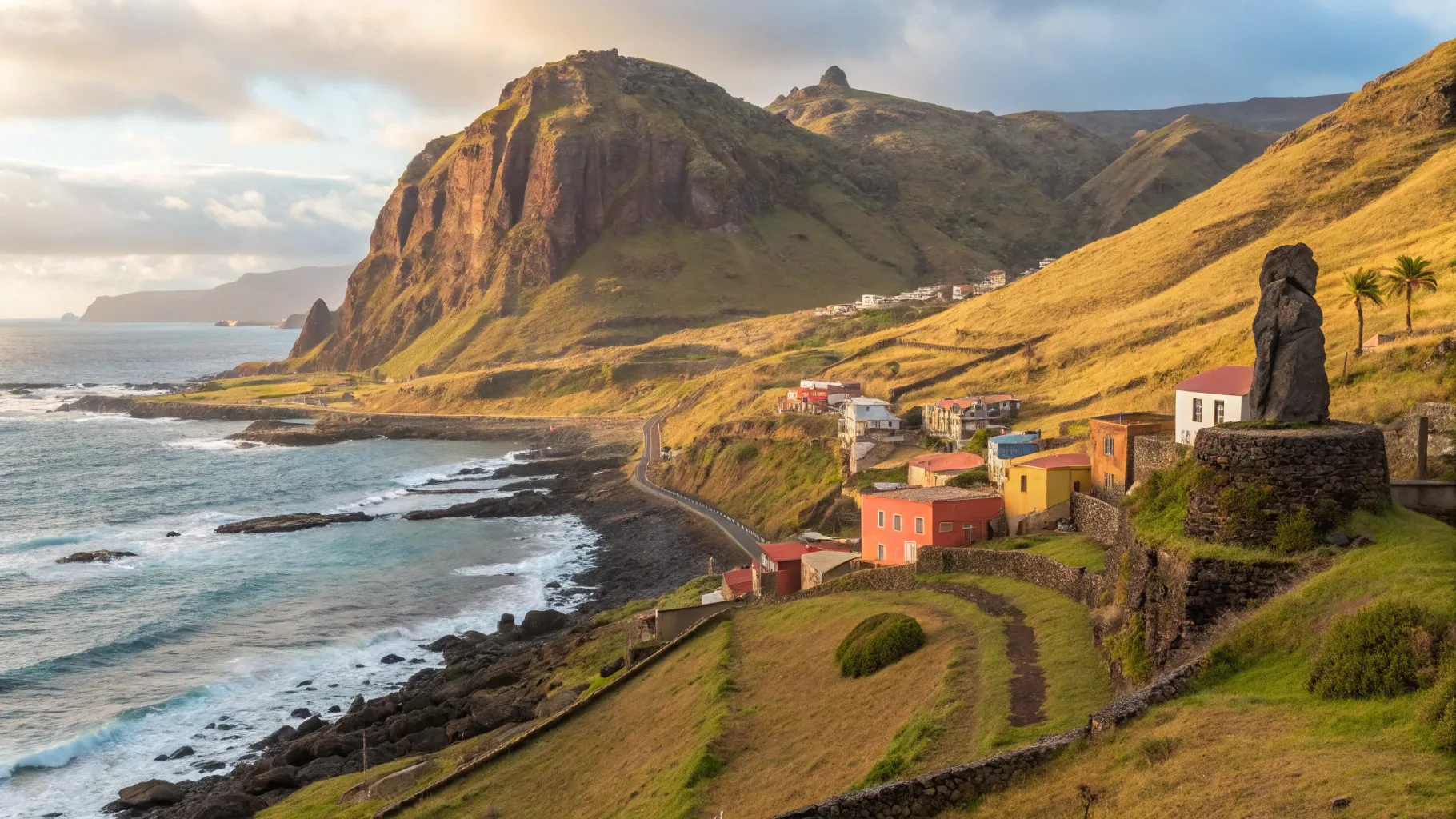
Table of Contents
- Introduction 🌍
- Chile at a Glance 🧭
- Atacama Desert — A World Apart 🌵
- Easter Island (Rapa Nui) — Moai and Mystery 🗿
- Elqui Valley — Pisco, Wine and the Stars 🌌
- Torres del Paine & Chilean Patagonia — Giants of Wind and Ice 🏔️
- Wine Country — Maipo, Maule, Colchagua and the Vineyards 🍷
- Valparaíso — Colors, Hills and Poetry 🎨
- Pucón & Villarrica — Volcanoes, Lakes and Hot Springs 🔥
- Chiloé Archipelago — Legends, Stilt Houses and Curanto 🌲
- Marble Caves (Capillas de Mármol) — Sculptures by Water 🪨
- Bahía Inglesa — A Caribbean Surprise in the Desert 🏖️
- Carretera Austral (Route 7) — The Great Patagonian Road Trip 🚗
- Puerto Varas & Lake Llanquihue — German Charm and Perfect Symmetry 🌋
- Planning Your Trip — Logistics, Timing & Money ✈️
- Suggested Sample Itineraries 🗺️
- Packing & Photography Tips 📸
- Food, Festivals & Cultural Notes 🍽️
- Sustainable Travel & Conservation 🌱
- FAQ — Frequently Asked Questions ❓
- Final Thoughts — Why Chile Should Be on Your Bucket List ✨
- Closing Screenshot Montage 📷
- Credits & Invitation 🎒
Introduction 🌍
- In the original video and its creator, I invited viewers on a cinematic journey across Chile — a country of extremes, contrasts, and surprises. In this article I expand that visual tour into a practical, story-driven guide you can read, save, and use to plan your next trip.
- What you'll find here: Concise, bullet-friendly descriptions of Chile’s top destinations Key facts and figures to understand scale and logistics Practical tips, suggested itineraries, cultural notes, and photography pointers Screenshots tied to video timestamps so you can visualize each scene
- Why read this: Chile is unique — it’s the narrowest, longest country on Earth, stretching more than 4,200 km from north to south and averaging about 177 km across. This creates an exceptionally varied playground for travelers: deserts, glaciers, volcanoes, islands, fjords, world-class wine valleys, and some of the darkest skies on the planet.
- How to use this post: scan the headings to jump to places that interest you, or read through in sequence to build a multi-week or multi-trip route through Chile. Everything is presented in easy-to-digest bullets to make planning fast and effective.
Chile at a Glance 🧭
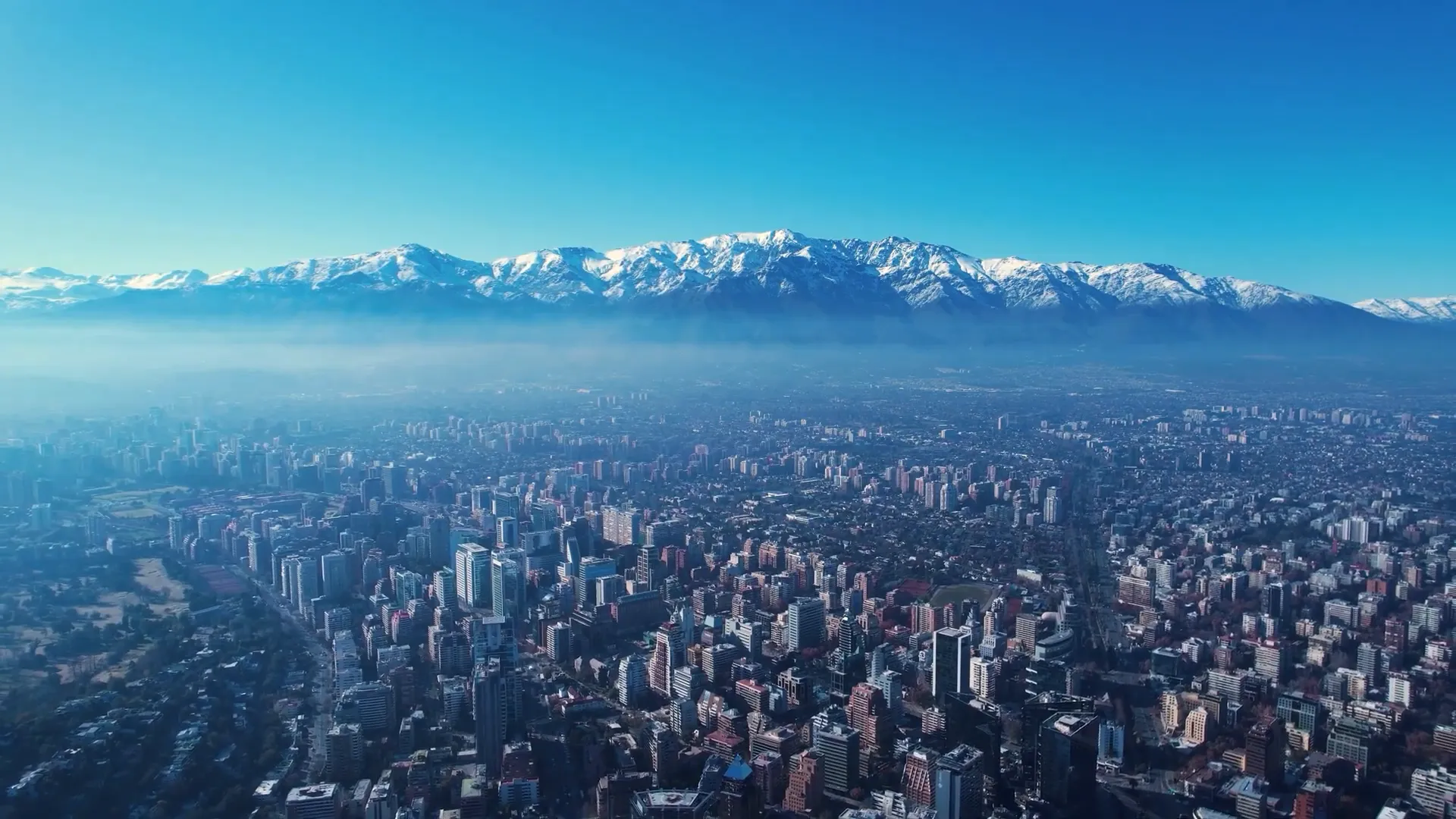
- Quick facts: Length: over 4,200 kilometers (about 2,600 miles). Average width: roughly 177 kilometers (about 110 miles). Population: around 18 million people. Economy highlights: world’s largest copper exporter; major producers of fruit, wine, salmon, and renewable energy. GDP snapshot: approximately $280+ billion USD (variable by year). Urban highlight: Santiago is a modern capital with the tallest building in Latin America — the Costanera Center (~300 meters, 62 stories). Geographical wonders: over 2,000 volcanoes, dozens of national parks, six UNESCO World Heritage Sites.
- Cultural & culinary highlights: Official language: Spanish (with strong regional dialects and indigenous languages in places like Chiloé and the Mapuche territories). Notable dishes: curanto (Chilote communal pit-cooked feast), pastel de choclo (corn pie), cazuela (hearty stew), fresh seafood along the coast. Iconic beverages: pisco (grape brandy), world-class wines from Maipo, Colchagua, Casablanca and other valleys. Literary culture: Chilean writers have won Nobel Prizes, and poetry is woven into national identity.
- Sustainability & tourism: Chile is recognized for developing sustainable tourism initiatives, particularly in fragile ecosystems like the Atacama and Patagonia. Modern infrastructure connects many destinations, but remote regions still require careful planning and flexible itineraries.
Atacama Desert — A World Apart 🌵
- Why Atacama is special: Considered the driest non-polar place on Earth — some areas have gone centuries without measurable rainfall. Landscape diversity within a short radius: salt flats, geysers, altiplanic lagoons, lunar-like valleys, and snow-capped volcanoes on the horizon.
- Must-see highlights: Altiplanic lagoons of Miscanti and Miñiques — turquoise mountain lakes over 4,000 m (13,000 ft) above sea level. Incredible photography subject with wild guanacos in foreground. Valle de la Luna (Valley of the Moon) — surreal rock formations and dunes that look lunar at sunset. Geysers del Tatio — an early morning spectacle with steam columns and surreal light at sunrise. Salar de Atacama and flamingo-filled salt lagoons — great for wildlife and reflective mirror shots. ALMA and other observatories — the clearest skies support world-class astrophysics and incredible stargazing experiences for visitors.
- Practical tips: Base yourself in San Pedro de Atacama for tours, oxygen-aware acclimatization, and local services. Altitude: many sites are above 3,000–4,200 m; acclimatize, hydrate, and take it easy on arrival. Weather: days can be hot and sunny; nights are cold. Layered clothing is essential. Best time: clear skies year-round for astronomy; spring (Sep-Nov) and fall (Mar-May) are comfortable for daytime excursions. Photography tip: shoot the lagoons and deserts at golden hour for deep colors and long shadows.
- Fun facts: ALMA (Atacama Large Millimeter/submillimeter Array) uses more than 60 antennas to probe the universe — a major reason astronomers flock here. Even in this dry desert, glacial remnants can be found tucked high in the Andes — a reminder of Chile’s vertical diversity.
Easter Island (Rapa Nui) — Moai and Mystery 🗿
- Why Rapa Nui is a must: Situated roughly 3,700 kilometers (2,300 miles) off Chile’s Pacific coast, Easter Island feels wholly remote — a compact culture-rich universe. More than 900 moai (giant stone statues) dot the landscape; many theories exist but the full story of their transport and erection remains one of archaeology’s great puzzles.
- Key sites: Rano Raraku quarry — the moai “workshop” where hundreds of statues remain partially carved and weathering in place; an evocative place that feels frozen in time. Ahu Tongariki — the largest restored platform with 15 moai aligned facing inland; an iconic sunrise photo location. Rano Kau crater — an extinct volcano with a lush crater lake and panoramic coastal views. Anakena Beach — white sand and turquoise sea, plus moai and ceremonial sites right on the shore.
- Culture & events: Rapa Nui culture remains vibrant — local dance, music, storytelling and crafts are woven into daily life. An annual festival in February fills the island with competitions, traditional costumes, rituals, and music celebrating Polynesian identity.
- Travel practicalities: Flights to Rapa Nui depart from Santiago; booking ahead is required because flights are limited and the island has small-runway operations. Accommodation ranges from small hostels to boutique lodges; book early for high season (southern summer / Dec–Feb). Respect local rules: many moai and sacred sites have restricted access or defined paths — visit thoughtfully and follow signage.
- Photography & experience tips: Sunrise at Ahu Tongariki and sunset at Rano Raraku and Ahu Tahai are unforgettable. Rent a bike or hire a local guide to get deeper cultural insights and reach lesser-known spots.
Elqui Valley — Pisco, Wine and the Stars 🌌
- What makes Elqui special: A tranquil valley roughly 500 km north of Santiago where vineyards, clear skies, and spiritual calm intersect. Known for pisco production (Muscat grapes) and white wines; the valley’s sunny, dry climate is ideal for both grapes and stargazing.
- Highlights: Pisco distilleries in Vicuña and Pisco Elqui — many family-run farms offer tours and tastings showing artisanal production from harvest to bottle. Observatories and stargazing tours — Elqui often boasts more than 300 clear nights per year and very low light pollution, making it one of the world’s best places to view the Milky Way. Laid-back towns, spiritual retreats, and wellness centers — the valley attracts visitors seeking meditation, yoga, and alternative therapies as much as food and wine.
- Practical notes: Best visited in dry months for clear skies — spring and autumn are ideal for daytime comfort and excellent nights for astronomy. Interacting with local producers: many distilleries welcome small-group tastings and will explain pisco classification, grape varieties, and aging methods. Combine a daytime pisco/wine tour with an evening observatory visit for a full sensory experience.
- Local culture & wellness: The valley attracts artists, spiritual seekers, and alternative lifestyle communities — expect an atmosphere of calm curiosity. Small local museums and cultural centers present the valley’s astronomical and historical connections (e.g., Gabriela Mistral was born in Vicuña).
Torres del Paine & Chilean Patagonia — Giants of Wind and Ice 🏔️
- Why Torres del Paine is legendary: Wild, vast, and dramatic — granite towers rising over 2,500 meters, enormous glaciers, turquoise lakes, lenga forests, and an abundance of wildlife. Recognized as a UNESCO Biosphere Reserve; the park covers more than 240,000 hectares (established 1959).
- Trails & trekking: W Circuit — a multi-day classic that connects glacial viewpoints, valleys and the base of the towers; typically 4–5 days. O Circuit — the longer, complete circuit for those seeking extended backcountry immersion (7–10+ days). Day hikes: shorter treks to spots like Mirador Base Torres for iconic views are possible on day trips from refugios or Puerto Natales.
- Highlights accessible by boat: Grey Glacier — a monumental ice mass that calves into Grey Lake; boat tours provide unique vantage points for photography and iceberg encounters. Lake Pehoe — brilliant turquoise waters contrasting with jagged peaks; scenic viewpoints abound along the southern shores.
- Wildlife & nature: Keep an eye out for guanacos, Andean condors, foxes, and—if lucky—pumas in more remote areas. Be prepared for Patagonia’s infamous wind: gusts can be strong and changeable, affecting pace and comfort on exposed treks.
- Comfort vs. wild: Options range from minimalist backcountry camping to luxurious lodges offering gourmet dining and guided experiences. Book refugios, campsites, and ranger permits well in advance during peak season (southern summer — Dec–Feb).
- Practical tips: Access via Puerto Natales; flights from Santiago to Punta Arenas then bus or drive to Puerto Natales are common routes. Park fees and regulations: check temperatures, park entry fees, and any reservation requirements for trails or accommodations. Packing essentials: multi-layer clothing, waterproof shell, sturdy boots, sun protection, and a compact first-aid kit.
Wine Country — Maipo, Maule, Colchagua and the Vineyards 🍷
- Why Chilean wine matters: Chile’s varied climates and soils produce world-class wines across regions from near Santiago down to the central valleys. Varieties to seek: Cabernet Sauvignon, Carmenère (rediscovered in Chile after near extinction in Europe), Sauvignon Blanc, Chardonnay, and a growing range of boutique varietals.
- Major valleys & character: Maipo Valley — close to Santiago and home to many renowned wineries producing elegant, structured reds (Cabernet-centric). Colchagua & Maule Valleys — larger, older viticultural zones producing robust reds and traditional estates steeped in winemaking history. Casablanca & San Antonio — cooler-climate valleys notable for expressive white wines and crisp Pinot Noir.
- Experiences & tastings: Estate tours: many wineries offer behind-the-scenes experiences, from barrel cellars to blending sessions with winemakers. Activities: vineyard bike rides, gourmet picnics among vines, vineyard-to-table dinners and seasonal harvest experiences. Learn from enologists who explain how terroir and vintage shape each bottle — tastings often highlight agricultural decisions and aging techniques.
- Food pairing: Local cuisine pairs wonderfully with wine: empanadas, grilled seafood or meat, pastel de choclo and cheeses are classic partners to local reds and whites.
- Planning tips: Combine a few wineries into a day trip from Santiago or stay longer in rural boutique accommodations for a relaxed itinerary. Book tastings in advance for popular estates; some require reservations for guided tours or gourmet experiences.
Valparaíso — Colors, Hills and Poetry 🎨
- Why visit Valparaíso: A UNESCO World Heritage port city with steep hills, funiculars, vibrant street art, and bohemian culture — located ~120 km from Santiago. Built across narrow ravines, Valparaíso’s layout of colorful houses stacked up the slopes creates a living canvas of public art.
- Top experiences: Wander Cerro Alegre and Cerro Concepción for street art, galleries, boutique cafes, and laneway discoveries. Ride historic ascensores (funiculars) to take in panoramic harbor and ocean views. Visit La Sebastiana — the quirky house-museum of a famous Chilean poet — for intimate views into local literary life and sea vistas. Evening viewpoints: watch sunsets from miradors where the harbor glows and fishermen’s boats dot the water.
- Practical tips: Valparaíso is best enjoyed on foot — comfortable shoes recommended for steep streets and staircases. Plan half- to full-day visits to explore markets, murals and small museums; combine with seaside towns like Viña del Mar for beaches and promenades.
- Cultural note: The city has a gritty charm — focus on respectful exploration and support local artists and cafes when possible.
Pucón & Villarrica — Volcanoes, Lakes and Hot Springs 🔥
- Why Pucón stands out: A lively adventure hub nested by lake and framed by the active Villarrica volcano — iconic for hikers, skiers, and hot-spring seekers. The region blends rugged outdoor recreation with Mapuche culture and local hospitality.
- Top activities: Ascend Villarrica volcano (guided) in summer for crater views and the chance to see fumaroles; in winter the slopes turn into a ski area. Explore Huerquehue National Park’s araucaria forests, lakes, waterfalls and scenic trails. Enjoy water sports on Lake Villarrica: kayaking, sailing and swimming in summer months. Relax in thermal springs scattered across the zone — many offer open-air pools surrounded by forest.
- Cultural experiences: Mapuche influences are visible in local food, artisan crafts and ceremonies; respectful cultural tours offer deeper insights.
- Practical notes: Guided volcano hikes require proper equipment and experience; book certified guides for safety. Pucón serves both budget travelers (hostels, camping) and high-end visitors (thermal-spa lodges).
Chiloé Archipelago — Legends, Stilt Houses and Curanto 🌲
- Essence of Chiloé: Chiloé feels like stepping into a folkloric world: wooden churches, colorful palafitos (houses on stilts), and stories of mythical creatures handed down through generations. The island maintains a strong cultural identity with Celtic, Mapuche and Spanish influences fused into daily life.
- Architectural and culinary highlights: Palafitos — iconic stilt houses in towns like Castro and Dalcahue, painted in bright colors that reflect in tidal waters. UNESCO-listed wooden churches — 16+ remarkable examples constructed using nail-less joinery techniques; visiting them is like walking through living history. Curanto — a communal pit-cooked feast layering seafood, meat, potatoes and native corn, covered with leaves and cooked over hot stones; a cultural ceremony as much as a meal.
- Folklore & wildlife: Legends of creatures like the trauco and piuchén are part of everyday storytelling; these myths enrich local culture and tours often include them. Ecology: temperate rainforests, rocky coastlines, fjords and wildlife such as penguins, sea otters and dolphins.
- Practical travel notes: Ferries or short flights connect Chiloé to the mainland; roads are narrow and charmingly slow-paced — plan for extra travel time. Local crafts markets are excellent sources for handcrafted wooden goods and textiles.
Marble Caves (Capillas de Mármol) — Sculptures by Water 🪨
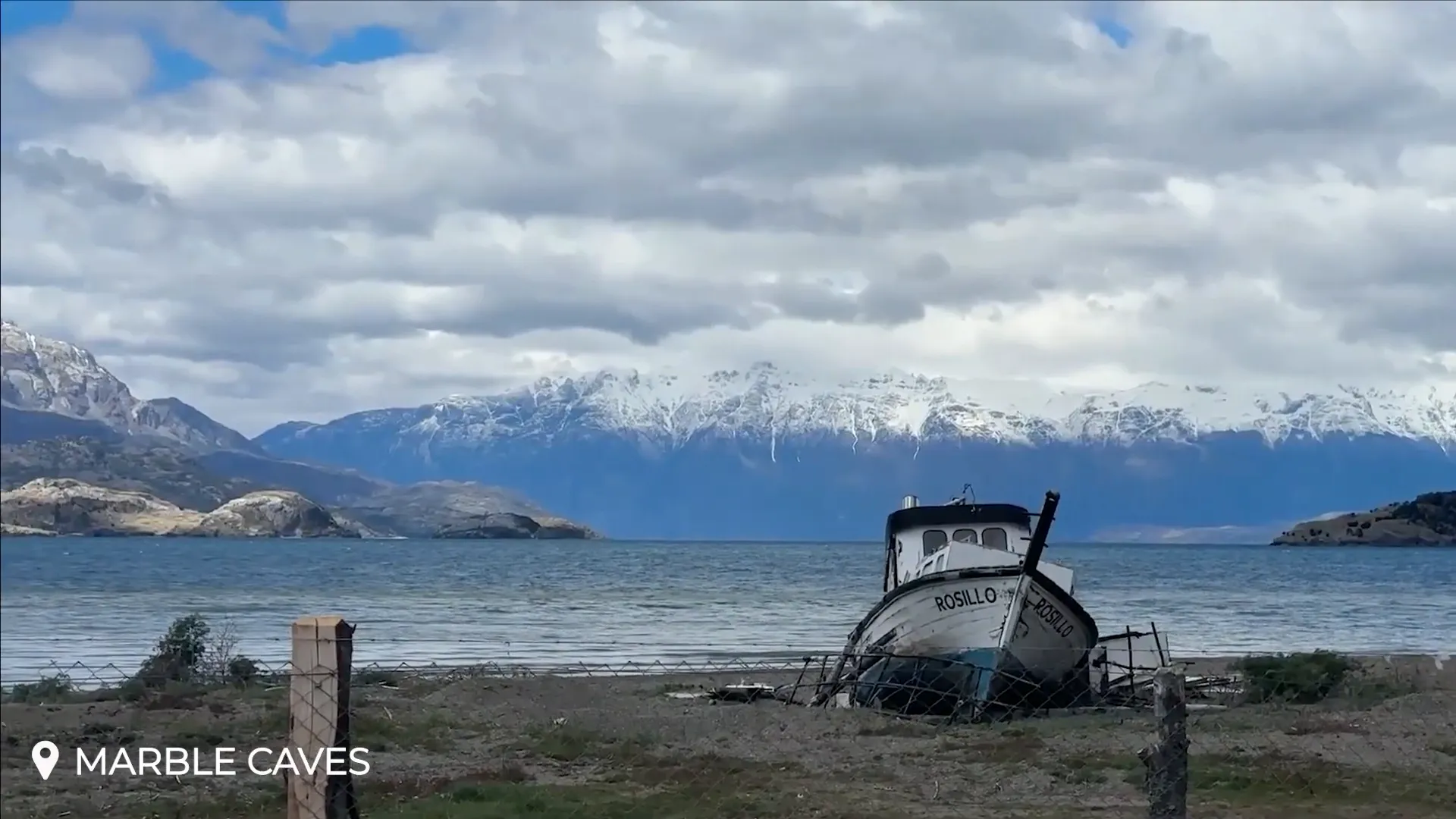
- Why the Marble Caves amaze: Natural marble formations on General Carrera Lake shaped by thousands to millions of years of wave erosion — they appear as sculpted chapels and cathedrals with swirling, polished stone faces. The water’s vivid turquoise and blue hues contrast with white marble to create a surreal, almost otherworldly palette.
- Visiting the caves: Base yourself in Puerto Río Tranquilo and take small boat or kayak tours onto General Carrera Lake to reach the caves. There are three major structures often visited: The Cathedral, The Chapel, and the Marble Cave — each with its own forms, columns and channels. No artificial lighting or walking paths — the experience is quiet, intimate and fully natural.
- Practical tips: Kayak tours provide the most immersive experience; boat tours are accessible for less physically demanding visits. Weather and water conditions can affect access — early morning often provides the calmest water and best light. Bring waterproof camera protection and polarizing filters to capture the stone-water interplay.
- Extra notes: General Carrera Lake is Chile’s second-largest lake; it supports trout and salmon fishing and remains less visited than more famous Patagonian sites, preserving a feeling of discovery.
Bahía Inglesa — A Caribbean Surprise in the Desert 🏖️
- Why Bahía Inglesa stands out: Located within the Atacama region, Bahía Inglesa surprises visitors with white sandy bays and light-blue waters that contrast dramatically with arid surroundings. It’s an accessible seaside oasis for those crossing northern Chile or seeking calm desert-coast beach days.
- What to do: Swim, sunbathe and relax — the water is typically calm and relatively warm, making it family-friendly. Explore nearby Playa La Virgen — often cited among Chile’s most beautiful beaches. Look for marine fossils and dramatic erosional cliffs in the surrounding coastlines.
- Travel tips: Bahía Inglesa is close to Caldera and is about 900 km north of Santiago — ideal as a stop when traveling the northern corridor. Expect a relaxed village vibe with seafood restaurants, guesthouses and minimal tourist infrastructure — bring what you need for comfort.
Carretera Austral (Route 7) — The Great Patagonian Road Trip 🚗
- Overview: Route 7, the Carretera Austral, stretches for more than 1,200 kilometers through some of Chile’s most remote and scenic territory, from Puerto Montt down to Villa O'Higgins. Originally built from the late 1970s onward for strategic reasons, it has become an iconic travel route for adventure seekers.
- What to expect on the road: Diverse scenery: fjords, glaciers, lenga forests, rivers, waterfalls, and isolated hamlets dotted along gravel and paved stretches. Ferries and river crossings: some parts require ferries or driving on non-paved roads — flexibility and slow travel mindset are essential. Town stops: small towns like Coyhaique, Caleta Tortel and Puyuhuapi offer local cuisine, basic services, and access to trails and boat tours.
- Travel planning: Allow ample time — the road is an experience where the journey is as valuable as destinations visited. Renting a sturdy vehicle, preferably with higher clearance, is recommended; guided overland tours are available for those preferring logistical support. Be prepared for limited connectivity in parts — stock up on fuel, food and cash where available.
- Highlights along the route: Queulat National Park (hanging glacier viewpoints), Pumalín Douglas Tompkins Park, Caleta Tortel’s wooden walkways, and scenic fjord vistas.
Puerto Varas & Lake Llanquihue — German Charm and Perfect Symmetry 🌋
- Why Puerto Varas: A German-influenced lakeside town on the shores of Lake Llanquihue with quaint wooden architecture, flowered gardens, cafés and excellent access to nature. The perfectly symmetrical Osorno volcano often dominates the skyline providing photographers with iconic frames.
- Nearby highlights: Vicente Pérez Rosales National Park — hikes, waterfalls, and the Petrohué Falls where rivers cascade through volcanic rock. Outdoor activities: kayaking, fishing, hiking and scenic drives take advantage of dramatic volcano-lake backdrops.
- Visitor tips: Puerto Varas offers good infrastructure (hotels, restaurants, tours) while retaining a relaxed small-city feel. Combine with a stay in nearby Frutillar for cultural experiences and classical music events in summer months.
Planning Your Trip — Logistics, Timing & Money ✈️
- When to visit: Chile’s vertical length demands planning by region and season. North (Atacama, Elqui): year-round with dry conditions; winters are colder at altitude. Central (Santiago, Valparaíso, Wine Valleys): Mediterranean climate — spring (Sep–Nov) and autumn (Mar–May) are ideal. South (Patagonia, Carretera Austral): summer (Dec–Feb) gives the best weather and accessibility; shoulder seasons offer fewer crowds but more variable conditions.
- Getting around: Domestic flights are frequent and often essential for long jumps between regions (Santiago ↔ Calama for Atacama; Santiago ↔ Punta Arenas for Patagonia; Santiago ↔ Isla de Pascua for Rapa Nui; Santiago ↔ Puerto Montt for the Lake District). Long-distance buses provide affordable travel for mid-range distances along the central corridor and down to the south; comfortable sleeper buses are common. Renting a car is recommended for flexible exploration in the central valleys, Lake District, and parts of the Carretera Austral — pick appropriate vehicle types for gravel roads.
- Money & costs: Chile has a relatively balanced cost of living compared to many countries: city costs are moderate; remote areas can be pricier due to supply logistics. Cash is useful in smaller towns; credit cards widely accepted in cities. ATMs are common but less reliable in remote locales — bring reserves.
- Safety & health: Chile is generally safe for travelers — exercise common sense in big cities and take precautions around isolated areas and hiking routes. Altitude awareness in Atacama altiplanic sites; pack altitude medication if prone to severe symptoms and acclimatize gradually. Sun protection is crucial, especially at high elevation and during long hikes.
- Sustainability: Support small local operators and responsible lodges; follow Leave No Trace principles when hiking and visiting fragile ecosystems. Respect wildlife distances and cultural sites, especially on Rapa Nui and in national parks with sensitive flora and fauna.
Suggested Sample Itineraries 🗺️
- 10–12 day “Highlights of Chile” (fast paced) Days 1–2: Santiago arrival, city highlights. Days 3–4: Fly to Atacama (Calama/San Pedro) — geysers, Valle de la Luna, star tour. Day 5: Return to Santiago; fly to Punta Arenas/Puerto Natales in late afternoon. Days 6–8: Torres del Paine — W Circuit day hikes and boat to Grey Glacier. Days 9–10: Return to Santiago; day trip to Valparaíso and Viña del Mar en route if time permits.
- 3-week “From Desert to Ice” (more relaxed and richer) Week 1: Northern loop — Atacama, Elqui Valley (stargazing & pisco) and Bahia Inglesa relax days. Week 2: Central Chile — Santiago, Maipo/Colchagua wine routes, Valparaíso cultural days. Week 3: Southern immersion — Puerto Montt to Puerto Varas (Lake District), Carretera Austral highlights or fly south to Punta Arenas and Torres del Paine for deeper Patagonian trekking.
- 2-week “Culture & Nature” (islands + central) Days 1–3: Santiago & day trips. Days 4–7: Fly to Rapa Nui — moai sites, Rano Raraku, crater visits, cultural festival timing if in February. Days 8–14: Return to Santiago and explore Valparaíso, Casablanca wine valley, and Elqui Valley for astronomy.
Packing & Photography Tips 📸
- Packing essentials by region: Atacama: sun hat, high-SPF sunscreen, lip balm, sunglasses, layers, closed shoes for salt flats and dunes, water bottle and altitude meds. Patagonia/Carretera Austral: windproof and waterproof jacket, thermal layers, sturdy hiking boots, gaiters, trekking poles, warm hat and gloves. General: universal adapter, power bank (remote areas), refillable water bottle, small first-aid kit, quick-dry clothes, insect repellent for humid zones.
- Photography suggestions: Bring a polarizing filter for water and sky saturation (Marble Caves, lakes, coastal scenes). Wide-angle lens for landscapes (Torres del Paine, Atacama Valleys), telephoto for wildlife (pumas, birds), and a sturdy tripod for night sky photography in Elqui/Atacama. Use golden hour lighting for dramatic shadows and colors; blue hour is extraordinary in urban Valparaíso and Rapa Nui for moai silhouettes. Protect your gear from sand in deserts and moisture in humid coastal regions — use protective bags and silica gel packs.
Food, Festivals & Cultural Notes 🍽️
- Must-try foods: Curanto (Chiloé) — communal pit-cooked feast of shellfish, meat, potatoes and local maize. Pastel de choclo — savory corn pie layered with meat, olives and hard-boiled egg. Cazuela — a homely stew of meat (or chicken), root vegetables and corn. Fresh seafood — ceviche, machas (razor clams), and grilled fish along coastal towns.
- Festivals: Rapa Nui festival (February) — island-wide competitions, dance, music and traditional celebration of culture. Local harvest festivals in wine regions and smaller religious and cultural events across Chiloé and southern towns.
- Etiquette & interaction: Greet with a polite "Hola" and use basic Spanish phrases — locals appreciate the effort. When visiting indigenous communities or sacred sites, ask permission and behave respectfully; many communities host cultural tours which are best booked through local operators.
Sustainable Travel & Conservation 🌱
- Why it matters in Chile: Fragile ecosystems — desert oases, high-altitude wetlands, endemic flora and fauna, and small island cultures demand responsible visitation. Over-tourism risk in hotspots: plan off-peak visits, book ethically-run tours, and prioritize operators with clear conservation practices.
- Practical sustainable actions: Use refillable water bottles, minimize single-use plastics, and carry a reusable shopping bag for purchases. Choose small, locally owned lodges, restaurants and tour companies to ensure tourism dollars support communities. Follow park rules, keep to trails, and avoid disturbing wildlife or archaeological sites.
FAQ — Frequently Asked Questions ❓
- Q: Is Chile expensive to travel in? A: Costs vary by region. Santiago and central valleys offer a wide range of options from budget to luxury. Remote southern destinations and islands tend to be pricier due to logistical costs. Planning and booking in advance can control costs.
- Q: How do I get from Santiago to the main destinations? A: Domestic flights are efficient and commonly used — e.g., Santiago ↔ Calama (Atacama), Santiago ↔ Punta Arenas (Patagonia), Santiago ↔ Isla de Pascua (Rapa Nui), Santiago ↔ Puerto Montt (Lake District). Buses are economical for central and southern overland travel.
- Q: Do I need a guided tour for places like Torres del Paine or Villarrica? A: Guided tours are recommended for volcano hikes (safety reasons), glacier boat trips, and remote crossings in Patagonia. Day hiking in Torres del Paine can be done self-guided, but refugio reservations and park rules must be followed.
- Q: When is the best time to stargaze? A: Clear dry seasons in the north (Atacama) and Elqui Valley offer exceptional conditions year-round. Avoid full moon nights for best Milky Way visibility, and check local observatory schedules for guided stargazing tours.
- Q: Is it safe to travel solo in Chile? A: Many travelers safely explore Chile solo. Use normal safety precautions in cities, stay informed about weather in remote areas, hire guides for hazardous activities, and let someone know your plans for multi-day treks.
- Q: What unique experiences should I prioritize? A: Priorities depend on personal interests, but for a singularly Chilean mix: a night at an Elqui observatory, sunrise at Ahu Tongariki (Rapa Nui), a multi-day trek in Torres del Paine, a kayak among the Marble Caves, and tastings in Maipo or Colchagua should be high on any list.
Final Thoughts — Why Chile Should Be on Your Bucket List ✨
- Chile’s dramatic north-to-south diversity is what makes it extraordinary. Within hours or a single domestic flight you can go from some of Earth’s clearest, driest skies in the Atacama to ancient glaciers and fjords in Patagonia.
- The country blends modern infrastructure and high quality of life with deep-rooted cultural traditions — from Rapa Nui ceremonies to Mapuche rituals and Chilote legends.
- For photographers, nature lovers, wine aficionados, stargazers and adventure seekers alike, Chile offers a near-unlimited palette of experiences: volcanic hikes, intimate cave explorations, world-class wines, and star-filled nights that make you feel like time has slowed.
- Before you go: plan mindfully, respect local communities and ecosystems, and leave space on your itinerary for spontaneous discoveries — the most memorable moments in Chile often arise when you least expect them.
- Which place from this guide will you put on your wish list? The desert’s silence, the moai’s gaze, the towers of Patagonia, or the marble caves’ silent blues — each awaits with its own stories and images.
Closing Screenshot Montage 📷
Credits & Invitation 🎒
- This article expands on the visuals and stories shared in the original video and its creator’s cinematic journey. I wrote it to help you plan, explore, and fall in love with Chile the way I did while making that video.
- If you enjoyed this guide, save it, share it with travel friends, and use it as a basis for your own Chilean adventure — then come back and tell your story of the landscapes, people, and moments that surprised you the most.