Ecuador — The Most Impossible Country on Earth: Incredible Scenes & Hidden Gems (Complete 2025 Guide)
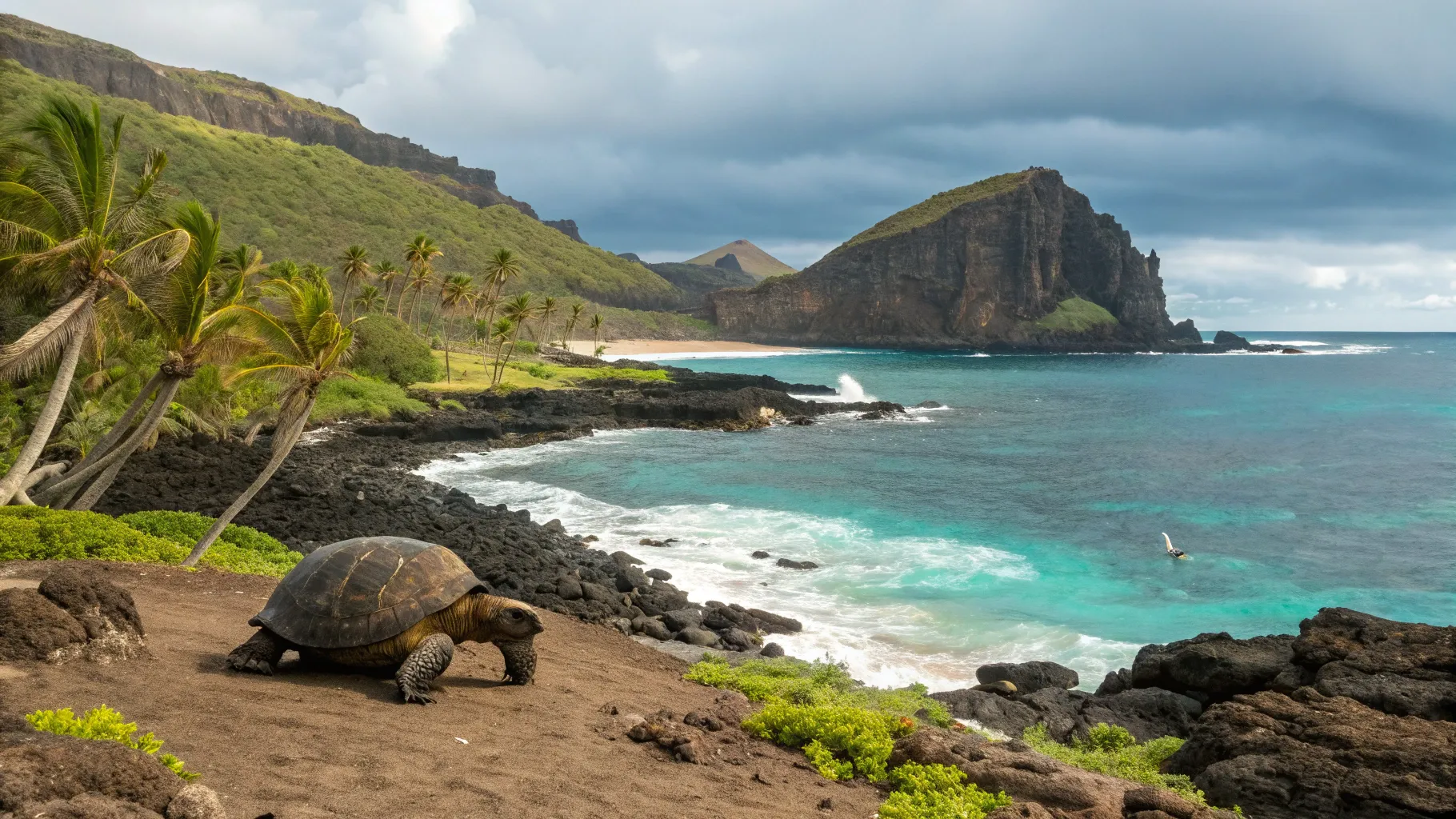
Table of Contents
- 🌎 Introduction: Why Ecuador Belongs on Every Traveler’s List
- 🗺️ Quick Overview: Regions & What They Offer
- 🗻 Cotopaxi National Park: Volcano, Paramo & Adventure
- 🐢 Galápagos Islands: A Living Laboratory of Evolution
- 🏛️ Quito: Colonial Heart, High Altitude, Endless Stories
- 💧 Quilotoa Lagoon & The Quilotoa Loop: Crater Lake Magic
- 🌋 Baños de Agua Santa: Adrenaline, Waterfalls & Healing Springs
- 🏞️ Sangay National Park: From Lowland Jungle to Glaciers
- 🧶 Otavalo Market: Textiles, Culture & Indigenous Tradition
- 🏛️ Cuenca & Panama Hats: Colonial Charm & Craftsmanship
- 🏺 Ingapirca Archaeological Site: Canari & Inca Legacies
- 🌿 Mindo Cloud Forest: Birds, Waterfalls, and Canopy Adventure
- 🦎 Guayaquil’s Seminario Park (Iguana Park): Urban Wildlife Up Close
- ❄️ Cayambe Coca National Park: Glaciers, Hot Springs & High Peaks
- 🐋 Isla de la Plata (La Plata): The Mini-Galápagos & Whale Country
- 🍽️ Ecuadorian Cuisine: Regional Flavors to Try
- 🧭 Practical Essentials: Planning, Costs & Safety
- 📸 Photography, Responsible Travel & Conservation Tips
- 🧳 Packing Checklist & Health Essentials
- 🗓️ Suggested Itineraries: 7, 10 and 14+ Day Options
- 📝 Responsible Travel: How to Leave a Positive Impact
- ❓ Frequently Asked Questions (FAQ) — Quick Answers
- ✅ Final Thoughts: Ecuador’s Unmistakable Allure
- 📣 Want More? Share Your Plans & Questions
🌎 Introduction: Why Ecuador Belongs on Every Traveler’s List
- Inspired by an immersive travel documentary, this guide distills the best of Ecuador into a practical, enthusiastic roadmap for travelers, nature lovers, photographers, and culture seekers. Below you’ll find detailed highlights, practical tips, itineraries, and lesser-known insights to help you plan an unforgettable trip.
- Quick headline facts to set the scene: Ecuador packs tropical rainforests, high Andean peaks, active volcanoes, Pacific coastline, and the unique Galápagos archipelago into an area roughly the size of Colorado. It’s one of the world’s richest biodiversity hotspots and home to endemic species found nowhere else — the Galápagos alone hosts species where roughly 20% are unique to the islands. Ecuador is internationally known for premium cocoa (a big portion of the world’s fine cocoa), bananas (a major global exporter), and petroleum resources that influence its economy.
- How to use this guide: Read the high-level highlights for inspiration. Consult the practical sections for real-world travel planning (permits, costs, best seasons, packing). Jump to suggested itineraries for sample trip plans by theme: nature, culture, adventure. Use the FAQ for quick answers to common traveler questions.
🗺️ Quick Overview: Regions & What They Offer
- The Highlands (Sierra) Quito — high-altitude capital with an exceptionally well-preserved colonial center (UNESCO). Otavalo — world-famous indigenous market and textile traditions. Cotopaxi & Cayambe — iconic volcanoes and paramo landscapes ideal for hiking, photography, and high-altitude trekking. Quilotoa — turquoise crater lake in a dramatic Andean setting.
- Amazon (Oriente) Sangay National Park & surrounding reserves — dramatic biodiversity across altitudinal gradients from lowland rainforest to Andean slopes. Wildlife highlights include rare mountain tapir, spectacled bear in higher forests, and countless bird species in lower Amazonian zones.
- Coast (Costa) Guayaquil — Ecuador’s largest city, where urban life meets coastal culture (Iguana Park is a quirky highlight). La Plata / Isla de la Plata near Puerto López — a “mini-Galápagos” for seabirds and seasonal humpback whale watching. Fresh seafood cuisine and warm Pacific beaches.
- Galápagos Islands Volcanic archipelago (~1,000 km off the coast) with unparalleled endemic biodiversity. Species highlights include giant tortoises, marine iguanas, Darwin’s finches, blue-footed boobies, hammerhead sharks, and playful sea lions.
🗻 Cotopaxi National Park: Volcano, Paramo & Adventure
- Why visit: Cotopaxi is one of the world’s most iconic and active volcanoes, rising to 5,897 meters — a visual symbol of Ecuador’s highlands and a popular climbing objective. Close proximity to Quito (about 50 km) makes it an easy day trip or weekend escape for hikers and adventurers.
- What to do: High-altitude trekking on established trails through paramo grasslands; watch for Andean condors soaring overhead. Guided summit climbs for experienced mountaineers — technical gear and acclimatization required. Shorter hikes to laguna refuges and interpretation centers for panoramic views without the summit effort. Wildlife and plant spotting — hundreds of native species adapted to high-altitude conditions.
- Practical tips: Altitude: take time to acclimatize in Quito or lower-altitude towns before attempting longer hikes. Weather: the highlands change quickly — layers, waterproof outerwear, sun protection, and warm clothing are essential. Guides and permits: use certified guides for high-altitude climbs; park entrance fees apply. Transport: organized tours or private transfers from Quito are common.
- "For the boldest, reaching the summit is an epic challenge. Rewarded by a spectacular view of the Andes mountains."

🐢 Galápagos Islands: A Living Laboratory of Evolution
- Why the Galápagos are unique: Archipelago of 21 main islands and dozens of islets formed by volcanic activity; isolated ecosystems produced high endemism. Charles Darwin’s observations here helped shape the theory of evolution — today the islands remain an unparalleled place to observe evolution, ecology, and behavior in situ. Approximately 20% of species on the islands cannot be found anywhere else on Earth — making the Galápagos a global conservation priority.
- Iconic wildlife: Giant tortoises — some live beyond 100 years. Marine iguanas — the only lizards adapted to forage in the sea. Darwin’s finches — variations provide living lessons in natural selection. Blue-footed boobies, flightless cormorants, Galápagos penguins, sea lions, and abundant marine life including hammerhead sharks and manta rays.
- Activities and how to experience the islands: Liveaboard cruises: best for reaching remote islands and maximizing wildlife encounters, from luxury to budget options. Day trips from main islands (Santa Cruz, San Cristóbal, Isabela) for snorkeling, hiking, and beach time. Snorkeling & diving: exceptional visibility and unique marine fauna — look for rays, sea turtles, sea lions, and reef ecosystems. Interpretive trails and visitor centers: learn about conservation efforts and the islands’ geology and ecology.
- Practical & conservation considerations: Park fees and transit control: visitors pay Galápagos National Park entrance fees and must follow strict biosecurity rules (no external plants/foods, thorough cleaning of gear, etc.). Best time to visit: year-round wildlife viewing; warm season (December–May) is calmer waters and greener landscapes, cool season (June–November) is cooler with better diving conditions. Choose based on species you wish to see. Book permits, liveaboards, and flights early — space is limited and tourism is regulated to protect fragile ecosystems.
- "The Galapagos Islands are a must for anyone seeking a true immersion in nature."
🏛️ Quito: Colonial Heart, High Altitude, Endless Stories
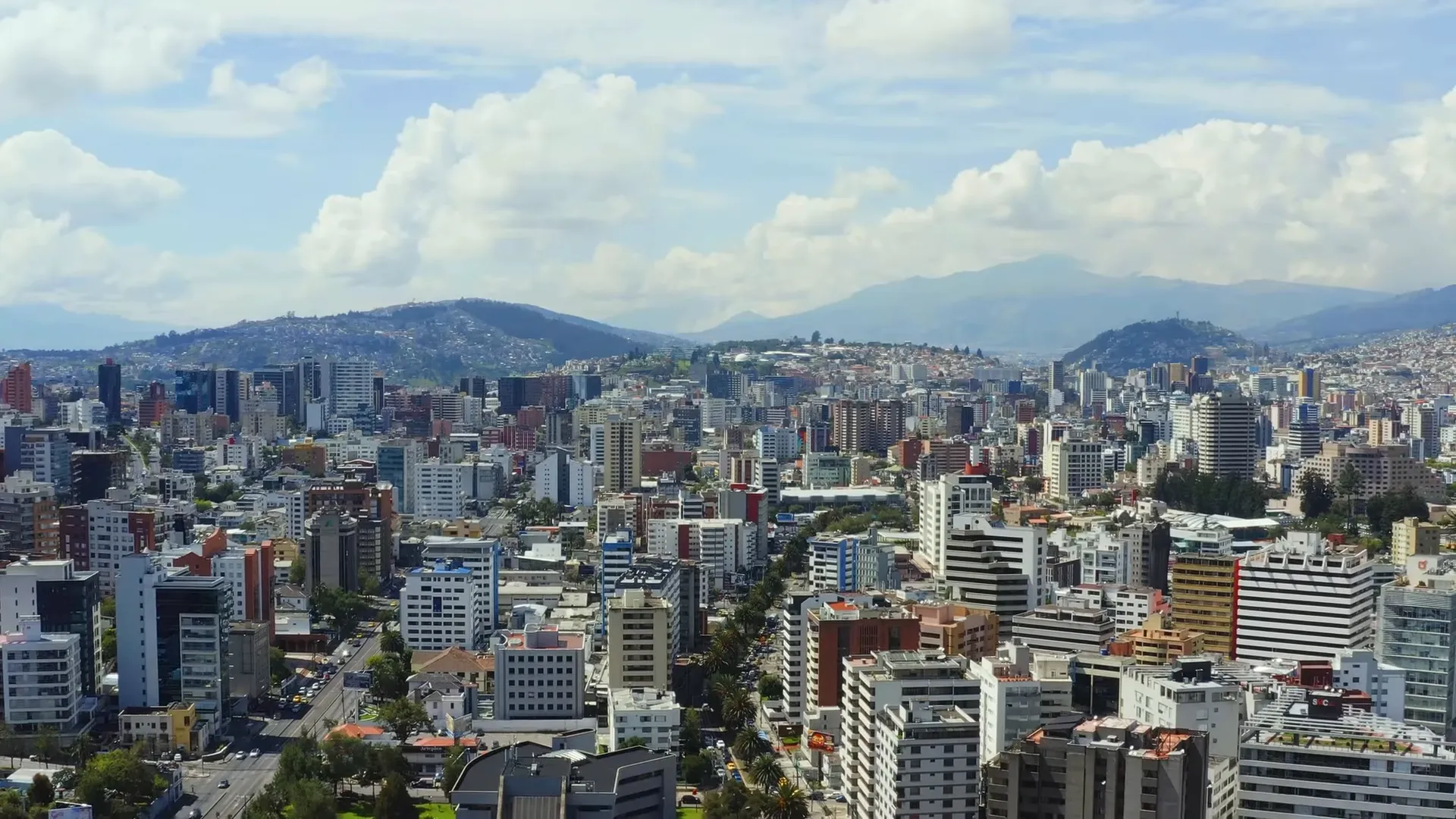
- What makes Quito special: Second highest capital in the world (above 2,800 meters) with a remarkably preserved historic center declared a UNESCO World Heritage Site in 1978. Architecture blends indigenous and Spanish colonial designs — a living narrative of centuries of cultural exchange.
- Must-see highlights: Basilica of the National Vow — one of the largest neo-gothic churches in the Americas with panoramic views from its towers. Church of the Society of Jesus (La Compañía) — famous for gold-covered interiors and intricate baroque craftsmanship. Plaza Grande — central square surrounded by presidential and historic buildings. Panecillo viewpoint and the statue of the Virgin of Quito — great city panoramas.
- Cultural and practical tips: Allow time to wander narrow cobbled streets — every corner reveals churches, charrettes, colorful balconies, and lively markets. Altitude strategy: rest at arrival for at least a day, drink plenty of water, and limit strenuous activity for the first 24–48 hours. Use Quito as a base for day trips to Cotopaxi, Mindo, Cayambe, and Quilotoa.
💧 Quilotoa Lagoon & The Quilotoa Loop: Crater Lake Magic
- Why Quilotoa is a must: A volcanic crater lake with vivid turquoise water caused by minerals and depth — the color shifts with sunlight and weather. Located roughly three hours from Quito, offering dramatic Andean landscapes and a network of indigenous villages along the Quilotoa Loop.
- Activities: Hike the rim for expansive views or descend to the lake’s edge for a quieter experience. Donkey rides are available for the steep return climb if needed; local villages provide food, crafts, and homestays along the loop. Photography and landscape painting are natural fits — dramatic light at sunrise and sunset creates painterly scenes.
- Cultural immersion: Quilotoa Loop connects small Andean communities where traditional weaving, markets, and hospitality give insight into local customs. Support local artisans by purchasing textiles and crafts directly from producers.
🌋 Baños de Agua Santa: Adrenaline, Waterfalls & Healing Springs
- Overview: Baños sits at the foot of Tungurahua volcano and is a magnet for adventure sports and nature relaxation alike. It’s known for waterfalls, hot springs, and a lively adventure tourism scene that includes rafting, zip lining, canyoning, and hiking.
- Top experiences: White water rafting on the Pastaza River, suitable for different skill levels depending on the season. Zip lining above dramatic gorges — many operators offer long cables and photo opportunities. Pailón del Diablo waterfall — a thundering cascade with walkways and viewpoints that bring you close to the spray. Thermal baths (hot springs) warmed by volcanic heat — great for post-adventure recovery.
- Practical tips: Book adventure activities through reputable operators with proper safety equipment and guides. Consider visiting hot springs late afternoon for a relaxing end to an active day. Check volcano activity advisories — Tungurahua can have steam and ash events; local guidance is essential.
🏞️ Sangay National Park: From Lowland Jungle to Glaciers
- Why Sangay stands out: Sangay National Park spans an incredible range of ecosystems — from tropical lowlands to high Andean glaciers — making it one of Ecuador’s biodiversity champions. The park includes active volcanoes like Sangay itself, which has been erupting near-continuously for centuries, shaping dramatic landscapes and providing unique field research opportunities.
- Wildlife & highlights: Rare mountain tapir and spectacled bear can be found in remote, high-elevation forests. Andean condor sightings are spectacular — watching a condor glide over mountain ridges is unforgettable. Hidden alpine lakes, glaciers, and disparate ecosystems make for challenging but rewarding expeditions.
- Logistics: Access can be remote — plan with local outfitters who know trail conditions and weather windows. Multi-day treks require preparation, permits, and sometimes camping gear; guided trips are recommended for safe navigation.
🧶 Otavalo Market: Textiles, Culture & Indigenous Tradition
- What makes Otavalo special: One of the largest and oldest indigenous markets in Latin America — especially vibrant on Saturdays when the town center fills with stalls and artisans. Known globally for its hand-woven textiles, ponchos, rugs, and designs deeply rooted in Otavalo community traditions.
- What to buy and how to interact: Textiles: hand-woven ponchos, blankets, and scarves — look for natural dyes and tight weave quality. Jewelry: silver pieces and semi-precious stones crafted by local silversmiths. Other crafts: straw hats, leather goods, decorative items, and musical instruments. Engage respectfully: ask artisans about their work, and be prepared to barter gently — this is a cultural exchange as much as commerce.
🏛️ Cuenca & Panama Hats: Colonial Charm & Craftsmanship
- Cuenca highlights: Elegant colonial architecture, cobbled streets, and a relaxed pace make Cuenca one of Ecuador’s most charming cities. Historic Center is UNESCO-listed; the New Cathedral (Cathedral of the Immaculate Conception) dominates the skyline with its blue domes. Old Cathedral and local museums provide context for the city's religious and cultural evolution.
- Crafts and specialties: Panama hats: despite the name, the finest straw hats originate from Ecuador (traditionally woven in the Montecristi region near Guayaquil/Cuenca areas). Look for “Montecristi” or “Toquilla” weaves for authentic quality. Cuenca’s artisan markets: textiles, jewelry, and leather goods reflect Ecuador’s long craft traditions.
🏺 Ingapirca Archaeological Site: Canari & Inca Legacies
- Why visit Ingapirca: Largest pre-Columbian archaeological complex in Ecuador, showing the interaction between Canari builders and later Inca engineering. Temple of the Sun — a semicircular stone structure with precisely fitted blocks, used for ceremonies and astronomical observations.
- What you’ll see: Labyrinth of ruins: grain storage facilities, houses, irrigation canals, and agricultural terraces. Stones that align with solstices and other astronomical markers — evidence of advanced calendar systems used for agriculture planning. Mountain and valley panoramas that add dramatic context to the ruins.
🌿 Mindo Cloud Forest: Birds, Waterfalls, and Canopy Adventure
- Why birders and nature lovers flock to Mindo: Cloud forest environment with extraordinary biodiversity — over 400 bird species including hummingbirds and the Andean cock-of-the-rock. Accessible from Quito (roughly two hours), Mindo is an excellent day-trip or overnight base for wildlife watching and outdoor activities.
- Top experiences: Guided birdwatching at dawn — bring binoculars and a local guide who knows the soundscape and microhabitats. Zip-line canopy tours offer adrenaline and panoramic forest views. Tubing down the river (a relaxed and scenic adventure) and hikes to hidden waterfalls for swimming. Butterfly farms, orchid gardens, and chocolate-making tours are popular complementary activities.
🦎 Guayaquil’s Seminario Park (Iguana Park): Urban Wildlife Up Close
- Why visit: Seminario Park, also called Iguana Park, is a slice of calm in Guayaquil’s historic center and famous for tame green iguanas that roam freely. It’s an easy stop for travelers exploring the city’s central plazas and cathedral area.
- What to expect: See iguanas basking on benches, climbing trees, and mingling with visitors — many over 1.5 meters long. Informational signs explain iguana habits and encourage conservation and respect for wildlife. Nice shaded strolls, fountains, and a convenient starting point for the historic district.
❄️ Cayambe Coca National Park: Glaciers, Hot Springs & High Peaks
- Highlights: Cayambe Volcano (5,790 meters) features glaciers and dramatic mountain vistas; it’s the third-highest volcano in Ecuador. Papallacta hot springs nearby offer geothermal relaxation only about an hour from Quito. Rich biodiversity includes orchids and rare mammals like the spectacled bear in high forest zones.
- Activities: Hiking in alpine and subalpine environments with glacier views; guided routes vary in difficulty and require acclimatization. Papallacta: soak in geothermal pools surrounded by mountain scenery — therapeutic and perfect after mountain trekking.
🐋 Isla de la Plata (La Plata): The Mini-Galápagos & Whale Country
- Why La Plata is a great coastal alternative: Often called the “mini-Galápagos,” La Plata offers seabird colonies, blue-footed boobies, and easy boat-access wildlife viewing from Puerto López. Seasonal humpback whale watching (June–September) draws visitors to witness breeding and calving behavior close to shore.
- Activities: Boat tours for bird colonies and whale watching — choose operators that respect distance rules and wildlife safety. Snorkeling and diving in nearby reefs for rays, sea turtles, and small sharks. Short island trails leading to scenic lookouts and nesting sites for seabirds.
🍽️ Ecuadorian Cuisine: Regional Flavors to Try
- Coastal specialties: Ceviche — fresh seafood marinated in citrus, with regional variations across the coast. Arroz marinero (seafood rice) and fried fish dishes near the shoreline.
- Andean foods: Locro de papa — a creamy potato soup often with cheese and avocado. Cuys (guinea pig) in traditional Andean preparations (try it in regions where it's customary). Humitas and tamales — corn-based dishes with regional twists.
- Amazon & jungle cuisine: Fresh river fish stews and dishes with cassava, plantains, and tropical fruits.
- Sweet & notable: Cocoa — Ecuador produces some of the world’s finest cocoa beans used for premium chocolate; try bean-to-bar tours and tasting sessions.
🧭 Practical Essentials: Planning, Costs & Safety
- Currency & entry: Currency: United States dollar (USD) is the national currency — simple for travelers from dollar-using countries. Entry: ensure your passport validity and check visa requirements based on your nationality; Galápagos entry requires park fee payments at the airport/port and strict biosecurity checks.
- Transport: Domestic flights connect Quito, Guayaquil, Cuenca, and the Galápagos (island flights are separate and require booking in advance). Buses are affordable and frequent between major cities; Ecuador’s roads are generally good in main corridors, though mountain roads can be winding and slower. Car rental gives flexibility for remote areas and loop itineraries (watch for parking and city driving rules).
- Costs & budgeting: Daily budget can vary widely: backpacker style (~$25–$45/day), mid-range (~$60–$120/day), and higher for private guides, luxury lodges, or Galápagos cruises (which can cost thousands depending on length and comfort). Galápagos: expect significant extra costs (park entrance fees, boat/cruise costs, internal flights) — plan and save for this special leg of the trip.
- Safety & health: Altitude sickness: acclimatize in Quito or lower elevations; consider medication (consult a doctor) and follow rest recommendations. Vaccinations: check current recommendations for hepatitis, typhoid, tetanus; Yellow Fever vaccination may be advised for Amazon travel. Personal safety: use common-sense precautions in cities (avoid isolated areas at night, watch valuables); rural areas are generally safe but remote travel benefits from local guides and communication plans.
- Language: Spanish is the national language; English is common in tourism hubs and with guides — learn basic Spanish phrases for deeper cultural connections.
- Permits & regulations: Galápagos National Park regulations are strict for conservation. You must pay entrance fees and adhere to biosecurity procedures; guided visits and designated trails help minimize human impact. Protected areas often require entrance fees and follow specific rules regarding camping, fires, and waste disposal.
📸 Photography, Responsible Travel & Conservation Tips
- Respect wildlife: Keep distance and avoid feeding animals. In places like the Galápagos and Iguana Park, animals may be habituated but feeding or touching disrupts natural behavior and can harm them. Follow guide instructions on approach distances for birds, marine mammals, and nesting sites.
- Minimize footprint: Use refillable water bottles and avoid single-use plastics when possible. Pack out what you bring and support operators with clear sustainability policies. Choose local guides, family-run accommodations, and community tourism experiences to support regional economies.
- Photography tips: Golden hours (sunrise/sunset) in the highlands and coast produce dramatic light for landscapes. Use telephoto lenses for wildlife; wide-angle lenses capture crater lakes, volcanoes, and cityscapes. Underwater photography is excellent in the Galápagos and coastal reefs—ensure waterproof housing and clean lens ports to protect marine species from contamination.
🧳 Packing Checklist & Health Essentials
- Clothing: Layering is essential for highland climates (base layer, mid-layer, windproof/waterproof shell). Warm hat, gloves, and thermal layers if trekking near glaciers or summits. Lightweight breathable clothing for Amazon and lowland coastal areas; long sleeves and insect-repellent clothing for jungle regions. Sturdy hiking boots, sandals for coastal areas, and water shoes for river activities or rocky beaches.
- Gear: Daypack, refillable water bottle, sunscreen, sunglasses, and rain cover. Binoculars for birdwatching and wildlife observation. First aid kit plus altitude medication if recommended by your physician. Snorkel and mask (optional) or use rentals for Galápagos/coastal trips.
🗓️ Suggested Itineraries: 7, 10 and 14+ Day Options
- Quick 7-Day Highlights (Best for a crisp introduction): Day 1: Arrive Quito, acclimatize, explore historic center. Day 2: Cotopaxi National Park day trip or Quilotoa short trek. Day 3: Fly to the Galápagos (Santa Cruz) — visit Charles Darwin Research Station and Tortuga Bay. Day 4: Island boat trip or snorkeling excursion. Day 5: Return to the mainland — travel to Baños for waterfalls and hot springs. Day 6: Adventure activities in Baños; evening thermal baths. Day 7: Return to Quito and depart or extend to Cuenca/Coast.
- 10-Day Nature & Culture Combo: Days 1–2: Quito (historic center and Pichincha viewpoint) and Cotopaxi day trip. Days 3–4: Quilotoa and Quilotoa loop villages for cultural immersion. Days 5–6: Otavalo market and northern highlands (markets, textile workshops). Days 7–8: Fly to Galápagos for two guided days (island hopping or short cruise). Days 9–10: Baños for adventure activities and Papallacta/Cayambe hot springs before returning to Quito.
- 14+ Days: In-Depth & Off-the-Beaten-Path Include Amazon lodges for lowland rainforest, Sangay National Park for deep nature treks, coastal La Plata for whale watching, and Cuenca/Ingapirca for southern cultural-historical immersion. Consider a liveaboard Galápagos cruise (4–8 days) to reach remote islands and maximize marine wildlife experiences.
📝 Responsible Travel: How to Leave a Positive Impact
- Support local economies: Choose community-run lodges and local guides, buy crafts directly from artisans, and eat at local restaurants when possible. Respect cultural practices and dress norms in indigenous communities — ask before photographing people, and barter respectfully at markets.
- Conserve fragile ecosystems: Avoid stepping on coral, keep distance from nesting birds, and don’t remove natural souvenirs from protected areas. Participate in volunteer or conservation programs if you have time and interest — many reputable organizations work in reforestation, marine protection, and community education.
- Travel light and smart: Pack minimal plastic, use reef-safe sunscreen (especially in Galápagos and coastal areas), and leave no trace during hikes and beach visits.
❓ Frequently Asked Questions (FAQ) — Quick Answers
- How safe is Ecuador for travelers? Overall, Ecuador is a safe country for travelers who use common sense. Major tourist areas have good infrastructure, but always watch your belongings in crowded places, avoid poorly lit streets at night, and follow local advice. Use licensed guides for remote areas and high-altitude treks.
- When is the best time to visit the Galápagos? Both seasons have advantages: December–May (warm, calmer seas, more green landscapes) — ideal for snorkeling and warmer weather. June–November (cooler but nutrient-rich waters) — exceptional diving and abundant marine life. Whale watching peaks June–September around La Plata/Puerto López.
- Do I need special permits for the Galápagos? Yes — visitors pay an entrance fee to Galápagos National Park and must pass biosecurity checks. If you join a cruise, permits and national park compliance are managed by operators, but fees still apply. Book flights and lodging well in advance.
- What about altitude sickness? Quito and many highland destinations are above 2,500 meters. Acclimatize slowly, stay hydrated, avoid heavy exertion on arrival, and consider medication if recommended by your doctor. Symptoms may include headache, shortness of breath, and fatigue.
- Is Ecuador expensive? Ecuador is generally affordable compared to North America and Europe, but costs vary. Galápagos trips, liveaboard cruises, and guided expedition-style tours are the major budget drivers. Everyday costs (food, transport, lodging outside Galápagos) are reasonable for most travelers.
- What vaccinations do I need? Standard travel vaccinations (tetanus, hepatitis A/B) are recommended; Yellow Fever may be advised for Amazon-area travel. Check with a travel health clinic for updated recommendations well before departure.
- Which animals are unique to Ecuador? The Galápagos islands host many unique species (giant tortoises, marine iguanas, Darwin’s finches). Mainland Ecuador also supports endemic species in Andean and Amazonian habitats — look for rare mammals like the mountain tapir and unique birds in cloud forests like Mindo.
✅ Final Thoughts: Ecuador’s Unmistakable Allure
- Ecuador is a compact country with disproportionate natural and cultural wealth. Whether your passion is high-altitude trekking, wildlife photography, cultural immersion, or ocean exploration, Ecuador delivers variety and intensity rarely matched elsewhere.
- Remember: Plan thoughtfully for Galápagos logistics and costs. Respect fragile ecosystems and indigenous cultures. Acclimatize to altitude and travel with certified guides for challenging activities.
- Which destination from this guide pulls you in most — the Galápagos’ living laboratory, Quilotoa’s turquoise crater, Otavalo’s textile bazaars, or the adventure town of Baños? Pick a region, start planning, and pack layers — Ecuador is ready to surprise you.
📣 Want More? Share Your Plans & Questions
- If you’re planning a trip, share where you’re headed first and what kind of experiences you want (wildlife, culture, adventure). I’ll add tailored tips for timing, packing, and local logistics in a follow-up.
- Final reminder: travel responsibly. Ecuador’s wonders are fragile and remarkable — our best travel stories come from leaving a place better than we found it.