Georgia | Ancient, Remote, and Unreal — A Traveler’s Guide
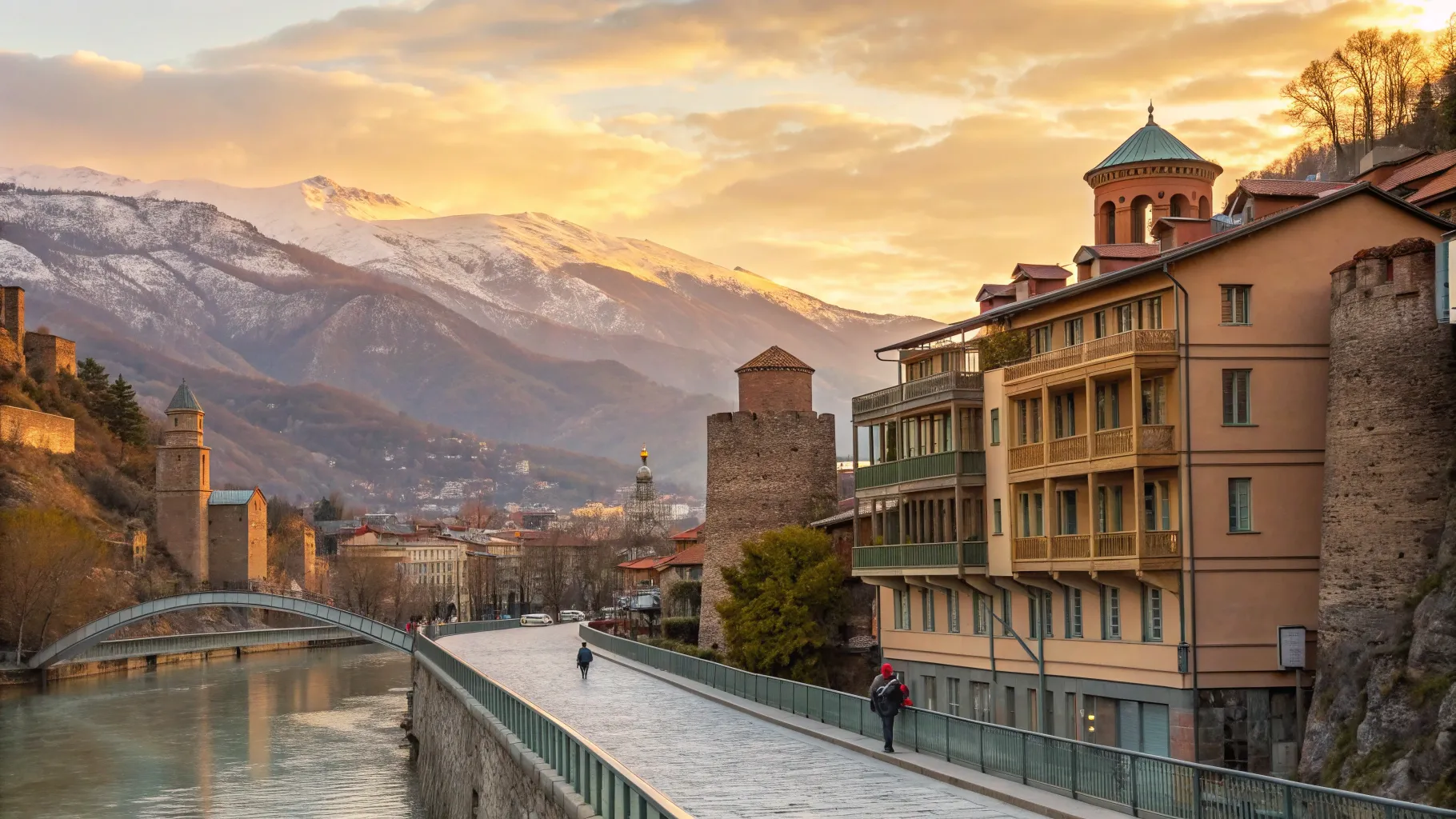
Table of Contents
- 🌍 First impressions: why Georgia sticks with you
- ♨️ Tbilisi: warm springs, layered history, and urban soul
- ⛪ Mtskheta and the quiet power of sacred places
- 🪨 Uplistsikhe: a human city carved from volcanic rock
- 🕸️ Vardzia: the cliff city where monks and soldiers sheltered together
- 💧 Borjomi: mineral water and restorative forests
- 💘 Signagi: the small town that wears romance well
- 🍇 Kakheti and kvevri wine: 8,000 years in a bottle
- 🏔️ Tusheti via the Abano Pass: a summer kingdom in the clouds
- 🔥 Mount Kazbek and the legend of Prometheus
- 🗻 Ushguli and Svaneti: medieval towers and alpine isolation
- 🌲 Bechumi and Ajara: summer villages and pine-scented trails
- 🕳️ Krubera Cave: the deepest known cave on Earth
- 🍞 Food, wine and rituals: how Georgians treat hospitality
- 🧭 Practical travel tips and suggested routes
- 🧾 Essentials: permits, money and etiquette
- 📸 Practical photography advice
- 🧭 Two sample itineraries
- 🔎 Cultural notes and deeper context
- 🔁 Reflection: what Georgia teaches us
- ❓ FAQ
- 🧳 Final notes and a gentle invitation
🌍 First impressions: why Georgia sticks with you
- Georgia sits at the crossroads of Europe and Asia, a compact country with enormous cultural depth and dramatic landscapes.
- Population and vibe: roughly 4 million people, a calm confidence born from millennia of history and 30 years of modern independence.
- Unique identity: a distinct language and one of the world’s most beautiful alphabets, evolved through three scripts and unrelated to Indo-European or Slavic roots.
- Why travelers fall in love: a mix of ancient traditions, wild nature, monumental hospitality, affordable costs, and genuine safety for visitors.
- Expect sensory contrasts everywhere — warm thermal steam and glass-and-steel bridges; stone towers and pastel balconies; volcanic mineral water and 8,000-year-old winemaking rituals.
♨️ Tbilisi: warm springs, layered history, and urban soul
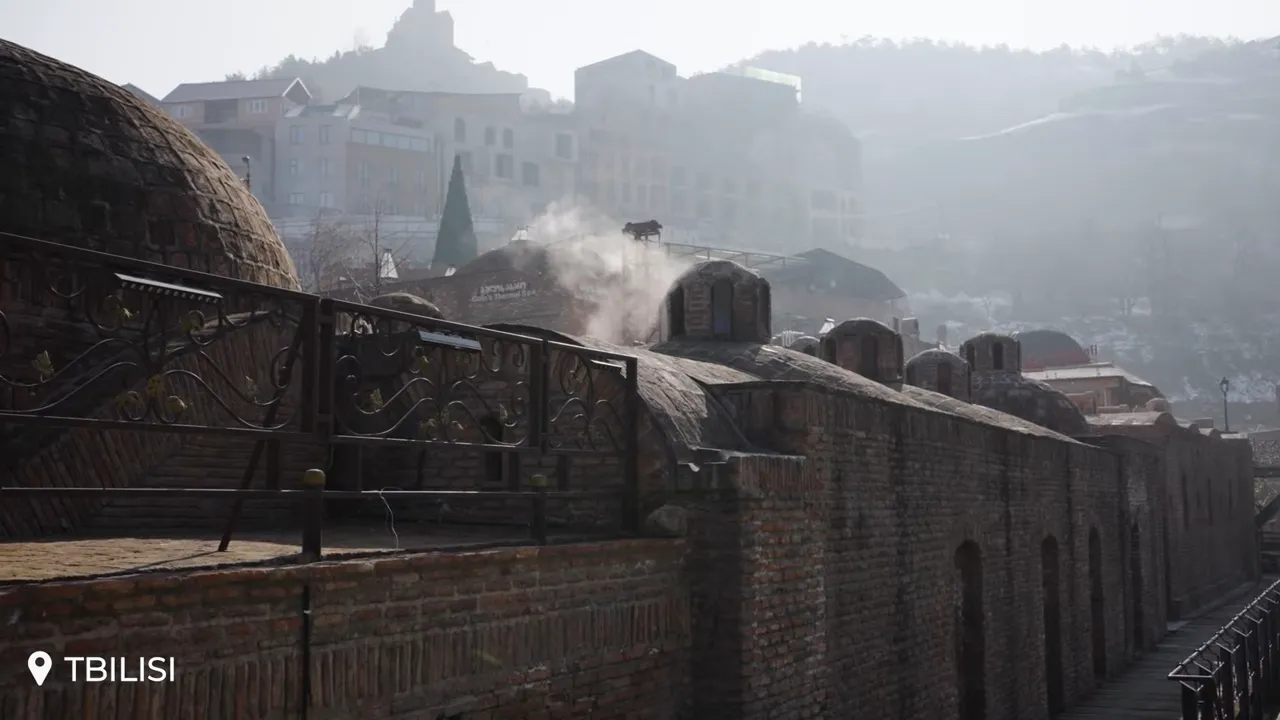
- Meaning of the name: Tbilisi literally means warm — a nod to the sulfur springs beneath Abanotubani.
- Bathhouse ritual: steam domes, scalding pools, rough scrubs and a surprisingly restorative final slap from the attendant — an old ritual that leaves you feeling reborn.
- Urban contrasts: ancient Orthodox churches sitting next to mosques and synagogues; 19th-century walls with giant murals; and startling modern interventions like the Bridge of Peace.
- Panoramic viewpoints: take the funicular to Mount Mtatsminda for a sweeping view with the Holy Trinity Cathedral presiding over the city.
- Historic weight: Narikala Fortress dates back to the 4th century and still watches empires rise and fall.
- Evening ritual: finish the day with a glass of kvevri wine, a taste of soil and time that connects city to countryside.
⛪ Mtskheta and the quiet power of sacred places
- Mtskheta is the spiritual heart of the nation, only twenty minutes from Tbilisi but a world away in atmosphere.
- Svetitskhoveli Cathedral, from the 11th century, carries centuries of devotion — tradition says the robe of Christ rests under its floor.
- Jvari Monastery, perched on a hand-sculpted hill, marks the site where Saint Nino is said to have raised a wooden cross in the 6th century.
- More than monuments: Mtskheta asks you to slow down, stand at river confluences and feel history as a still, present thing.
🪨 Uplistsikhe: a human city carved from volcanic rock
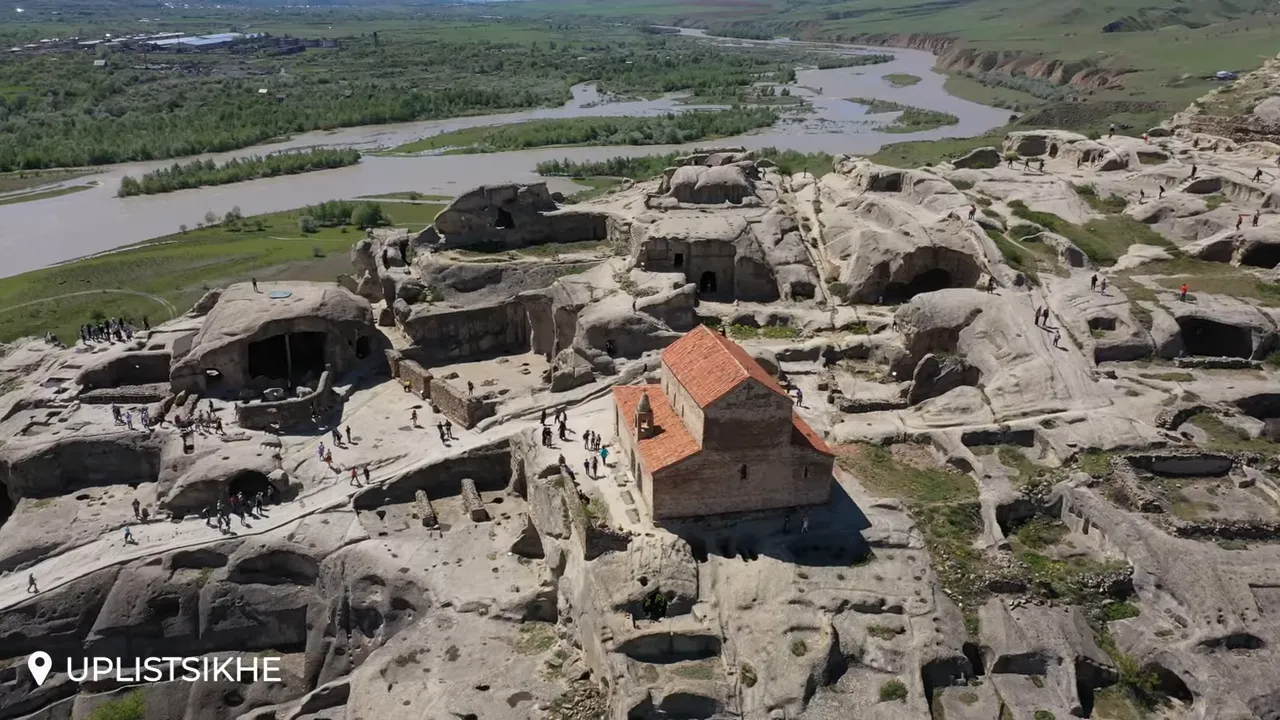
- What it is: one of Georgia’s oldest settlements, chiselled directly into soft volcanic stone, with houses, bakeries, temples and a theatre all carved by hand.
- Deep antiquity: parts of the complex date back to the second millennium BCE — long before regional conversions to Christianity.
- Highlights: a royal hall with rock-carved columns, a stone theatre, the sun temple, and the Mitkvari River tunnel once used for escape or supplies.
- Atmosphere: silence, wind through caverns and a sense of having stepped into a very old time capsule.
🕸️ Vardzia: the cliff city where monks and soldiers sheltered together
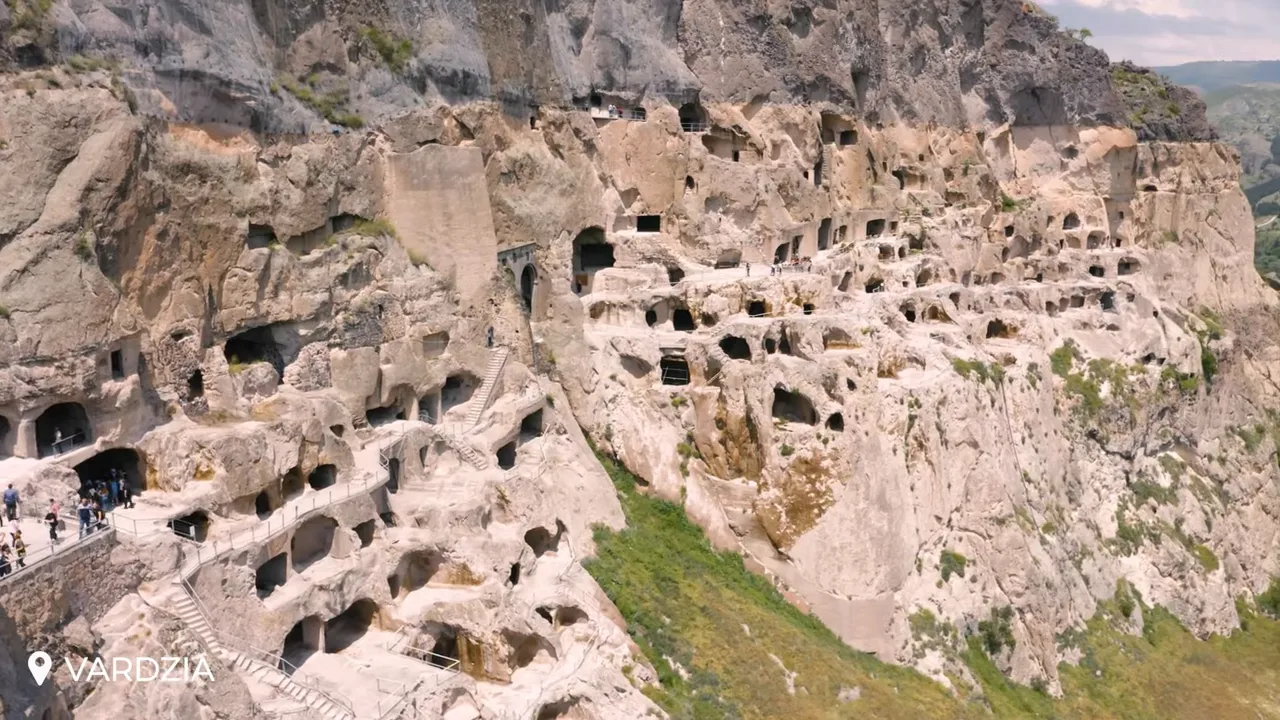
- Carved in the 12th century under Queen Tamar, Vardzia is a labyrinth of more than 6,000 caves that served as both monastery and fortress.
- Visit the Church of the Dormition to see original frescoes that include a rare image of Queen Tamar herself.
- Explore steep stairways, narrow tunnels and wide halls where monks once lived, and feel the raw materiality of the place.
- In 1283 an earthquake ripped open the façade; half collapsed, but the surviving chambers remain profoundly tangible.
- Why it matters: Vardzia is not just a ruin — it’s an experience you can climb, touch and inhabit for a few hours.
💧 Borjomi: mineral water and restorative forests
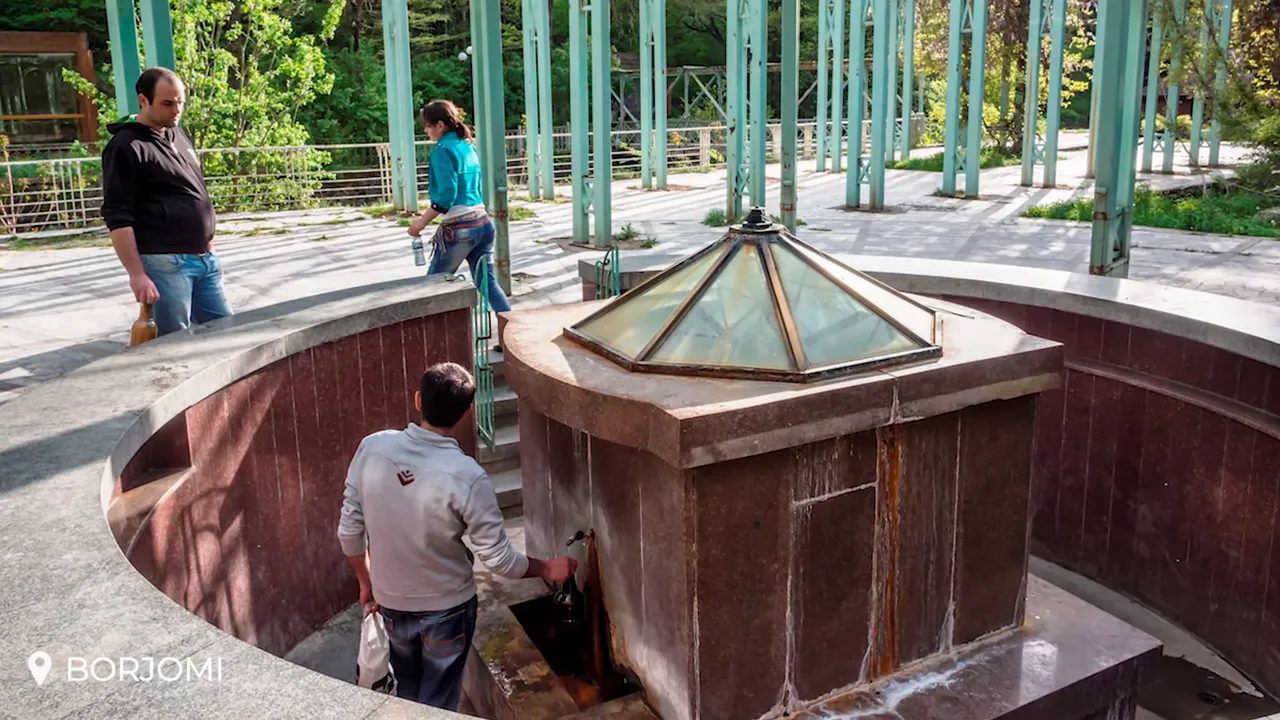
- What people come for: naturally effervescent mineral water that historically drew the Russian elite and now fills bottles exported worldwide.
- Central Park springs: locals and strangers line up to fill bottles from public fountains — the water tastes slightly salty and uniquely volcanic.
- Romanov Palace: a 19th-century refuge hidden among trees, a dialogue between imperial taste and wild nature.
- Borjomi-Kharagauli National Park: one of Europe’s largest protected reserves, with conifer forests, clear rivers and trails where silence feels heavy and vital.
💘 Signagi: the small town that wears romance well
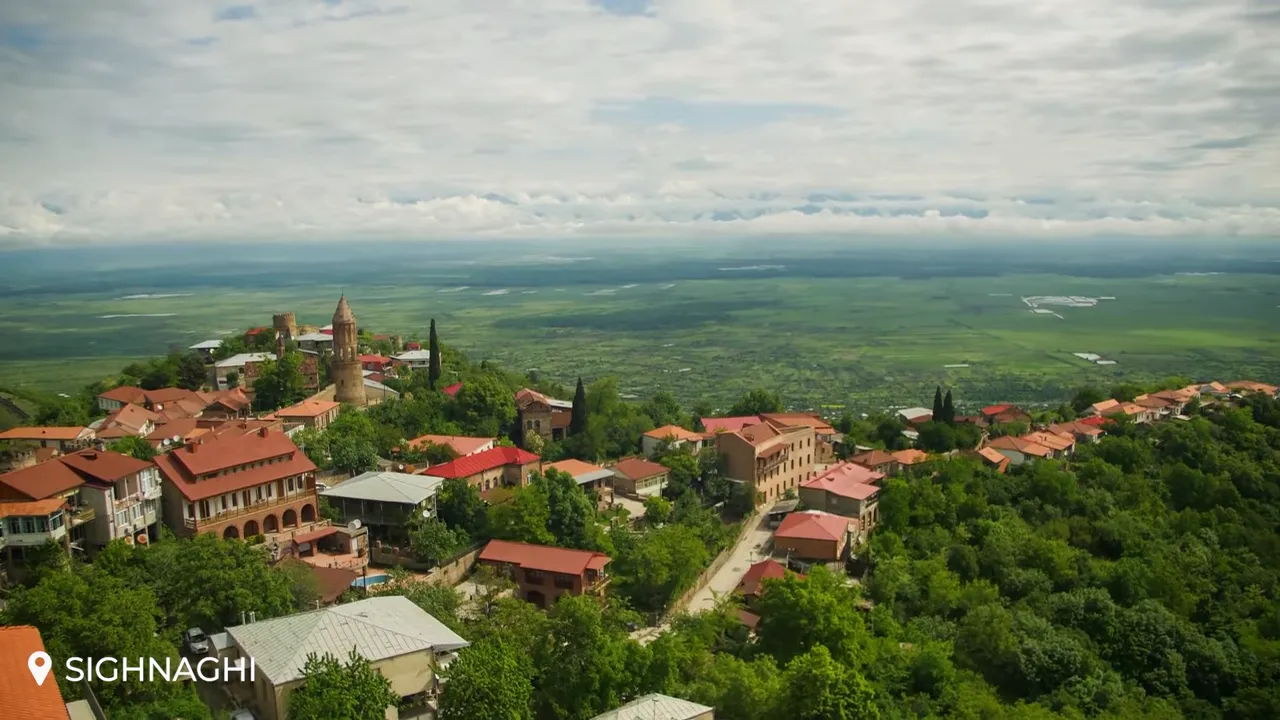
- Nickname: the city of love — cobbled streets, pastel wooden balconies and overflowing flower boxes create cinematic charm.
- Defensive romance: a four-kilometer wall with 23 watchtowers wraps the town like a small, intimate fortress.
- Weddings 24/7: the registry office operates round the clock — couples arrive at dawn, sign documents, toast with local wine and watch the sun rise over the Alazani Valley.
- Art and wine: home to the Niko Pirosmani Museum and dozens of family wineries where tastings happen on verandas with valley views.
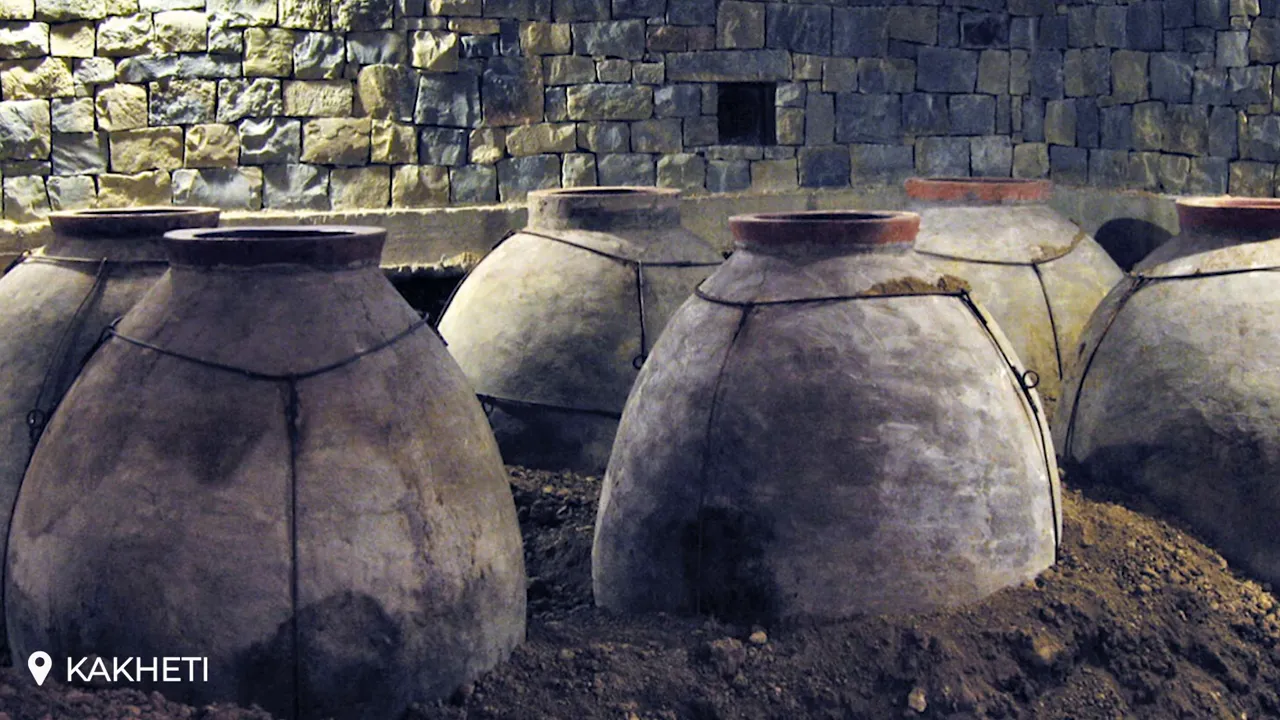
🍇 Kakheti and kvevri wine: 8,000 years in a bottle
- Claim to fame: Georgia is widely described as the cradle of wine — archaeological evidence and continuous tradition extend human viticulture here back eight millennia.
- Technique: grapes fermented in kvevri (also spelled kvevery), giant clay amphorae buried neck-high in the ground to stabilize temperature during fermentation.
- Result: wines with rustic textures, bold flavors and a terroir-driven immediacy that feels like drinking the land.
- Family cellars: nearly every rural household has its own wine cellar; visits are household rituals with home-baked bread, local cheeses and endless toasts.
- Tamada: the toastmaster who leads traditional toasts that are lyrical tributes to ancestors, peace and shared life.
- Where to taste: between Telavi and Signagi, the Alazani Valley unfolds in vineyards, while Karabi Winery stores bottles in mountain tunnels for dark, cool aging.
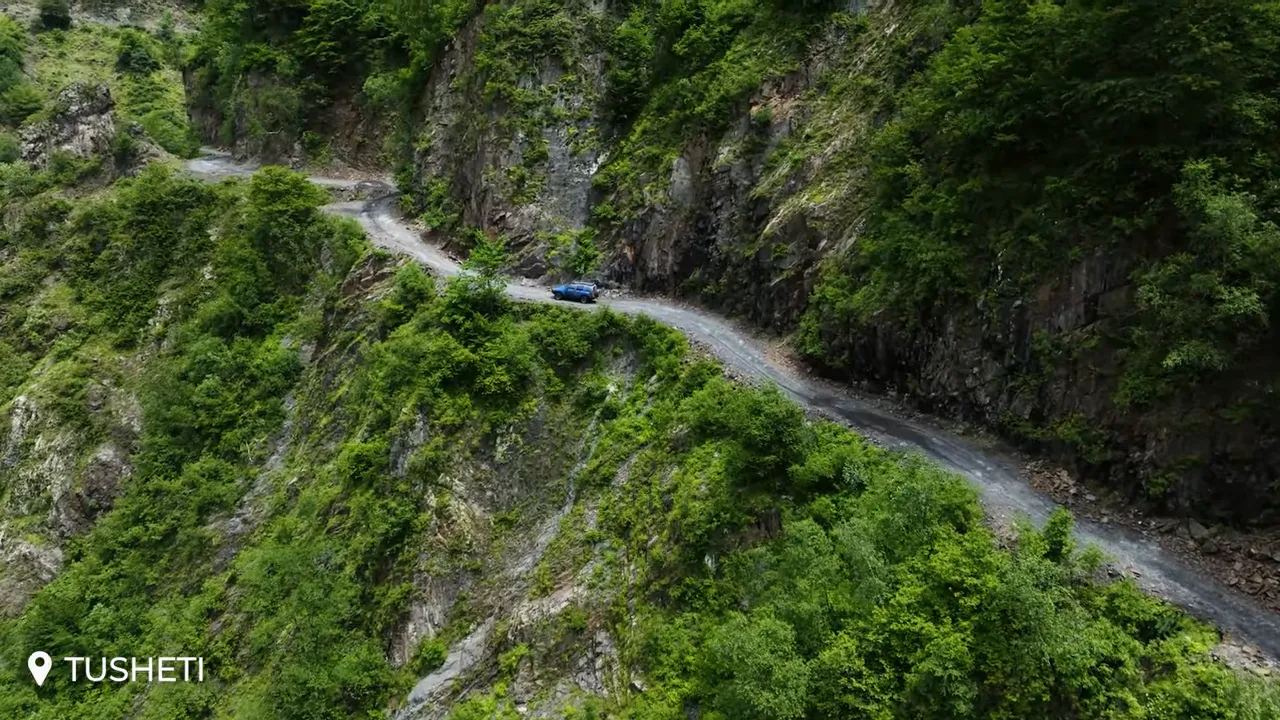
🏔️ Tusheti via the Abano Pass: a summer kingdom in the clouds
- Access: reachable only in summer via the Abano Pass, one of the world’s most dangerous roads — a narrow gravel trail climbing to roughly 2,900 meters with dramatic drops and no guard rails.
- Why go: the landscape and cultural preservation — villages like Omalo, Shenako and Dartlo feel frozen in time with stone towers and wooden houses set against misty valleys.
- Lifestyle: no large hotels, scarce Wi-Fi, and a silence that feels sacred; local customs and rituals are still actively practiced.
- Hospitality: guests receive bread, stories and homemade wine; hospitality here is raw and visceral rather than staged.
- Wildlife and remoteness: bearded vultures, bears, lynx and ibex inhabit the high pastures; the region exists on seasonal rhythms and ancestral reverence.
🔥 Mount Kazbek and the legend of Prometheus
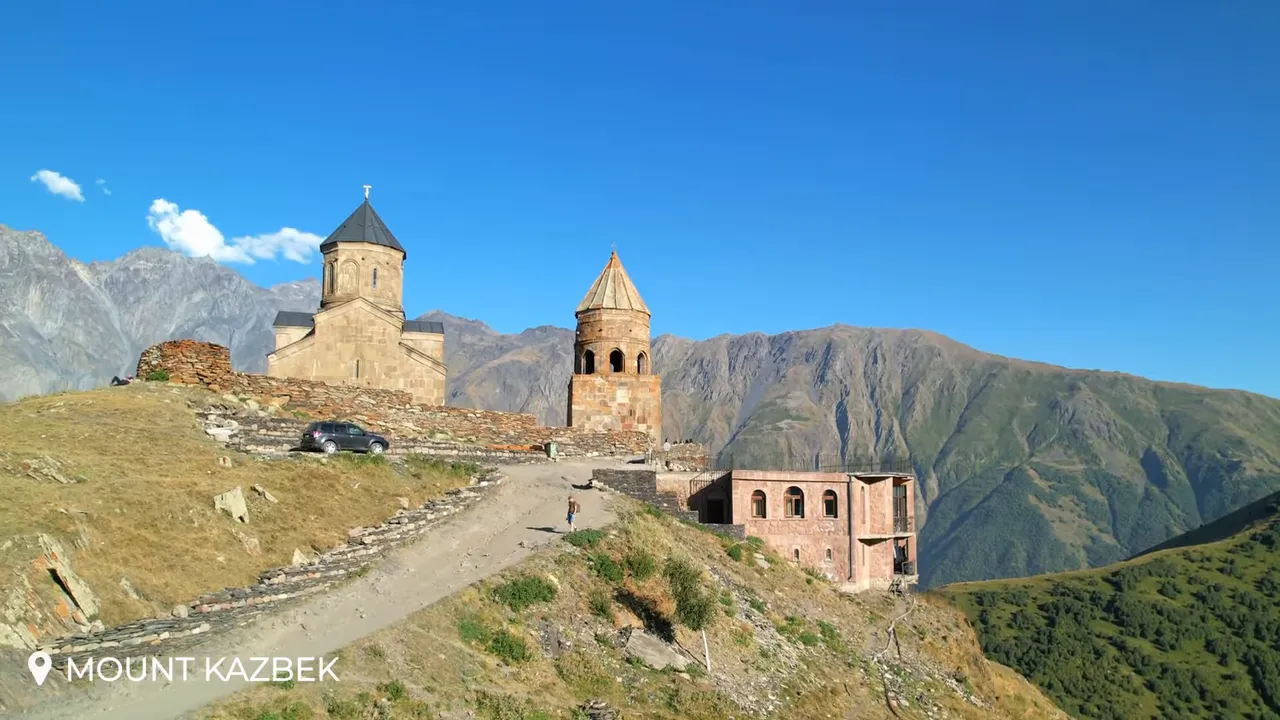
- Myth and geography: local legend links Mount Kazbek to Prometheus, the titan who stole fire for humanity — the mountain feels steeped in elemental energy.
- Gergeti Trinity Church: an isolated, photogenic chapel perched below the mountain’s slopes, one of Georgia’s most iconic images.
- Landscape choreography: the mountain shifts color with light from icy morning blue to molten dusk orange, a silent spectacle where time bows to nature.
- Nearby highlights: Dariali Gorge with vertical cliffs and the Gveleti waterfall tumbling amid mossy rocks — rugged scenery carved by tectonics and water.
🗻 Ushguli and Svaneti: medieval towers and alpine isolation
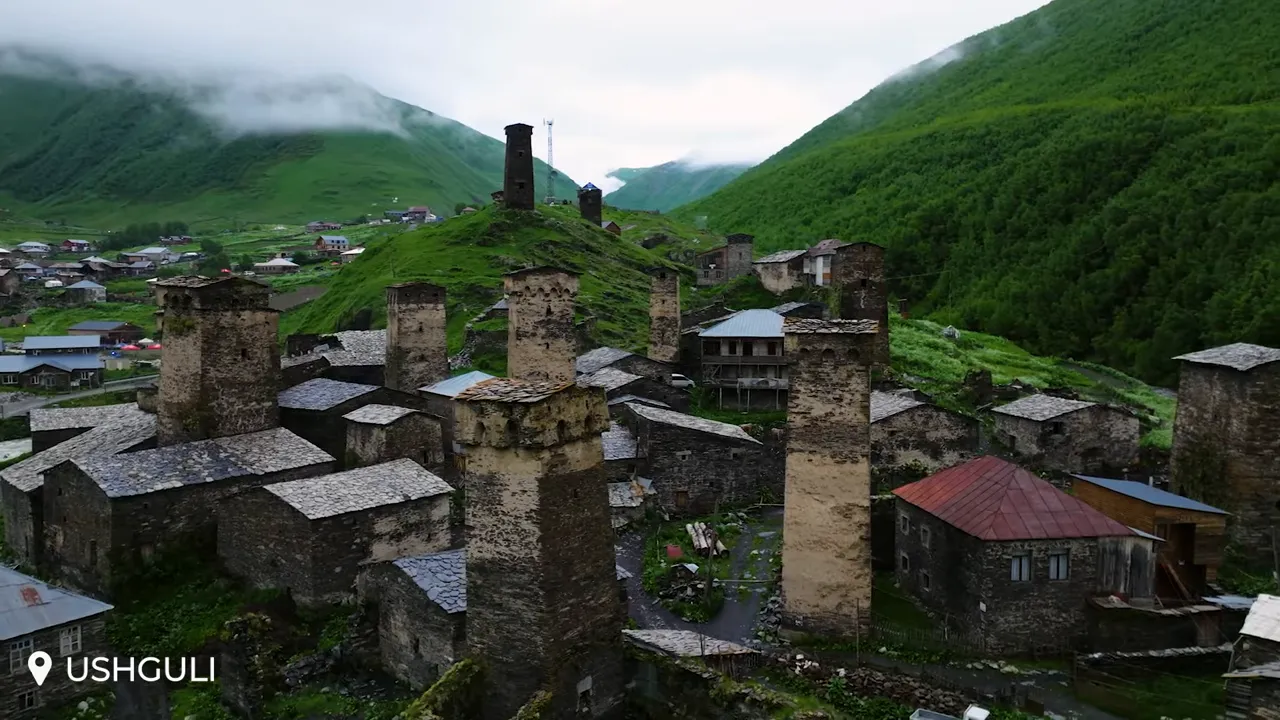
- Altitude and distinction: Ushguli rests over 2,100 meters above sea level and is often described as the highest medieval village in Europe.
- Svan towers: stone defensive towers dating from the 9th to the 12th centuries dominate the skyline as stone sentinels against time and storm.
- Seasonal extremes: winters swallow roads and silence; families continue to live here year-round, maintaining ancient rhythms.
- Access and trails: in summer, pathways link Ushguli to Mestia across valleys and glacial rivers; Mount Shkhara rises above the horizon at 5,193 meters.
- Culture: visit the Lamaria church for medieval murals and the ethnographic museum for artifacts revealing survival strategies in a harsh highland world.
🌲 Bechumi and Ajara: summer villages and pine-scented trails
- Seasonal life: Bechumi exists mainly in the warm months; wooden cabins revive with families, artisans and seasonal festivals.
- Ajara Summer Festival: a lively celebration of music, dance and local tradition that temporarily transforms a quiet mountain village into a cultural hub.
- Outdoor access: pine forests and trails like Goderzi Pass reward walkers with stupendous viewpoints and pure mountain air.
🕳️ Krubera Cave: the deepest known cave on Earth
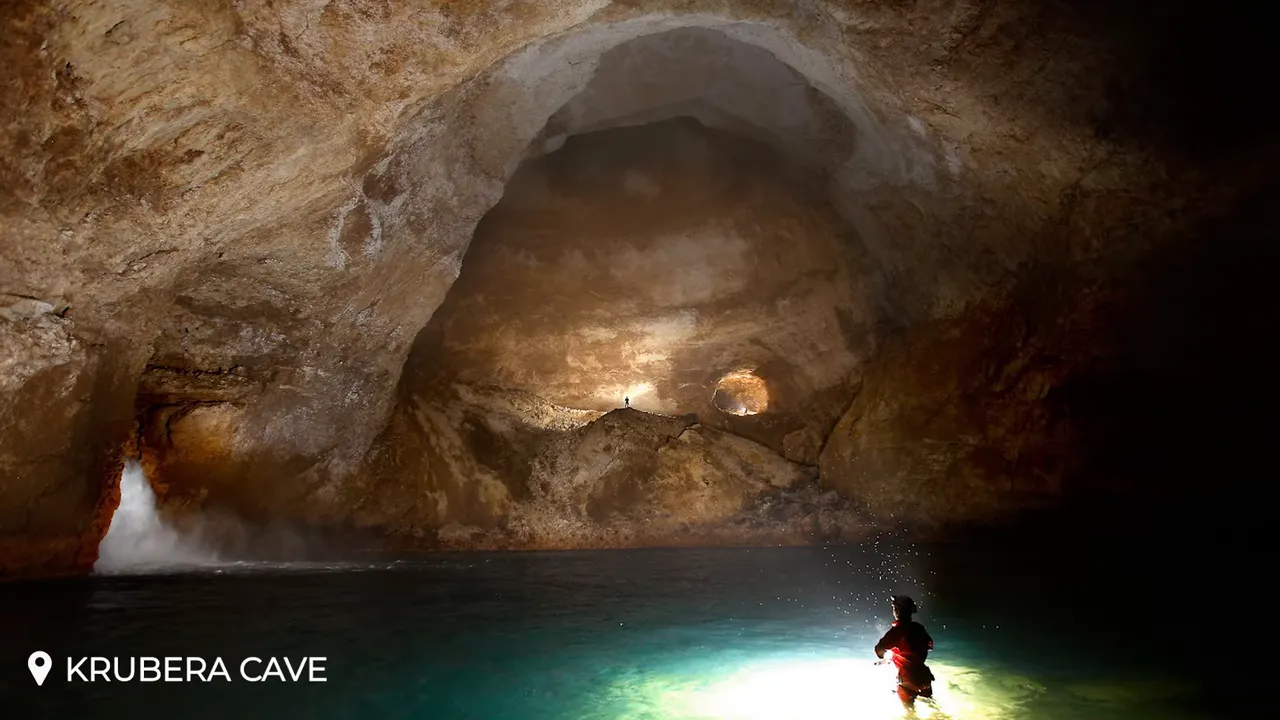
- Raw stat: Krubera (Voronya) reaches around 2,197 meters below the surface and is the deepest documented cave system on the planet.
- Exploration realities: full expeditions take weeks and require technical and psychological endurance because human light is the only sign of life deep inside.
- Sensory extremes: temperatures drop, humidity climbs and isolation grows with every meter; a subterranean lake reflects torchlight like an alien mirror.
- Visitor options: casual travelers can visit expedition bases and explore nearby Arabika caves with dramatic formations without descending to abyssal depths.
🍞 Food, wine and rituals: how Georgians treat hospitality
- Khachapuri: the national obsession — cheese-filled bread baked in a tone oven with regional variations; Ajaruli is boat-shaped with an egg in the center to mix in before eating.
- Khinkali: large meat dumplings traditionally eaten with hands; learning to eat them without losing the broth inside is a small rite of passage.
- Aubergine rolls with walnut paste: addictive, ubiquitous, and a perfect example of how simple ingredients become irresistibly personal.
- Toasting culture: the tamada leads ceremonial toasts that can feel like poems — to ancestors, to peace, to the traveler sharing a table.
- Kvevri wines: recognized by UNESCO as intangible cultural heritage, these wines are ritual and memory more than commodity.

🧭 Practical travel tips and suggested routes
- Suggested pacing: allow at least 10 days to see a mix of city, wine country and highlands; longer for serious trekking or caving.
- Typical loop: Tbilisi base → Mtskheta day trip → Uplistsikhe → Vardzia → Borjomi → Signagi and Kakheti → Tusheti or Kazbegi → Ushguli in Svaneti.
- Transport: a combination of shared minibuses (marshrutkas), trains and private drivers; mountain roads often require 4×4 vehicles and seasonal timing.
- Best time to visit: late spring to early autumn covers wine season, mountain routes open, and comfortable Tbilisi weather; winter is for experienced cold-weather travelers in some regions.
- Costs and safety: generally affordable with high perceived safety for tourists; hospitality often includes lengthy meals and open invitations to share local wine.
- Language: Georgian is unique and rewarding; many people in tourism hubs speak English, Russian remains common in older generations.
🧾 Essentials: permits, money and etiquette
- Visas: check current entry requirements—many nationalities enjoy visa-free entry or visa-on-arrival for short stays.
- Currency and payments: the lari is the national currency; cash remains important outside cities though cards are increasingly accepted in Tbilisi and tourist towns.
- Etiquette tips:
- Accept invites and food — refusing can be taken as rudeness in rural hospitality settings.
- When toasting, maintain eye contact and wait for the tamada’s lead.
- Dress respectfully at churches and monasteries; women may be asked to cover heads at some sites.
📸 Practical photography advice
- Golden hours in the valleys and at Gergeti or Vardzia produce cinematic light — arrive early or stay late.
- Bring layers and protection for camera gear: mountain weather changes fast and humidity in caves can be harsh on electronics.
- Respect interiors: many frescos and chapels prohibit flash photography; always ask if unsure.
🧭 Two sample itineraries
- 10-day cultural and wine loop
- Day 1-2: Tbilisi — baths, Narikala, museums and evening dining.
- Day 3: Mtskheta and Uplistsikhe day trip.
- Day 4-5: Kakheti — Signagi, Telavi, family wine cellars and kvevri tastings.
- Day 6: Borjomi and national park trails.
- Day 7-8: Vardzia exploration and southern valley views.
- Day 9-10: Return to Tbilisi for markets, galleries and final feasts.
- 14+ day highlands and adventure loop
- Start in Tbilisi, then drive the Georgian Military Highway toward Kazbegi and Gergeti Church.
- Cross toward Svaneti: Mestia and Ushguli for towers, glaciers and remote trails.
- Return across the central spine, ascend the Abano Pass into Tusheti in summer for Omalo and Dartlo.
- Optional: join a speleology base for Krubera cave introductions if you seek subterranean extremes.
🔎 Cultural notes and deeper context
- Wine as memory: Georgian winemaking is more than agriculture — it is communal memory preserved through rituals, family cellars and the tamada’s toasts.
- Religious texture: Christianity arrived early and is practiced quietly in many places; ancient pagan sites and sun temples remain visible in rock and ritual spaces.
- Architecture as autobiography: stone towers, cave cities and pastel towns are physical records of survival, adaptation and pride.
- Hospitality as language: visiting here often means being received as family — expect long tables, layered toasts and instant, generous warmth.
🔁 Reflection: what Georgia teaches us
- Time breathes slowly here — settlements and rituals survive because they were shaped by necessity, belief and a stubborn devotion to place.
- Some experiences resist modernization: Tusheti’s summer-only rhythms, Ushguli’s winter isolation and the burial of kvevri underground are choices that keep memory alive.
- Coming away is often less about ticking boxes and more about having a part of the place stay with you — a taste, an image, a toast or a quiet cathedral hush.
“Wine is not just a drink. It’s liquid memory.”
❓ FAQ
What is the best time of year to visit Georgia for mountains and wine country?
Late spring through early autumn is the sweet spot — mountain passes and Tusheti open in summer, grape harvest and wine festivals occur in late summer and early autumn, and the weather in Tbilisi is pleasant for city exploration.
Is Georgia safe for solo travelers?
Yes. Georgia is widely considered safe for tourists, including solo travelers. Use common-sense precautions, avoid risky mountain roads in bad weather without proper transport, and always be respectful in rural communities.
Can I join a kvevri wine tasting at a family cellar?
Absolutely. Many family-run wineries welcome visitors. Expect to be treated as an honored guest with bread, cheese and several toasts. Booking ahead helps in peak season, though spontaneous visits are often welcomed in smaller villages.
How difficult are the mountain roads like the Abano Pass?
They can be extremely challenging. The Abano Pass is a high-altitude gravel road with steep drops and no guard rails, open only in summer. Travel with an experienced local driver and a suitable 4×4 vehicle, and be prepared for sudden weather changes.
Do I need a visa to enter Georgia?
Visa rules vary by nationality. Many countries enjoy visa-free entry for short stays, while others can obtain e-visas. Check the most recent official entry requirements before traveling.
What foods should I not miss?
Try khachapuri (especially Ajaruli), khinkali dumplings, aubergine rolls with walnut paste, local cheeses, fresh balsamic-like pomegranate sauces and kvevri wines. Street food and family kitchens are where many culinary revelations happen.
Is English widely spoken?
English is commonly spoken in tourist hubs, restaurants and by younger people. Russian remains useful with older generations and in some regions. Learning a few Georgian phrases is appreciated and opens doors to warmer interactions.
How should I dress at religious sites?
Dress modestly at churches and monasteries. Women may be asked to cover their heads at certain sites. Bring a scarf and avoid revealing clothing when visiting sacred spaces.
Can I explore Krubera Cave as a casual tourist?
No. The full descent into Krubera is a technical, multi-week expedition for trained speleologists. Casual visitors can visit expedition bases and explore nearby Arabika caves with proper guides.
How much cash should I carry?
Carry some lari for rural areas, markets and small restaurants. Cards work in major cities and tourist sites, but cash is essential in villages and for tips to guides or hosts.
🧳 Final notes and a gentle invitation
- Georgia is not a destination that tries to be extraordinary. It simply is — raw, sincere, and achingly beautiful.
- Approach it with curiosity and patience: allow slow meals, long toasts and unexpected detours to reshape your travel assumptions.
- Bring layers, a sense of adventure and an appetite for smoky bread, bold wine and the quiet company of ancient stones.
- Leave with something small and vital: a taste you keep thinking about, a memory of a hilltop church or a shared table under a low wooden ceiling. Georgia often becomes a place you return to in memory, again and again.