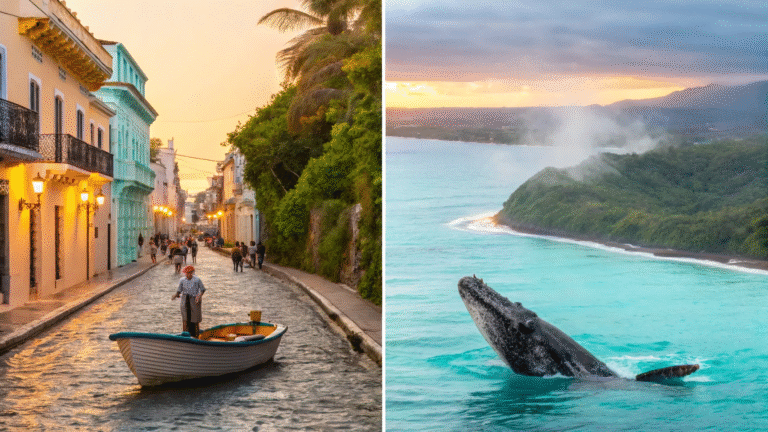
Malta | Hidden Wonders in the Mediterranean | 4K Travel Documentary
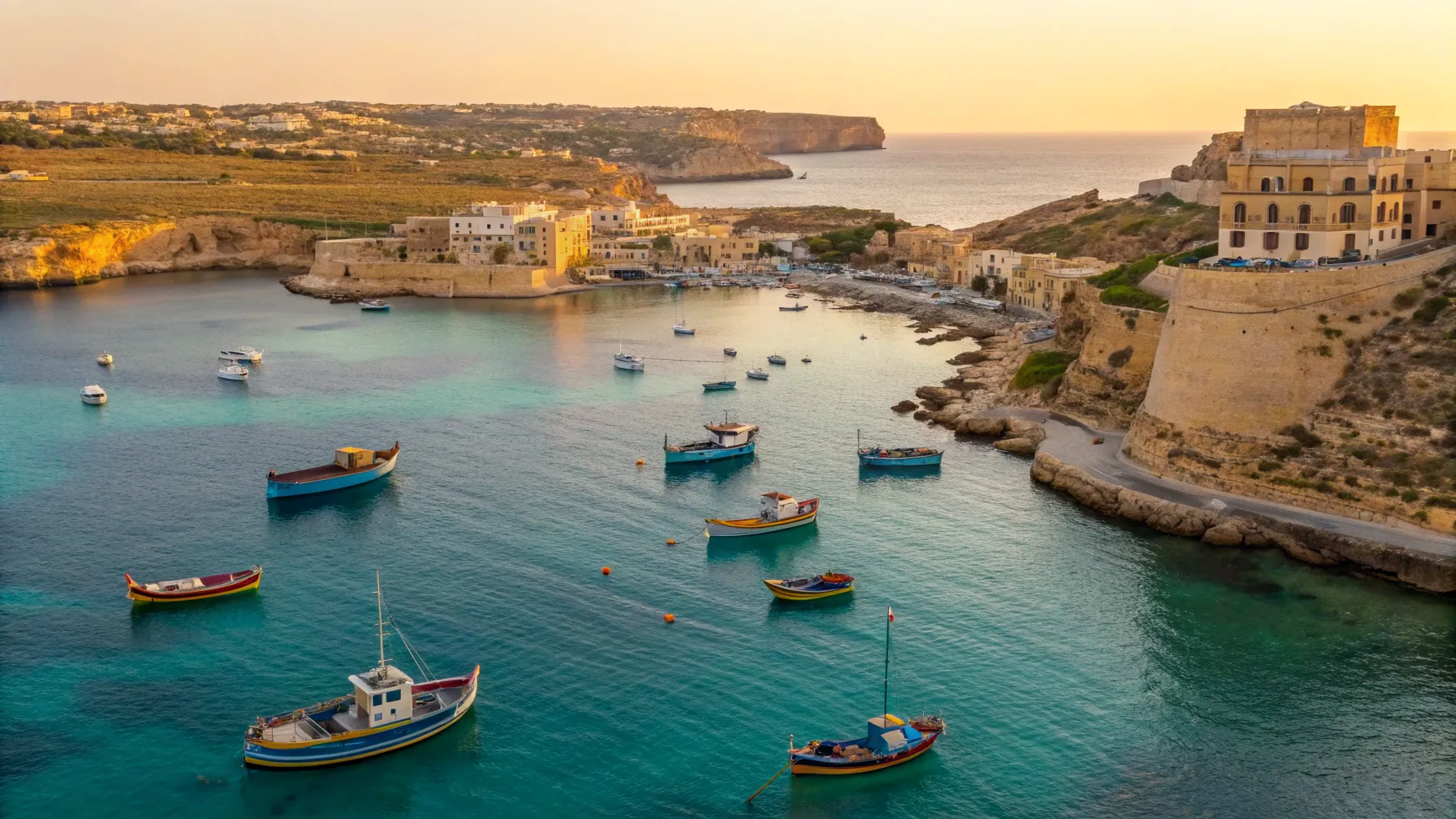
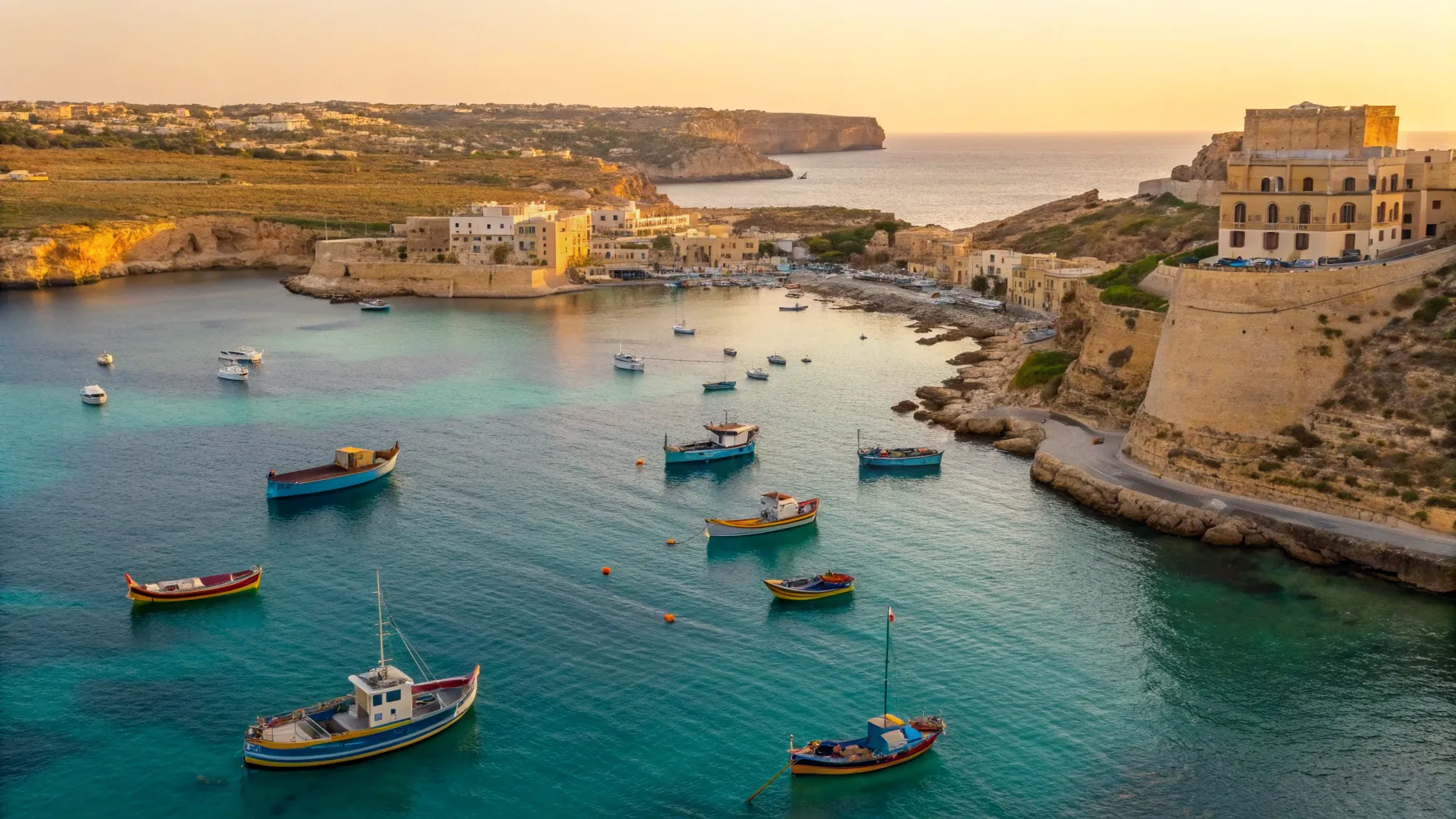
A compact archipelago that fits into the palm of the Mediterranean yet holds millennia of history, glittering lagoons and fortress cities that read like open‑air novels. Below is a practical, poetic and easy‑to‑scan guide to Malta, written in a conversational voice that reflects an on‑the‑ground curiosity. Organized by region and theme, every section is presented in short bullets so you can absorb facts, flavors and must‑see moments quickly.
Table of Contents
- 🇲🇹 Quick Snapshot
- 🏰 Valletta: The Living Fortress
- 🛡️ The Three Cities: Birgu, Senglea and Cospicua
- 🐟 Marsaxlokk: Fishing, Markets and Sea Mirrors
- 🔕 Mdina: The Silent City
- ⛪ Mosta: The Rotunda and a Wartime Miracle
- 🧭 Dingli Cliffs: Heights of Silence
- 🌊 The Blue Grotto and Qrendi (Ħaġar Qim & Mnajdra)
- 🏖 Mellieħa and the Northern Coast
- 🔵 Comino and the Blue Lagoon
- 🌿 Gozo: The Green Sister and Ġgantija Temples
- 🤿 Dwejra (San Lawrenz): Blue Hole and Inland Sea
- 🌇 Sliema: Modern Shores and Seafront Life
- 🧭 Practical Tips and Local Curiosities
- 📌 Suggested Multi‑Day Itinerary (Bulleted and Flexible)
- 📝 The Archaeological Significance
- 💬 Soundtrack of the Island: Atmospheres and Moments
- ❓ Frequently Asked Questions
- 🏁 Final Notes: How Malta Feels
🇲🇹 Quick Snapshot
- Where it sits: In the central Mediterranean between Sicily and North Africa, made up mainly of Malta, Gozo and Comino.
- Size and people: Around 316 square kilometres and roughly 574,000 inhabitants—one of the densest countries in the EU.
- Languages: Maltese (a Semitic language written in the Latin alphabet) and English.
- Economy: Service oriented—tourism, finance and a growing digital sector.
- Climate: Mediterranean—hot, dry summers; best period to visit is April through October.
- Why it surprises people: Megalithic temples older than the pyramids, Valletta’s dense cluster of monuments and a coastline that flips from rugged to glassy within minutes.
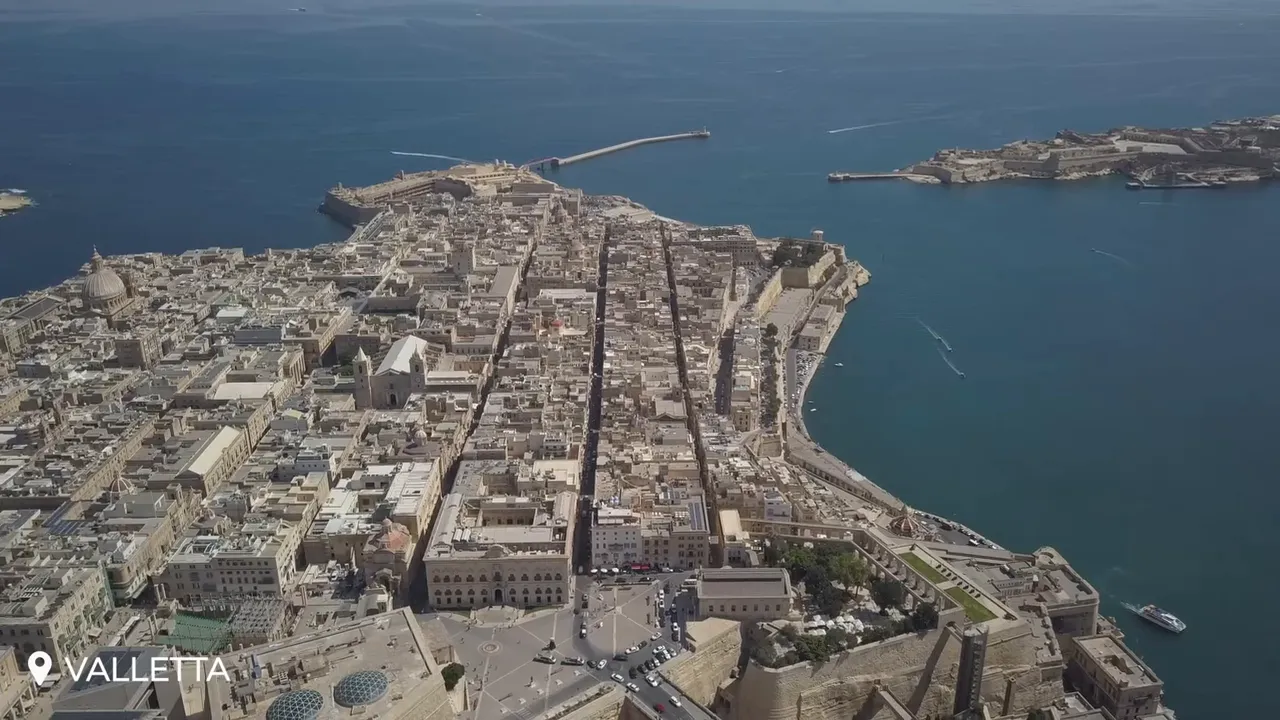
🏰 Valletta: The Living Fortress
- What makes it unique: Valletta is a UNESCO World Heritage Site and one of Europe’s most concentrated historic cores—about 320 monuments packed into 55 hectares.
- Designed history: Laid out geometrically in 1566, it was one of Europe’s earliest planned cities, born from the era of the Knights of St John.
- St John’s Co‑Cathedral: A Baroque interior that can stop you in your tracks; two Caravaggio masterpieces are housed here and make the cathedral an essential cultural stop.
- Grandmaster’s Palace: Offers insight into the island’s governance during the knightly era and layers of Mediterranean politics.
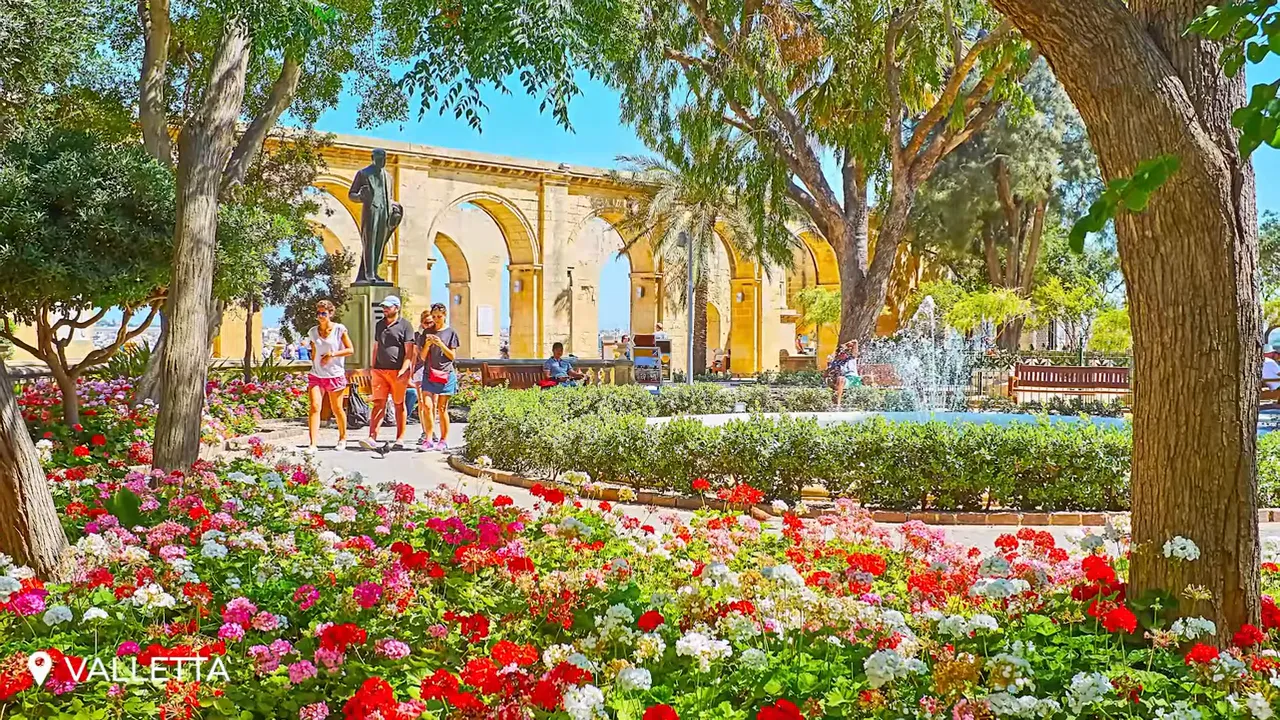
- Upper Barrakka Gardens: The viewpoints here frame the Grand Harbour perfectly—sunset here turns the fortifications into gold.
- Fort St Elmo and the National War Museum: Where stories of the Second World War come alive; the island’s resilience is visible in stone and memory.
- Streets to walk: Republic Street and Strait Street pulse with cafe life and historic façades—perfect for slow exploration.
🛡️ The Three Cities: Birgu, Senglea and Cospicua
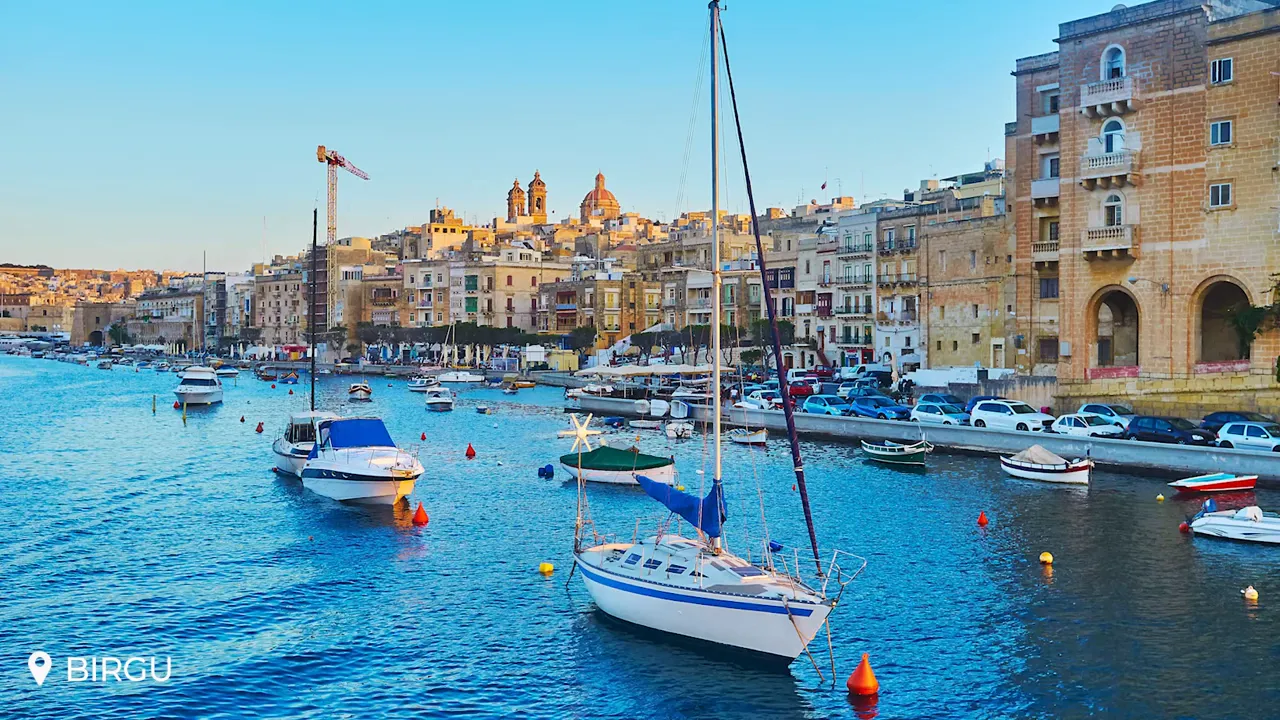
- Clustered history: Across the Grand Harbour from Valletta, these three fortified towns are the cradle of Maltese resistance.
- Birgu (Vittoriosa): Renamed after the 1565 victory over the Ottomans; Fort St Angelo dominates the skyline and carries layers of naval and military history.
- Legend and mystery: The Inquisitor’s Palace retains the hush of darker medieval times; narrow streets and waterfront promenades invite quiet reflection.
- Senglea: Look for the Gargoyle Tower and symbolic sculptures—an eye and an ear—meant to represent vigilance and watchfulness.
- Cospicua: Baroque façades that once displayed coded symbols to indicate trades; the urban fabric still breathes old craft traditions.
- Endurance under fire: These cities endured more than 6,700 bombings in two months during WWII, a level of bombardment that helped earn Malta the George Cross for bravery.
🐟 Marsaxlokk: Fishing, Markets and Sea Mirrors
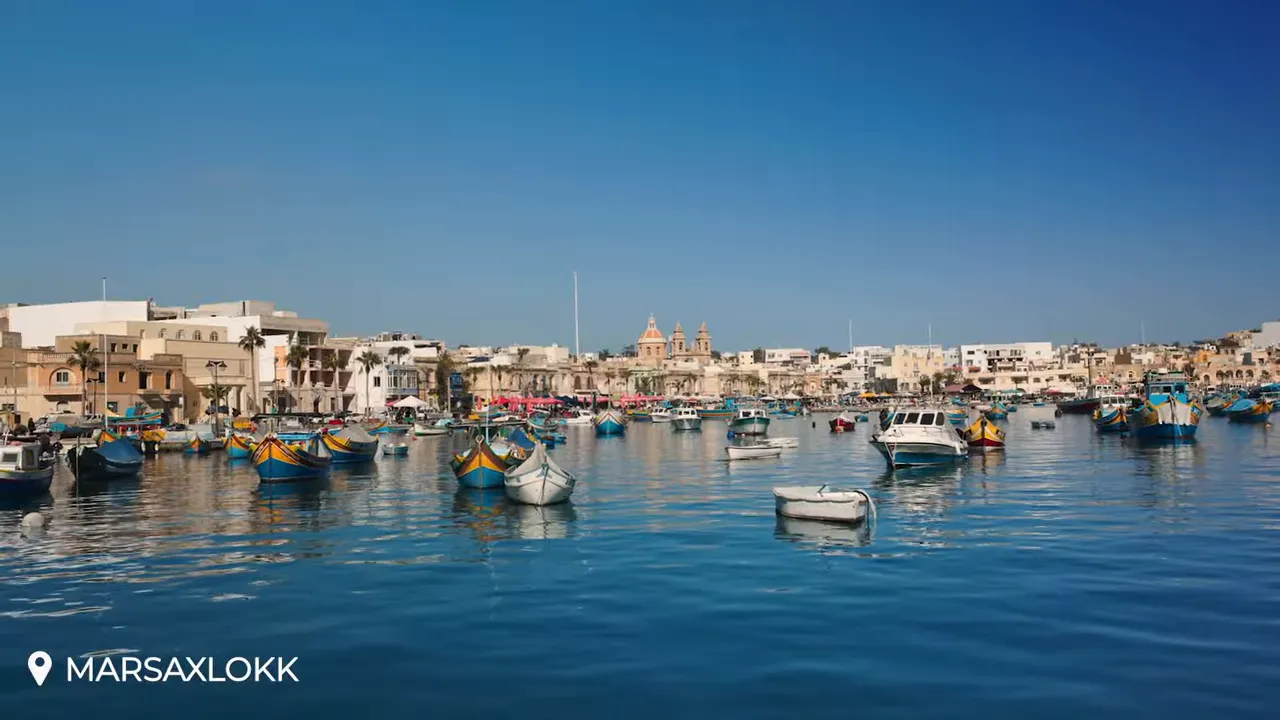
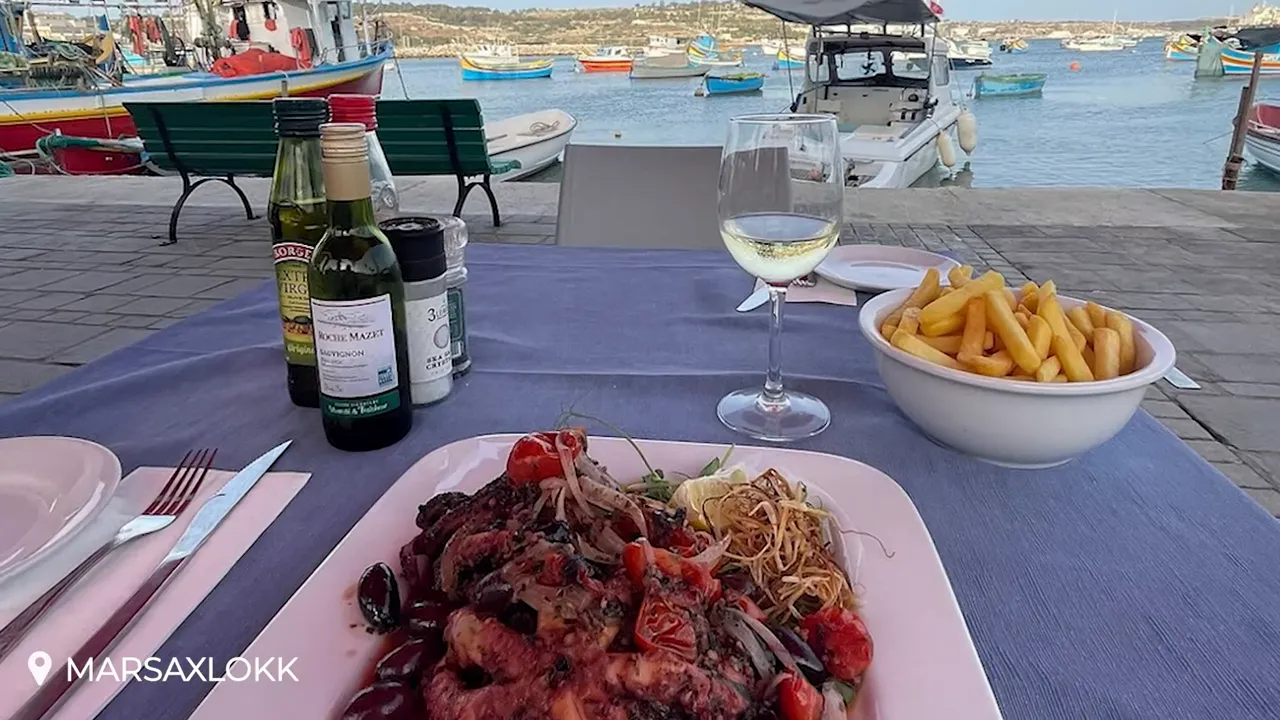
- Authentic harbour life: Marsaxlokk is the island’s most traditional fishing village—lussi (brightly painted wooden boats) bob in the water and markets transform the waterfront on Sundays.
- Eye on the prow: The painted eye is a millennia‑old Phoenician tradition meant to ward off evil—these eyes linger on boat prows across the harbour.
- Food: Fish straight from the boat to the table—lampuki pie when in season, and other Mediterranean specialties are a must.
- Hidden spots: Walk to St Peter’s Pool for natural rock pools and crystalline water carved into limestone cliffs.
- Historical layer: A British secret military port in the past, today Marsaxlokk pulses with market life and seaside restaurants.
🔕 Mdina: The Silent City
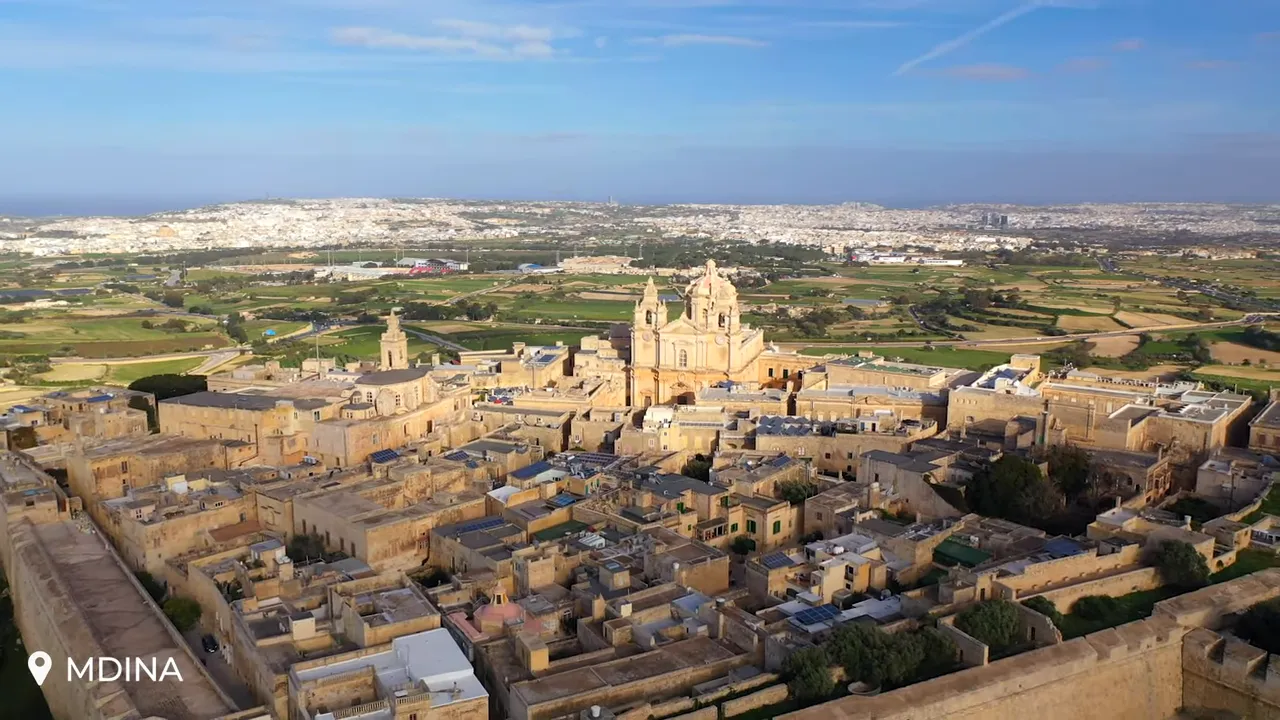
- Why silent: Mdina is walled, car‑free and home to fewer than 300 residents—silence is part of the atmosphere and the architecture demands slow walking.
- Layers of civilisation: Phoenician, Roman and Arab influences have shaped Mdina’s maze of alleys and palaces; it was the capital until the 16th century.
- Iconic sites: St Paul’s Cathedral with a Baroque interior and the Palazzo Falson, a medieval noble house frozen in time.
- Viewpoints: Bastion Square presents sweeping vistas across the island—sunset is especially memorable here.
- Film fans: Many filmmakers have used Mdina’s golden streets as a backdrop—its atmosphere has an uncanny cinematic quality.
⛪ Mosta: The Rotunda and a Wartime Miracle
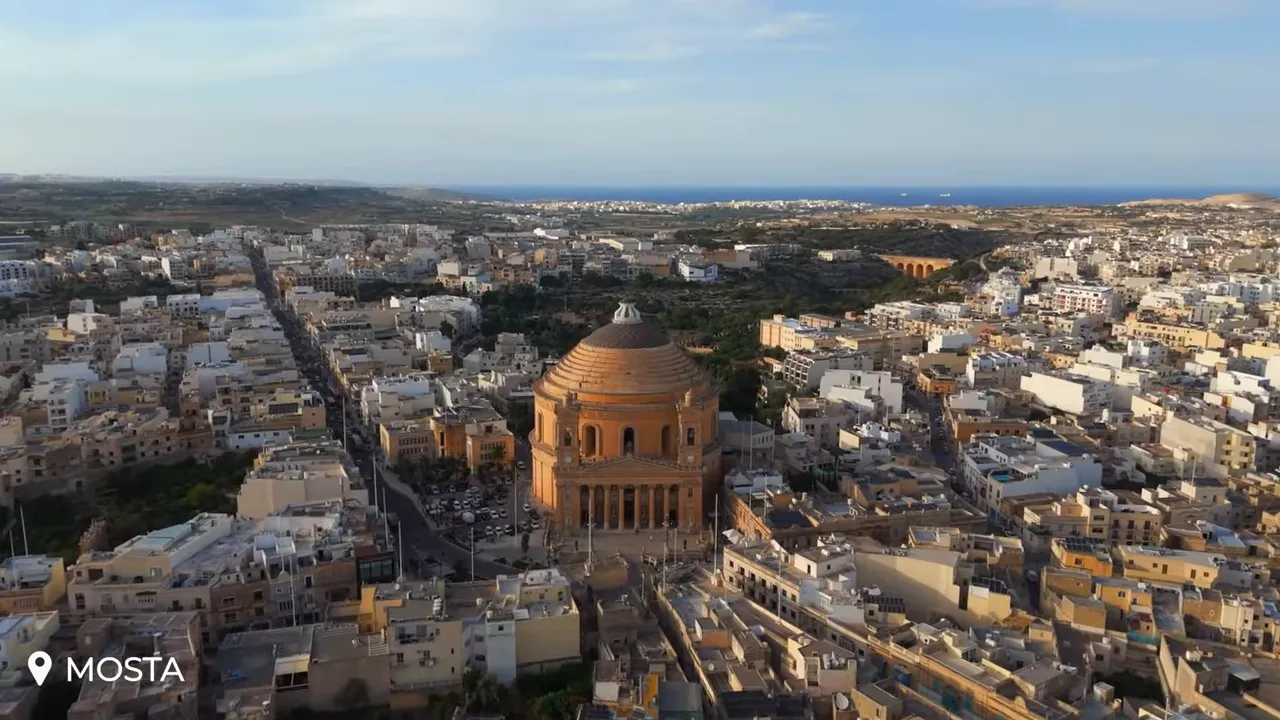
- The building: The Mosta Rotunda, or Church of St Mary, has a dome among the largest in Europe—an architectural achievement completed without metal supports.
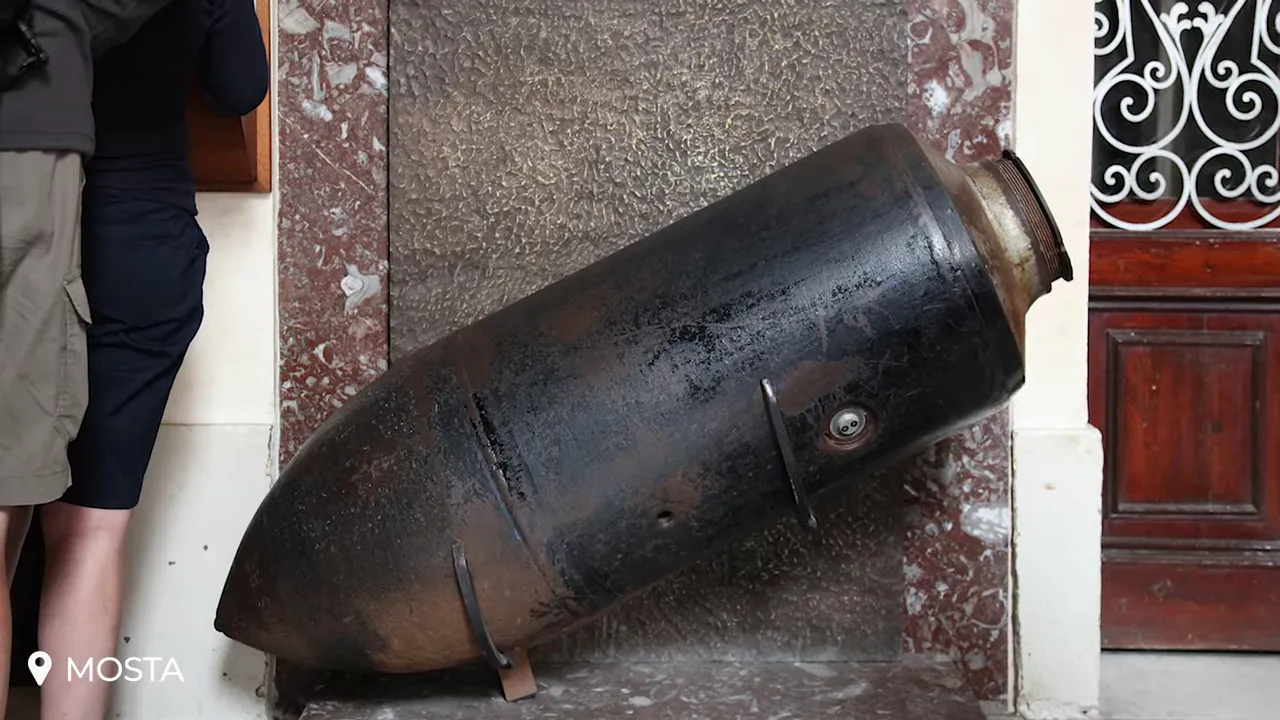
- The miracle of 1942: During a church service, a German bomb pierced the dome and landed among worshippers but did not detonate. A replica of that bomb sits in the sacristy as a silent reminder.
- Local rhythms: The square around the church hums with everyday Maltese life—cafés, markets and community rituals give an authentic sense of place.
- Access: The parish museum and nearby walking trails to Naxxar and Attard make Mosta more than a single stop—it’s a gateway into the island’s communal heart.
🧭 Dingli Cliffs: Heights of Silence
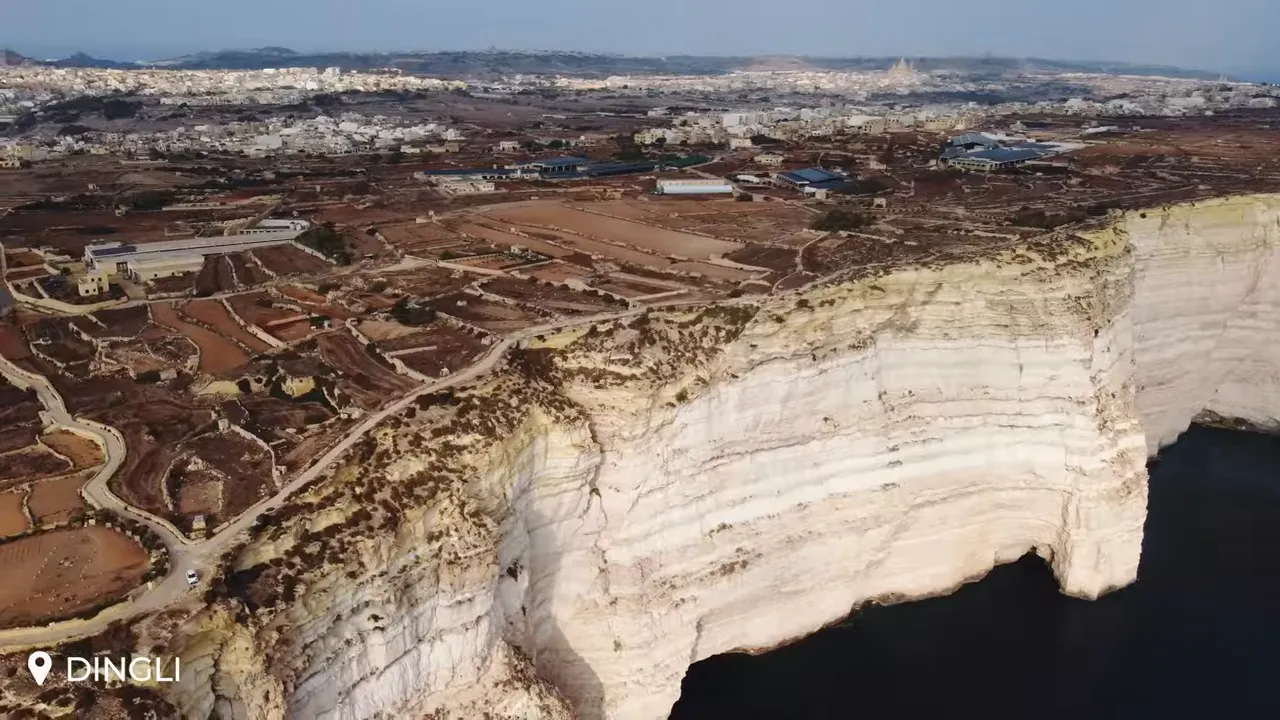
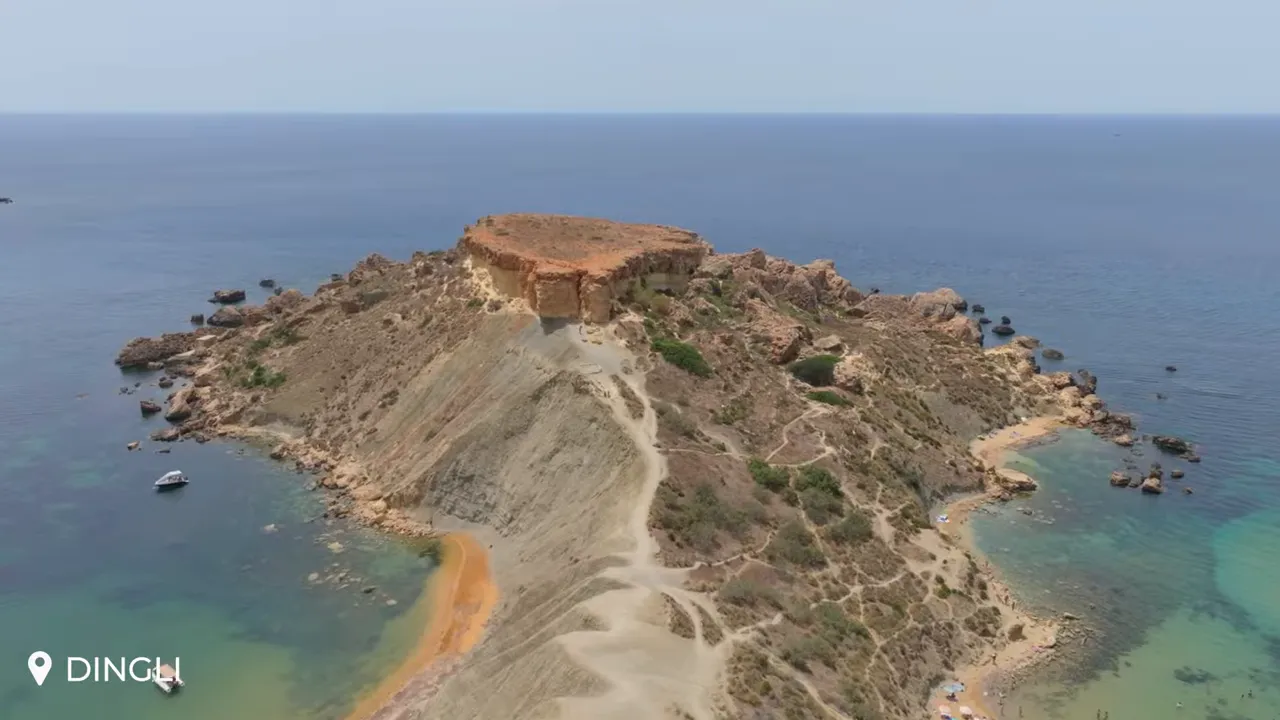
- The tallest point: Dingli Cliffs rise to about 253 metres above sea level and offer dramatic drops into the Mediterranean.
- Chapel of St Mary Magdalene: A lonely white chapel perched near the edge—an emblem of quiet meditation above the sea.
- Filfla in view: From certain viewpoints you can see the uninhabited rock of Filfla, once used as a lookout and now a protected bird sanctuary.
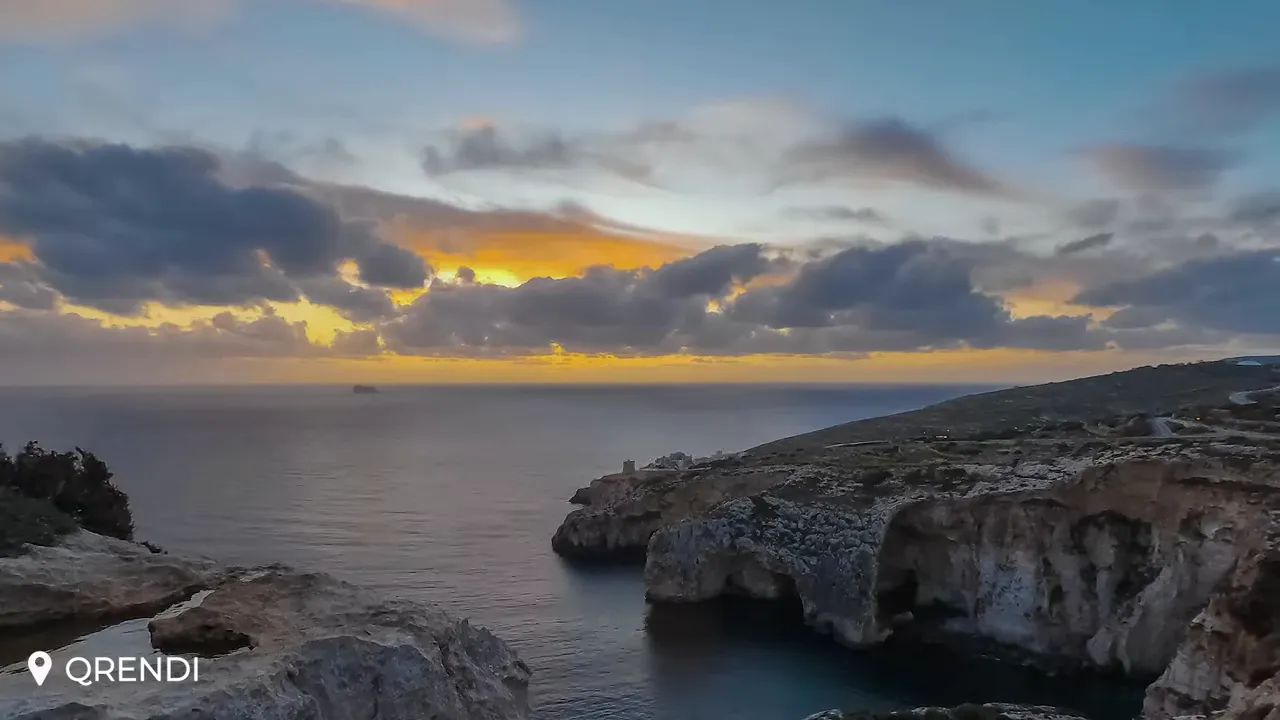
- Sunset magic: Many consider Dingli one of the most beautiful sunset spots in the Mediterranean—light, wind and the sound of waves make a powerful combination.
🌊 The Blue Grotto and Qrendi (Ħaġar Qim & Mnajdra)
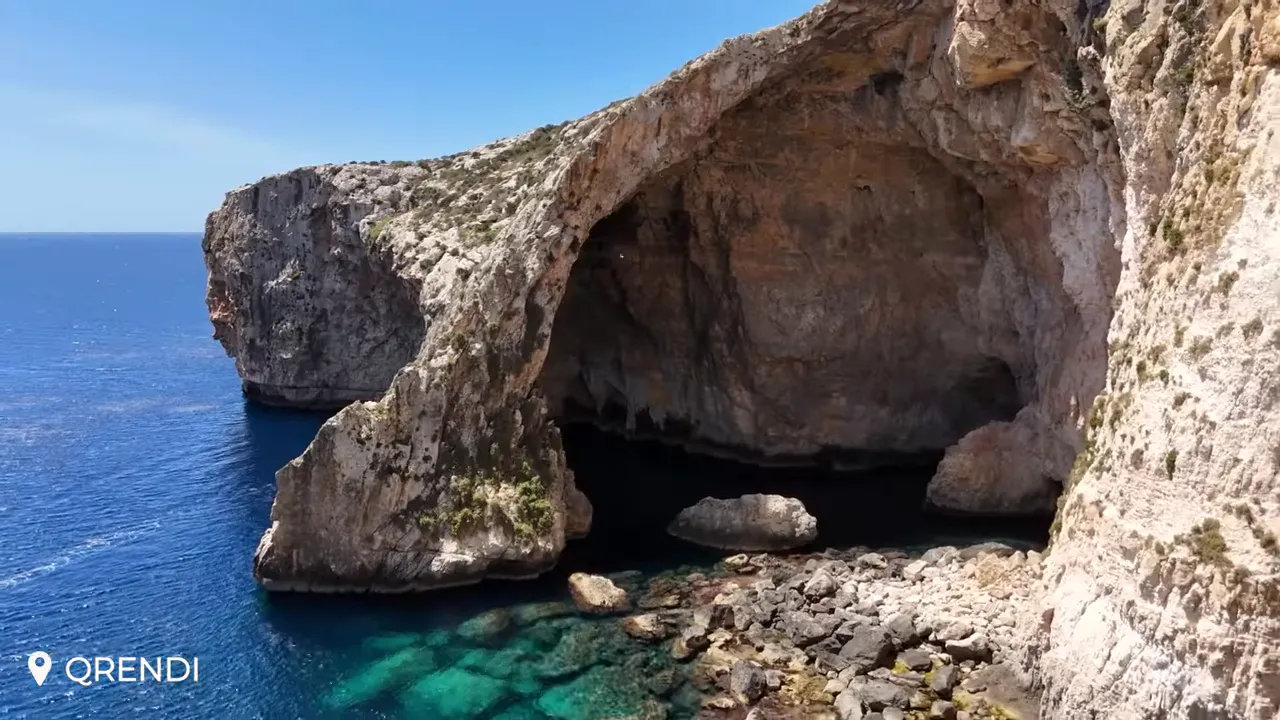
- Blue Grotto: A series of sea caves whose surfaces refract sunlight into turquoise and emerald shades; small boats glide through natural arches and hidden caverns.
- Boat trips: Dawn departures are best—light fills the grotto and the colours change with the sun’s angle, producing a hypnotic display.
- Ħaġar Qim and Mnajdra: These megalithic temples near Qrendi date back to around 5,000 BCE—among the world’s oldest freestanding structures and aligned to solstices.
- Archaeology and awe: The precision and scale of the stonework is humbling—temples were clearly central to prehistoric life here and reveal a sophisticated knowledge of astronomy.
🏖 Mellieħa and the Northern Coast
- Mellieħa Bay: The largest sandy beach in Malta with gentle waters—ideal for swimming and family days.
- Bird routes: The area lies on major migration corridors, making it a seasonal haven for birdwatchers.
- Red Tower: Also called St Agatha’s Tower—a 17th century watchtower offering broad views and historical perspective on coastal defence systems.
- Coral Lagoon and Popeye Village: A surreal limestone ringed lagoon and the wooden film set that became a charming attraction and photo magnet.
🔵 Comino and the Blue Lagoon
- Comino scale: Tiny but magnetic—just a handful of permanent residents while thousands of visitors arrive daily in peak season.
- Blue Lagoon: A natural pool of astonishing clarity, where pale limestone meets radiant blue and the seabed is visible at depth; boats look like they float on air.
- Crystal Lagoon: A quieter cove surrounded by cliffs, reachable by boat or kayak—good for escaping the crowds early or late in the day.
- History: Comino has been a pirate hideout, a quarantine island and a Knights’ lookout—ruins like the Santa Maria Tower keep those layers visible.
🌿 Gozo: The Green Sister and Ġgantija Temples
- Gozo personality: Slower, greener and more rural—vineyards, stone walls and a deep sense of island identity.
- Victoria/Rabat: The capital (called Rabat locally) sits beneath the Citadella, a fortified hilltop precinct with panoramic views and layered history.
- Citadella highlights: Cathedral of the Assumption, the Gozo Museum of Archaeology and prison walls graffitied by former inmates—history feels very tactile.
- Ġgantija: Literally “giants’ temples” and dated to around 5,500 years ago—older than Egypt’s pyramids and Stonehenge. Massive corbelled halls and enormous stone blocks suggest communal ritual and social complexity.
- Ggantija’s cultural note: Figurines of mother goddesses found on site point to fertility cults and a reverence for creation and feminine power.
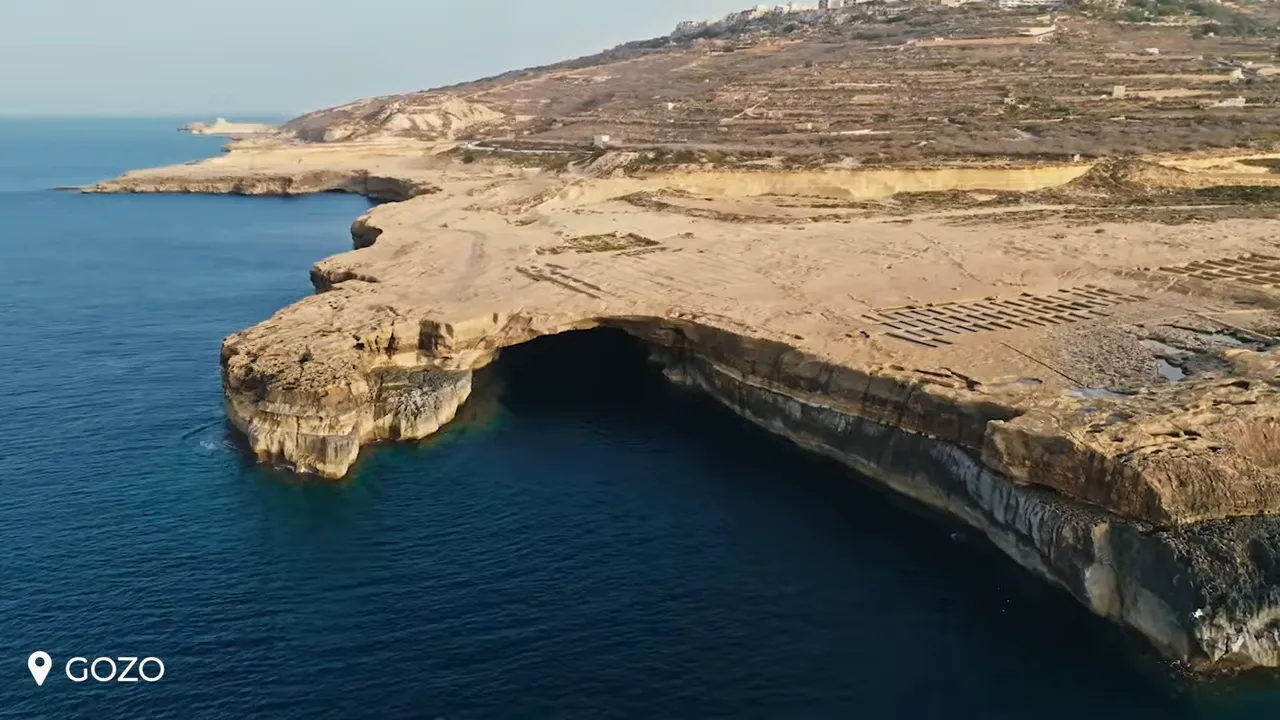
🤿 Dwejra (San Lawrenz): Blue Hole and Inland Sea
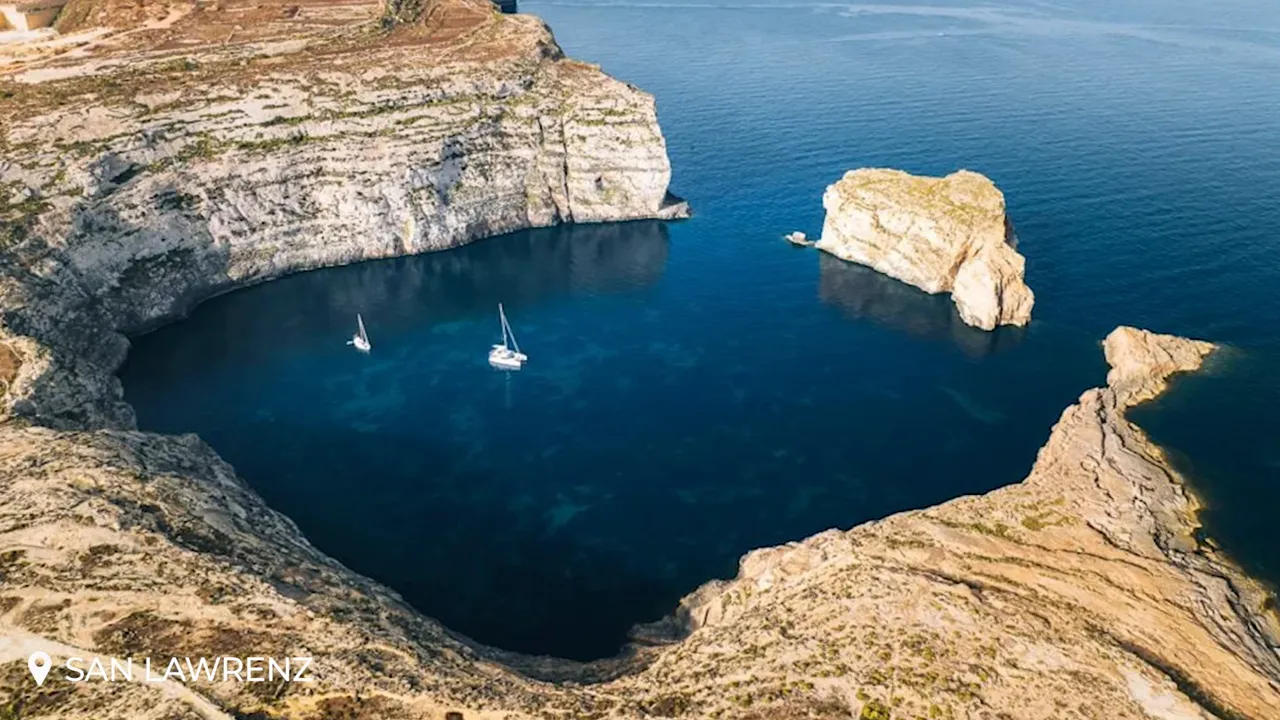
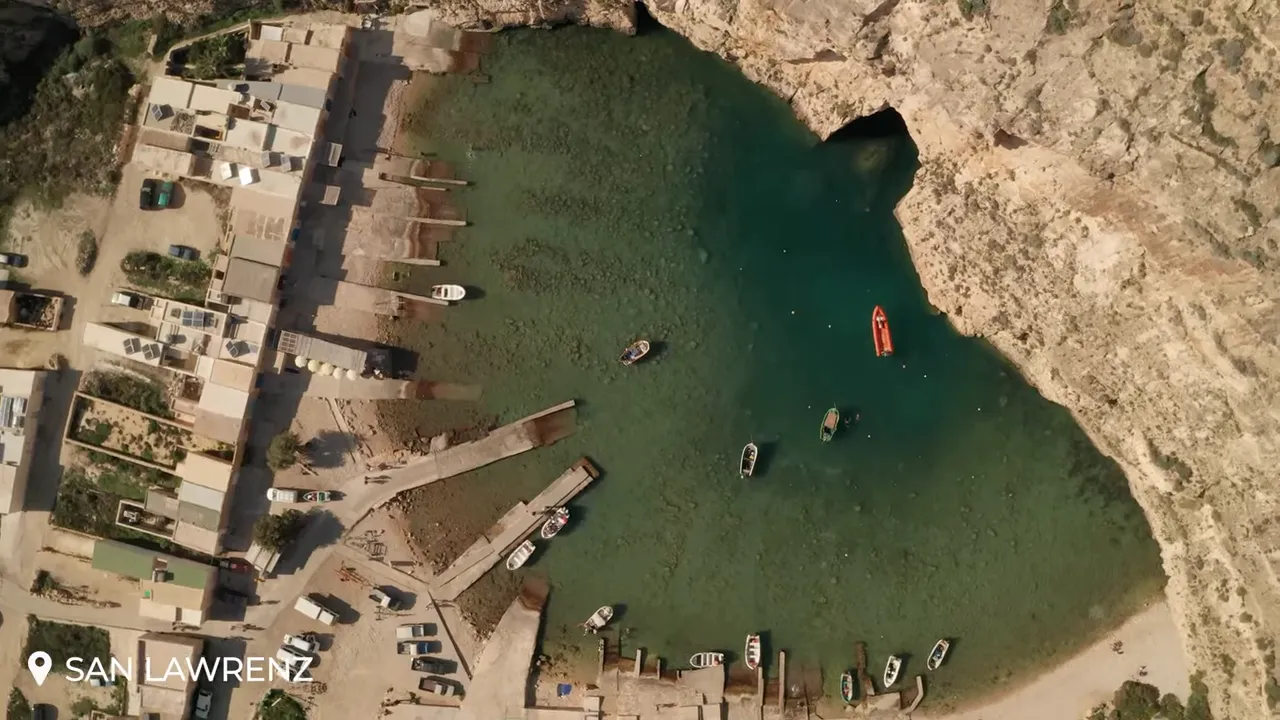
- Natural theatre: The coastline here is carved into dramatic features—arches, sea caves and sinkholes formed by millennia of erosion.
- Blue Hole: A circular vertical drop connecting to the open sea and a world-famous diving spot for experienced divers.
- Inland Sea and tunnel: A sheltered lagoon linked to the Mediterranean through a short tunnel; local boatmen guide crossings and reveal golden reflections inside the cave.
- Fungus Rock: An isolated boulder once guarded because of a medicinal plant believed to heal wounds—the Knights protected it zealously.
- Change and continuity: Even though iconic features like the Azure Window have collapsed, new windows and arches continue to redefine the shoreline and remind visitors that the coastline is alive and constantly evolving.
🌇 Sliema: Modern Shores and Seafront Life
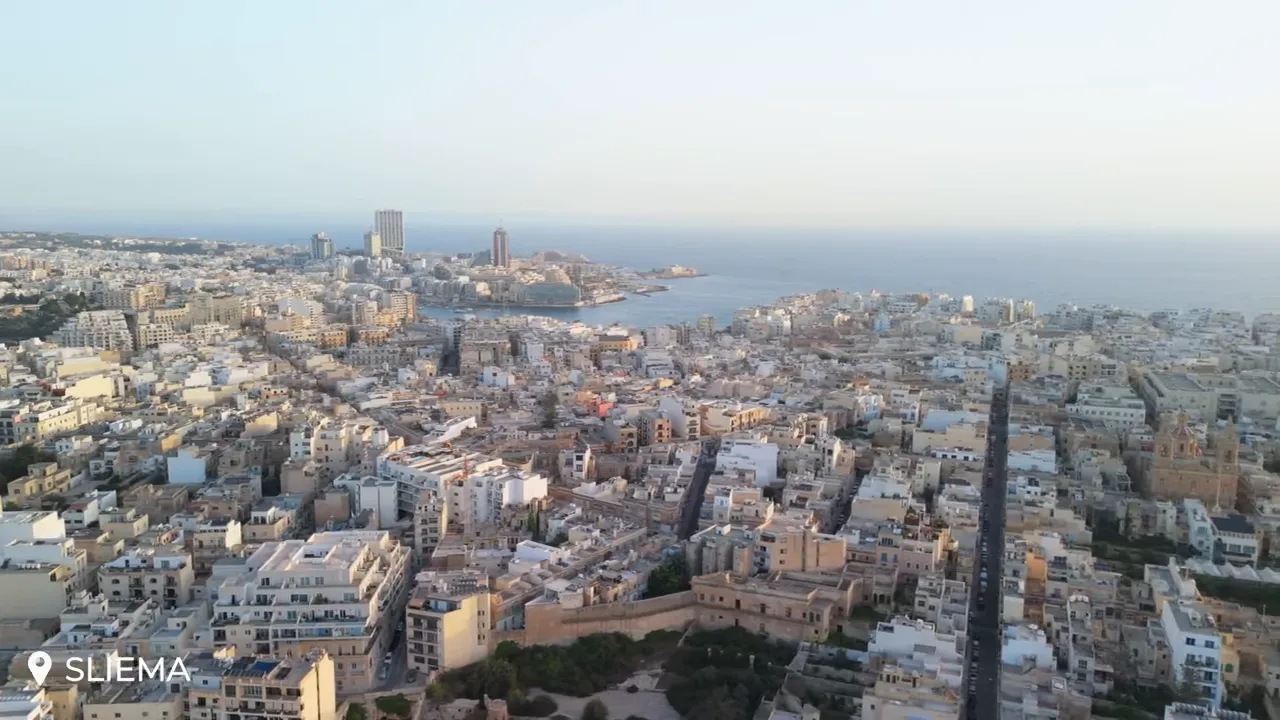
- Urban pulse: Once a humble fishing village, Sliema is now Malta’s cosmopolitan seafront with cafes, bars and long promenades.
- Promenade life: The Sliema promenade stretches for kilometres and offers one of the best vantage points to watch Valletta light up at dusk.
- Tigné Point: A mix of shops, fortifications and lookout points where contemporary living meets historic walls.
- Night photo op: Reflection of Valletta across the water becomes a dreamlike scene; the interplay of lights and sea makes Sliema one of the island’s most photogenic spots.
🧭 Practical Tips and Local Curiosities
- Getting around: Distances are short—day trips can cover several highlights. Buses connect most towns and ferries link the islands; car hire gives freedom for remote coves.
- Best time to visit: April to October for warm, dry weather and calm seas; shoulder seasons avoid peak crowds while still offering pleasant temperatures.
- Cuisine to try: Pastizzi (flaky filo pastry filled with ricotta or pea purée), fenkata (traditional Maltese rabbit stew), and lampuki pie made from seasonal dorado fish.
- Culture and superstition: Boats often carry painted eyes for protection; churches sometimes display two clocks at their façades—small local eccentricities that reveal deeper traditions.
- Ancient sites: Treat megalithic temples with reverence—these stones are among the earliest expressions of monumental architecture in human history.
- Safety and sea conditions: Some cliffs and boat trips require caution. Blue holes and dive sites are best visited with experienced guides; currents can be strong in open waters around Filfla and Comino.
- Island etiquette: Small communities value quiet and respect. In rural and religious settings, dress modestly and move slowly; local hospitality is warm if you return it.
📌 Suggested Multi‑Day Itinerary (Bulleted and Flexible)
- Day 1 — Valletta: Upper Barrakka Gardens, St John’s Co‑Cathedral, Grandmaster’s Palace, evening promenade in Sliema.
- Day 2 — The Three Cities and Marsaxlokk: Fort St Angelo, Inquisitor’s Palace, Sunday market at Marsaxlokk.
- Day 3 — Mdina and Mosta: Walk Mdina’s walls, Bastion Square at sunset, Mosta Rotunda and the bomb replica.
- Day 4 — Dingli and Blue Grotto: Clifftop views at Dingli, boat ride at the Blue Grotto, Ħaġar Qim and Mnajdra at dusk.
- Day 5 — Mellieħa and Comino: Red Tower, Mellieħa Bay, boat to Comino and Blue Lagoon; sunset return to Sliema.
- Day 6 — Gozo: Citadella in Victoria, Ġgantija temples, Dwejra Blue Hole and Inland Sea.
- Day 7 — Slow Gozo: Vineyard strolls, traditional windmills, local markets and a final sea dip before crossing back to Malta.
📝 The Archaeological Significance
- Megalithic legacy: Sites such as Ġgantija, Ħaġar Qim and Mnajdra belong to the Neolithic period and date back more than 5,000 years BCE.
- Prehistoric engineering: Massive stone blocks, some weighing tens of tons, were moved and set without the wheel or metal tools—evidence of collective organization and remarkable skill.
- Astronomy and alignment: Temples aligned with the solstices indicate a sophisticated observational tradition—these structures were not random but calibrated to the sky.
- Cultural continuity: Figurines and ritual objects found on these sites suggest long‑lasting religious traditions centered on fertility, creation and seasonal cycles.
💬 Soundtrack of the Island: Atmospheres and Moments
- Fortress hush: Valletta’s stone streets carry the echo of footsteps and church bells—a soundtrack of history and human scale.
- Market bustle: Sundays in Marsaxlokk, the chatter of vendors, the smell of fried fish, and the bright fabric of nets and buckets—this is tactile Malta.
- Sea silence: Comino’s Blue Lagoon is the island’s quietest music—water lapping on limestone, distant motor hums and a sense of suspended time.
- Rural winds: Vineyards and windmills on Gozo create a pastoral rhythm—less about sights than the slow pacing of farm life.
❓ Frequently Asked Questions
What are the must‑see sites if I only have two days?
Two days should focus on Valletta (St John’s Co‑Cathedral, Upper Barrakka Gardens, Fort St Elmo) and one contrasting experience: either Mdina for medieval calm and high viewpoints or Comino for the Blue Lagoon. If you start in the morning and pace the day, you can also catch the Three Cities waterfront on day two before an afternoon ferry to Valletta or Sliema for sunset.
How do I reach Gozo and Comino?
Comino is best reached by small boat from Cirkewwa or Mellieħa—short trips that operate frequently in high season. Gozo is a short ferry ride from Ċirkewwa to Mġarr; ferries accept cars and foot passengers and run throughout the day. For a quieter trip, take the earliest crossing or travel in the shoulder season.
Are the prehistoric temples open to visitors year‑round?
Most temple sites are open year round, though opening hours can vary by season and holidays. Guided tours and visitor centers are available at main sites like Ħaġar Qim, Mnajdra and Ġgantija. For solstice alignments and special events, check the official site calendar and consider an early morning visit for cooler temperatures and softer light.
Is Malta suitable for family travel?
Absolutely. The islands offer calm beaches for children, short travel distances, family‑friendly hotels and cultural sites with broad appeal. Beaches like Mellieħa Bay and sheltered coves in Gozo are particularly family friendly. Keep in mind that some cliff areas and dive spots require supervision.
How accessible are the islands for people with mobility needs?
Major museums, some temples and select public spaces have step‑free access, but many historic streets and narrow alleys, especially in Valletta, Mdina and older parts of Gozo, are uneven and cobbled. Plan ahead, contact sites directly for access information and consider adaptive transport options where needed.
When is the best time to see the Blue Grotto’s colors?
Early morning light tends to produce the richest blues and emeralds, especially on calm days. Low wind, clear skies and departing before midday usually yield the most vivid reflections. Local boatmen know the best conditions and can advise on timing.
What local dishes should I not miss?
Try pastizzi (handheld pastry snacks), fenkata (rabbit stew), lampuki pie (seasonal fish pie), and local cheeses and breads. Market food in Marsaxlokk and family tavernas in Gozo highlight the freshest catches and homemade recipes.
How crowded does the Blue Lagoon get and how can I avoid peak crowds?
The Blue Lagoon becomes very crowded during July and August afternoons. To avoid the worst of the crowds, go early in the morning or later in the afternoon, or visit during shoulder months like May, June, September and October. Alternatively, explore quieter coves on Comino or take a smaller boat trip that avoids the main docking area.
Is Malta expensive?
Costs vary. Tourism areas and waterfront restaurants can be pricier, while markets, local bakeries and neighborhood eateries offer affordable options. Malta’s per capita income and GDP reflect a prosperous economy, but smart planning—mixing markets and local taverns with occasional splurges—keeps a trip affordable.
🏁 Final Notes: How Malta Feels
- Compact but layered: Within a single day you can move from prehistoric temples to high baroque domes and then jump into a crystalline lagoon—the island’s magic lies in those rapid transitions.
- State of mind: Malta invites contemplation as much as exploration. Silence in Mdina, the echo of cannons in the Three Cities and the quiet blue of Comino all create moods worth revisiting.
- Return incentives: Each sunset, cliff and ancient stone whispers a reason to come back—whether for archaeology, beach time or the simple pleasures of Mediterranean life.
Travel here is not about checking boxes; it is a layered experience where every village reveals a forgotten part of ourselves and every sunset seems to whisper you need to return.