Wonders of Italy | The Most Fascinating Places in Italy | Travel Video 4K
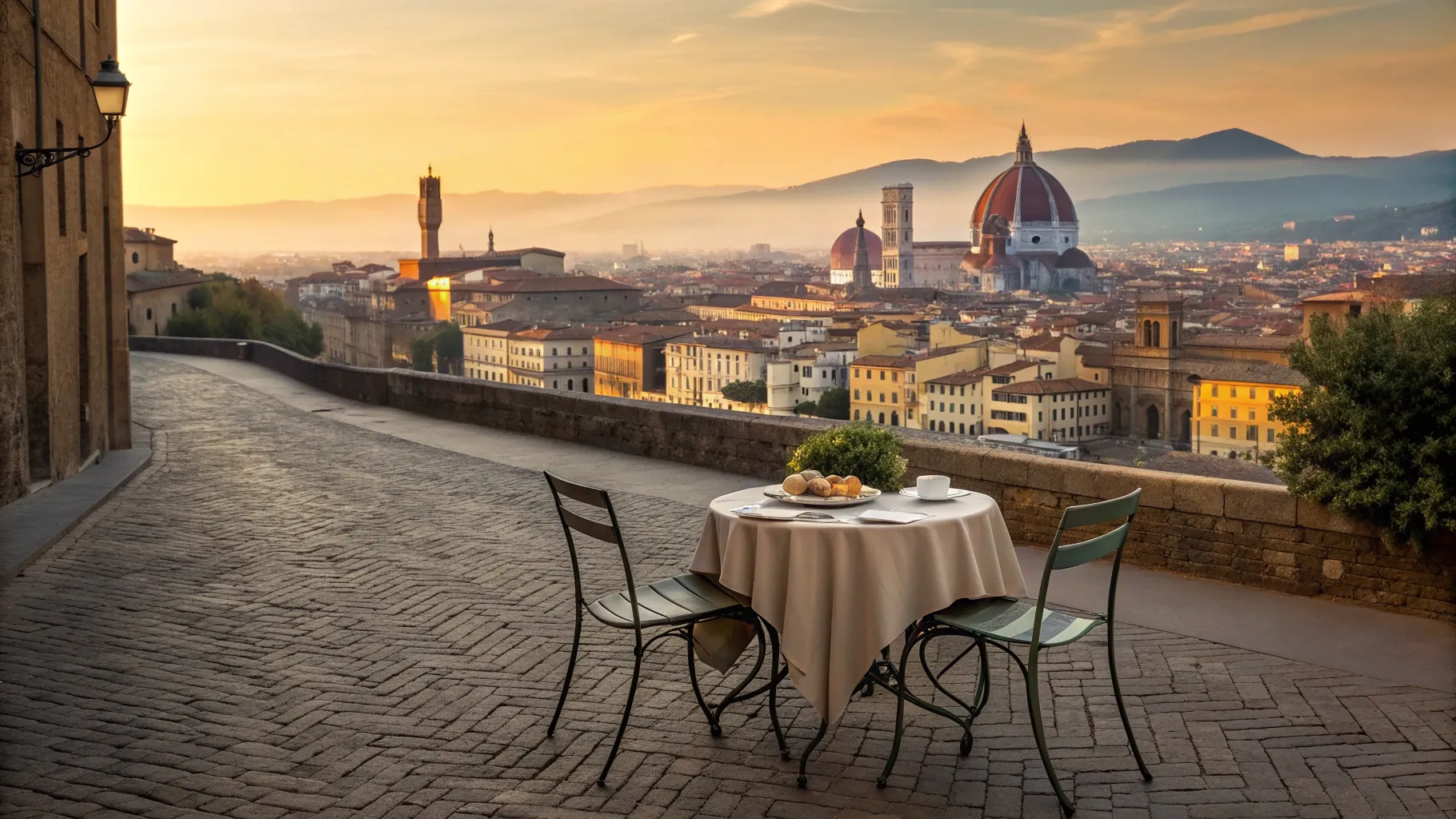
Table of Contents
- 🎬 Introduction: A Cinematic Invitation to Italy
- 🗺️ Italy at a Glance: Geography, History, and Culture
- 🏛️ Rome: The Eternal City — Past and Present in Harmony
- 🚣 Venice: A City Built on Water — Romance, Canals, and Masks
- 🌿 Tuscany: Rolling Hills, Wine, and Renaissance Art
- 👗 Milan: Italy’s Modern Metropolis — Fashion, Design, and Gothic Grandeur
- ⛏️ Pompeii: A City Frozen in Time by Vesuvius
- ⛰️ The Dolomites: Alpine Majesty and Year-Round Adventure
- 🪨 Matera: The Stone City — Sassi and Living History
- 🏠 Alberobello: Trulli, Tradition, and Puglian Flavors
- 🌊 The Amalfi Coast: Cliffs, Color, and Limoncello
- 🌅 Cinque Terre: Five Villages, One Unforgettable Coastline
- 🏛️ Agrigento & the Valley of the Temples: Greek Legacy in Sicily
- 🍕 Naples: Energy, History and the Birthplace of Pizza
- 🔍 Practical Travel Tips & Suggested Itineraries
- 📸 Screenshot Gallery: Visual Moments from the Journey
- ❓ Frequently Asked Questions (FAQ) — Practical Answers Before You Go
- 🔚 Conclusion: Italy as an Endless Invitation
🎬 Introduction: A Cinematic Invitation to Italy
- What makes Italy such a captivating destination? This question opens our journey—a simple, inviting prompt that captures the curiosity of every traveler who walks its cobbled streets or tastes its food for the first time.
- In the original travel video and its creator’s narration, Italy was presented as a place where every city tells a story and every dish is a work of art; this article expands on that vision and brings practical detail, context, and travel tips so your next Italian trip can be planned with confidence and excitement.
- Key headline facts you’ll want to remember as you read: Italy has more than sixty million inhabitants, a boot-shaped peninsula surrounded by the Adriatic, Ionian and Tyrrhenian seas, Alpine ranges in the north, active volcanoes like Vesuvius in the south, and 58 UNESCO World Heritage Sites—the largest number of UNESCO listings for any single country.
- Expect a journey through iconic cities and hidden corners: Rome, Venice, Tuscany, Milan, Pompeii, the Dolomites, Matera, Alberobello, the Amalfi Coast, Cinque Terre, Agrigento (Valley of the Temples), Naples—and much more.
- Visual anchors: throughout this article I’ll include screenshots (timestamp markers) to help you visualize the moments from the travel piece and to inspire photo ideas for your own trip.
🗺️ Italy at a Glance: Geography, History, and Culture
- Italy is a mosaic of landscapes—snow-capped mountains, fertile plains, rugged coastlines, active volcanic zones, and sun-kissed islands—and this geographical diversity directly shapes its cultural variety and culinary traditions.
- History runs deep here: ancient Rome’s influence remains visible in monumental ruins, Renaissance art reshaped European culture from Florence, and countless regional traditions survived centuries of change.
- 58 UNESCO World Heritage Sites: from archaeological parks to historic city centers and natural landscapes, Italy is the nation with the most UNESCO entries. That’s a testament to the country’s concentrated cultural and natural value.
- Fun cultural tidbits from the narration to bookmark:
- Practical travel note: Italy’s diversity means one trip rarely covers everything. Choose a region per visit (e.g., Rome + Amalfi, or Tuscany + Florence, or Venice + Dolomites) unless you have weeks to explore.
🏛️ Rome: The Eternal City — Past and Present in Harmony
- Why Rome? Few cities fuse ancient monumental power with vibrant modern life as seamlessly as Rome. Walking the city is like walking through layers of time.
- Colosseum (timestamp: 02:31): Built almost 2,000 years ago, the Colosseum seated up to 50,000 spectators and showcased Roman engineering prowess. When you step inside you can still sense the scale and drama of the amphitheater’s spectacles.
- Roman Forum (timestamp: 02:53): Once the political and social center of Rome, the Forum’s ruined temples, arches, and basilicas read like the city’s earliest chapters. Wander slowly—each column and inscription tells a story.
- Trevi Fountain (timestamp: 03:06): This Baroque masterpiece is more than a photo stop. Tradition says tossing a coin over your shoulder into the fountain ensures a return to Rome—an irresistible ritual for many visitors. The fountain funnels more than 90 million liters of water annually.
- Vatican & St. Peter’s Basilica (timestamp: 03:31): The Vatican is a sovereign city-state and the spiritual heart for Catholics worldwide. The Sistine Chapel ceiling, painted by Michelangelo, remains one of art history’s pinnacles; climbing St. Peter’s dome rewards you with a panoramic vista across Rome’s domes and rooftops.
- Practical tips for Rome:
🚣 Venice: A City Built on Water — Romance, Canals, and Masks
- First impressions: Venice feels unreal—an intricate lacework of islands, canals, and bridges that create a unique urban fabric unlike any other city.
- Venice facts from the narration:
- Gondola rides (timestamp: 04:39): Iconic, romantic, and steeped in tradition—the gondola is a symbol of Venice with centuries of history. A gondola ride through narrow canals as sunlight hits glistening water is a memory that often defines a Venice trip.
- Bridge of Sighs (timestamp: 04:51): Built in the early 17th century to connect the Doge’s Palace to the old prisons, the bridge’s name evokes the sighs of prisoners glimpsing the outside world one final time.
- St. Mark’s Square and Basilica (timestamp: 05:10): The basilica’s golden mosaics and Byzantine domes reflect Venice’s long history as a crossroads between East and West. Nearby, historic cafés—like one that has welcomed visitors for centuries—invite you to pause and watch Venetian life unfold.
- Venice Carnival (timestamp: 05:34): If you visit during carnival season, masks and elaborate costumes transform the city into an open-air theater. The event dates back to the 16th century and remains an unparalleled cultural spectacle.
- Practical tips for Venice:
🌿 Tuscany: Rolling Hills, Wine, and Renaissance Art
- Tuscany is a dreamscape of gentle hills, cypress-lined roads, olive groves, and vineyards—the kind of place painters and photographers return to again and again.
- Val d’Orcia (timestamp: 06:04): A UNESCO World Heritage Site—this landscape epitomizes the pastoral ideal, with idyllic vistas, medieval hilltop towns, and winding lanes that look lifted from a Renaissance painting.
- Pienza (timestamp: 06:18): Planned in the 15th century as an ideal Renaissance town, Pienza’s compact center, elegant architecture and viewpoint terraces offer a sense of design and proportion that inspired urbanists for centuries.
- Chianti region (timestamp: 06:34): The home of Chianti Classico and the Sangiovese grape—vineyards dominate the scenery and tasting rooms offer more than wine; expect olive oil tastings, charcuterie, and local specialties that reflect centuries-old production techniques.
- Florence (timestamp: 07:02): The cradle of the Renaissance—home to Michelangelo’s David, Brunelleschi’s dome (Santa Maria del Fiore), the Uffizi Gallery and Ponte Vecchio. Florence compresses world-changing art into a walkable city center.
- Practical tips for Tuscany:
👗 Milan: Italy’s Modern Metropolis — Fashion, Design, and Gothic Grandeur
- Milan stands apart from Italy’s ancient cities as a modern cosmopolitan hub where high fashion, cutting-edge design, and historical monuments converge.
- Duomo di Milano (timestamp: 08:05): This Gothic masterpiece dominates Milan’s skyline. Climbing to the rooftop offers a close-up look at delicate spires and a commanding panorama over the city—epic at sunset.
- Galleria Vittorio Emanuele II (timestamp: 08:23): One of the oldest shopping galleries in the world, this glass-roofed arcade is both a shopping destination and an architectural jewel.
- The Last Supper (timestamp: 08:36): Leonardo da Vinci’s The Last Supper resides in the convent of Santa Maria delle Grazie—an essential stop for art lovers, but access is tightly controlled; book months in advance if possible.
- Teatro alla Scala (timestamp: 08:50): One of the world’s leading opera houses—an evening performance here pairs musical history with sumptuous Italian theatrical tradition.
- Milanese cuisine (timestamp: 09:03): Specialties include Risotto alla Milanese (saffron risotto) and Cotoletta alla Milanese (breaded veal cutlet). Milan’s gastronomic scene is refined and diverse.
- Neighborhoods to explore:
- Practical tips for Milan:
⛏️ Pompeii: A City Frozen in Time by Vesuvius
- Pompeii is an archaeological time capsule: the 79 AD eruption of Mount Vesuvius buried the city under ash and pumice, preserving homes, streets, shops, and lives in astonishing detail.
- Street-level experience (timestamp: 09:33): Walking the original paved roads gives a visceral sense of daily life in an ancient Roman town; produce stalls, bakeries, and taverns can all be glimpsed in the ruins.
- House of the Faun (timestamp: 10:02): One of Pompeii’s grandest residences with detailed mosaics and evidence of wealth and artistic taste among some residents.
- House of the Vettii / House of the Chaste Lovers (timestamp: 10:17): Frescoes and intimate paintings in private homes reveal personal tastes, mythological themes, and social norms of Pompeian life.
- Forum, temples, and public life (timestamp: 10:34): At the heart of Pompeii, the Forum was the civic center. Market stalls and graffiti inscriptions bring voices from the past vividly to life—public notices, satirical jokes, and advertisements survive.
- Practical tips for Pompeii:
⛰️ The Dolomites: Alpine Majesty and Year-Round Adventure
- Located in northern Italy, the Dolomites are celebrated for jagged limestone peaks that glow pink and orange at sunset—a phenomenon known locally as Enrosadira (the video used a variant: Enrosa Dura).
- UNESCO-listed landscape (timestamp: 11:36): The rock formations and geological contrasts of the Dolomites earned them protected status and global recognition.
- Outdoor activities by season:
- Alpine culture and cuisine (timestamp: 12:02): Mountain refuges serve hearty dishes—polenta, speck, and strudel—often paired with local beers and wines. The region blends Italian and Tyrolean influences for a distinctive culinary identity.
- Practical tips for the Dolomites:
🪨 Matera: The Stone City — Sassi and Living History
- Matera is extraordinary: ancient stone houses carved directly into limestone cliffs, called the Sassi, form one of the world’s oldest continually inhabited urban settlements.
- Sassi di Matera (timestamp: 13:00): The labyrinth of cave dwellings, narrow alleys and staircases create a cinematic atmosphere—many of the caves have been transformed into boutique hotels that combine historic ambiance with modern comfort.
- From "shame" to UNESCO treasure: Matera was once criticized for its poverty and living conditions but underwent a powerful transformation and was recognized as a UNESCO World Heritage Site in 1993, igniting cultural revival.
- Cave hotels & film locations (timestamp: 14:34): Some rooms are literal caves with chic interiors; Matera’s timeless look has attracted filmmakers—most notably used in productions that require biblical or ancient atmospheres.
- Local cuisine and specialties (timestamp: 14:07): Try Matera bread—a rustic loaf with a golden crust—alongside regional cheeses, olive oil, and the pepperoni crusco, a crunchy dried pepper specialty from Basilicata.
- Practical tips for Matera:
🏠 Alberobello: Trulli, Tradition, and Puglian Flavors
- Alberobello in Puglia seems lifted from a fairytale: streets lined with hundreds of trulli—whitewashed conical-roofed stone houses built without mortar and decorated with symbolic roof paintings.
- Unique architecture (timestamp: 14:51): Trulli date from the 14th century and were historically assembled without mortar so they could be dismantled quickly to avoid certain taxes—an ingenious, culture-driven architectural response.
- Districts to visit (timestamp: 15:15): Rione Monti is the tourist heart with over 1,500 trulli, while Aia Piccola provides a quieter, more authentic experience where people still live in traditional buildings.
- Mysterious roof symbols (timestamp: 15:48): Many trulli bear painted symbols—religious or astrological icons intended as protective signs or to convey local beliefs.
- Puglian gastronomy (timestamp: 16:05): Alberobello is a perfect base to taste regional specialties like burrata cheese, orecchiette pasta, and fresh local wines—simple ingredients transformed by technique and terroir.
- Practical tips for Alberobello:
🌊 The Amalfi Coast: Cliffs, Color, and Limoncello
- The Amalfi Coast is a postcard-perfect ribbon of villages perched on sheer cliffs over the Tyrrhenian Sea—staggered houses, winding roads, and terraced lemon groves define the region’s unique charm.
- Positano (timestamp: 16:53): One of the coast’s jewels—colorful houses tumble down to Spiaggia Grande, with narrow streets full of boutiques and cafés. The image of pastel buildings descending to the sea is instantly recognizable.
- Amalfi town (timestamp: 17:21): Amalfi’s cathedral (St. Andrew’s) displays Arab-Norman influences and showcases the town’s historic role as a medieval maritime republic.
- Lemons, limoncello, and panoramic drives (timestamp: 17:46): The steep terraces are home to giant lemons used to make limoncello, the sun-bright liqueur that is a symbol of the coast. Driving along the coastal road offers sweeping viewpoints but requires patience—roads are narrow and winding.
- Practical tips for the Amalfi Coast:
🌅 Cinque Terre: Five Villages, One Unforgettable Coastline
- Cinque Terre—Monterosso, Vernazza, Corniglia, Manarola, and Riomaggiore—sits on the Ligurian coastline with a dramatic tableau of terraced vineyards and pastel houses clinging to cliffs over the sea.
- Village highlights and experiences (timestamps included):
- Hiking & gastronomy:
- Practical tips for Cinque Terre:
🏛️ Agrigento & the Valley of the Temples: Greek Legacy in Sicily
- Agrigento on Sicily’s southern coast houses the Valley of the Temples, a remarkably preserved set of Doric temples from the 5th century BC that testify to the island’s ancient Greek heritage.
- Valley of the Temples highlights (timestamp: 19:58):
- Context & museum collections (timestamp: 21:02): The on-site archaeological museum displays artifacts—ceramics, coins and sculptures—that contextualize the temples and daily life in ancient Akragas (the city’s classical name).
- Practical tips for Agrigento:
🍕 Naples: Energy, History and the Birthplace of Pizza
- Naples is unforgettable: raw energy, layered history, and culinary culture that has shaped global foodways—most notably, pizza.
- Neapolitan pizza (timestamp: 21:29): Characterized by a thin base with raised edges, San Marzano tomatoes, and buffalo mozzarella; its designation as a Traditional Specialty Guaranteed by the EU reflects its protected cultural status.
- Historic pizzerias (timestamp: 21:44): Institutions like century-old pizzerias offer more than food—they offer continuity, craft and the communal ritual of pizza-making.
- Castel dell’Ovo (timestamp: 22:01): The city’s oldest castle stands proudly on a tiny peninsula—legend speaks of a magical egg placed in the castle’s foundations for the city’s protection.
- National Archaeological Museum (timestamp: 22:22): One of the world’s greatest collections of Greco-Roman artifacts, including stunning pieces recovered from Pompeii and Herculaneum such as the Alexander Mosaic.
- Taste and atmosphere (timestamp: 22:44): Naples’ street life, markets, and baroque churches create a vibrant backdrop—spaccanapoli is a famous thoroughfare to feel the city’s pulse.
- Practical tips for Naples:
🔍 Practical Travel Tips & Suggested Itineraries
- Top tips for timing and seasons:
- Suggested itineraries (bulleted for quick planning):
- Budgeting & accommodation tips:
- Transport & local etiquette:
- Photography & timing:
📸 Screenshot Gallery: Visual Moments from the Journey
- Colosseum and Ancient Rome
- Roman Forum
- Trevi Fountain
- Sistine Chapel & Vatican
- Venetian Canals & Gondolas
- Bridge of Sighs
- St. Mark's Basilica
- Venice Carnival Masks
- Val d'Orcia & Pienza
- Chianti Vineyards
- Florence & the Duomo
- Duomo di Milano Rooftop
- The Last Supper
- Pompeii Streets & Mosaics
- Dolomite Peaks & Rifugi
- Matera Sassi & Cave Hotels
- Alberobello Trulli
- Amalfi Coast & Positano
- Cinque Terre Villages
- Agrigento & Valley of the Temples
- Naples, Pizza & Castel dell’Ovo
❓ Frequently Asked Questions (FAQ) — Practical Answers Before You Go
- Q: When is the best time of year to visit Italy? A: For mild weather and fewer crowds, spring (April–June) and early autumn (September–October) are ideal. Winter is perfect for winter sports in the Alps and lower prices in cities, while summer is peak season for coastal escapes and festivals.
- Q: How should I plan my first trip to Italy—which cities should I prioritize? A: If you have 7–10 days, a common first-time itinerary is Rome → Florence/Tuscany → Venice. If you prefer coast and ancient history, consider Naples → Pompeii → Amalfi Coast. For shorter trips, focus on one region to avoid exhausting travel schedules.
- Q: Is it better to rent a car or rely on trains? A: Trains are excellent between major cities (Rome, Florence, Milan, Venice, Naples). Rent a car for rural Tuscany, Puglia or Sicily to access remote villages, olive groves and scenic country roads. Beware ZTL zones in city centers—parking can be limited and expensive.
- Q: Are museums and major sites open year-round? A: Most major museums (Vatican, Uffizi, Accademia) are open year-round but close on certain public holidays (e.g., some close on Mondays). Check official websites and book timed-entry tickets in advance for heavily visited attractions like The Last Supper and the Vatican Museums.
- Q: What should I eat in Italy that I might not find elsewhere? A: Regional specialties vary widely—Neapolitan pizza, Florentine steak, Tuscan pecorino, Sicilian arancini, Puglian orecchiette, Amalfi limoncello, Dolomite polenta, Matera bread, and local cheeses like burrata. Try to taste region-specific dishes rather than looking for a single “national” plate—Italy’s strength is its regional variety.
- Q: Is tipping customary in Italy? A: Tipping is not obligatory. Service charges are often included in restaurants (servizio), but rounding up bills or leaving small change for good service is appreciated. For exceptional service, 5–10% is generous but rarely expected.
- Q: How safe is Italy for solo travelers? A: Italy is generally safe. Standard precautions apply—watch out for pickpockets in crowded tourist areas, secure belongings, and exercise caution at night in unfamiliar neighborhoods. Many solo travelers feel comfortable navigating Italy’s cities and regions.
🔚 Conclusion: Italy as an Endless Invitation
- Italy is more than a destination—it’s a layered experience where history, art, nature, and food continually intersect. From the Colosseum’s grandeur to the intimate cave hotels of Matera, every place reveals a facet of Italian identity.
- Traveling here means embracing contrasts: bustling city squares and tranquil vineyards, ancient ruins and contemporary design, mountain silence and coastal song. This blend is precisely what makes Italy endlessly fascinating and eternally revisitable.
- Parting thought: plan thoughtfully, travel slowly where possible, taste locally, and let each town teach you its story. Italy doesn’t just show you history—it invites you to become part of its ongoing tale.
- Until the next journey—buon viaggio and may your next road through Italy lead to unexpected and unforgettable moments.