
Why Norway Doesn’t Look Rich: A Journey Through Fjords, Arctic Light, and Understated Abundance
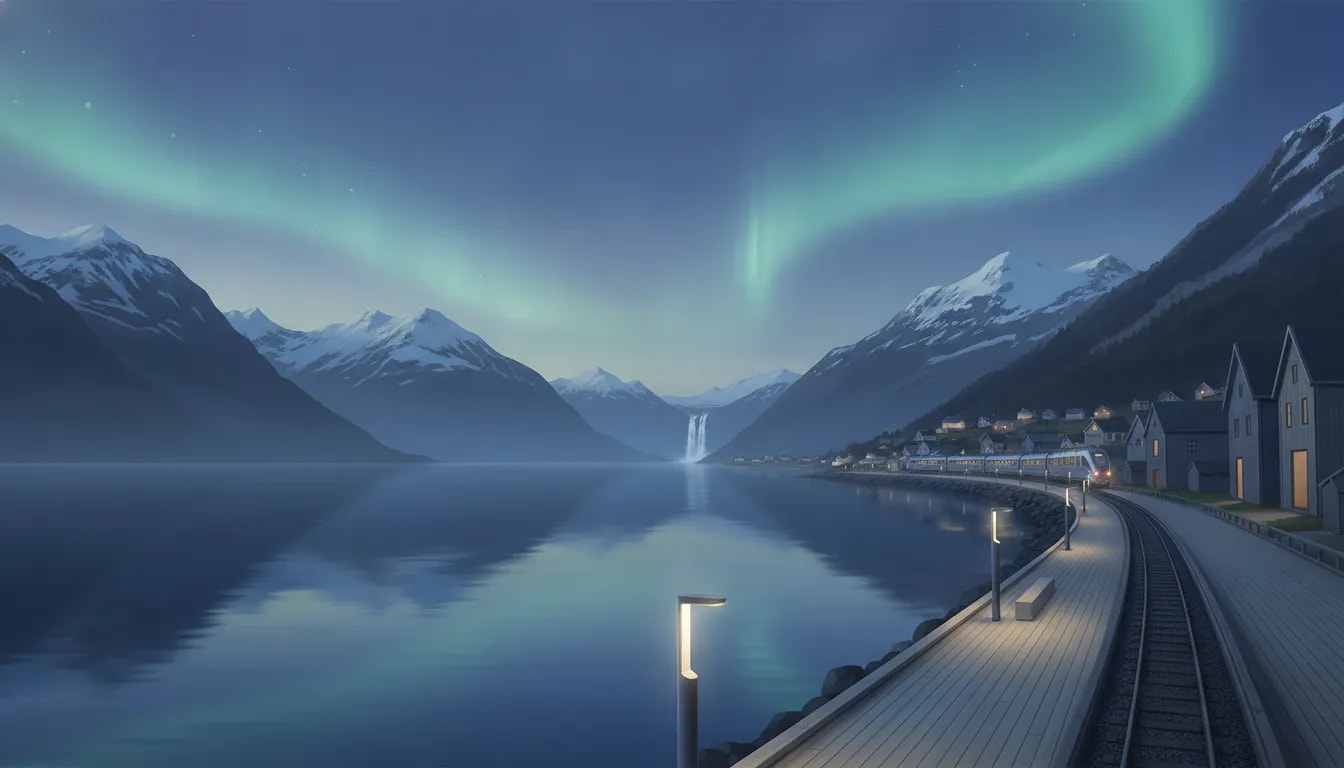
Norway is one of the wealthiest countries on Earth, yet it rarely performs wealth in the way many people expect. There are no endless displays of extravagance competing with the landscape. Instead, prosperity appears in quieter forms: clean energy, excellent public spaces, well-connected communities, a deep relationship with nature, and the freedom to live close to some of the wildest scenery in Europe.
Here, abundance is not a glittering skyline. It is a fjord reflecting snow-covered peaks, a city where architecture welcomes people onto its roof, a train climbing through waterfalls, and an Arctic horizon where the sun forgets to set.
Norway feels rich because its landscapes are immense, its culture is restrained, and nature remains the central force in daily life.
Table of Contents
- 🇳🇴 Norway’s Quiet Version of Wealth
- 🏙️ Oslo: Modern Norway Built Around People
- 🌧️ Bergen: Color, Rain, and the Gateway to the Fjords
- 🌌 Tromsø: Northern Lights, Polar Night, and Midnight Sun
- 🏔️ Lofoten: Fishing Villages Beneath Impossible Mountains
- 🛣️ The Atlantic Ocean Road: Engineering at the Edge of the Sea
- 💧 Geirangerfjord: Waterfalls, Cliffs, and a Landscape in Motion
- 🧗 Pulpit Rock and Trolltunga: Norway’s Most Daring Edges
- 🚂 Flåm: A Railway Through Waterfalls and Mountain Valleys
- ☀️ North Cape: Where the Continent Feels Like It Ends
- 🧊 Svalbard: Wild Arctic Nature and a Vault for the Future
- 🍎 Hardangerfjord: Norway’s Orchard Country
- 🧊 Jostedalsbreen: Walking on Frozen History
- ⛪ Trondheim and Ålesund: History With a Living Pulse
- 🐟 What to Taste Along the Way
- ✨ The Real Reason Norway Feels So Different
🇳🇴 Norway’s Quiet Version of Wealth
- A small population, an enormous landscape: Norway has roughly 5.4 million people spread across a country shaped by mountains, glaciers, islands, and more than 1,200 fjords.
- An economy rooted in natural resources: Oil, gas, fishing, and renewable energy have played major roles in its development.
- Prosperity without excess: The visible character of Norway is often practical, modern, and understated rather than flashy. Cities work with their surroundings instead of trying to overpower them.
- Nature as the real luxury: The country’s greatest statement of abundance is access to clean water, dramatic wilderness, coastal roads, protected landscapes, and Arctic phenomena.
- A culture of comfort: Norwegian life has room for warm cafés, outdoor time, simple pleasures, seafood, homemade baking, and the Nordic idea of creating coziness in difficult weather.
This is why Norway can feel so surprising. It is highly developed, yet the country never lets you forget that mountains, weather, ice, and sea are still in charge.
🏙️ Oslo: Modern Norway Built Around People
Oslo is the ideal place to understand Norway’s balance of old identity and modern confidence. It is a capital with energy, technology, culture, and waterfront architecture, but it does not feel detached from the natural world. The fjord remains part of the city’s rhythm.
- Oslo Opera House: The building looks like a white glacier sliding into the water. Its sloping marble roof is designed to be walked on, turning architecture into public space.
- Viking history: Original ninth-century vessels, including the Oseberg ship, reveal the extraordinary craftsmanship behind Norway’s seafaring past. Their carved dark wood carries the weight of a civilization built around the sea.
- Vigeland Park: More than 200 bronze and granite sculptures explore human emotion without glamour or decoration. Joy, conflict, tenderness, exhaustion, love, and loneliness all appear in raw physical form.
- What Oslo represents: Innovation does not erase history here. The city can be futuristic and deeply connected to Viking heritage at the same time.
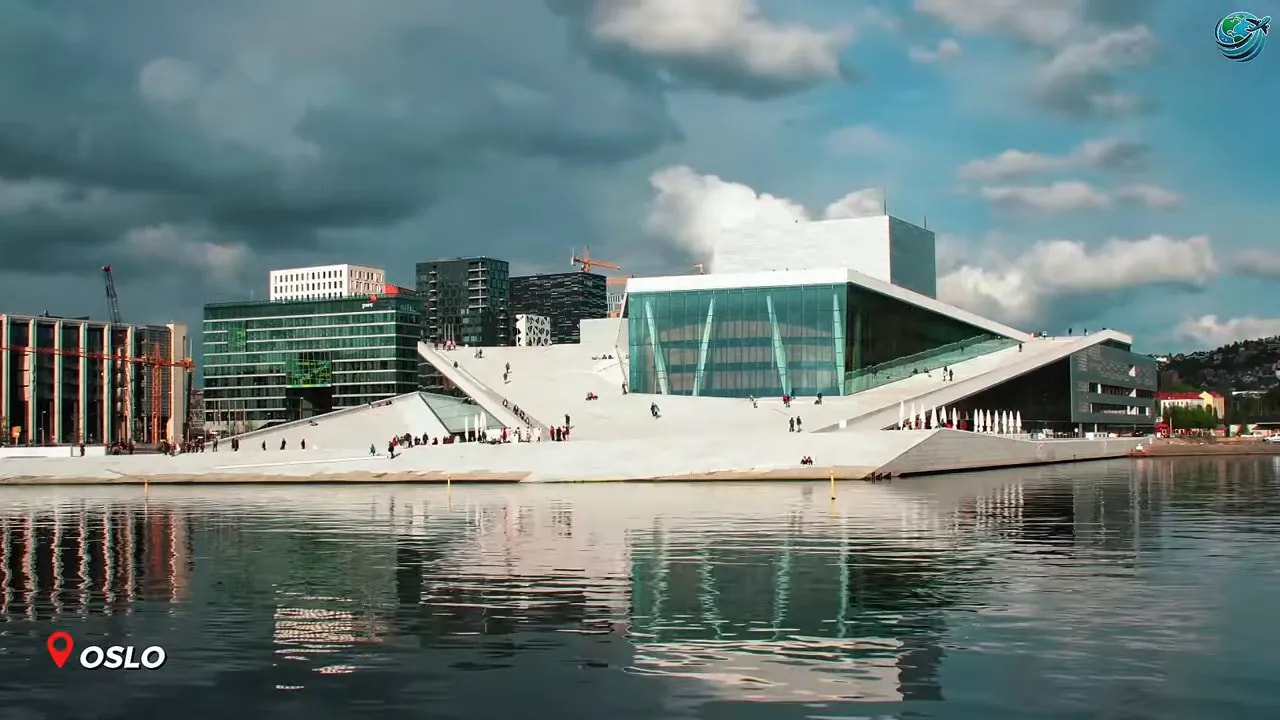
Oslo shows a version of wealth that is public and accessible. A landmark is not sealed behind gates. It becomes a place to climb, walk, pause, and look out over the fjord.
🌧️ Bergen: Color, Rain, and the Gateway to the Fjords
Travel west and the atmosphere changes. Bergen arrives with mist, wet timber, narrow streets, sea air, and a feeling that the weather is part of its personality. Rain is not an interruption here. It is part of the city’s texture.
- Bryggen: This famous row of colorful wooden buildings dates back to the Hanseatic era and is recognized as a UNESCO World Heritage site.
- Living history: The old warehouses are not simply preserved scenery. They contain cafés, local crafts, workshops, and small shops.
- A practical launch point: Bergen is a gateway to major fjord country, including Sognefjord and Hardangerfjord.
- Rain as atmosphere: With more than 200 rainy days in a year, Bergen proves that a city can be beautiful precisely because it does not try to be polished all the time.
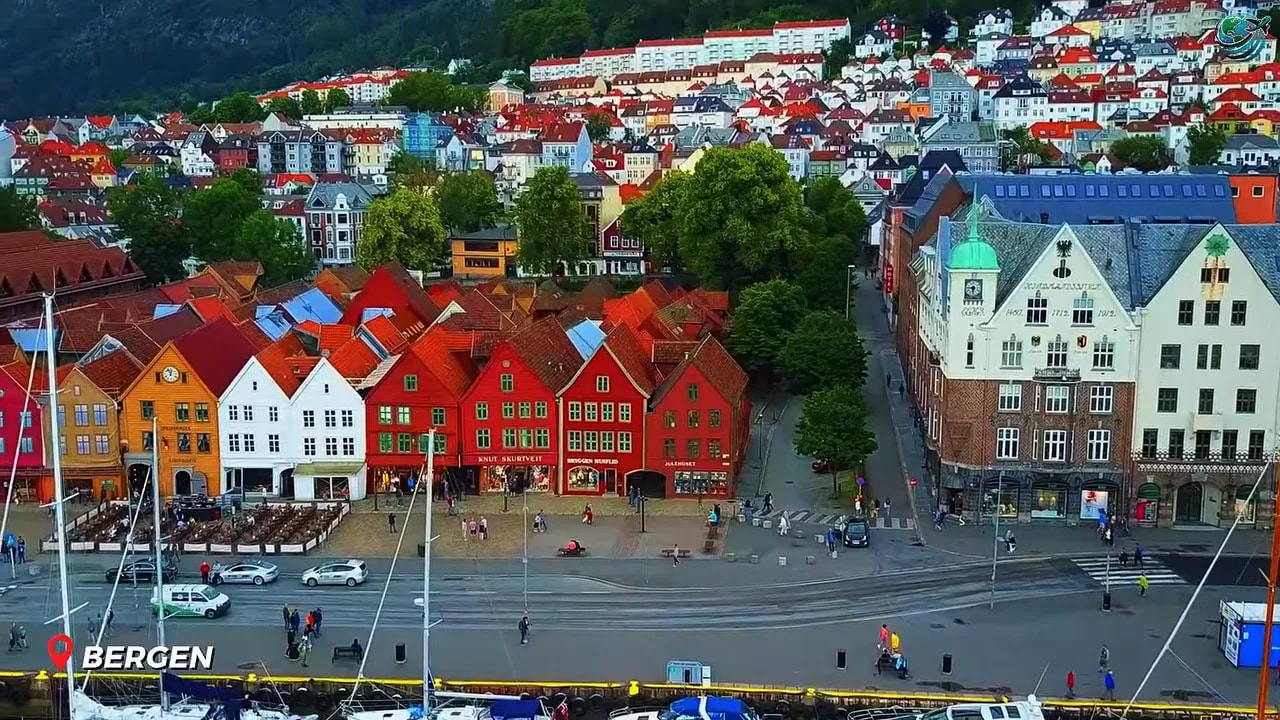
Bergen’s beauty is not pristine. It is damp, maritime, historic, and real. That is exactly the point.
🌌 Tromsø: Northern Lights, Polar Night, and Midnight Sun
Far above the Arctic Circle, Tromsø makes the sky feel alive. This is a city surrounded by frozen fjords and snow-covered mountains, but it is far from lifeless. Bars, cafés, festivals, and a youthful population give warmth to an environment shaped by extreme light.
- Northern Lights season: From September to March, green, purple, and pink auroras can sweep across the sky in a silent magnetic display.
- Polar night: From November to January, the sun does not rise. Darkness becomes a season of its own.
- Midnight sun: From May to July, daylight stays long past midnight, turning late hours into a golden, suspended afternoon.
- Whale safaris: The northern waters can offer encounters with orcas, humpbacks, and blue whales.
- A surprising city: Tromsø has roughly 80,000 residents and combines Arctic scale with a lively urban spirit.
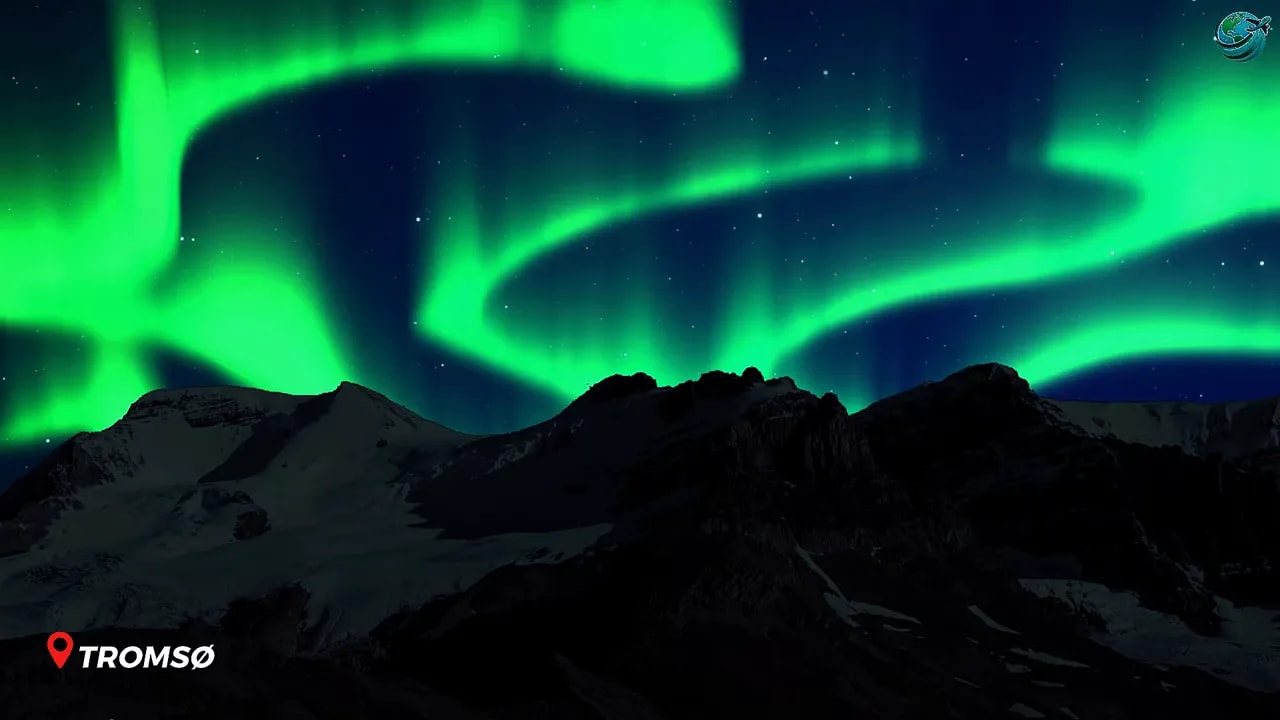
The deeper lesson of Tromsø is simple: in Norway, even darkness has its own beauty. The seasons do not merely change the weather. They change time, energy, routine, and the way people live.
🏔️ Lofoten: Fishing Villages Beneath Impossible Mountains
The Lofoten Islands look almost invented. Jagged mountains rise directly from the sea, narrow roads thread through islands, and bridges and tunnels create passages through terrain that seems too dramatic for ordinary life.
- Red fishermen’s cabins: Traditional rorbuer sit at the water’s edge, often reflected in bright, clear bays.
- Reine: With fewer than 300 residents, this village is one of the most photogenic places in the archipelago.
- Active coastal life: Winter surfers take on icy waves, while cyclists follow narrow roads with wind and fjords on either side.
- Cod fishing heritage: Fishing remains central to local life, and drying cod is one of the region’s defining sensory experiences.
- Arctic ecosystem: Located above the Arctic Circle, Lofoten supports an exceptionally rich marine environment.
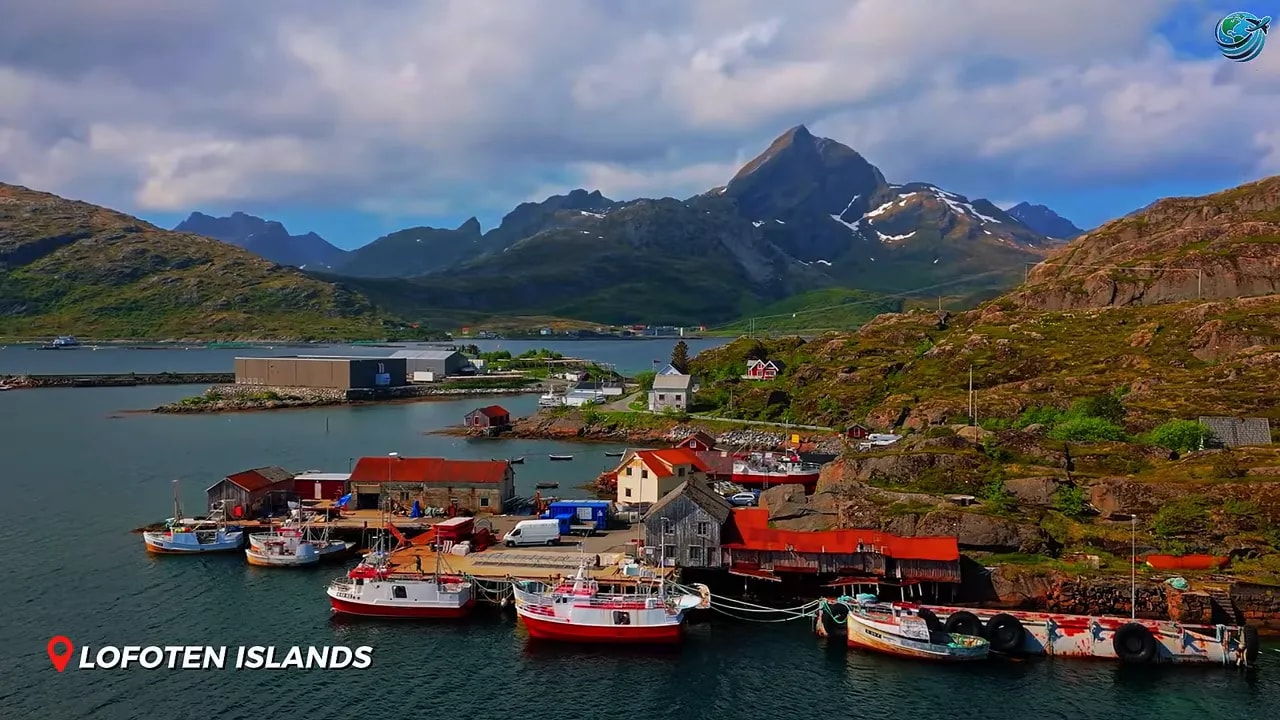
Lofoten is not beautiful because it is isolated from work and tradition. It is beautiful because fishing, weather, sea, cabins, roads, and mountains all belong to the same story.
🛣️ The Atlantic Ocean Road: Engineering at the Edge of the Sea
Norway’s roads are often part of the destination, but the Atlantic Ocean Road turns driving into spectacle. It crosses small islands on the western coast through a sequence of bridges, curves, and exposed stretches of sea.
- Length: The route extends just over eight kilometres.
- Eight bridges: These bridges connect island to island across open water.
- Storseisundet Bridge: Its dramatic curve can create the illusion that the road rises into the sky and disappears.
- Built for the elements: In storms, waves can crash over the road, making the route feel suspended between land and ocean.
- More than transport: Lookout points can reveal seabirds, seals, and occasionally whales.
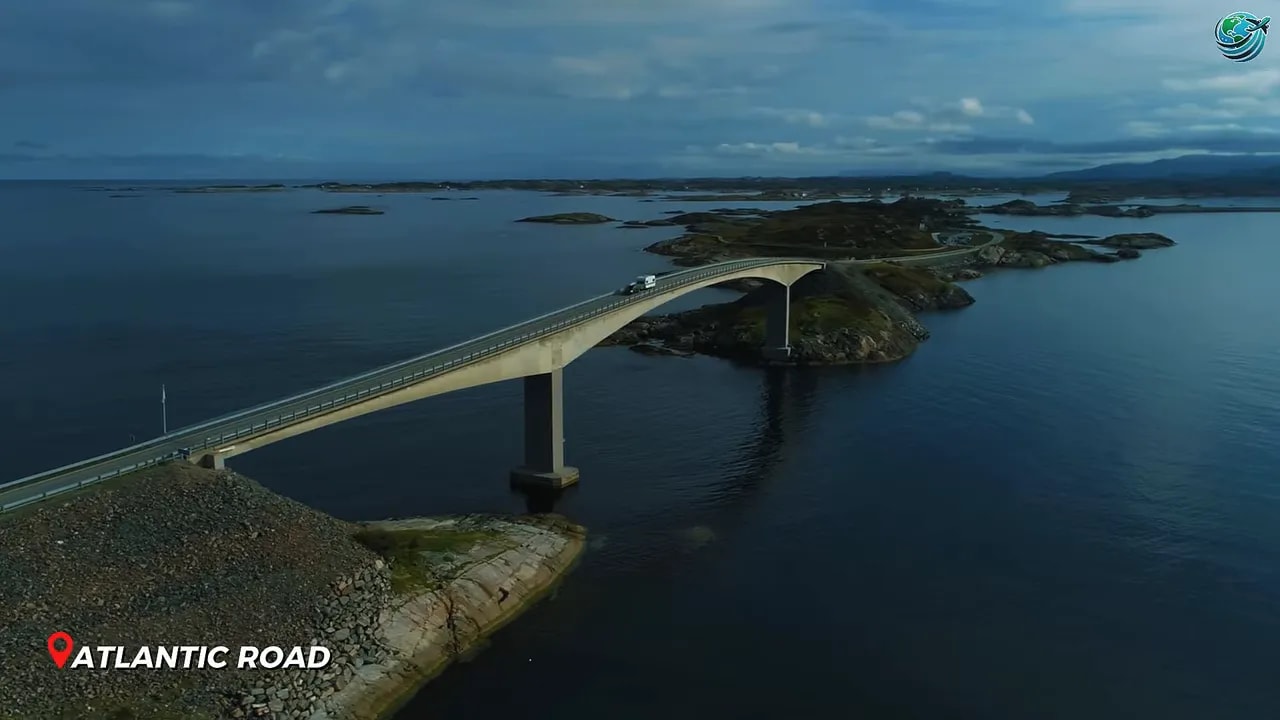
Opened in 1989 after six years of construction, this route captures a distinctly Norwegian idea: infrastructure does not need to hide the environment. It can move through it with respect, courage, and a little drama.
💧 Geirangerfjord: Waterfalls, Cliffs, and a Landscape in Motion
Geirangerfjord is one of those places that makes scale difficult to process. Emerald water sits beneath cliffs rising more than 1,000 meters, while waterfalls appear as silver threads running down the mountainsides.
- UNESCO-listed landscape: Geirangerfjord has been part of the UNESCO World Heritage list since 2005.
- The Seven Sisters: Seven waterfalls descend side by side from more than 250 meters above the fjord.
- A local legend: The Seven Sisters are said to face a single waterfall across the fjord, known as the Suitor.
- A tiny village, huge attention: Geiranger has just over 200 residents but draws thousands of people each year.
- Ways to experience it: Hiking, kayaking, fjord travel, and viewpoints such as Flydalsjuvet offer completely different perspectives.
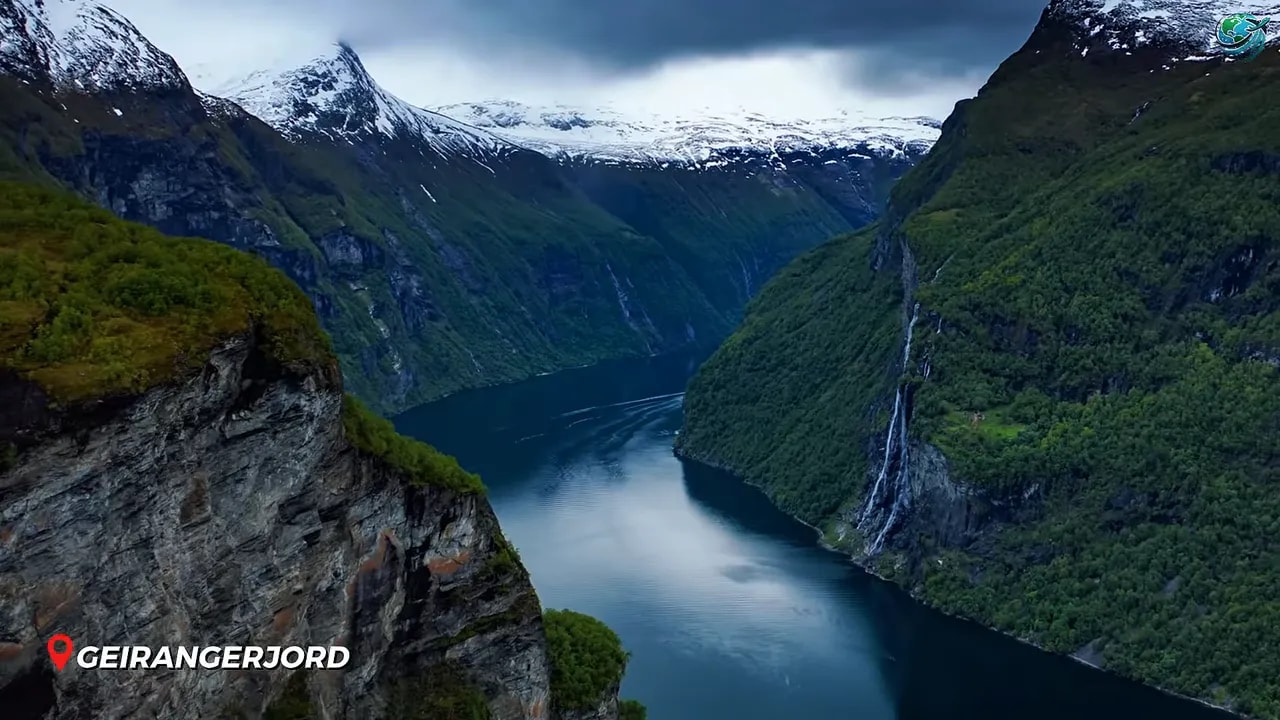
There is no need to rush here. The place works best when the mind slows down enough to notice the moving water, drifting mist, and the strange silence that can exist inside such enormous terrain.
🧗 Pulpit Rock and Trolltunga: Norway’s Most Daring Edges
Norway’s famous cliffs are not decorative viewpoints. They demand effort, preparation, and respect. Their power comes partly from the fact that they are not softened into attractions.
Pulpit Rock
- Location: Above Lysefjord in the Rogaland region.
- Scale: The flat rock platform drops more than 600 meters toward the fjord.
- The hike: Roughly eight kilometres round trip, with steep sections and loose stones.
- What makes it unforgettable: There are no railings on the famous edge. The experience is direct, exposed, and intensely physical.
- Summer possibility: The midnight sun can allow the hike to happen in light that feels almost unreal.
Trolltunga
- The formation: A narrow rock ledge extends horizontally over Lake Ringedalsvatnet.
- Altitude: More than 1,100 meters above sea level.
- The hike: More than 28 kilometres round trip and up to 12 hours on foot.
- Best season: Safer access is generally associated with the June to September period, when weather allows.
- The reward: Snowy peaks, waterfalls, boulder fields, and a final ledge above a 700-meter drop.
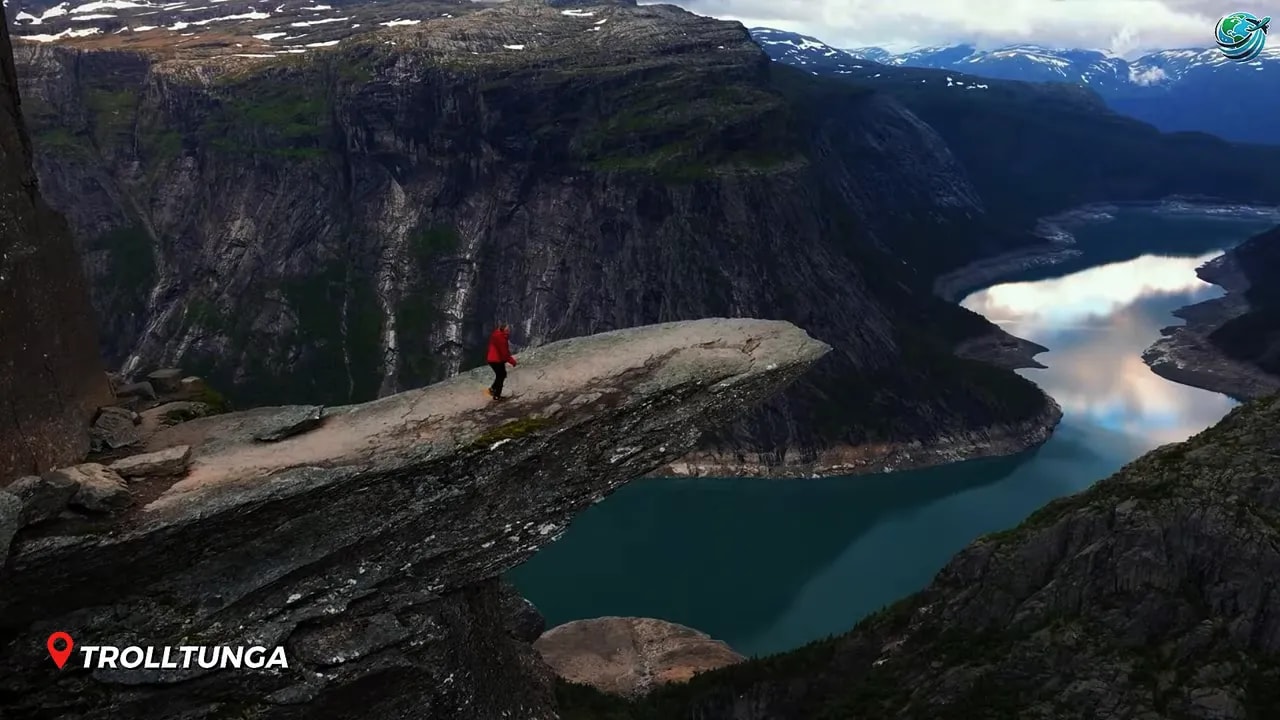
These places embody Norway’s relationship with adventure. The landscape is not presented as something conquered. It remains powerful, unpredictable, and fully capable of setting the terms.
🚂 Flåm: A Railway Through Waterfalls and Mountain Valleys
At the end of Aurlandsfjord sits the small village of Flåm, home to one of Norway’s most memorable rail journeys. The Flåm Railway links the village with Myrdal through tunnels, valleys, and steep mountain terrain.
- Distance: Around 20 kilometres.
- Vertical climb: Nearly 860 meters in about an hour.
- What appears outside the windows: Waterfalls, mountains, tunnels, farms, and valleys that seem removed from ordinary time.
- Kjosfossen Waterfall: One of the route’s most striking stops, with a drop of more than 90 meters.
- Beyond the train: Flåm also offers trails, hidden viewpoints, old farms, cafés, cakes, and fjord reflections on clear days.
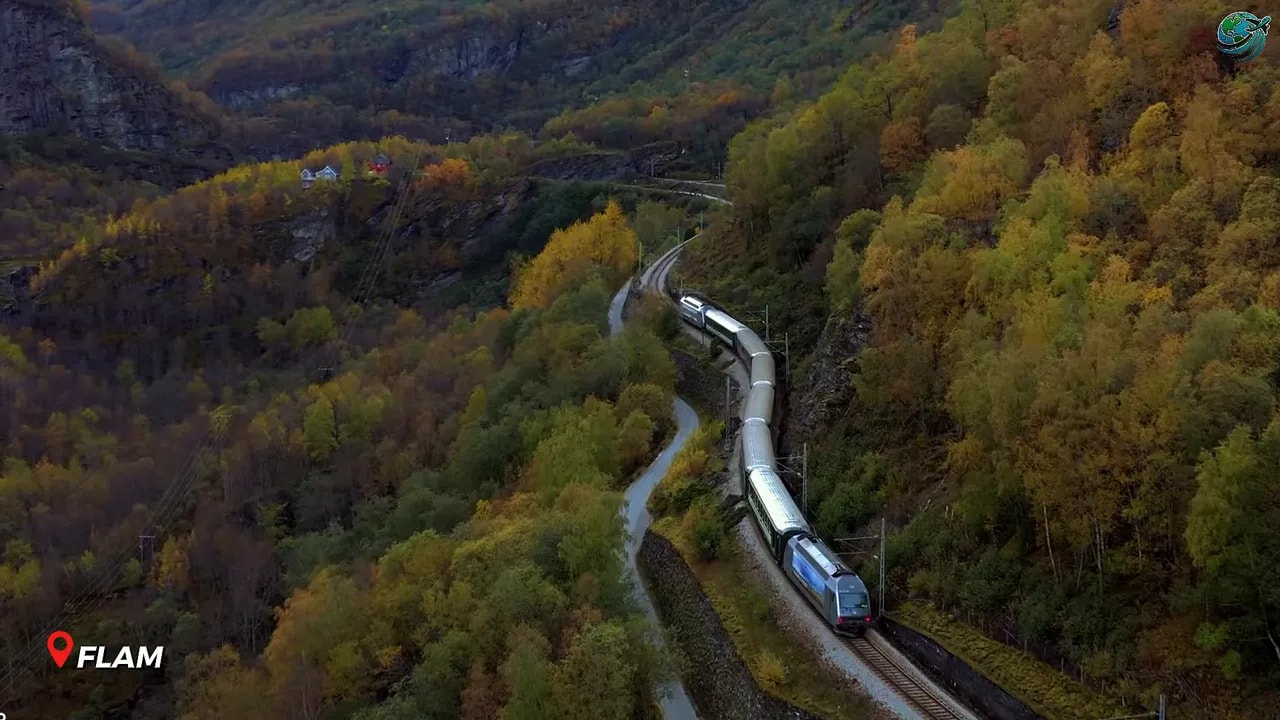
The railway is a perfect expression of Norway’s restrained luxury. It is not about speed. It is about being carried through a landscape that refuses to feel ordinary.
☀️ North Cape: Where the Continent Feels Like It Ends
North Cape, or Nordkapp, is located above 71 degrees north latitude and is widely regarded as the northernmost point of continental Europe accessible by road. It is less about arriving at an attraction and more about feeling the edge of the map.
- The midnight sun: From May to July, the sun can remain above the horizon through the night.
- A new rhythm: Walks at midnight, picnics at three in the morning, and long pauses over the Arctic Ocean become entirely possible.
- The globe monument: The sculpture marks the symbolic cape and has become the classic image of the destination.
- The real memory: Wind, seabirds, vast water, and a silence that makes time feel less important.
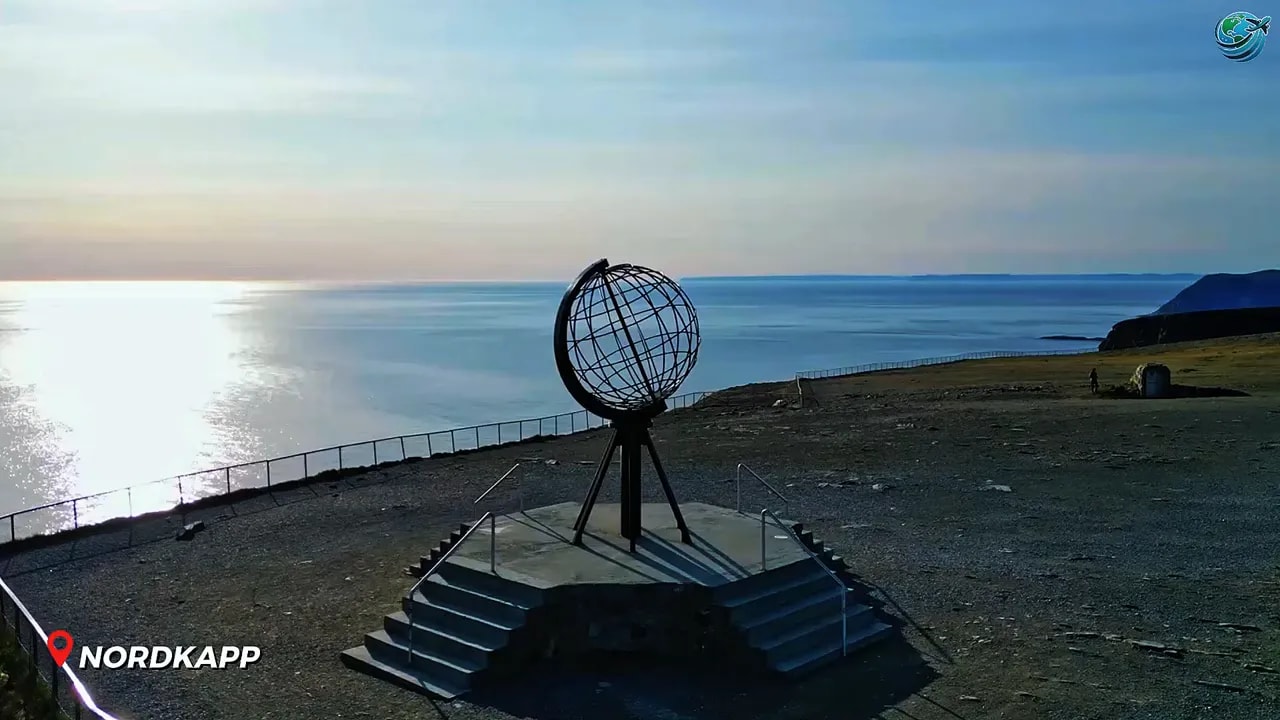
At North Cape, Norway’s wealth is not visible in objects. It is visible in space, light, and the rare sensation of standing somewhere the world seems to open endlessly in front of you.
🧊 Svalbard: Wild Arctic Nature and a Vault for the Future
Svalbard is Norway at its most remote and extreme. This Arctic archipelago lies between mainland Norway and the North Pole, where glaciers, frozen valleys, polar bears, and months of darkness shape the meaning of daily life.
- Polar bear territory: More than 3,000 polar bears are estimated to live in the region, outnumbering the roughly 2,500 people who live there.
- Longyearbyen: The main settlement is the human center of this immense Arctic environment.
- Extreme light cycles: The sun can remain above the horizon for more than four months, followed by an equally long winter darkness.
- Glaciers and frozen valleys: The scenery is dominated by ice, snow, bare mountains, and powerful isolation.
- The Global Seed Vault: Carved deep into rock, the Svalbard Global Seed Vault preserves duplicate seed samples from around the world as protection for the future.
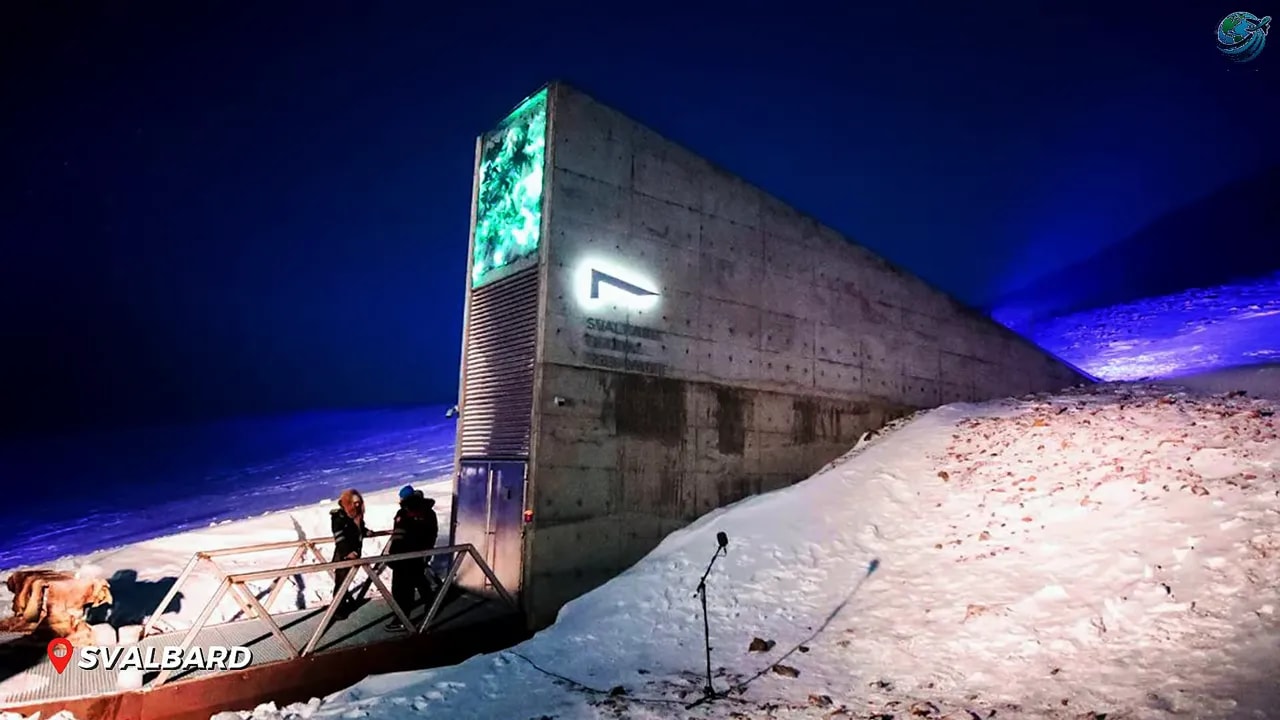
Svalbard is the sharpest contrast in the Norwegian story. It is both wild and scientific, frightening and beautiful, nearly empty and globally important.
🍎 Hardangerfjord: Norway’s Orchard Country
After ice, cliffs, and Arctic wilderness, Hardangerfjord feels almost soft. Known as Norway’s orchard, this region combines fruit farms, flowering slopes, cider traditions, and fjord views framed by mountains.
- Fjord length: Hardangerfjord stretches for around 180 kilometres.
- Fruit-growing legacy: The area has cultivated fruit since the thirteenth century.
- More than 500 farms: Farms line the fjord, with many welcoming visitors.
- Spring blossom season: Between May and June, apple and cherry trees create pink and white fields beneath snow-dusted peaks.
- Cider culture: Local tasting routes feature artisanal cider made from recipes passed through generations.
- Waterfall country: Trails connect communities such as Ulvik and Lofthus, while Vøringsfossen plunges more than 180 meters.
Hardangerfjord adds another dimension to the idea of prosperity. Norway is not only rich in dramatic landscapes. It is rich in local flavor, farming traditions, and places where the air can smell of apples, blossoms, and cider.
🧊 Jostedalsbreen: Walking on Frozen History
Jostedalsbreen is the largest glacier on mainland Europe, covering more than 480 square kilometres. It is not a static backdrop. Ice moves, cracks, groans, and reshapes the terrain around it.
- Location: Jostedalsbreen National Park in western Norway.
- Glacial arms: More than 50 arms extend into valleys and over hillsides.
- Accessible ice: Briksdalsbreen is among the best-known glacier arms, reached by marked trails.
- Visual contrast: Dark rock, lush vegetation, and translucent blue ice create a landscape that feels almost prehistoric.
- Scale: Ice thickness can exceed 600 meters.
- Guided glacier hikes: Specialized equipment and local guidance make it possible to cross ancient ice safely.
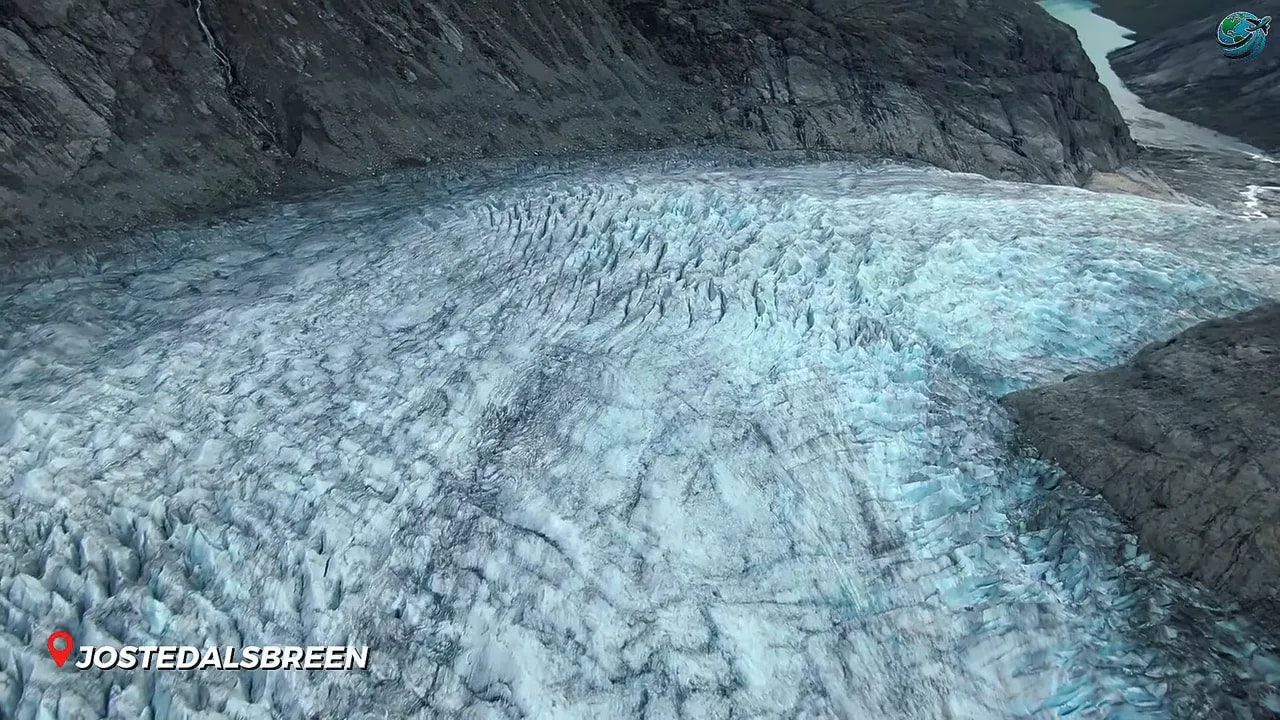
Jostedalsbreen is a reminder that Norway’s most powerful assets cannot be measured in money. They are geological, fragile, ancient, and always changing.
⛪ Trondheim and Ålesund: History With a Living Pulse
Norway’s cities are not separate from the country’s identity. They carry Viking history, medieval faith, student energy, maritime trade, rebuilding, and design.
Trondheim
- Historic roots: Founded by Vikings in 997, Trondheim was Norway’s first capital.
- Nidaros Cathedral: Built over the tomb of Saint Olav, Norway’s patron saint, it is the largest Gothic cathedral in Scandinavia.
- Details that matter: More than 40 statues decorate the main façade, while the organ contains over 9,000 pipes.
- A youthful contrast: More than 40,000 students bring cafés, music, festivals, and electric bicycles into the medieval streets.
Ålesund
- Reborn after fire: A devastating fire in 1904 destroyed much of the town, which was rebuilt rapidly in Art Nouveau style.
- Architecture as identity: Floral ornaments, towers, soft colors, and elaborate façades define its streets.
- Mount Aksla: Climb 418 steps for a panorama across islands, canals, bridges, mountains, and sea.
- A coastal city with character: Despite having just over 60,000 inhabitants, Ålesund feels vibrant through galleries, cafés, promenades, and its working harbor.
Trondheim and Ålesund reveal another reason Norway does not need to look extravagant. Its identity is already visible in the patience of old stone, the rhythm of student life, the details of rebuilding, and the way cities fit between water and mountains.
🐟 What to Taste Along the Way
- Norwegian salmon: Fresh, smoked, cured, or simply prepared, it is one of the country’s defining ingredients.
- Fresh cod in Lofoten: A direct link to the fishing culture that has shaped the islands for centuries.
- Forikål: A traditional lamb and cabbage stew, associated with warmth and comfort rather than culinary spectacle.
- Hardanger cider: A taste of the fjord’s fruit-growing landscape and family farm traditions.
- Homemade cakes in Flåm: Simple, comforting food that belongs naturally beside a fjord view.
- Seafood in Bergen: The city’s maritime setting makes seafood part of its atmosphere as much as its cuisine.
Norwegian food often follows the same philosophy as Norwegian design. Quality ingredients, strong local identity, little unnecessary decoration, and a close connection to land and sea.
✨ The Real Reason Norway Feels So Different
- Nature is not a background: Fjords, snow, sea, cliffs, and Arctic light influence how towns are built, how people travel, and how life is organized.
- History has not disappeared: Viking ships, old trading districts, cathedrals, fishing traditions, and rural farms remain part of the present.
- Modernity is integrated, not performed: Oslo’s bold architecture, clean energy, roads, tunnels, and railways show development without turning the country into a monument to consumption.
- Extreme weather creates intimacy: Rain invites cafés. Winter invites warm interiors. Midnight sun invites long walks and an altered relationship with time.
- The best experiences ask for participation: Hikes, ferries, railways, glacier walks, coastal drives, and fjord trails make the journey physical and personal.
Norway is not a collection of perfect postcards. It is a place where rain can be elegant, ice can feel alive, and a road can be as memorable as a destination. Its deepest luxury is not display. It is the chance to feel small in front of something vast.
❓ Frequently Asked Questions About Norway
Why does Norway not look flashy despite being wealthy?
Norwegian prosperity is often expressed through public infrastructure, quality of life, renewable energy, safety, access to nature, and practical design rather than visible extravagance.
When is the best time to see the Northern Lights in Tromsø?
The Northern Lights are associated with the period from September through March, when the nights are dark enough for aurora activity to be visible.
When can you experience the midnight sun in Norway?
In northern destinations such as Tromsø and North Cape, the midnight sun occurs during late spring and summer. Tromsø experiences it roughly from May to July, while North Cape also has extended daylight during this period.
Which Norwegian fjord is famous for the Seven Sisters waterfalls?
Geirangerfjord is home to the Seven Sisters, a striking series of seven waterfalls descending from high cliffs into the fjord.
How difficult is the Trolltunga hike?
Trolltunga is a demanding round-trip hike of more than 28 kilometres that can take up to 12 hours. It requires good preparation, suitable conditions, and respect for changing mountain weather.


