Israel: The Land That Changed the World
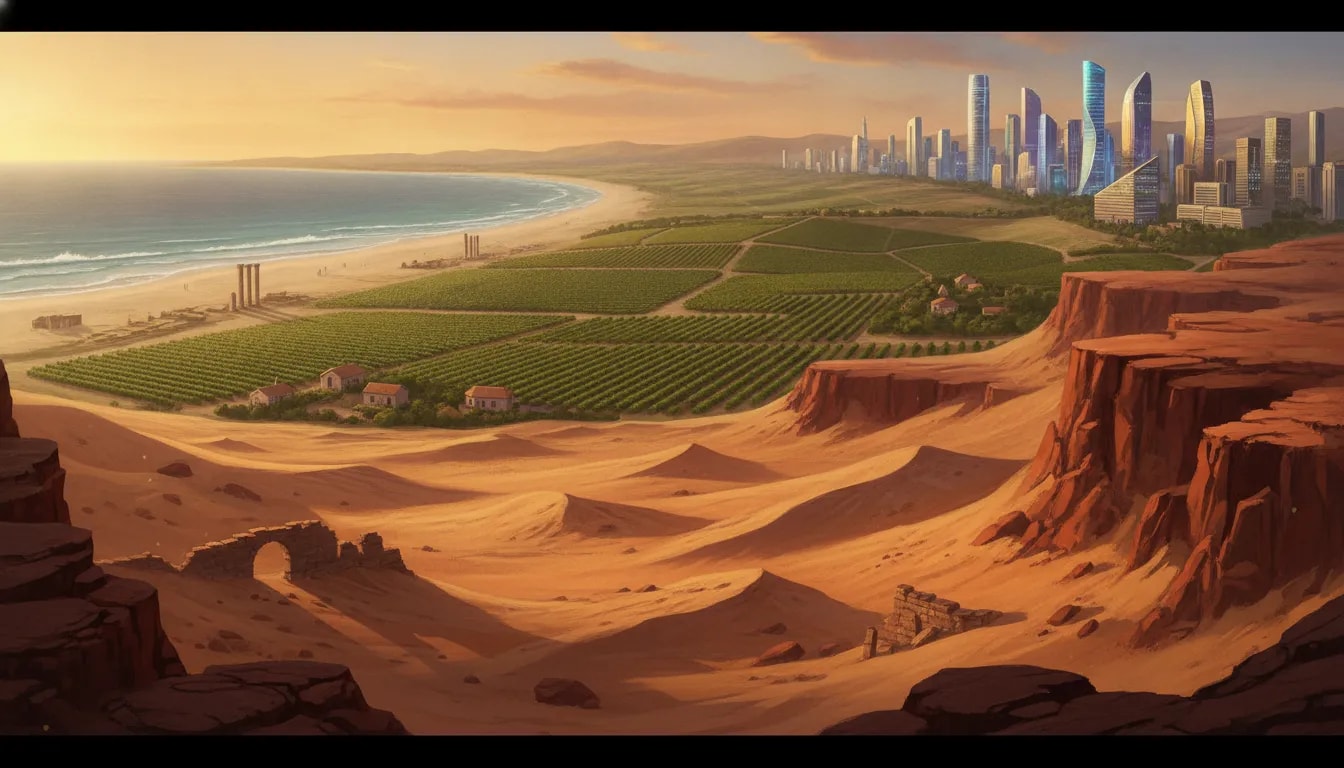
Israel may look compact on a map, but it holds an extraordinary range of landscapes, histories and rhythms. In a single journey, desert can turn to snow-capped mountains, Mediterranean beaches can give way to ancient fortresses, and sacred stone streets can lead into some of the world’s most energetic technology districts.
It is a place where water engineering, agriculture, archaeology, faith and modern city life constantly overlap. The result is not a destination that can be reduced to one story. It is a land of contrasts, where every region seems to ask for a different pace.
Table of Contents
- 🌍 A Small Country With an Enormous Range
- 🏙️ Jerusalem: A City of Sacred Stone and Constant Motion
- 🌊 Tel Aviv and Jaffa: Mediterranean Energy With a Creative Pulse
- 🧂 The Dead Sea and Masada: Where the Desert Changes the Rules
- 🌿 Haifa, Nazareth and Acre: The Many Layers of the North
- 🏜️ The Negev Desert and Ramon Crater: A Landscape Written in Stone
- 🏛️ Caesarea and the Sea of Galilee: Rome, Water and Quiet Horizons
- 🌾 Jezreel Valley and Golan Heights: Where Land, Water and Climate Meet
- 🐠 Eilat and Timna Park: A Blue World at the Edge of the Desert
- ✨ Why Israel Stays With You
- ❓ Frequently Asked Questions
🌍 A Small Country With an Enormous Range
- In the south: the Negev Desert covers more than 60% of the country, with canyons, dunes, cliffs and immense open skies.
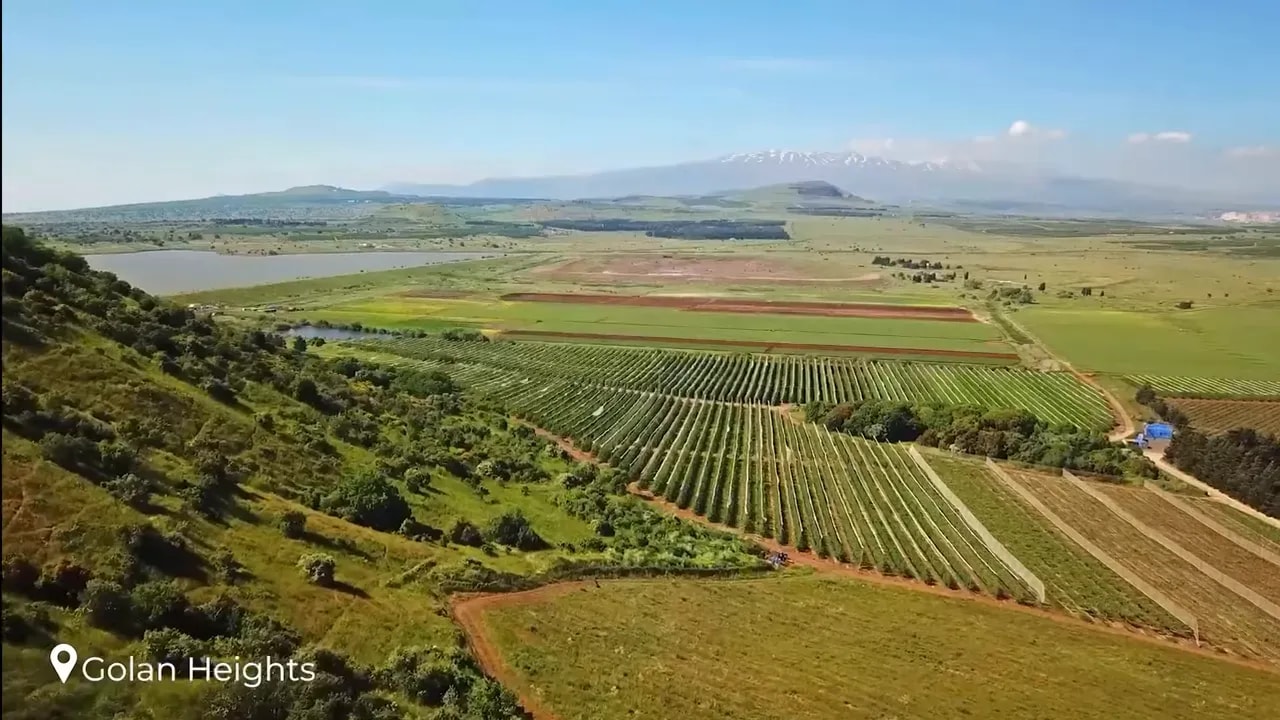
- In the north: the Golan Heights rise into cooler air, vineyards, volcanic landscapes and winter snow near Mount Hermon.
- Along the west: Mediterranean cities bring beaches, ports, modern architecture and sunset promenades.
- To the east: the Dead Sea sits deep below sea level, surrounded by desert cliffs and salt-crusted shores.
- At the southern tip: Eilat opens onto the Red Sea, where desert mountains meet vivid coral reefs.
This geographical variety explains why the country feels much larger than it is. A road trip can move from fertile agricultural valleys to dry rock formations, from Roman ruins to high-rises, and from pilgrimage sites to coffee shops where new ideas are constantly taking shape.
That ability to adapt has also shaped modern life. Water scarcity pushed major investments in desalination, including vast facilities that convert seawater into drinking water for millions. Agricultural regions use drip irrigation to make every drop count. Technology is not separate from the landscape here. It is often a direct answer to the landscape.
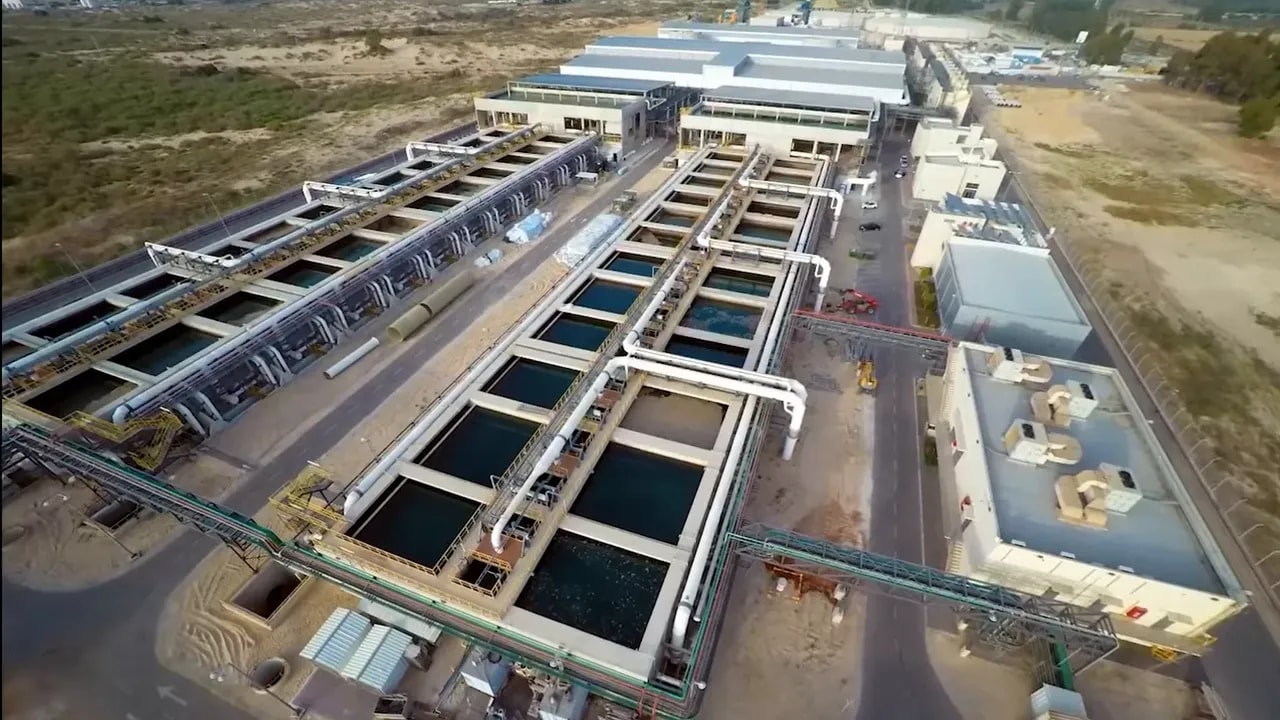
Innovation has become one of the country’s defining signatures, alongside its ancient identity. This blend of survival, invention and constant reinvention is part of what earned Israel the nickname “Startup Nation.”
🏙️ Jerusalem: A City of Sacred Stone and Constant Motion
Jerusalem feels like a place where time does not move in a straight line. The city is built in pale stone that seems to catch the changing light, especially near sunset, when alleyways and walls begin to glow.
The Old City is traditionally divided into four quarters:
- The Jewish Quarter
- The Muslim Quarter
- The Christian Quarter
- The Armenian Quarter
Within a few minutes on foot, the atmosphere can change completely. At the Western Wall, people gather in prayer and place folded notes between the ancient stones. Above the Old City skyline, the golden Dome of the Rock is instantly recognisable. Nearby, the Church of the Holy Sepulchre draws pilgrims and curious travellers into shadowed spaces filled with candles, icons and silence.
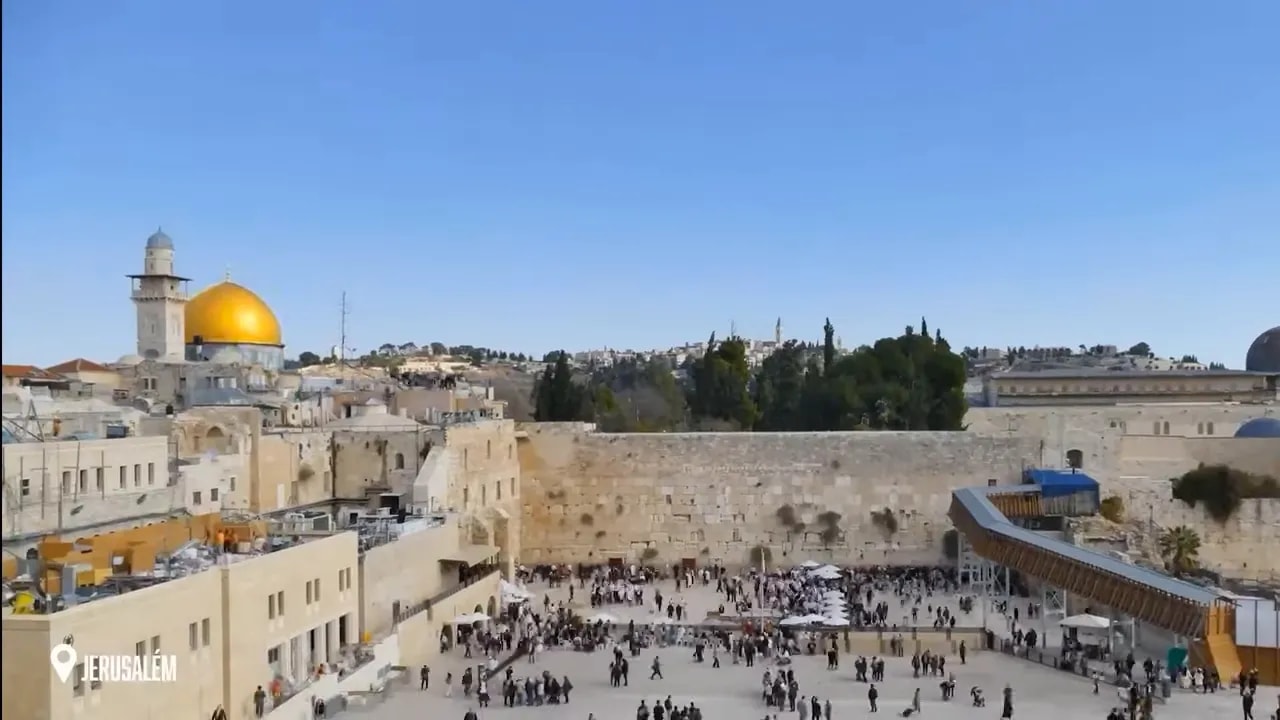
Jerusalem is sacred to Judaism, Christianity and Islam, but it is also a living city of markets, cafes, stairways and ordinary daily routines. That is the strange beauty of it. A morning can be reflective and quiet, while an afternoon becomes noisy, fragrant and full of life.
Practical notes for Jerusalem
- Arrive through the main international airport and continue by train toward central Jerusalem.
- Use trams and buses to get close to the Old City gates, then continue on foot.
- Wear sturdy shoes. The old stone streets are uneven and can be slippery.
- Carry water, particularly during warmer months.
- Reserve time for Mahane Yehuda Market, especially in the late afternoon.
- Plan transport and shopping carefully around Shabbat, from Friday sunset to Saturday sunset, when much of the city slows down.
For deeper background on Jerusalem’s Old City and its heritage, the UNESCO Old City of Jerusalem page offers useful historical context.
🌊 Tel Aviv and Jaffa: Mediterranean Energy With a Creative Pulse
Tel Aviv has a different tempo. It is wide beaches, cycle paths, football on the sand and a skyline that catches the Mediterranean light. The city feels open, fast-moving and outward-facing.
One of its most distinctive features is the White City, a major collection of Bauhaus and International Style buildings. More than 4,000 pale, clean-lined structures give parts of Tel Aviv their unmistakable sunlit character.
- By day: follow the seafront by foot, bike or scooter.
- By afternoon: head toward Jaffa, the historic port area where older stone streets meet the sea.
- By night: Tel Aviv changes mood as restaurants, music and city lights take over.
- Beyond nightlife: the city’s energy is tied to design, technology, entrepreneurship and global investment.
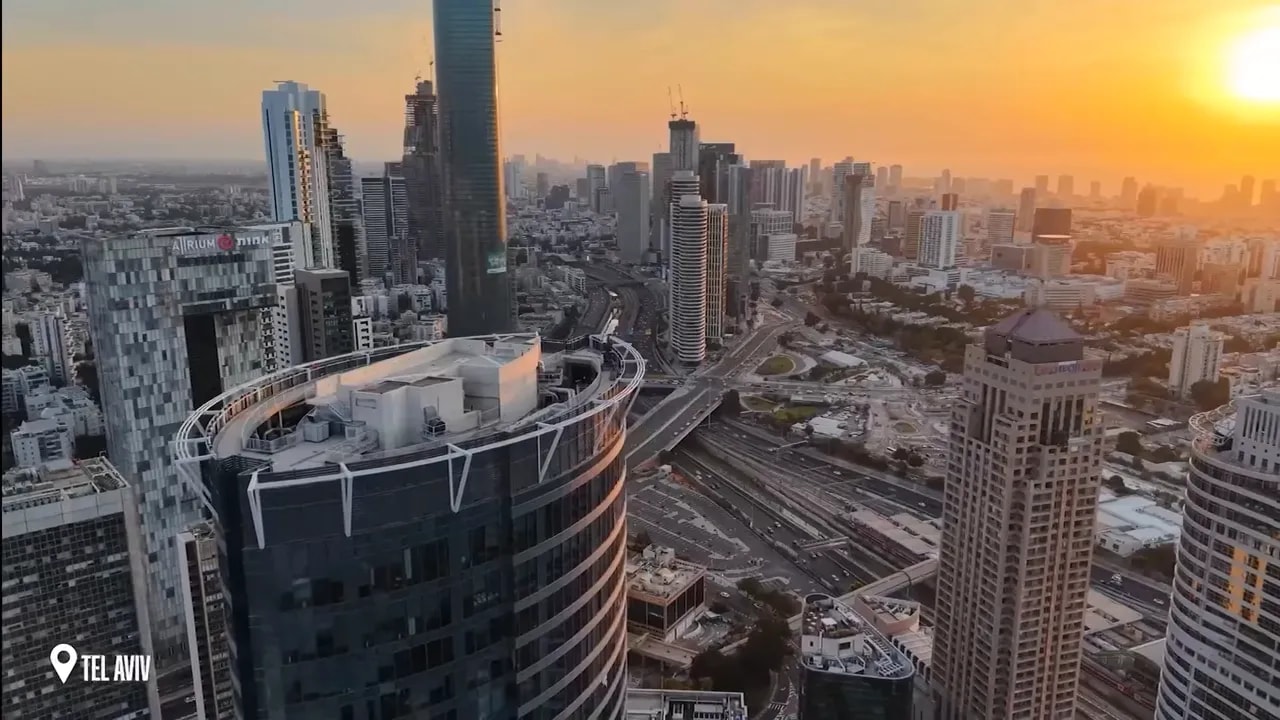
Tel Aviv’s famous “city that never sleeps” reputation is not only about nightlife. It is also about momentum. The feeling is that the next project, company, artwork or big idea could emerge somewhere between a morning coffee and a swim in the sea.
Practical notes for Tel Aviv
- Take the train from the main international airport into the city.
- Keep your itinerary flexible. Many of the best experiences are close together along the coast.
- Walk, cycle or use scooters for short distances.
- Save Jaffa for late afternoon, when the light softens over the old port.
- Check Shabbat schedules in advance because public transport and business hours may change.
🧂 The Dead Sea and Masada: Where the Desert Changes the Rules
The Dead Sea looks almost unreal from above. Its blue-green water sits between dry mountains and pale desert plains, while salt formations trace bright edges along the shore.
At more than 400 metres below sea level, it is the lowest point on Earth. The water is so dense with salt that floating becomes almost effortless. It is one of those rare moments when the body feels as if gravity has decided to take a break.
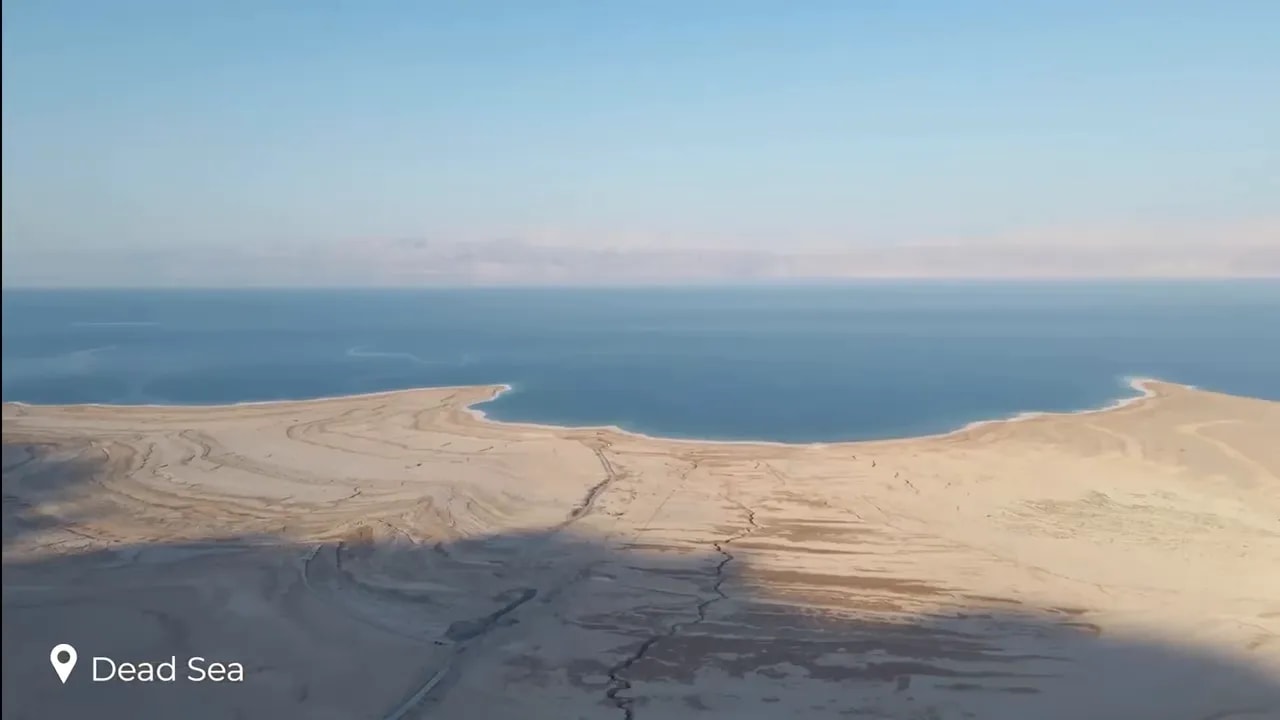
The Dead Sea is also associated with mineral-rich water and dark shoreline mud. Magnesium, calcium and potassium are among the minerals often linked with the area’s long-standing wellness reputation. Still, this is not gentle water. Even a small cut can sting sharply.
Dead Sea essentials
- Plan a day trip from Jerusalem or Tel Aviv by car, bus or organised tour.
- Arrive early to avoid the strongest desert heat.
- Wear water shoes around rocky or salty ground.
- Do not submerge your face or allow water into your eyes.
- Bring plenty of drinking water.
- Rinse off after swimming.
Not far away, Masada rises on a desert plateau roughly 600 metres above the Dead Sea. Its ruins include terraces, corridors, cisterns and broad viewpoints across the Judean Desert. From the summit, the sense of distance is overwhelming. The world below seems impossibly far away.
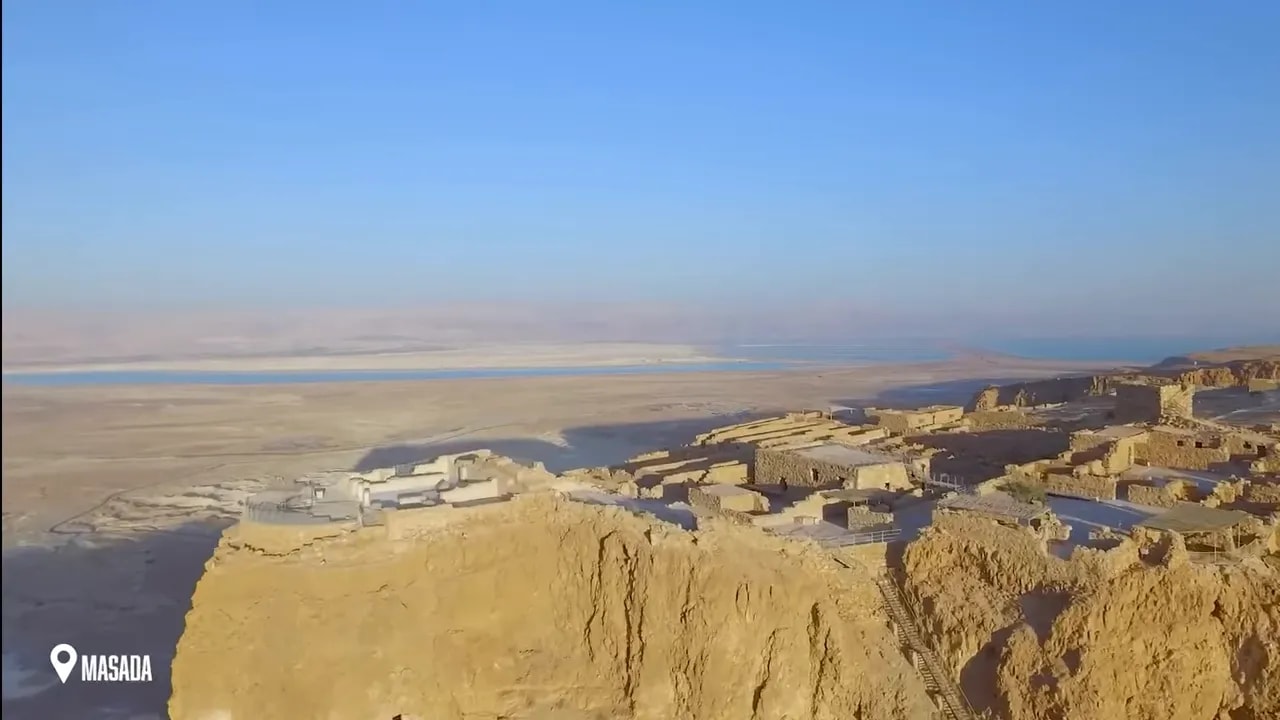
Sunrise is the moment many people remember most. In the dark before dawn, hikers begin climbing the Snake Path. As the sun reaches the horizon, the desert begins to show its colours and the Dead Sea catches the first light like liquid metal.
Masada planning checklist
- Take the cable car if you want to conserve energy.
- Choose the Snake Path for the classic climb and increasingly broad views.
- Bring water, sunscreen, a hat and sturdy footwear.
- Carry an extra layer for early-morning conditions.
- Use a small torch or headlamp for a pre-dawn hike.
- Leave time to sit quietly at the summit rather than rushing from photograph to photograph.
🌿 Haifa, Nazareth and Acre: The Many Layers of the North
Northern Israel opens into greener hills, coastal views and cities where different religious and cultural traditions appear side by side.
Haifa: Terraces, Port Life and Mountain Views
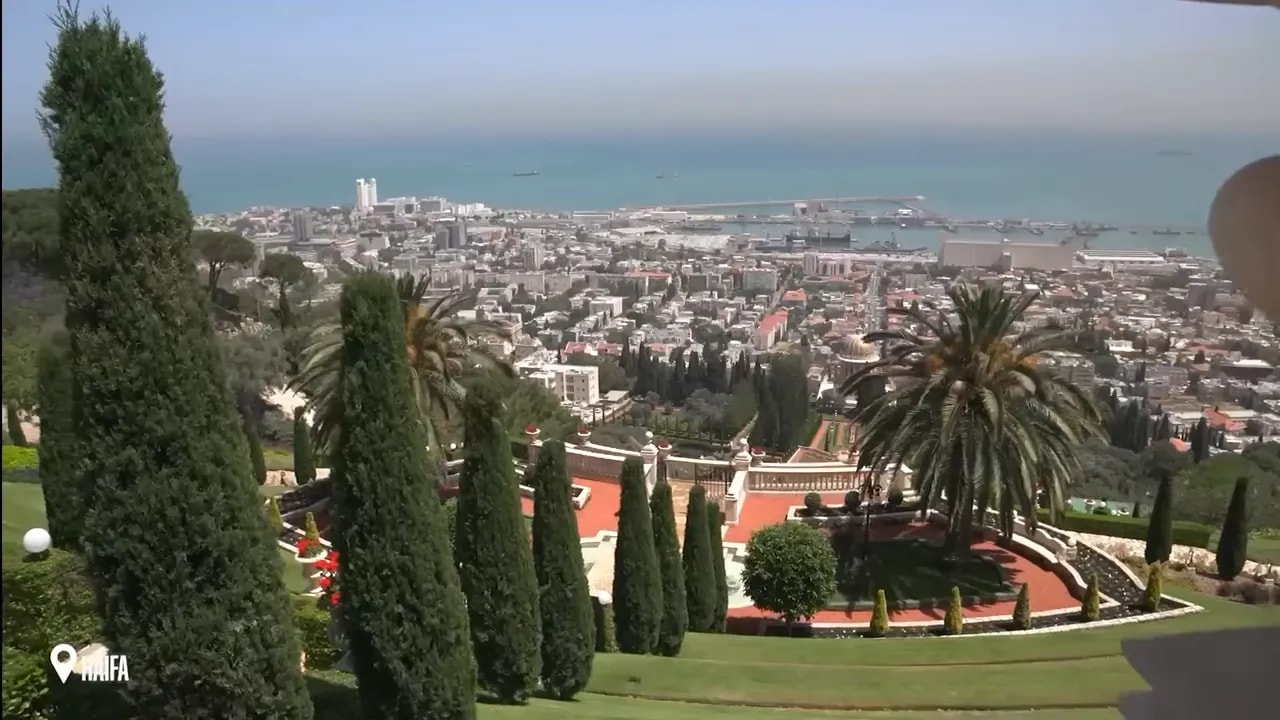
Haifa climbs the slopes of Mount Carmel before spilling toward the Mediterranean. Its most famous image is the Bahá’í Gardens: 19 immaculate terraces descending the hillside through flowers, fountains and perfectly aligned perspectives.
- Start at the upper viewpoints and gardens.
- Walk downhill through the German Colony.
- Use buses, taxis and the Carmelit for steep sections of the city.
- Finish near the beach, where the Mediterranean brings the day to a calm close.
- Stay into the evening for museums, theatres, restaurants and bars.
Haifa carries both motion and pause. Its port is among the region’s busiest, while its upper neighbourhoods offer shade, sea breezes and a sense of stillness.
Nazareth: Faith in the Middle of Everyday Life
Nazareth is built around gentle hills, narrow streets, colourful storefronts and markets scented with bread and spices. For Christians, it holds deep significance as the place traditionally associated with Jesus’ childhood and youth.
- Basilica of the Annunciation: a major landmark connected to the tradition of the angel Gabriel’s message to Mary.
- Interior artworks: mosaics and depictions of Mary from communities around the world create a striking expression of global devotion.
- Church of St Joseph: a quieter site traditionally associated with Joseph’s carpentry workshop.
- Old market streets: a return to ordinary city life, with cafes, stairways and busy local shops.
Visit early for cooler air. Comfortable shoes matter, and a light jacket is useful because wind can shift quickly in the hills.
Acre: A Walled Port With a Second City Underground
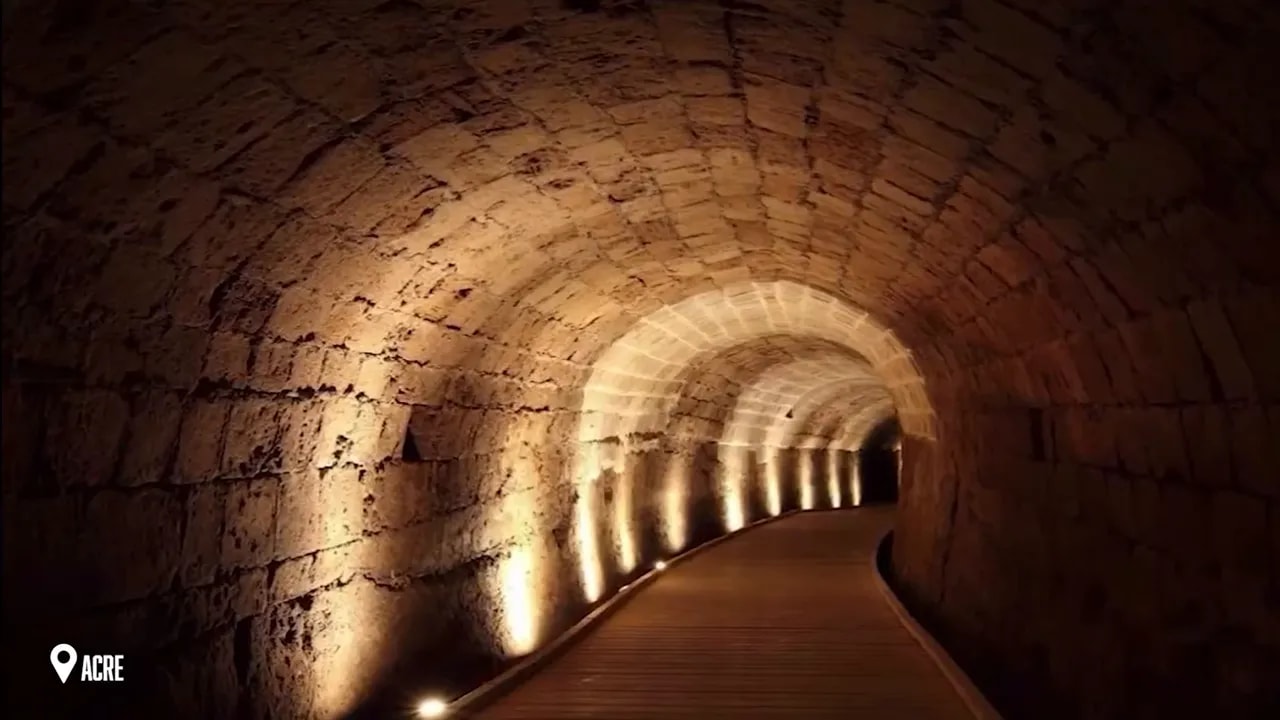
Acre, also known as Akko, is an ancient Mediterranean port city recognised as a UNESCO World Heritage Site. Its ramparts, market lanes and stone buildings carry the weight of centuries.
- Walk the Crusader-era fortifications that once defended the city from sieges.
- Explore underground passages and vaulted stone corridors.
- Look for hidden chambers that reveal the defensive design of the old city.
- Return to the harbour for fishing boats, sea air, grilled fish and market spices.
- Save the ramparts for sunset, when the stone turns copper against the water.
🏜️ The Negev Desert and Ramon Crater: A Landscape Written in Stone
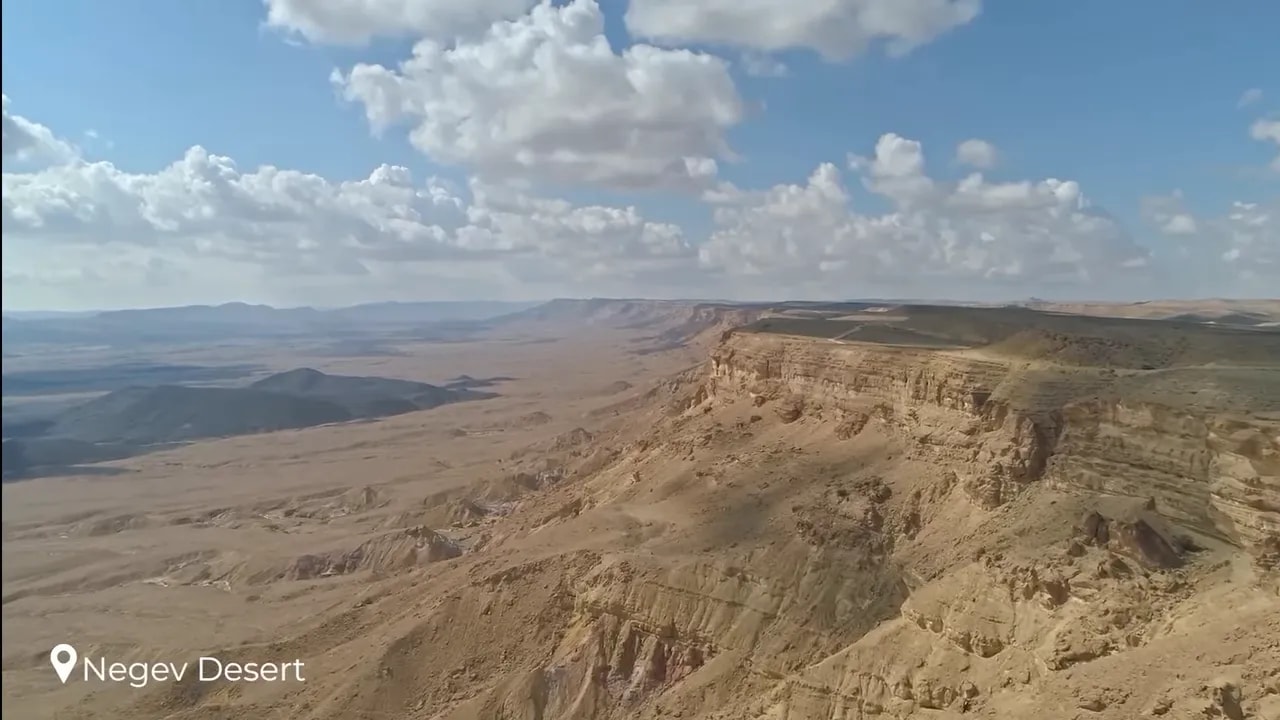
The Negev is vast enough to alter your sense of scale. Its terrain moves between rocky plains, soft dunes, dry canyons and reddish cliffs. In some places, the earth seems stripped down to its geological memory.
The great highlight is Ramon Crater, known as Makhtesh Ramon. It is not a meteor crater but a rare erosion formation called a makhtesh, a type of landform found almost exclusively in this region. Stretching nearly 40 kilometres long and up to 10 kilometres wide, it exposes rocks that are millions of years old.
- Base yourself in Mitzpe Ramon for easy access to viewpoints and trails.
- Go early, when low sunlight makes the crater’s contours stand out.
- Combine lookouts with short hikes rather than trying to cover everything in one day.
- Consider an off-road tour for remote areas.
- Bring substantial water, sun protection and a warm layer for evening temperatures.
- Look up after dark. The desert sky can make the Milky Way feel unexpectedly close.
Human traces appear even in this emptiness. Ancient Nabataean caravan routes, stone roads and fortress ruins remind you that desert landscapes have always been crossed, traded through and inhabited.
🏛️ Caesarea and the Sea of Galilee: Rome, Water and Quiet Horizons
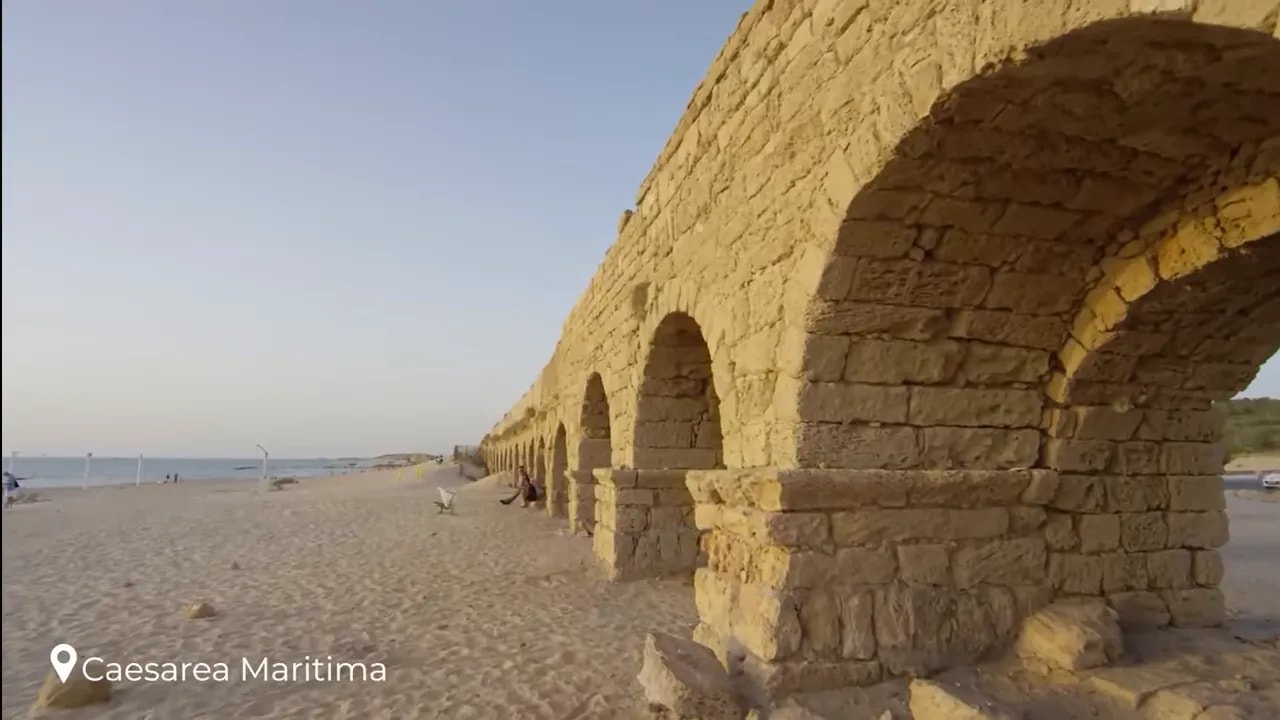
Caesarea Maritima feels like an open-air meeting between Roman ambition and the Mediterranean. Pale limestone ruins stand close to the waves, including columns, mosaics, corridors, a theatre and the vast arena of the ancient hippodrome.
- The Roman theatre still hosts performances.
- The hippodrome evokes the scale and noise of ancient chariot races.
- An aqueduct draws a long line of arches along the sand.
- Submerged remains reveal the scale of what was once one of antiquity’s largest artificial ports.
- Sunset is ideal for the aqueduct and a final swim nearby.
Further north and inland, the Sea of Galilee offers a completely different rhythm. It is Israel’s largest freshwater lake, bordered by fertile hills, churches, orchards, villages and the basalt-stone city of Tiberias.
At dawn, the lake can seem almost motionless. Wooden boats glide quietly, the air smells of water and grass, and the landscape gives the body permission to slow down.
Sea of Galilee ideas
- Use Tiberias as a convenient base.
- Arrive early to see the lake in its softest light.
- Travel between viewpoints and small beaches by car, taxi or bus.
- Bring water and a light layer for the breeze.
- Try Saint Peter’s fish for a traditional local meal.
- End the day in Tiberias’s thermal baths if rest is part of the plan.
🌾 Jezreel Valley and Golan Heights: Where Land, Water and Climate Meet
The Jezreel Valley appears like a green surprise between dry hills. Fields, orchards and greenhouses draw geometric patterns across the landscape, while irrigation systems quietly sustain agriculture under demanding skies.
Drip irrigation is one of the clearest examples of necessity becoming innovation. Thin pipes deliver water directly where it is needed, supporting the cultivation of fruits, vegetables and grains while reducing waste.
- Drive rather than rush through the valley.
- Start early for softer morning light.
- Stop at viewpoints, farms and small cafes.
- Try local honey, fresh olive oil and seasonal fruit when available.
- Follow smaller roads, where the next curve often reveals the best view.
The valley also carries biblical associations, including stories connected with Deborah and Gideon. That mix of modern farming and ancient memory gives the region a powerful sense of continuity.
The Golan Heights rise into cooler, sharper air. Volcanic soil, streams, basalt formations and vineyards shape a region that feels far removed from the dry south.
- Visit wineries to learn about fermentation and taste regional wines with local cheeses.
- Explore scenic roads, short hikes, woodland areas and basalt lookouts.
- Bring a jacket, even when the lowlands are warm.
- Watch for winter snow near Mount Hermon, one of the country’s rare skiing areas.
- Save a high viewpoint for late afternoon, when the plateau turns gold.
🐠 Eilat and Timna Park: A Blue World at the Edge of the Desert
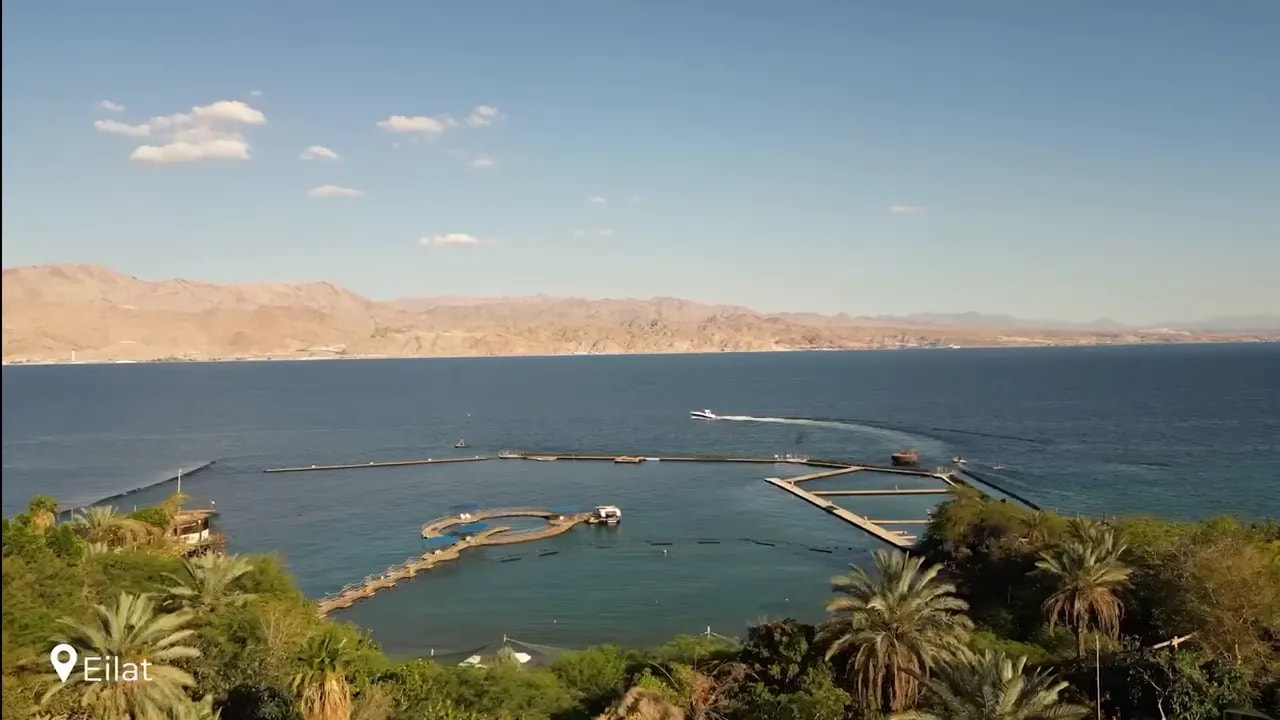
Eilat delivers one final and almost impossible contrast: dry copper-coloured mountains surrounding a bright, living Red Sea. The water is often clear enough to reveal fish before you even enter it.
- Morning: snorkelling and diving around coral reefs and colourful marine life.
- Afternoon: a slower walk along the waterfront promenade, with cafes and sea views.
- Sunset: desert mountains glow like embers around the bay.
- Nearby escape: Timna Park reveals enormous rock formations and desert valleys that feel like an ocean made of stone.
Eilat planning checklist
- Fly in or take a coach from the main cities.
- Use local buses, taxis or the waterfront promenade to move around.
- Bring swimwear, reef shoes, sun protection and plenty of water.
- Schedule sea activities for the morning, when visibility is generally best.
- Allow time for Timna Park if you want to see the desert beyond the coast.
✨ Why Israel Stays With You
Israel is not defined by one landscape or one emotion. It is the feeling of moving from sacred silence to market noise, from a desert sunrise to a Mediterranean evening, from a Roman theatre to a modern skyline.
- Jerusalem teaches that slowing down can still feel intense.
- Tel Aviv shows that energy can be creative as well as restless.
- The Dead Sea makes the familiar laws of floating feel strange again.
- Masada turns sunrise into something almost ceremonial.
- Haifa reveals how a city can balance industry, greenery and sea views.
- Nazareth connects ancient tradition with the pulse of an ordinary street.
- Acre keeps its secrets beneath the pavement.
- Caesarea lets ruins speak directly to the waves.
- The Sea of Galilee makes stillness feel physical.
- The Jezreel Valley proves that abundance can be built drop by drop.
- The Golan Heights bring volcanic soil, vineyards and snow into the same national landscape.
- Eilat ends the journey with coral reefs framed by desert mountains.
That is the lasting impression: a country small enough to cross in a relatively short time, yet layered enough to keep changing the way you look at light, stone, water and distance.
❓ Frequently Asked Questions
What are the essential places to visit in Israel?
Key destinations include Jerusalem, Tel Aviv and Jaffa, the Dead Sea, Masada, Haifa, Nazareth, Acre, Caesarea, the Sea of Galilee, the Negev Desert, Ramon Crater, the Jezreel Valley, the Golan Heights and Eilat.
How many days are needed for a first trip to Israel?
A meaningful first itinerary needs enough time to combine Jerusalem, Tel Aviv, the Dead Sea and Masada with at least part of the north or south. The country is compact, but every region has enough depth to reward a slower pace.
What should I pack for the Dead Sea and Masada?
Bring drinking water, sunscreen, a hat, sturdy footwear and water shoes. For a Masada sunrise hike, add a warm layer and a small torch or headlamp. At the Dead Sea, avoid submerging your face and rinse off after swimming.
Is Tel Aviv mainly a beach destination?
No. Tel Aviv combines Mediterranean beaches with Bauhaus architecture, Jaffa’s historic streets, nightlife, food, design and a strong technology and startup culture.
When is the best time of day to visit desert sites?
Early morning is best for places such as Masada, the Dead Sea, Ramon Crater and Timna Park. The temperatures are more manageable, the light is softer and the landscape shows greater depth before the strongest heat arrives.
What makes the north of Israel different from the Negev?
The north is generally greener and cooler, with hills, vineyards, farmland, freshwater landscapes and Mediterranean coastal cities. The Negev is defined by open desert, geological formations, canyons and vast, dry horizons.