Austria: A Different Side of Europe Through Imperial Cities, Alpine Roads and Hidden Wonders
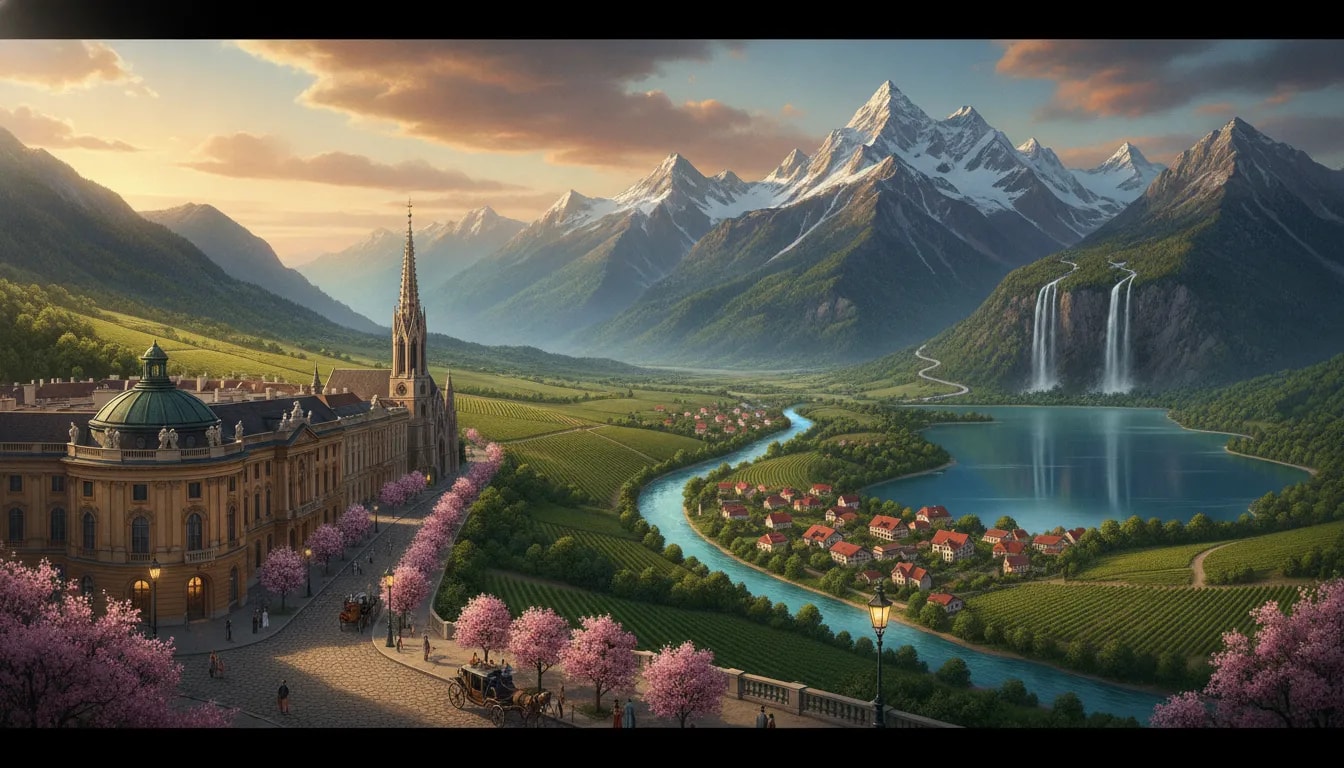
Austria may look modest on a map, but it feels enormous once you enter its landscapes. This is a country where imperial palaces stand within reach of vineyard valleys, where Gothic spires rise above café terraces, and where a single road can carry you from green pastures to glaciers and snow-covered summits.
More than 60% of Austria is shaped by the Alps. That one fact explains much of its character: clear lakes, storybook villages, ski towns, waterfalls, dramatic mountain passes, and a way of life closely tied to nature. Yet Austria is not simply an Alpine escape. It is also Vienna’s grand avenues, Salzburg’s music, Graz’s contemporary architecture, Wachau wine culture, and centuries of European history.
- For history: Habsburg palaces, medieval fortresses, monasteries, and UNESCO-listed old towns.
- For nature: glaciers, waterfalls, high mountain roads, lakes, and hiking routes.
- For culture: Mozart, Strauss, opera, coffeehouses, Baroque art, and local traditions.
- For food and wine: Wiener Schnitzel, Sachertorte, Apfelstrudel, Grüner Veltliner, and sweet wines from Burgenland.
Table of Contents
- 🏛️ Vienna: Imperial Grandeur With a Living Soul
- 🏞️ Hallstatt: The Lake Village That Feels Unreal
- 🎨 Graz: Renaissance Streets and a Futuristic Edge
- 🏔️ Innsbruck: Where a City Meets the Alps
- 🎼 Salzburg: Mozart, Fortresses and a City Built for Music
- 🍇 Wachau Valley and Melk Abbey: Austria at Its Most Serene
- 🚗 Grossglockner High Alpine Road: A Journey Above the Valleys
- 💧 Krimml Waterfalls: The Roar of the Hohe Tauern
- 🎿 Tyrol and Kitzbühel: Alpine Tradition All Year Round
- 🧊 Dachstein: Skywalks, Glaciers and Pure Altitude
- 🦩 Burgenland and Lake Neusiedl: Austria’s Unexpected Eastern Plain
- 🌊 Zell am See: Still Water Beneath High Peaks
- 💚 Grüner See: The Park That Becomes a Lake
- 🍽️ Austrian Food: The Details That Complete the Journey
- ✨ Why Austria Leaves Such a Lasting Impression
- ❓ Frequently Asked Questions
🏛️ Vienna: Imperial Grandeur With a Living Soul
Vienna makes its impression immediately. It is a capital built on imperial scale, but it still knows how to slow down. Grand palaces, broad boulevards, historic cafés, and classical music all coexist with the rhythm of a modern European city.
Schönbrunn Palace and the Habsburg legacy
- Schönbrunn Palace was the former summer residence of the Habsburg dynasty.
- The palace contains more than 1,400 rooms, surrounded by formal gardens that stretch into the distance.
- Its yellow façade, long avenues, fountains, and landscaped grounds reveal the ambition of an empire that shaped Central Europe for centuries.
- The palace is part of the UNESCO-listed Historic Centre of Vienna and remains one of the clearest expressions of Austrian imperial life.
Hofburg, St. Stephen’s Cathedral and the old city
- The Hofburg was the political heart of the Austro-Hungarian Empire and today contains museums, imperial collections, and official institutions.
- St. Stephen’s Cathedral, with its Gothic tower rising more than 130 metres, remains Vienna’s unmistakable landmark.
- The surrounding lanes reward unhurried exploration, with courtyards, churches, elegant façades, and small details from old Europe at every turn.
Vienna’s cafés and opera houses
Vienna is not meant to be rushed. The city’s café culture is part of its personality: a slice of Apfelstrudel, an espresso, a newspaper, and enough time to let the day unfold. Historic cafés such as Café Central evoke the city’s long connection with writers, thinkers, and artists.
- The Vienna State Opera, inaugurated in 1869, is one of the great symbols of the city’s musical identity.
- Music here is not merely decoration. It is part of the atmosphere, from concert halls to street corners and formal ballrooms.
- Vienna works best when grand monuments are balanced with simple rituals: walking, sitting, listening, and lingering.
🏞️ Hallstatt: The Lake Village That Feels Unreal
Few places capture Austria’s fairy-tale reputation like Hallstatt. Wedged between steep mountains and the calm waters of Hallstätter See, this small village has narrow streets, wooden houses, flower-filled balconies, and views that seem composed rather than accidental.
- Hallstatt has fewer than 1,000 residents.
- Its history reaches back more than 7,000 years.
- The region is linked to one of Europe’s earliest known cultures, developed around salt production.
- The Hallstatt Salt Mine is widely regarded as the oldest salt mine in the world and can still be explored through ancient underground passages.
- High above the village, a viewing platform offers a dramatic perspective over the lake and rooftops far below.
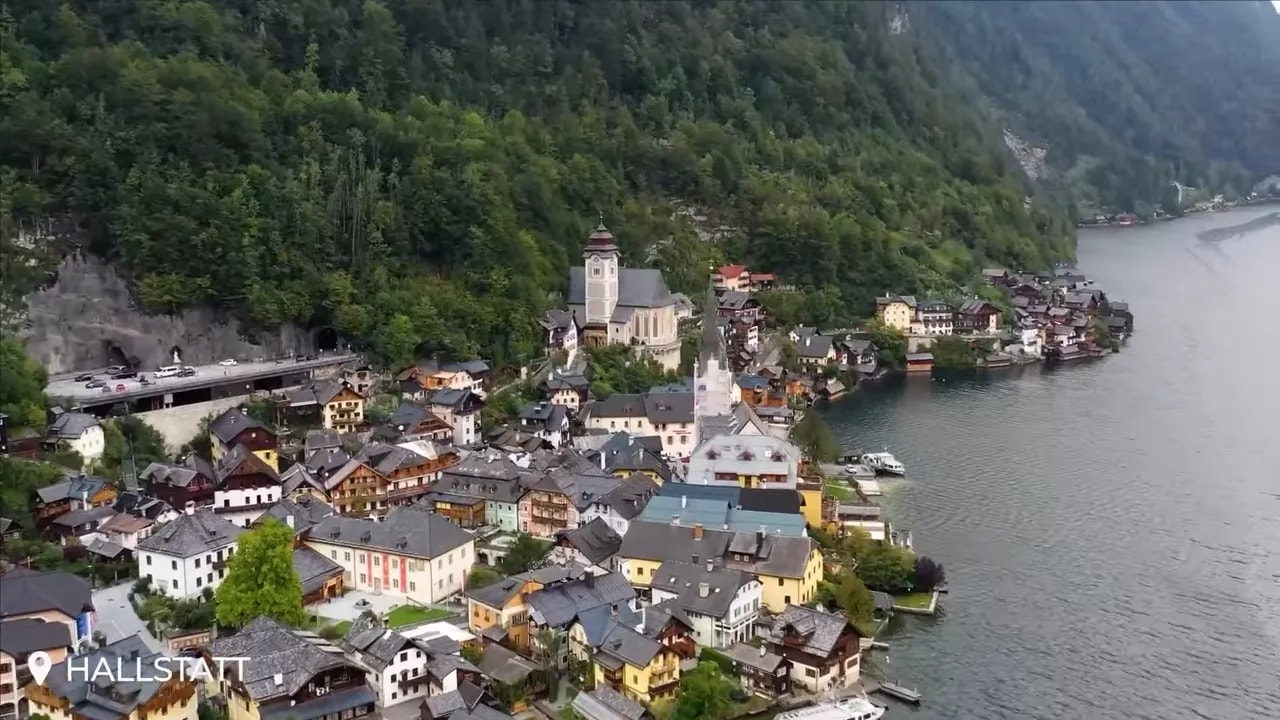
Hallstatt is at its most memorable when approached patiently. Mist can obscure the mountains and make the village feel like a secret. Clear weather reveals every detail: the church spire, the wooded slopes, the lake reflections, and the tiny houses pressed against the mountain.
🎨 Graz: Renaissance Streets and a Futuristic Edge
Graz offers one of Austria’s most intriguing contrasts. It is the country’s second-largest city, yet it feels intimate and inventive. Renaissance courtyards, red-tiled roofs, historic streets, and cutting-edge architecture all appear within a short walk.
- Schlossberg rises above the city and is crowned by Graz’s famous clock tower.
- The clock has an unusual detail: its larger hand indicates the hours, while its smaller hand indicates the minutes.
- The historic centre has been recognised as a UNESCO World Heritage Site since 1999.
- Kunsthaus Graz, often called the Blue Blob, creates a striking contrast with the surrounding Baroque cityscape.
- Opened in 2003, the contemporary gallery is known for its organic, glowing form and translucent exterior.
Graz is a place for wandering without a rigid plan. Its real charm often sits behind the obvious sights: hidden courtyards, quiet cafés, tucked-away palaces, and streets where the city’s past and present meet without conflict.
🏔️ Innsbruck: Where a City Meets the Alps
Innsbruck sits in a valley surrounded by mountains so close and dramatic that the city itself feels like part of the landscape. As the capital of Tyrol, it is one of Austria’s great meeting points between elegance, history, and mountain adventure.
- The old town is lined with colourful façades and cobbled streets.
- The Golden Roof is covered with more than 2,600 gilded copper tiles and has shimmered above the city since the 15th century.
- It was commissioned by Emperor Maximilian I as a symbol of imperial prestige.
- Innsbruck hosted the Winter Olympic Games twice, in 1964 and 1976.
- The Nordkette mountain range is remarkably accessible from the city, making it possible to move from urban cafés to high Alpine views in a short time.
That is Innsbruck’s magic. Many cities have mountains nearby. Here, the mountains are part of everyday life, looming above rooftops, streets, and church towers.
🎼 Salzburg: Mozart, Fortresses and a City Built for Music
Salzburg seems to have its own rhythm. Along the River Salzach, the old city unfolds beneath the imposing Hohensalzburg Fortress, while the sound of Mozart seems permanently woven into its identity.
- Mozart was born in Salzburg in 1756.
- Hohensalzburg Fortress dates to the 11th century and is among Europe’s largest fully preserved medieval fortresses.
- From its heights, the city’s red rooftops, domes, towers, and surrounding mountains create one of Austria’s most iconic panoramas.
- Salzburg’s historic centre became a UNESCO World Heritage Site in 1997.
- The Salzburg Festival, founded in 1920, fills churches, squares, and theatres with major classical music and opera performances each summer.
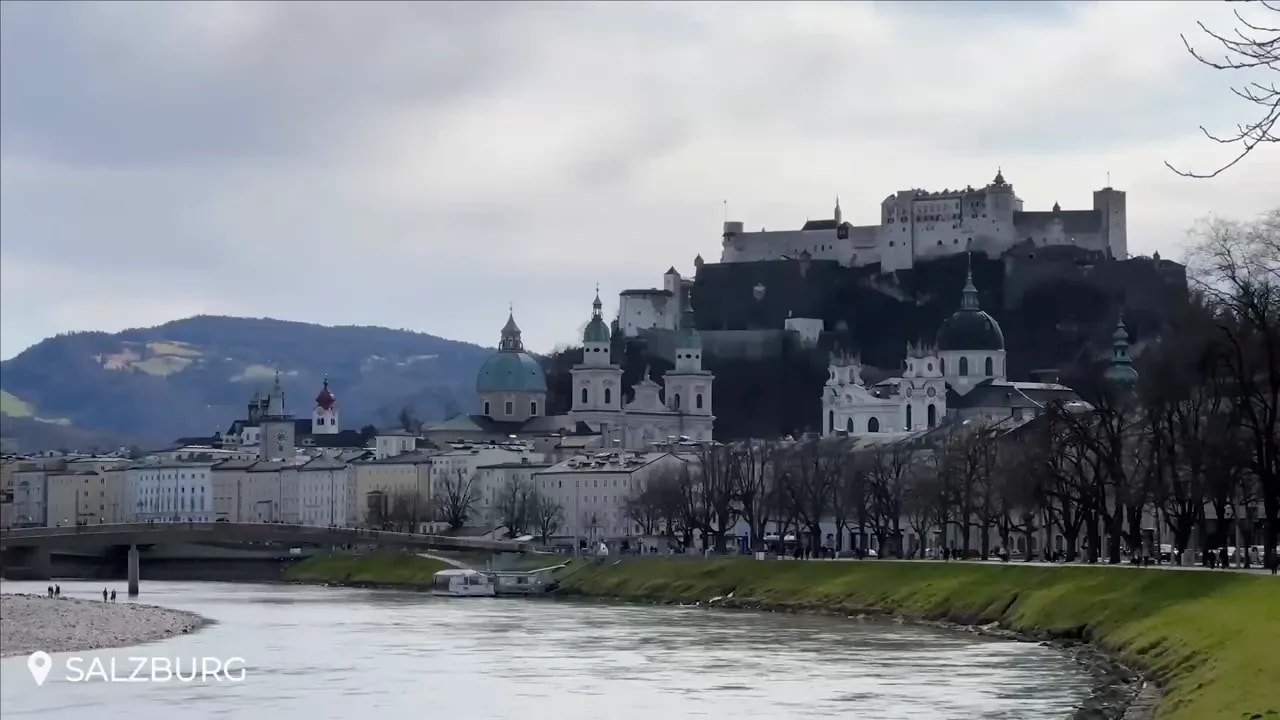
Even without entering a concert hall, Salzburg feels musical. The streets are theatrical, the squares are graceful, and the fortress watches over everything like a stone conductor.
🍇 Wachau Valley and Melk Abbey: Austria at Its Most Serene
Between Melk and Krems, the Danube flows through the Wachau Valley, one of Austria’s gentlest and most beautiful landscapes. Vineyards climb the slopes, medieval ruins appear above the river, and small villages invite a slower pace.
- Wine production in the Wachau reaches back to Roman times.
- Grüner Veltliner is the region’s signature white wine, known for its fresh and aromatic character.
- More than 1,000 families cultivate vines in the valley, continuing generations of local knowledge.
- Dürnstein is known for its medieval walls, vineyards, and castle ruins associated with the imprisonment of Richard the Lionheart in 1192.
- River cruises, cycling routes, wine taverns, and village walks offer an entirely different Austrian experience from the high Alps.
Melk Abbey: Gold, frescoes and 90,000 volumes
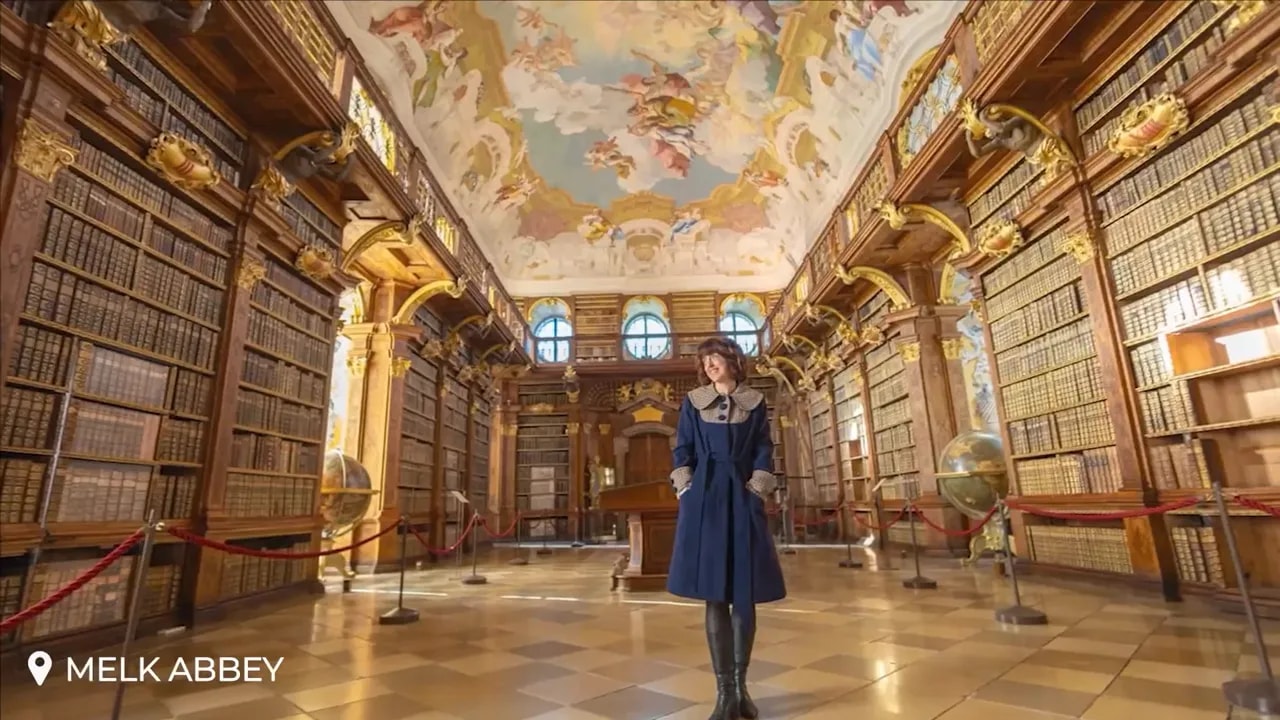
Melk Abbey rises above the Danube like a Baroque vision. Built in the early 18th century, this Benedictine abbey is not only an architectural masterpiece but also a centre of learning and memory.
- Its monastic library holds more than 90,000 volumes, including rare works, manuscripts, and incunabula.
- The collection covers theology, medicine, astronomy, history, and many other fields.
- Paul Troger’s ceiling frescoes create a soaring spectacle of colour and movement.
- The golden halls, marble corridors, and formal gardens demonstrate how knowledge, faith, and artistic ambition came together in the Baroque world.
🚗 Grossglockner High Alpine Road: A Journey Above the Valleys
The Grossglockner High Alpine Road is more than a route between destinations. It is one of Austria’s great experiences in its own right. Each curve opens a new scene: steep slopes, green pastures, rocky ridges, distant glaciers, and snow-capped summits.
- The road runs for more than 45 kilometres.
- It includes 36 winding curves through high Alpine terrain.
- It passes through the Hohe Tauern National Park, one of Central Europe’s largest protected areas.
- Grossglockner, Austria’s highest mountain, rises to 3,798 metres.
- At Kaiser Franz Josefshöhe, the Pasterze Glacier provides a powerful reminder of the scale and fragility of Alpine environments.
- Marmots and golden eagles are among the wildlife associated with this landscape.
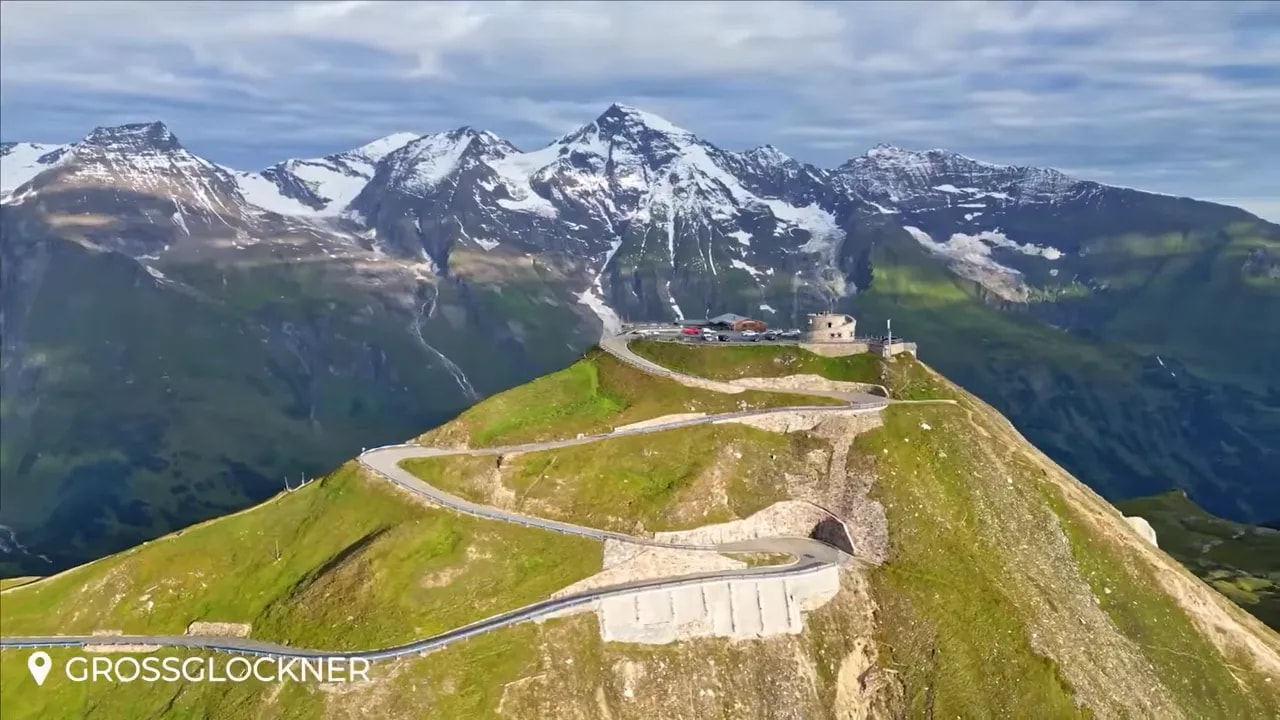
This is the kind of journey that makes the destination almost secondary. The road itself becomes the spectacle.
💧 Krimml Waterfalls: The Roar of the Hohe Tauern
At Krimml, the sound arrives before the full view. A distant rush grows into a thunderous roar as water drops through the valley in a series of dramatic stages.
- Krimml Waterfalls descend a total of around 380 metres.
- They are divided into three main stages.
- A marked trail of just over four kilometres follows the falls and offers multiple viewpoints.
- The path brings visitors close enough to feel the cool spray and experience the changing force of the water.
- The falls lie within Hohe Tauern National Park, surrounded by dense green mountains and Alpine valleys.
Krimml is a reminder that Austria’s beauty is not always quiet or delicate. Sometimes it is loud, wet, powerful, and impossible to ignore.
🎿 Tyrol and Kitzbühel: Alpine Tradition All Year Round
Tyrol is the Austria many people imagine first: wooden chalets, churches, green valleys, cable cars, snowy slopes, and mountains that dominate every horizon. In winter, it becomes a vast playground for snow sports. In summer, the same terrain turns into meadows, lakes, and hiking trails.
- Tyrol has more than 800 cable cars and roughly 3,400 kilometres of ski pistes.
- Important ski areas include Kitzbühel, Ischgl, and Sölden.
- The season often begins in November and can continue into May, depending on weather and altitude.
- In warmer months, alpine trails, flower-filled fields, and traditional villages become the focus.
- Alpbach is particularly known for carved wooden houses and balconies overflowing with flowers.
Kitzbühel: Medieval character with polished glamour
- Kitzbühel combines old cobbled lanes and mountain traditions with sophisticated hotels, dining, events, and international sport.
- Its ski area offers more than 200 kilometres of connected pistes.
- The Hahnenkamm is famous for hosting one of the world’s most prestigious downhill ski races.
- Summer brings hiking, golf, tennis, gourmet events, and a more relaxed but still elegant atmosphere.
Kitzbühel proves that Alpine life can be both rugged and refined. One moment is about deep snow and steep slopes. The next is about a quiet dinner beneath the mountains.
🧊 Dachstein: Skywalks, Glaciers and Pure Altitude
Dachstein is where Austria becomes vertical. The massif rises above 3,000 metres, with glaciers, jagged rock formations, ice caves, and viewpoints that seem designed to challenge anyone with a fear of heights.
- The Dachstein Skywalk sits at more than 2,700 metres above sea level.
- Its glass structure extends over a drop of roughly 300 metres.
- From the platform, the panorama spreads across Alpine peaks and valleys, sometimes as far as Slovenia and Germany on clear days.
- Trails through ice and stone lead toward natural caves shaped by centuries of freezing and thawing.
- Summer brings an unforgettable contrast: snow and ice above, green meadows and wildflowers below.
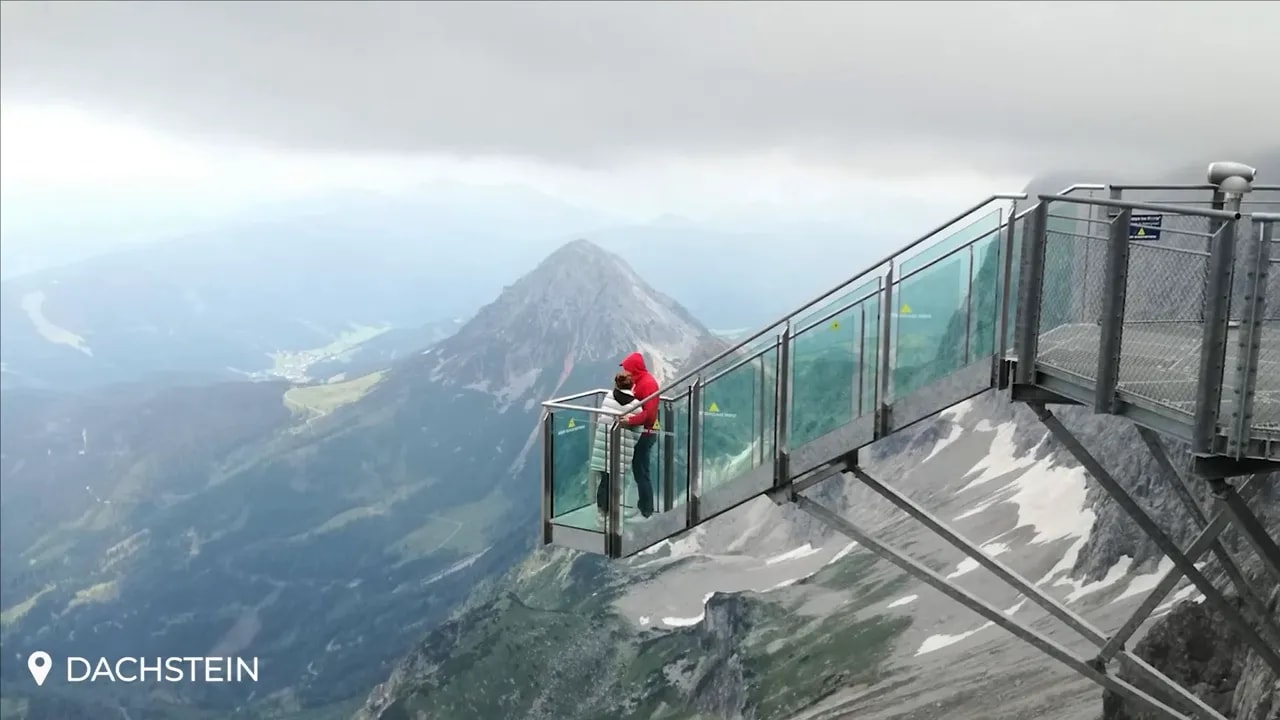
Dachstein does not offer gentle scenery. It offers perspective. Standing above the valleys, surrounded by stone and ice, it becomes impossible not to feel the immense scale of the mountains.
🦩 Burgenland and Lake Neusiedl: Austria’s Unexpected Eastern Plain
Burgenland is one of Austria’s quiet surprises. At the eastern edge of the country near Hungary, the climate feels warmer and more Mediterranean than the Alpine regions. The mountains give way to vineyards, open skies, and a landscape shaped by sun and water.
- Burgenland receives more than 300 days of sunshine per year.
- It is especially known for sweet wines, including Trockenbeerenauslese.
- Lake Neusiedl is the largest steppe lake in Central Europe.
- Its shallow saline waters support a rare ecosystem with flamingos, storks, and more than 300 bird species.
- The cultural landscape around Lake Neusiedl has been a UNESCO World Heritage Site since 2001.
- Historic villages such as Rust and Mörbisch keep regional traditions alive through wine, architecture, and open-air cultural events.
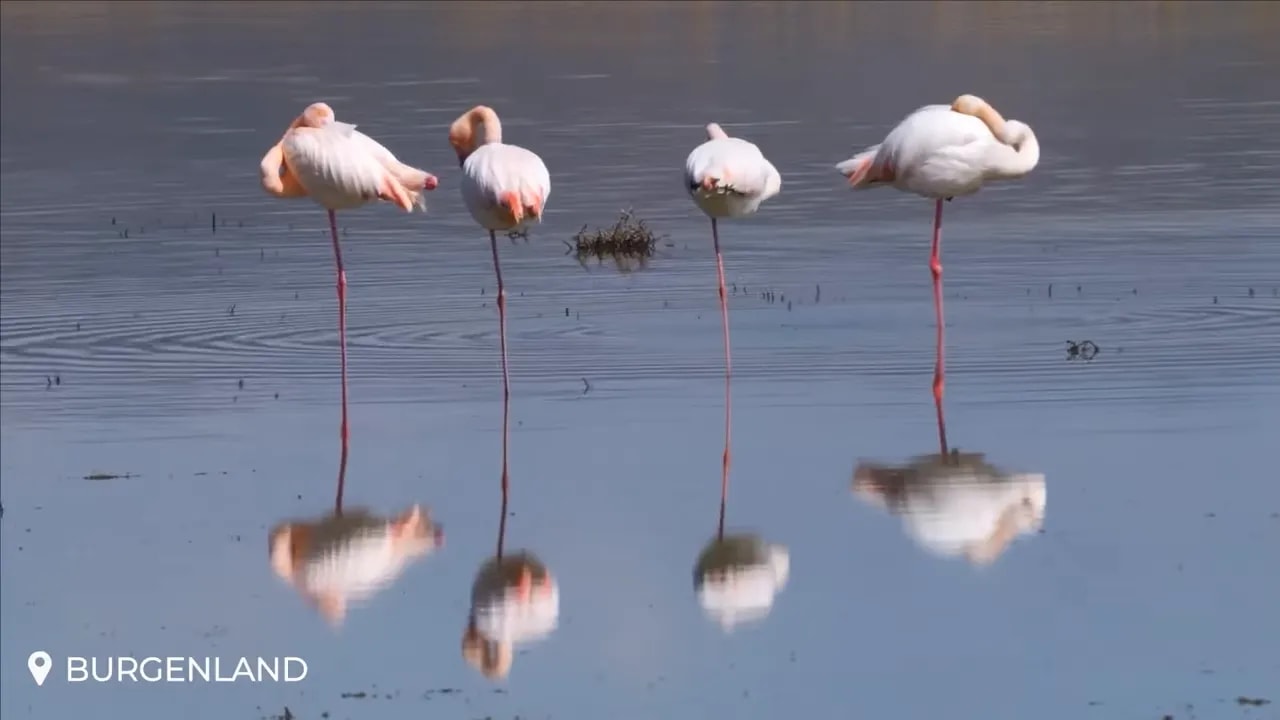
This is Austria without the expected mountain wall. It is spacious, sunlit, and built for cycling, birdlife, wine tasting, and long evenings outdoors.
🌊 Zell am See: Still Water Beneath High Peaks
Zell am See brings together lake serenity and Alpine drama. The town sits beside Lake Zell, with the Pinzgau Alps forming a powerful backdrop that changes character with every season.
- Lake Zell is about four kilometres long.
- Its clear waters are used for swimming, sailing, and lakeside relaxation in summer.
- The town has the warmth of an Alpine village while offering the services of an international resort destination.
- The cable car to Schmittenhöhe opens wide views over the lake, town, and surrounding peaks.
- In winter, snow transforms the same scene into a white Alpine panorama.
Zell am See is not about one monument or one dramatic moment. Its appeal lies in balance: water, mountains, movement, and stillness all in the same place.
💚 Grüner See: The Park That Becomes a Lake
Near the village of Tragöß in Styria lies one of Austria’s most unusual natural phenomena. Grüner See, or Green Lake, is not simply a lake. It is a seasonal transformation.
- During autumn and winter, the area functions as a grassy walking park with benches, paths, and trees.
- When Alpine snow melts in spring, water slowly covers the entire park.
- By around May, the water can reach approximately 12 metres deep.
- Benches, paths, bridges, and trees can become submerged beneath remarkably clear emerald water.
- For a brief period, the result looks dreamlike: an ordinary park apparently frozen beneath a silent lake.
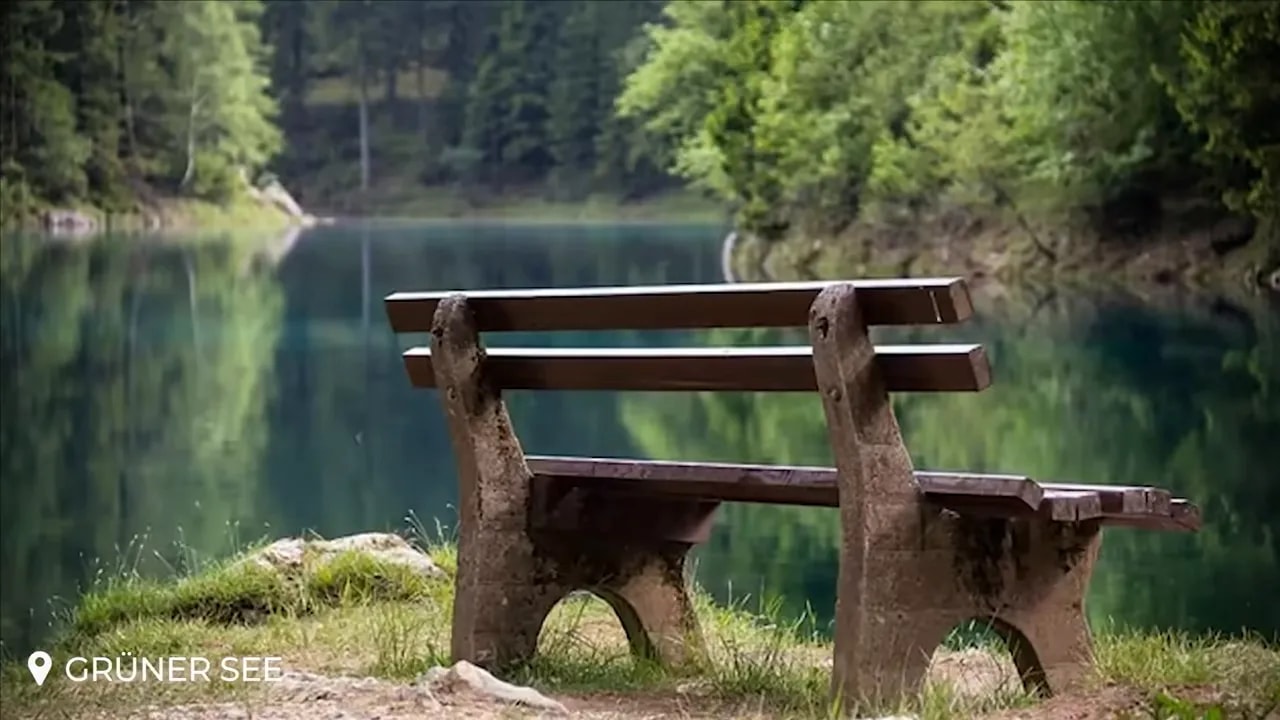
Grüner See is a gentle reminder that landscapes are not fixed. Snow, temperature, time, and water can entirely change the meaning of a place within a few weeks.
🍽️ Austrian Food: The Details That Complete the Journey
Austria’s landscapes may be the first attraction, but its food and drink add another layer to the experience. Meals are rooted in tradition, yet they fit naturally into every setting, from a Vienna café to a vineyard terrace above the Danube.
- Wiener Schnitzel: a crisp breaded cutlet, one of Austria’s most recognisable dishes.
- Sachertorte: Vienna’s famous chocolate cake, traditionally rich and elegant.
- Apfelstrudel: warm apple pastry that belongs perfectly beside coffee in a historic café.
- Grüner Veltliner: the defining white wine of the Wachau Valley.
- Burgenland sweet wines: products of the region’s sunny climate and mineral-rich soils.
The country’s most memorable moments often combine these elements naturally: a glass of wine near the Danube, strudel after a city walk, a mountain meal after a ski day, or a quiet coffee beneath a cathedral spire.
✨ Why Austria Leaves Such a Lasting Impression
Austria’s greatest strength is its range. It can move from imperial halls to wild mountain roads without feeling fragmented. The contrasts are not accidental. They are the heart of the country.
- History and innovation: palaces, monasteries, and fortresses share space with places like Graz’s Kunsthaus.
- Culture and nature: opera, museums, and Mozart coexist with glaciers, waterfalls, and alpine trails.
- Energy and calm: ski slopes and mountain roads contrast with vineyard paths, lakeshores, and café tables.
- Tradition and hospitality: local communities preserve architecture, cuisine, music, and regional customs without turning away from the future.
- Scale and accessibility: Austria offers enormous scenery within a country compact enough to connect cities, valleys, lakes, and mountains in one journey.
Austria is not a place to simply check off a list. It invites a slower kind of travel: looking up at towers, listening to water, tasting regional wine, crossing a mountain pass, and allowing each landscape to change the rhythm of the day.
❓ Frequently Asked Questions
What are the best places to visit in Austria for a first trip?
A strong first itinerary includes Vienna for imperial culture, Salzburg for music and medieval character, Hallstatt for lake-and-mountain scenery, Innsbruck for the Alps, and the Wachau Valley for vineyards and Melk Abbey. Add Grossglockner, Krimml, or Dachstein for high-Alpine nature.
What is Austria most famous for?
Austria is famous for the Alps, Vienna’s imperial heritage, Mozart and classical music, Salzburg, Hallstatt, Alpine skiing, Baroque monasteries, coffeehouse culture, and dishes such as Wiener Schnitzel, Sachertorte, and Apfelstrudel.
Is Austria only worth visiting in winter?
No. Winter is ideal for skiing in Tyrol, Innsbruck, Kitzbühel, and other Alpine regions. Spring and summer are excellent for hiking, lakes, cycling, waterfalls, mountain roads, vineyards, and seasonal places such as Grüner See. Autumn is especially rewarding in the Wachau Valley and Burgenland wine country.
Which Austrian destination is best for mountain scenery?
For dramatic high-altitude scenery, choose the Grossglockner High Alpine Road, Dachstein, Hohe Tauern National Park, Tyrol, or Innsbruck. For a lake-and-mountain combination, Hallstatt and Zell am See are outstanding choices.
Where can I experience Austrian wine culture?
The Wachau Valley is ideal for Grüner Veltliner, Danube views, vineyard walks, and villages such as Dürnstein. Burgenland offers a warmer landscape near Lake Neusiedl and is especially known for sweet wines.
Why is Hallstatt so historically important?
Hallstatt is closely connected to ancient salt mining and a culture that developed in the region thousands of years ago. Its salt mine is regarded as the oldest in the world, while the village itself combines that deep history with one of Austria’s most striking lake settings.