Argentina: Road to the End of the World, 11 Unforgettable Stops Across a Land of Contrasts
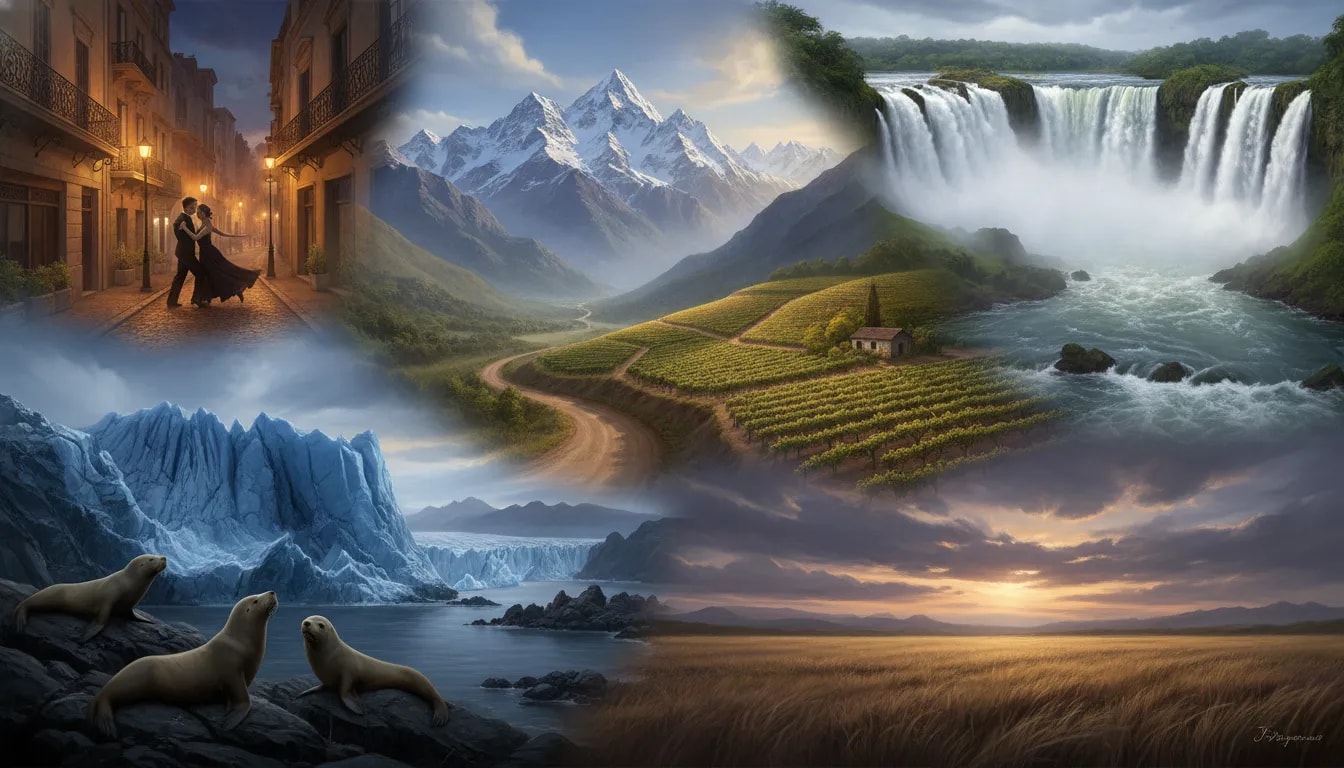
Argentina has a habit of changing the rules just when you think you understand it. One day begins with coffee, bookstores, and tango under the lights of Buenos Aires. The next can end beside a glacier, in a vineyard beneath the Andes, or on a cold southern channel where sea lions rest on the rocks.
This is a country made for long journeys and sharp contrasts. Its enormous territory contains subtropical jungle, open pampas, high-altitude desert, wine country, Atlantic beaches, forests, giant peaks, and the raw silence of Patagonia. Around 47.5 million people call Argentina home, most living in its cities, yet rural traditions still shape its food, language, landscapes, and sense of identity.
Argentina is not a destination that can be reduced to one image. It is the roar of Iguazú, the crack of glacier ice, a glass of Malbec at sunset, a trail beneath Fitz Roy, and the late-night pulse of a peña or milonga. Here are 11 doors into that story.
Table of Contents
- 🇦🇷 Why Argentina Feels Like Several Countries in One
- 💃 Buenos Aires: Tango, History, Cafés, and Long Nights
- 🌊 Iguazú Falls: Nature at Full Volume
- 🏞️ San Martín de los Andes and the Seven Lakes Road
- 🌬️ Patagonia: Route 40, Vast Horizons, and Wild Coastlines
- 🧭 Ushuaia: At the End of the World
- 🍫 Bariloche: Lakes, Forests, Chocolate, and Mountain Air
- 🍷 Mendoza: Malbec, Irrigation, and the Andes
- 🥾 El Chaltén: Argentina’s Capital of Trekking
- 🎨 Jujuy: Painted Mountains and High-Altitude Silence
- 🏙️ Córdoba: Youthful Energy and the Sierras Beyond the City
- 🎶 Salta: Colonial Streets, Mountain Views, and Peñas
- 🌊 Mar del Plata: Atlantic Air, Beaches, and Sea Lions
- 🗺️ How to Build an Argentina Itinerary Without Losing the Magic
- ❓ Frequently Asked Questions
- ✨ The Constant Metamorphosis of Argentina
🇦🇷 Why Argentina Feels Like Several Countries in One
- Its scale explains the variety. Argentina stretches from subtropical rainforest in the north to the cold waters of Tierra del Fuego in the south.
- Its landscapes are constantly changing. Wide plains give way to snow-covered Andes peaks, turquoise lakes, salt flats, vineyards, and coastline.
- Its culture changes with the geography. Buenos Aires brings tango and cafés, Mendoza brings wine, Patagonia brings estancia traditions and lamb, while the north brings Andean music, textiles, humita, and empanadas.
- It works for different travel styles. A route can be shaped around luxury hotels and private tastings, or around long drives, simple hiking bases, public squares, and unforgettable roadside viewpoints.
The most satisfying way to approach Argentina is not to rush through it as a checklist. Give every region room to have its own rhythm. This is where the country becomes addictive: each stop feels like a new climate, a new palette, and a new version of the journey.
💃 Buenos Aires: Tango, History, Cafés, and Long Nights
Buenos Aires arrives in layers. Recoleta has its elegant avenues and classic architecture. Palermo carries a creative, social energy. San Telmo feels older, more bohemian, and more textured. The city moves between grandeur and everyday life with remarkable ease.
- Start around Plaza de Mayo. The square and the pink façade of Casa Rosada place national history directly in the centre of the city.
- See the Obelisk and Avenida 9 de Julio. Their scale captures Buenos Aires at its most dramatic and urban.
- Slow down in Puerto Madero. The riverfront shifts the pace with restaurants, wine, and broad waterside views.
- Make time for a neighborhood milonga. Tango feels most alive when it is not treated as a souvenir, but as a serious social ritual full of precision, emotion, and affection.
- Look beyond the famous sights. Bookshops, cafés, markets, empanadas, medialunas, and strong coffee are part of the city’s daily pulse.
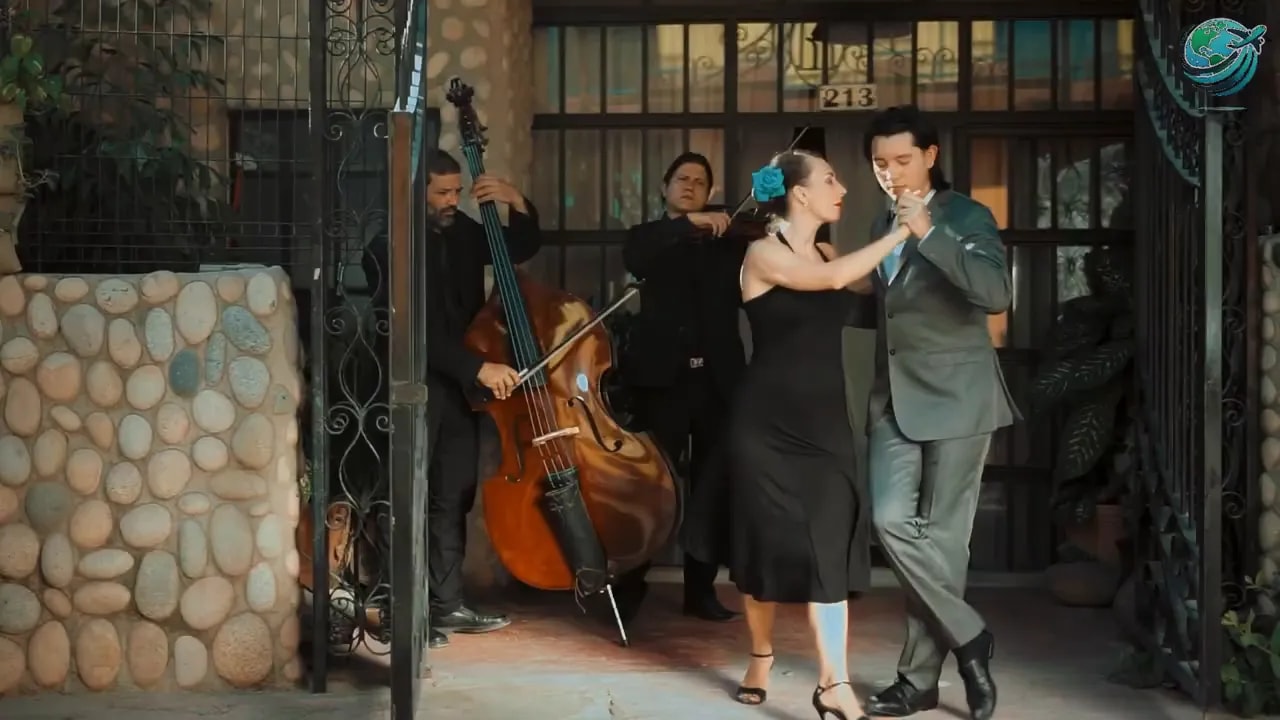
Buenos Aires can also reward a more refined stay. Classic hotels, rooftop bars, crafted cocktails, and an evening at the Teatro Colón offer a graceful side of the city without disconnecting from its personality. Opened in 1908, the theatre remains one of the city’s great cultural landmarks.
Exchange-rate shifts can also make everyday experiences feel surprisingly accessible for travelers arriving with a strong foreign currency. Still, the real temptation is not simply a fine dinner or a special bottle of wine. It is the city’s ability to make one more coffee, one more walk, and one more late conversation feel entirely necessary.
🌊 Iguazú Falls: Nature at Full Volume
At Iguazú, the sound arrives before the view. In Puerto Iguazú, near the borders of Argentina, Brazil, and Paraguay, the rainforest feels like a green pause before the spectacle begins. Then the trails enter the forest, humidity settles on the skin, birds call from the canopy, and the distant thunder gets louder with every step.
- Walk the forest trails. The approach is part of the experience, with wet leaves, butterflies, tropical vegetation, and coatis moving confidently through the park.
- Follow the walkways. They place you close to walls of falling water and clouds of spray.
- Experience Devil’s Throat. This immense funnel of water is the emotional centre of the falls, where mist rises and the power of the river becomes physical.
- Plan for quieter hours. An early or carefully timed visit can make the walkways feel more spacious.
- Consider a boat trip. It is not subtle. You will get drenched, and that is exactly the point.
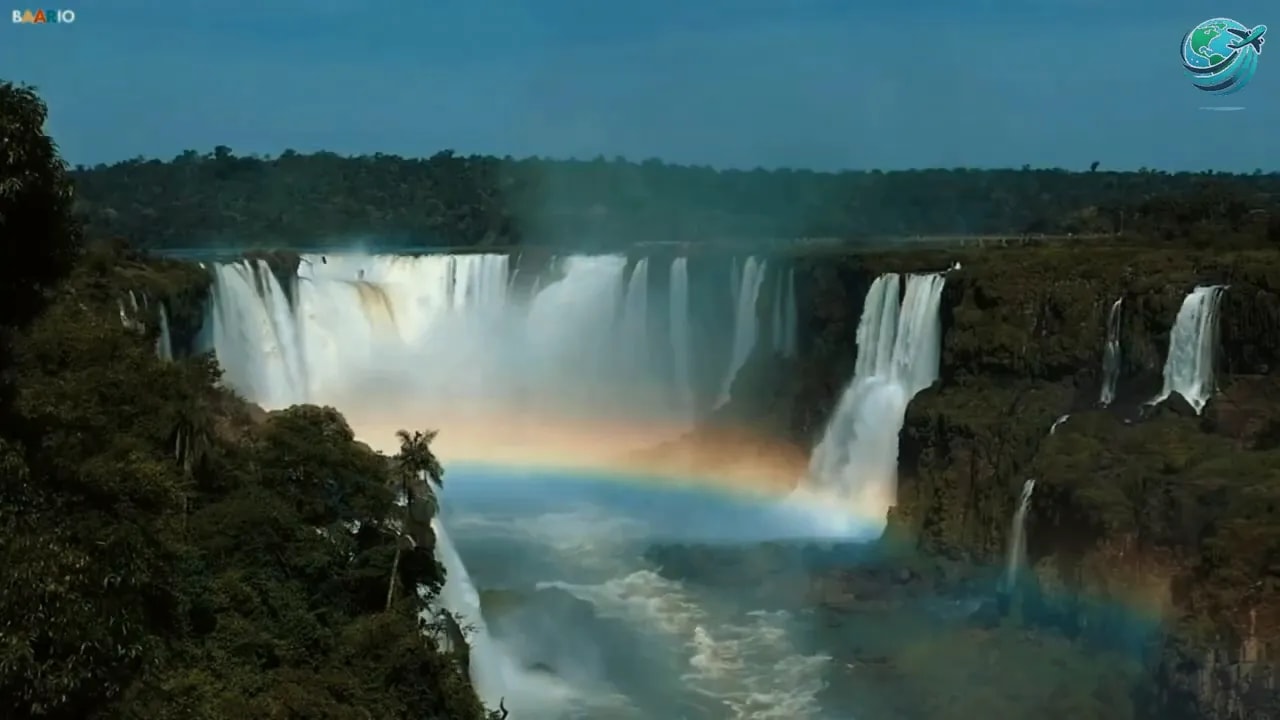
The falls are part of Iguazú National Park, a UNESCO World Heritage Site. Their impact comes from more than beauty. It is scale, movement, noise, spray, and the unsettling realization that the landscape seems too large to fit into a single glance.
🏞️ San Martín de los Andes and the Seven Lakes Road
After the jungle heat of Iguazú, San Martín de los Andes feels like a deep breath. Set beside Lake Lácar in Neuquén Province, this mountain town pairs dark timber façades, quiet streets, and lake views with a proper sense of adventure.
- Use the town as a base for Lanín National Park. Trails, forest viewpoints, and mountain air sit close to town.
- Pause beside Lake Lácar. A hot chocolate with the lake in front of you makes slowing down feel like a plan rather than a pause.
- Drive the Seven Lakes Road. This route follows National Route 40 between San Martín de los Andes and Villa La Angostura for just over 110 kilometres.
- Travel in winter for snow sports. Cerro Chapelco becomes a ski destination.
- Travel in summer for vistas. The same mountain landscape becomes ideal for scenic walks and broad valley views.
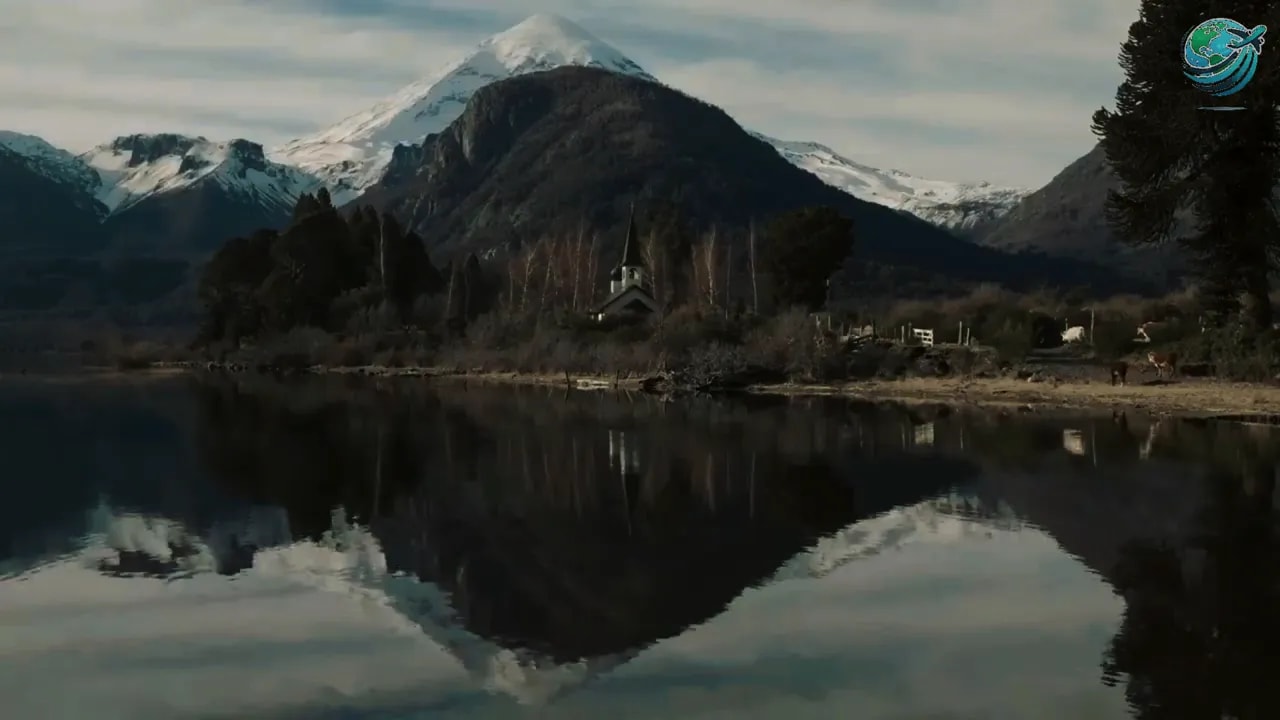
The Seven Lakes Road is the kind of drive that makes schedules disappear. One lake reflects the sky, another looks almost unreal in its clarity, and then a quiet beach appears between trees. It is a reminder that some of Argentina’s best moments happen between named destinations.
🌬️ Patagonia: Route 40, Vast Horizons, and Wild Coastlines
From San Martín de los Andes, the map begins pulling south. Patagonia is not a single stop. It is a vast region shared with Chile, covering more than one million square kilometres and carrying a scale that changes your idea of distance.
- Expect the wind. It is not background weather here. It is part of the personality of the place.
- Follow Route 40. Argentina’s iconic highway ties together long stretches of steppe, forests, lakes, mountains, and small road-trip stories.
- Look for wildlife. Guanacos may appear beside the road, while condors trace circles above the open terrain.
- Meet rural Patagonia. Estancias, sheep, mate shared from hand to hand, and slow-roasted lamb are part of the region’s grounded culture.
- Choose your comfort level. Patagonia can mean a basic roadside stop, or a remote lodge with private horse riding and fly fishing in crystal-clear rivers.
The coast offers another version of the region. On the Valdés Peninsula, wildlife becomes the main event. The peninsula was recognized by UNESCO in 1999, and southern right whales return in large numbers, especially during the peak period of August and September. Patagonia is powerful because it never settles into one landscape for long.
🧭 Ushuaia: At the End of the World
Ushuaia sits between mountains and the Beagle Channel, where colorful rooftops meet cold sea air and the edge of the continent feels close enough to touch. The light here has a cinematic quality. It hits the dark channel waters and makes the whole city look slightly unreal.
- Take a boat trip on the Beagle Channel. Sea lions rest on rocky islands while seabirds skim low above the water.
- Look for Les Eclaireurs Lighthouse. Its red and white form appears small against the southern landscape, yet instantly recognizable.
- Explore Tierra del Fuego National Park. Established in 1960, it combines accessible trails, forest, peat bogs, icy bays, and marine scenery.
- Visit during ski season. Cerro Castor provides full winter infrastructure for snow sports.
- Try king crab. Centolla is the signature meal when the cold calls for something rich and warming.
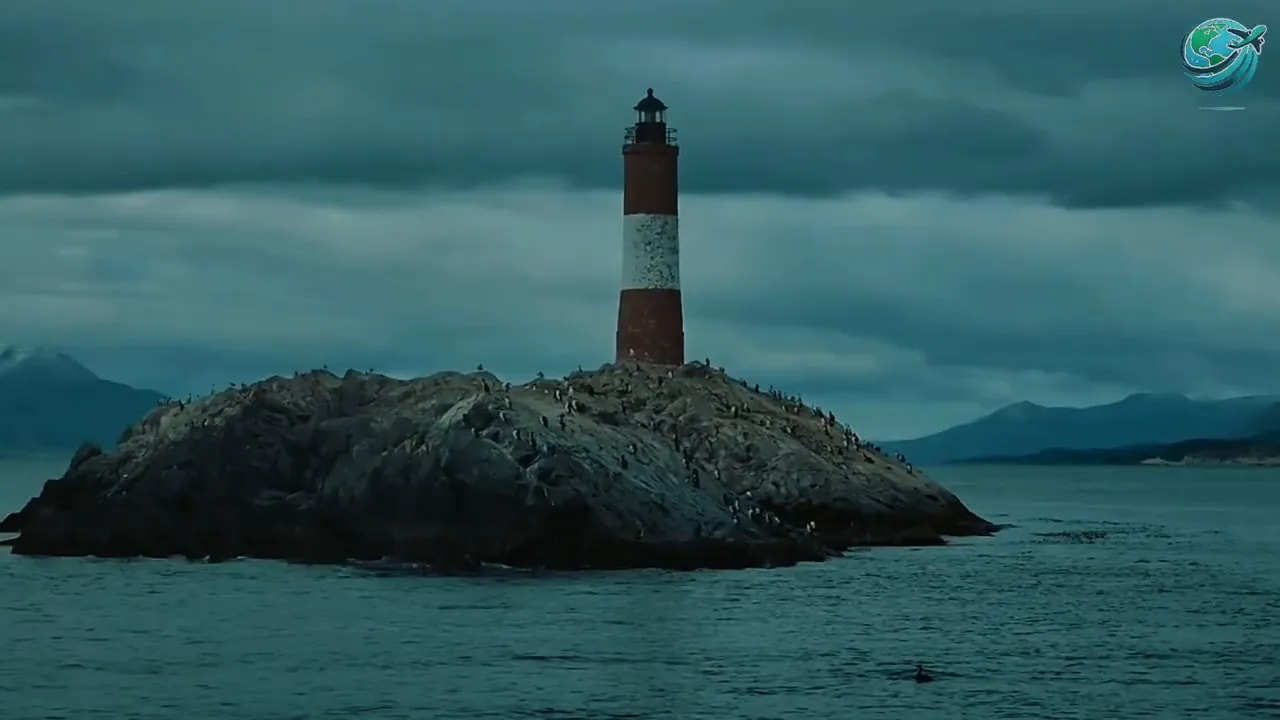
Ushuaia also carries the pull of farther horizons. Cruises toward Antarctica depart from this region, and even without boarding one, the thought changes the atmosphere. Few places make “far away” feel so immediate.
🍫 Bariloche: Lakes, Forests, Chocolate, and Mountain Air
Bariloche welcomes you on the shore of Lake Nahuel Huapi in Río Negro Province. The lake itself covers roughly 550 square kilometres, surrounded by forests, mountain arms, cold beaches, and roads that constantly open into another view.
- Take the Circuito Chico drive. It is one of the simplest ways to understand the lake district’s scale and beauty.
- Ride or hike to Cerro Campanario. The viewpoint reveals lakes and mountains arranged like a giant natural tapestry.
- Explore Nahuel Huapi National Park. Established in 1934, it is one of Argentina’s foundational protected landscapes.
- Enjoy winter at Cerro Catedral. The resort has around 120 kilometres of ski runs and a broad lift network.
- Return in summer for trekking and cycling. When snow retreats, the same slopes become trails and viewpoints.
Yes, Bariloche is famous for chocolate, and it deserves the reputation. But the real pleasure is the combination: a piece of artisan chocolate, smoked trout for dinner, a private sail on the lake, and forests that make even a simple walk feel complete.
🍷 Mendoza: Malbec, Irrigation, and the Andes
Mendoza is sunshine, dry air, vineyards, and mountain silhouettes that look painted onto the horizon. It was built in desert country, which makes water central to everything. Irrigation channels carry snowmelt from the Andes through neighborhoods and vineyards, turning an arid landscape into one of the world’s celebrated wine regions.
- Explore the Uco Valley. Malbec takes the lead here, often showing deep color, plum notes, and a smooth finish.
- Visit a bodega. Tastings, barrel rooms, and guided explanations make the landscape easier to read through the glass.
- Create your own blend. Some wineries offer blending experiences led by a sommelier.
- Stay among the vines. Vineyard hotels, spas, and open-air dinners bring the Andes into every part of the day.
- Look toward Aconcagua. At 6,961 metres, it is the highest mountain in the Americas.
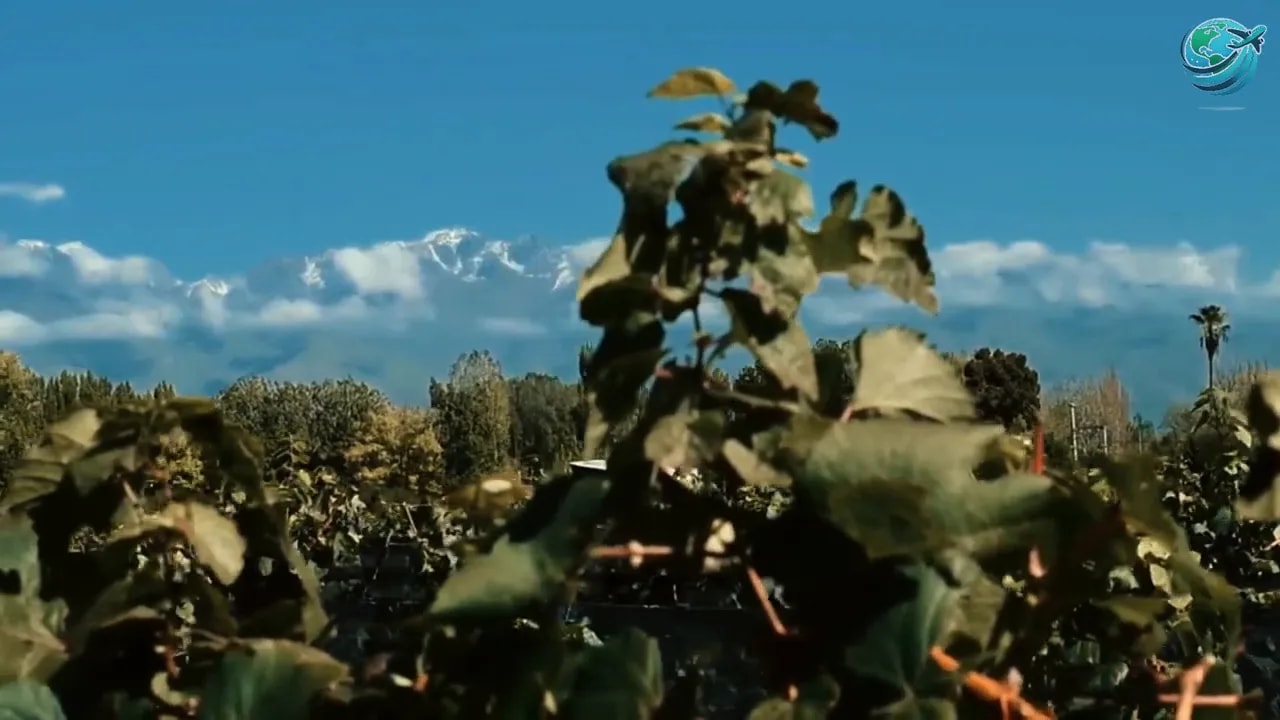
Mendoza is not only for wine. It also offers cycling, horseback excursions, and mountain roads that climb toward viewpoints where the silence seems almost total. The region rewards anyone who likes a journey with both a little adventure and a long dinner afterward.
🥾 El Chaltén: Argentina’s Capital of Trekking
El Chaltén feels less like a conventional town and more like a base camp that grew around a dream of mountains. Founded in 1985 within Los Glaciares National Park, it has become one of Patagonia’s great hiking gateways.
- See Fitz Roy. The peak rises to 3,405 metres and dominates the skyline with unmistakable sharpness.
- Look for Cerro Torre. At 3,128 metres, it cuts into the sky with a blade-like silhouette.
- Hike to Laguna de los Tres. The classic route is a 20-kilometre round trip with roughly 800 metres of elevation gain and can take up to 10 hours.
- Choose your own difficulty. There are easier lookout walks alongside demanding full-day routes.
- Stay for the town’s simple pleasures. Gear shops, bakeries, and craft beer belong to the rhythm after a day outdoors.
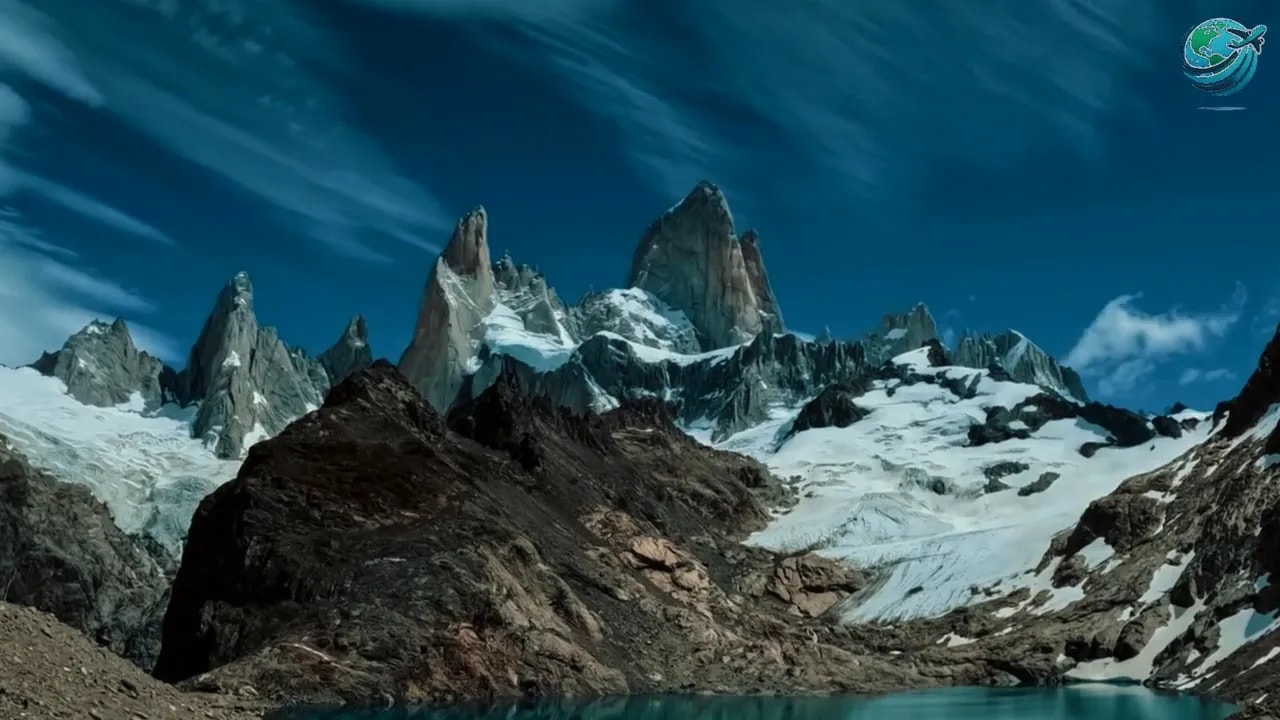
El Chaltén was declared Argentina’s national capital of trekking in 1994. The title fits because the trails begin almost immediately. Here, tired legs are not a problem. They are part of the reward.
🎨 Jujuy: Painted Mountains and High-Altitude Silence
Jujuy shifts the country’s colors again. The Quebrada de Humahuaca, designated a UNESCO World Heritage Site in 2003, is filled with Andean villages, layered mountains, dry air, ancient roads, and a pace that feels slower without ever feeling empty.
- Visit Purmamarca and the Hill of Seven Colors. The mountain changes tone with the light, creating a landscape that never looks exactly the same twice.
- Travel to Salinas Grandes. These salt flats sit at more than 3,400 metres above sea level and stretch outward like a white desert.
- Plan for altitude. Carry water, avoid rushing, take short breaks, and use a comfortable vehicle for longer roads.
- Explore local markets. Colorful textiles, ceramics, and regional crafts make the cultural landscape as vivid as the mountains.
- Eat the north. Humita and richly seasoned empanadas are part of the experience, not an afterthought.
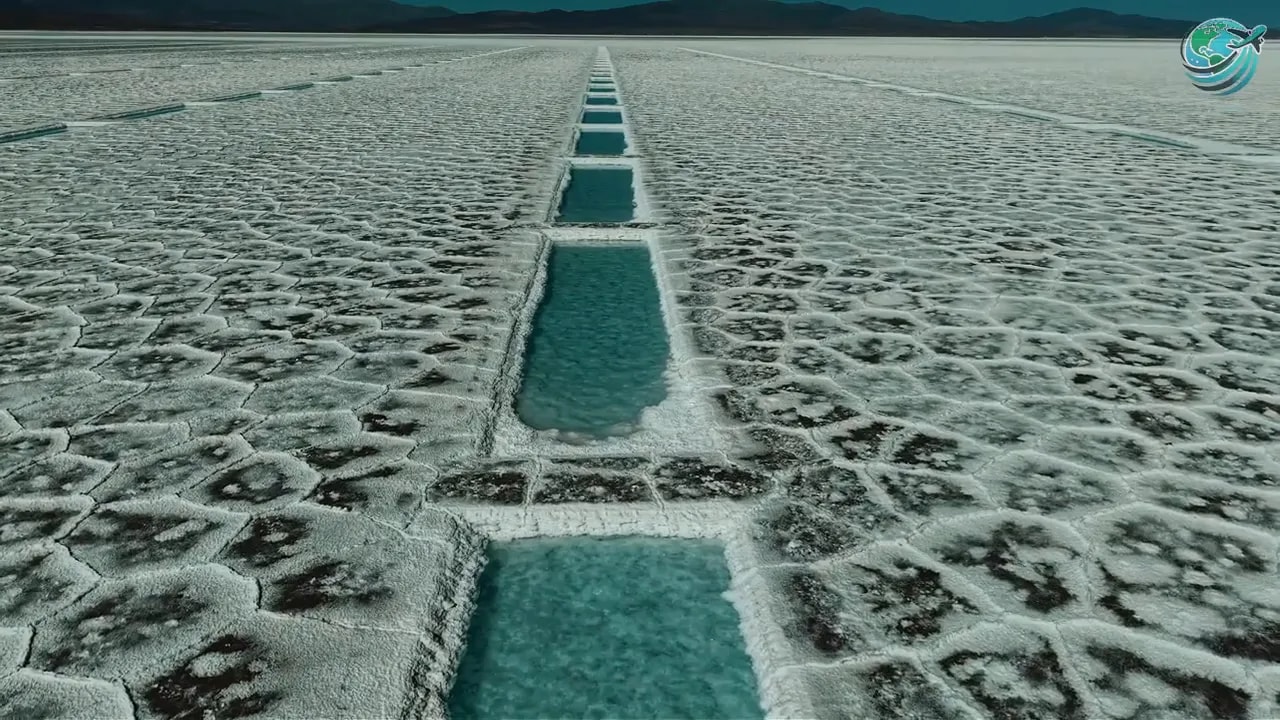
At night, Jujuy can feel even more otherworldly. Adobe-style lodgings, quiet villages, and a sky full of stars make this one of the strongest places in Argentina to slow down completely.
🏙️ Córdoba: Youthful Energy and the Sierras Beyond the City
Córdoba brings a different kind of energy. It is known for its university life, street culture, cafés, plazas, and a social rhythm that becomes especially alive after dark. Founded in 1613, the National University of Córdoba is one of the oldest universities in the Americas, and its presence gives the city a distinctly youthful character.
- Spend time in the historic centre. Colonial architecture, churches, plazas, and shaded streets make history feel part of daily life.
- Enjoy the café culture. Córdoba’s public spaces encourage long conversations and unhurried afternoons.
- Stay out after sunset. Bars fill, music starts, and the city becomes more social as the night deepens.
- Head into the Sierras. Roads outside the city lead to viewpoints, walks, and small villages where long lunches are part of the plan.
- Try regional flavors. Goat, artisanal cheeses, and local wine fit naturally into a slower countryside meal.
Córdoba works beautifully as a contrast to Argentina’s biggest and wildest landscapes. It is a place for plazas, conversation, and the feeling that a city can be both historic and completely alive.
🎶 Salta: Colonial Streets, Mountain Views, and Peñas
Salta, often called Salta la Linda, carries a graceful colonial atmosphere. Founded in 1582, the city still feels shaped by its orderly blocks, shaded squares, old façades, and verandas. But it is not frozen in time. It is warm, social, musical, and very much lived in.
- Walk around Plaza 9 de Julio. Cafés spill onto the pavements, and the city’s relaxed pace becomes obvious.
- Visit the cathedral and historic churches. Their architecture gives shape to the old centre.
- Ride the San Bernardo cable car. The ascent brings the city into view with the Andes beyond it.
- Spend an evening at a peña. Folk music, clapping, local musicians, and empanadas turn dinner into a full cultural experience.
- Take your time. Salta is at its best when there is no pressure to rush between landmarks.
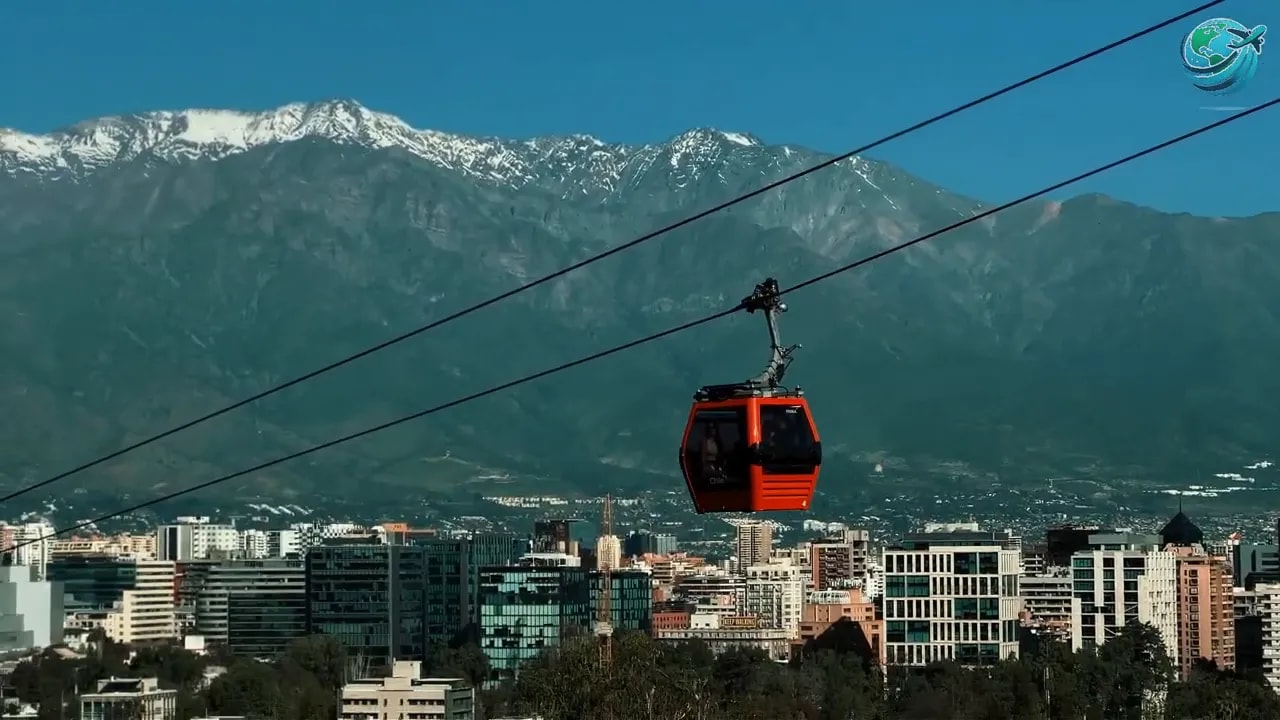
Salta has a gentle way of extending the evening. A short stop becomes a longer dinner. A few songs become a night of music. In a country full of dramatic landscapes, this city proves that atmosphere can be just as memorable.
🌊 Mar del Plata: Atlantic Air, Beaches, and Sea Lions
Mar del Plata closes the route with salt in the air and waves breaking along the promenade. Founded in 1874, it developed into Argentina’s classic seaside city, mixing a large year-round population with the intense seasonal energy of a major beach destination.
- Walk the seafront. The promenade is simple, scenic, and difficult to leave once the ocean is in front of you.
- Choose a beach mood. Some stretches are family-focused, others are built around surfing and sport.
- Stop for an alfajor or ice cream. Seaside breaks are part of the rhythm here.
- Visit the sea lion reserve near the port. The animals gather loudly and lazily on the rocks, creating one of the city’s most unforgettable scenes.
- Stay through the evening. Restaurants, illuminated streets, and the city’s cultural life extend the day after the beach empties.
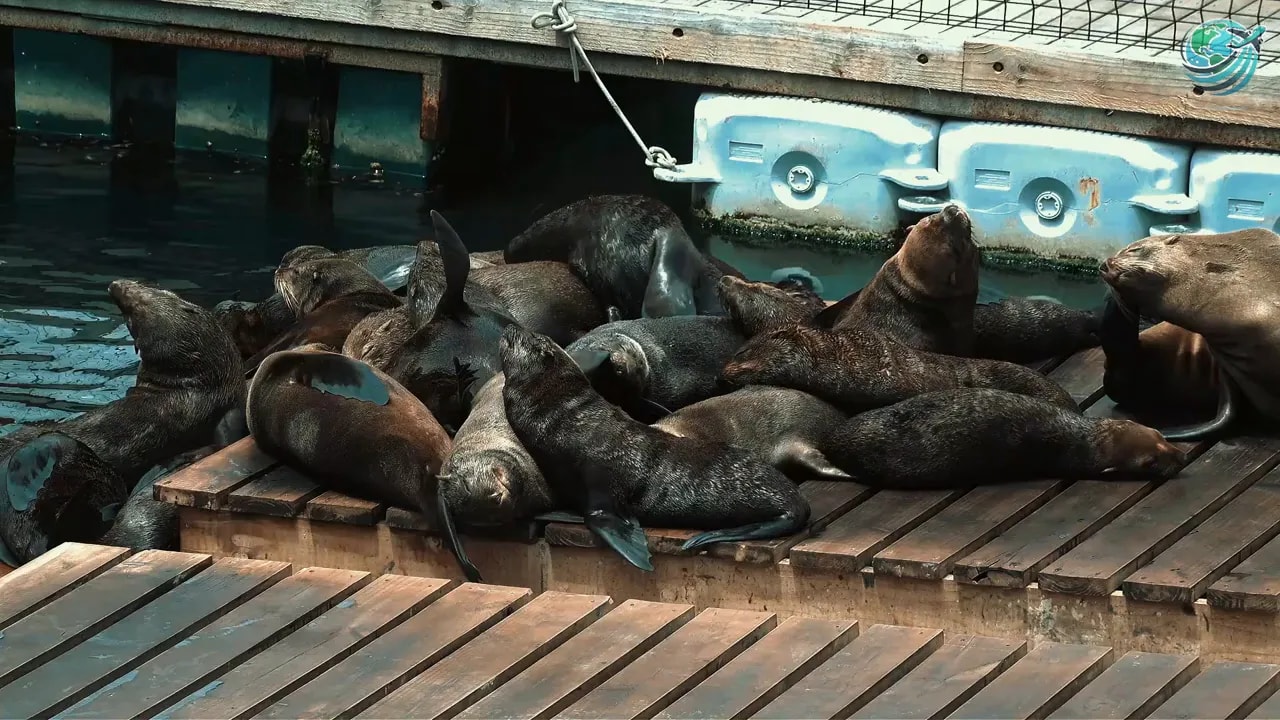
Mar del Plata also hosts an international film festival, traditionally held in November. Yet the best part may be simpler than any event: a late walk, a cold ocean breeze, and the realization that traveling sometimes means doing nothing more ambitious than stopping to look.
🗺️ How to Build an Argentina Itinerary Without Losing the Magic
Argentina is too large to treat casually. The best route is not the one that includes everything. It is the one that respects distance and allows each landscape to land properly.
- For cities and culture: Combine Buenos Aires, Córdoba, and Salta.
- For wine and mountains: Pair Mendoza with Aconcagua country, then add Bariloche or San Martín de los Andes.
- For wild nature: Focus on Iguazú, El Chaltén, Patagonia, and Ushuaia.
- For a northern road trip: Combine Salta, Jujuy, the Quebrada de Humahuaca, and Salinas Grandes.
- For a coastal ending: Add Mar del Plata after time in Buenos Aires.
- For a bigger journey: Think in regions and use domestic flights where needed. Argentina’s distances are real, and the map rewards patience.
The country gives you permission to choose your own pace. You can hike hard, travel light, stay in remote lodges, take scenic drives, linger over wine, or simply walk through a new neighborhood until the day decides what happens next.
❓ Frequently Asked Questions
What is Argentina best known for?
Argentina is known for tango, Malbec wine, steak and empanadas, the Andes, Patagonia, Iguazú Falls, glaciers, football culture, and the dramatic landscapes around places such as El Chaltén and Ushuaia.
What is the best place in Argentina for nature?
It depends on the kind of nature you want. Iguazú offers rainforest and monumental waterfalls, El Chaltén offers trekking beneath famous peaks, Ushuaia combines mountains and sea, while Patagonia offers huge open landscapes, wildlife, glaciers, lakes, and long roads.
Is Mendoza only worth visiting for wine?
No. Wine is central to Mendoza, especially Malbec and the Uco Valley, but the region also offers cycling, horseback excursions, mountain roads, Andes views, and access to the Aconcagua area.
How difficult is the hike to Laguna de los Tres in El Chaltén?
Laguna de los Tres is a demanding full-day hike. The round trip is about 20 kilometres, with approximately 800 metres of elevation gain, and can take up to 10 hours. El Chaltén also has easier viewpoints and shorter trails for those seeking a gentler experience.
What should I know before visiting Salinas Grandes?
Salinas Grandes lies above 3,400 metres, so altitude planning matters. Carry water, move slowly, make short stops, and choose transportation that allows you to enjoy the high-altitude landscape without rushing.
Which destination is best for seeing the end of the world in Argentina?
Ushuaia is the iconic answer. Set between mountains and the Beagle Channel in Tierra del Fuego, it offers cold southern waters, wildlife boat trips, national park trails, winter sports, king crab, and connections toward Antarctica.
✨ The Constant Metamorphosis of Argentina
Argentina never asks you to stay the same from one stop to the next. Buenos Aires begins with elegance, tango, and loud laughter late into the night. Iguazú reminds the body what scale feels like. San Martín de los Andes teaches the value of slowing down. Patagonia turns the horizon itself into a destination.
Ushuaia pushes the journey to its southern edge. Bariloche softens it with forests, lakes, and chocolate. Mendoza brings sunlight and Malbec. El Chaltén asks for tired legs and gives back mountains that stay in the mind. Jujuy paints the land in layers, Salta fills the evening with music, Córdoba brings youthful streets and plazas, and Mar del Plata finishes with salt, wind, and waves.
That is Argentina’s real magic. It is not one journey but many, joined together across a single country. You decide when to move quickly, when to stay longer, when to splurge, and when to take the road with nothing more than a full tank, a good playlist, and the next horizon ahead.