Belgium Looks Like a Fairytale: Hidden Places, Medieval Towns and Wild Landscapes
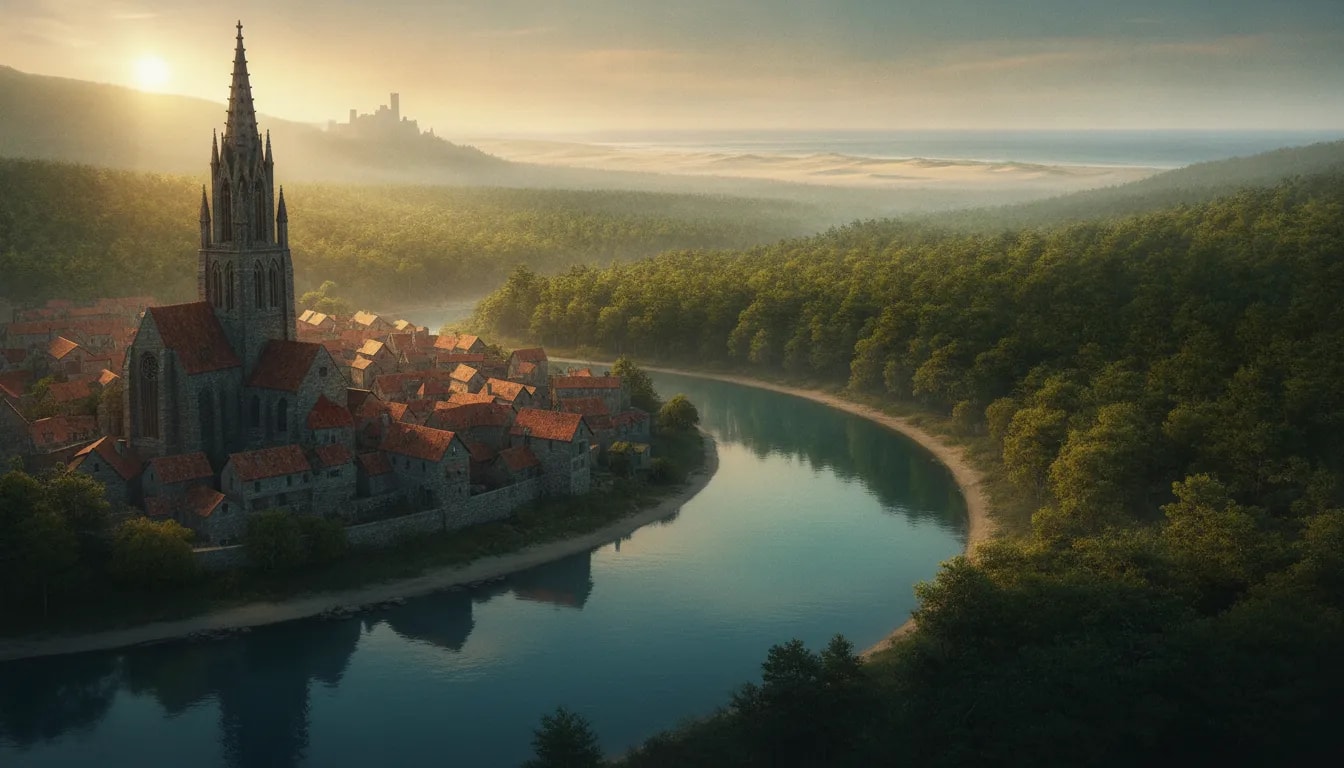
Belgium is small enough to cross by train in a few hours, yet every stop feels like a different world. One moment there are Gothic towers beside quiet canals, then a forested valley with a medieval fortress, then wide North Sea beaches, and finally a windswept plateau that feels closer to northern Europe than to the heart of the continent.
It is a country where French, Dutch and German coexist, where old stone streets lead to modern architecture, and where history never sits behind glass. It lives in the rhythm of city squares, in the reflections of rivers, in the aroma of chocolate, and in the silence of the Ardennes.
Table of Contents
- 🌍 Why Belgium Feels Bigger Than It Is
- 🏰 Bruges: Canals, Bridges and the Lake of Love
- 🦁 Ghent: Medieval Grandeur With a Young Spirit
- ✨ Brussels: Golden Squares, Iron Crystals and Irreverent Humour
- 💧 Spa: Where Wellness Became a Word
- 💎 Antwerp: Diamonds, Fashion and a Port That Faces the World
- 🏞️ Namur and Dinant: Where Rivers Reflect History
- 🌿 Durbuy and Bouillon: The Quiet Heart of the Ardennes
- 🎓 Leuven: Youth, Knowledge and Gothic Detail
- 🌊 Ostend: Belgium’s North Sea Escape
- 🧵 Kortrijk: Linen, Design and Flemish Pride
- 🌫️ High Fens: The Roof of Belgium
- 🗺️ A Belgium Travel Route Built Around Contrasts
- ❓ Frequently Asked Questions
- 🌟 The Greatness of a Small Country
🌍 Why Belgium Feels Bigger Than It Is
- A country of contrasts: Belgium moves effortlessly between medieval towns, cosmopolitan cities, Atlantic beaches and deep forests.
- Three official languages: Dutch, French and German shape local identities, place names and traditions.
- Short distances, rich variety: Historic cities, woodland, coastline and river valleys are all remarkably close together.
- A living crossroads of Europe: Belgium brings together art, architecture, trade, gastronomy, design, music and political life in one compact landscape.
- More than famous landmarks: Beyond Brussels, chocolate and beer lies a quieter Belgium of castles, abbeys, cobbled lanes and villages that seem suspended in time.
Belgium rewards slow travel. It is not a country to rush through while checking off monuments. Its beauty appears in transitions: from one language to another, from a busy square to an empty riverside path, from a polished city façade to a moss-covered stone wall in the Ardennes.
🏰 Bruges: Canals, Bridges and the Lake of Love
Bruges is often the first place that makes Belgium feel unreal. Its name comes from an old Norse word associated with bridges, and the city truly is built around them. More than 80 bridges cross its canals, linking medieval streets, red-roofed houses and small green spaces.
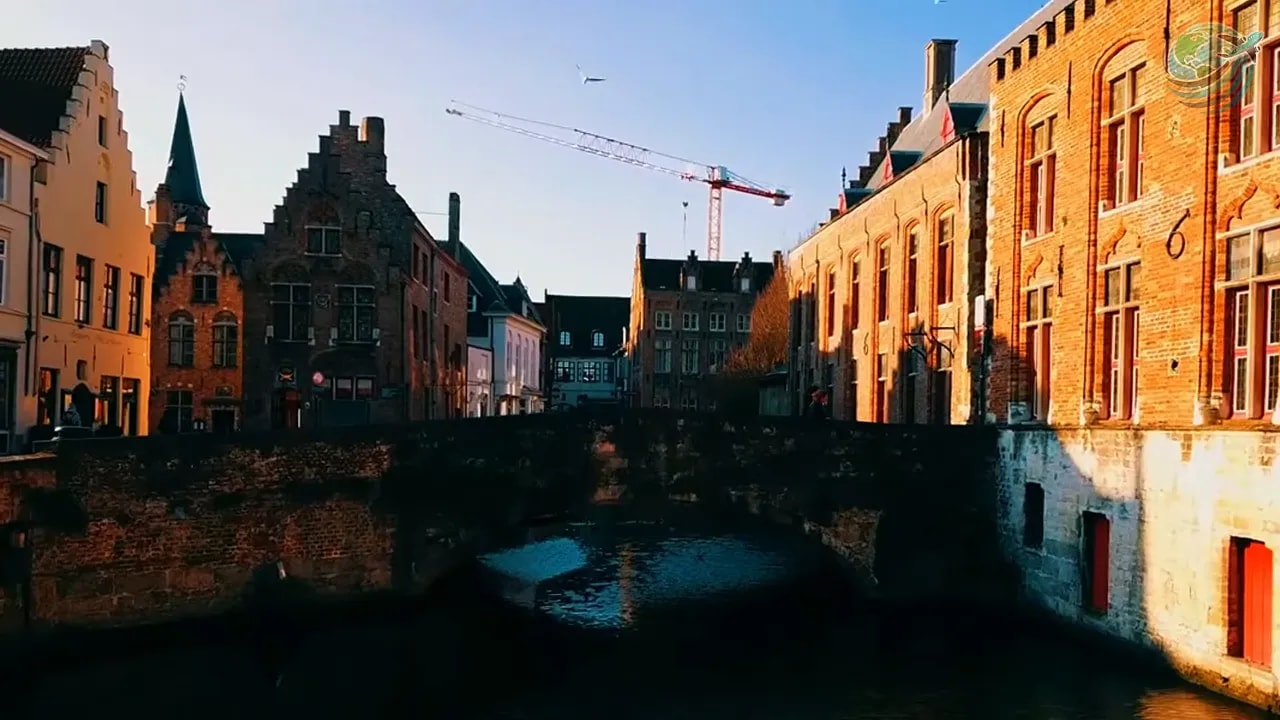
- Minnewater Park: Home to the Lake of Love, a peaceful place of trees, water and old legends. Tradition says that couples crossing its bridge together will share lasting love.
- The Belfry: Its chimes have marked the passing of time for more than seven centuries, bringing sound to a city known for its calm.
- Chocolate and waffles: Bruges is a natural stop for anyone travelling through taste, with workshops, chocolate shops and classic Belgian sweets around nearly every corner.
- Medieval atmosphere: Cobblestones, canals and gabled façades create the sense that the city belongs to another century, even as cafés and daily life keep it alive.
Bruges is not simply romantic because of its scenery. It is romantic because it is quiet enough to hear the water, the bells and the echo of footsteps on stone.
🦁 Ghent: Medieval Grandeur With a Young Spirit
Ghent is known as Gent in Dutch and Gand in French. Even its name reflects Belgium’s layered identity. With more than a thousand years of history, it carries its past proudly, yet it has a younger, more energetic pulse than many historic cities.
- The three towers: St Nicholas’ Church, St Bavo’s Cathedral and the Belfry stand in a famous line through the heart of the city.
- The Belfry of Ghent: Rising 91 metres and crowned by a golden dragon, it is the tallest belfry in Belgium.
- St Bavo’s Cathedral: A key stop for Flemish art, particularly for the Adoration of the Mystic Lamb.
- Gravensteen: The Castle of the Counts offers a strong medieval presence above the city streets and rooftops.
- Graslei and Korenlei: These historic riverfront quays become especially atmospheric after dark, when the city’s lighting reflects in the water.
- Food culture: Ghent is closely associated with vegetarian gastronomy, while also offering local desserts and a strong craft beer tradition.
At night, Ghent becomes a city of reflections. Bridges, façades and church towers glow above the River Lys, while the cafés along the banks fill with conversation. Here, medieval stone and contemporary life do not compete. They share the same streets.
✨ Brussels: Golden Squares, Iron Crystals and Irreverent Humour
Brussels is Belgium’s capital, but it is also a city of dramatic contrasts. The Grand Place feels like a royal stage set, while the Atomium rises nearby as a futuristic symbol of the twentieth century.
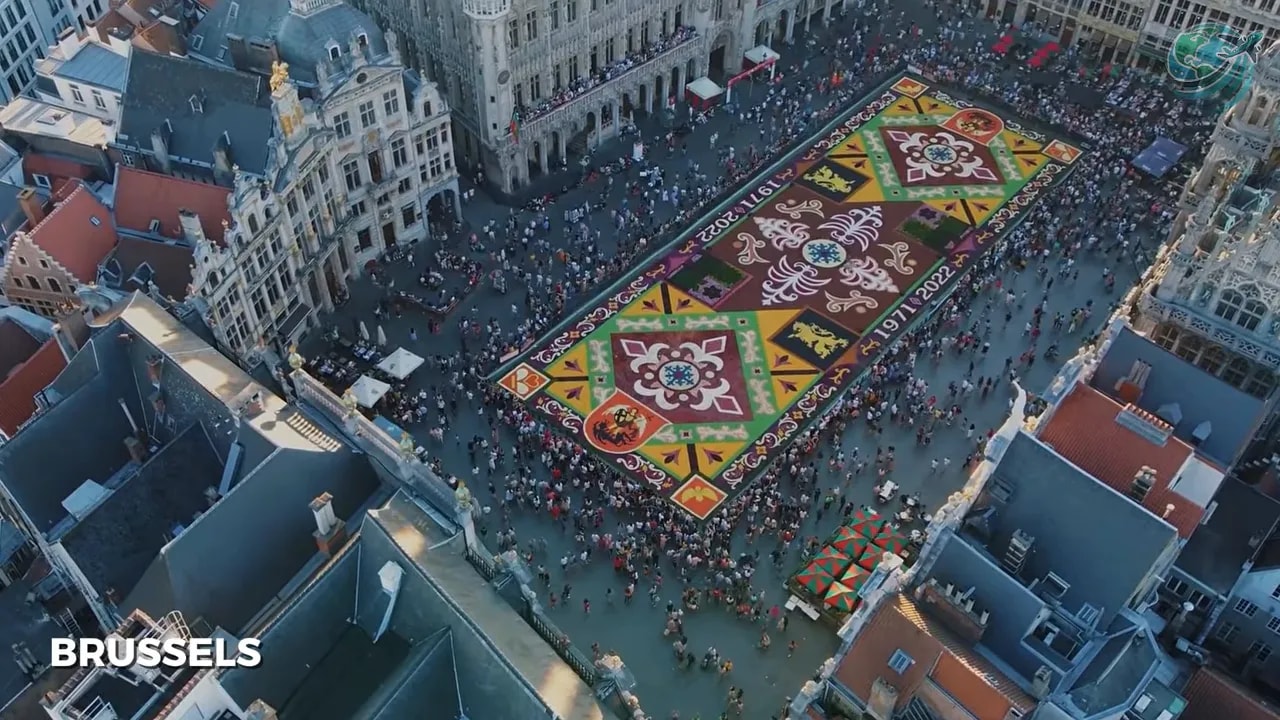
- Grand Place: Surrounded by ornate guild houses and the imposing Town Hall, this square changes character from daytime bustle to evening spectacle.
- Atomium: Built for the 1958 Universal Exposition, it represents an iron crystal enlarged 165 billion times. Its spheres contain exhibitions, panoramic spaces and views across Brussels.
- Royal Palace: The official residence of Belgium’s monarch, with grand rooms opened to the public during summer.
- Manneken Pis: A tiny statue with an outsized reputation, capturing the playful and irreverent spirit associated with Brussels.
- Tintin: The beloved reporter created by Hergé was born here, adding another layer to the city’s artistic identity.
- European crossroads: As the capital of the European Union, Brussels brings together languages, institutions and cultures from across the continent.
The city is at its most magical in winter, when Christmas markets, warm lights and food stalls turn historic streets into a maze of music and aromas. For practical information on cultural sites and seasonal events, the official Brussels travel guide is a useful starting point.
💧 Spa: Where Wellness Became a Word
In the wooded hills of the Ardennes lies Spa, a town whose name became a global synonym for rest and renewal. Its mineral springs have drawn travellers since Roman times, and their reputation shaped centuries of wellness culture.
- Mineral water heritage: The springs rise from Ardennes rock and are known for their iron-rich composition and natural gas.
- The Café of Europe: Spa once attracted nobility and high society seeking elegance, health and relaxation.
- Thermes de Spa: High above town, modern thermal pools offer a calm setting with views across the valley.
- Access to the heights: A cable car rises toward the thermal complex, while forest paths provide a slower route through the landscape.
- Pouhon Pierre-le-Grand: This historic spring remains one of the town’s most famous places to taste Spa water.
- Casino and evening life: Spa’s historic casino adds a more elegant rhythm after dark.
Then comes the complete opposite of stillness. A few kilometres away, the Spa-Francorchamps circuit cuts through the Ardennes hills. It is one of motorsport’s most legendary tracks, stretching just over seven kilometres and famous for its demanding bends, changing weather and lush surroundings.
Spa offers a choice that says much about Belgium itself: warm mineral water and quiet forest views, or the roar of engines through one of the world’s great racing circuits.
💎 Antwerp: Diamonds, Fashion and a Port That Faces the World
Antwerp shines in more ways than one. It is widely known as the diamond capital of the world, but its real energy comes from the meeting of craft, trade, art, fashion and movement.
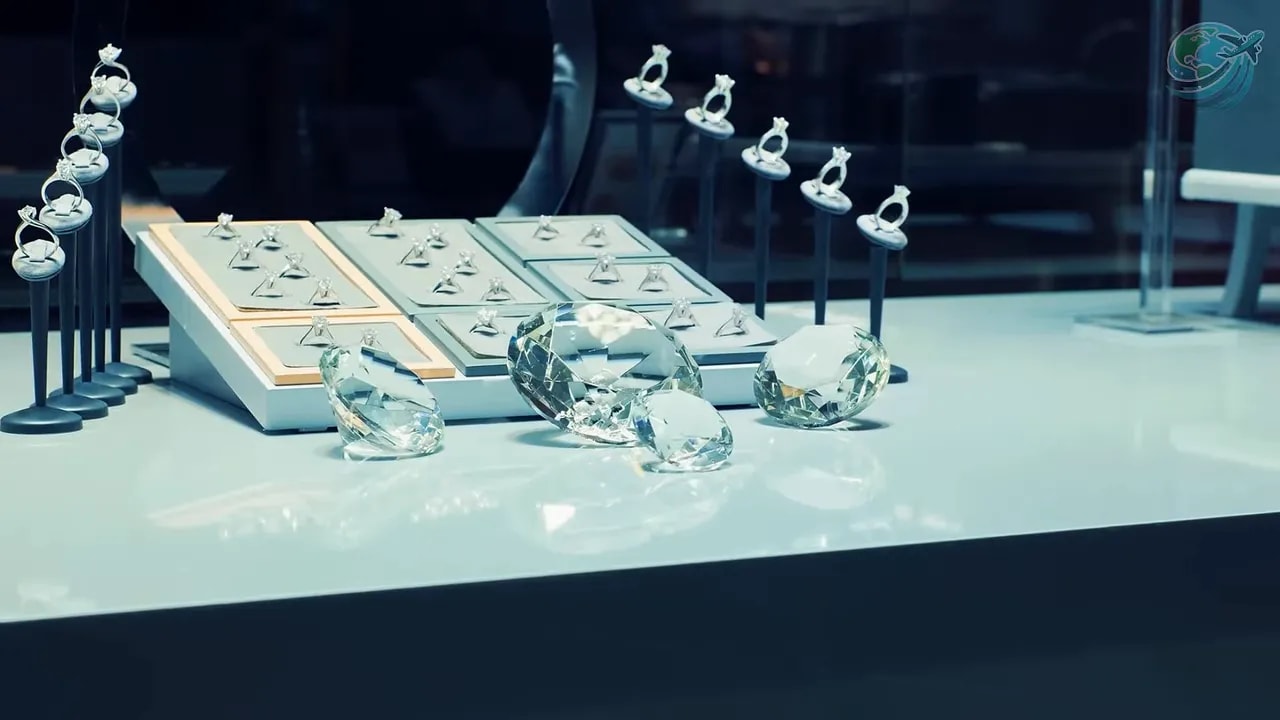
- Diamond District: For centuries, skilled craftspeople have cut and traded precious stones here, creating a global centre of precision and luxury.
- Port of Antwerp: One of Europe’s largest ports, connecting goods, people and ideas across continents.
- Port House: Designed by Zaha Hadid, this striking building reflects Antwerp’s industrial history and its forward-looking identity.
- Antwerp Central Station: With monumental arches, domes and elaborate detail, the station feels less like a transport hub and more like a palace of movement.
- Fashion: The city is a major European design centre. The Fashion Museum and the legacy of the Antwerp Six show how strongly the city has shaped modern style.
Antwerp has the confidence of a working city and the imagination of an artistic one. Its glamour is not limited to jewels in shop windows. It also lives in its architecture, its creative spirit and the enormous horizon of its port.
🏞️ Namur and Dinant: Where Rivers Reflect History
In Wallonia, water becomes part of the landscape’s memory. Namur stands at the meeting point of the Sambre and Meuse rivers, while Dinant rises dramatically between the Meuse and steep cliffs.
Namur: A Citadel Above Two Rivers
- Citadel of Namur: One of Europe’s best-preserved fortresses, dominating the city from above.
- River confluence: The viewpoint over the meeting of the Sambre and Meuse is among Belgium’s most memorable urban panoramas.
- Walloon character: As the capital of Wallonia, Namur moves at a serene pace through squares, cafés, markets and elegant streets.
- Annevoie Gardens: Created in the eighteenth century, these gardens combine French, English and Italian influences through fountains, pathways and sculptures.
- Regional flavours: Local cuisine celebrates game dishes, cheeses and seasonal fruit-based sweets.
Dinant: Cliffs, Saxophones and Honey Biscuits
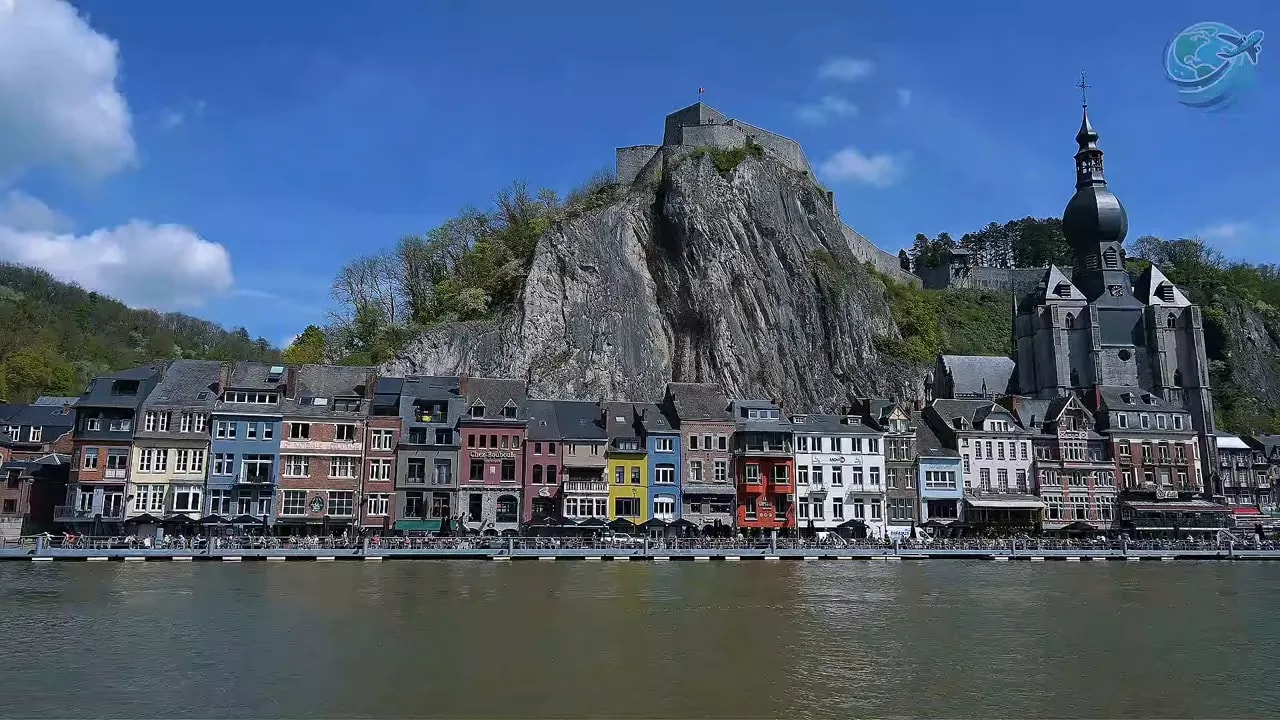
- Dinant Citadel: High above the town, the fortress can be reached by cable car or by climbing more than 400 steps.
- The Meuse panorama: From the citadel, the river curves through the town, past colourful houses and the distinctive church tower.
- Couque de Dinant: These beautifully moulded biscuits are made only with honey and flour. They are famously hard, almost as sturdy as the surrounding cliffs.
- Adolphe Sax: Dinant is the birthplace of the inventor of the saxophone. The town honours him with an interactive museum and colourful saxophones along Charles de Gaulle Bridge.
- Abbey beer heritage: The story of Leffe is also tied to this region, adding another note to Dinant’s blend of music, history and flavour.
- Boat journeys: A ride along the Meuse reveals the town from its most dramatic angle, where water, cliffs and fortifications meet.
Dinant is one of those places that seems designed for contrast: a citadel above, a river below, a saxophone melody in the streets, and a small town holding centuries of history between stone cliffs.
🌿 Durbuy and Bouillon: The Quiet Heart of the Ardennes
The Ardennes reveal another Belgium. Here, the roads curve through green hills, rivers wind past small towns, and old fortresses rise from ridges as if they are still guarding the valleys.
Durbuy: Small in Size, Grand in Atmosphere
- The smallest city in the world: The title is symbolic rather than official, but it captures Durbuy’s intimate scale and storybook charm.
- Historic centre: Cobblestones, stone houses, small shops and flower-lined lanes create a place where time feels slower.
- Durbuy Castle: Its towers and walls overlook the town and the River Ourthe.
- Topiary Park: More than 200 living sculptures turn shrubs into animals, people and scenes from everyday life. It is described as the largest topiary park in Europe.
- Nature nearby: The Roche à la Falize rock formation and the quiet river offer peaceful escapes beyond the centre.
Bouillon: A Medieval Fortress in a River Bend
- River Semois setting: Bouillon sits within a dramatic curve of the river, surrounded by forested hills.
- Bouillon Castle: Built on rock above the valley, this fortress is associated with Godfrey of Bouillon, who left from here to lead the First Crusade.
- Military genius: Towers, ramparts and hidden passages reveal why the castle was considered one of Europe’s most strategically important medieval strongholds.
- Falconry displays: In summer, birds of prey bring movement and spectacle to the castle grounds.
- Ducal Museum: Documents, art and relics explore medieval life and the history of the Crusades.
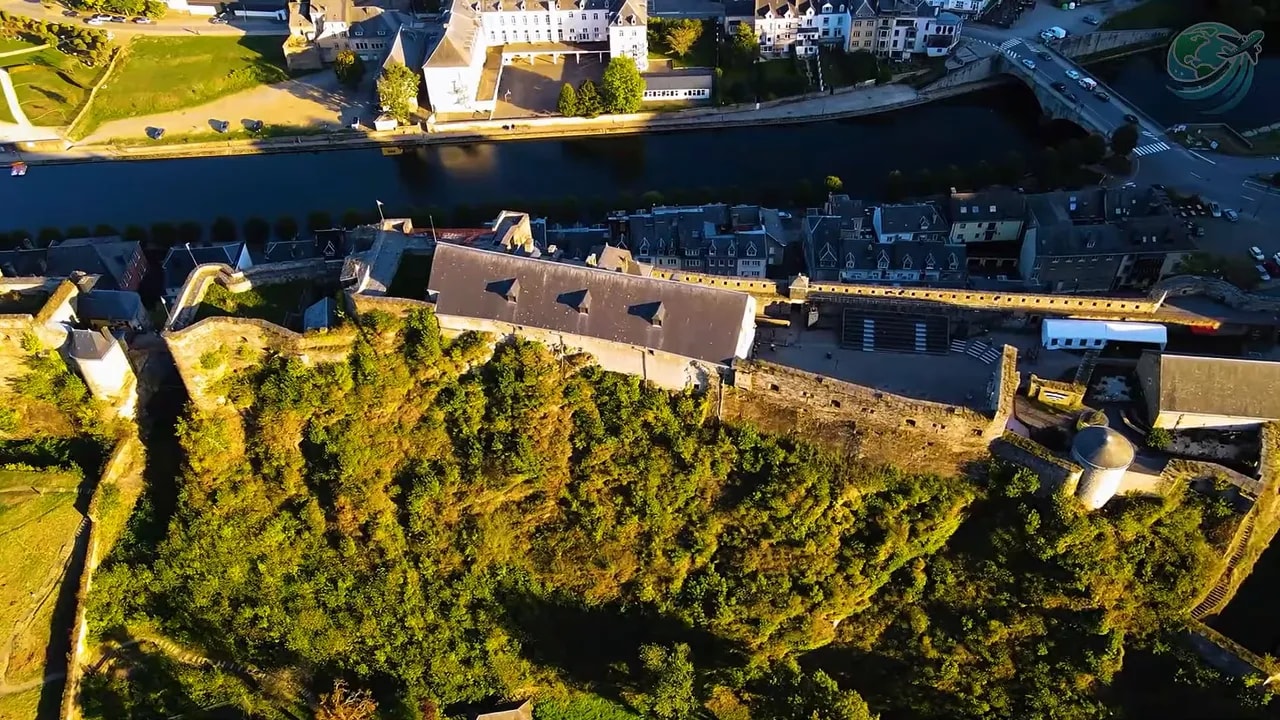
Durbuy and Bouillon prove that Belgium’s most powerful moments are often found in its smallest places. They are not built around noise or scale. They invite stillness, imagination and a long look over the valley.
🎓 Leuven: Youth, Knowledge and Gothic Detail
Leuven brings a younger rhythm to the journey. Its university, founded in 1525, is one of Europe’s oldest, and the city’s streets carry the energy of students, researchers, artists and creative spaces.
- University heritage: Ancient bookshops, academic buildings and cultural spaces keep Leuven connected to centuries of learning.
- Town Hall: Its extraordinary Gothic façade is packed with intricate stonework, sculpted detail and towers that seem to reach for the sky.
- St Peter’s Church: A place of religious art and medieval heritage beside the city’s central square.
- Old Market Square: Known for its concentration of bars and restaurants, it is often called the largest open-air bar in Europe.
- Past and future together: Design shops, modern cafés and cultural venues thrive inside historic buildings.
Leuven shows that heritage does not have to be quiet or distant. Here, it is part of daily life, framed by study, conversation, nightlife and the constant feeling that something new is beginning.
🌊 Ostend: Belgium’s North Sea Escape
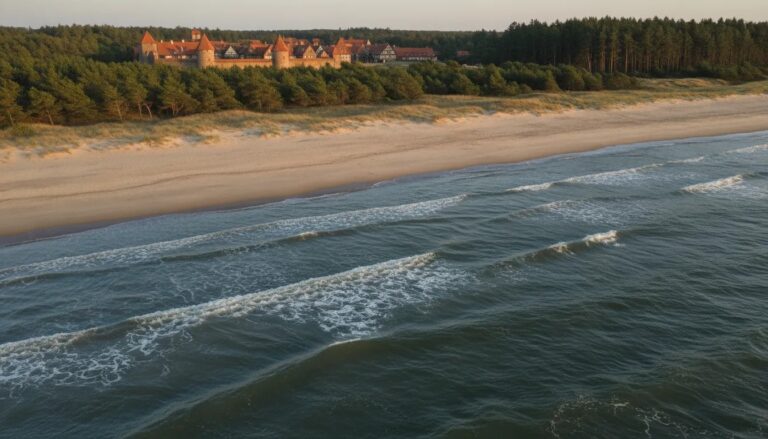
At the edge of the North Sea, Ostend opens Belgium toward the horizon. Its broad beach, seaside promenades and cycling paths offer a completely different mood from the country’s inland towns and river valleys.
- Ostend Beach: Golden sand and the rhythm of the waves make the coast the heart of city life.
- Sand Sculpture Festival: In summer, artists transform the shore into an open-air gallery of temporary works.
- Fort Napoleon: Built in 1805 among the dunes, the fort now houses an interactive museum.
- Artistic heritage: The city is associated with Belgian artists including James Ensor and Léon Spilliaert.
- Church of Saints Peter and Paul: Gothic towers and colourful stained glass create one of the coast’s most striking landmarks.
- Seafood at Vistrap: The fish market offers oysters, shrimp and fresh herring, bringing the North Sea directly to the table.
Ostend is a place for long walks beside the sea and for sunsets that turn the water into a sheet of gold. For coastal ideas and practical information, explore Ostend’s official visitor guide.
🧵 Kortrijk: Linen, Design and Flemish Pride
Kortrijk, on the River Lys, has long been shaped by linen. This fabric became known as the Gold of Flanders, and its story still runs through the city’s identity.
- Broel Towers: Medieval remnants of the old city walls, reflected in the river after dark.
- Texture Museum: Located in a former warehouse by the Lys, the museum traces how linen became a source of innovation, elegance and prosperity.
- Sustainable outlook: Kortrijk balances its industrial past with a modern focus on design and sustainability.
- Grote Markt: Cafés, restaurants and historic buildings create the social centre of the city.
- Golden Lions: The lions commemorate the Battle of the Golden Spurs, a defining symbol of Flemish pride.
- Medieval landmarks: The Belfry, St Martin’s Church and Beguinage preserve the city’s historic core.
Kortrijk’s story is woven from threads of history and renewal. It shows how a city can honour an old craft while continuing to design its future.
🌫️ High Fens: The Roof of Belgium
The journey ends in a place few expect to find in Belgium. The High Fens, or Hautes Fagnes, are open, wild and hauntingly quiet. Here, the landscape becomes a plateau of peat bogs, damp valleys, forest edges and wide skies.
- Signal de Botrange: At nearly 700 metres above sea level, it is Belgium’s highest point and is often called the Roof of Belgium.
- Belgian tundra: The open landscape has earned this nickname because of its vast fields, wind and northern atmosphere.
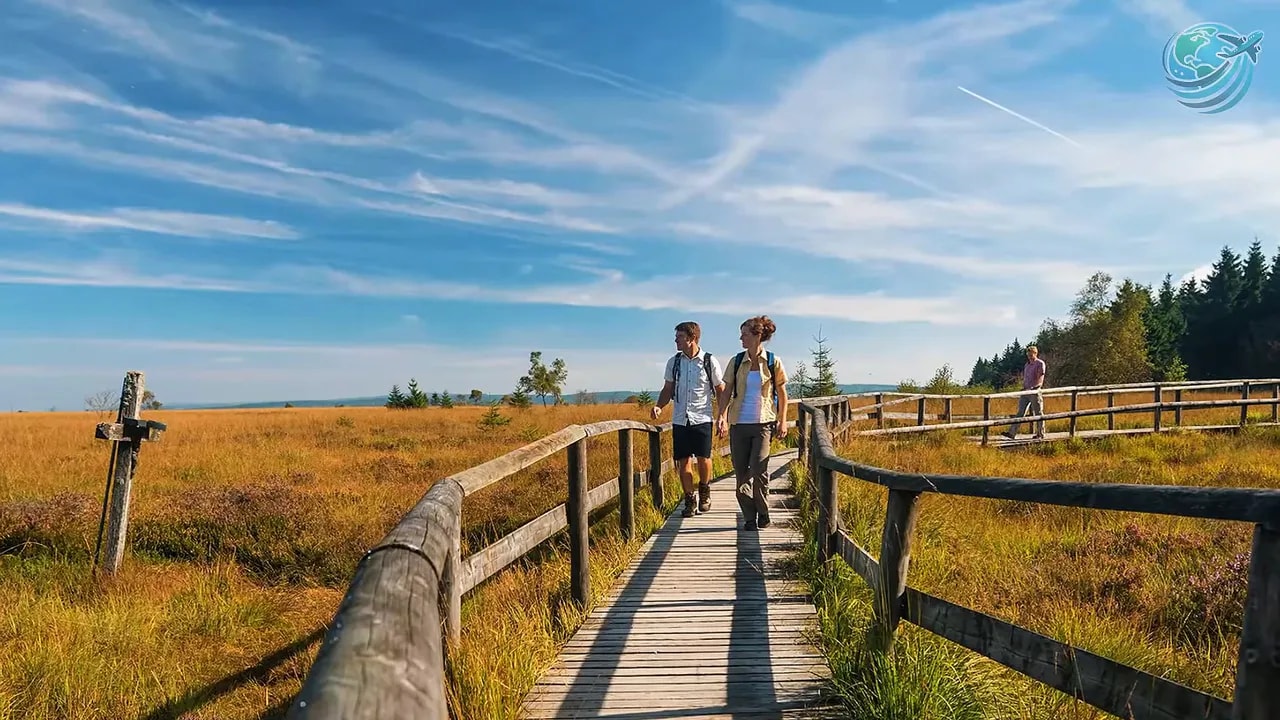
- Hautes Fagnes Eifel Nature Park: One of the region’s great natural treasures, with wooden walkways across sensitive peat bogs and wet ground.
- Maison du Parc Naturel: The nature centre near Botrange explains the geology, wildlife and formation of the Fens.
- Signal de Botrange and Baraque Michel: These high points are historic landmarks in a region once known for fog, difficult crossings and isolated roads.
- Bayehon Waterfall: Hidden in the forest, it is Belgium’s tallest waterfall.
The High Fens are not dramatic in the way a castle or cathedral is dramatic. Their power lies in space and silence. Wind moves through the grass, boardwalks disappear toward the horizon, and the sky seems much larger than it should in such a compact country.
🗺️ A Belgium Travel Route Built Around Contrasts
Belgium is ideal for a journey that combines famous cities with quieter, less expected places. A route can be shaped around mood rather than distance.
- For romance and medieval scenery: Bruges, Ghent, Durbuy and Dinant.
- For art, architecture and urban energy: Brussels, Antwerp, Ghent and Leuven.
- For fortresses and river valleys: Namur, Dinant and Bouillon.
- For wellness and motorsport: Spa and Spa-Francorchamps.
- For food and local traditions: Bruges chocolate, Dinant biscuits, Walloon cuisine, seafood in Ostend and craft beer across the country.
- For nature and quiet: The Ardennes, the High Fens and the valleys around Durbuy and Bouillon.
- For coast and open horizons: Ostend and Belgium’s North Sea shoreline.
For countrywide itinerary inspiration and travel planning, consult Visit Flanders and Visit Wallonia.
❓ Frequently Asked Questions
Is Belgium worth visiting beyond Brussels and Bruges?
Absolutely. Belgium’s character becomes even richer in places such as Ghent, Antwerp, Namur, Dinant, Durbuy, Bouillon, Ostend, Kortrijk, Spa and the High Fens. These destinations reveal river valleys, fortresses, forests, beaches, design culture and local traditions that are easy to miss on a short capital-city trip.
What are Belgium’s best fairytale towns?
Bruges is the classic choice for canals and medieval façades. Dinant adds dramatic cliffs and a riverside citadel, Durbuy offers intimate cobbled streets, and Bouillon has one of the country’s most impressive medieval castles.
Where can you find the best nature in Belgium?
The Ardennes offer forested hills, rivers and historic towns, while the High Fens provide open peat bogs, boardwalk trails and Belgium’s highest point at Signal de Botrange. The North Sea coast around Ostend offers a completely different natural setting of beach, dunes and wide horizons.
Why is the town of Spa important?
Spa became internationally influential because of its mineral springs and long tradition of wellness travel. Its name eventually became the word used worldwide for places dedicated to relaxation, thermal water and renewal.
What makes Belgium’s culture so distinctive?
Belgium’s identity comes from its meeting of languages, regions and traditions. Dutch-speaking Flanders, French-speaking Wallonia and the German-speaking community each contribute to the country’s cultural landscape, while shared passions for art, food, design, music, architecture and hospitality connect them.
🌟 The Greatness of a Small Country
Belgium does not reveal its greatness through size. It reveals it through detail.
- In Bruges, it is the sound of bells above a canal.
- In Ghent, it is a golden dragon watching over medieval towers.
- In Brussels, it is a square of gold beside a giant iron crystal.
- In Spa, it is warm water rising from the Ardennes.
- In Antwerp, it is a diamond, a garment, a train station and a port facing the world.
- In Dinant and Namur, it is history reflected in the Meuse.
- In Durbuy and Bouillon, it is the stillness of the Ardennes beneath ancient walls.
- In Ostend, it is sea air and the last light over the North Sea.
- In the High Fens, it is silence where the sky meets the earth.
To travel through Belgium is to move through Europe in miniature, but never in a simplified form. Every city, valley, castle and square carries its own voice. And somewhere between the old stone, the changing languages and the sudden open landscapes, Belgium begins to feel less like a stop on a map and more like a story that keeps unfolding.